

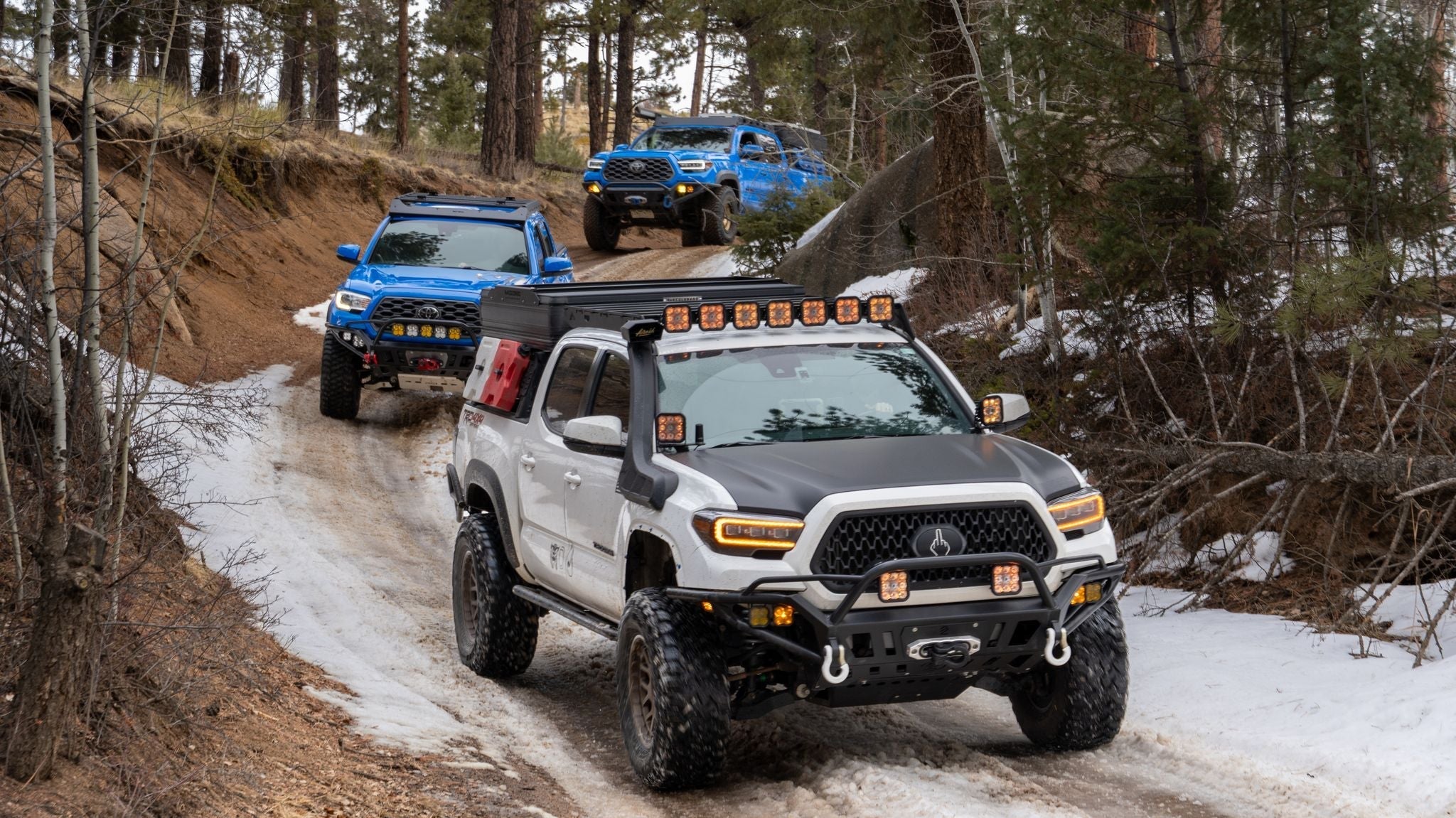
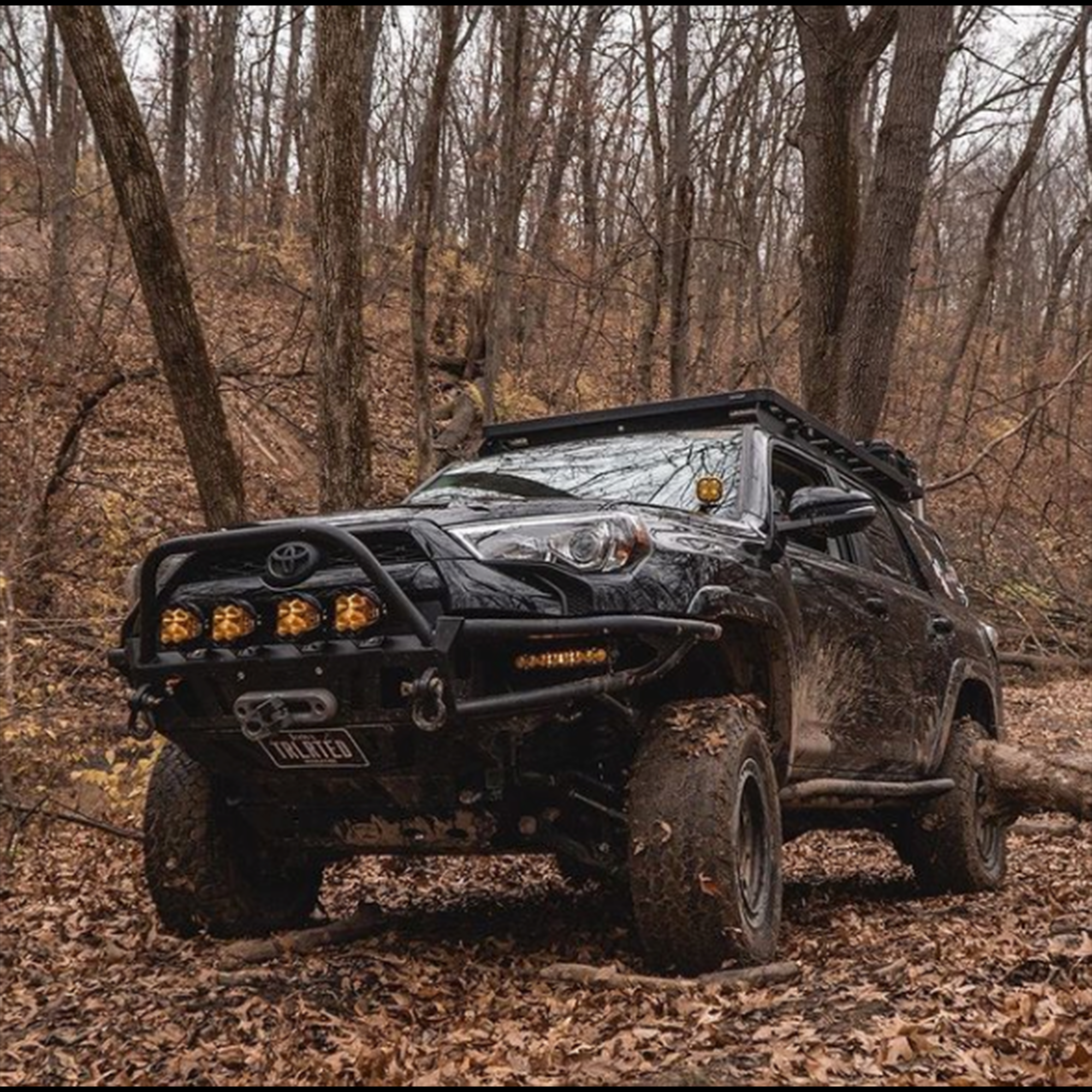
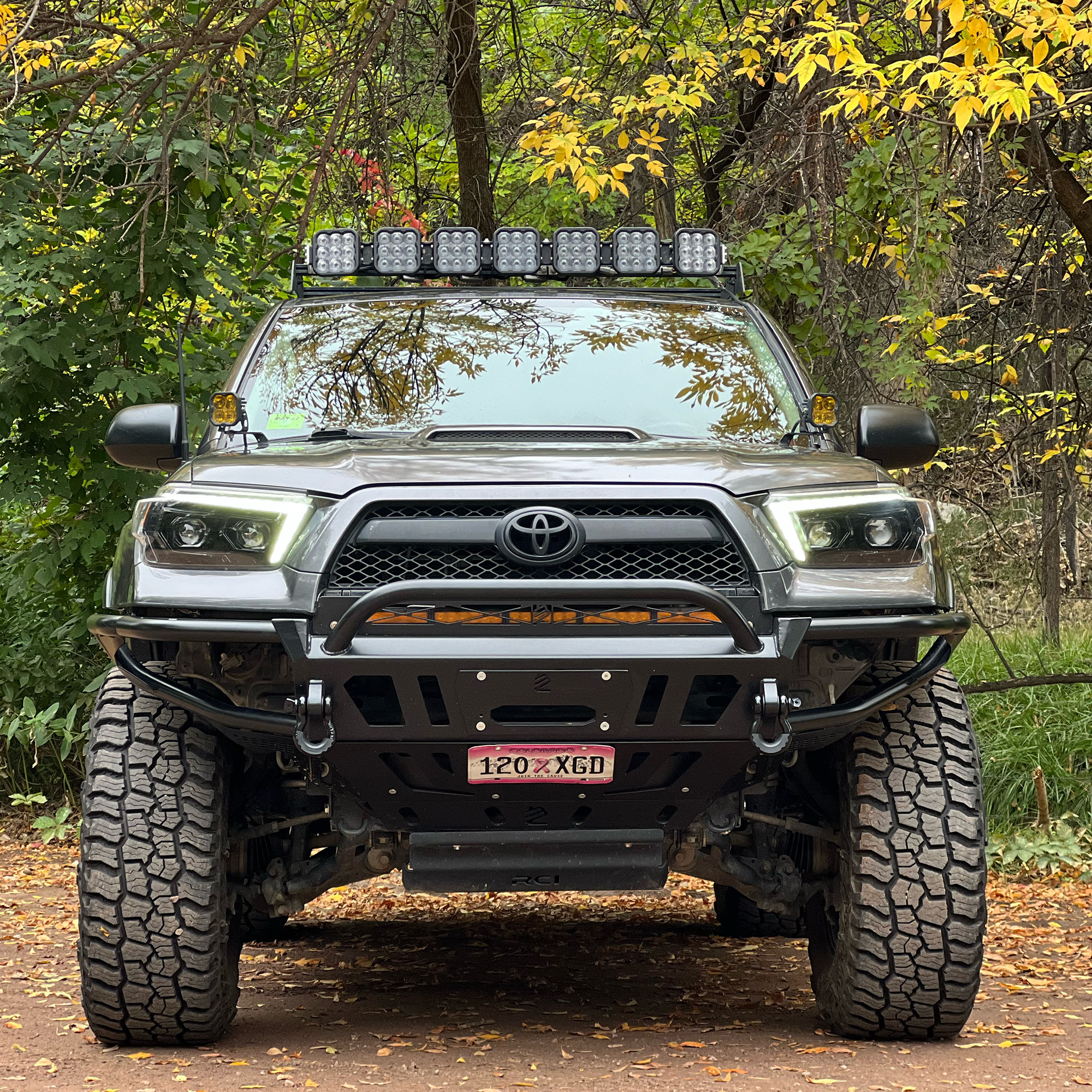
Building a capable Toyota for off-road use is not about adding every upgrade available. The best rigs are balanced. They protect critical components, handle rough terrain confidently, and still drive well on the street. Overbuilding can add unnecessary weight, reduce performance, and increase wear on suspension and drivetrain parts.
A balanced off-road build focuses on smart armor choices, thoughtful weight distribution, and upgrades that work together rather than compete with each other.

Start With Protection That Matters Most
Armor should be installed where damage is most likely to happen first. Front-end impacts, underbody strikes, and rocker panel damage are far more common than damage elsewhere.
Key areas to prioritize include:
-
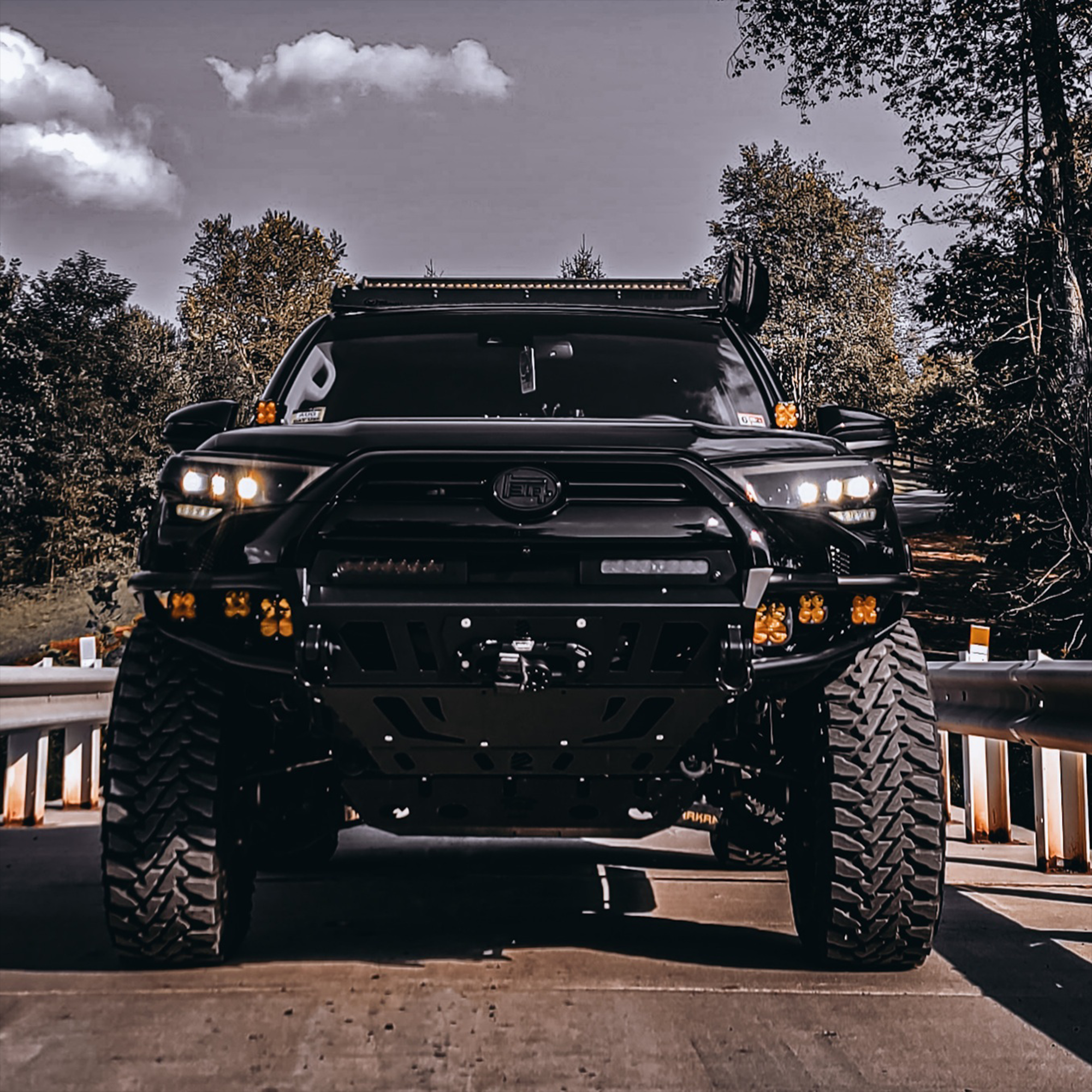
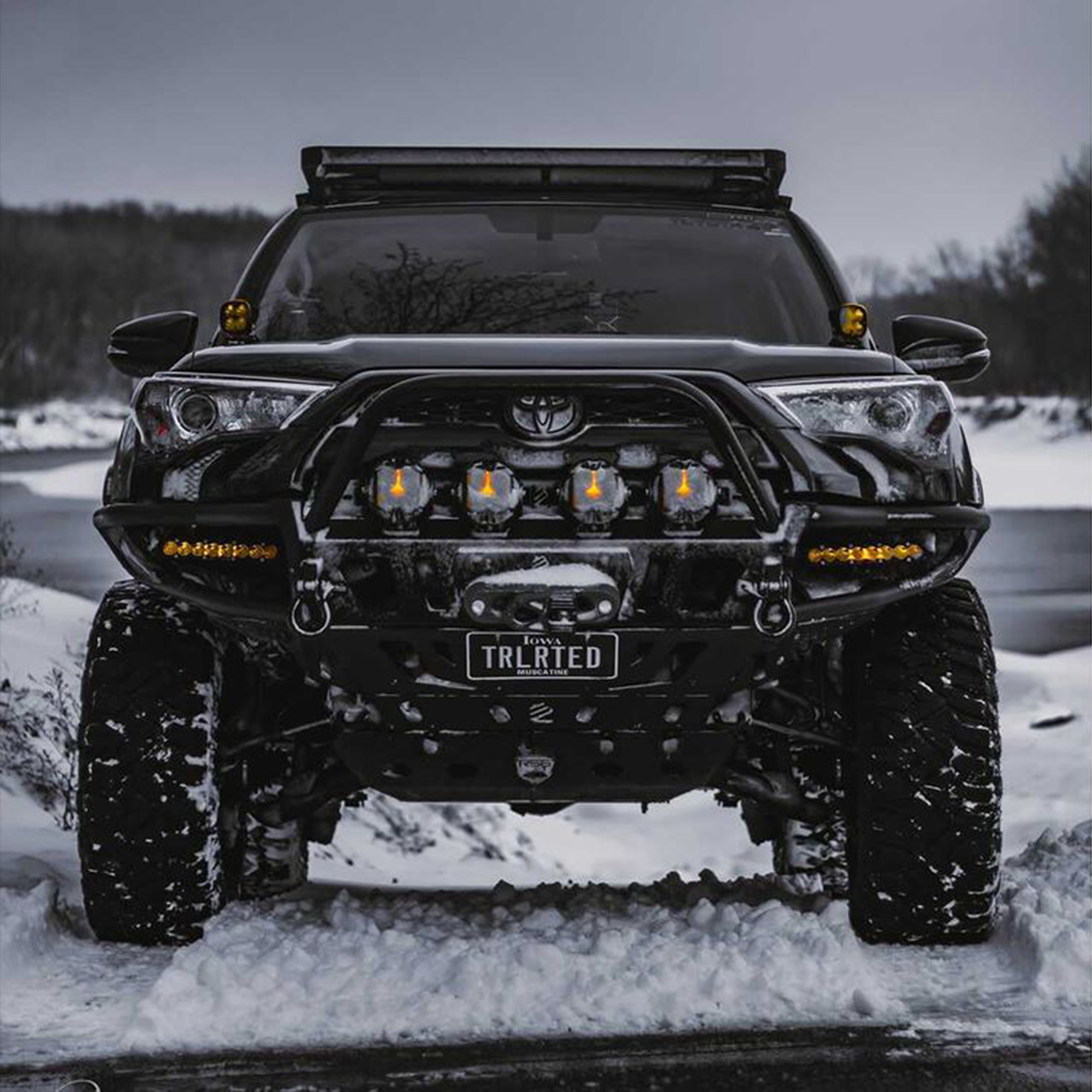
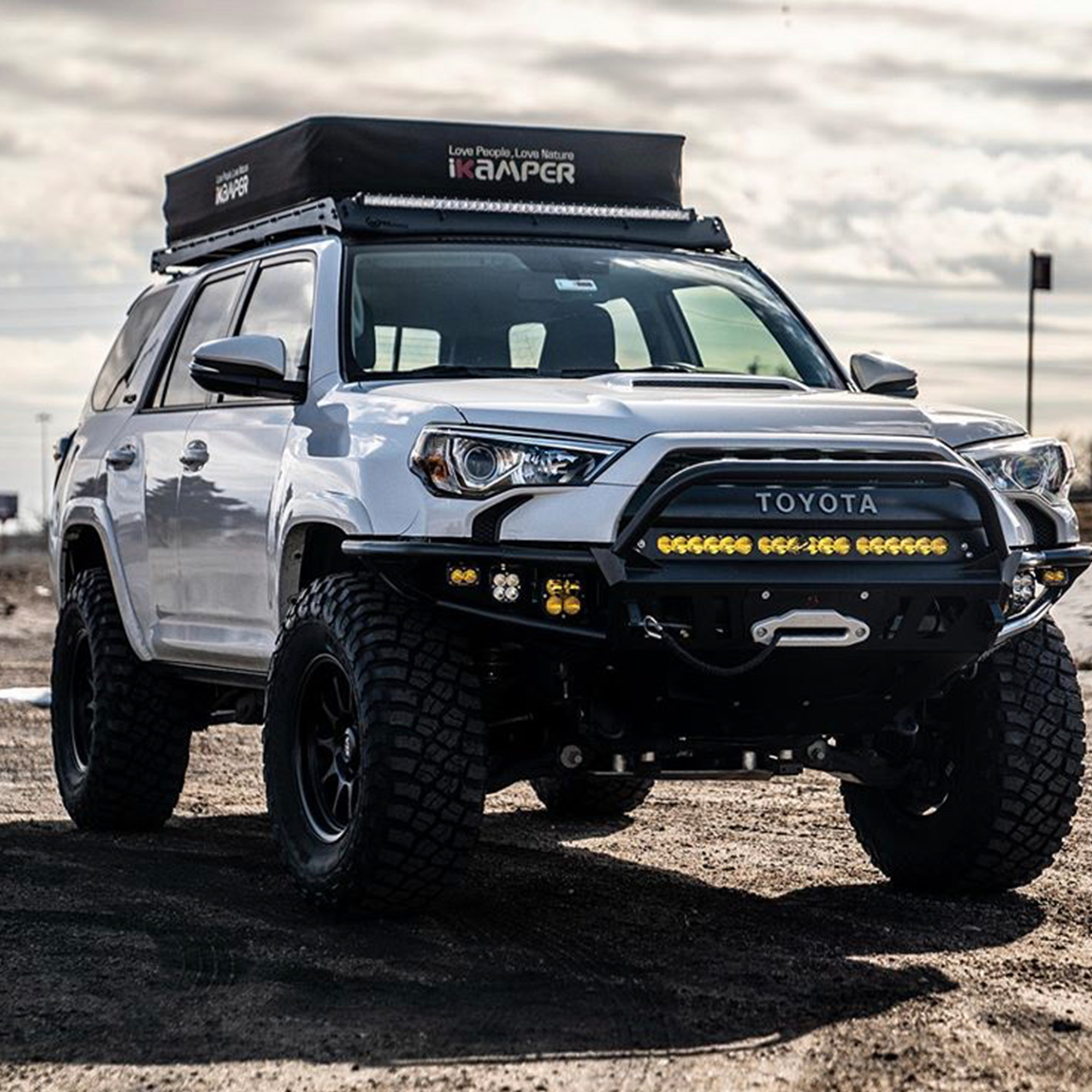
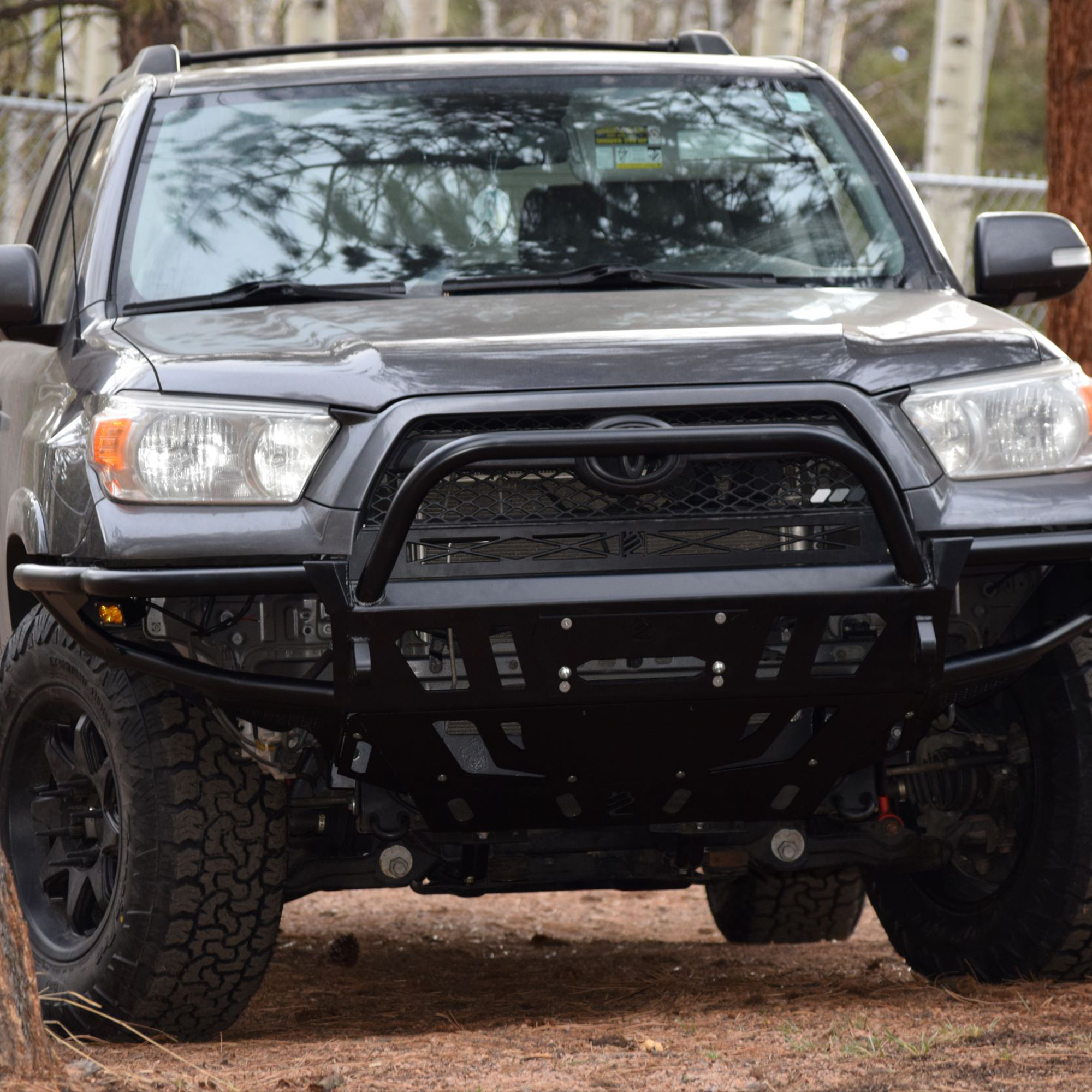
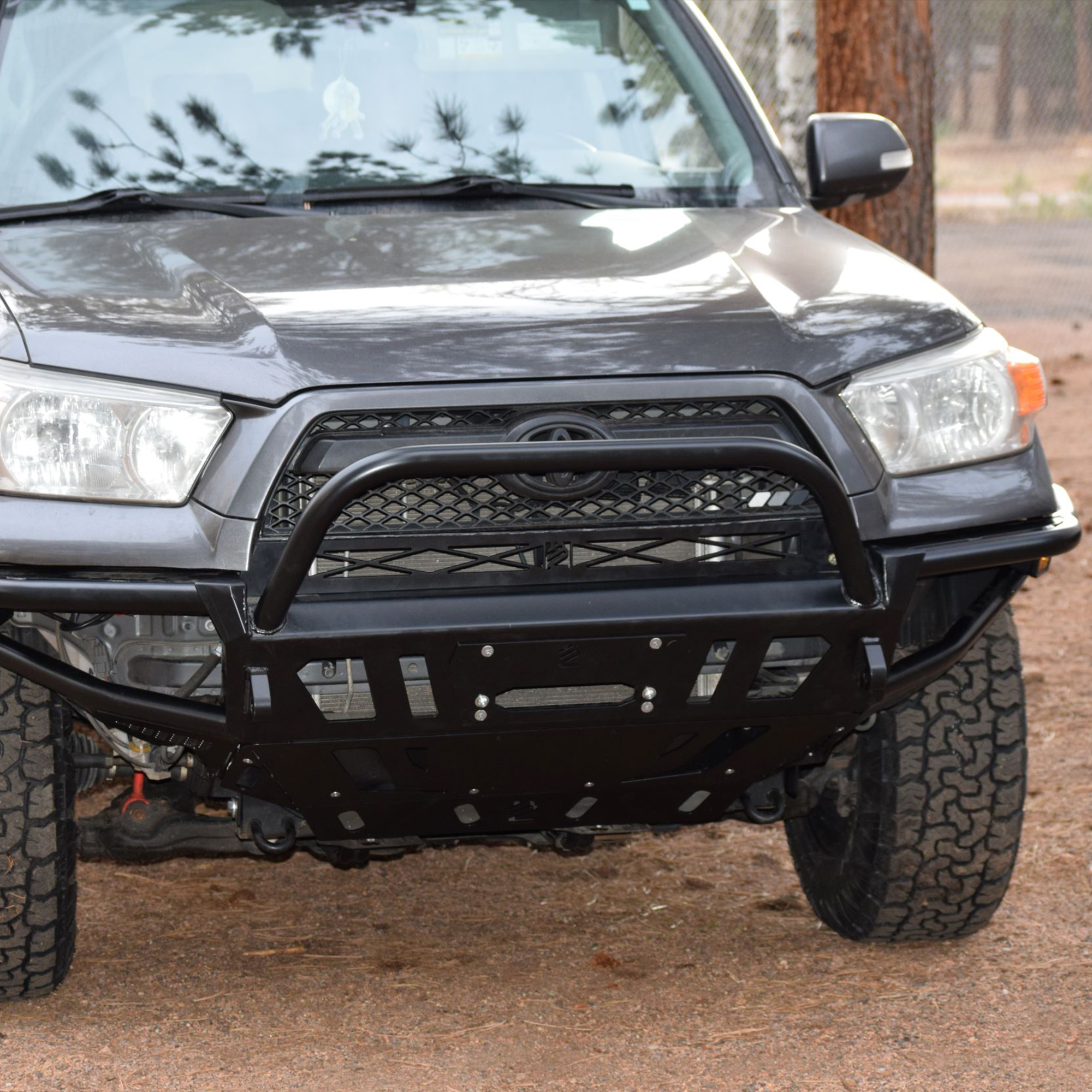
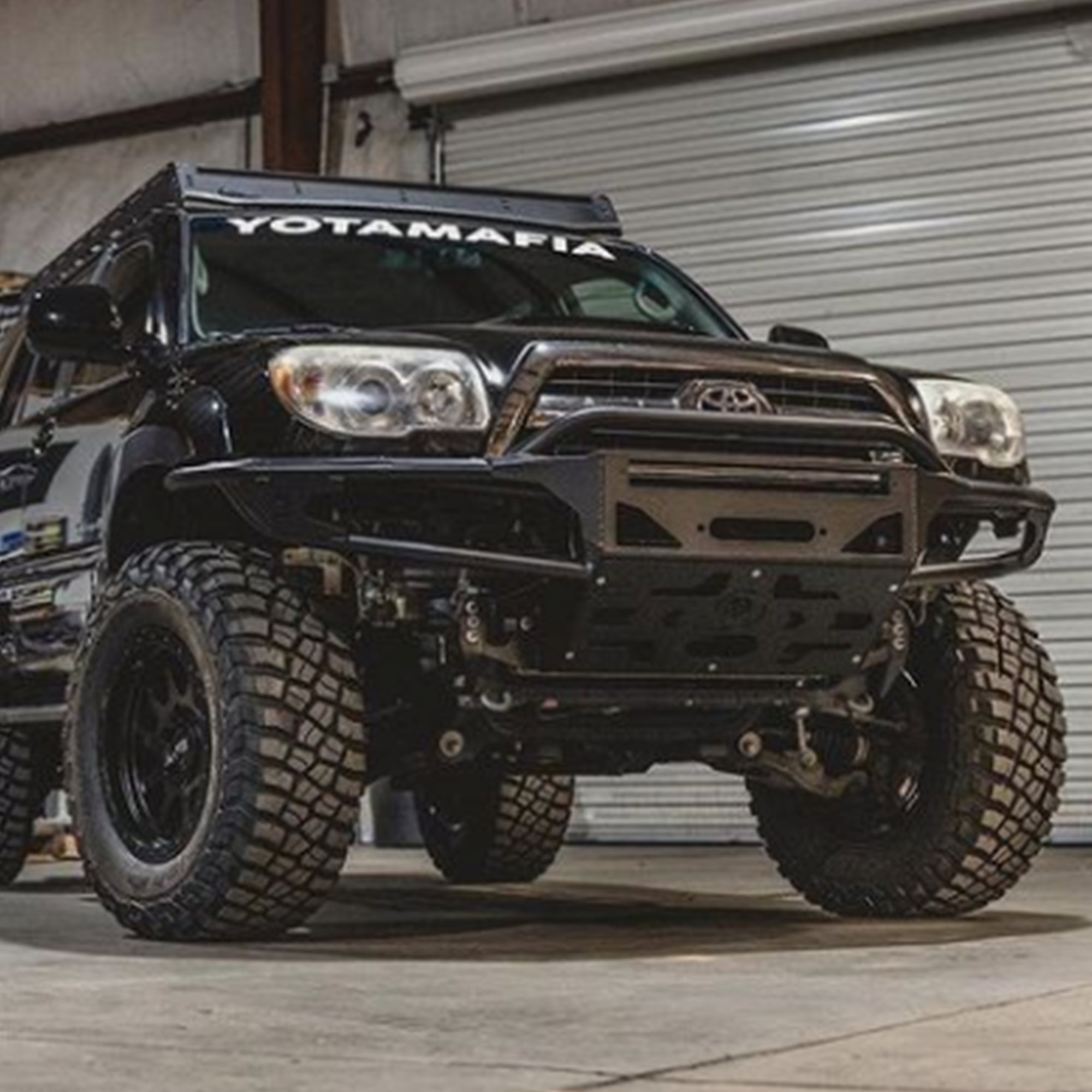
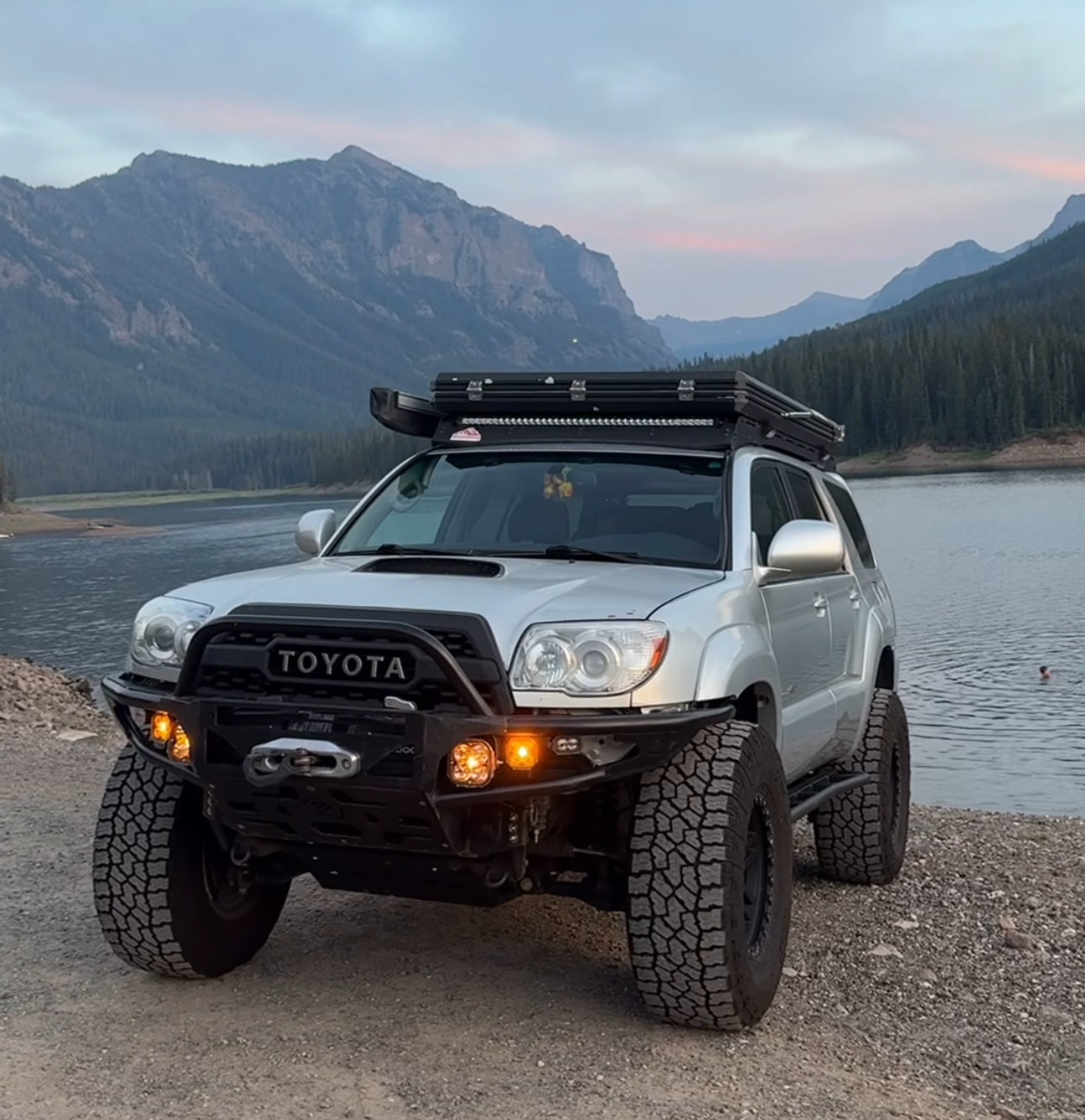
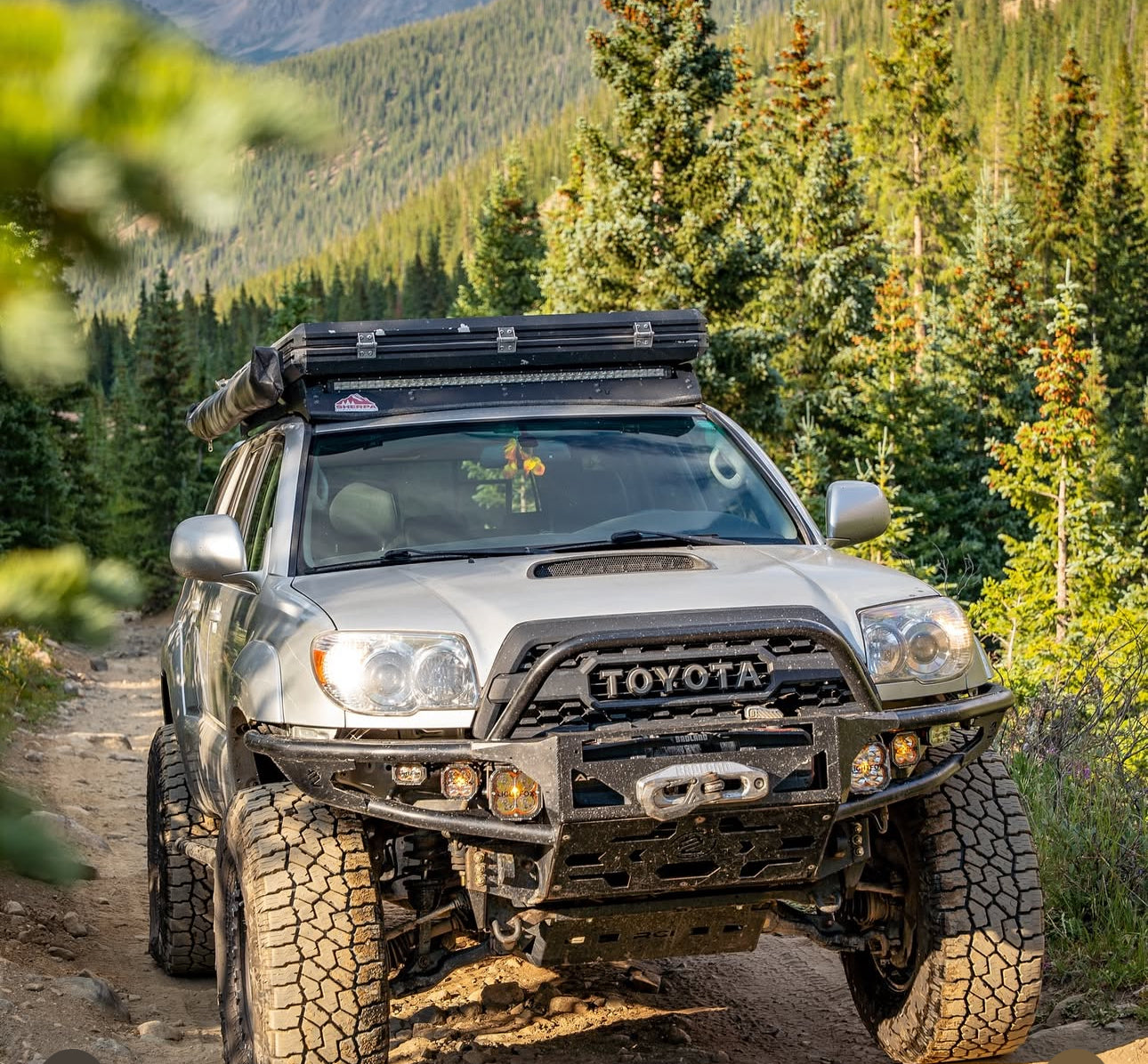
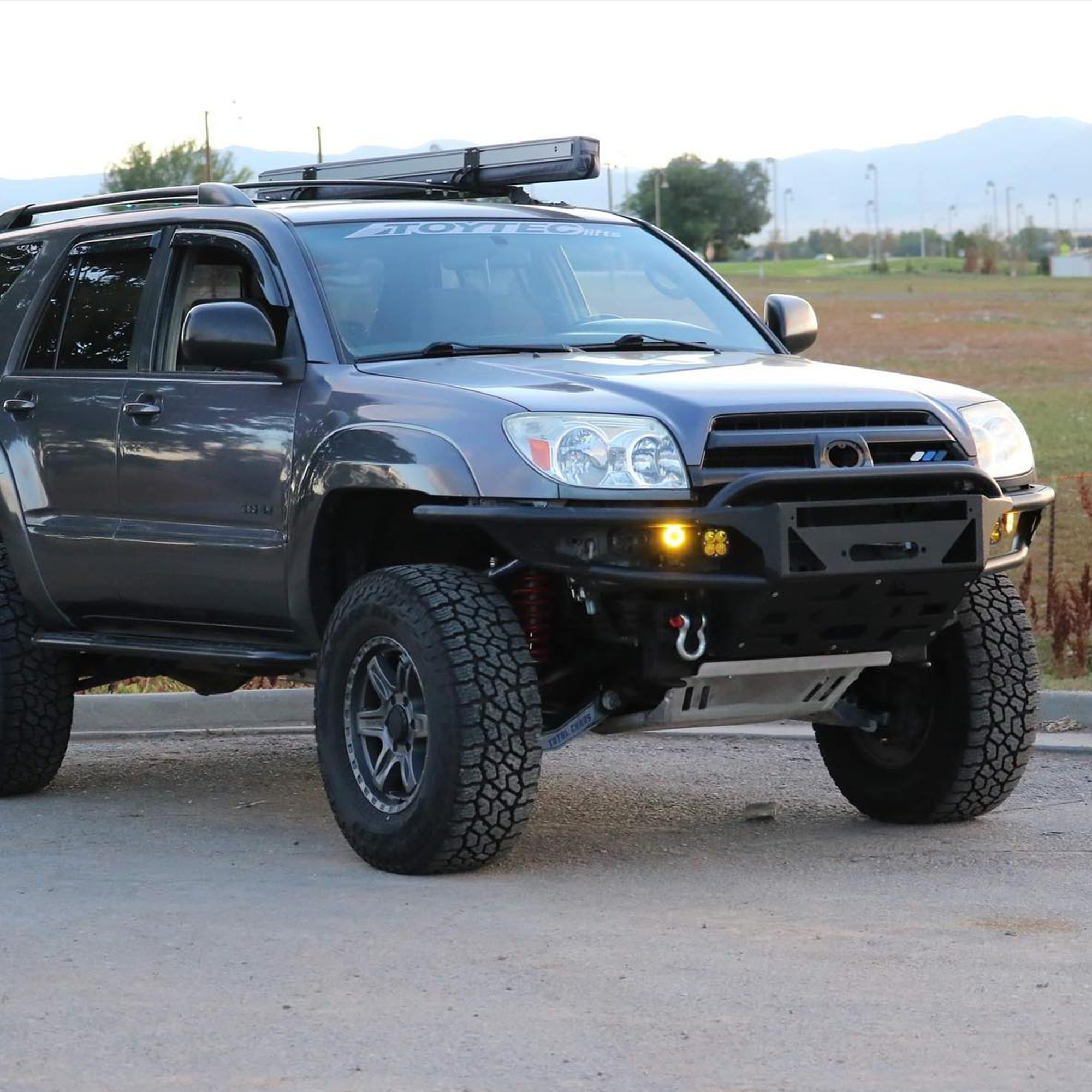
Front bumper protection for approach angles and recovery
-
Rock sliders to protect doors and body panels
-
Skid plates for engine, transmission, and transfer case
-
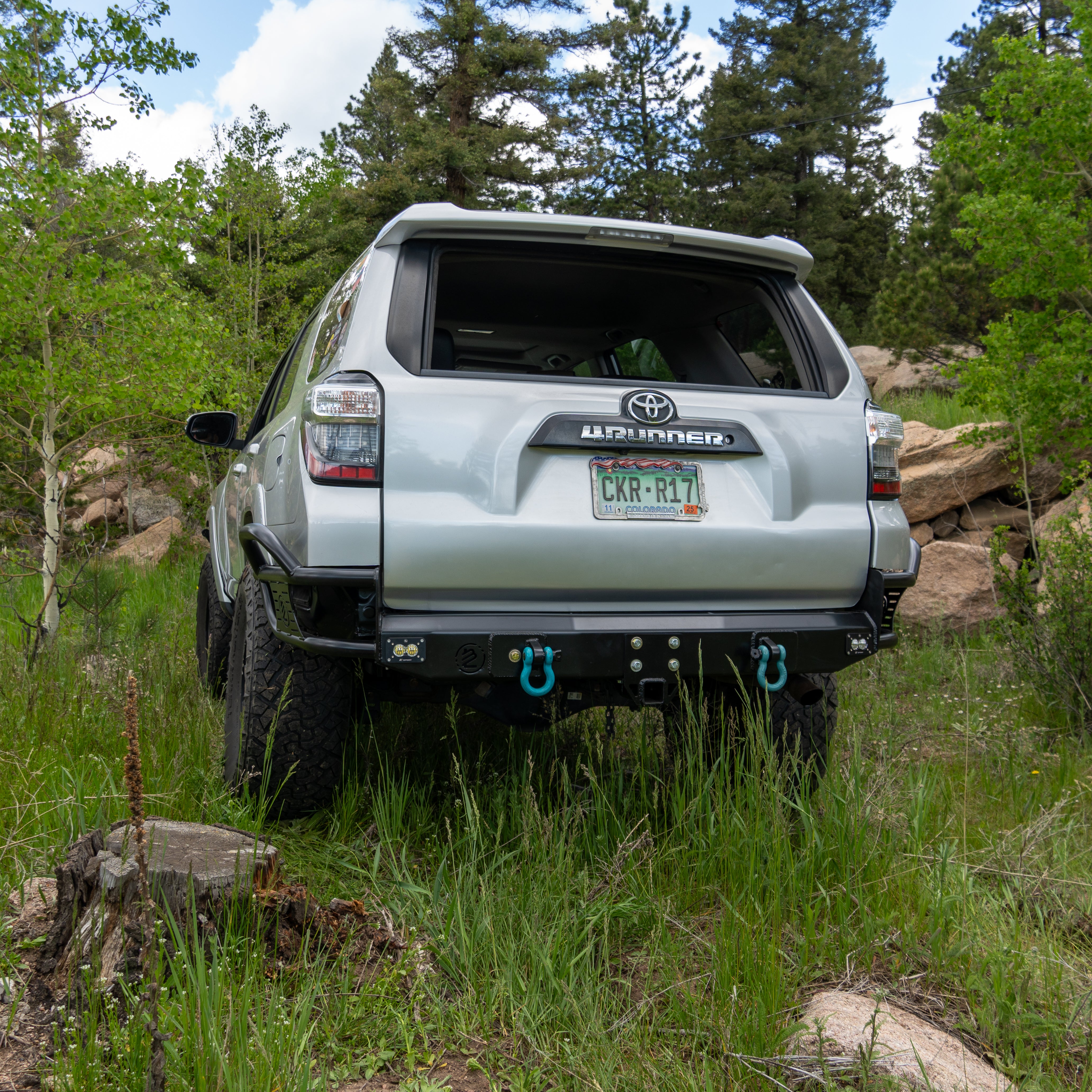
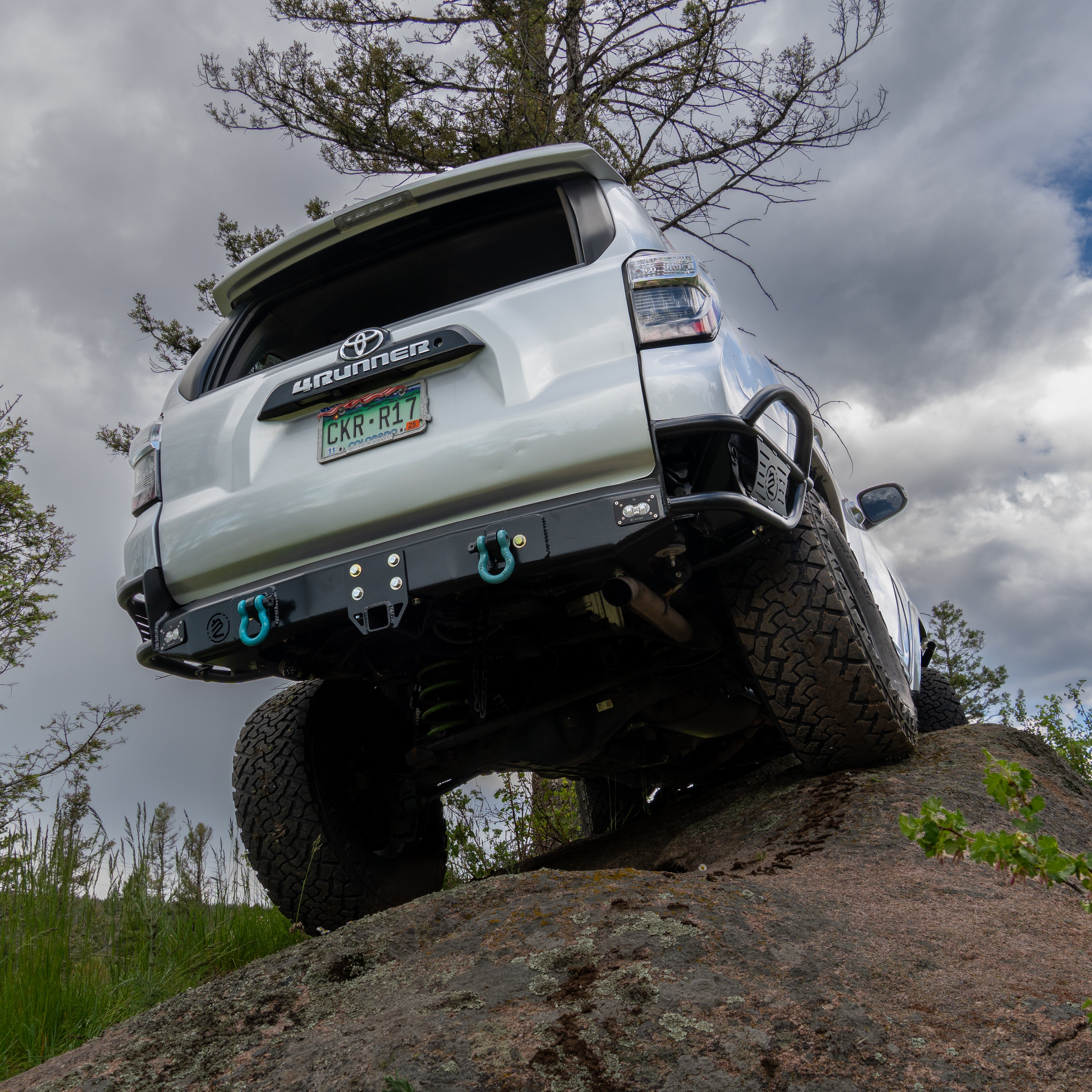
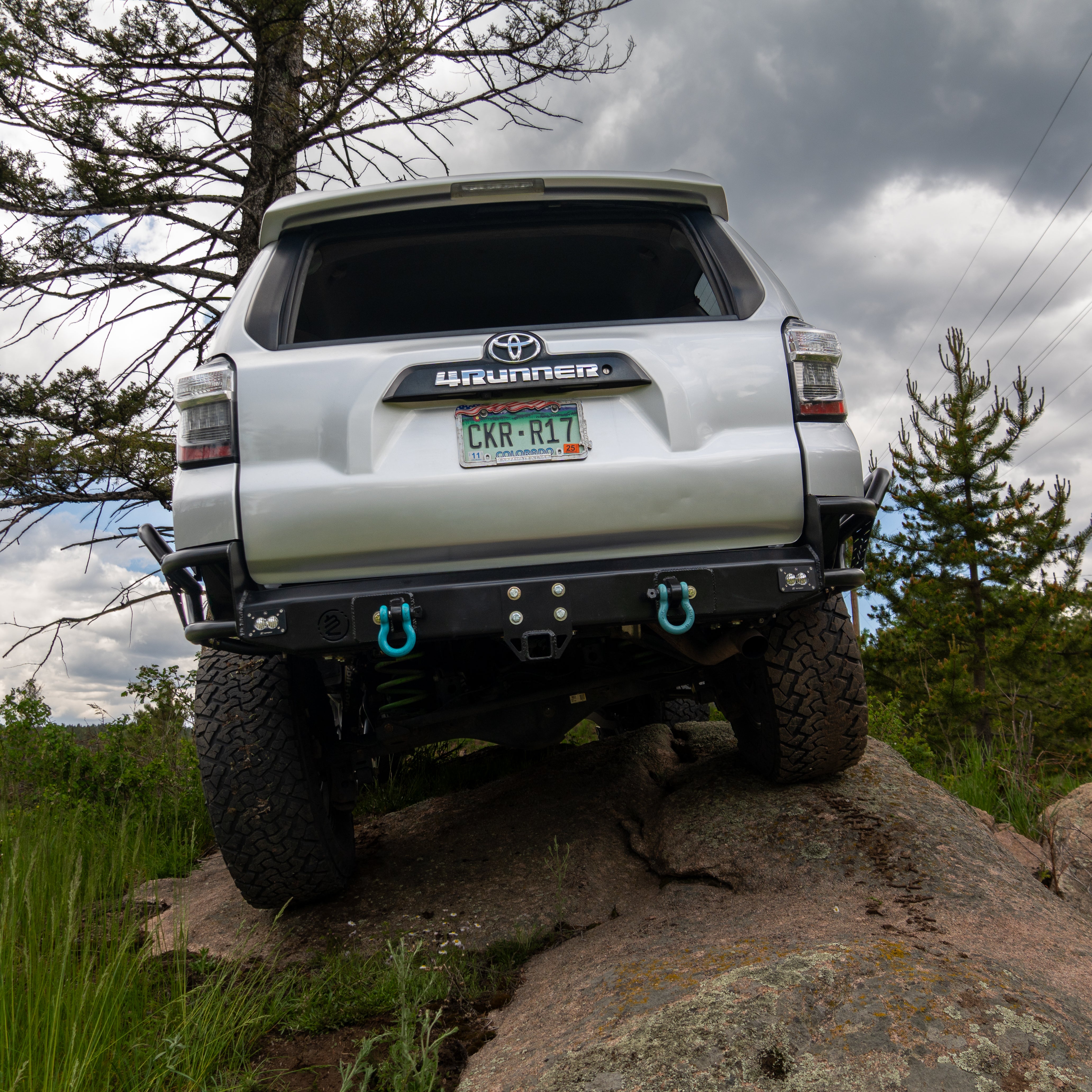
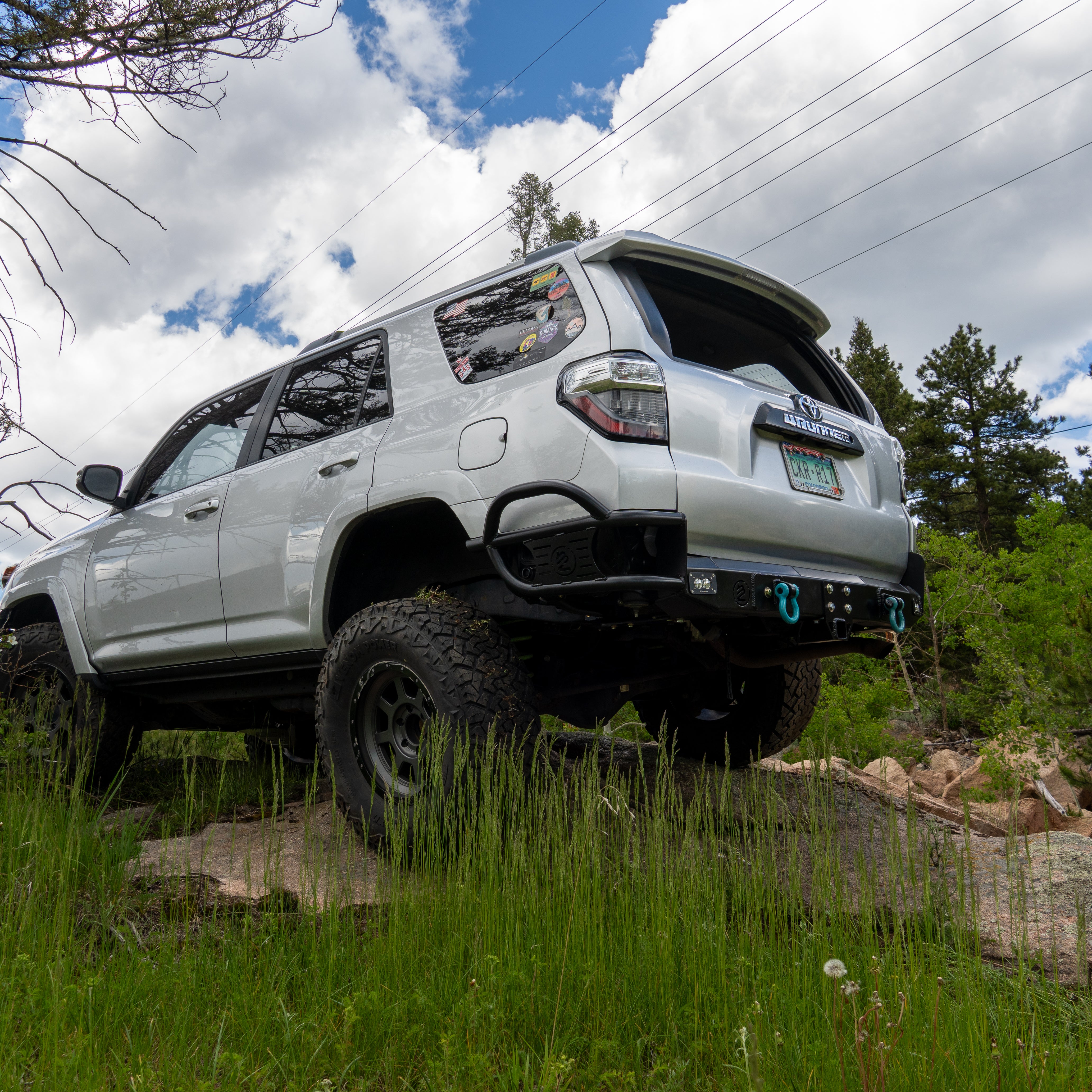
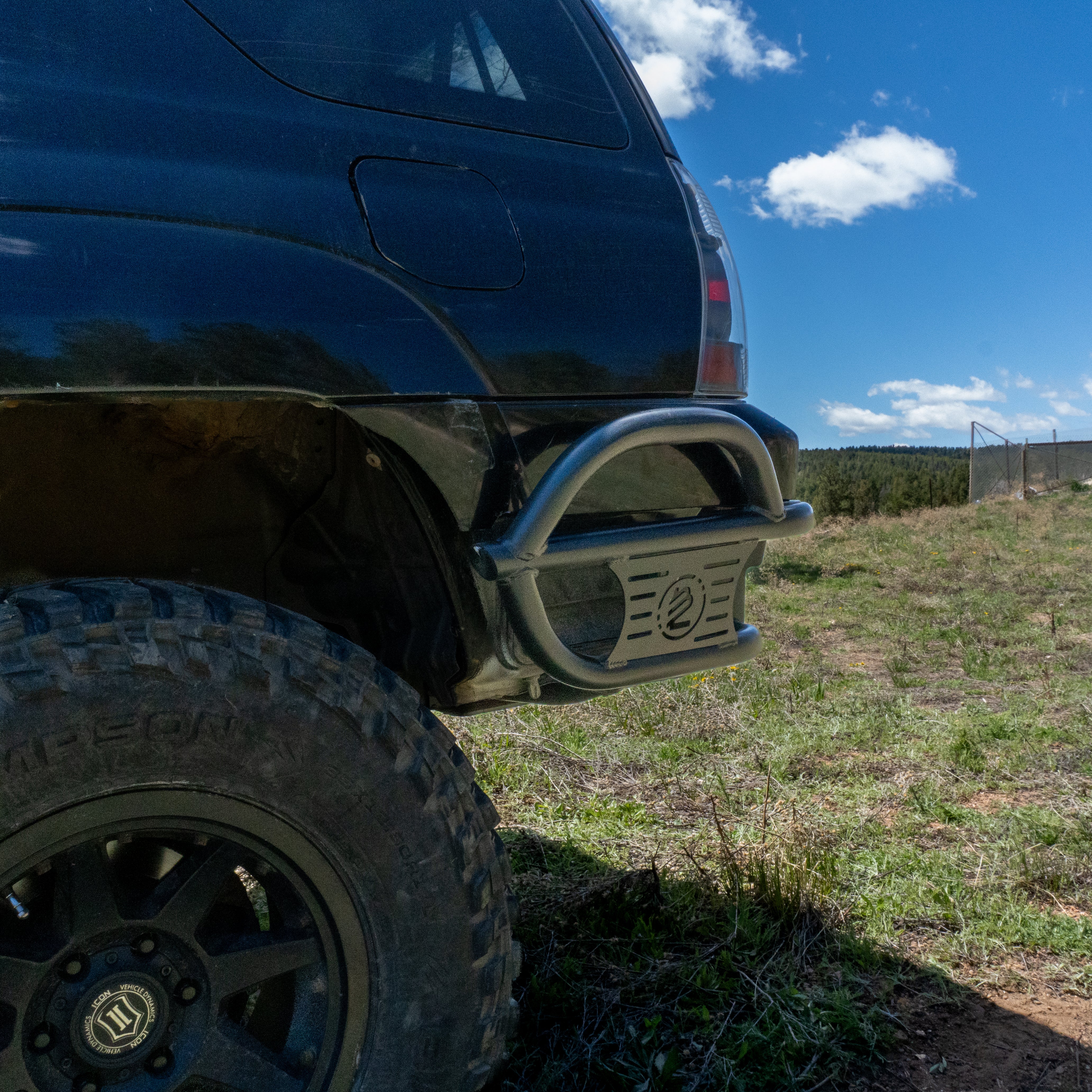
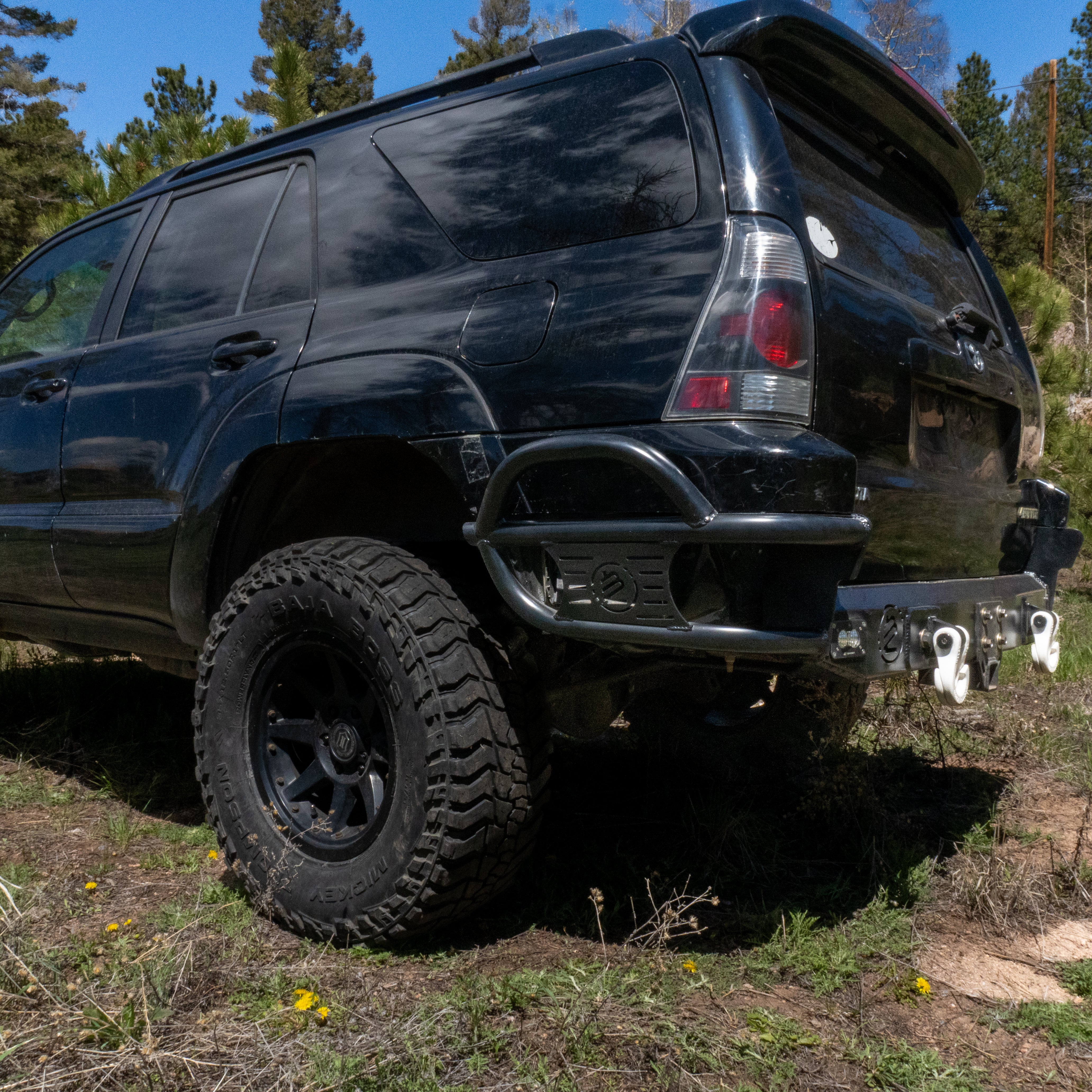
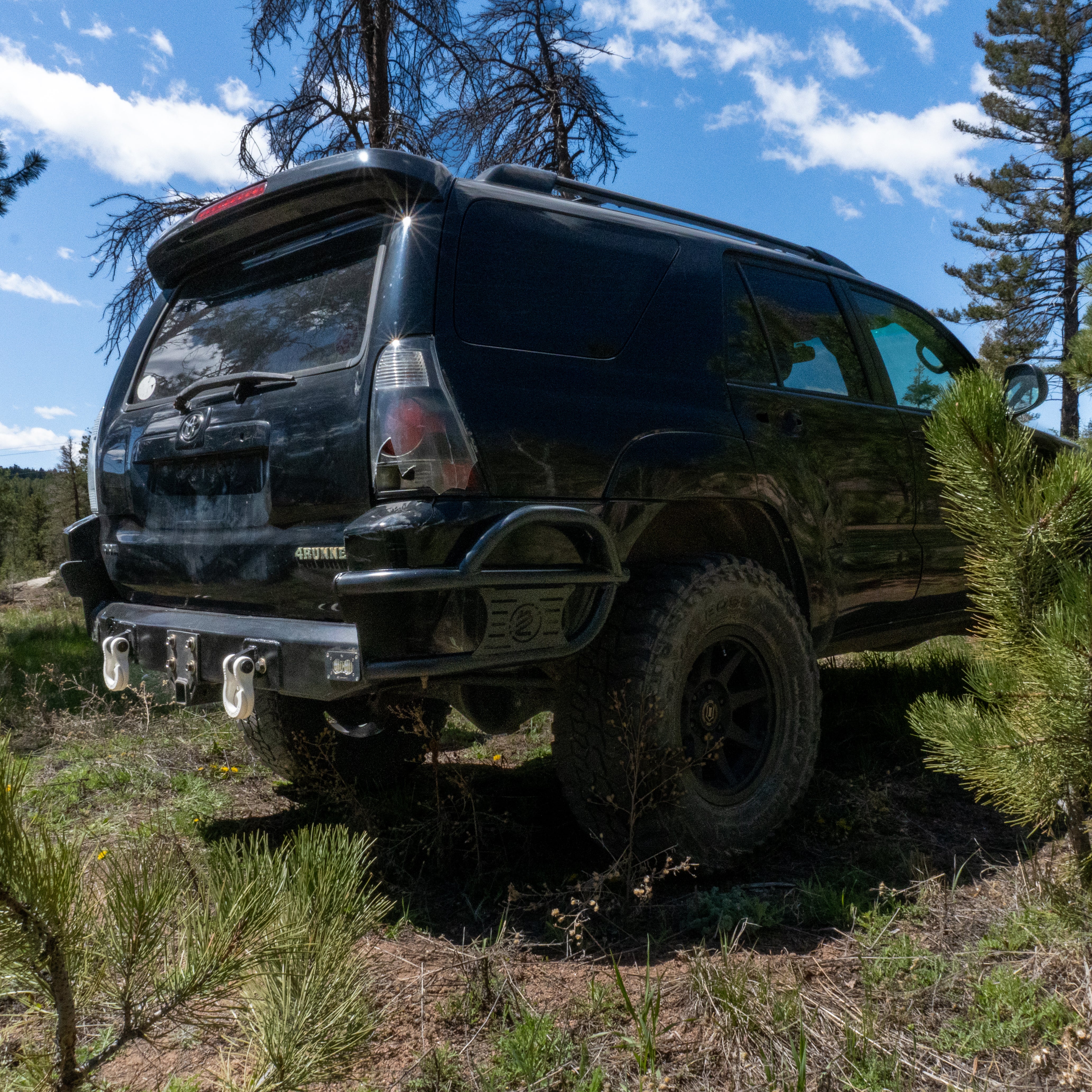
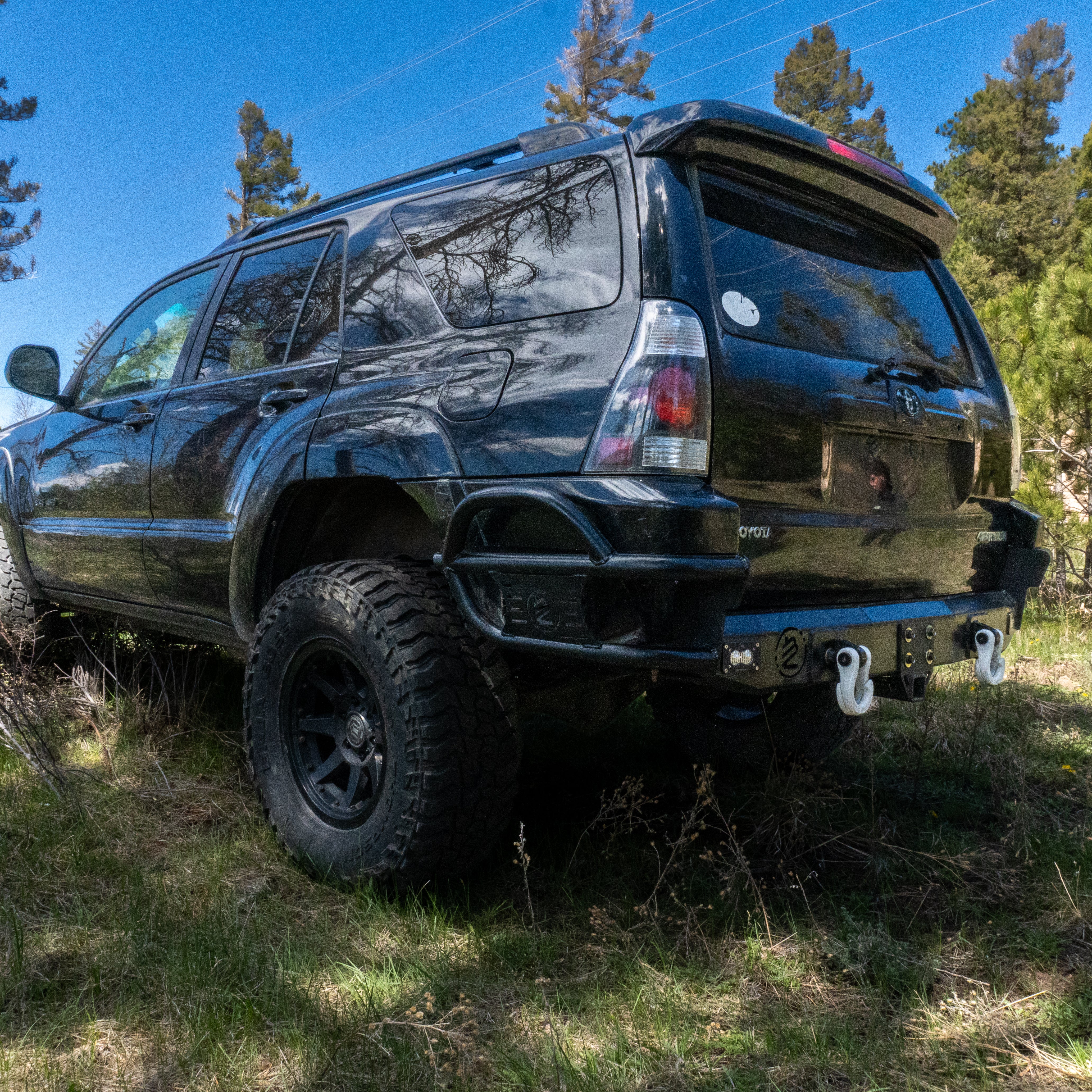
Rear bumper protection for departure angles and trail obstacles
Focusing on these areas first helps prevent costly damage while keeping the build practical and efficient.
Manage Weight Without Sacrificing Strength
Weight is one of the most overlooked factors in off-road builds. Every added pound affects suspension performance, braking, and fuel economy. Strong does not always mean heavy when the design is done correctly.
Ways to maintain better balance include:
-
Choosing platform-specific armor designed for your Toyota
-
Avoiding oversized accessories that add weight without function
-
Pairing armor upgrades with proper suspension tuning
-
Spreading weight evenly between the front and rear of the vehicle
Well-designed armor protects the vehicle while preserving ride quality and handling on and off the trail.
Choose Components That Work Together
A balanced off-road setup is built as a system. Armor, suspension, tires, and recovery gear should complement each other rather than overwhelm the vehicle.
Before adding a new upgrade, it helps to consider:
-
How the part affects approach or departure angles
-
Whether suspension components are rated for the added weight
-
If the upgrade improves capability or simply changes appearance
-
How the vehicle is actually used on the trail
This approach results in a Toyota that performs consistently and remains enjoyable to drive every day.
Why Platform-Specific Armor Makes a Difference
Toyota platforms are not interchangeable. Frame geometry, sensor placement, and body lines vary across models and years. Armor designed specifically for your vehicle fits better, installs cleaner, and performs as intended.
Platform-specific armor offers:
-
Improved fitment without unnecessary modifications
-
Better integration with factory components
-
Stronger mounting points designed for real recovery loads
-
A cleaner, more purposeful appearance
That attention to detail is what separates a reliable trail rig from one that feels overbuilt or unbalanced.
Build for the Trails You Actually Drive
The strongest off-road builds are the ones that stay balanced. When armor, weight, and performance work together, your Toyota stays capable on the trail and reliable everywhere else.
Choosing platform-specific protection and avoiding unnecessary upgrades keeps your rig efficient, durable, and ready for real use.
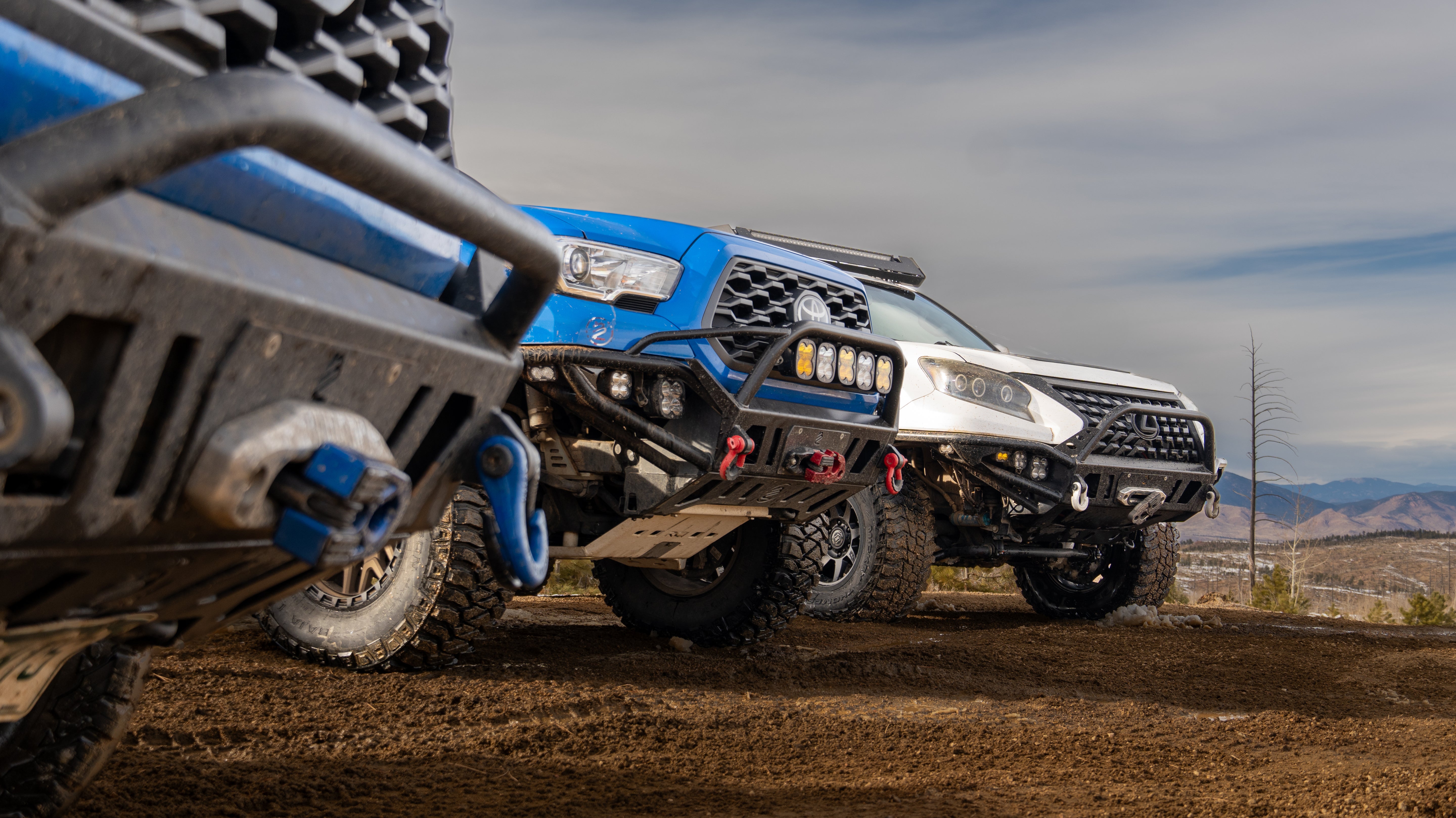
If you are planning your next upgrade, explore Lil B’s Custom Fabrication's Toyota and Lexus armor options or reach out to discuss what makes the most sense for your build and the trails you run. Call us today!
Share:
Why Vehicle-Specific Armor Beats Universal Off-Road Parts
Why Skid Plates Matter More Than You Think on the Trail