

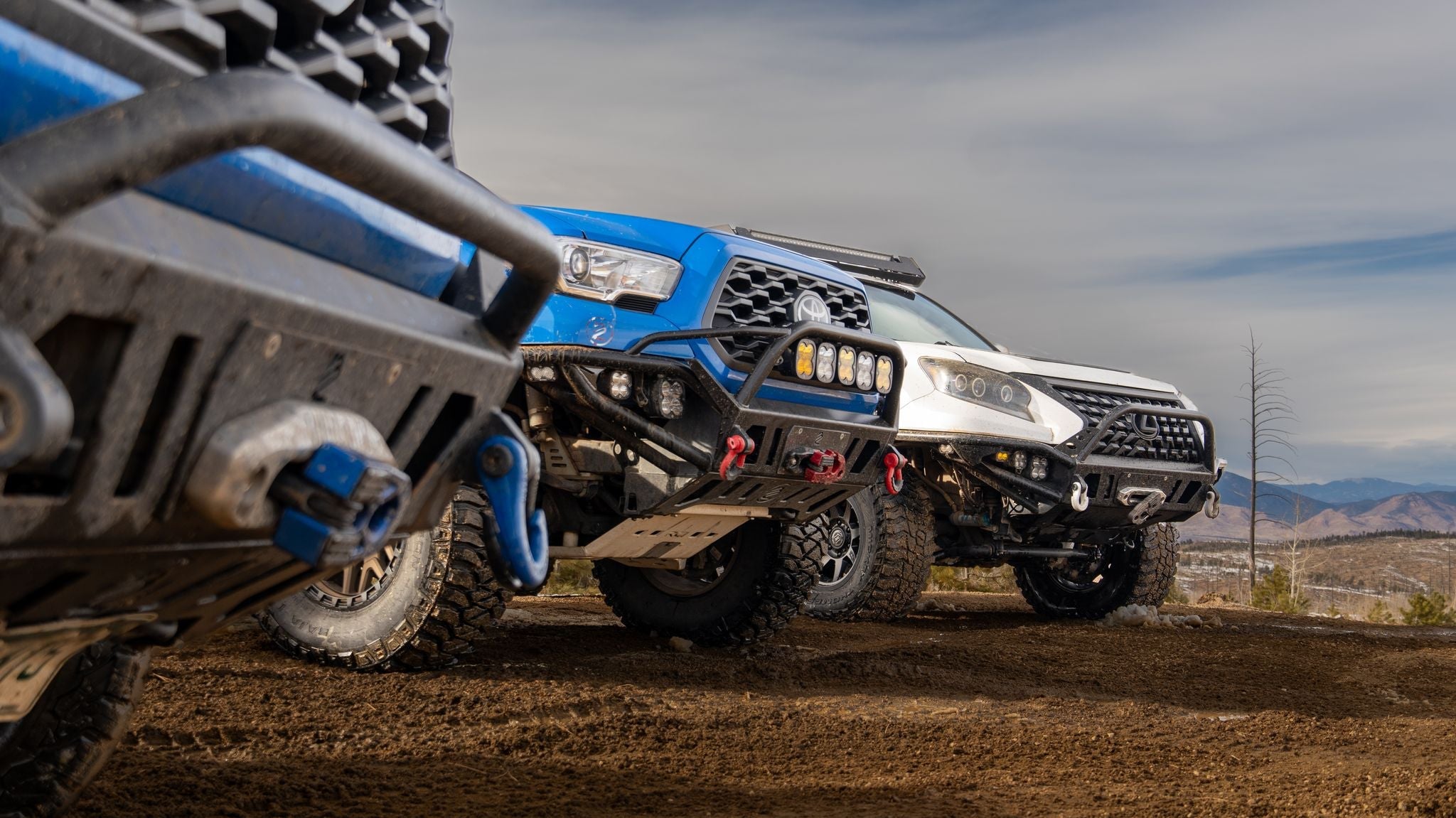
When Toyota owners start building out their rig, bumpers are usually high on the upgrade list. The problem is deciding where to start. Front or rear? Both add protection and capability, but they solve different problems on the trail.
There is no universal right answer. The better question is which bumper upgrade makes the biggest difference for how you actually use your rig. Understanding the role each one plays will help you spend money where it matters most.

What a Front Bumper Upgrade Really Changes
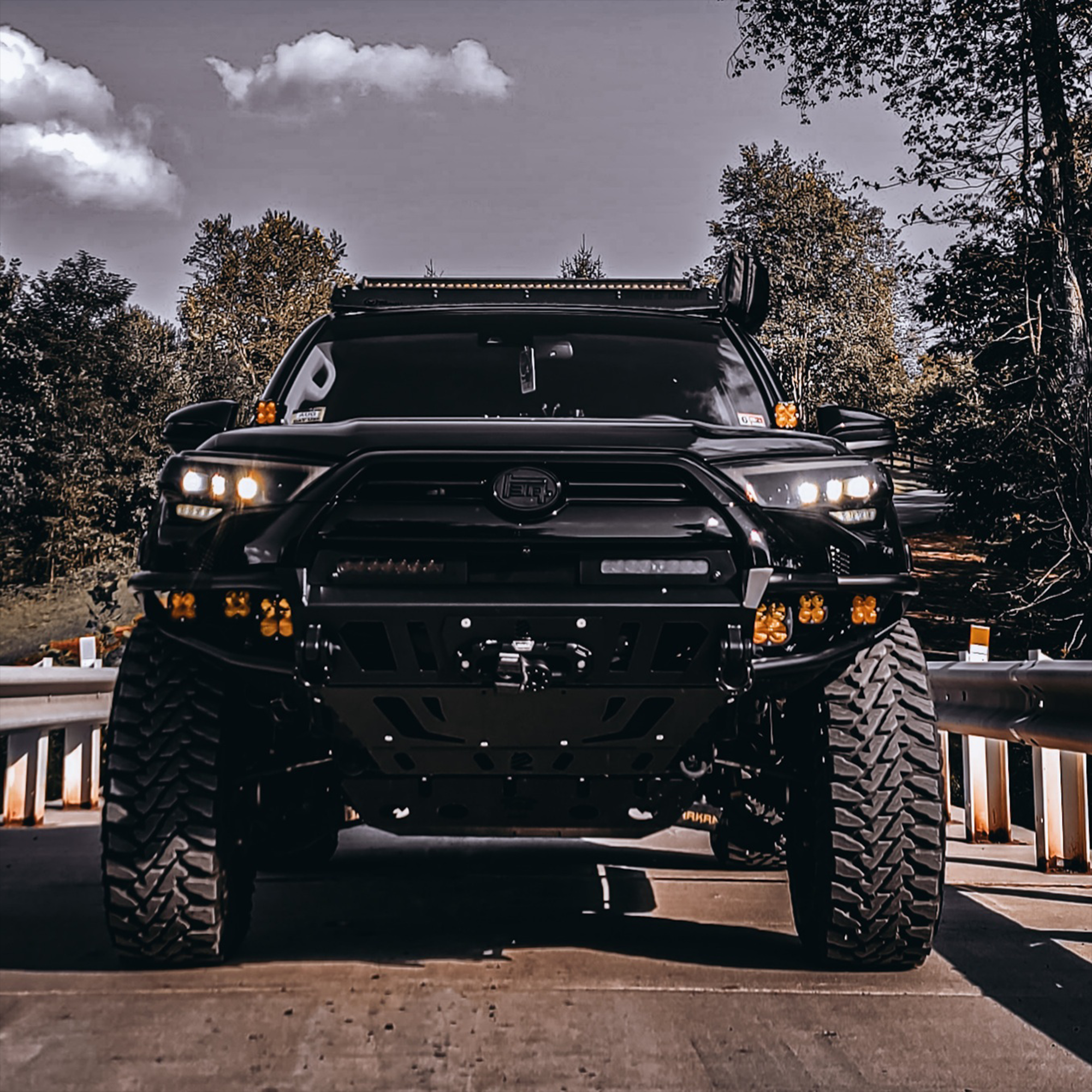
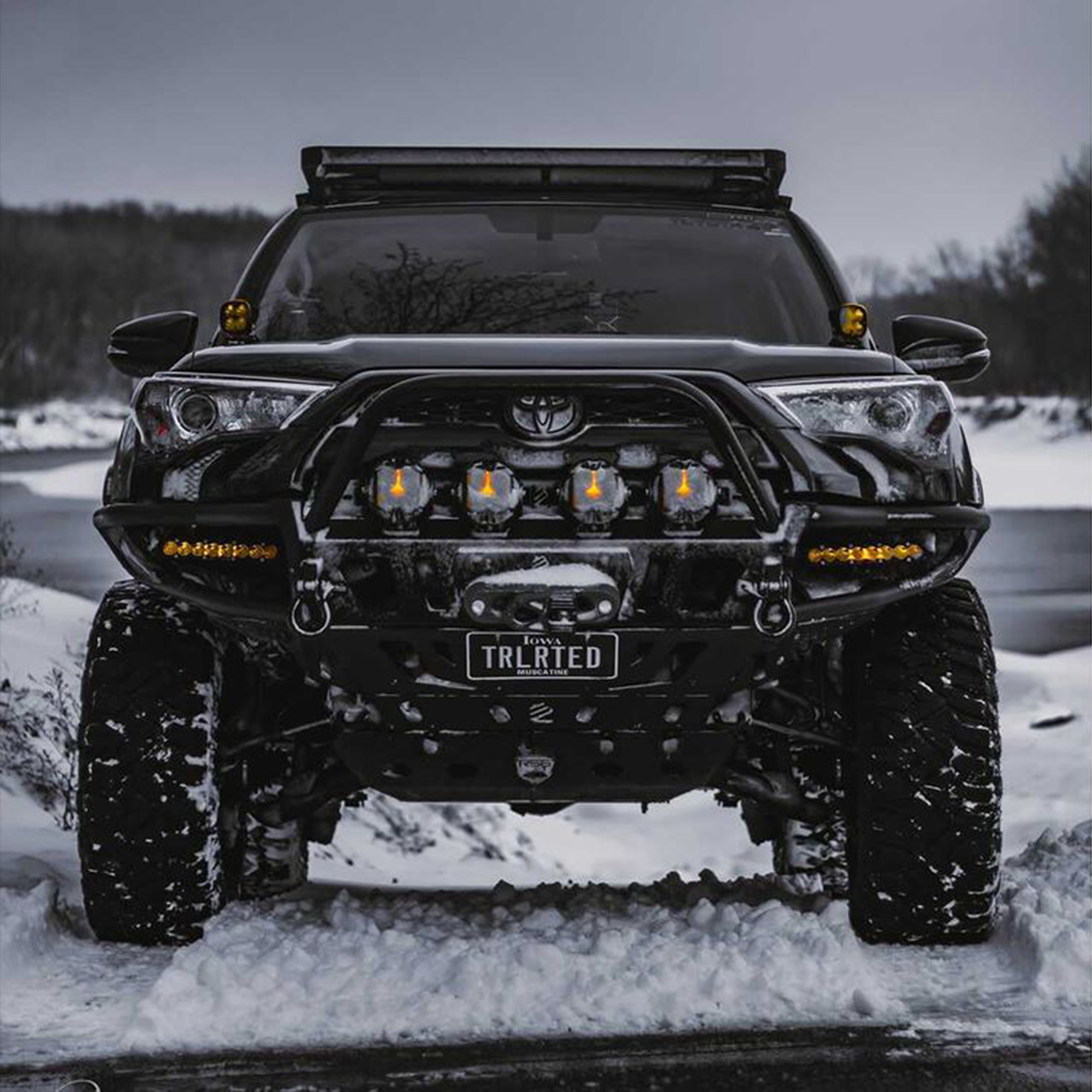
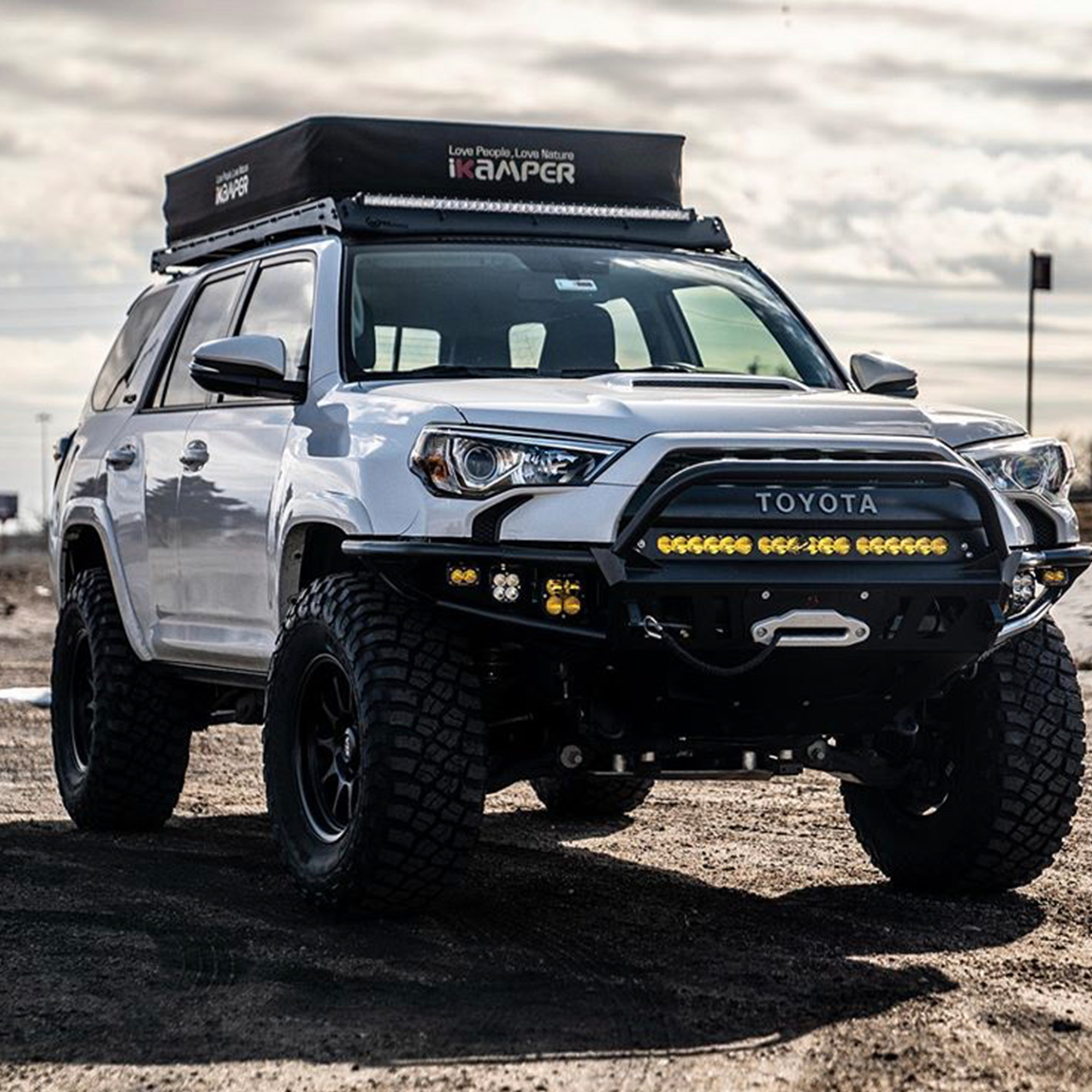
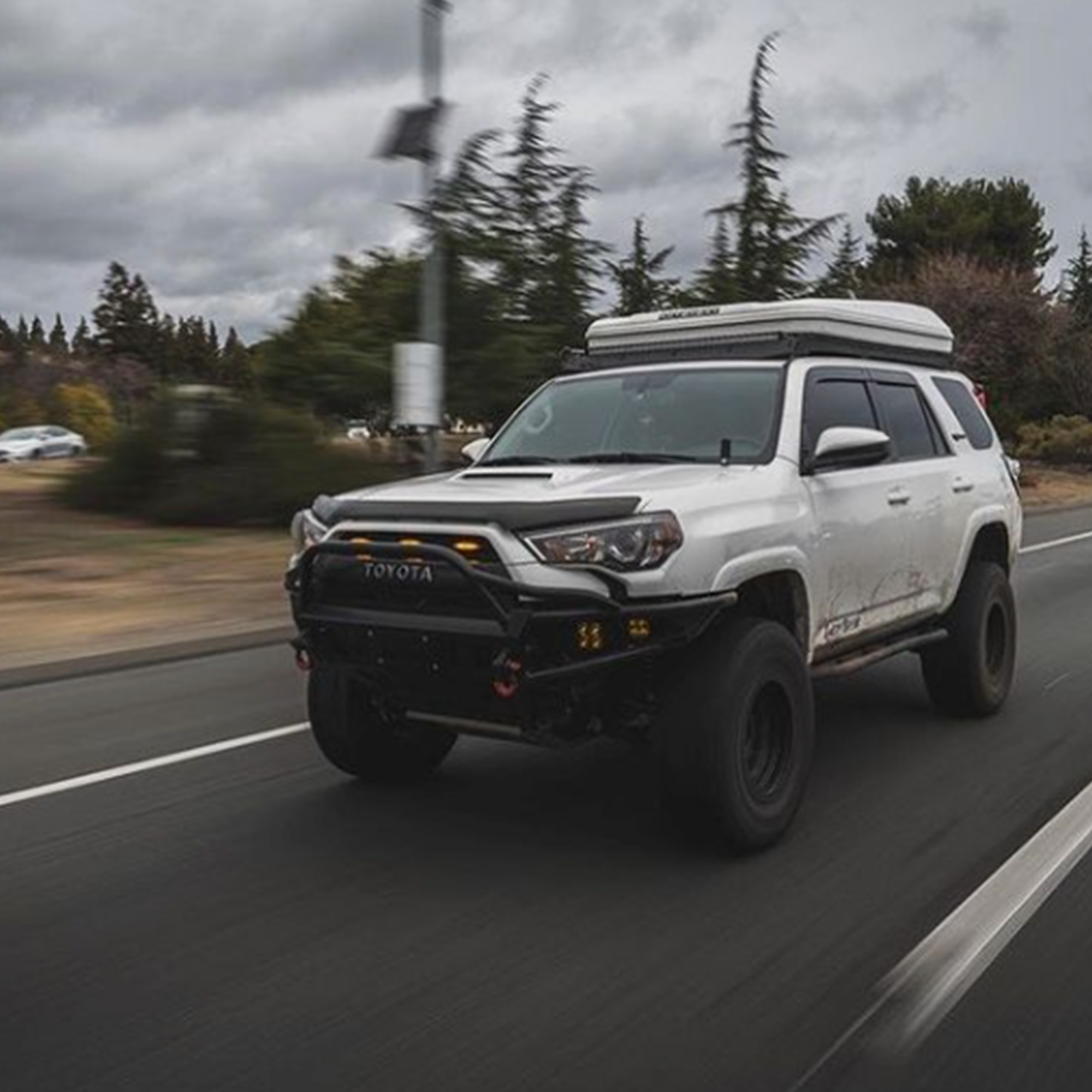
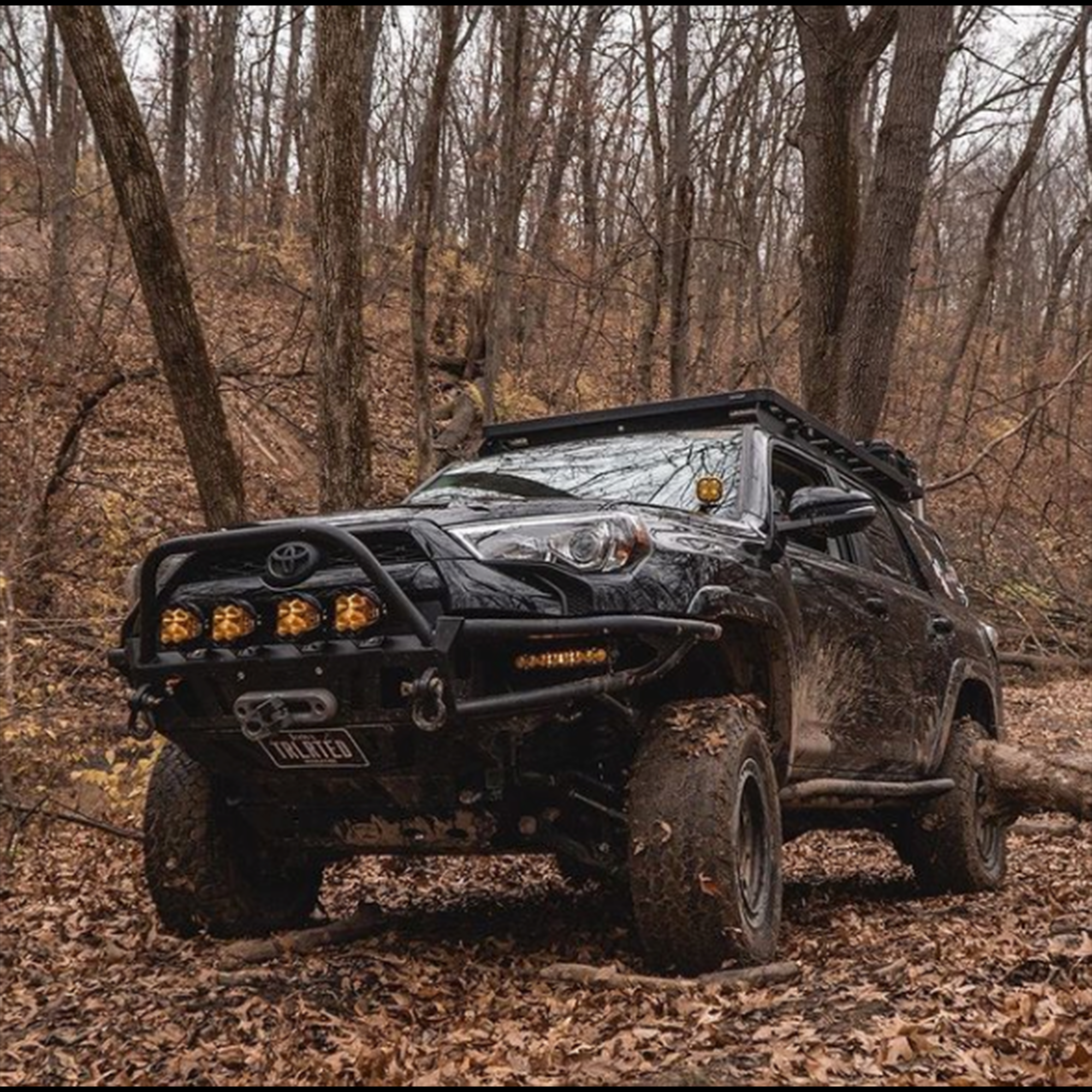
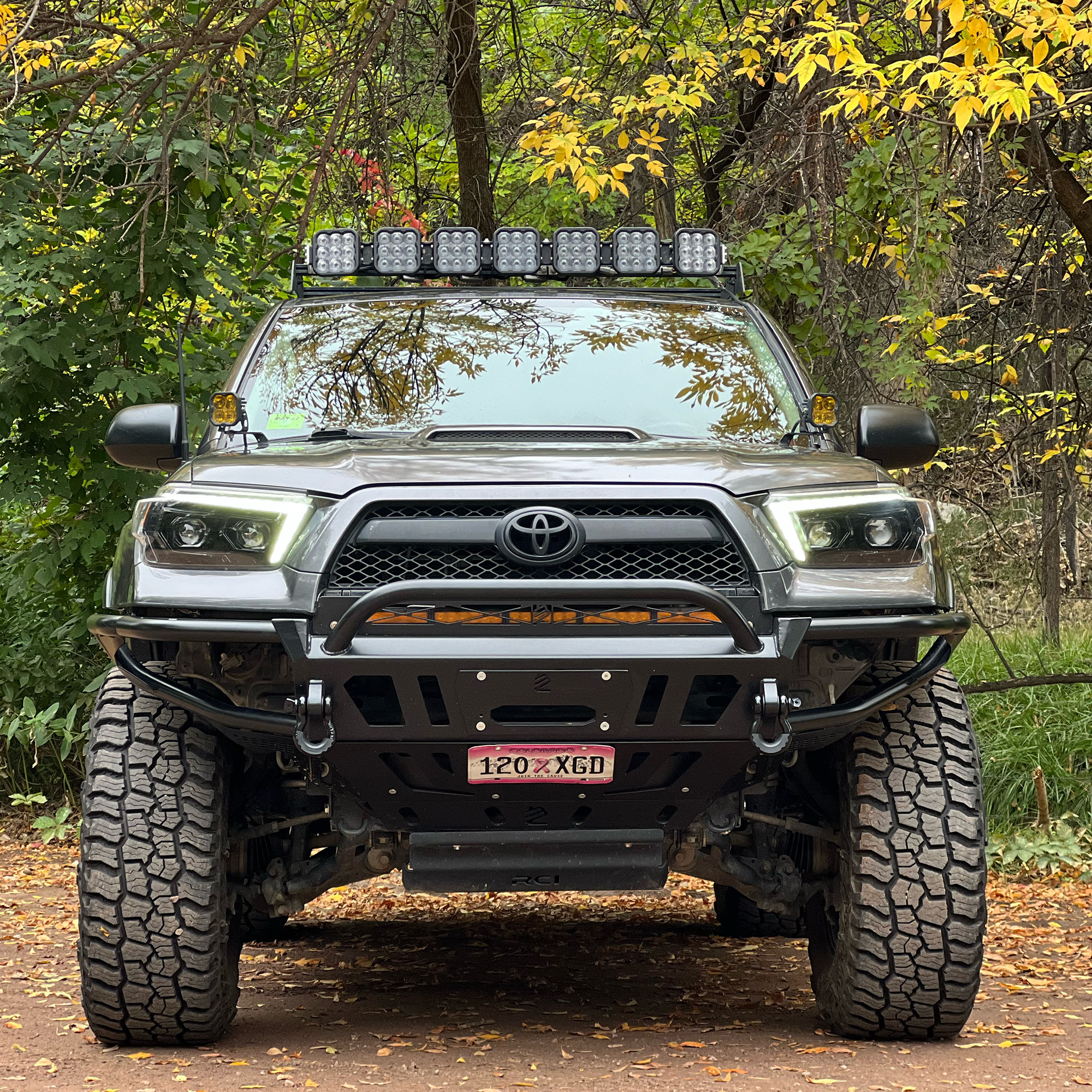
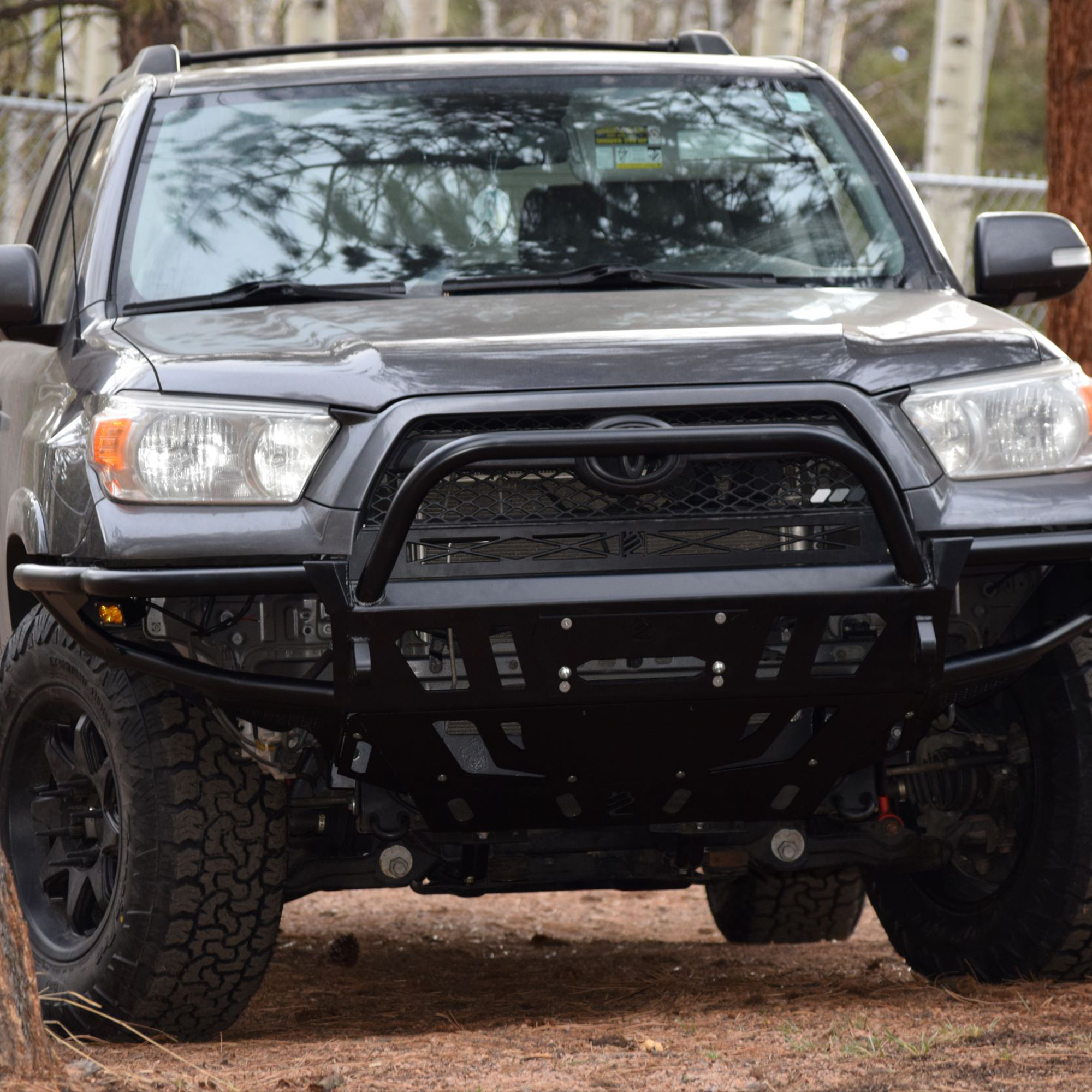
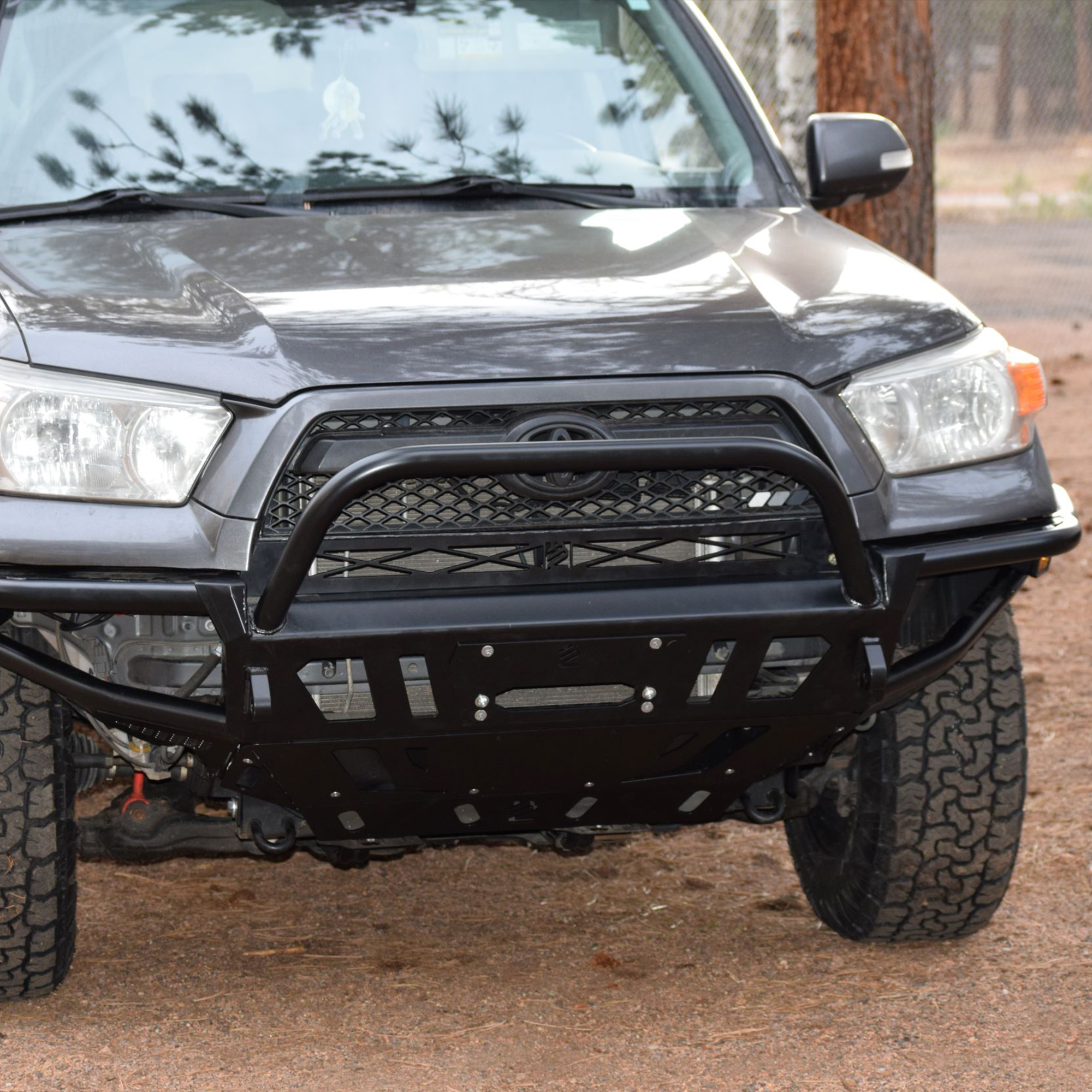
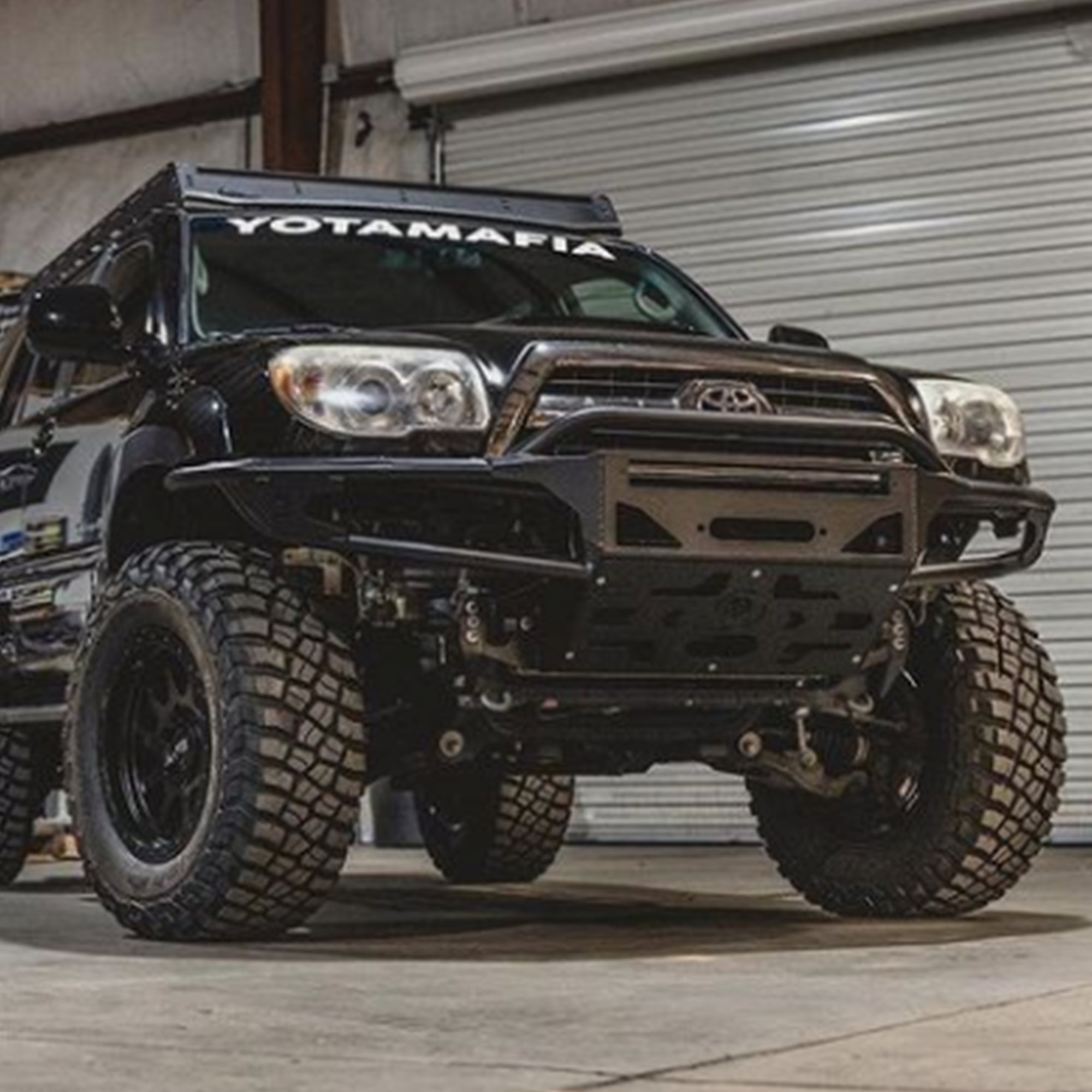
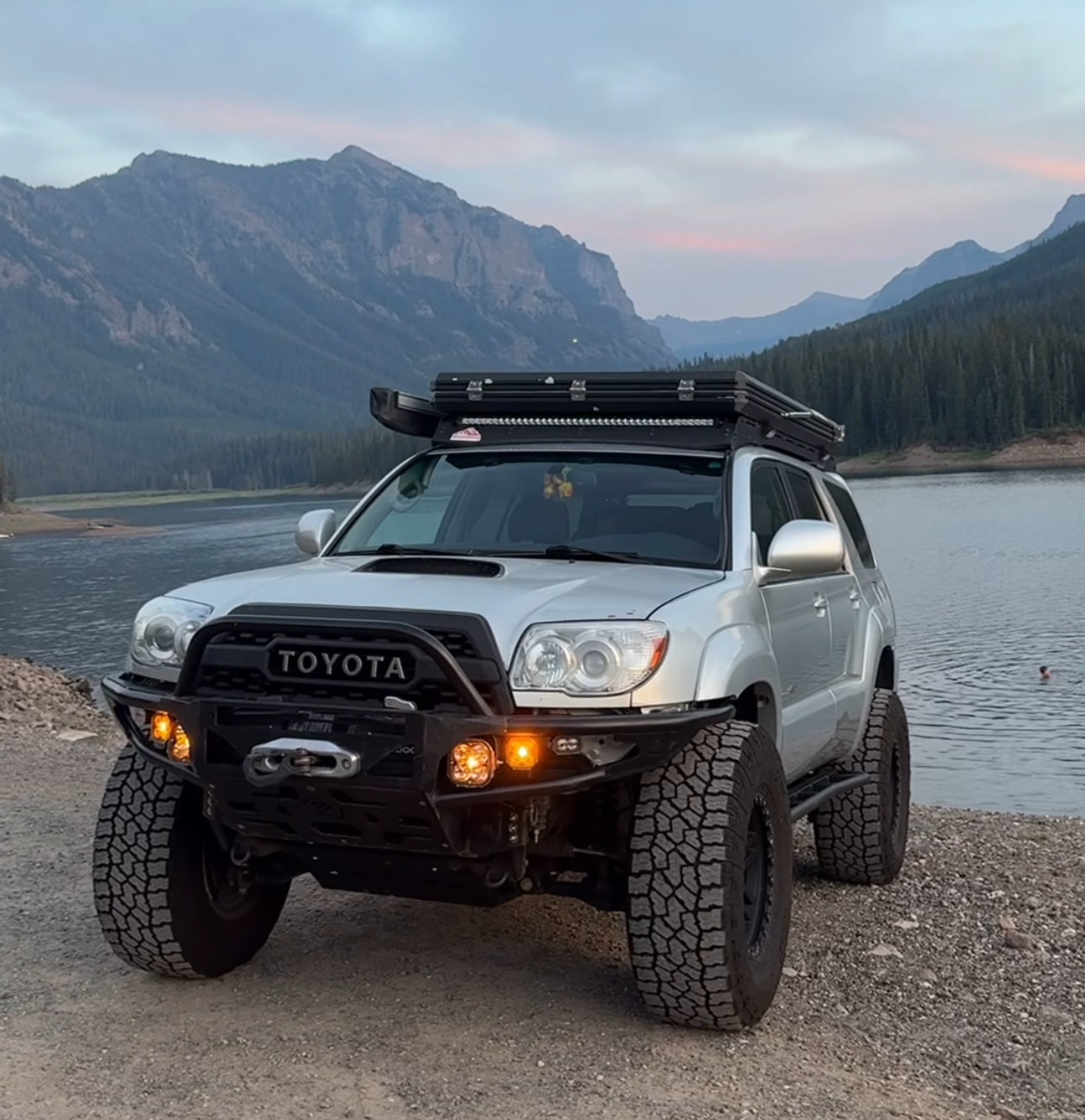
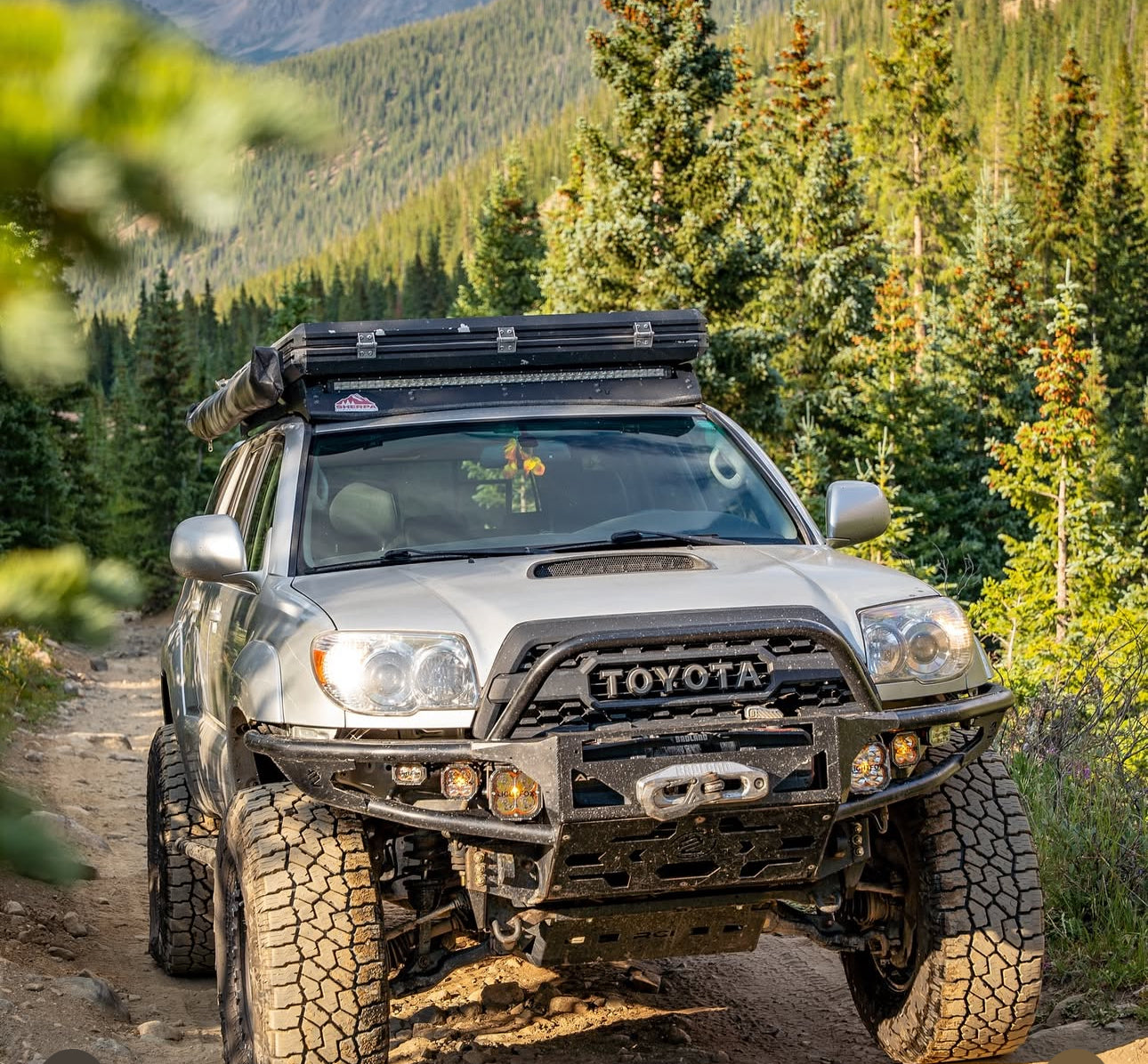
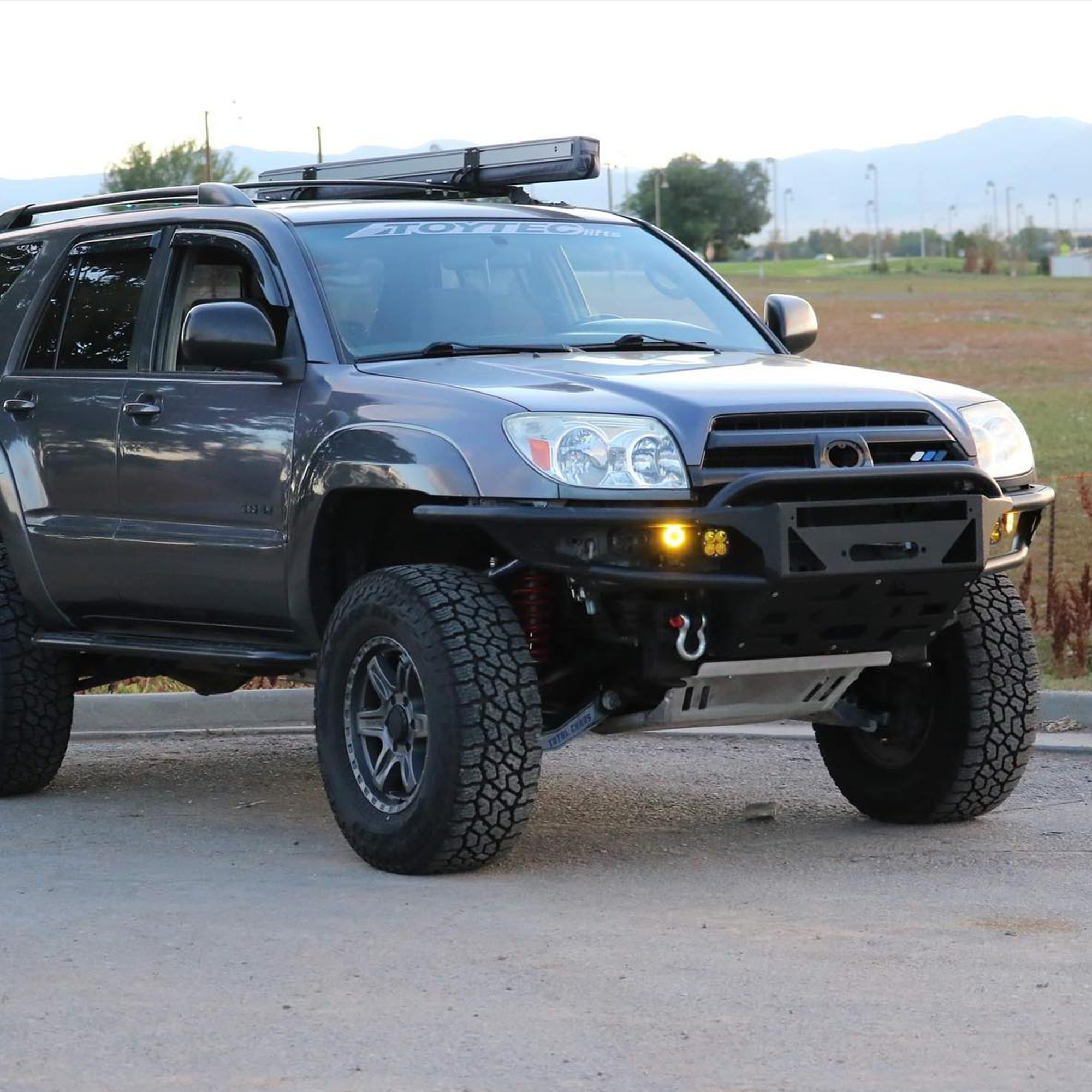
The front bumper is often the first thing to contact an obstacle. It affects how your rig approaches climbs, drops into ruts, and handles recoveries.
A quality front bumper helps with:
-
Improved approach angle on steep or rocky terrain
-
Stronger protection for steering and cooling components
-
Proper mounting for recovery gear
-
Increased confidence when picking lines
If you have ever backed off an obstacle because the front end felt exposed, a stronger bumper would immediately change how you drive.
Front bumpers also tend to be the foundation for future upgrades. Once installed, they open the door to better recovery options and additional trail equipment.
Where Rear Bumpers Shine on the Trail
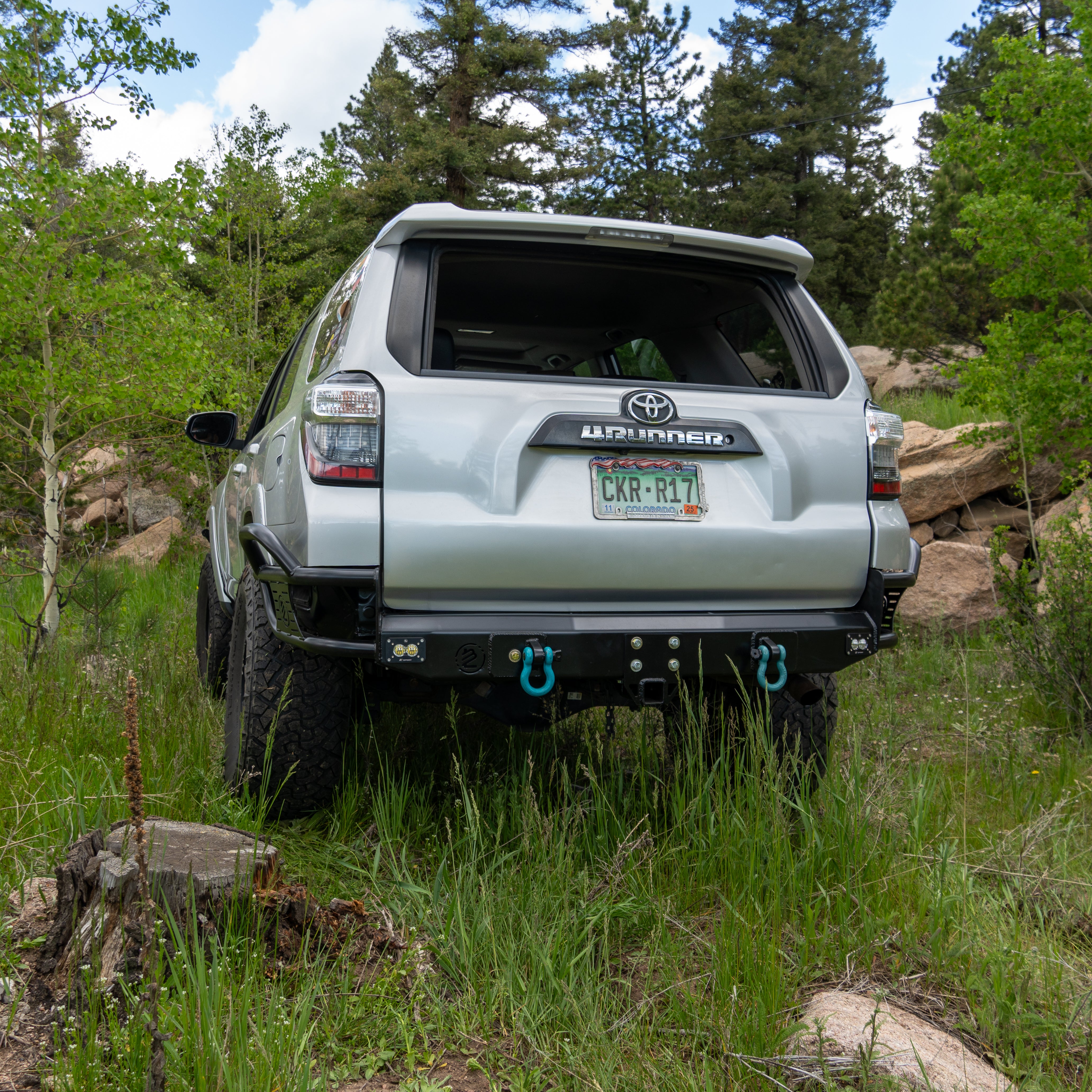
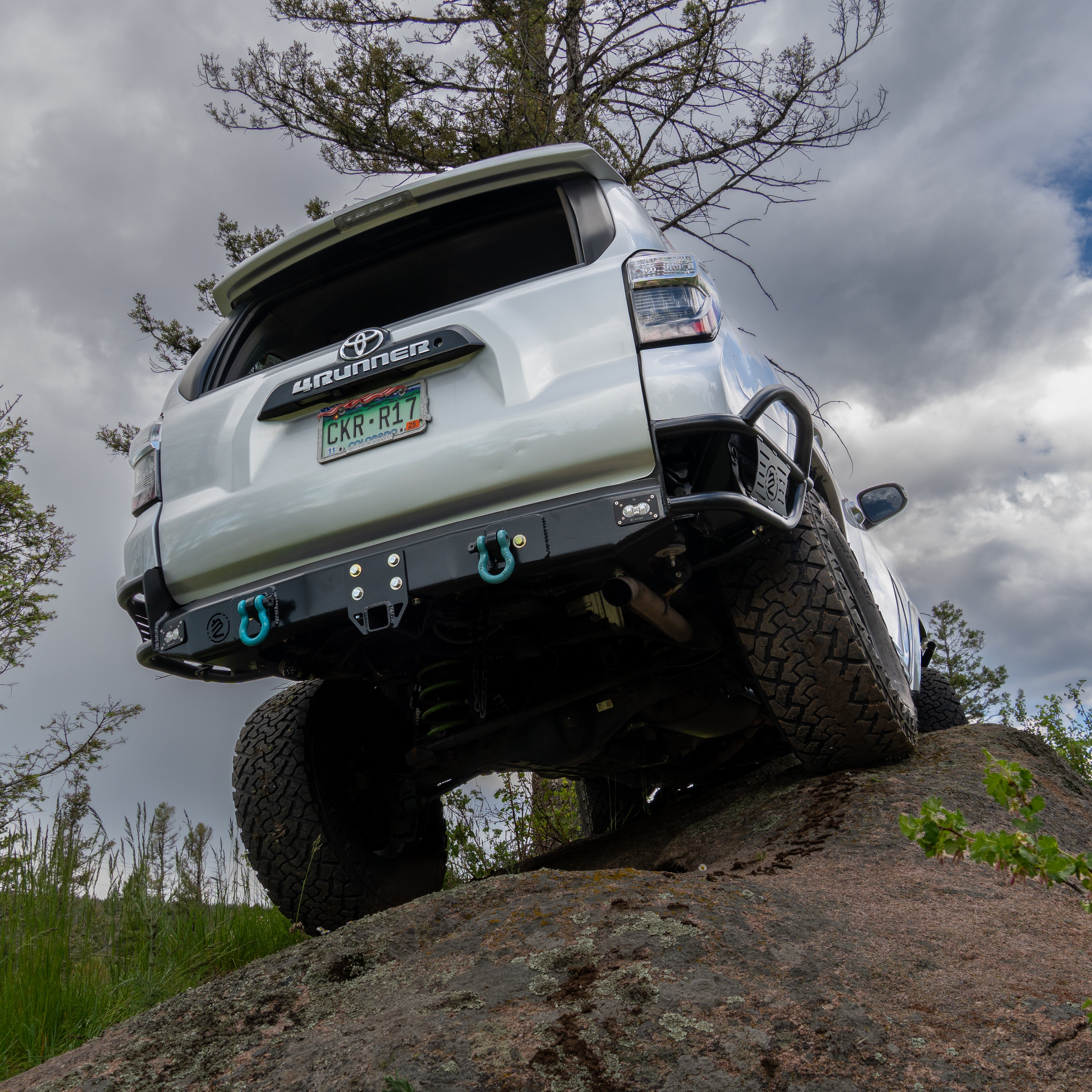
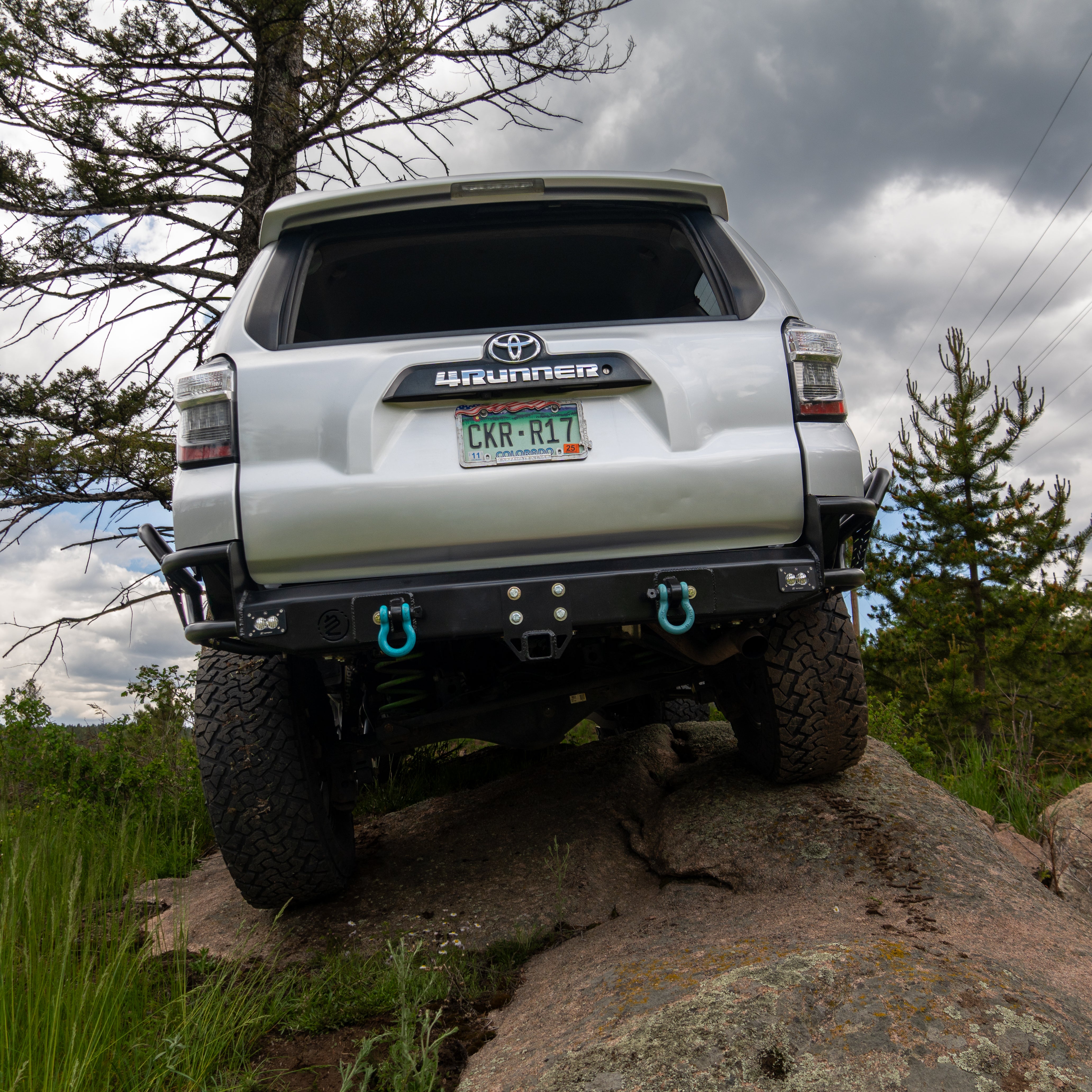
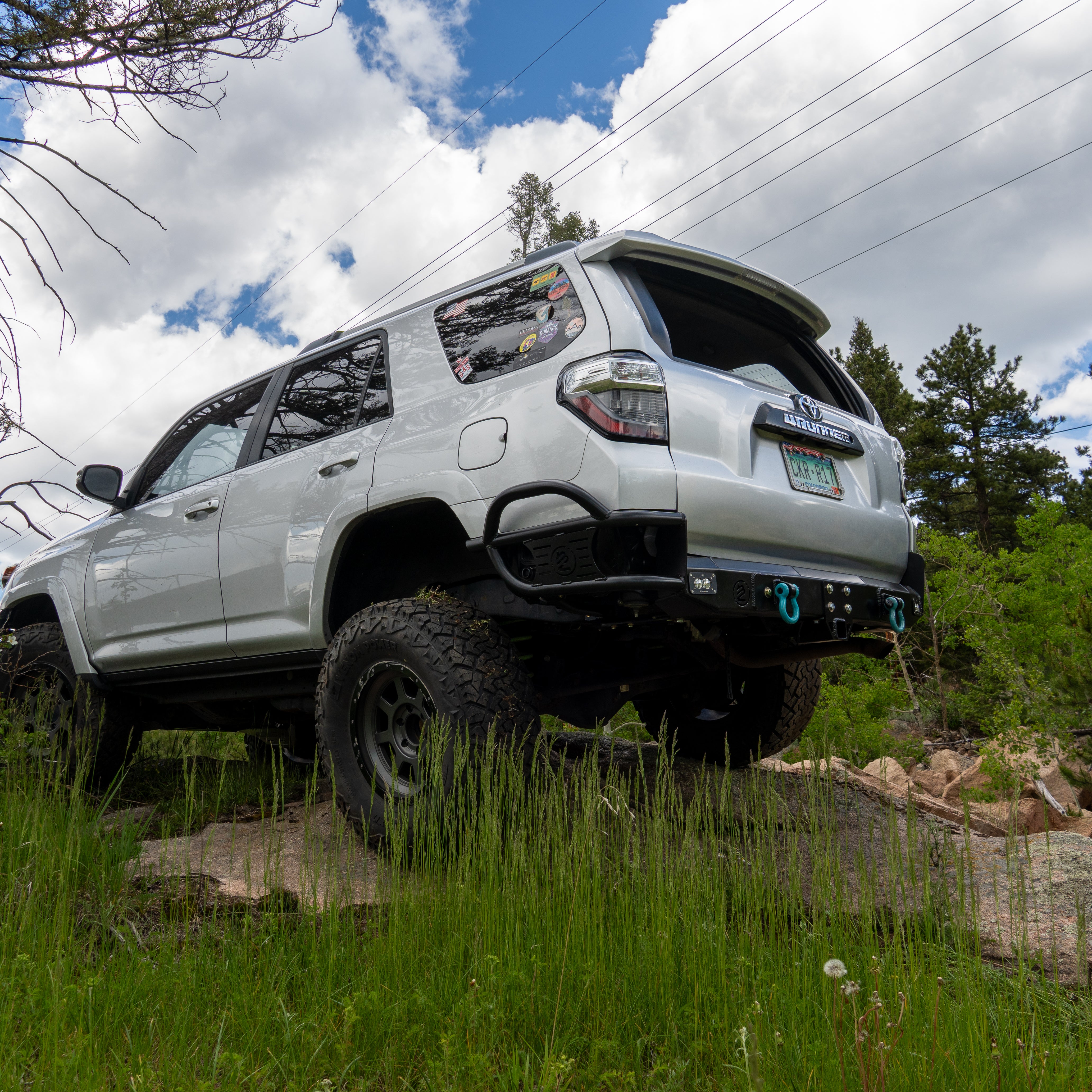
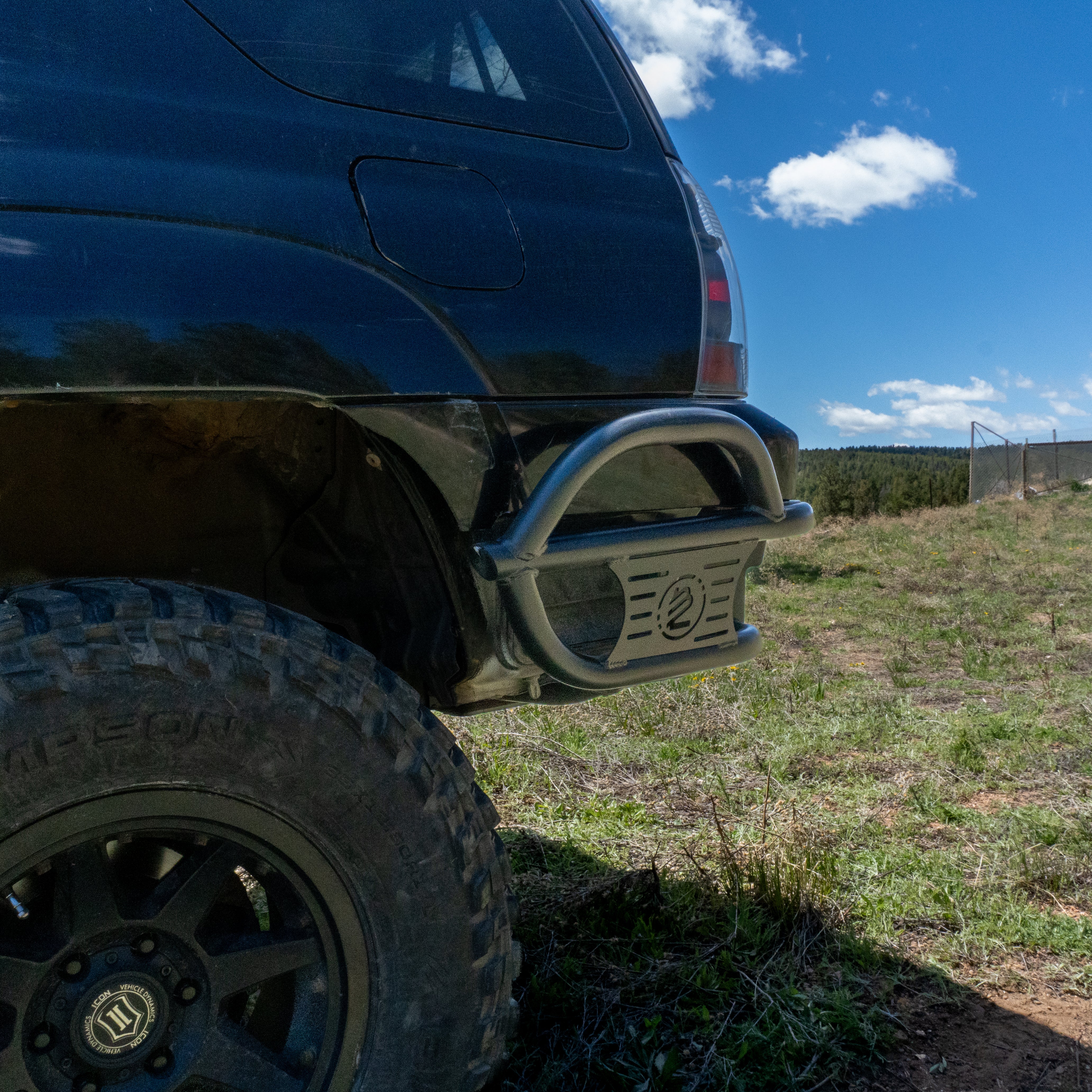
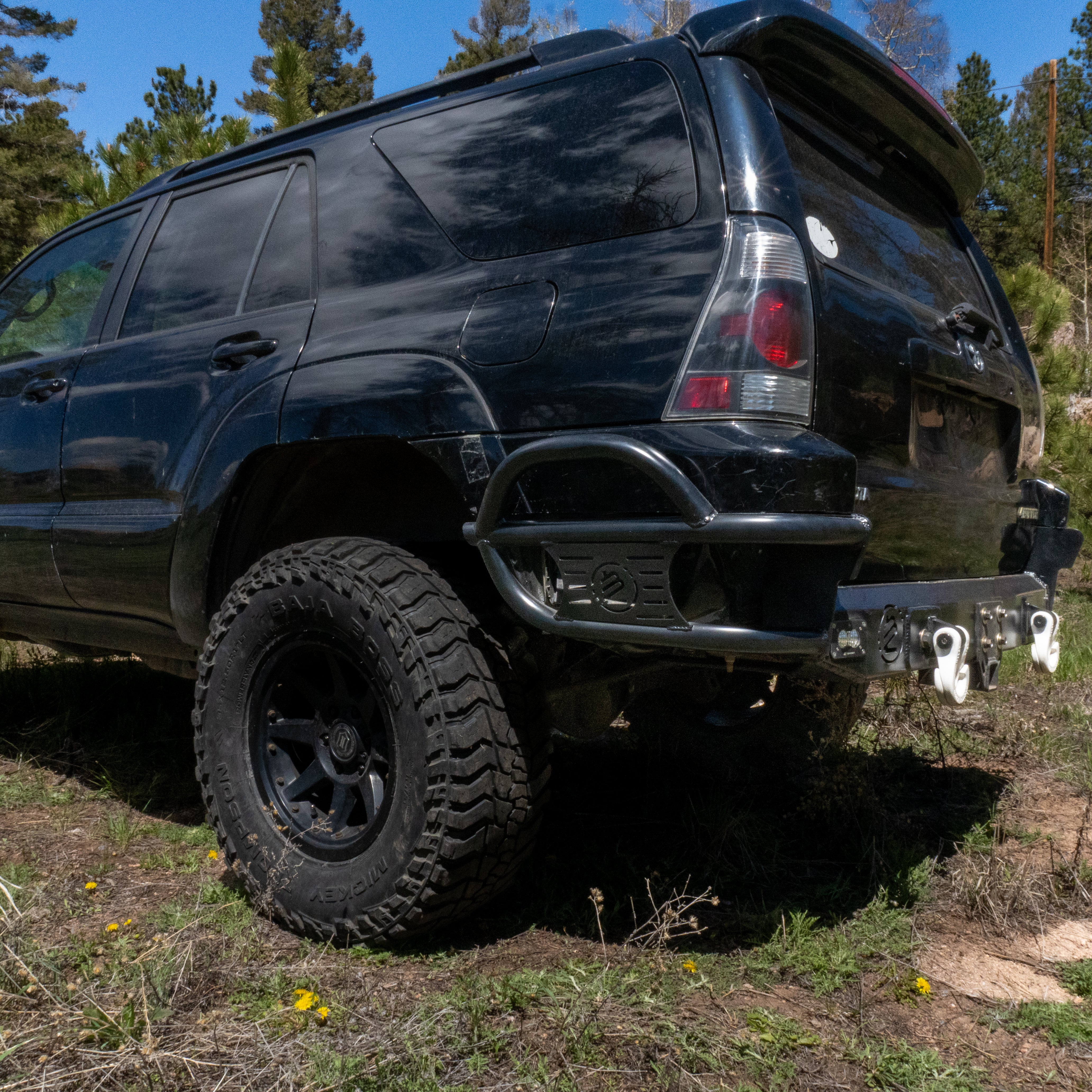
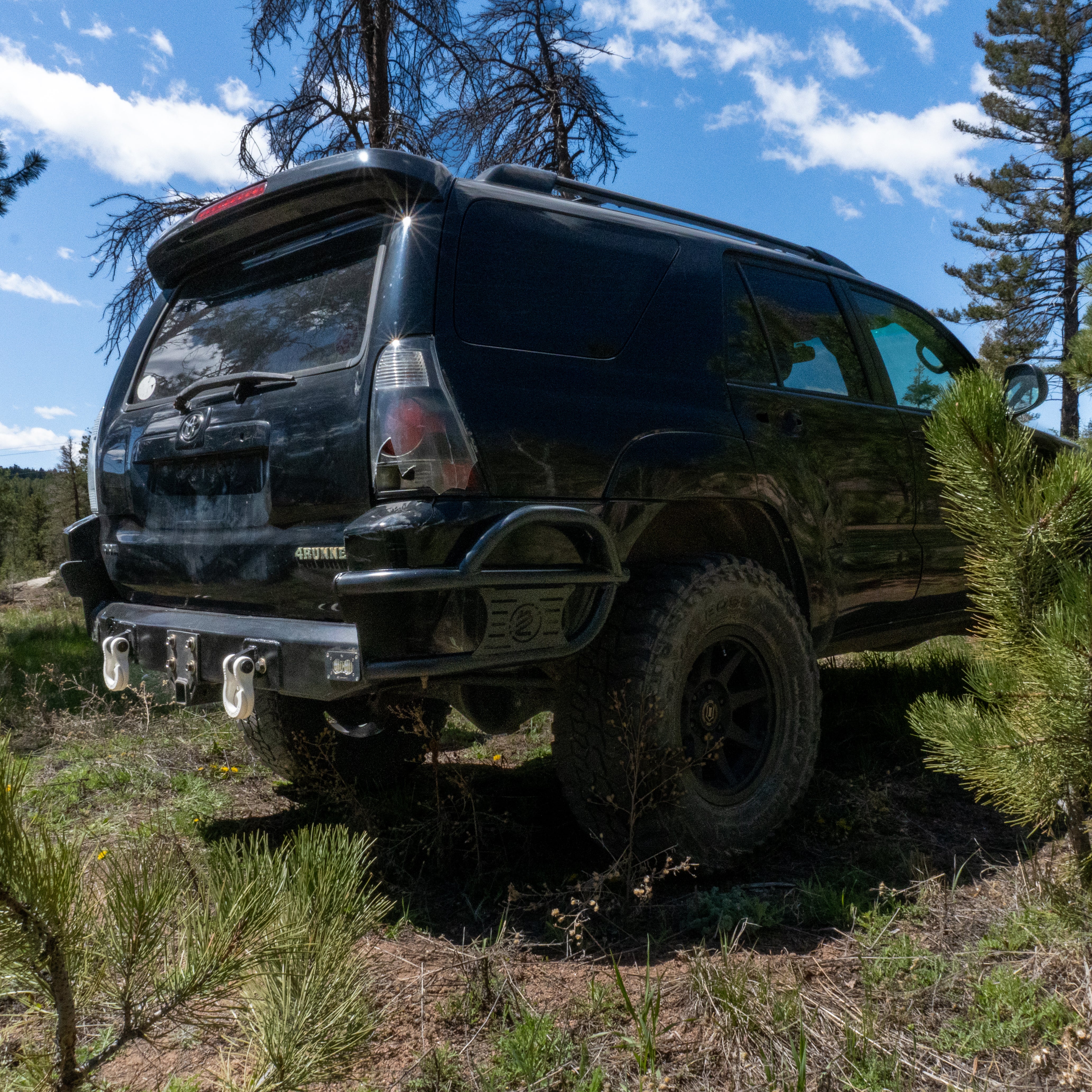
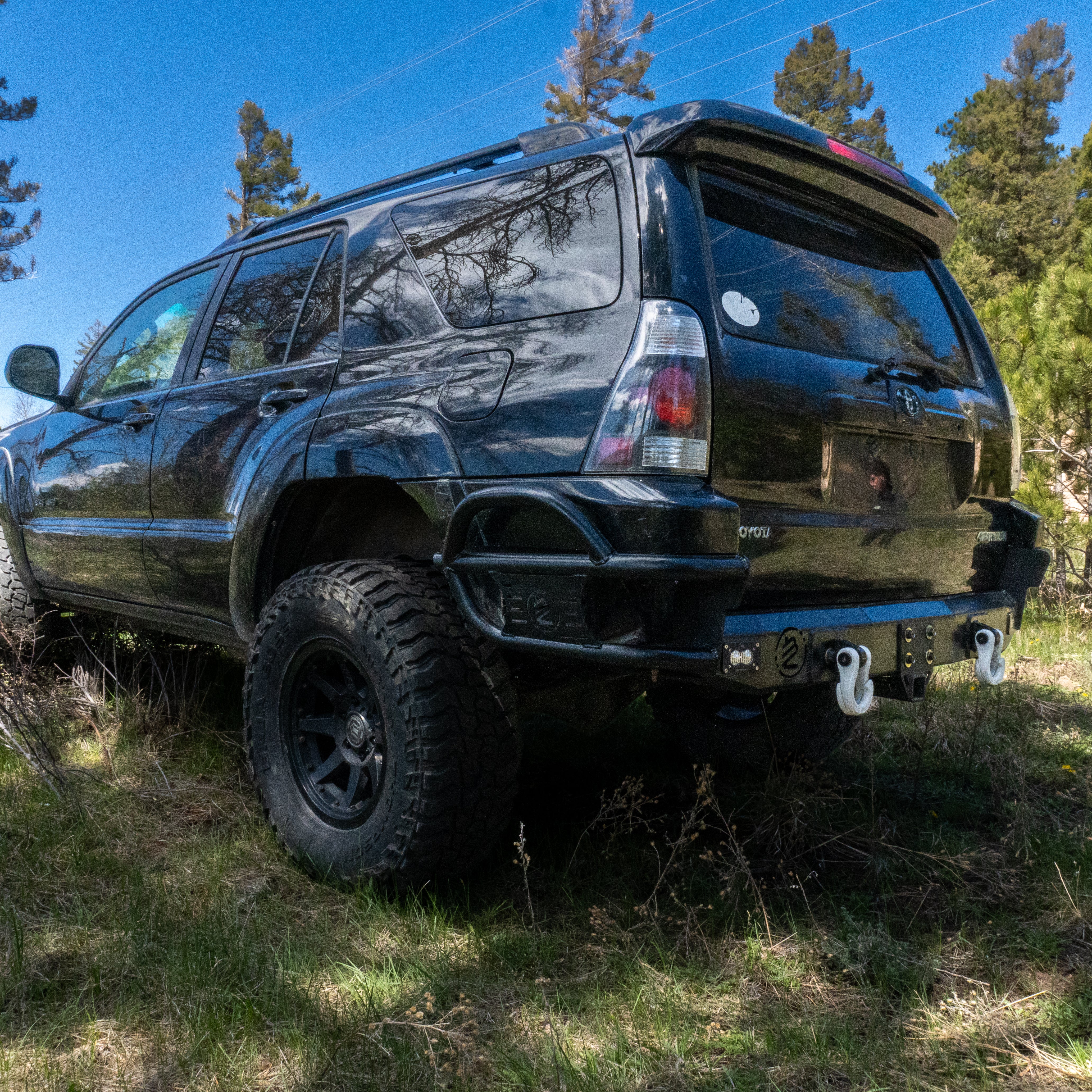
Rear bumpers are often overlooked until damage happens. The back of the vehicle takes hits when dropping off ledges, navigating tight turns, or backing out of obstacles.
Upgrading the rear bumper offers:
-
Better departure angle
-
Protection for quarter panels and tail lights
-
Reinforced recovery points
-
Added durability when carrying gear or towing
If your trails involve ledges, off-camber exits, or heavy gear in the back, a rear bumper quickly proves its value.
Rear protection becomes even more important on longer trips where loaded weight increases stress on the factory setup.
How to Decide Which Comes First
Instead of choosing based on looks, base your decision on how your rig is being used right now.
A front bumper should come first if:
-
You frequently drive technical trails
-
You need reliable recovery points
-
Your approach angle is limiting progress
-
You want more control during climbs
A rear bumper makes sense first if:
-
You carry camping or overland gear
-
You have already damaged the rear end
-
You deal with steep drop-offs
-
You want better protection when backing up
Many first-time builders start with the front because it directly affects confidence and trail control. More experienced drivers often prioritize the rear once they recognize how vulnerable it is.
Weight and Balance Matter More Than Order
Adding armor changes how your Toyota handles. Weight distribution matters, especially if suspension upgrades have not been done yet.
Things to keep in mind:
-
Front armor adds weight over the steering axle
-
Rear armor affects load capacity and ride height
-
Suspension may need adjustment after installation
Choosing a well-designed bumper that balances strength without unnecessary bulk helps maintain drivability on and off the trail.
Long-Term Planning Pays Off
If your goal is a capable, well-rounded build, think ahead. Even if you upgrade one bumper now, make sure it works with future plans.
Consider:
-
Matching design language front and rear
-
Vehicle-specific fitment
-
Compatibility with skid plates and sliders
-
Installation and maintenance needs
Custom-fabricated bumpers tend to integrate better over time because they are built with real-world use in mind, not just catalog specs.
Building a Setup That Works Together
Whether you start with the front or the rear, the goal is the same: protection, capability, and confidence on the trail. A bumper upgrade should make your rig easier to drive where it counts, not just tougher on paper.
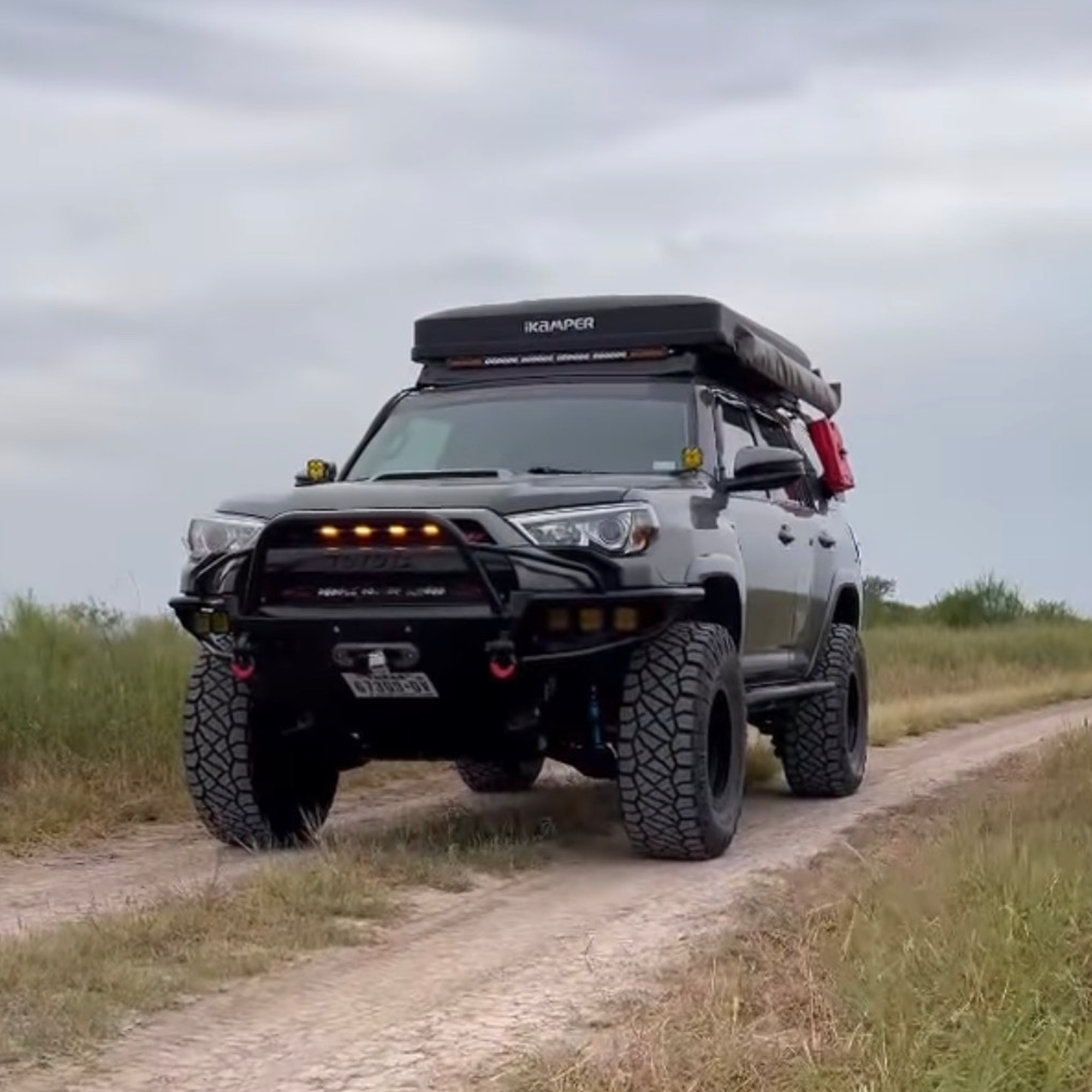
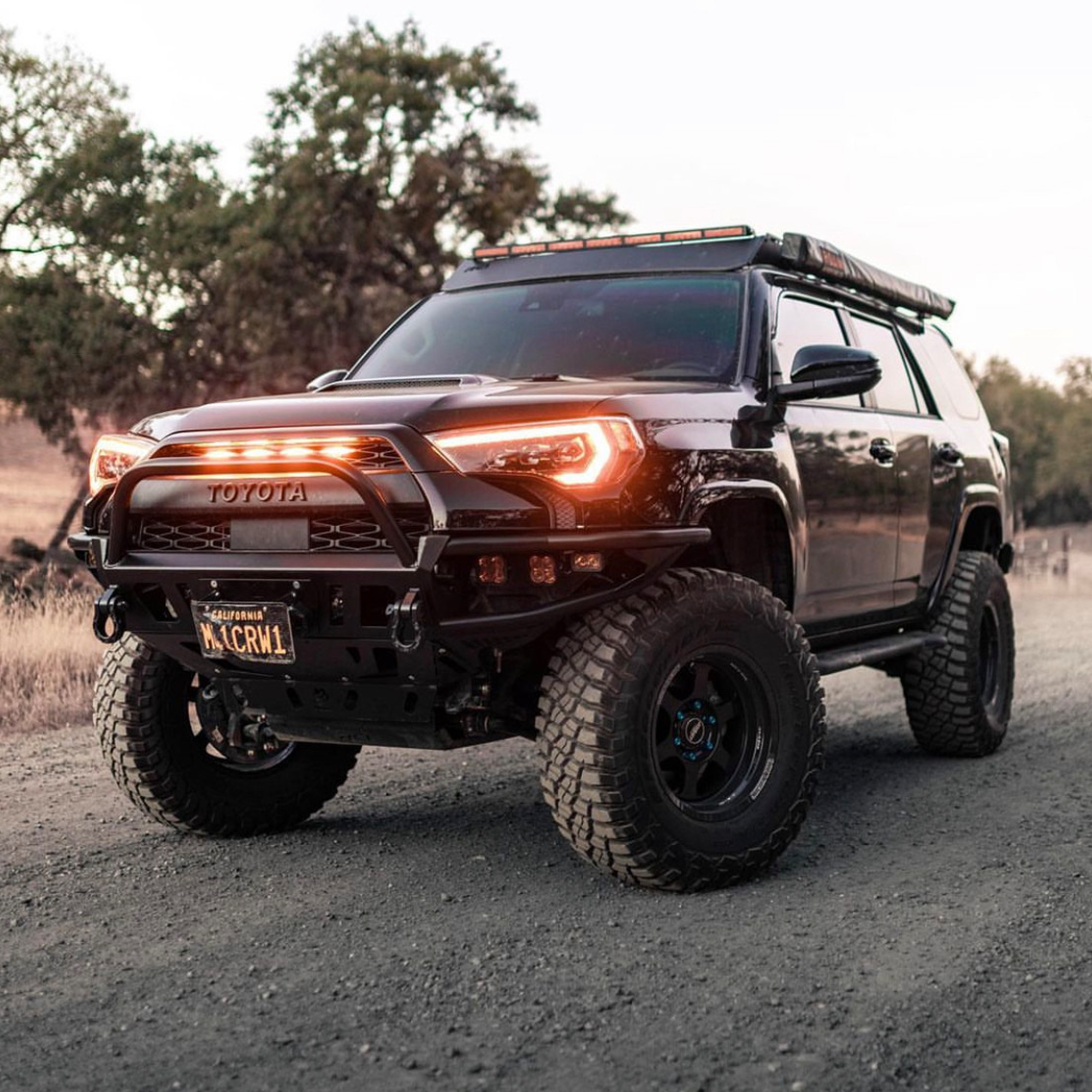
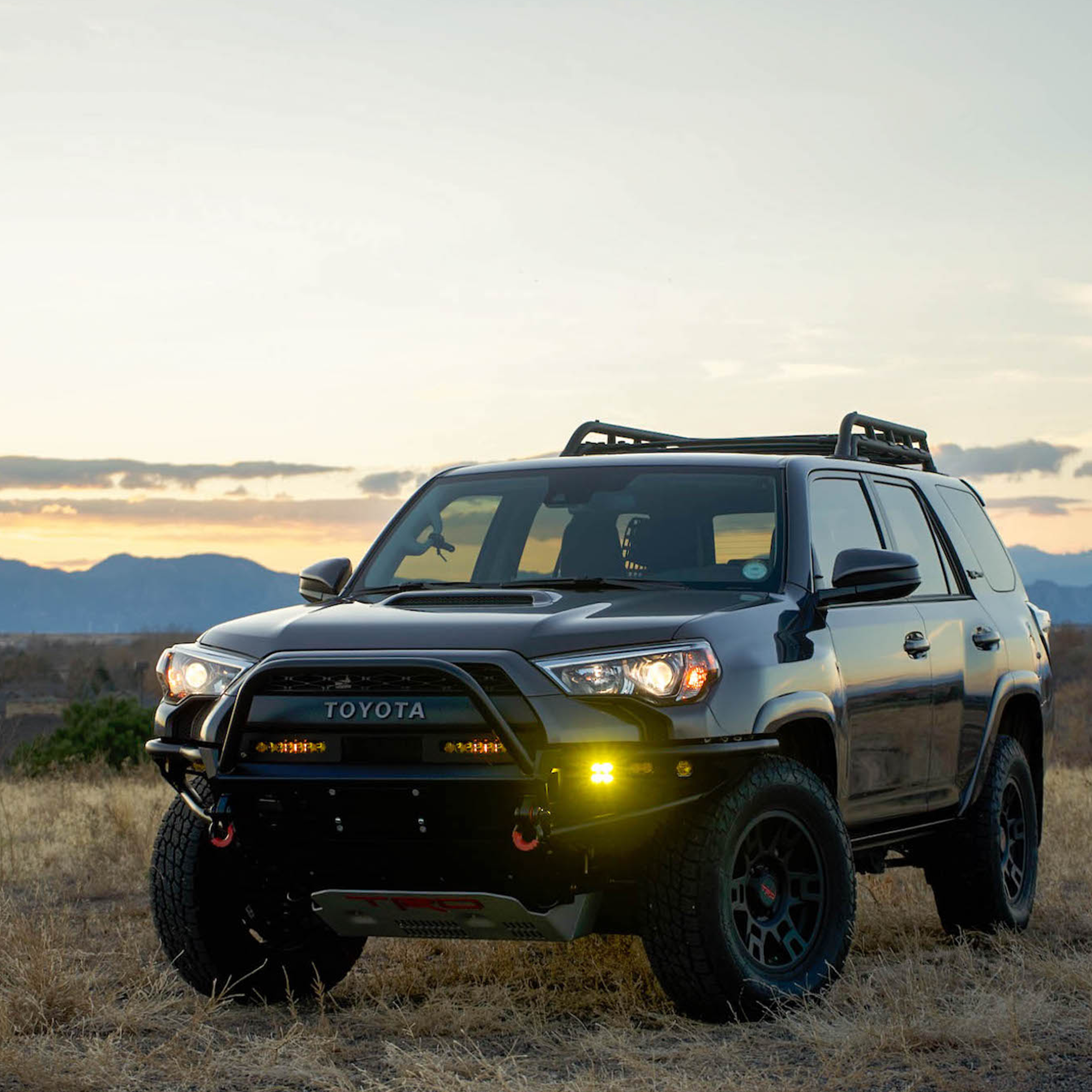
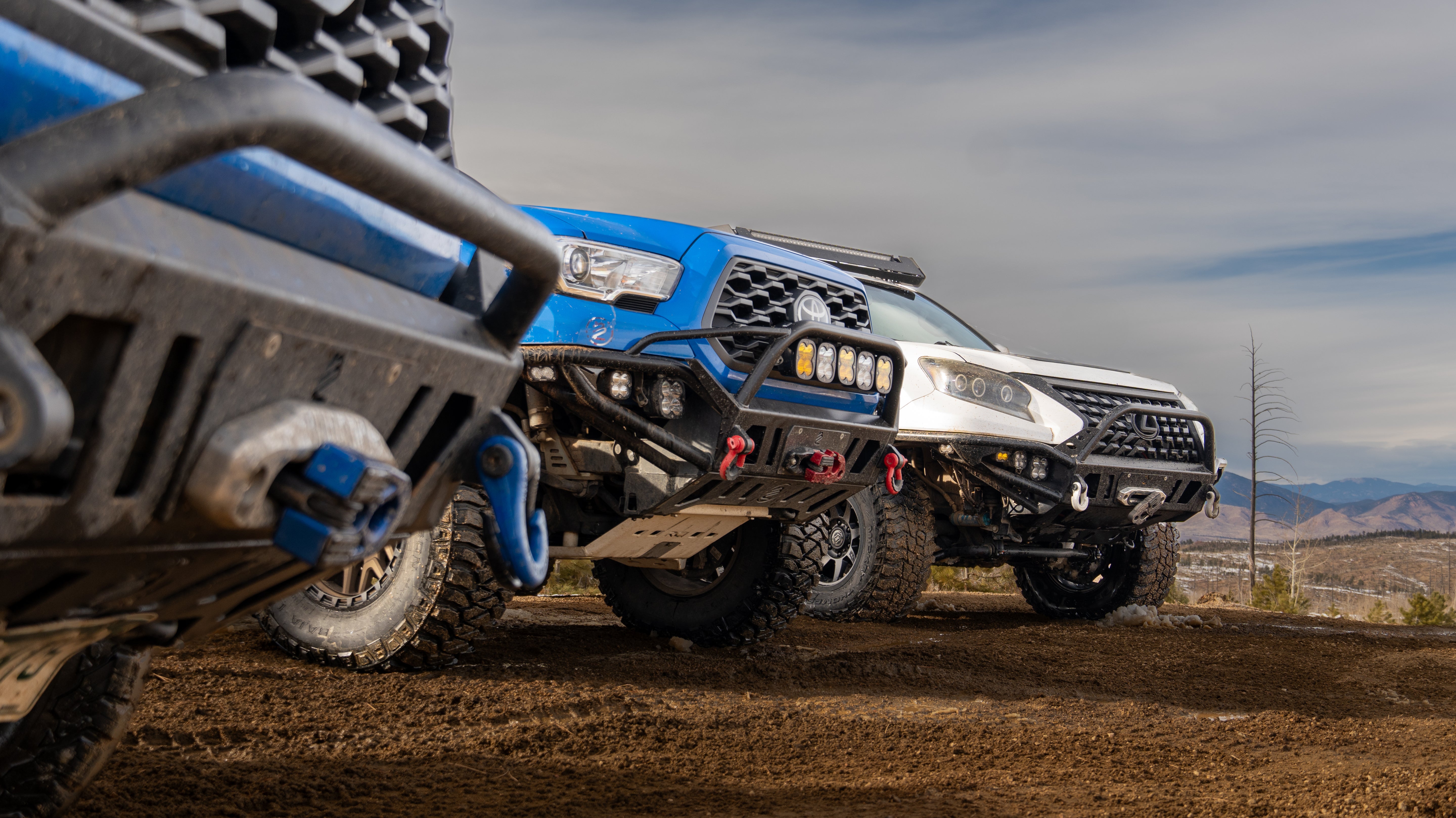
At Lil B’s Custom Fabrication, bumpers are designed to work as part of a complete off-road system for Toyota and Lexus platforms. Built for proper fitment, trail durability, and long-term use, each piece supports the way real drivers build and explore.
If you are planning your next upgrade, choosing the right bumper in the right order can make all the difference when the trail gets technical.
Share:
Building a Balanced Off-Road Setup: Armor, Weight, and Performance
When Is It Time to Upgrade Your Toyota’s Stock Bumper?