

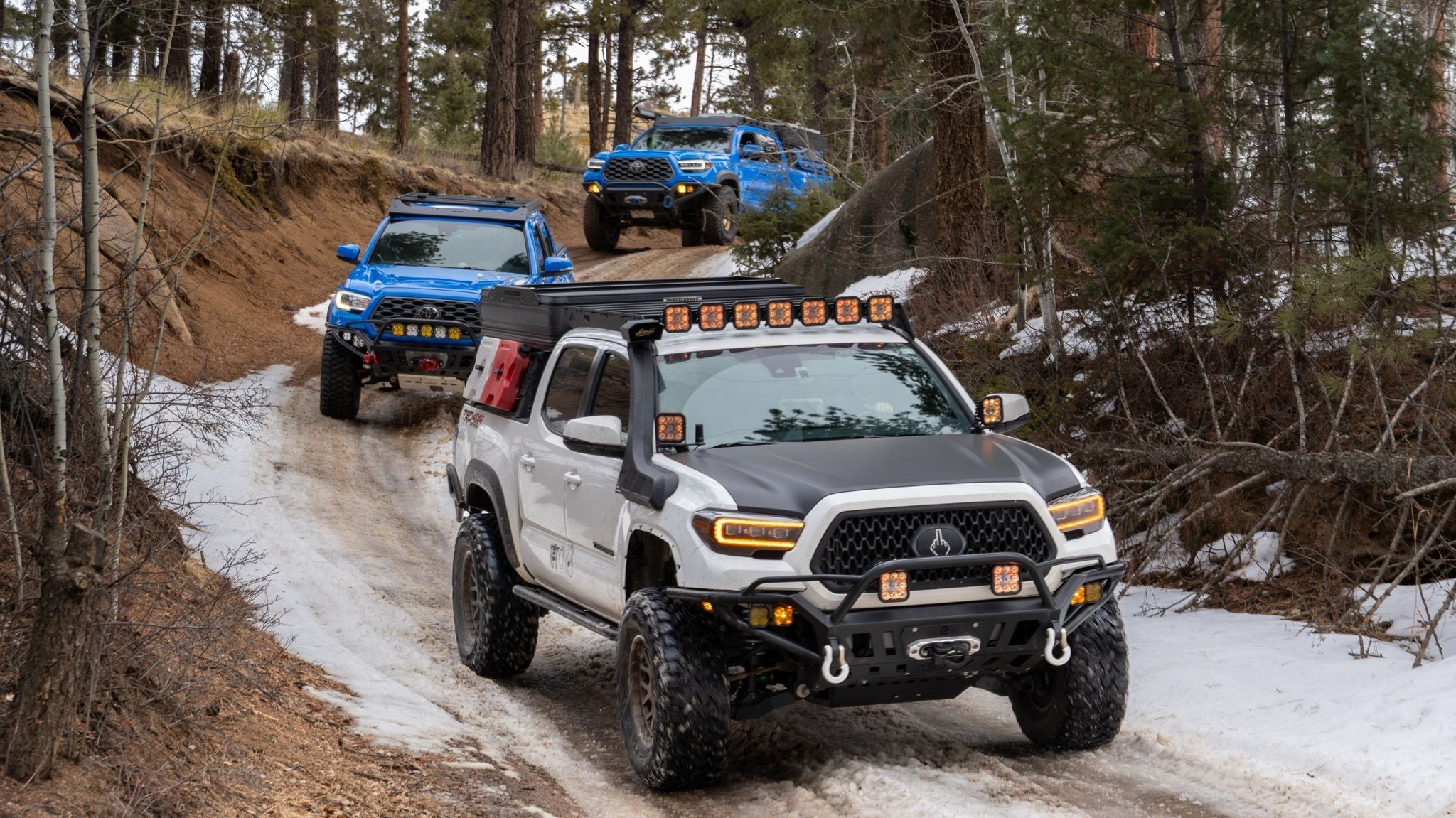
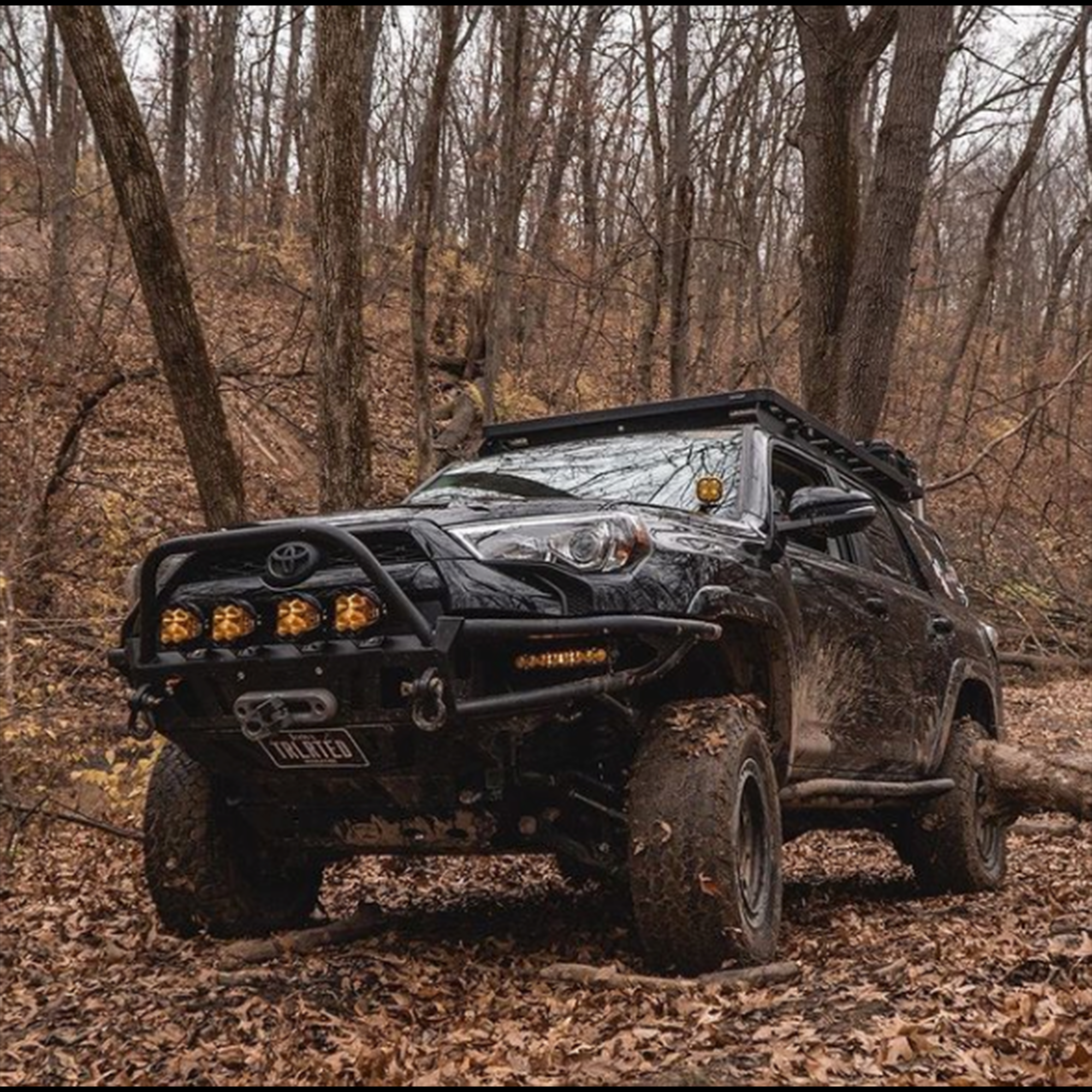
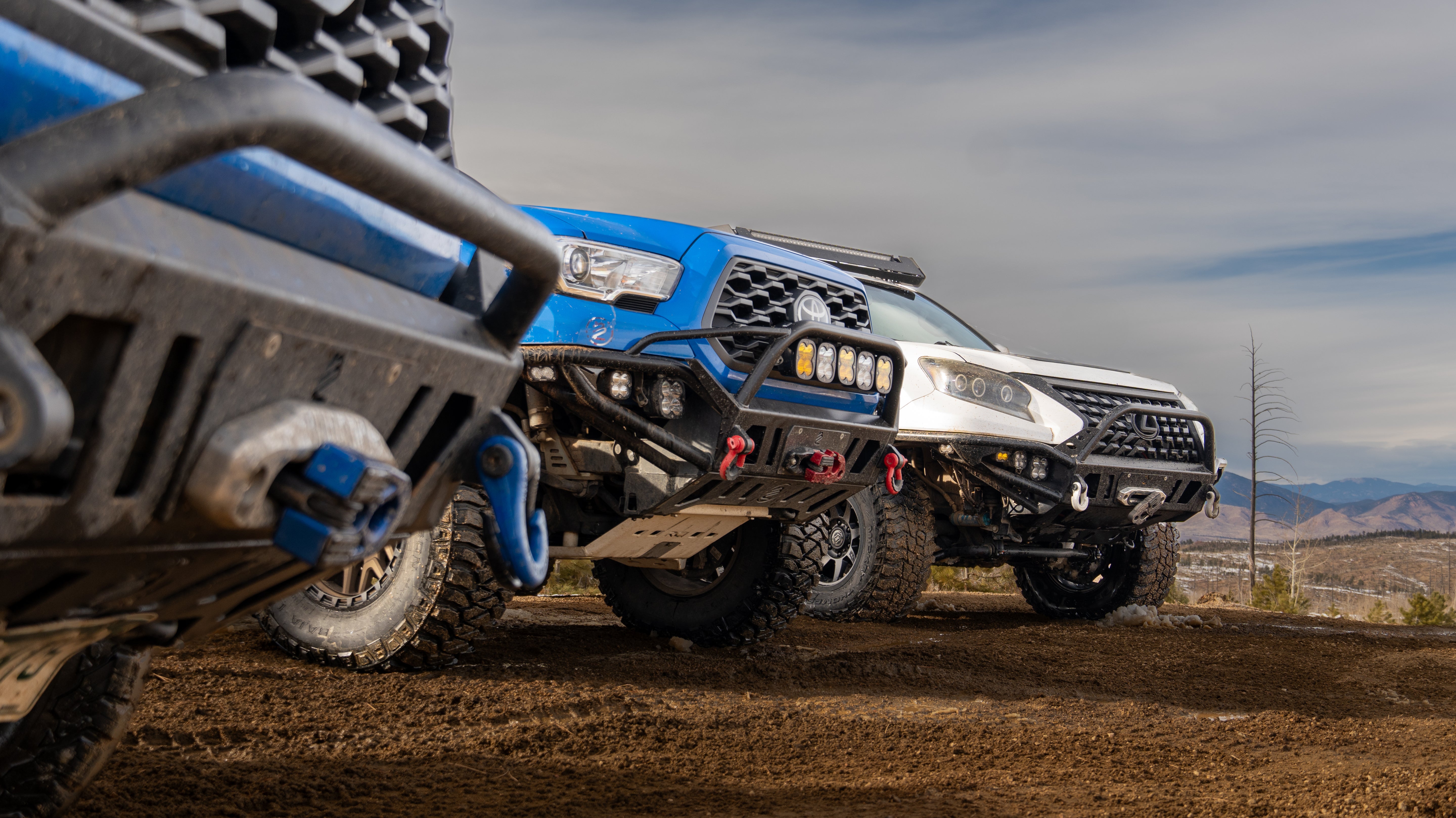
At Lil B’s Custom Fabrication, we love seeing rigs tackle trails hard and fast, but we also know that off-road adventures can take a serious toll on your bumpers and accessories. Even the toughest steel bumpers can suffer from dents, scrapes, bent mounts, or structural damage when abused.
To protect your investment and ensure your rig performs reliably, it’s crucial to understand the common habits that lead to bumper damage — and the ways to prevent them. Whether you’re running a 4Runner, Tacoma, Tundra, GX Series, or FJ Cruiser, these tips are essential for every off-road enthusiast.

1) Plowing Into Obstacles Too Aggressively
One of the most common mistakes is charging through rocks, logs, or stumps at high speed. While off-road bumpers are designed to be tough, repeated impacts can bend mounts, crack welds, and even compromise the structural integrity of the bumper.
How to avoid it:
-
Always slow down when approaching obstacles and take a moment to assess the line.
-
Use a spotter when tackling technical trails or large obstacles to guide your path.
-
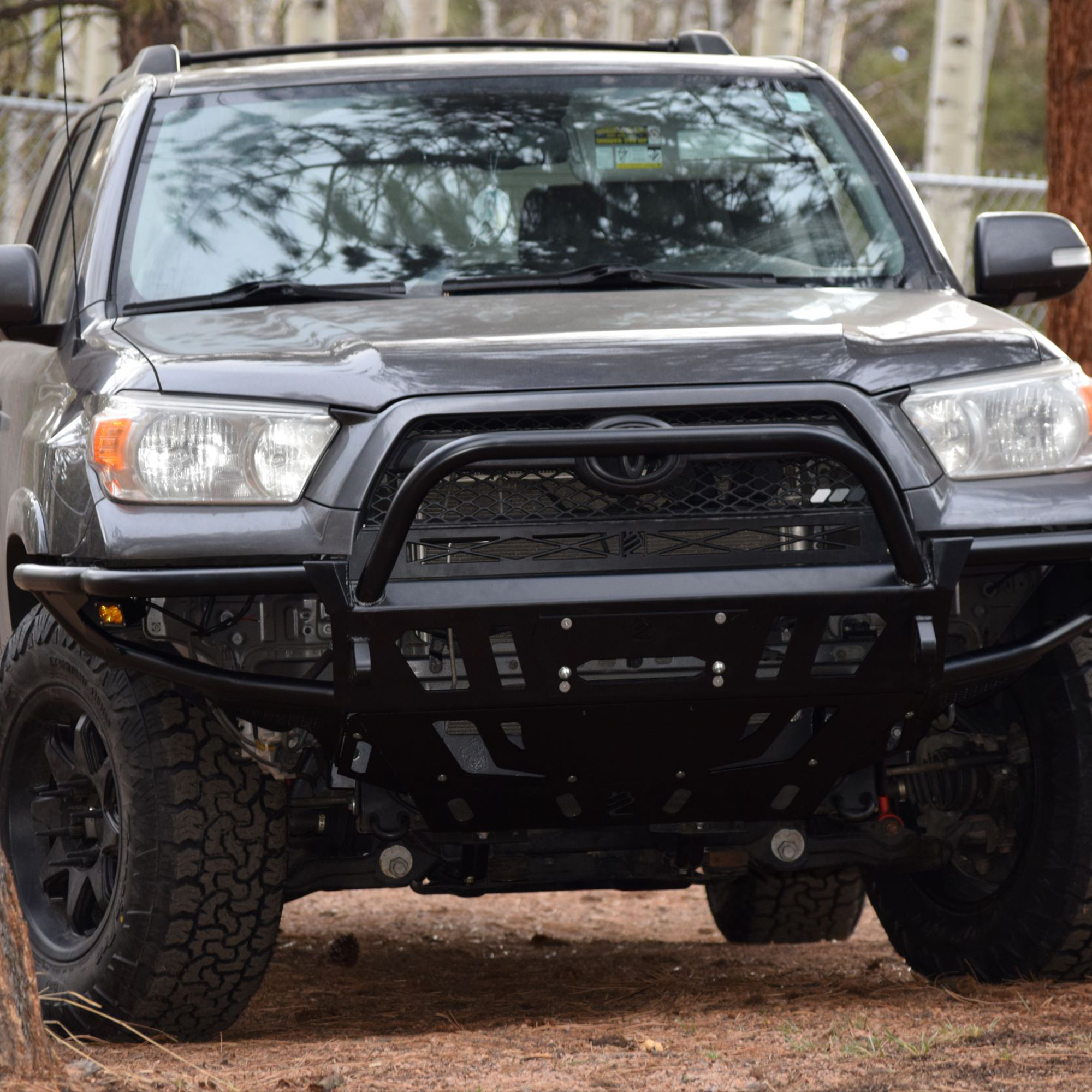
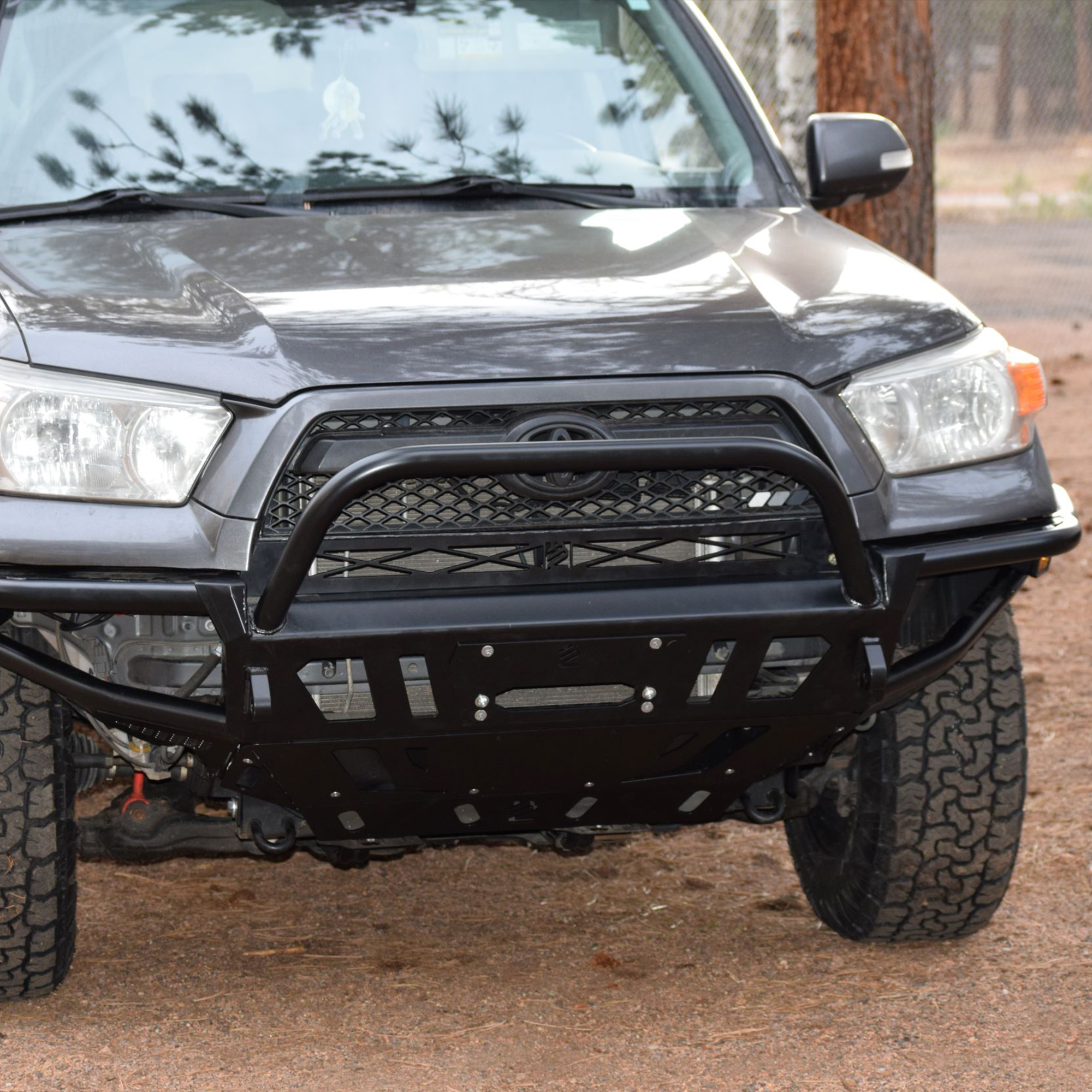
Equip your rig with Lil B’s reinforced front and rear bumpers with integrated skid plates to absorb and deflect impact, reducing damage to the vehicle itself.
Remember: speed may look impressive, but control and precision save your rig in the long run.
2) Skipping Proper Recovery Practices
Improper winching, using recovery points incorrectly, or overloading shackles can cause bending, warping, or cracks in your bumper mounts. Many off-roaders underestimate the force applied when recovering a stuck vehicle, putting unnecessary stress on even the strongest bumpers.
How to avoid it:
-
Always attach recovery equipment to rated, reinforced recovery points.
-
Follow correct winching angles and procedures to avoid stress on mounts.
-
Use Lil B’s custom bumpers with dedicated recovery points designed to handle extreme loads safely.
-
Carry recovery gear like shackles, snatch blocks, and straps in good condition to ensure safe and effective pulls.
Proper recovery technique is just as important as the hardware itself — misuse can damage your bumper and put you at risk.
3) Ignoring Rust and Corrosion
Exposure to mud, water, snow, and salty trails can cause rust and corrosion, gradually weakening steel bumpers. Scratches, chips, and uncoated welds are particularly vulnerable areas.
How to avoid it:
-
Wash your rig thoroughly after every off-road trip, focusing on bumpers, mounts, and undercarriage.
-
Inspect for scratches or chips regularly and apply corrosion-resistant coatings or touch-up paint.
-
Lil B’s bumpers come powder-coated and treated to resist corrosion, providing long-lasting protection even in the harshest environments.
Routine maintenance prevents small issues from turning into expensive structural problems.
4) Overloading Accessories
It’s easy to get carried away with winches, LED lights, roof racks, and heavy gear. Adding too much weight without reinforcing mounts can warp your bumper, crack welds, or reduce approach angles.
How to avoid it:
-
Know the weight limits of your bumper and accessories before mounting.
Distribute weight evenly across mounts to reduce stress points. -
Use Lil B’s bumpers with engineered brackets and mounts designed for heavy-duty gear, including winches, lights, jacks, and recovery tools.
-
Avoid adding unnecessary gear that compromises clearance or bumper integrity.
A properly balanced rig not only lasts longer but also performs better on rough terrain.
5) Neglecting Trail Techniques
Even the best equipment can’t save a bumper if poor off-road habits persist. Common issues include scraping on ledges, riding directly over obstacles, or misjudging angles, all of which can cause dents, bends, or misalignment.
How to avoid it:
-
Learn proper off-road techniques such as line selection, throttle control, and managing approach/departure angles.
-
Take it slow on technical terrain — patience protects your rig and ensures safer navigation.
-
Combine smart driving with Lil B’s reinforced bumpers, rock sliders, and skid plates for maximum protection.
Proper trail technique preserves your rig and makes recovery less likely — keeping you on the trails longer.
Bonus Tips for Bumper Longevity
-
Inspect bolts and mounts regularly: Vibration and impacts can loosen hardware over time.
-
Upgrade brackets if adding aftermarket accessories: Ensure mounts are rated for weight and impact.
-
Use protective coatings: Powder-coat, ceramic spray, or rust-proof paint enhances durability.
These small steps go a long way toward extending the life of your bumper and accessories.
Final Thoughts
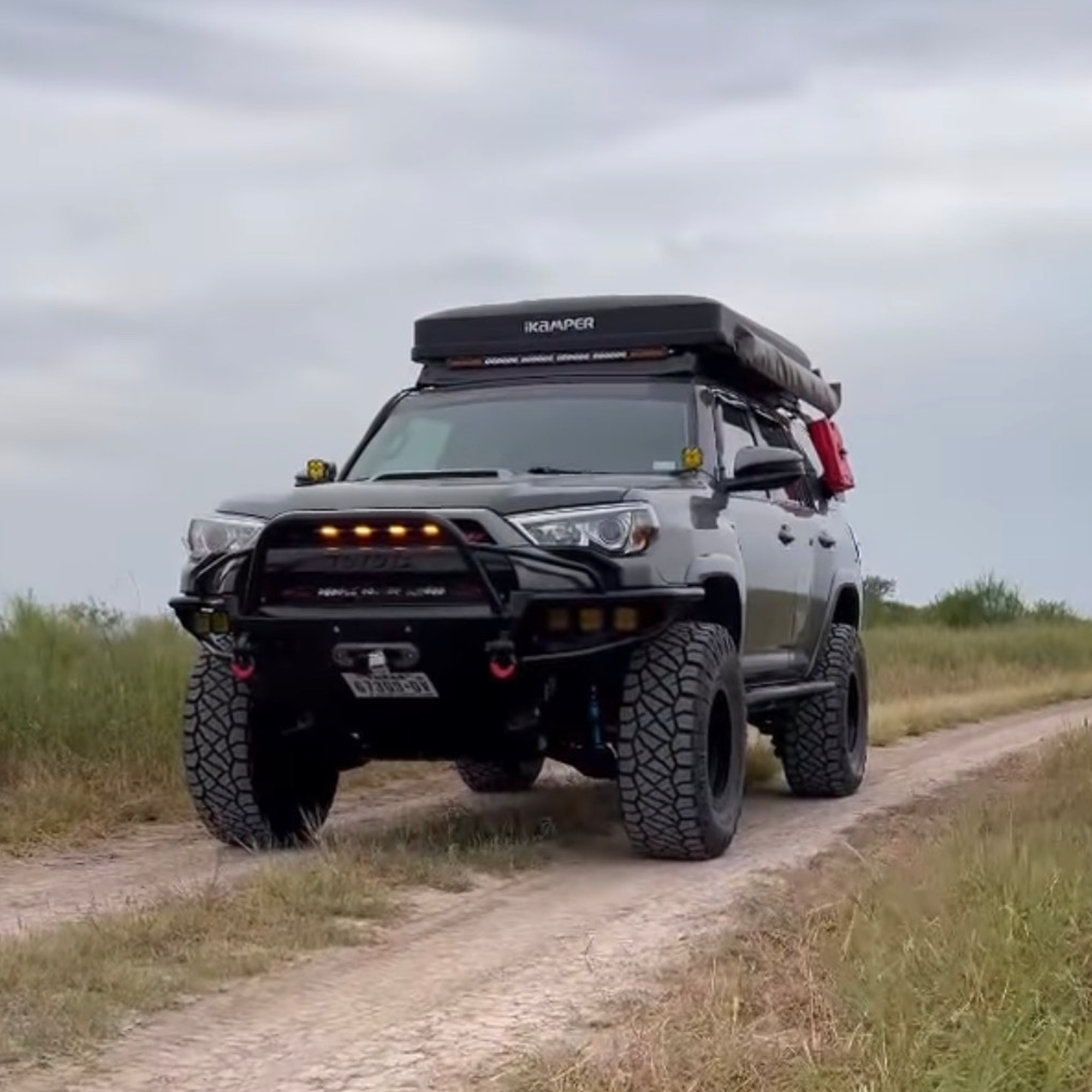
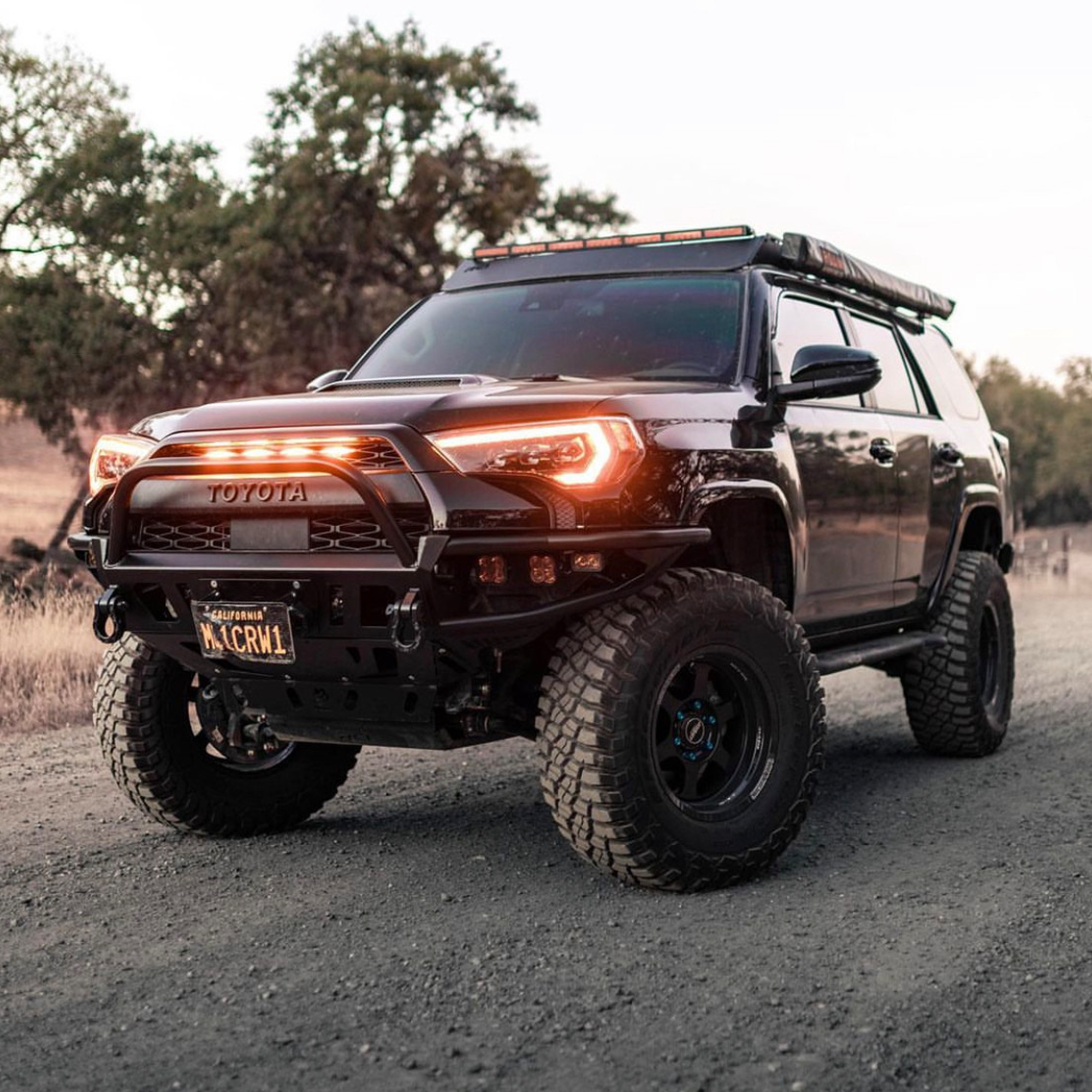
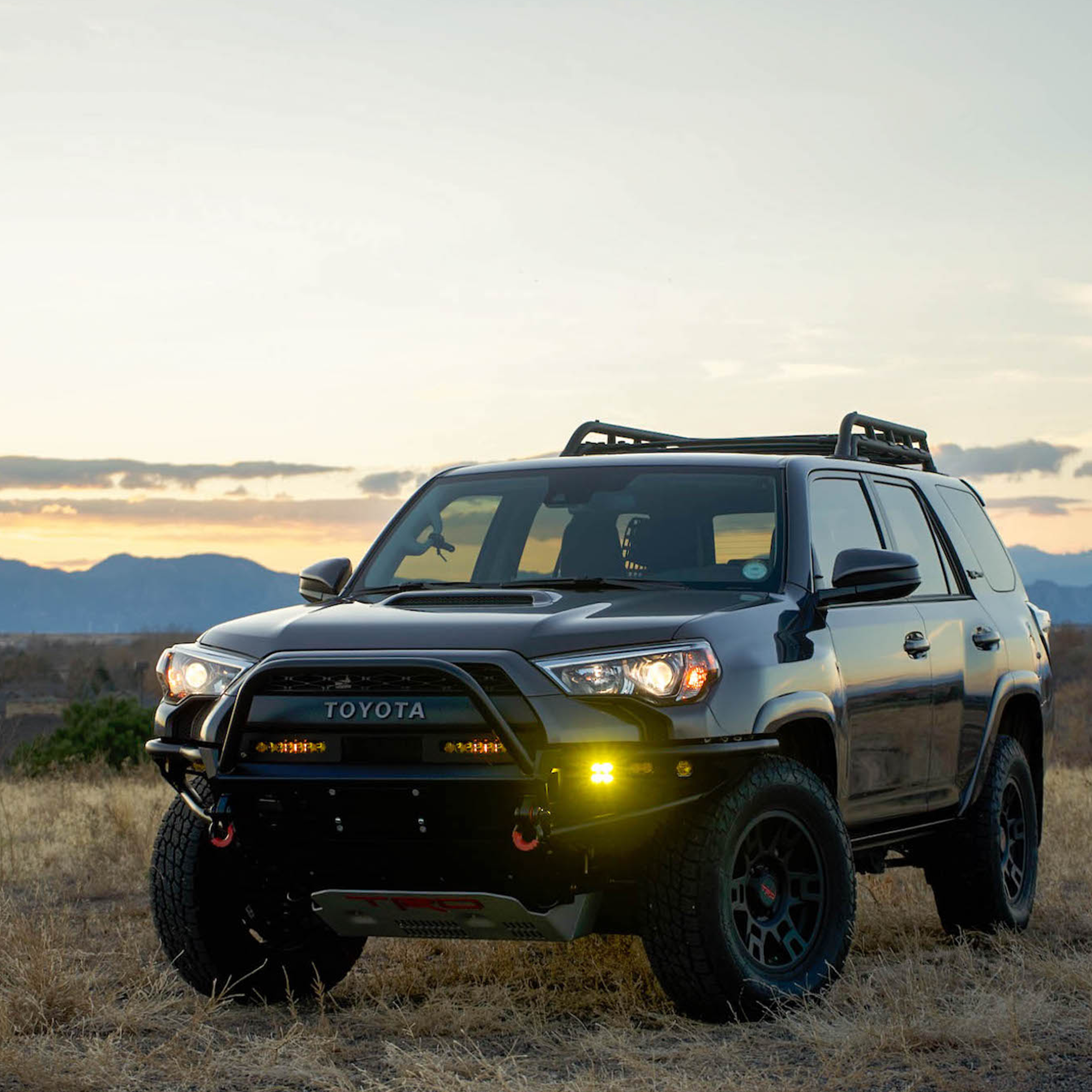
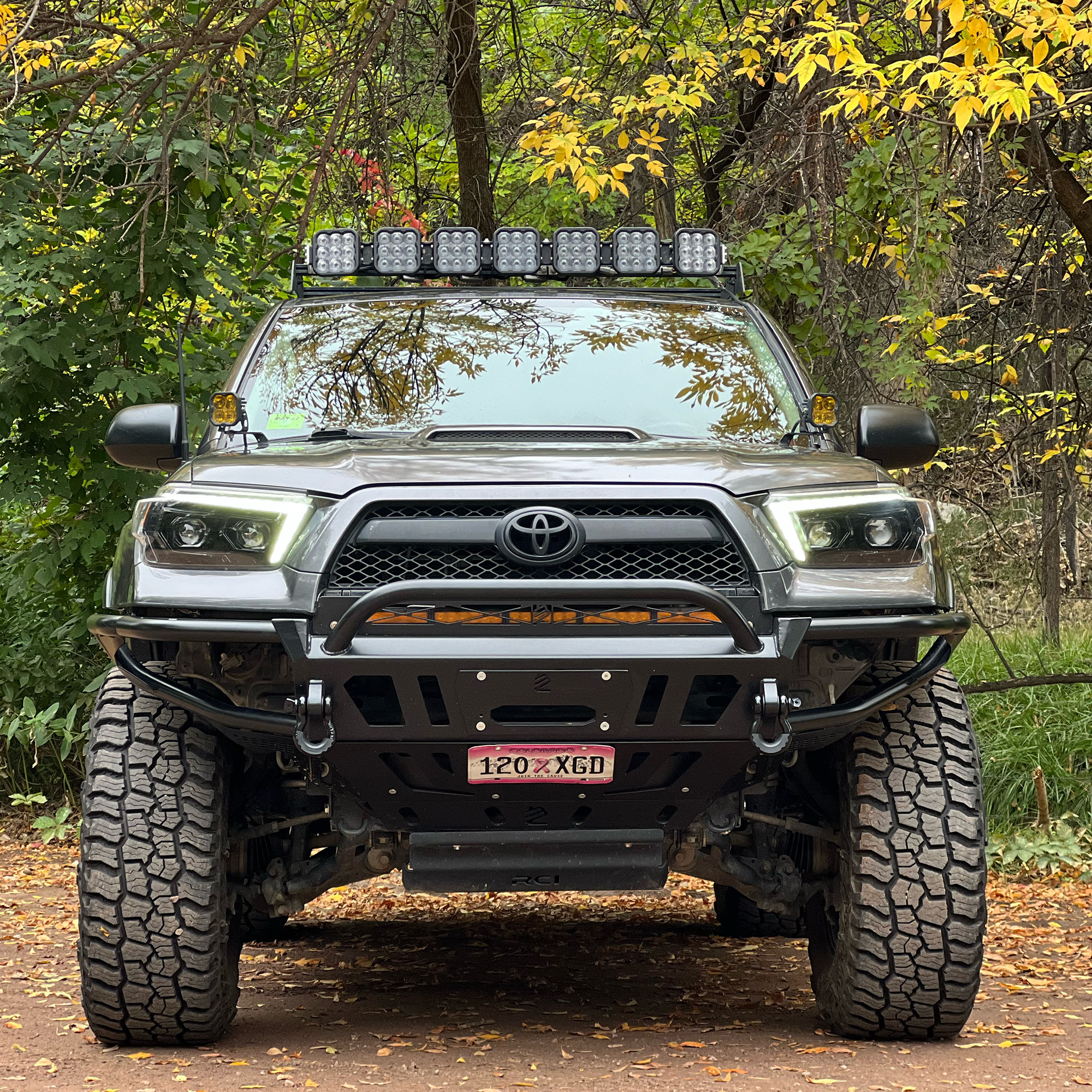
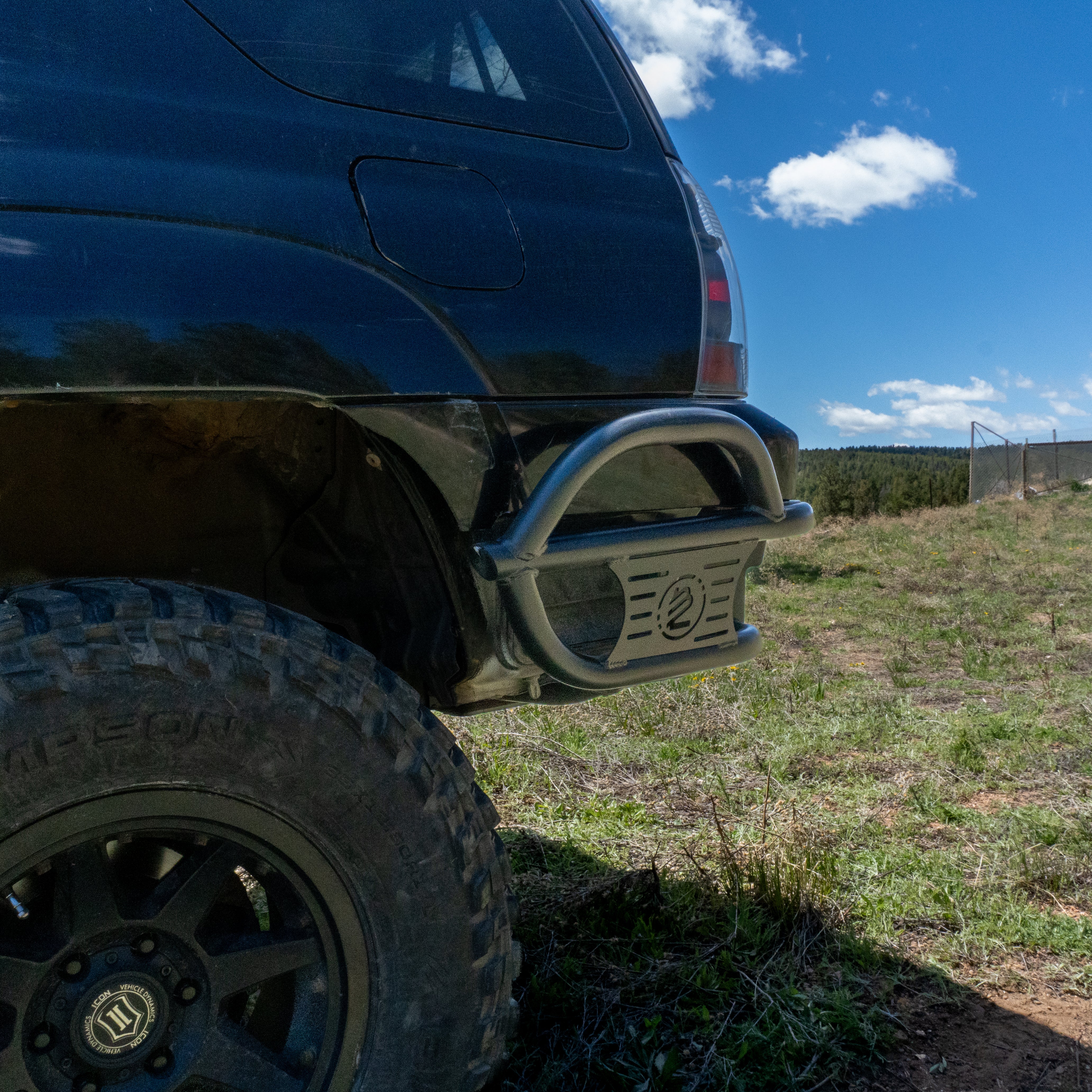
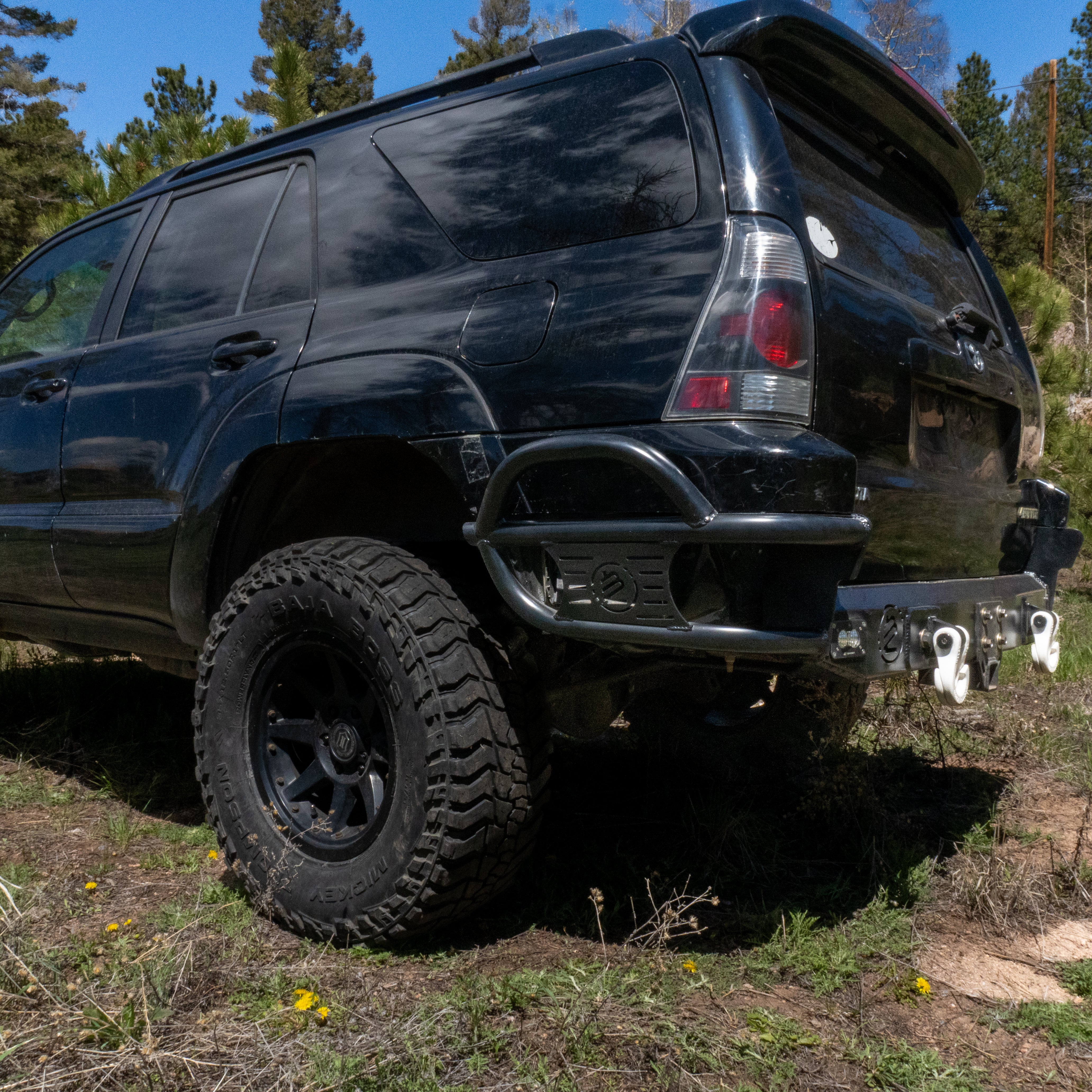
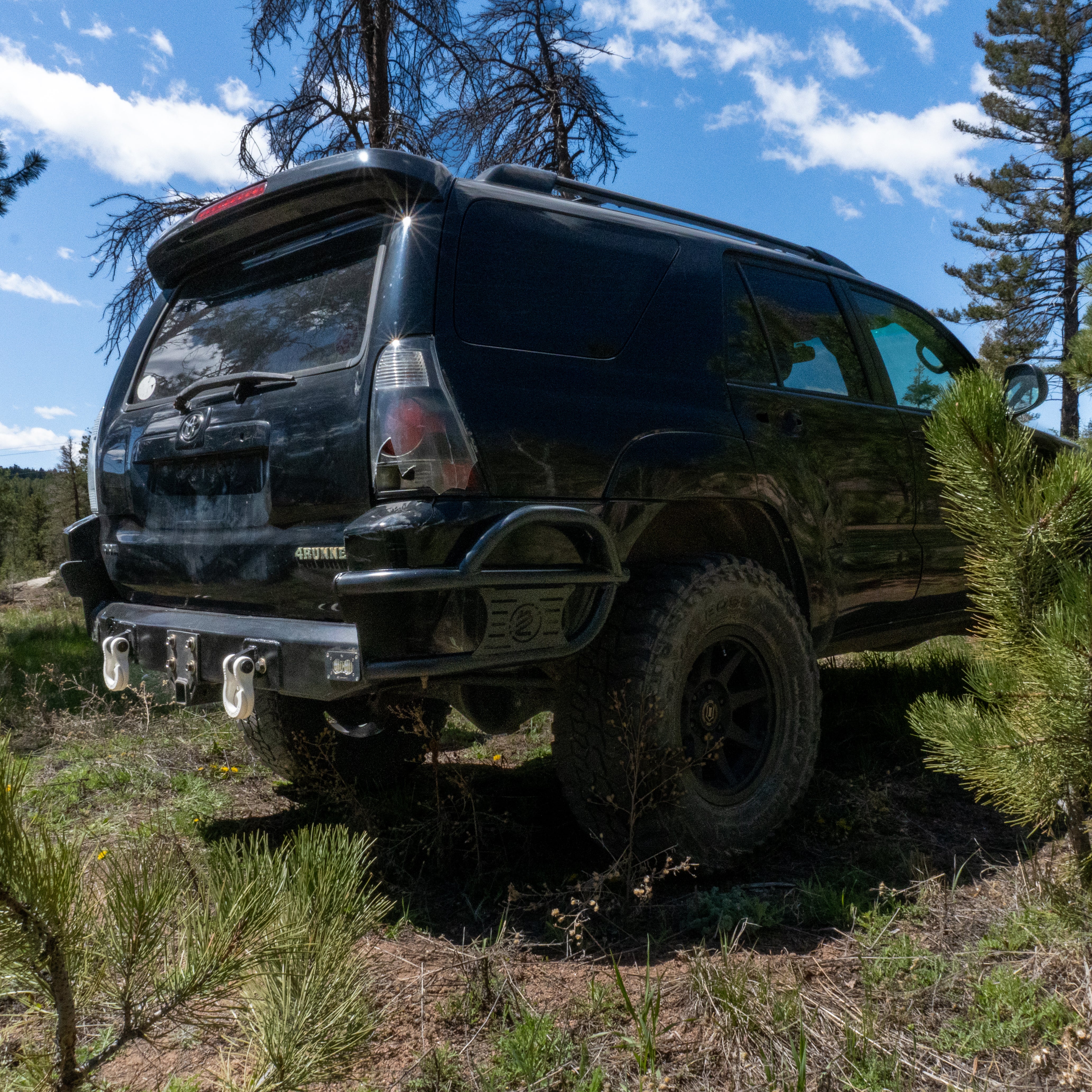
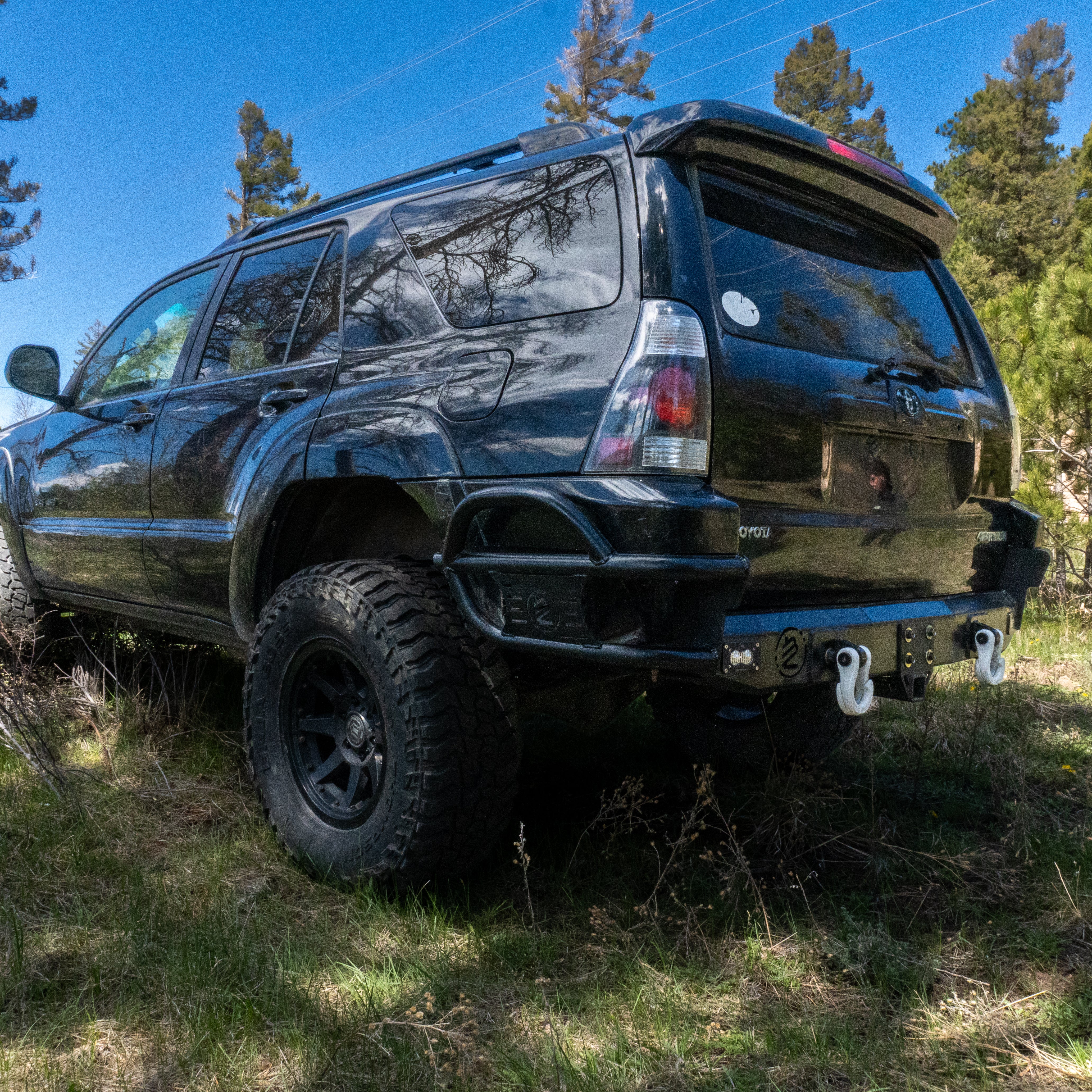
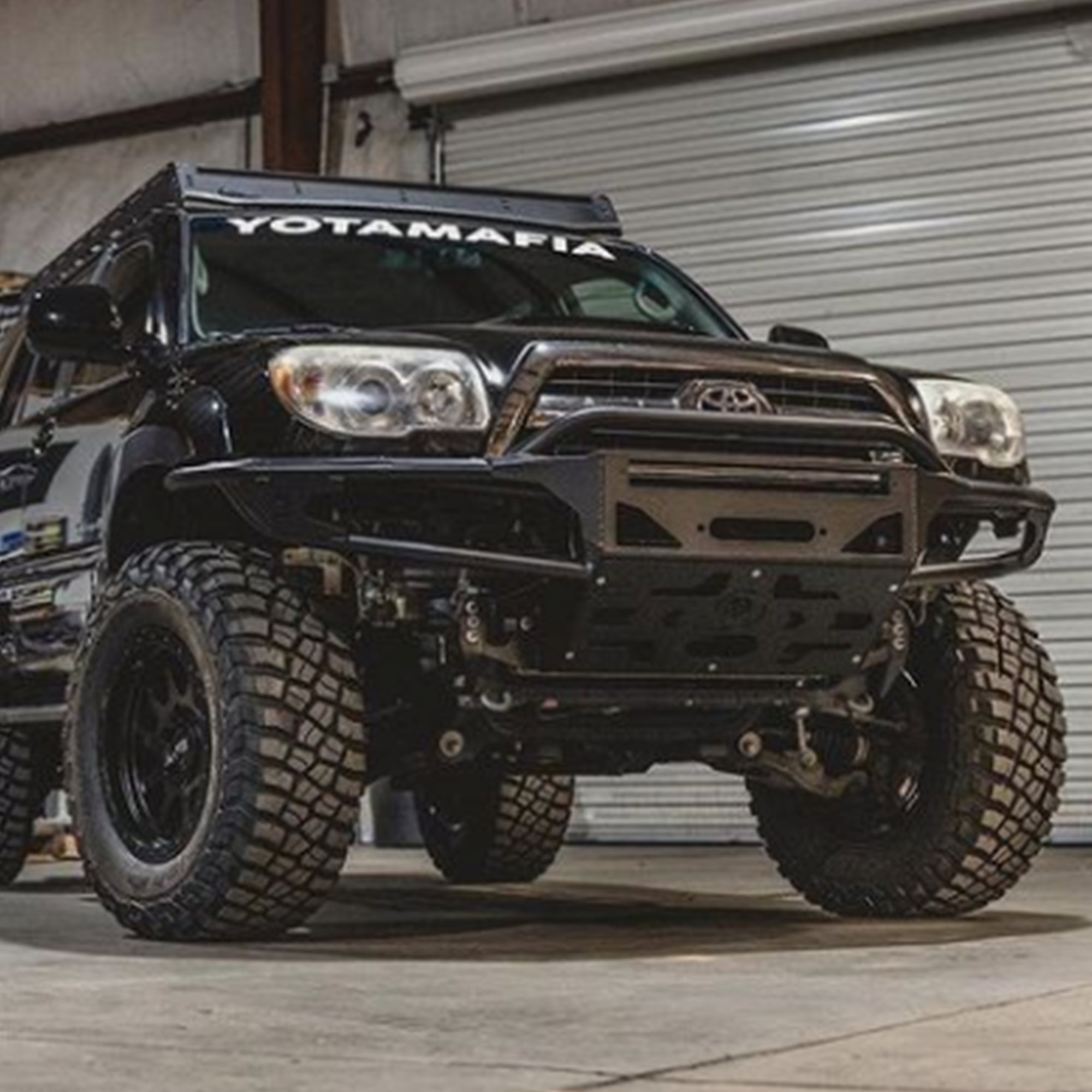
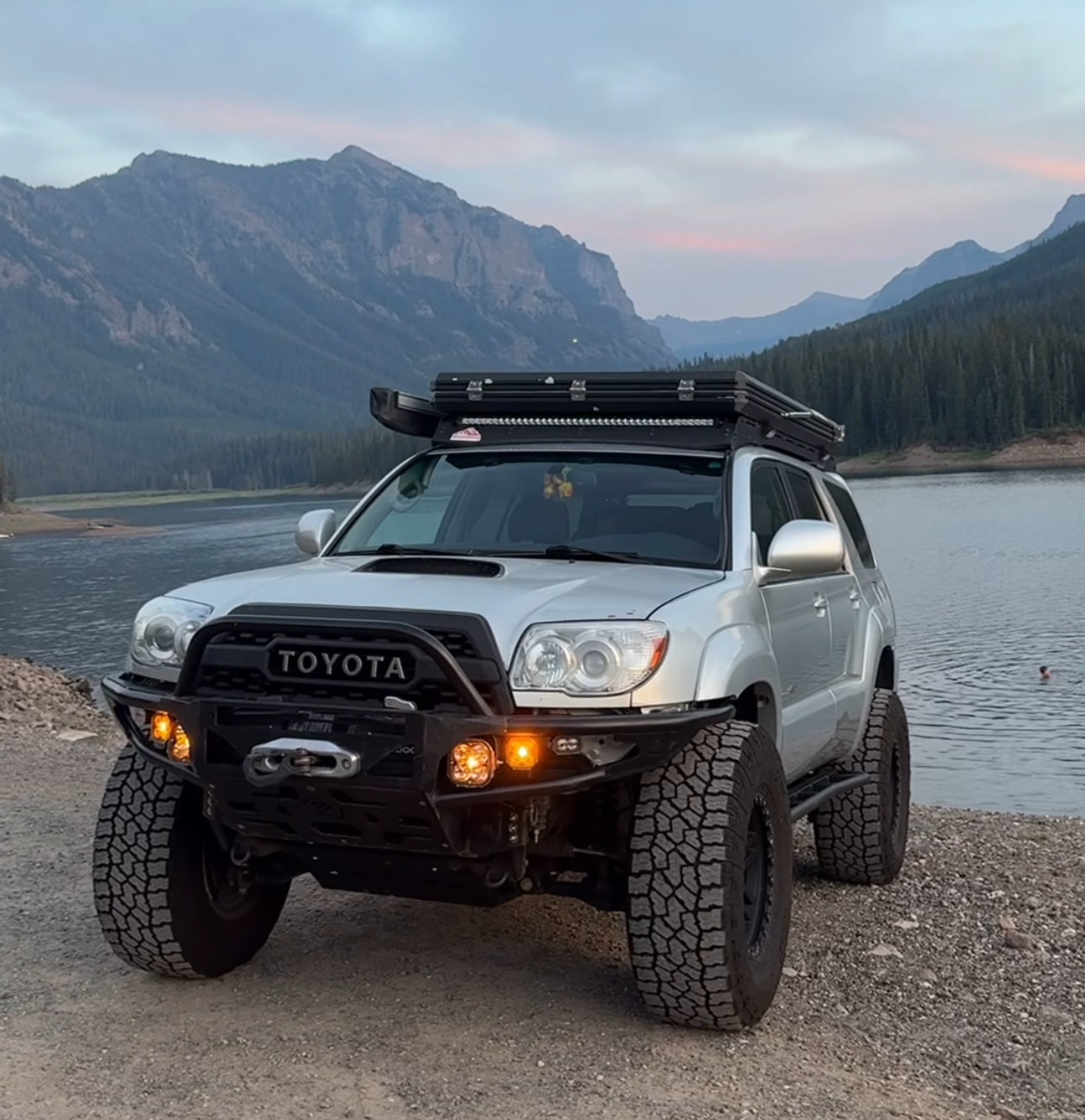
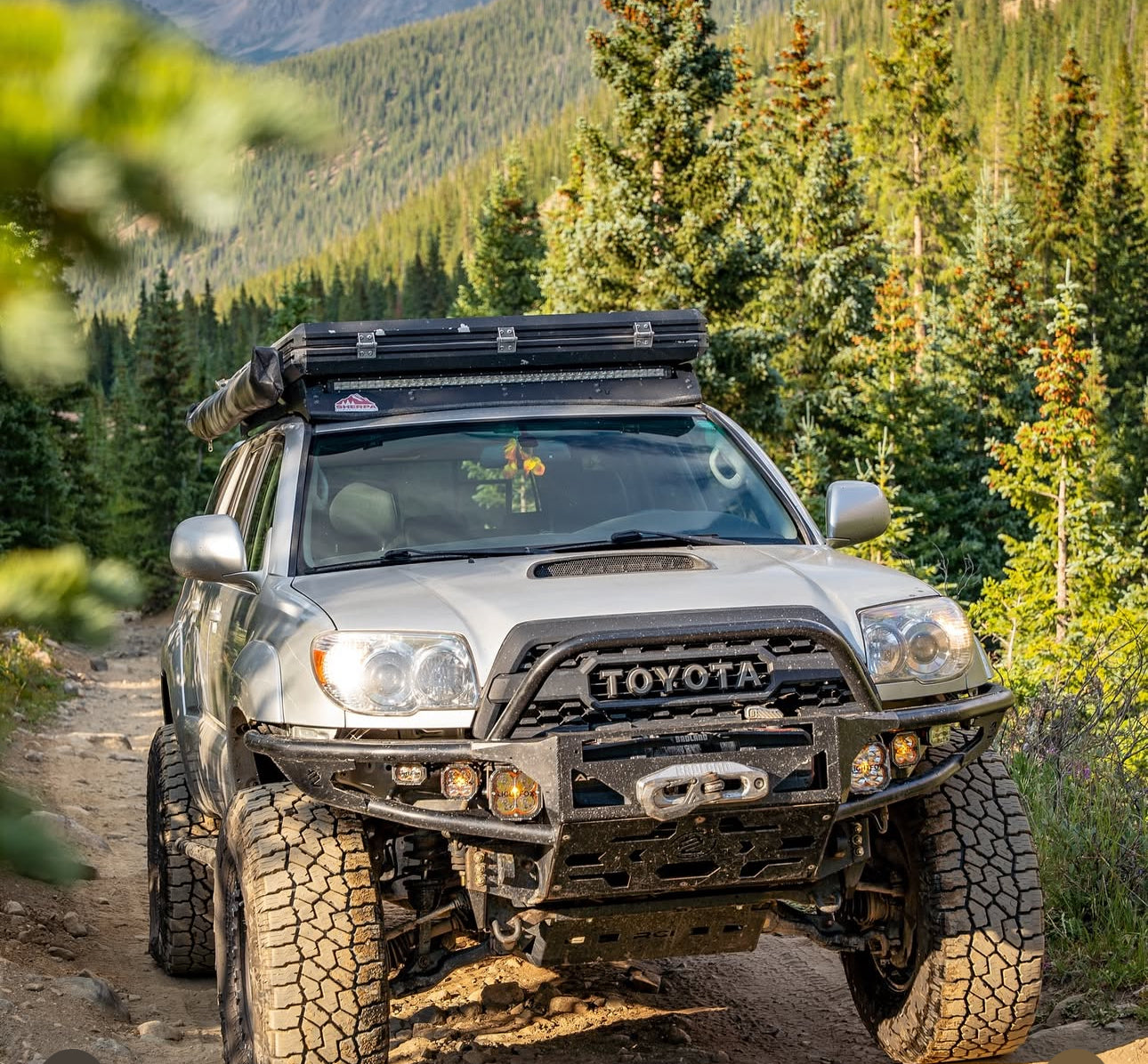
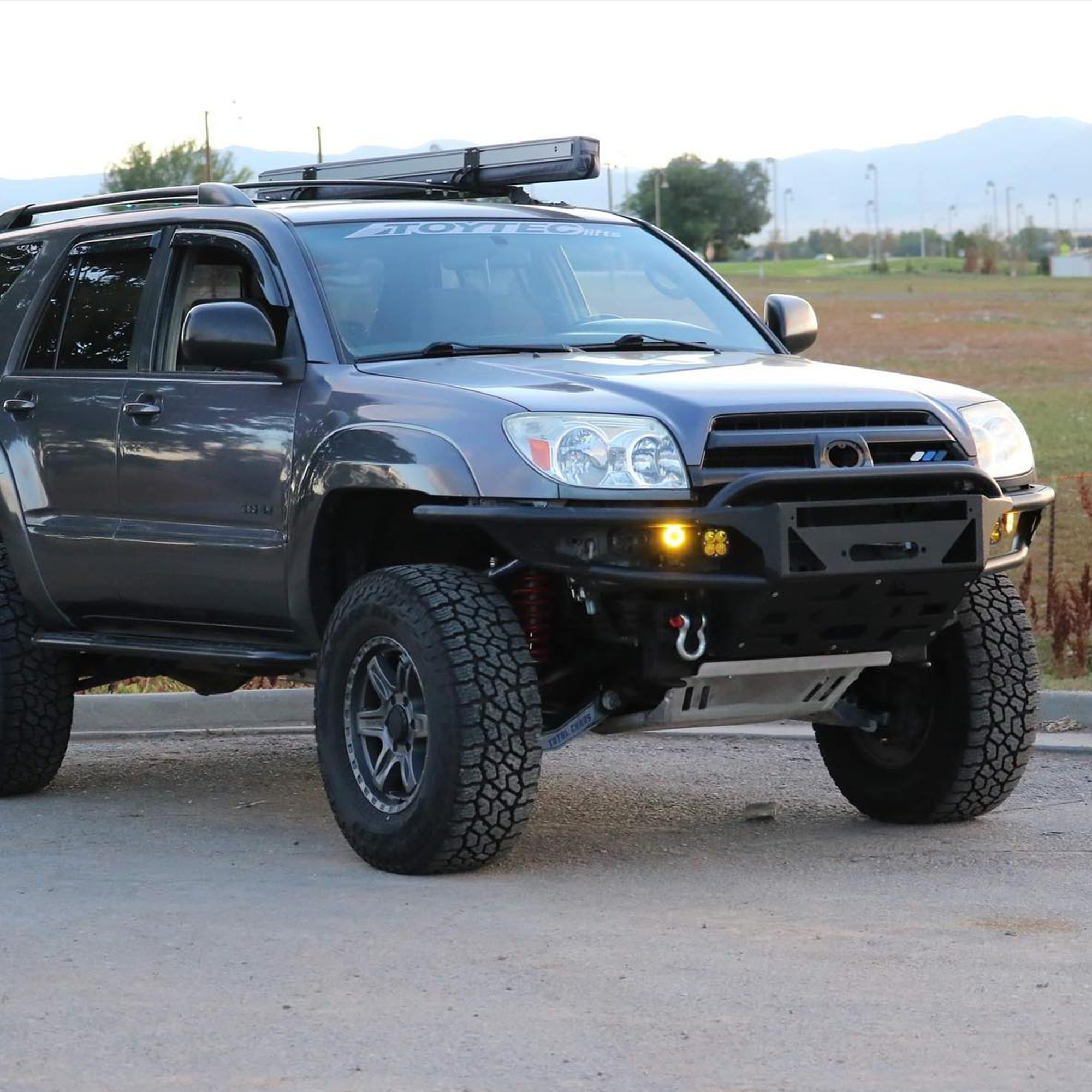
Your bumper is more than a cosmetic upgrade — it’s a critical piece of your off-road safety system. At Lil B’s Custom Fabrication, we design bumpers to withstand extreme abuse, integrate mounting points for recovery gear, lighting, and accessories, and elevate your rig’s style.
By avoiding common off-road mistakes, maintaining your rig, and using properly engineered products, you’ll extend the life of your bumper and enjoy safer, more enjoyable trails.
Invest wisely, drive smart, and let Lil B’s keep your rig protected on every adventure. Contact us today!
Share:
The 5 Most Popular Toyota Off-Road Platforms of the Year (Ranked)
Preparing Your Toyota for Cold-Weather Off-Roading