

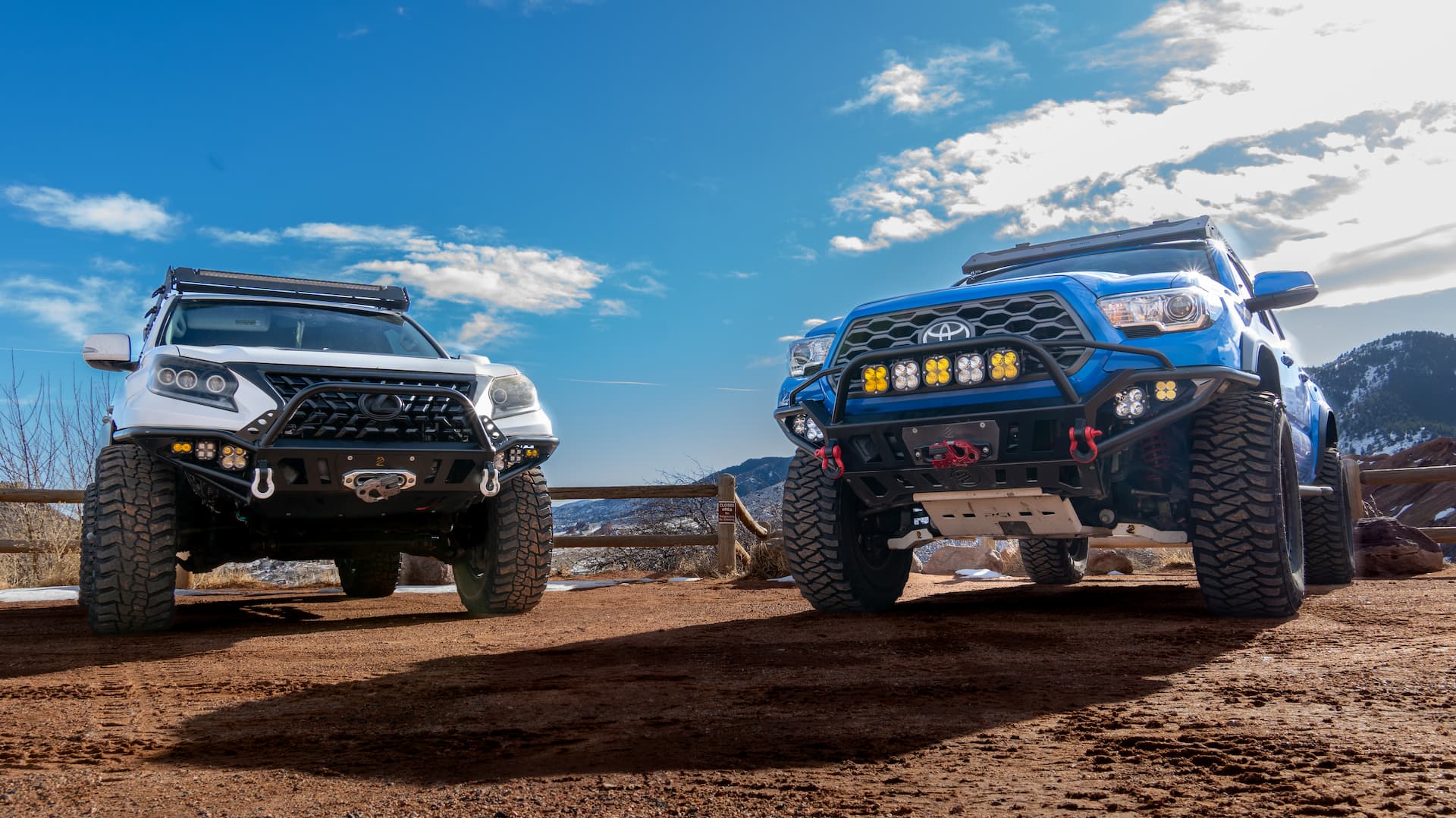
Overlanding is more than off-roading, it’s about self-reliance, exploration, and traveling further into the unknown. Whether you drive a Toyota Tacoma, 4Runner, Tundra, FJ Cruiser, or Lexus GX, proper preparation is what transforms your vehicle from a weekend trail truck into a long-distance adventure rig.
This guide breaks down the essential steps for overlanding prep, focusing on durability, protection, and functionality, so your Toyota or Lexus is ready for whatever lies beyond the map.

Step 1: Strengthen Your Foundation
Every overland build starts with the basics: suspension, tires, and load management. Overlanding means carrying extra weight, fuel, water, gear, and armor, so upgrading your suspension system is a must.
Opt for heavy-duty shocks and springs that can handle consistent load without sagging. Pair that with all-terrain or mud-terrain tires suited for the environments you’ll explore. Don’t forget a reliable spare, ideally a full-size tire, not a donut.
A strong foundation gives you the confidence to handle trails, washboard roads, and extended travel without compromising ride comfort or safety.
Step 2: Add Protection with Bumpers and Armor
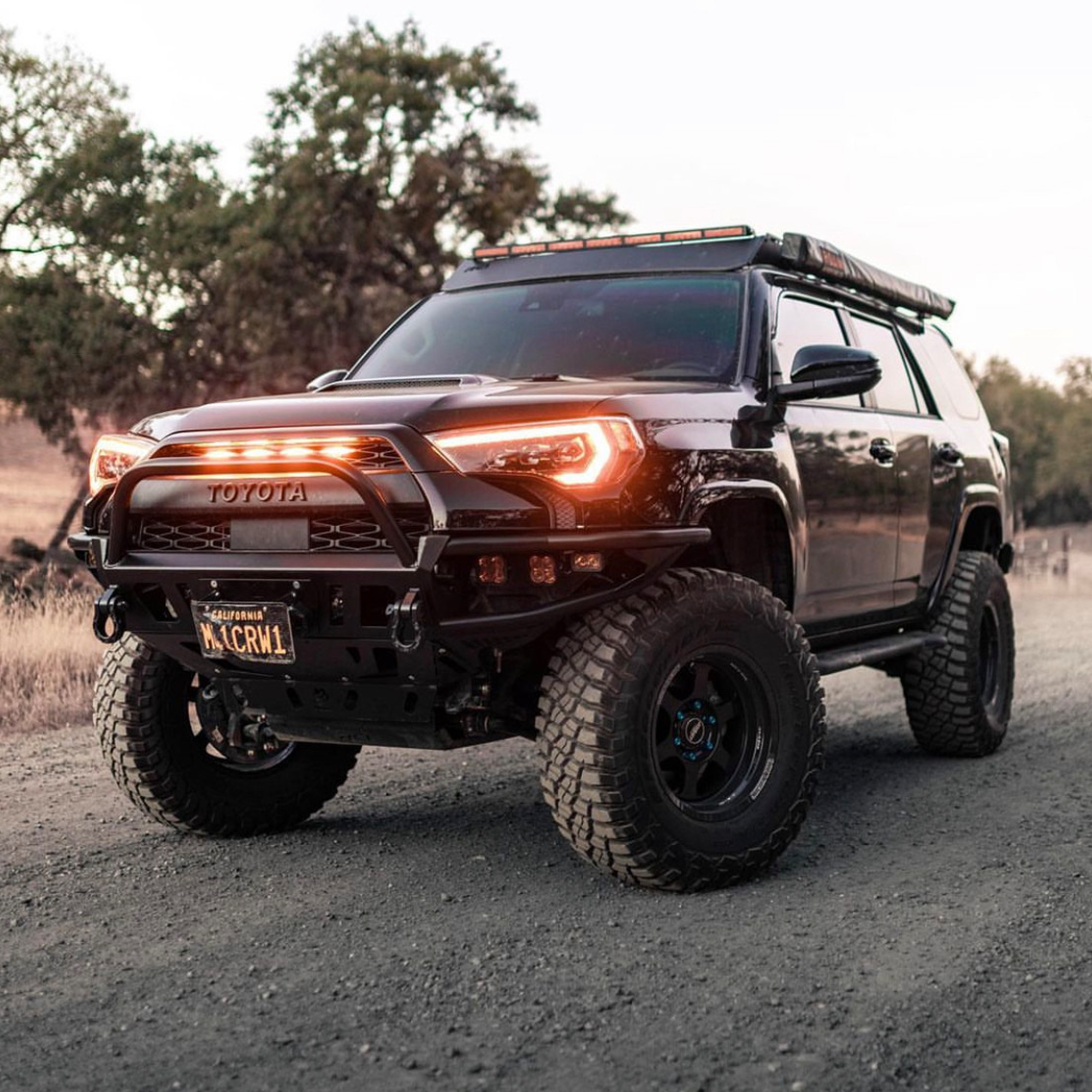
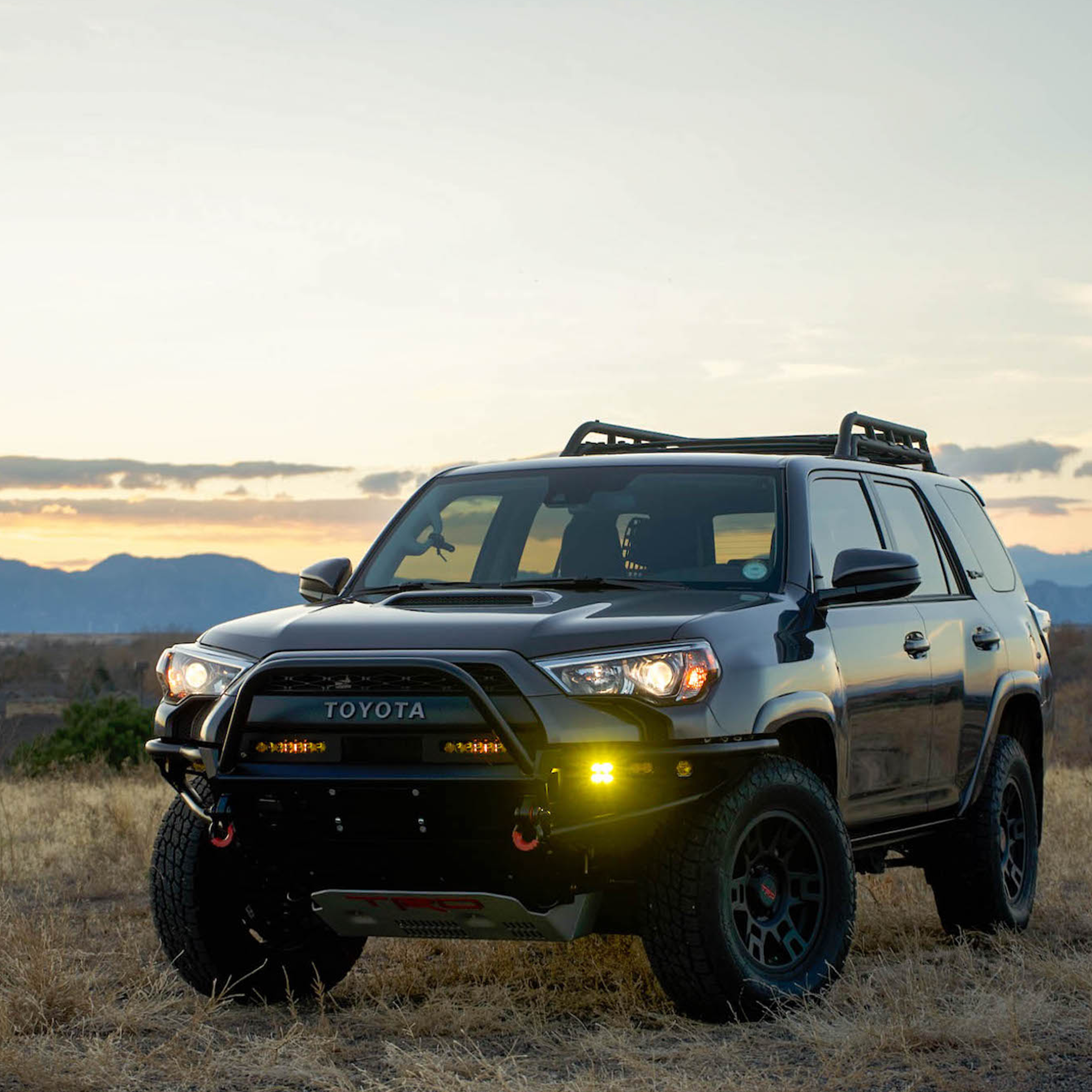
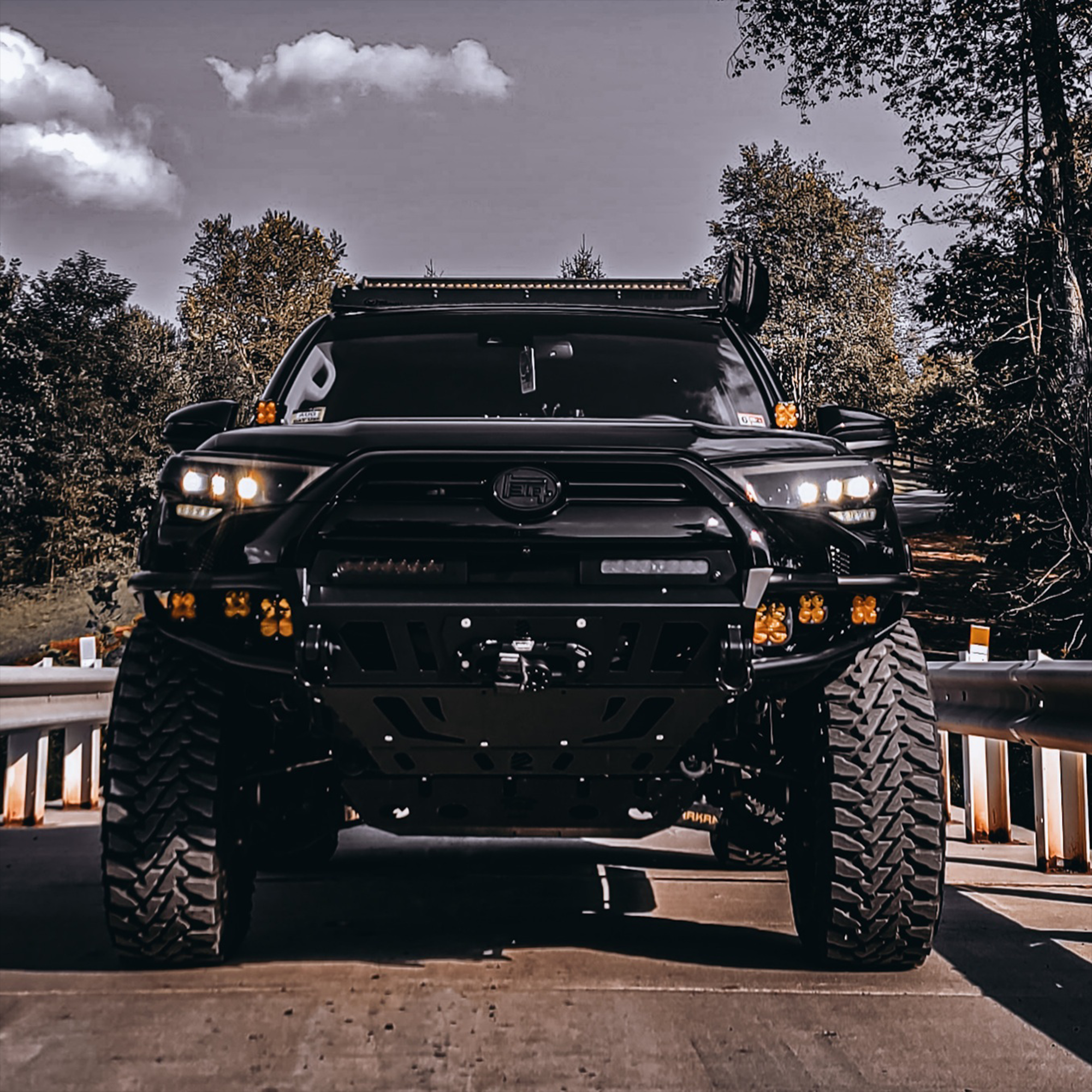
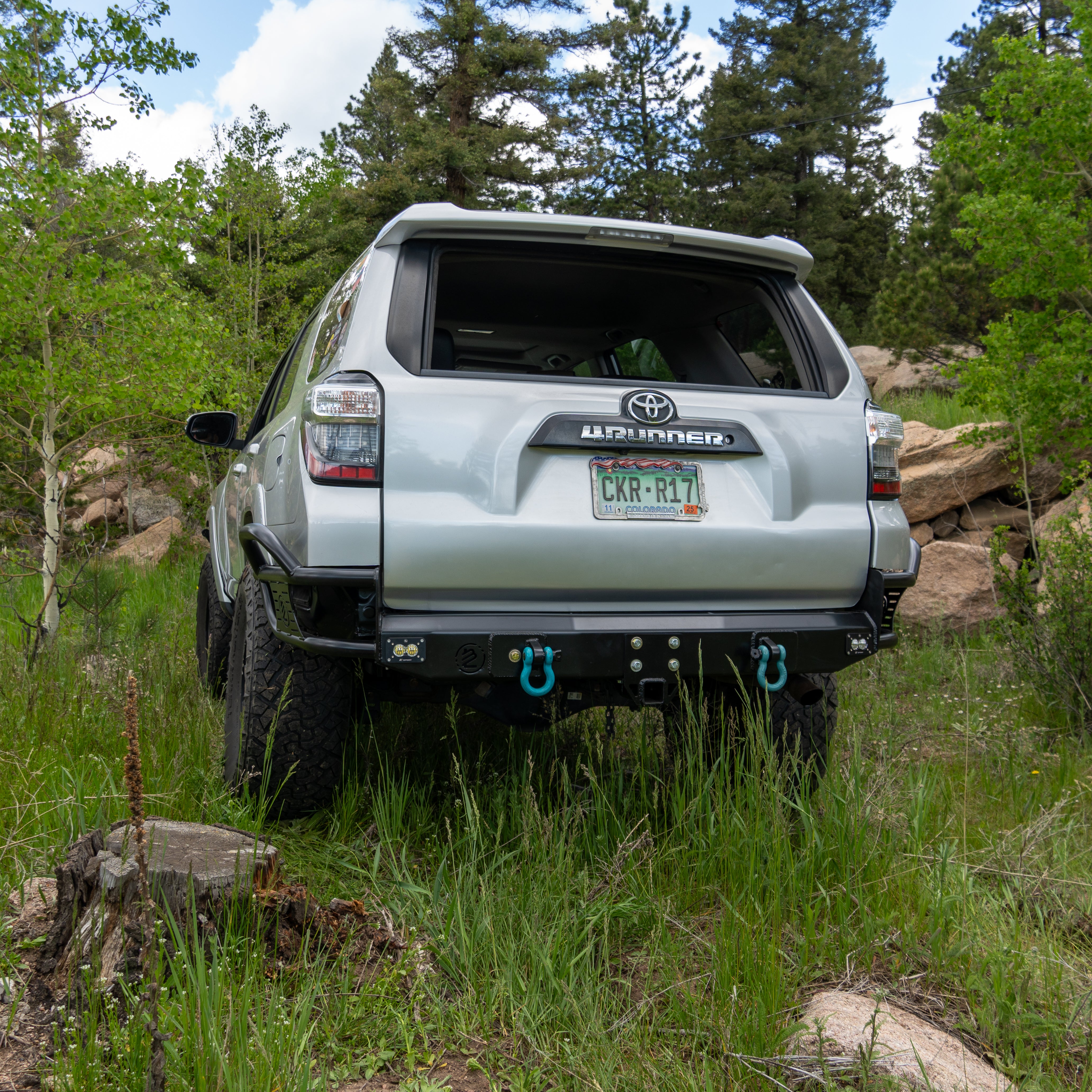
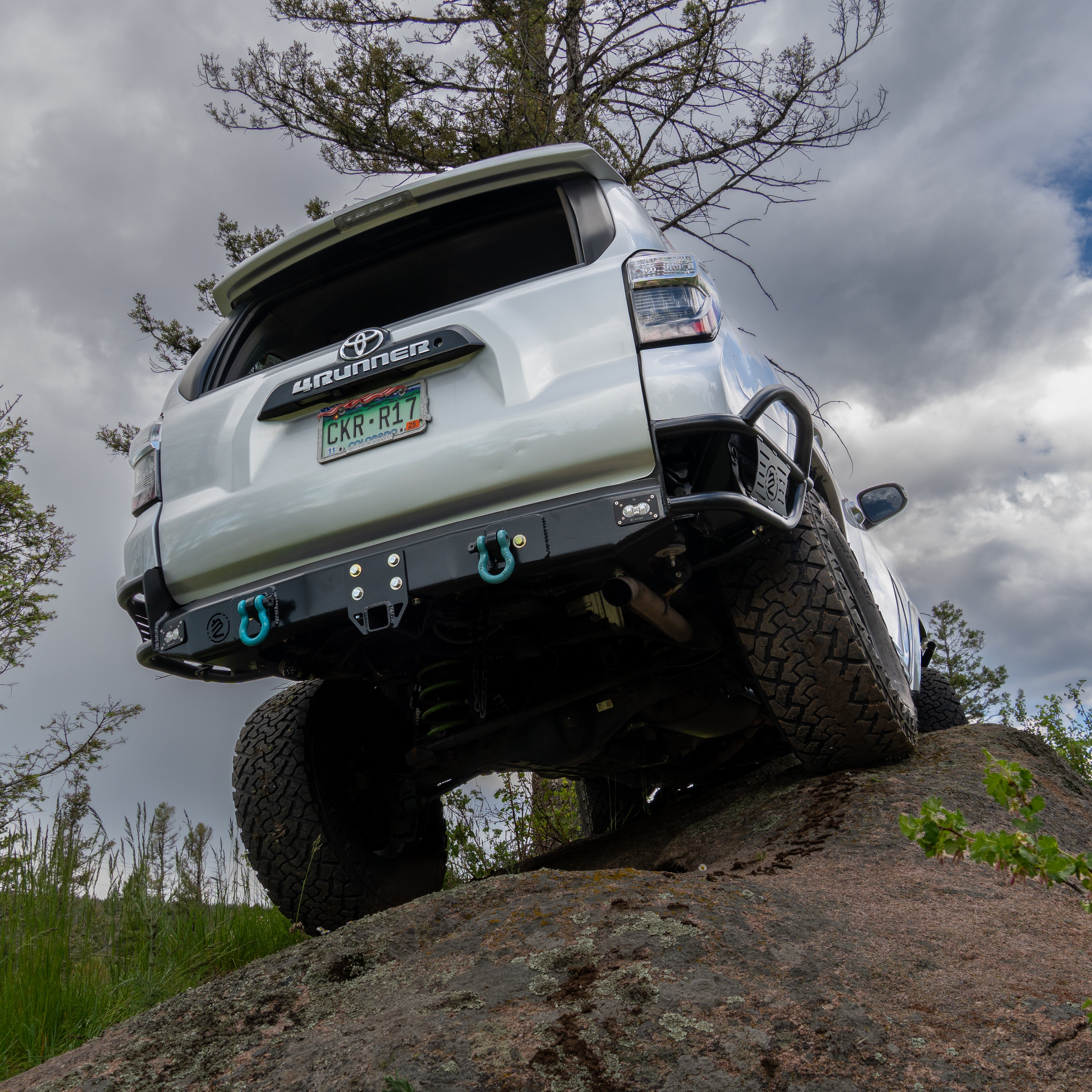
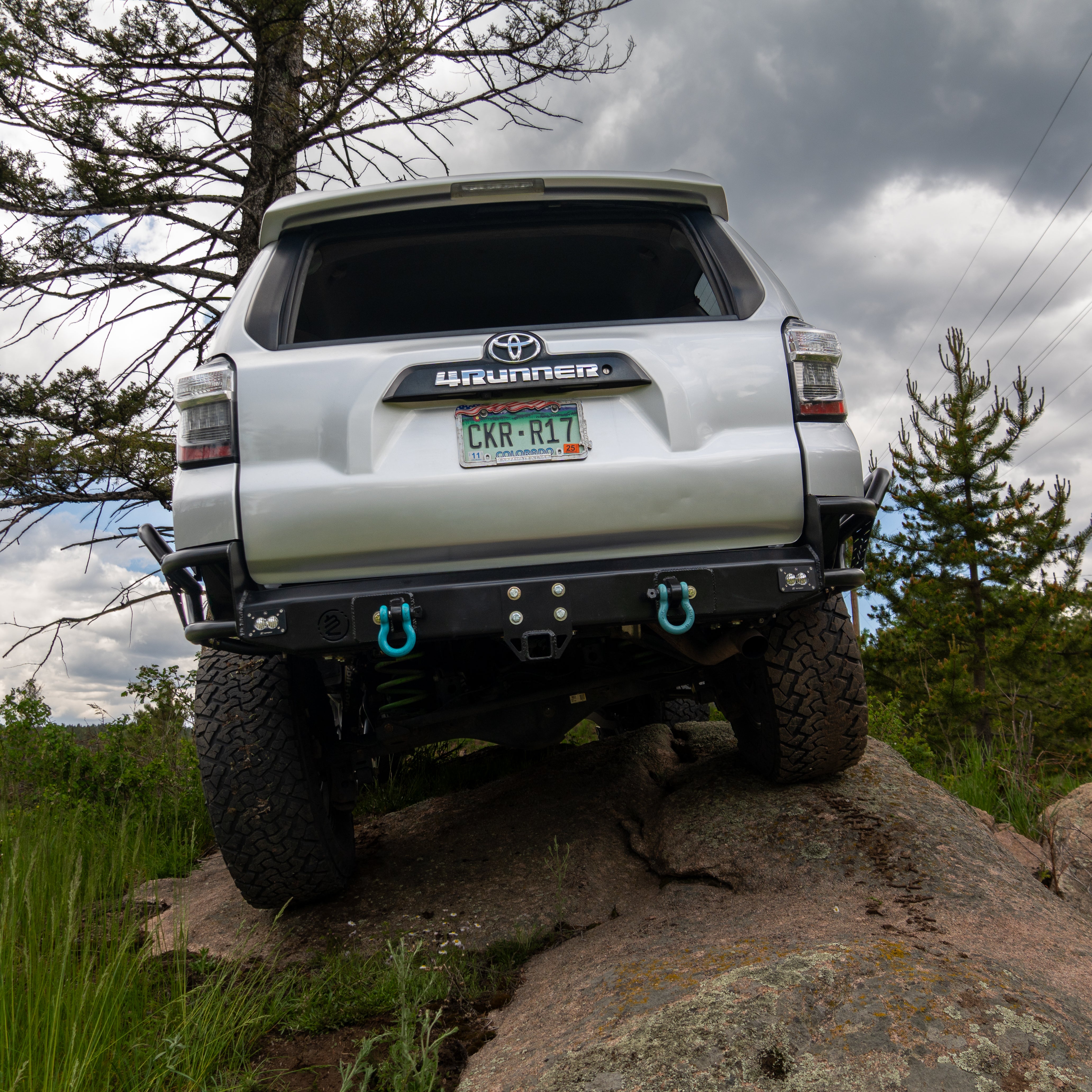
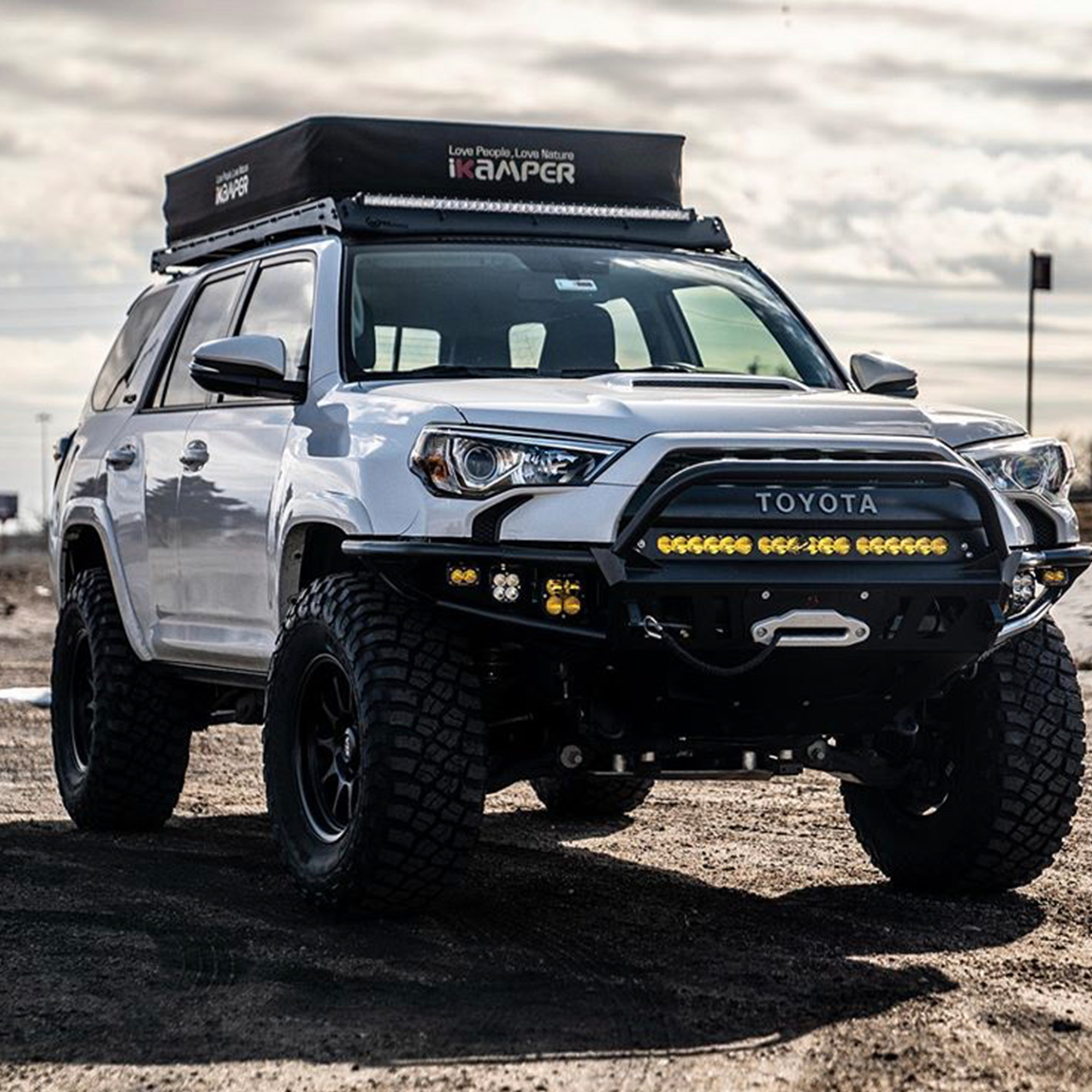
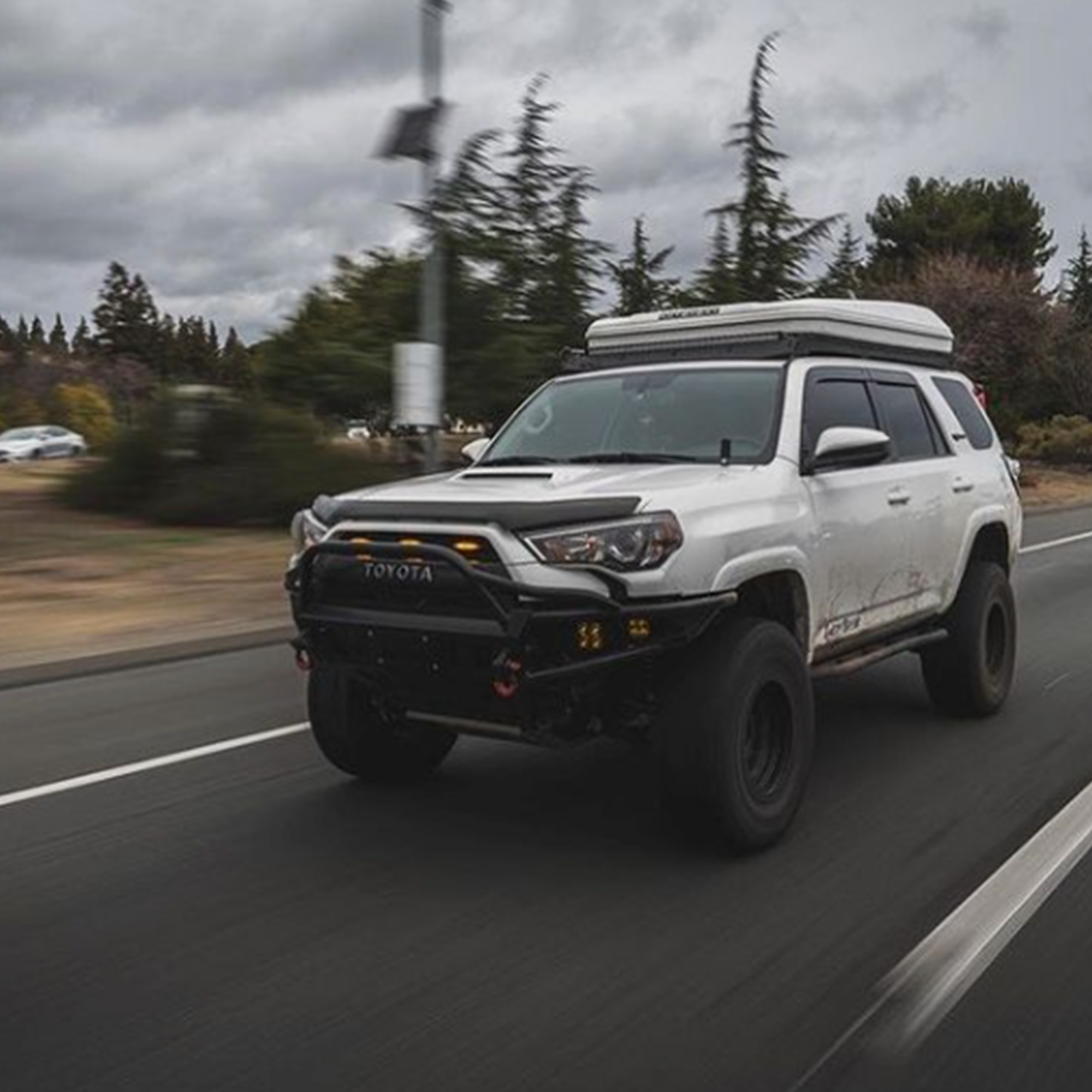
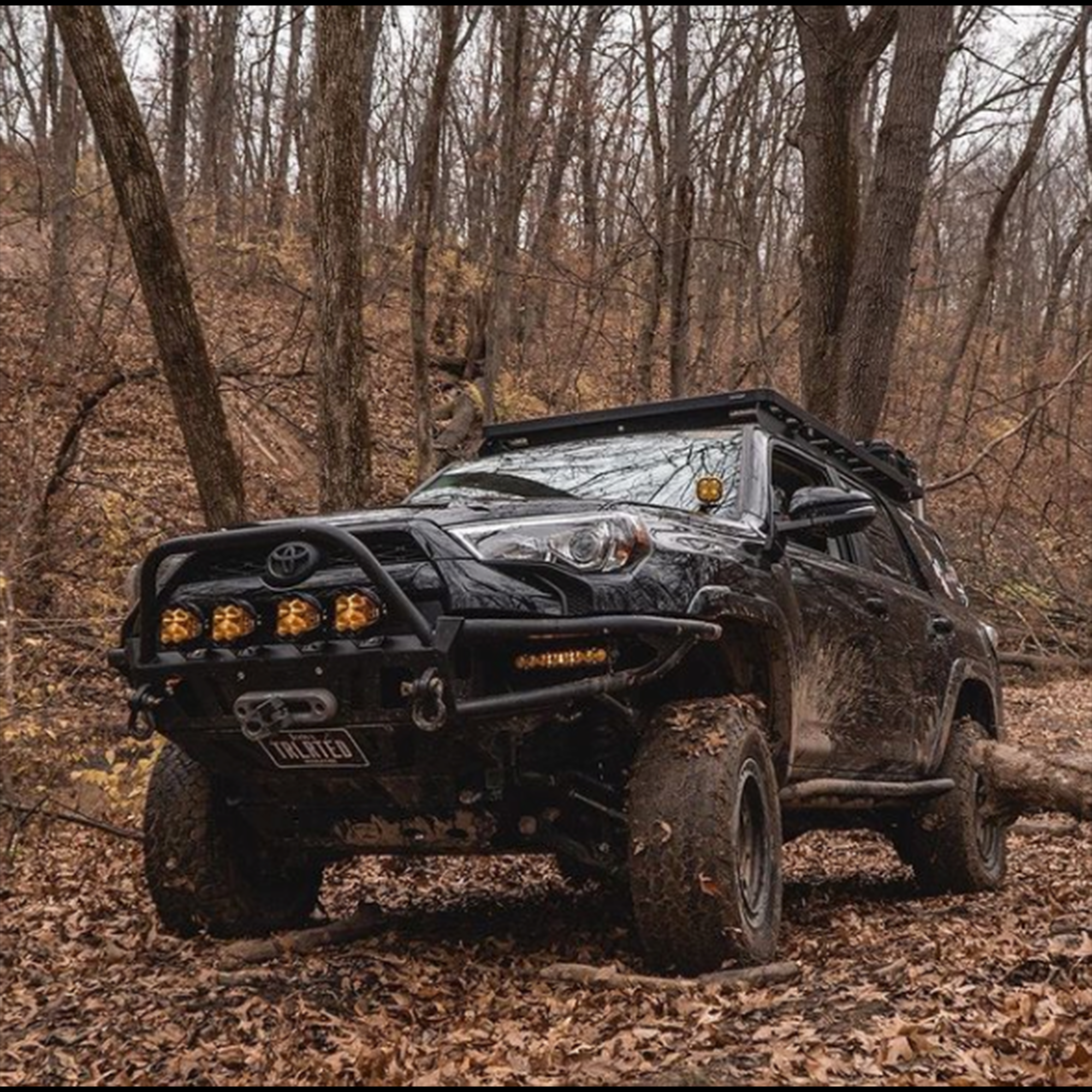
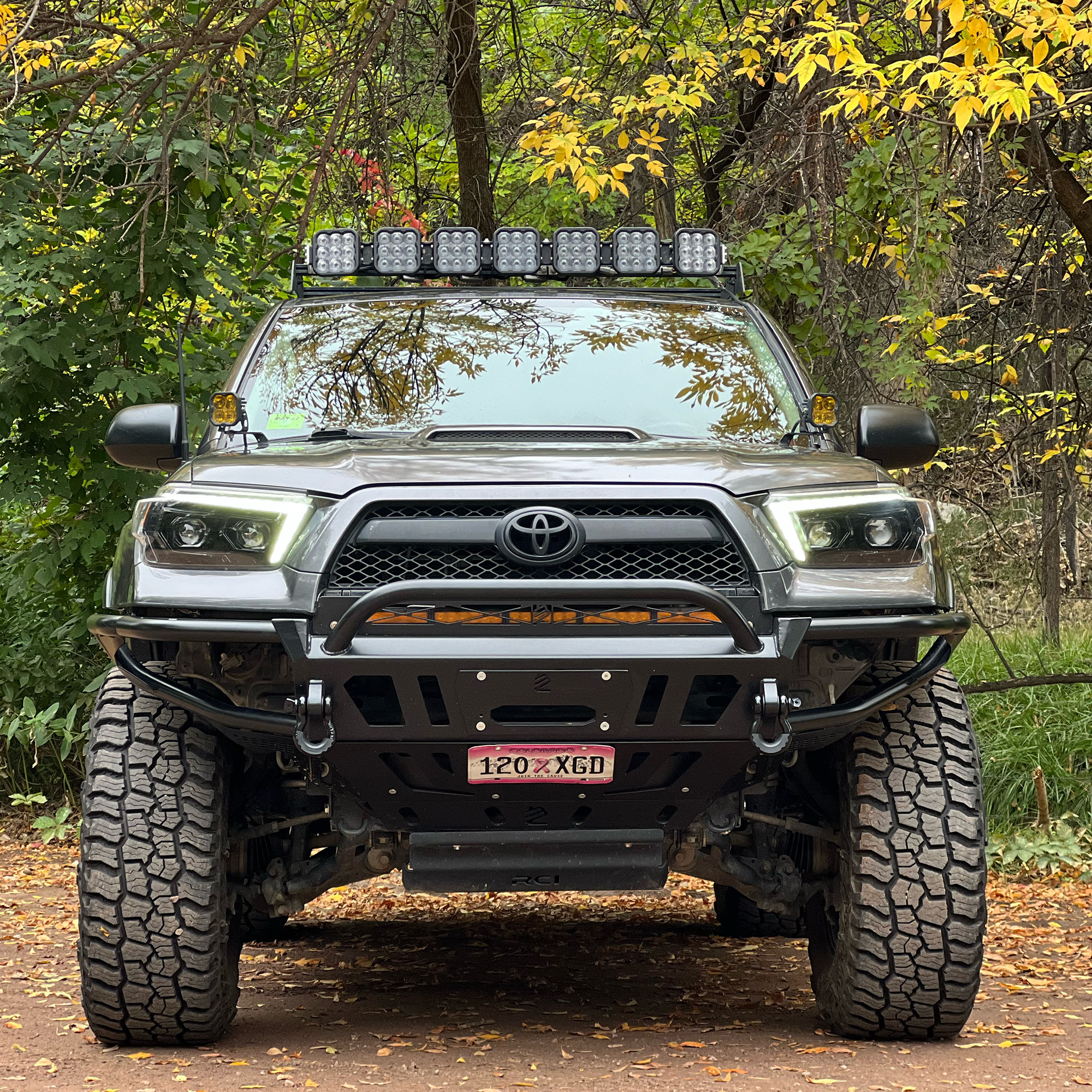
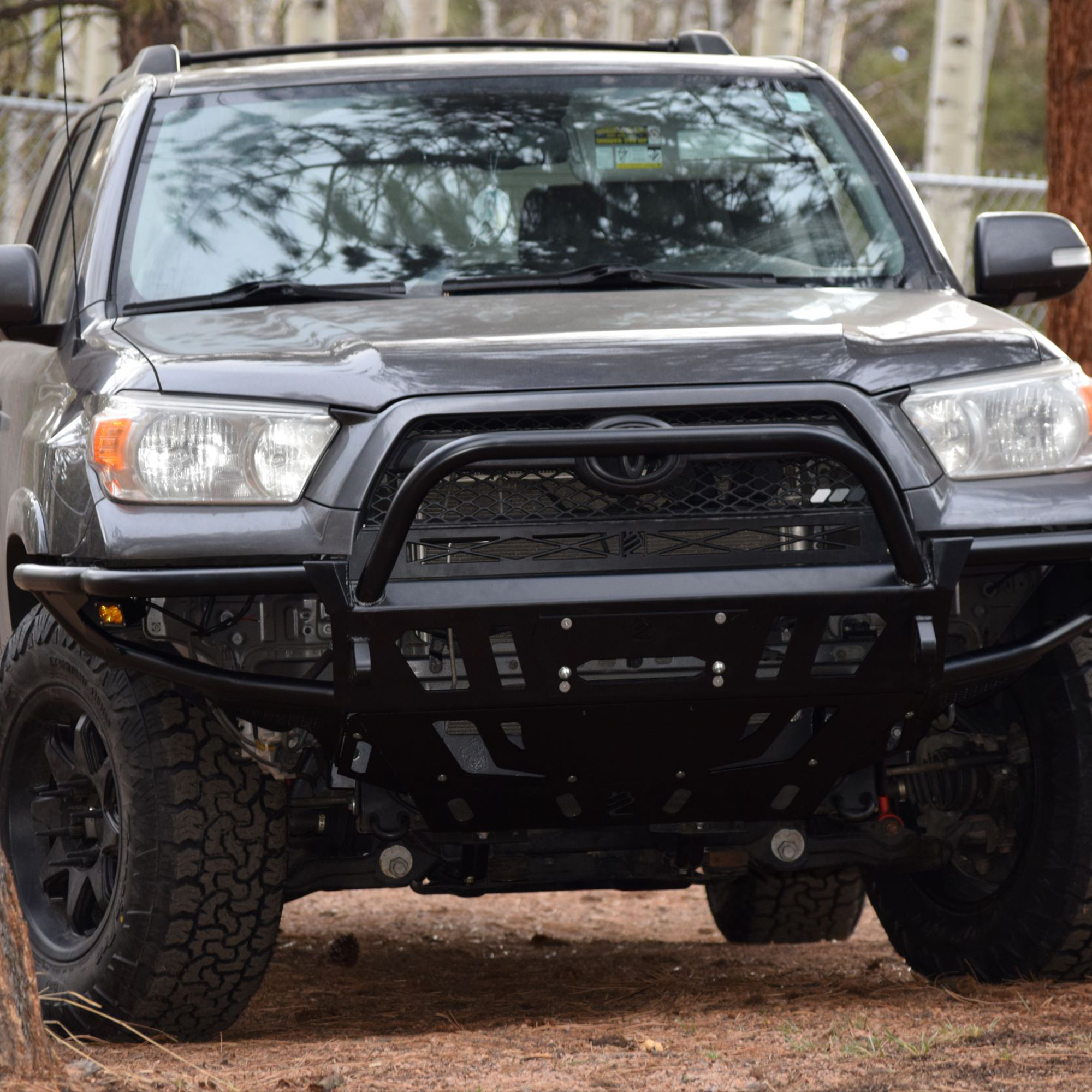
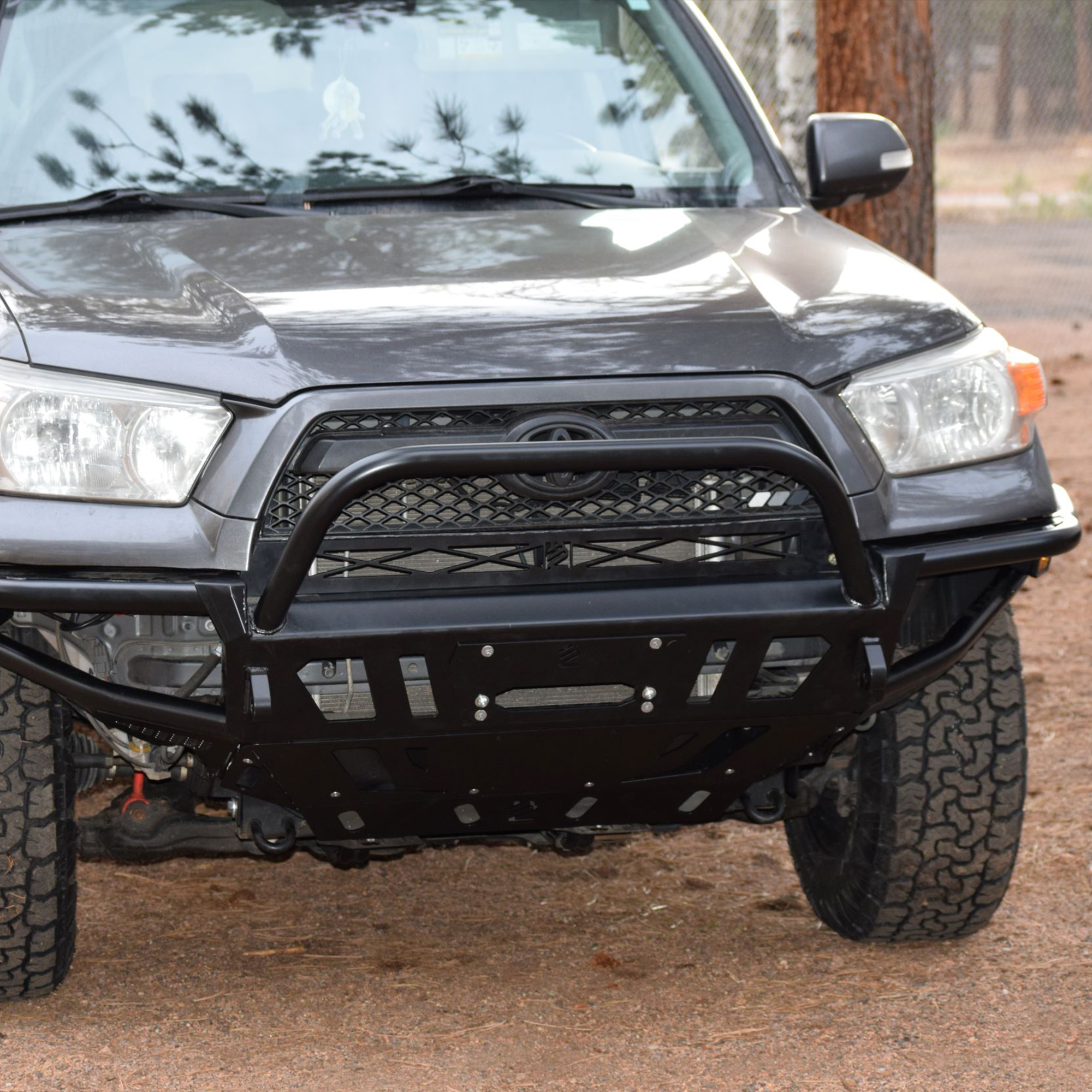
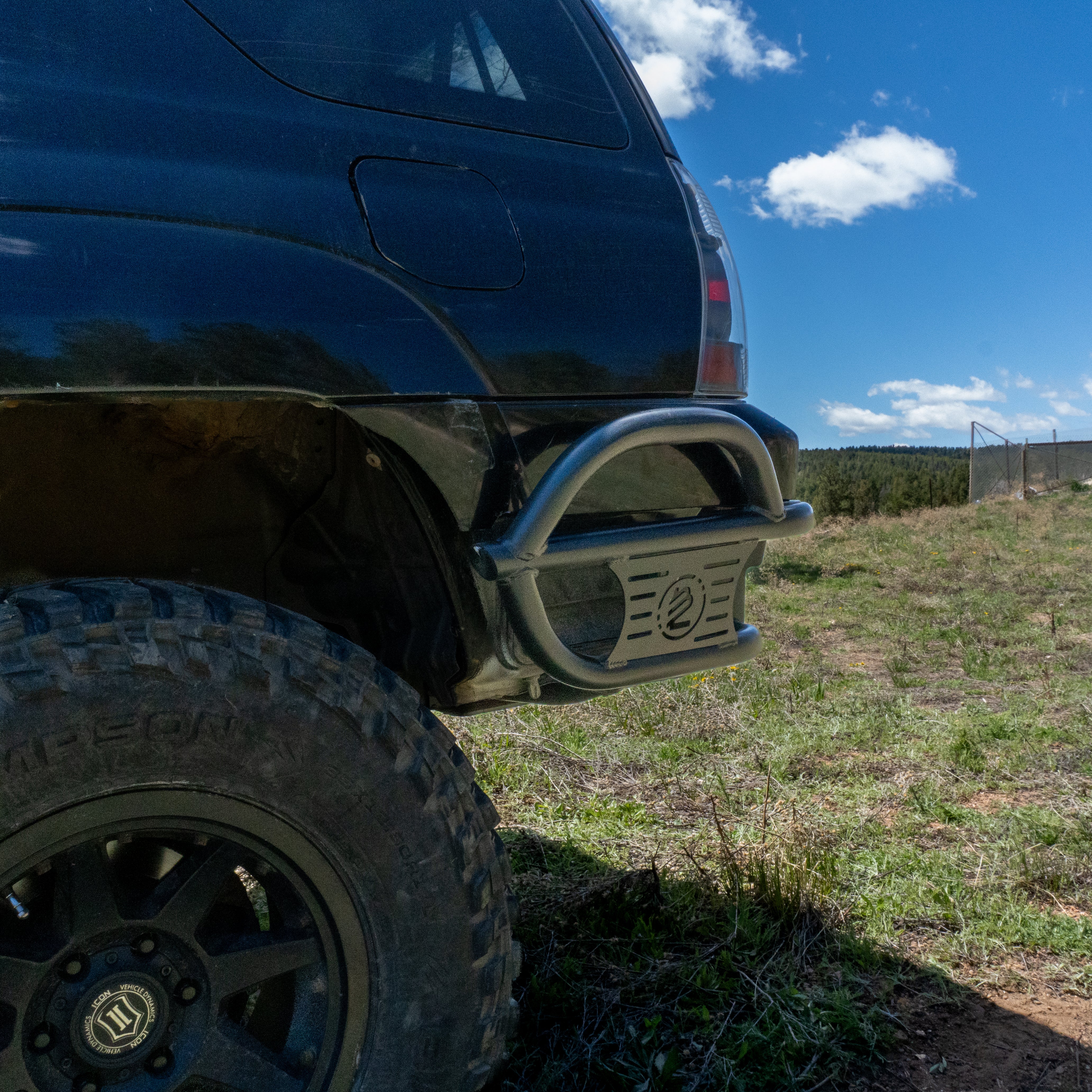
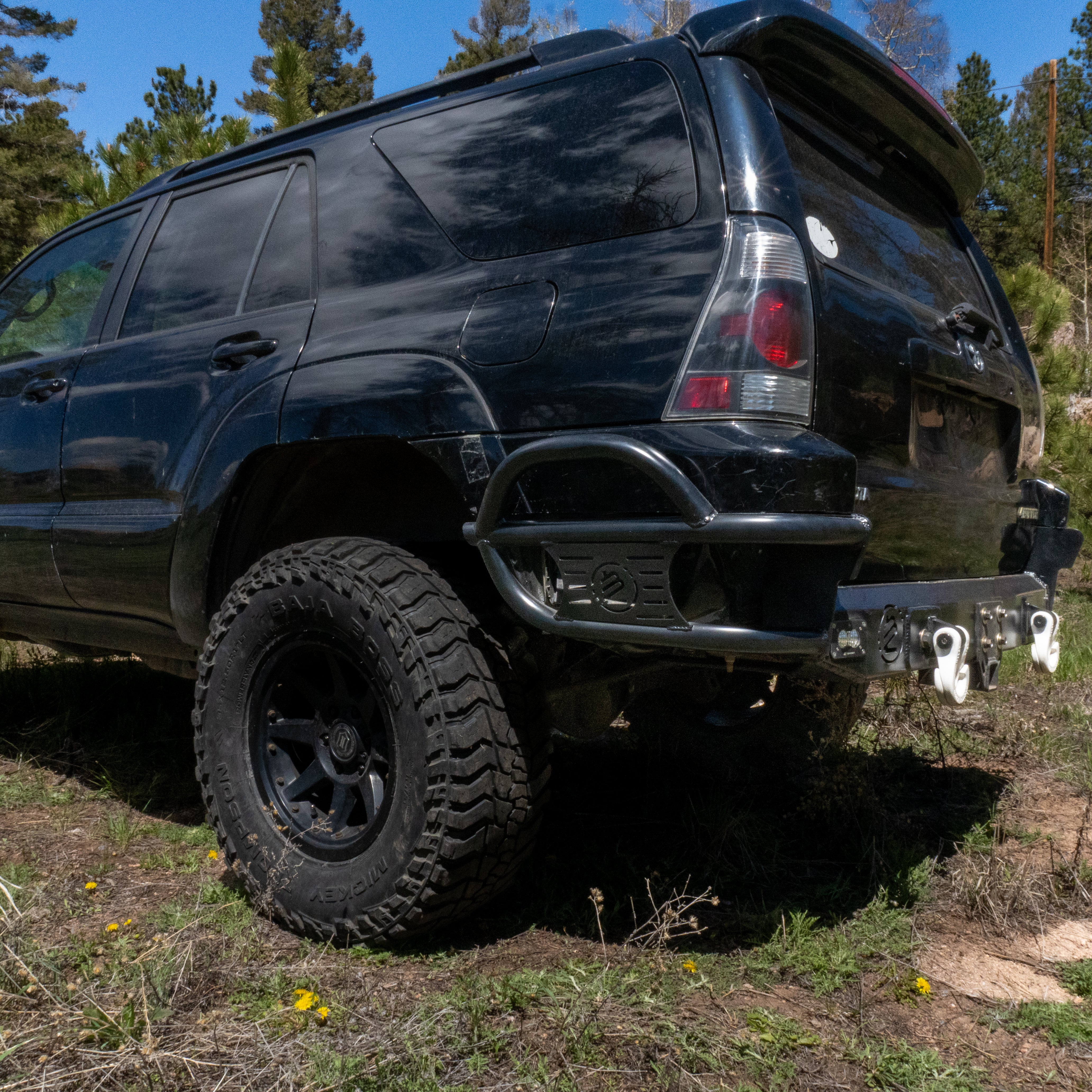
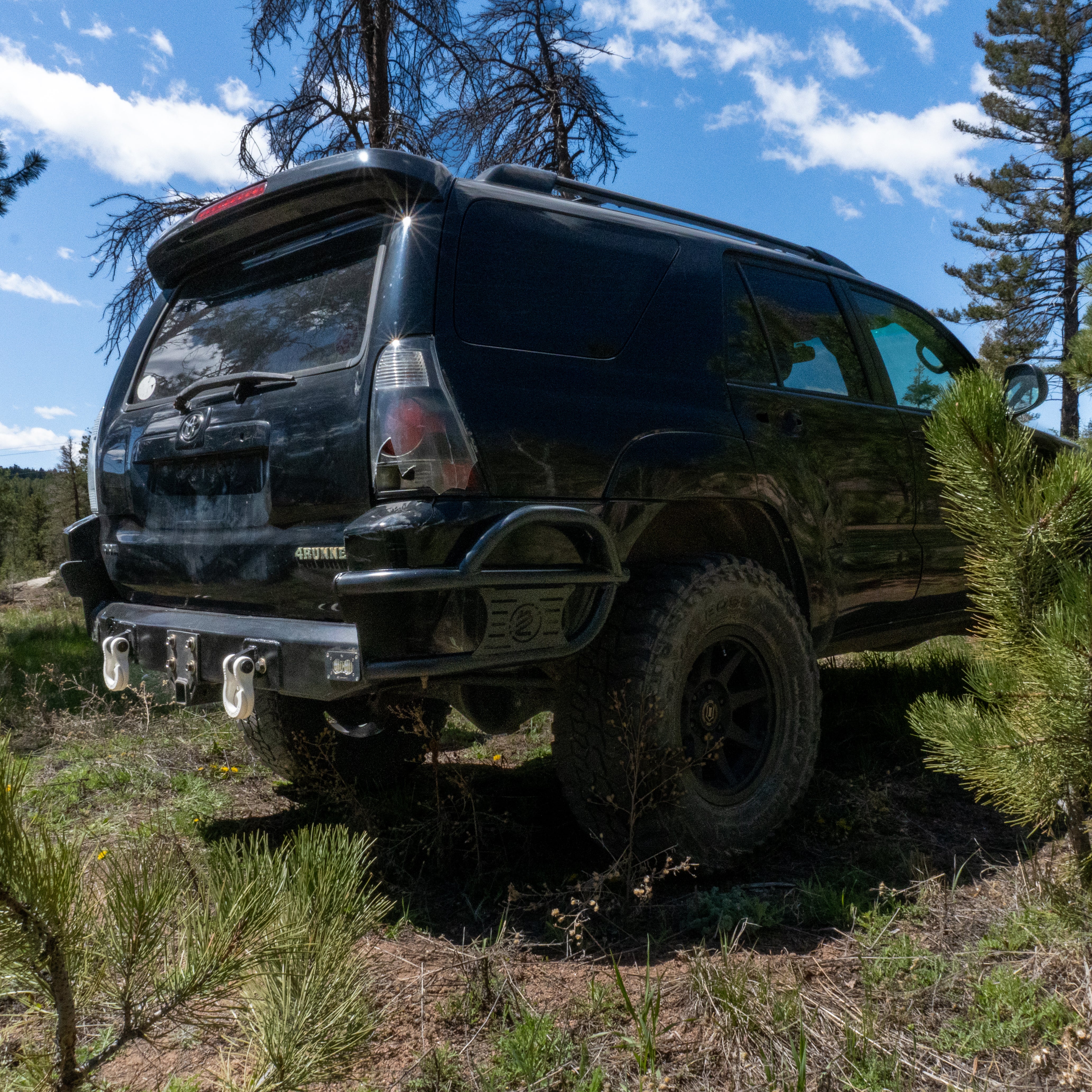
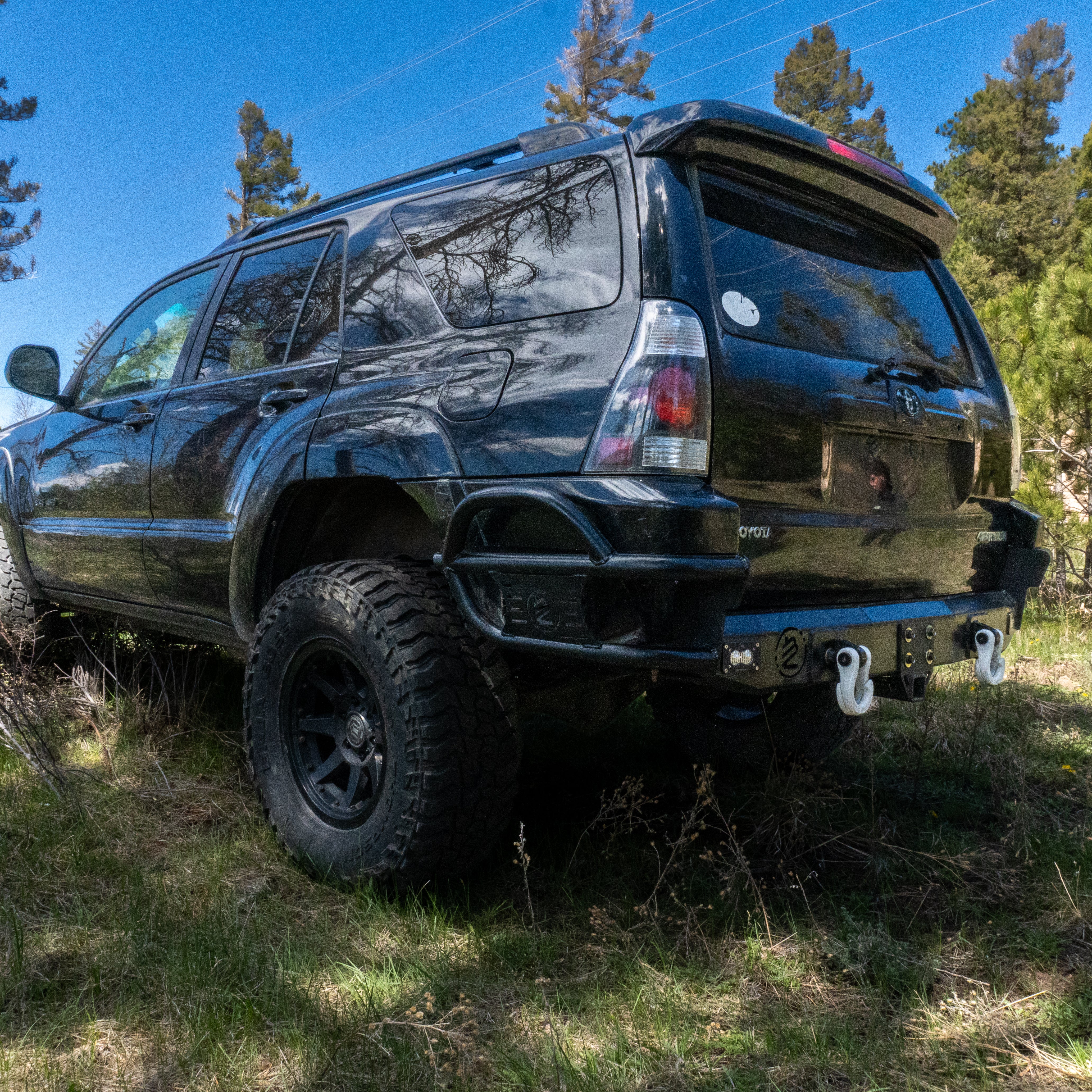
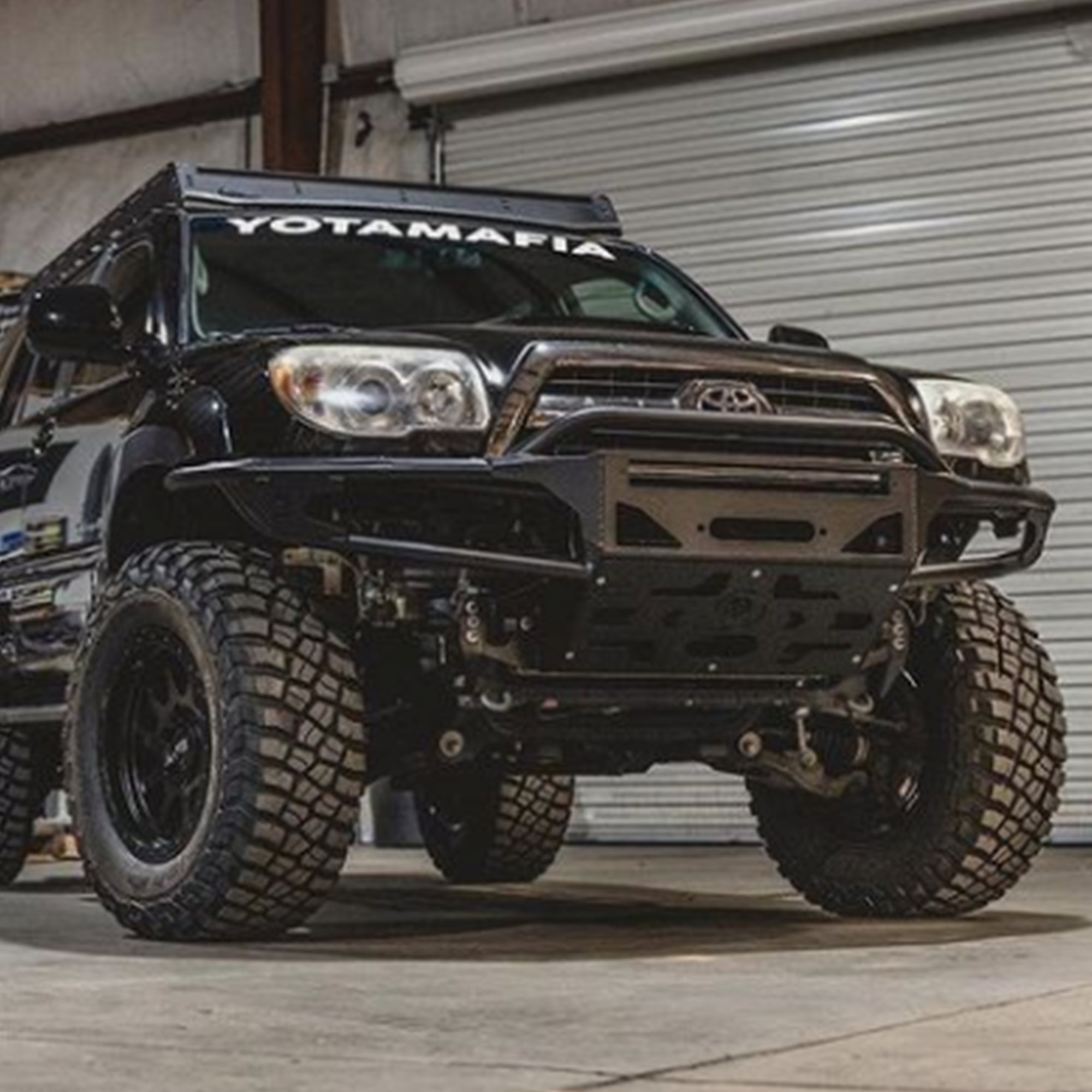
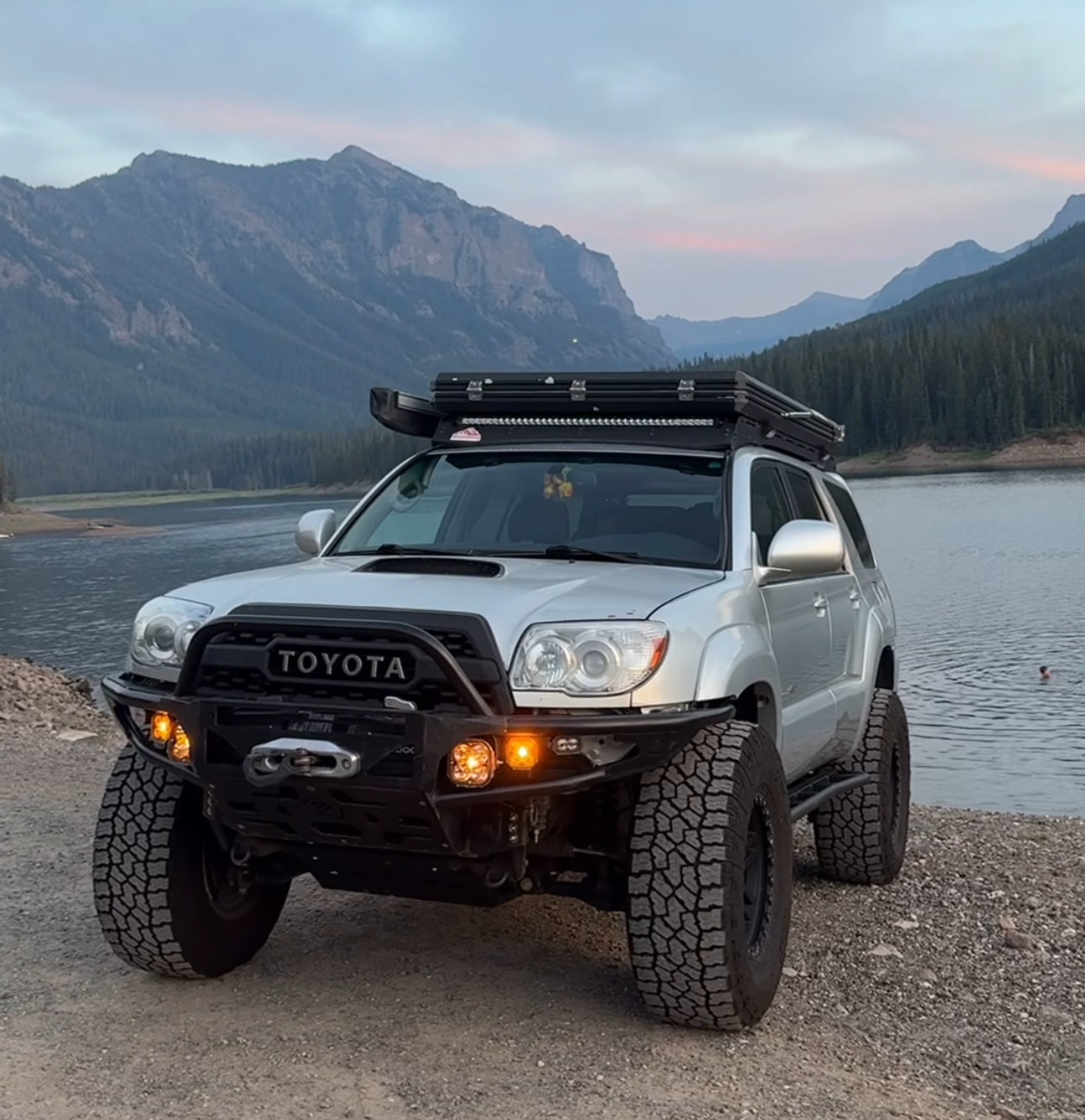
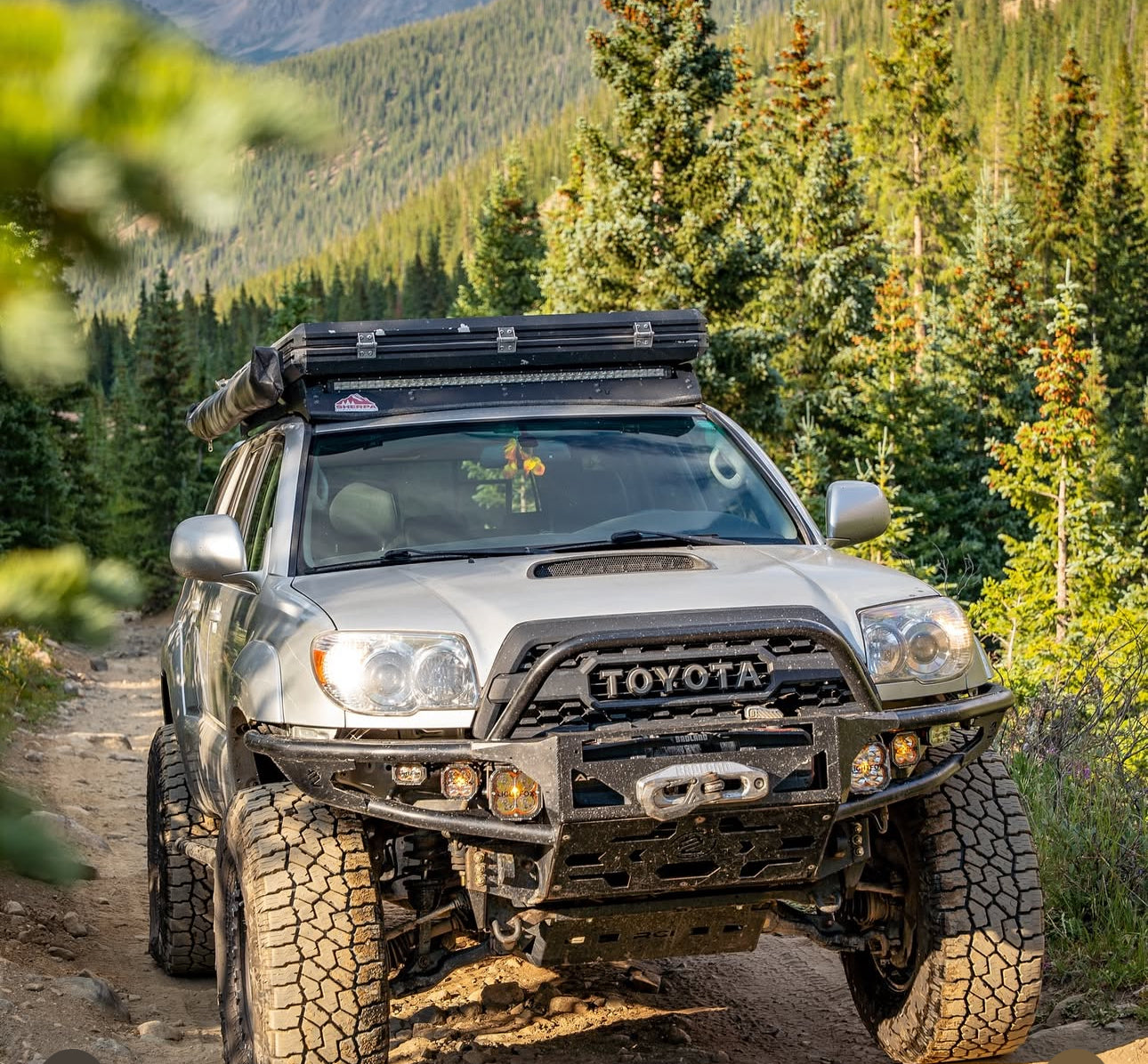
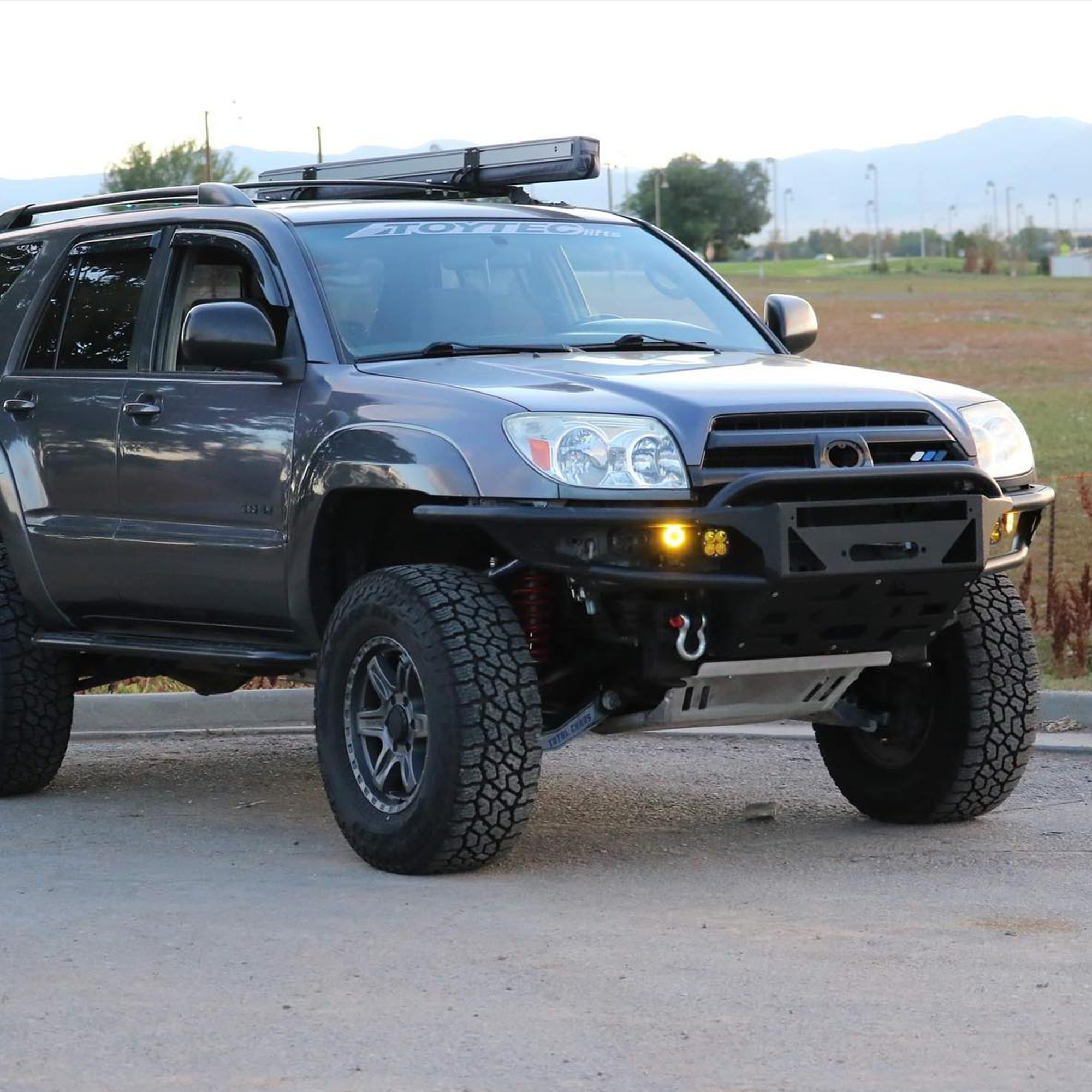
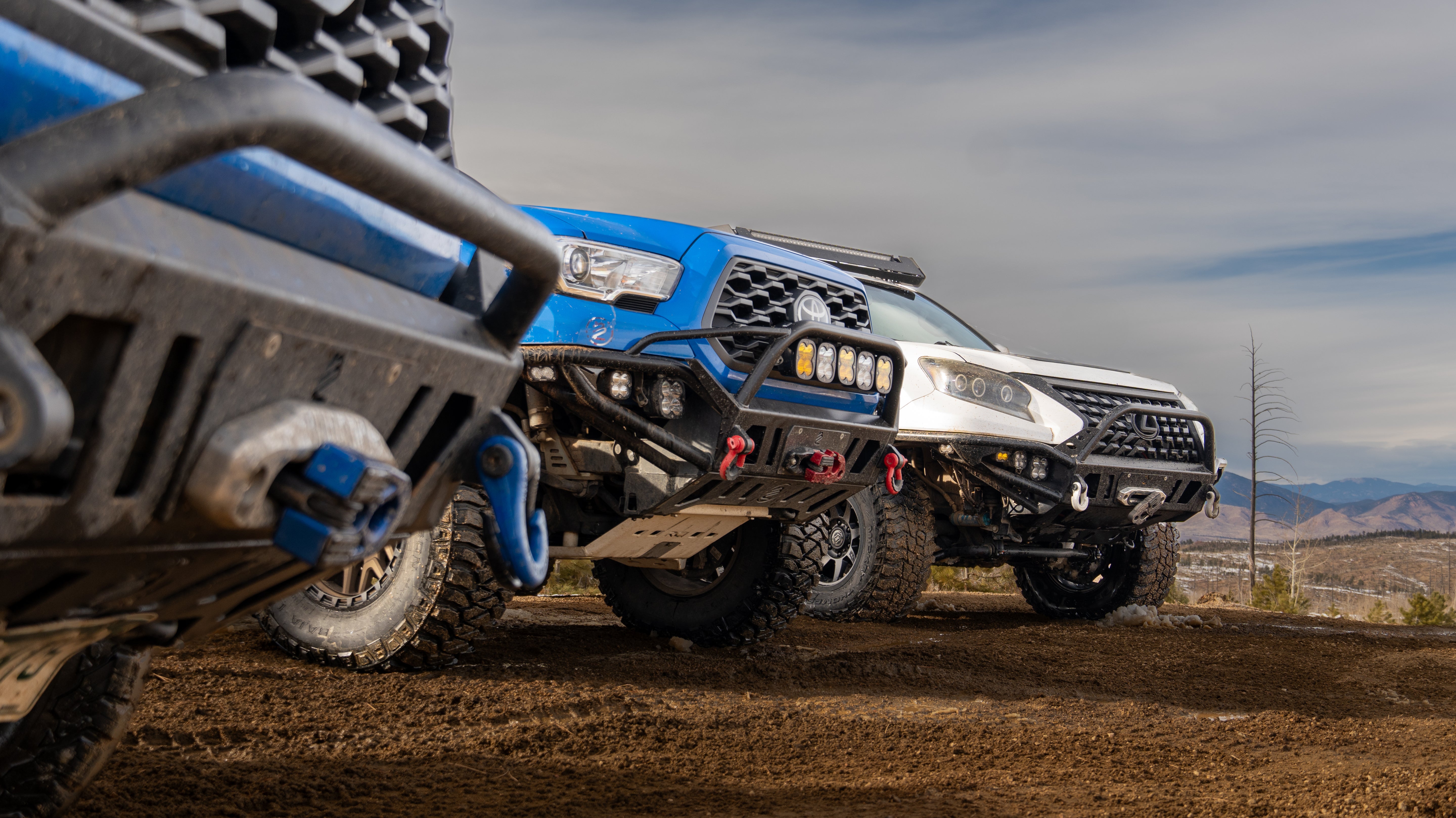
When you’re hundreds of miles from pavement, protection matters. Factory bumpers and underbody components aren’t designed for heavy trail use or recovery. Upgrading to custom front and rear bumpers, along with skid plates and sliders, safeguards your rig from rocks, debris, and trail damage.
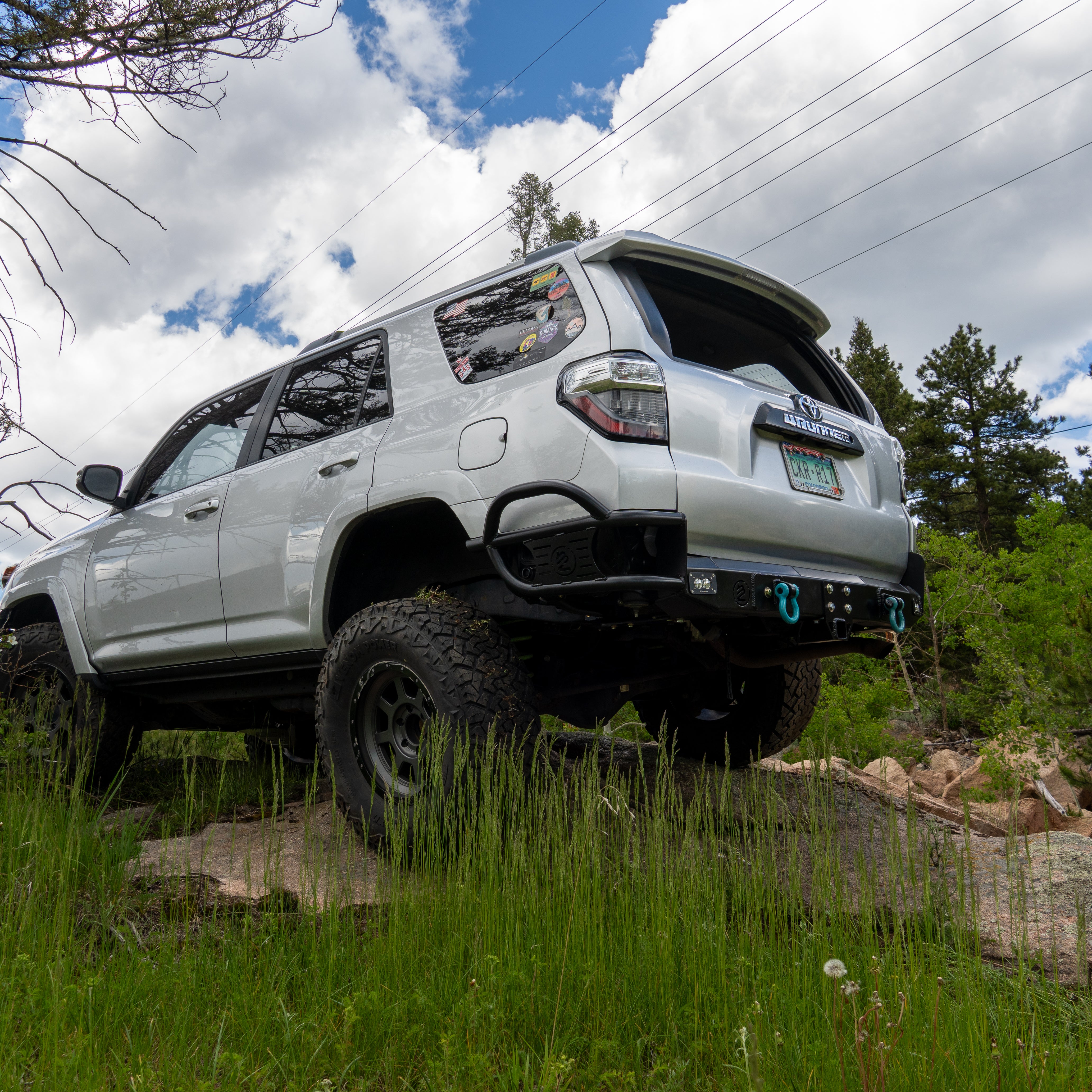
Front bumpers add crucial features like winch mounts, recovery points, and better approach angles. Rear bumpers provide tire carriers, fuel mounts, and high-clearance designs that improve departure angles.
At Lil B’s Custom Fab, every bumper and armor component is designed with purpose, trail-tested for real-world conditions and built to handle the weight, stress, and punishment of true overlanding.
Step 3: Plan for Recovery
Even the most capable builds get stuck, that’s part of the adventure. A solid recovery system ensures you can get out safely and independently.
Start with the essentials:
-
Winch: Integrated into a properly reinforced bumper.
-
Recovery Points: Front and rear shackle mounts rated for load.
-
Recovery Kit: Straps, shackles, and traction boards.
-
Hi-Lift or Bottle Jack: For field repairs or repositioning.
Overlanding often takes you solo or far from cell service, so recovery gear isn’t optional, it’s essential insurance.
Step 4: Light Your Path
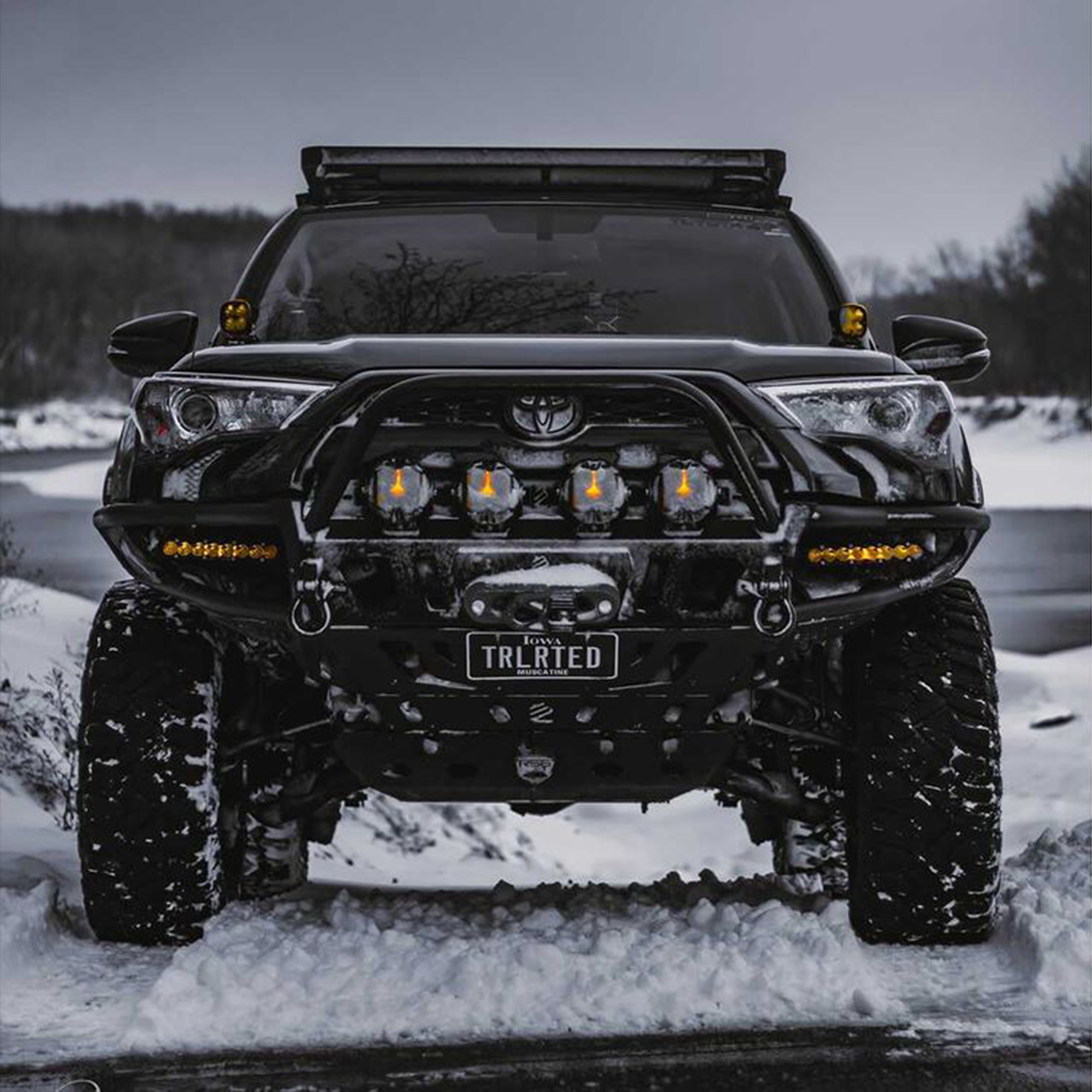
Visibility can make or break your night on the trail. Factory headlights often fall short once you’re deep into the wilderness. Adding auxiliary lighting helps with navigation, safety, and camp setup.
Consider:
-
LED Light Bars: Wide illumination for open terrain.
-
Fog and Ditch Lights: For side visibility in tight forest trails.
-
Rear Work Lights: Perfect for reversing or setting up camp after dark.
When mounting lights, aim for function over flash, keep wiring clean and choose durable housings that can withstand dust, water, and vibration.
Step 5: Organize Your Setup
Space and efficiency are everything on an overland trip. The longer you’re out, the more critical your storage and organization system becomes.
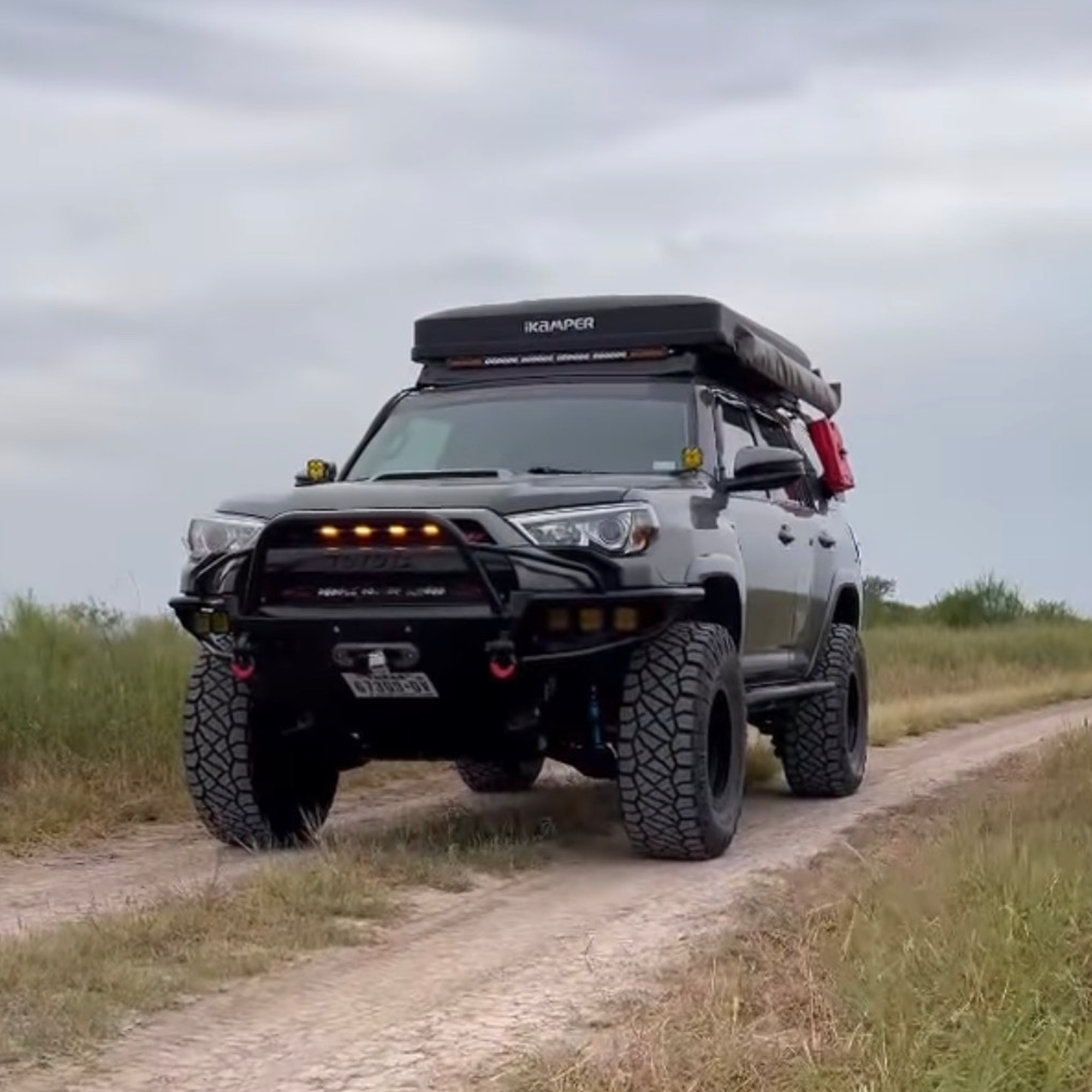
Roof racks, rear swing-outs, and bed storage drawers all help distribute weight and keep gear accessible. Keep heavy items low and centered for stability.
-
Roof Racks: Great for lighter gear like tents or fuel cans.
-
Drawer Systems: Keep tools, recovery gear, and cooking equipment organized.
-
Swing-Out Carriers: Free up interior space and improve access.
A clean, organized rig means less stress and faster setup when conditions change, and they always do.
Step 6: Prioritize Comfort and Reliability
Overlanding isn’t about roughing it, it’s about staying prepared. Routine maintenance is just as important as modifications. Before any trip, inspect brakes, fluids, filters, and belts.

Bring backup essentials like spare fuses, belts, and tire repair kits. Add comfort items like seat covers, fridge slides, and awnings to make extended trips easier.
Reliability doesn’t stop at the truck, it extends to your power setup. Portable batteries, solar panels, and 12V systems keep you powered for lights, fridges, and navigation.
Step 7: Test Before You Travel
Before hitting the big routes, do a shakedown trip close to home. Load your full gear setup and drive a mix of trails, highways, and rough terrain.
Testing helps you identify rattles, weight balance issues, or wiring quirks, things that are much easier to fix in your driveway than 200 miles from service.
Fine-tuning your setup ensures your build works for you, not against you, when it matters most.
FAQs
-
What’s the difference between off-roading and overlanding?
Off-roading is about conquering terrain; overlanding is about extended travel and self-sufficiency. Overlanding rigs need durability, storage, and comfort for long trips. -
Do I need a custom bumper for overlanding?
If you plan to use a winch, recovery points, or need better protection, yes. Custom bumpers offer practical upgrades that standard ones can’t match. -
Which Toyota or Lexus models are best for overlanding?
The Tacoma, 4Runner, Tundra, FJ Cruiser, and GX Series are all excellent platforms, each offering durability, aftermarket support, and trail reliability. -
How much should I invest in armor and recovery gear?
Prioritize essentials first: suspension, tires, bumpers, and recovery gear. You can always add upgrades like lighting and storage once your rig’s foundation is solid.
Final Thoughts
Prepping your Toyota or Lexus for overlanding isn’t about how much gear you bolt on, it’s about building a rig that’s reliable, capable, and tuned to your adventures.
With the right foundation, armor, lighting, and storage, your vehicle becomes more than transportation, it becomes a trusted companion on every journey.
At Lil B’s Custom Fab, we build bumpers, armor, and accessories that are trail-tested and purpose-built for off-roaders who live for the long haul. If you’re ready to elevate your overland build, we’re ready to help you get there. Contact us now!
Share:
Do Aftermarket Bumpers Really Make a Difference Off-Road?
Gear Up for the Trails: Black Friday Off-Road Sale at Lil B’s Custom Fab