

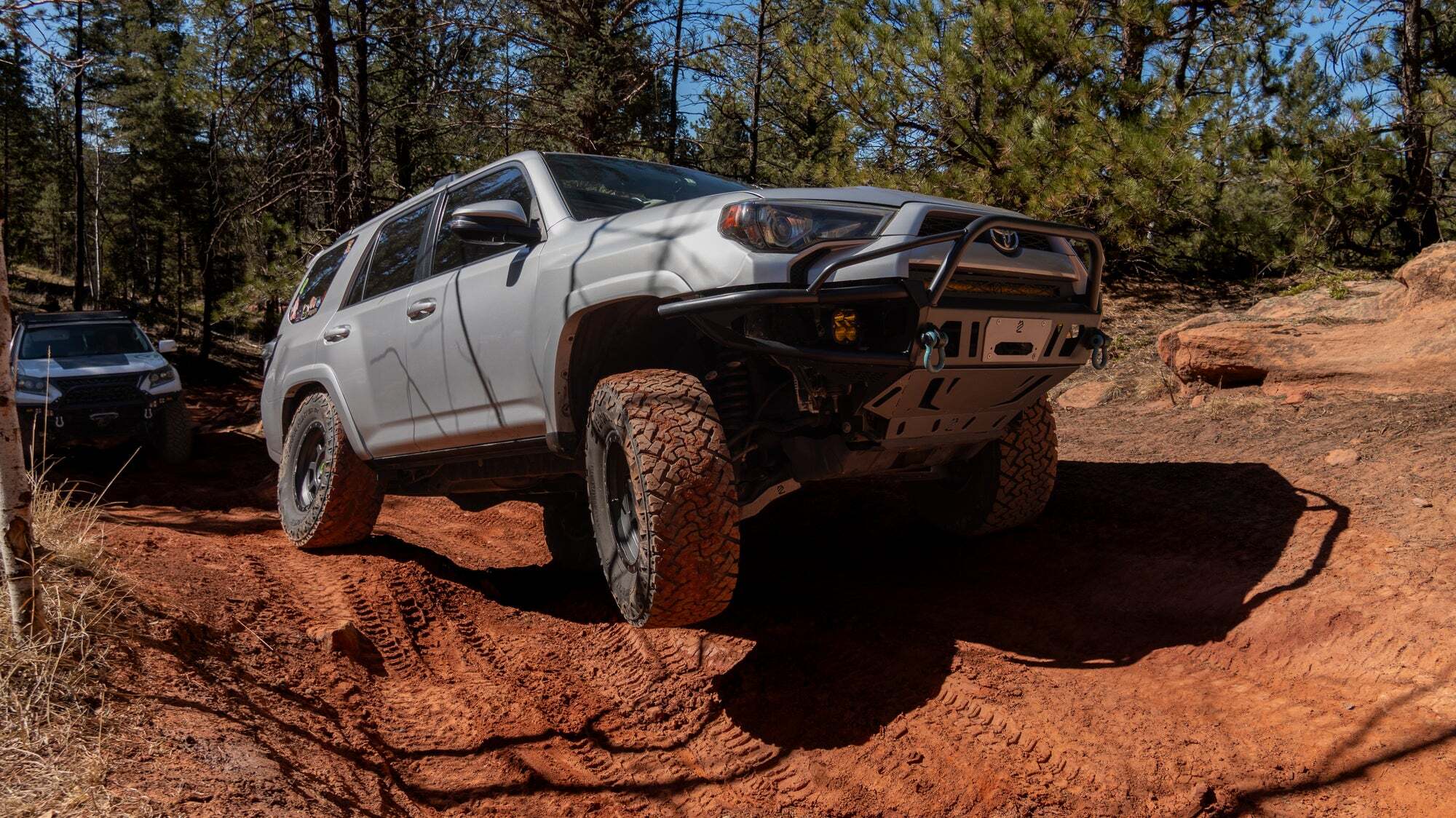
One of the reasons the Toyota 4Runner has remained such a popular off-road platform for decades is that it starts from a remarkably capable foundation.
Unlike many SUVs that require extensive modifications before they can handle rough terrain, the 4Runner already has several advantages from the factory:
-
Body-on-frame construction
-
Available 4WD systems
-
Strong aftermarket support
-
Proven reliability
-
Excellent trail manners
The mistake many owners make is assuming that capability has to come at the expense of comfort.
A 4Runner that becomes noisy, harsh, difficult to park, and unpleasant on long highway drives may be more capable on paper, but it often gets used less in the real world.
The goal of a well-planned build is different. It’s to create a trail-ready 4Runner that still feels like a Toyota every time you drive it.
Whether you own a fifth-generation model with Toyota Safety Sense (TSS) or a newer platform with even more integrated technology, the right upgrades can improve off-road performance while preserving the everyday usability that makes the 4Runner such a versatile vehicle.

Decide What “Trail-Ready” Means for You
Not every 4Runner owner tackles the same terrain.
Some spend weekends exploring forest service roads and camping spots. Others regularly encounter:
-
Rocky trails
-
Deep ruts
-
Steep climbs
-
Mud
-
Snow
-
Technical obstacles
Before buying parts, define the type of trails you actually plan to drive.
A weekend adventure rig may prioritize:
-
Comfort
-
Storage
-
Fuel range
-
Reliability
A more technical build may place greater emphasis on:
-
Approach angle
-
Recovery capability
-
Tire clearance
-
Underbody protection
Building around your real use case prevents unnecessary weight and expense.
Should a daily-driven 4Runner be built differently than a trail-only rig?
Yes. Daily-driven builds usually benefit from lighter, more balanced modifications that preserve ride quality and drivability.
Tires Are Usually the Best First Upgrade
For most 4Runner owners, tires provide the biggest improvement in real-world capability.
A quality all-terrain tire can improve:
-
Traction
-
Ground clearance
-
Durability
-
Confidence on mixed terrain
Many owners find that 33-inch tires offer an excellent balance between off-road performance and everyday practicality.
Larger tire sizes can certainly work, but they often introduce additional considerations involving:
-
Suspension
-
Front bumper clearance
-
Wheel offsets
-
Body trimming
Starting with the right tire helps guide the rest of the build.
Don’t Lift the 4Runner Just to Lift It
Suspension is one of the most misunderstood areas of vehicle modification.
A lift should solve a problem, not simply create height.
Ask yourself:
-
Do I need more clearance?
-
Am I adding weight?
-
Do I need better suspension travel?
-
Am I trying to improve ride quality?
A properly tuned suspension can actually make a 4Runner feel more comfortable on both pavement and rough roads.
The key is matching the suspension to the vehicle’s actual weight and intended use.
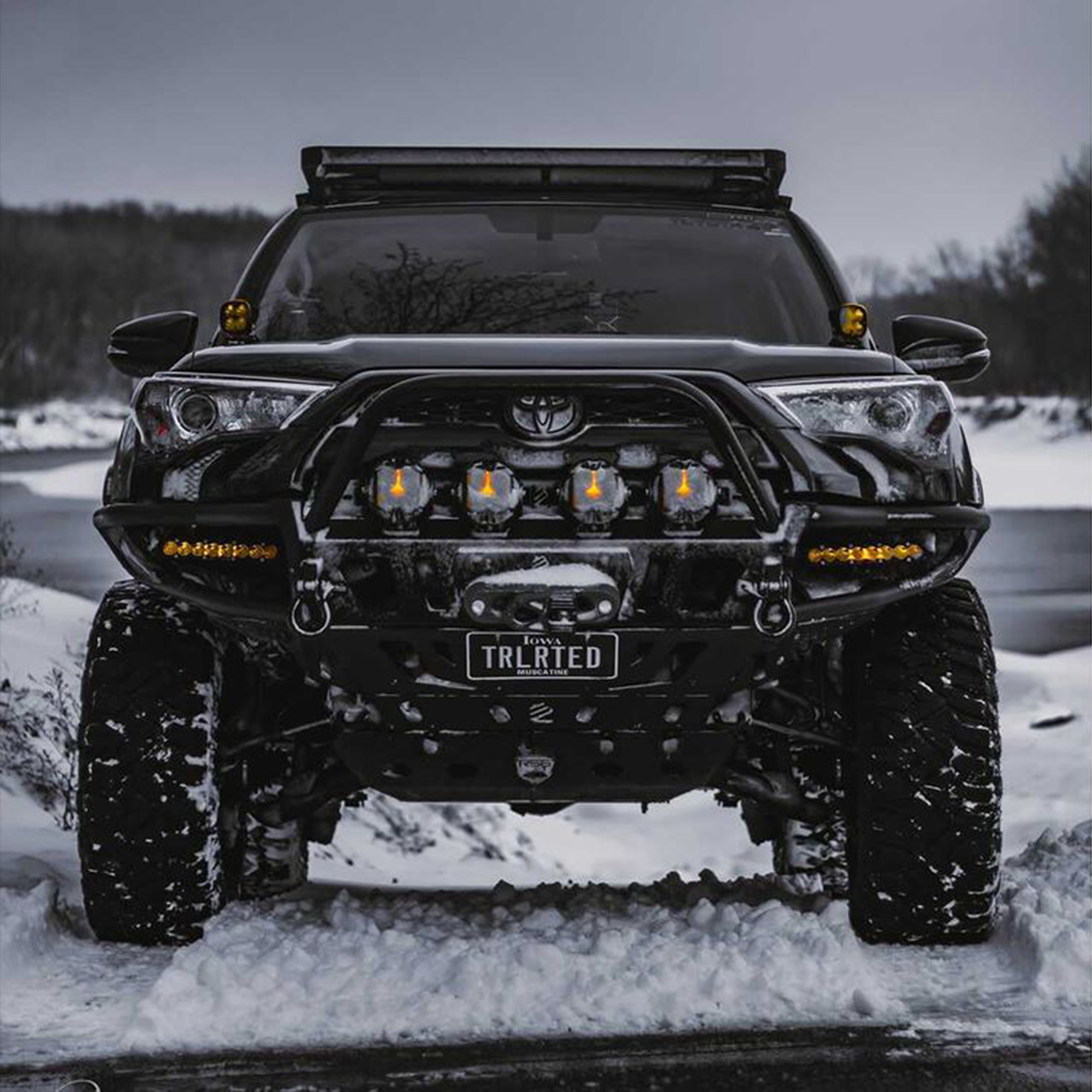
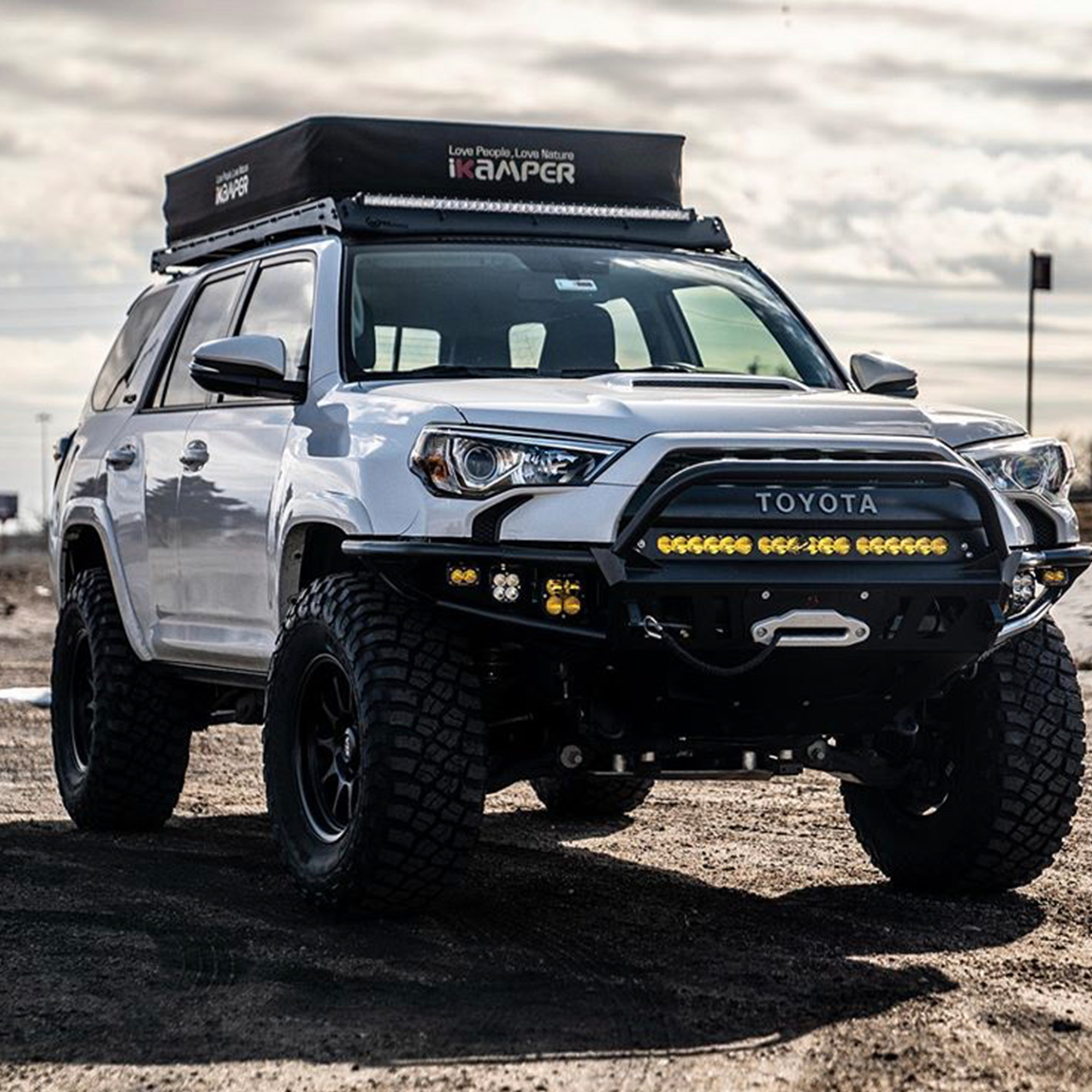
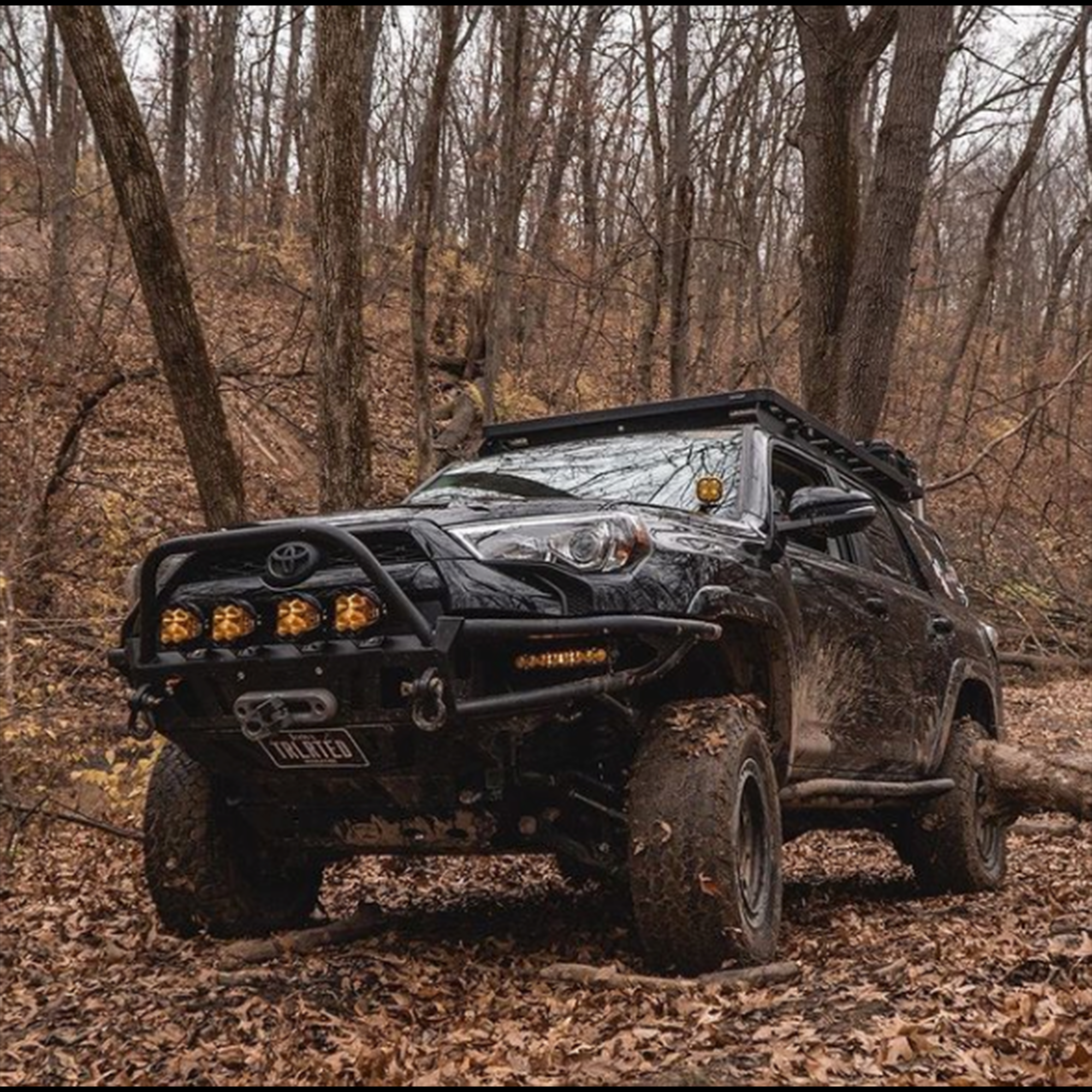
The Front Bumper Is Where Capability Starts to Change
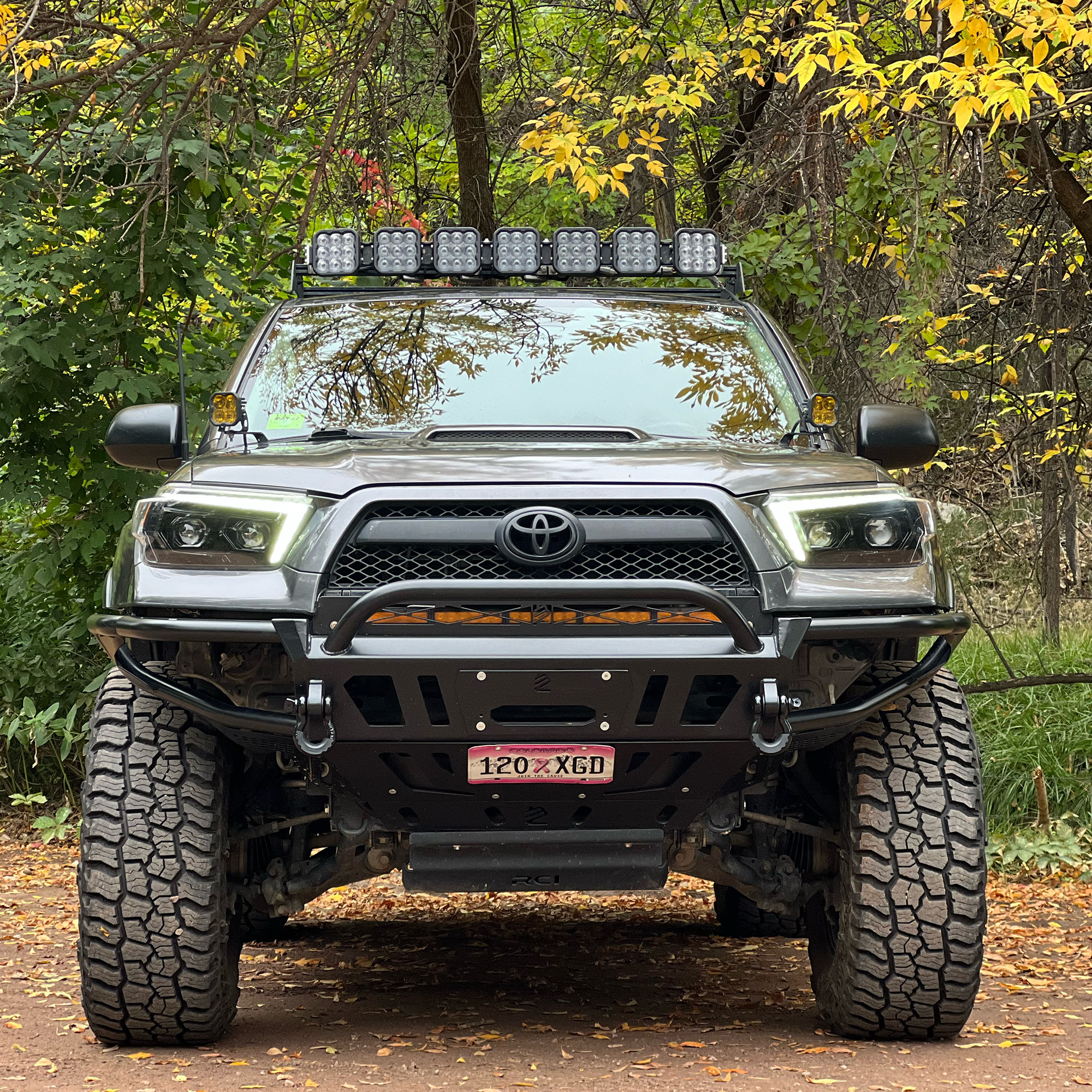
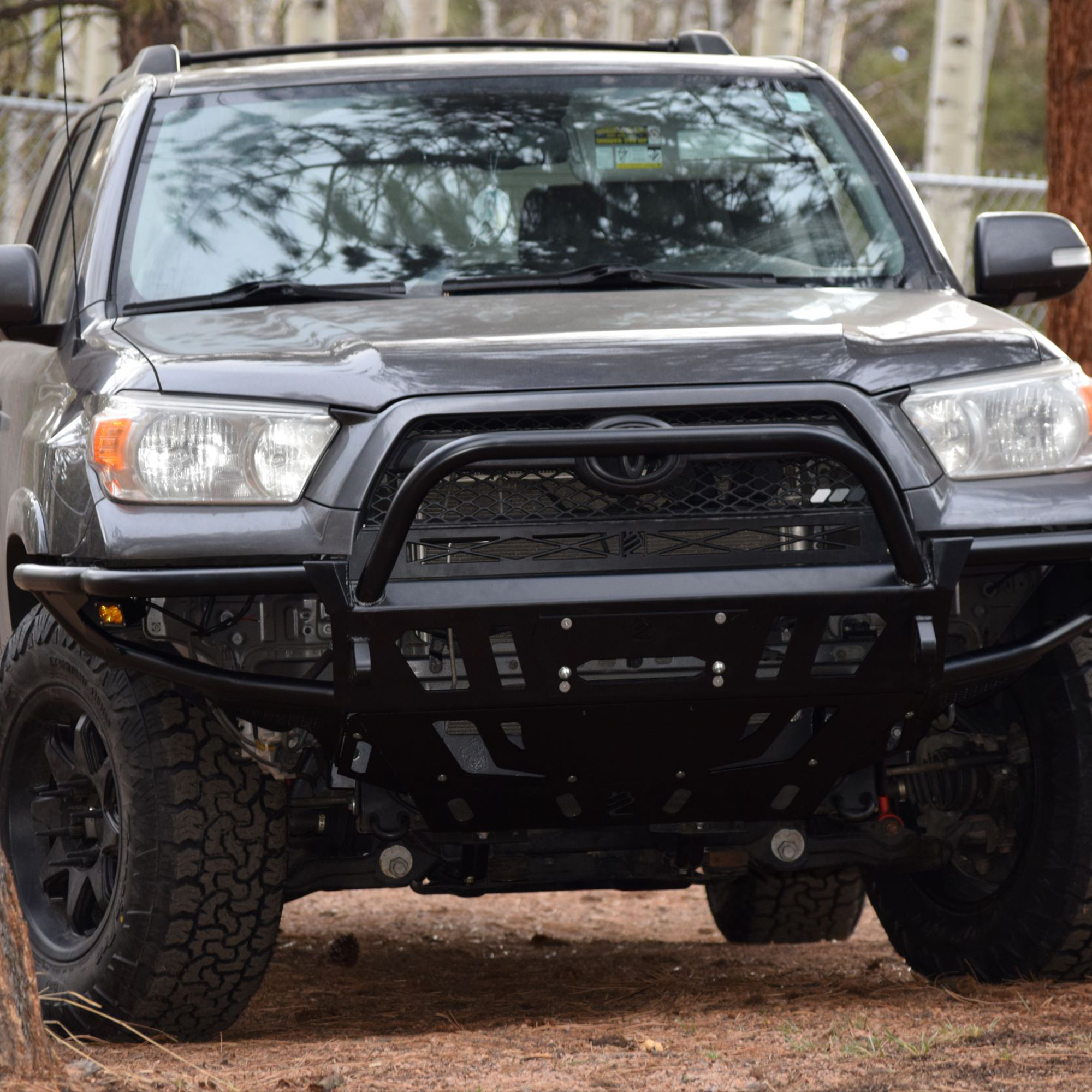
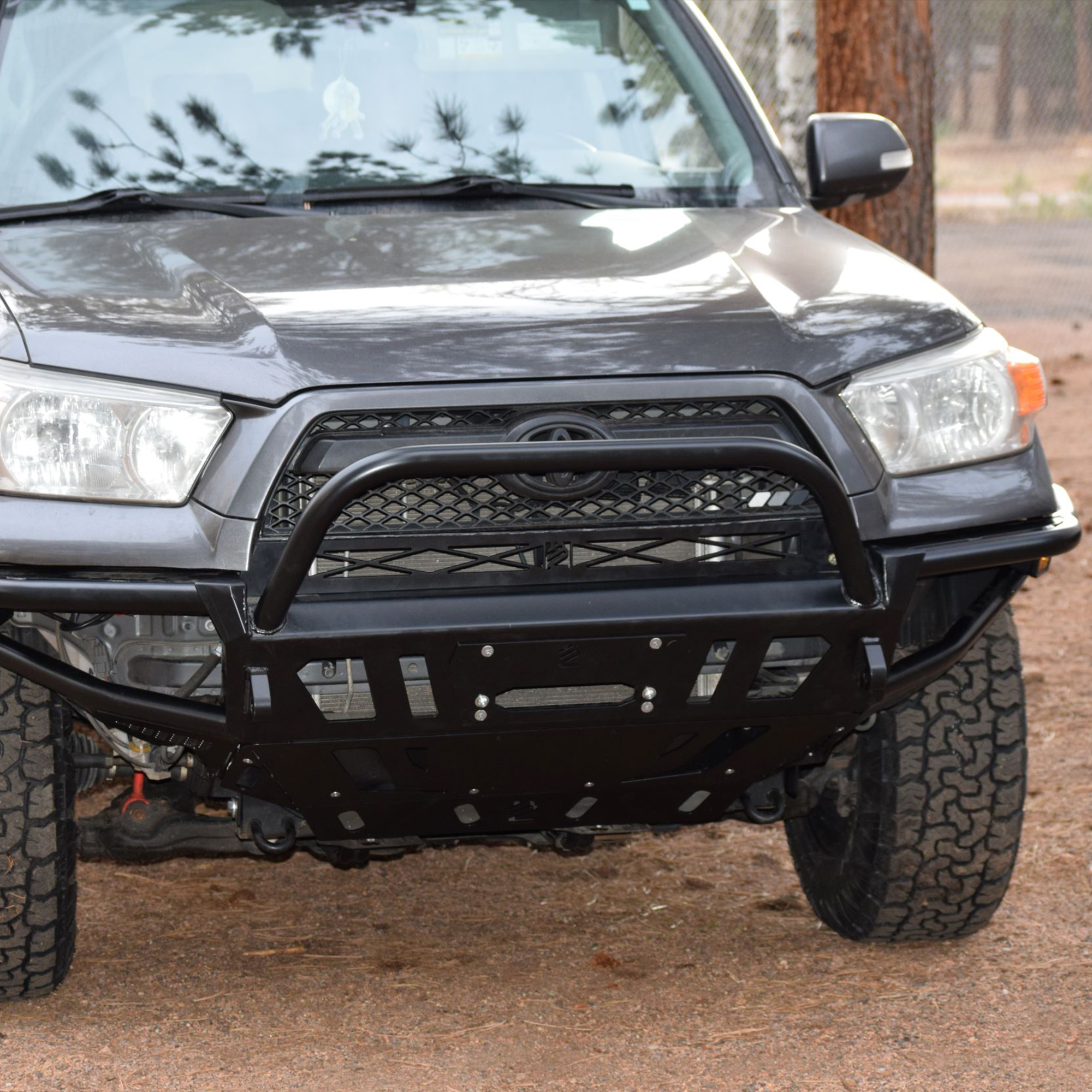
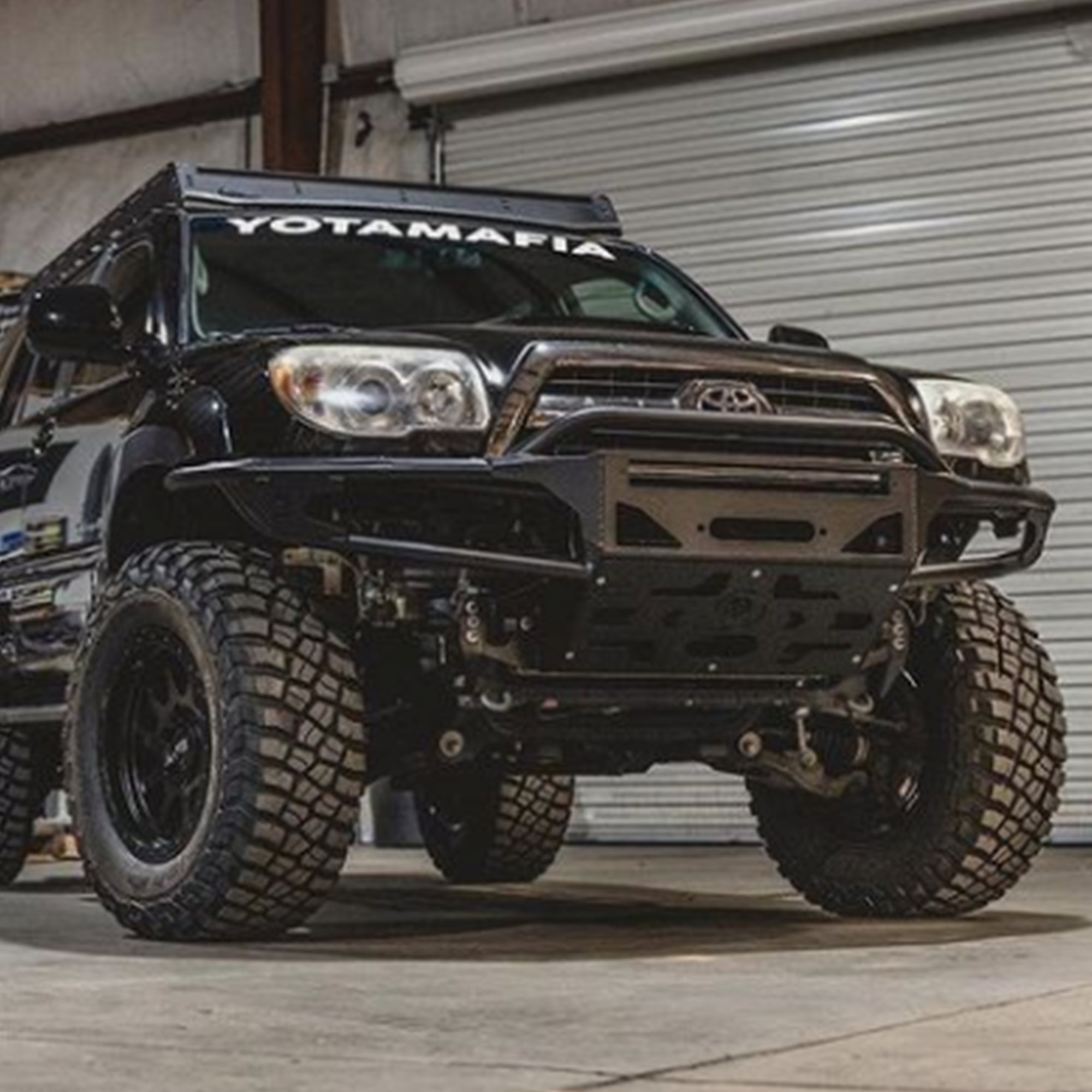
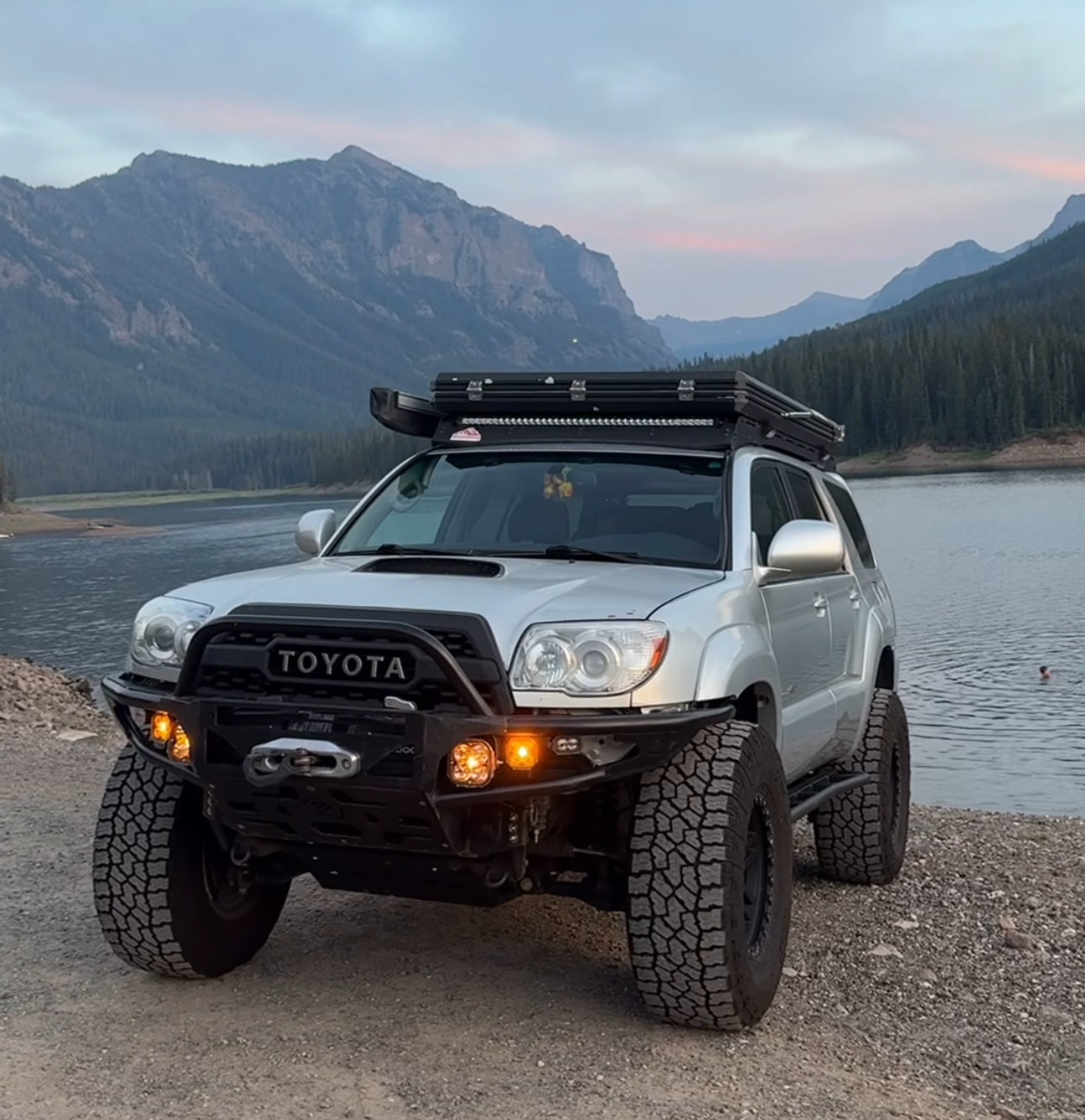
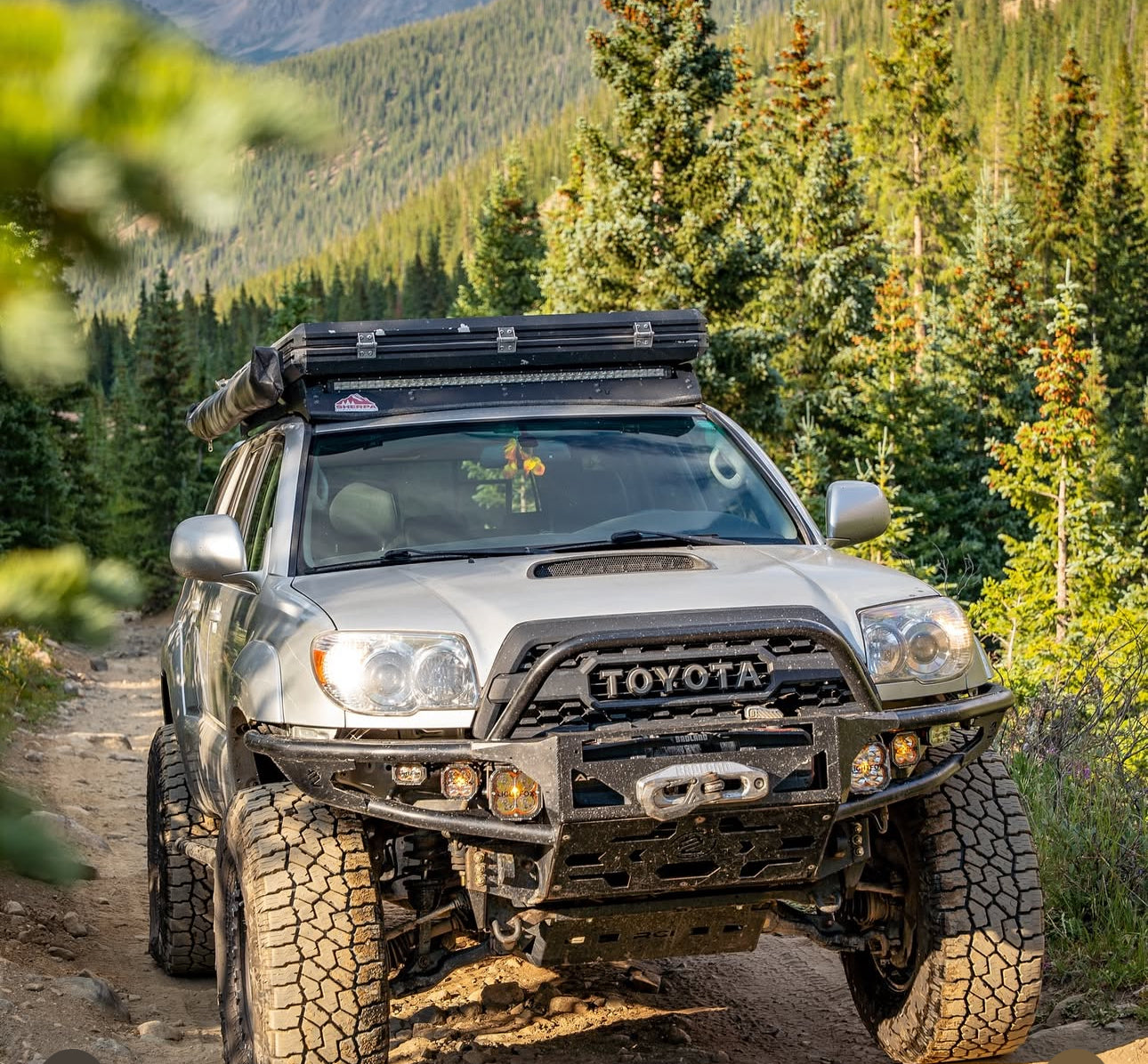
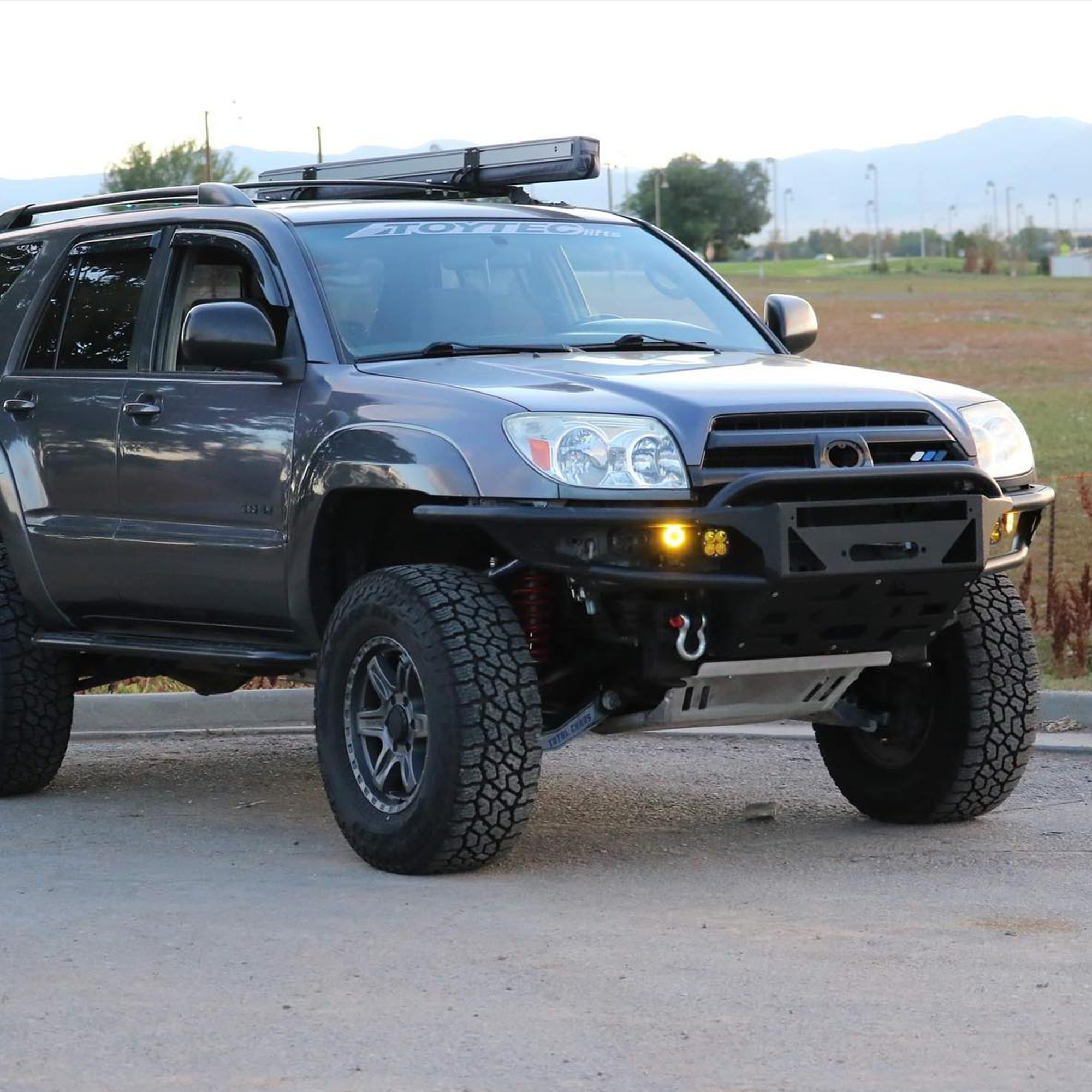
A front bumper is often the point where a 4Runner begins transitioning from a stock SUV into a serious off-road build.
A well-designed bumper can improve:
-
Approach angle
-
Front-end protection
-
Recovery capability
-
Winch compatibility
-
Tire clearance
For newer 4Runner models, TSS-compatible front bumpers become especially important.
Modern bumper design needs to account for radar sensors and factory safety systems while still providing the strength and functionality required for off-road use.
Choosing a bumper engineered specifically for the platform helps avoid unnecessary compromises.
Can a 4Runner keep Toyota Safety Sense after a bumper upgrade?
Yes. A properly engineered TSS-compatible bumper is designed to work with factory safety systems while adding protection and recovery capability.
Recovery Gear Should Grow With Your Confidence
Many owners wait until they get stuck before thinking about recovery equipment.
A better approach is to build your recovery kit as your adventures become more ambitious.
A practical starting point includes:
-
Recovery straps
-
Soft shackles
-
Tire repair kit
-
Air compressor
-
Recovery boards
As your build progresses, a winch-ready front bumper can provide a stronger foundation for more advanced recovery setups.
Protect the Underside Before You Need To
The 4Runner’s wheelbase and trail capability often encourage drivers to explore increasingly challenging terrain.
That’s when underbody protection becomes valuable.
Depending on your trails, consider prioritizing:
-
Front skid plates
-
Engine protection
-
Transfer case protection
-
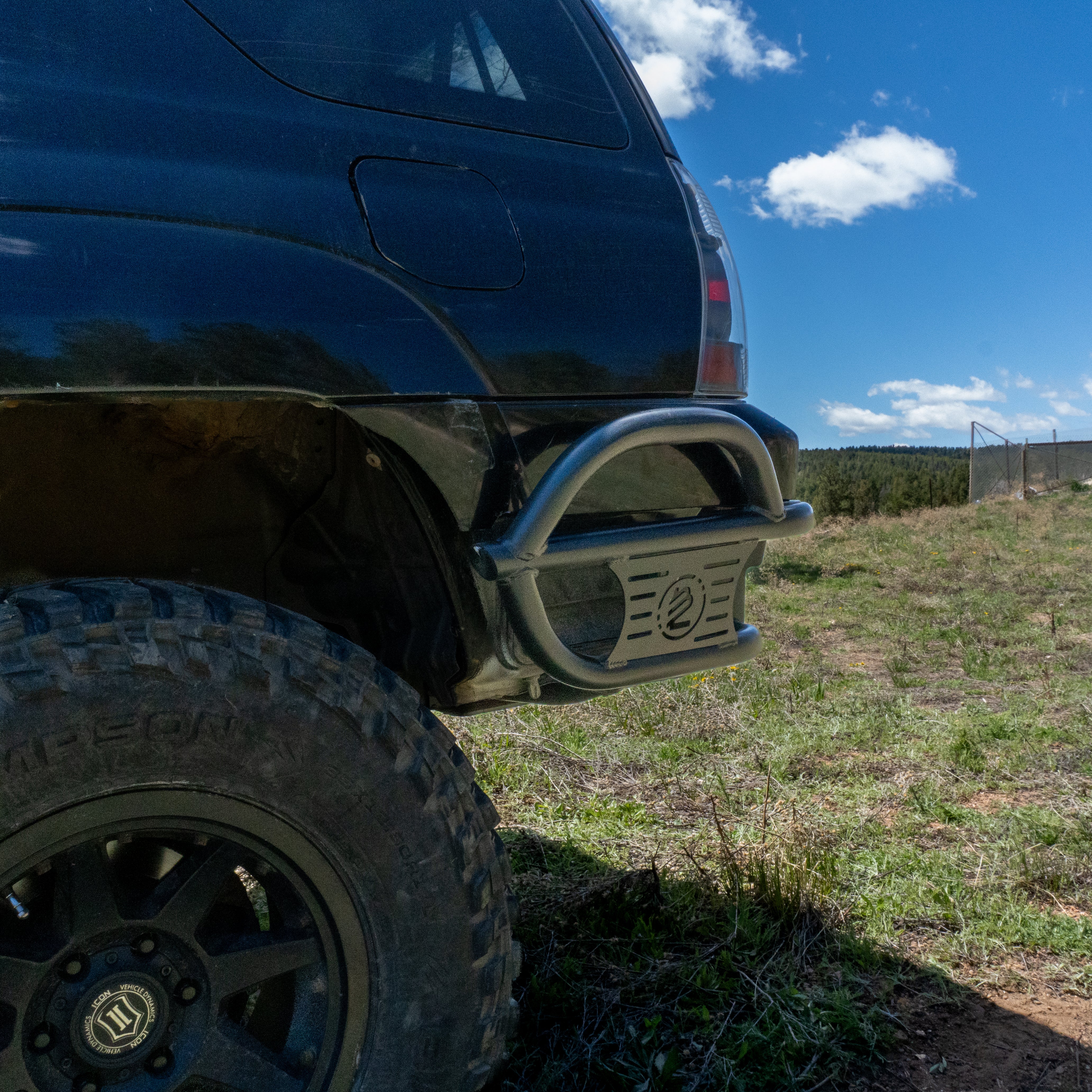
Rock sliders
These upgrades help protect expensive components from damage and allow you to focus on driving rather than worrying about every obstacle.
Weight Is the Enemy of Daily Comfort
One of the easiest ways to make a 4Runner feel less refined is to add unnecessary weight.
Common additions include:
-
Steel bumpers
-
Winches
-
Roof racks
-
Camping equipment
-
Extra fuel
-
Recovery gear
-
Additional lighting
Individually, each item may be useful.
Collectively, they can significantly affect:
-
Ride quality
-
Braking
-
Steering
-
Fuel economy
-
Suspension performance
The most enjoyable builds are often the ones where every accessory earns its place.
Does every 4Runner need heavy steel armor?
No. The right amount of protection depends on the terrain you drive. Many owners can achieve excellent capability without turning the vehicle into a heavyweight expedition rig.
Plan for the Next Stage of the Build
A smart 4Runner build is designed to evolve.
For example:
-
A winch-ready bumper allows recovery equipment to be added later.
-
Suspension selected for future weight avoids premature sag.
-
Compatible armor systems make future upgrades easier.
Thinking ahead helps prevent the frustrating cycle of replacing parts that no longer fit the direction of the build.
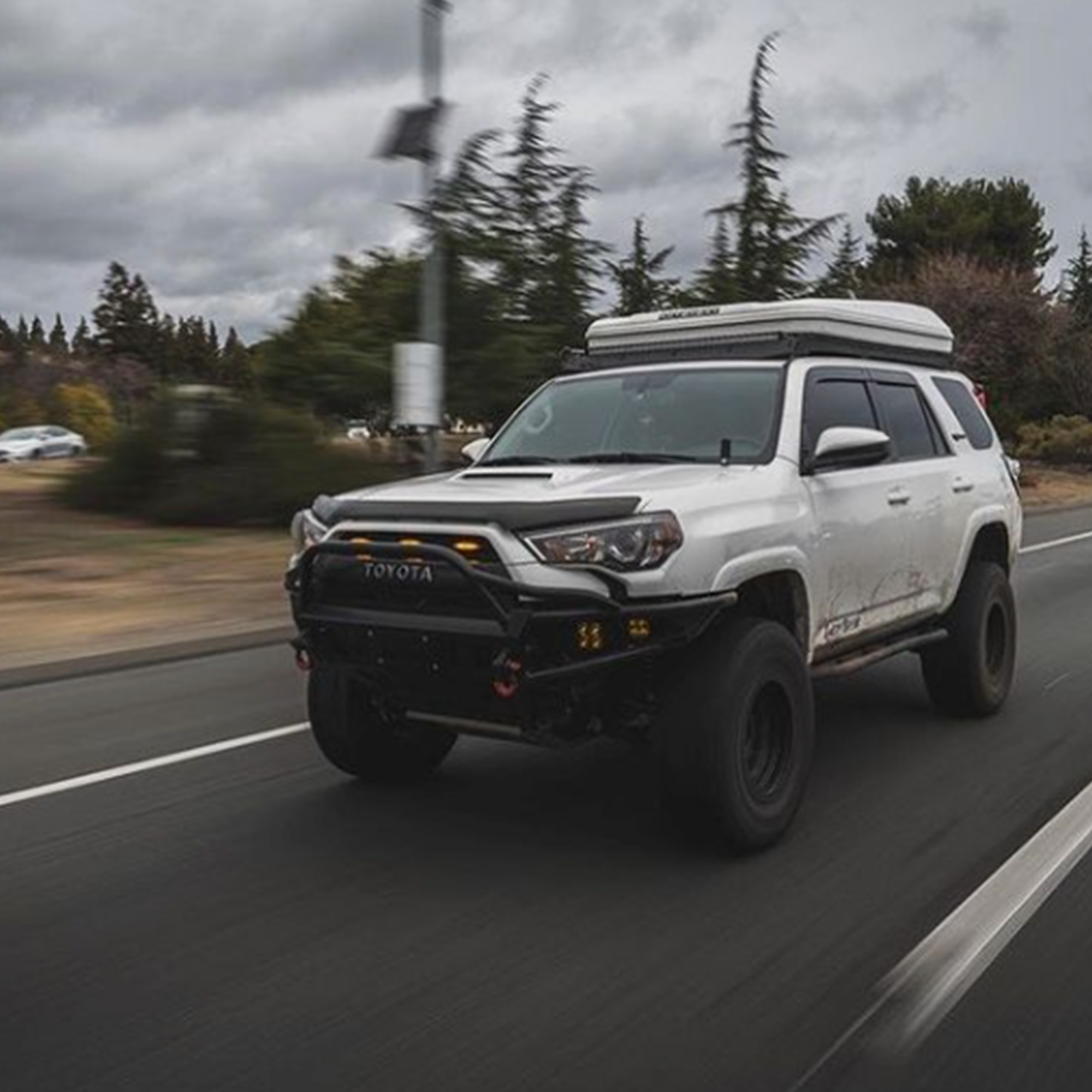
Keep the Toyota Feel
The best compliment a modified 4Runner can receive is:
“It still drives like a Toyota.”
That usually means:
-
Comfortable on long trips
-
Quiet enough for daily use
-
Easy to maneuver
-
Predictable in traffic
-
Confident on the trail
Every modification should be evaluated against that standard.
If an upgrade dramatically hurts the driving experience without providing meaningful capability, it may not be the right choice for your build.
Can a heavily modified 4Runner still be comfortable?
Yes. Careful planning, balanced weight distribution, and properly matched suspension components can preserve much of the factory driving comfort.
Where Lil B’s Fits Into the Build
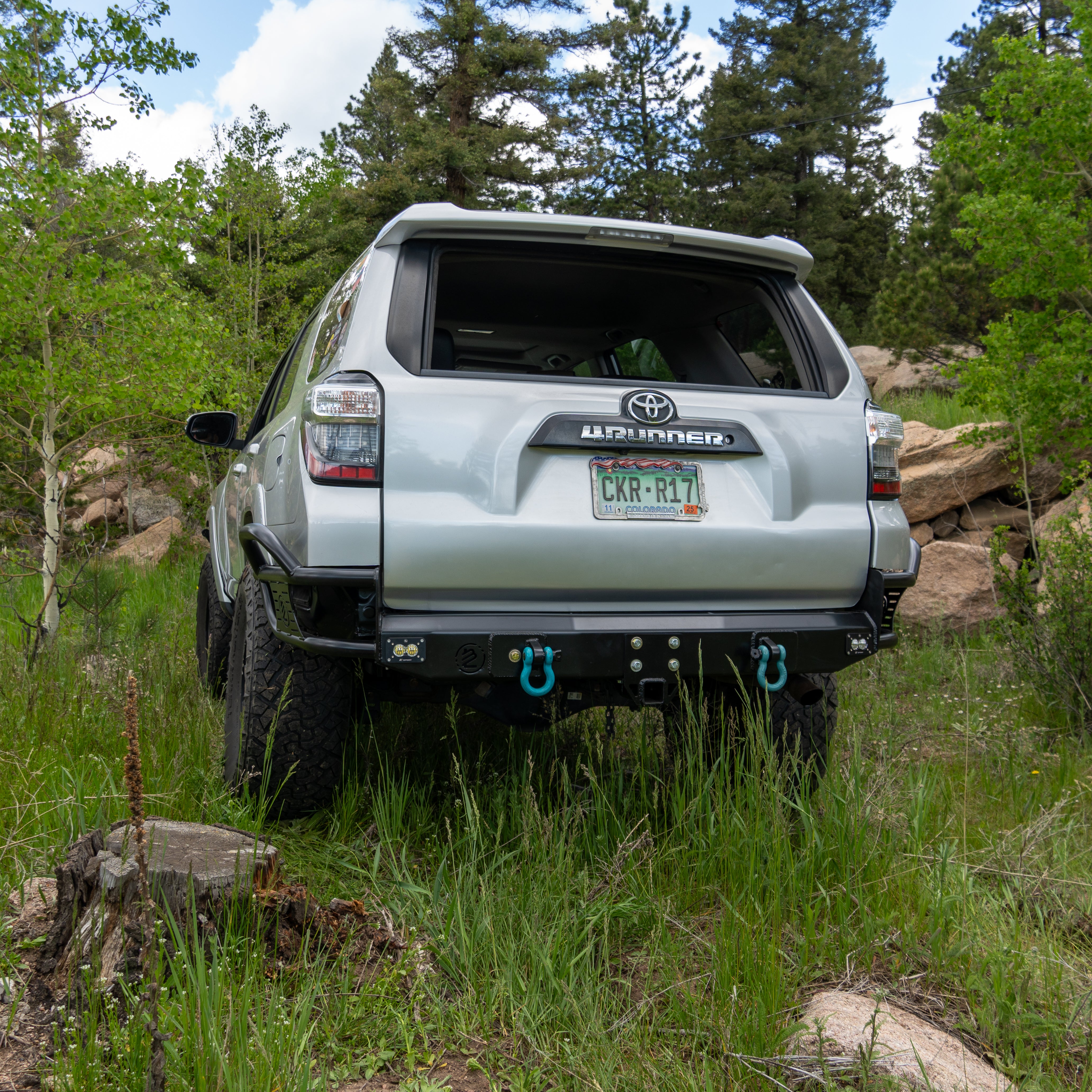
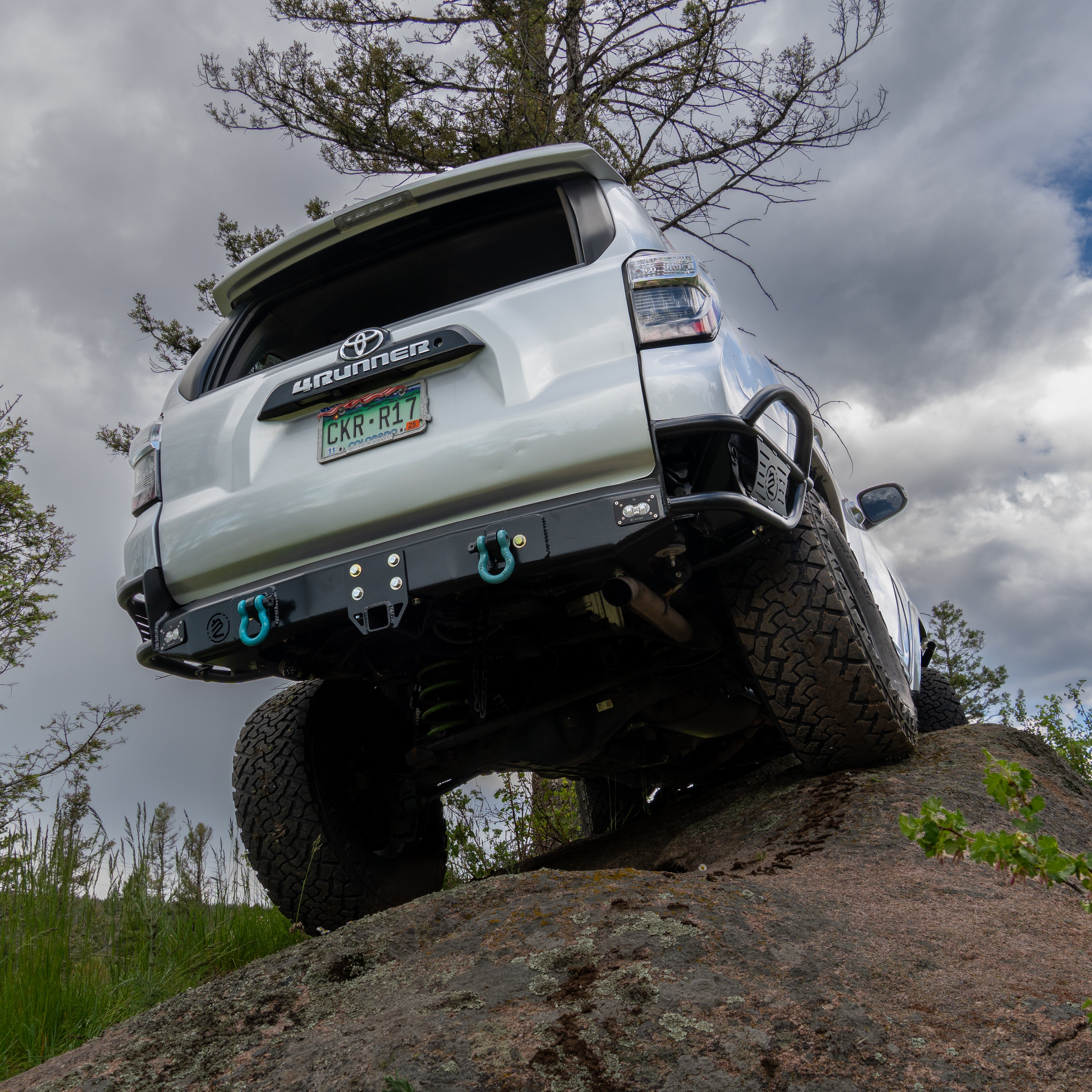
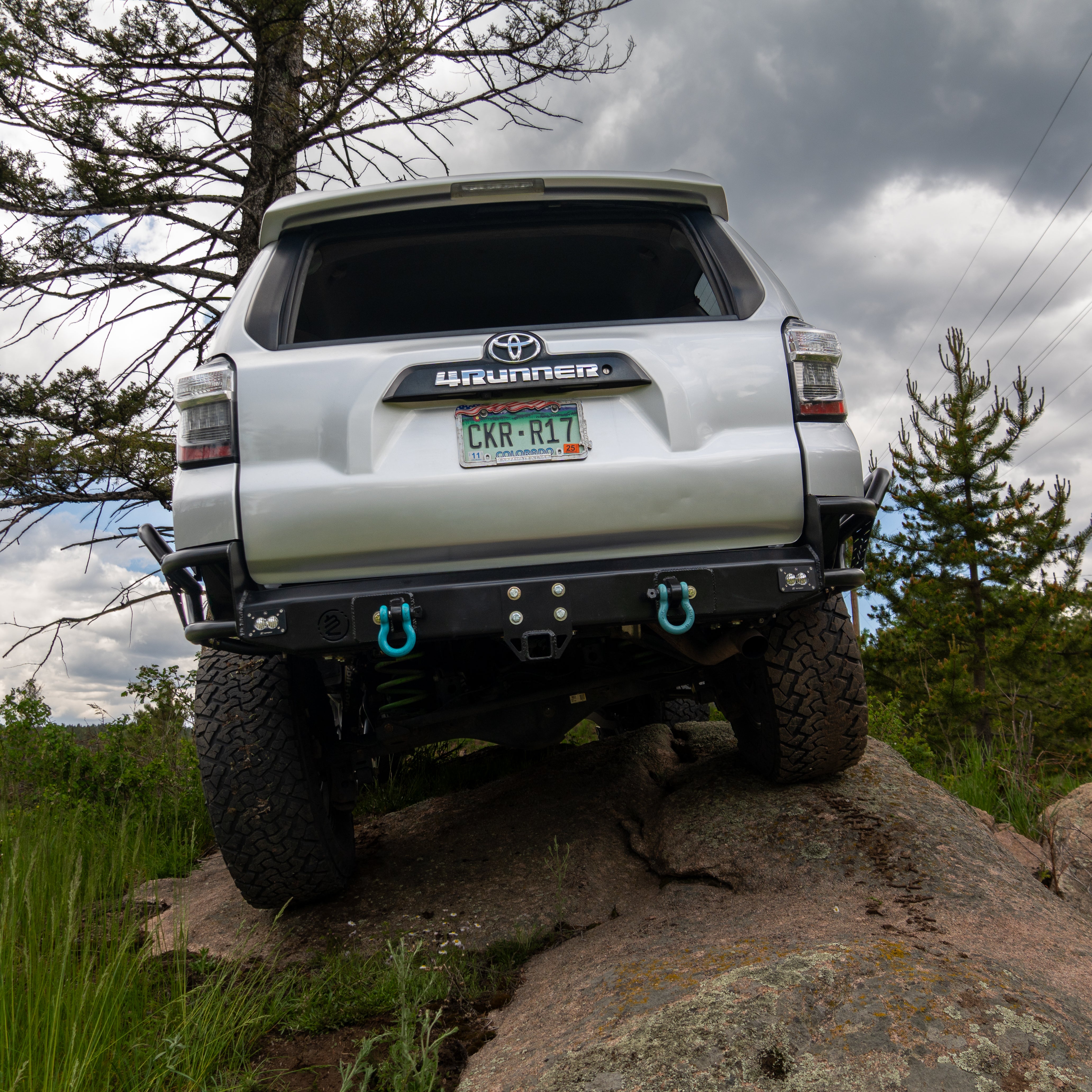
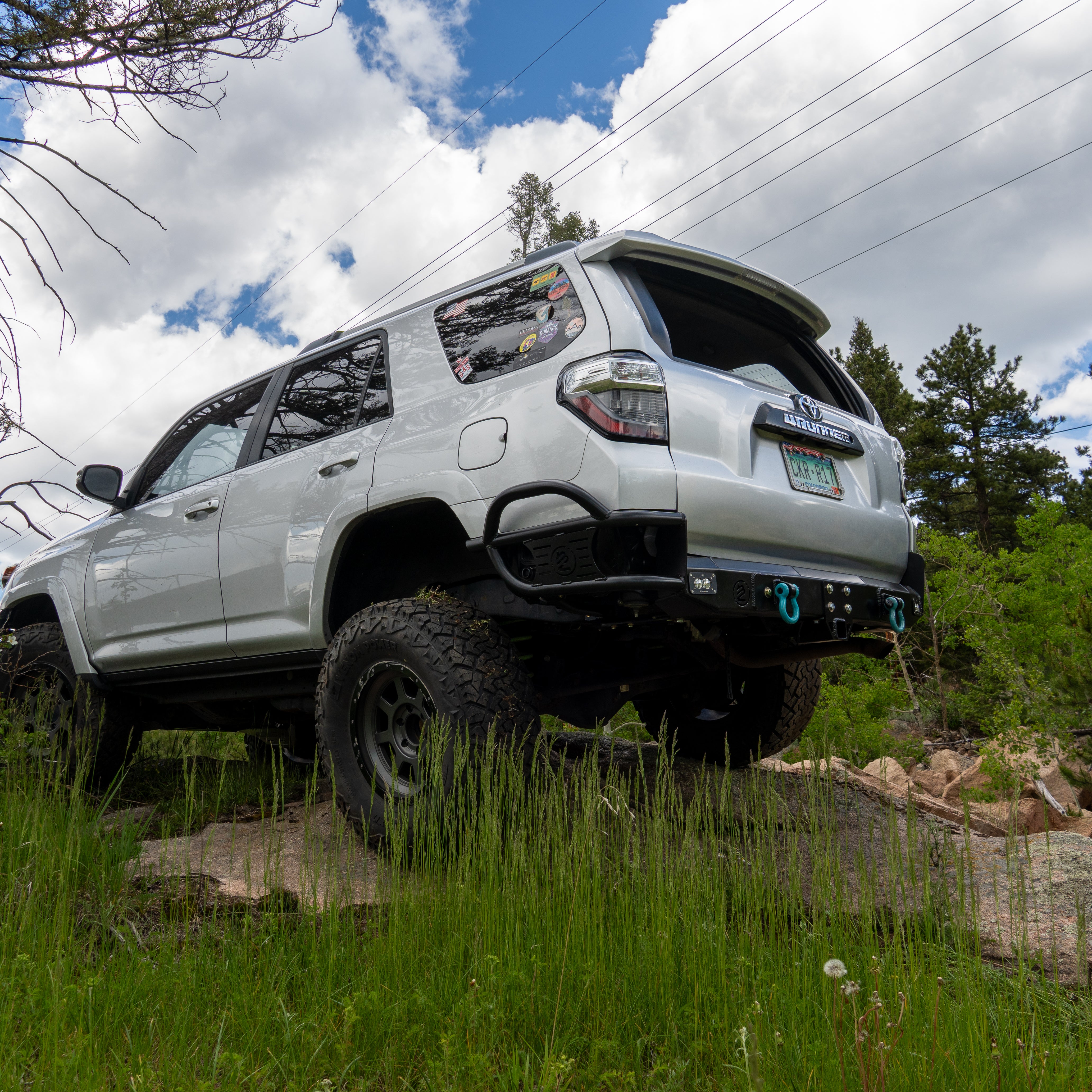
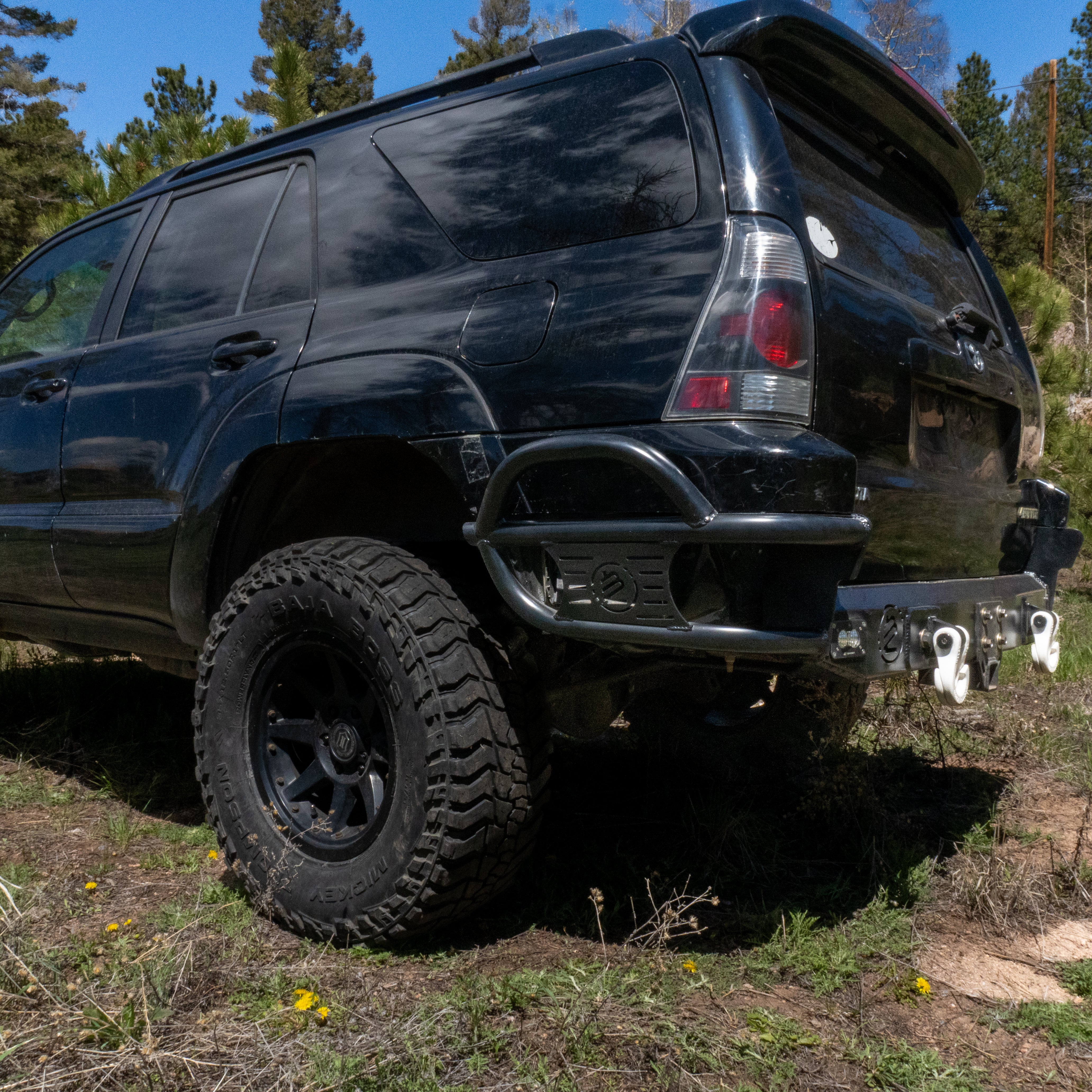
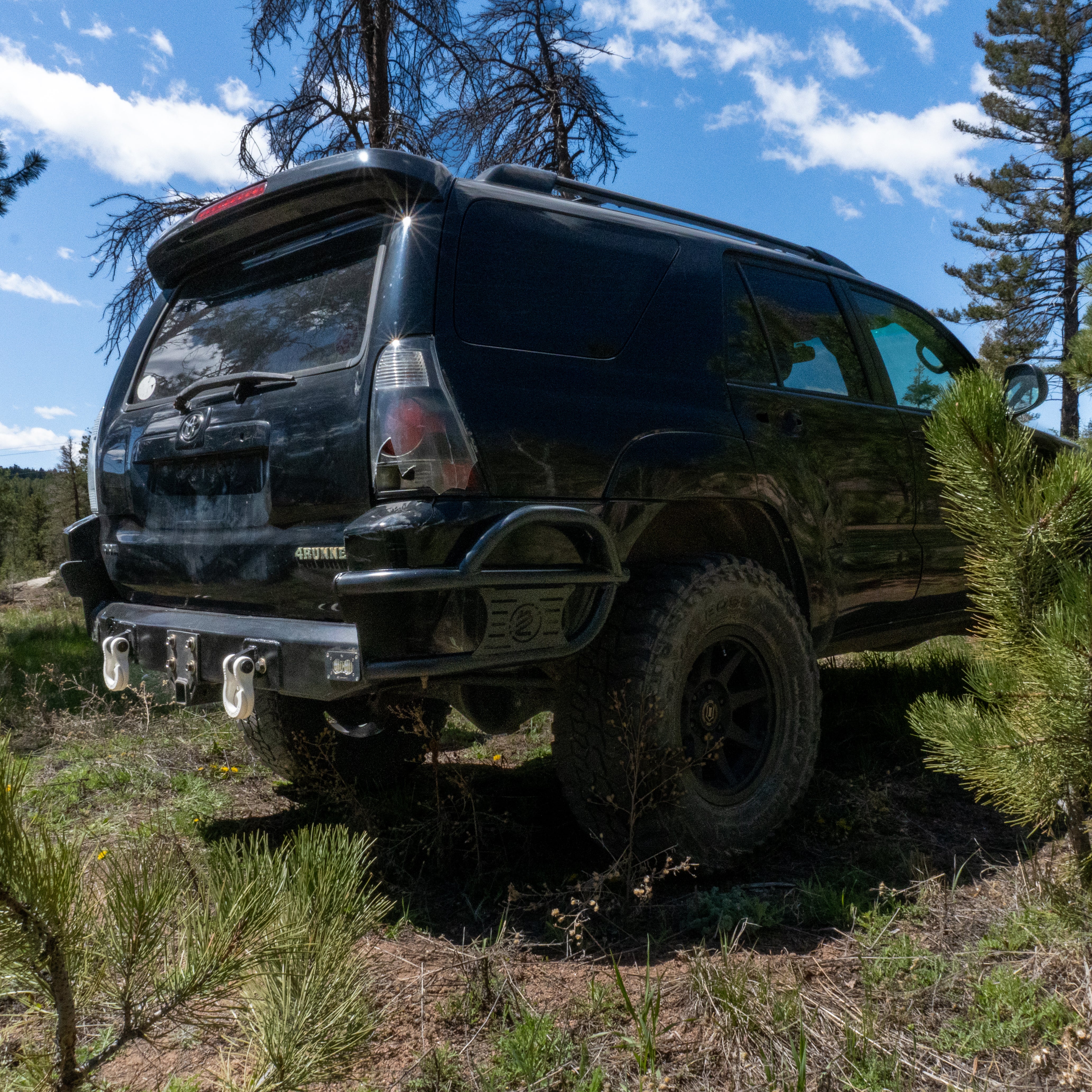
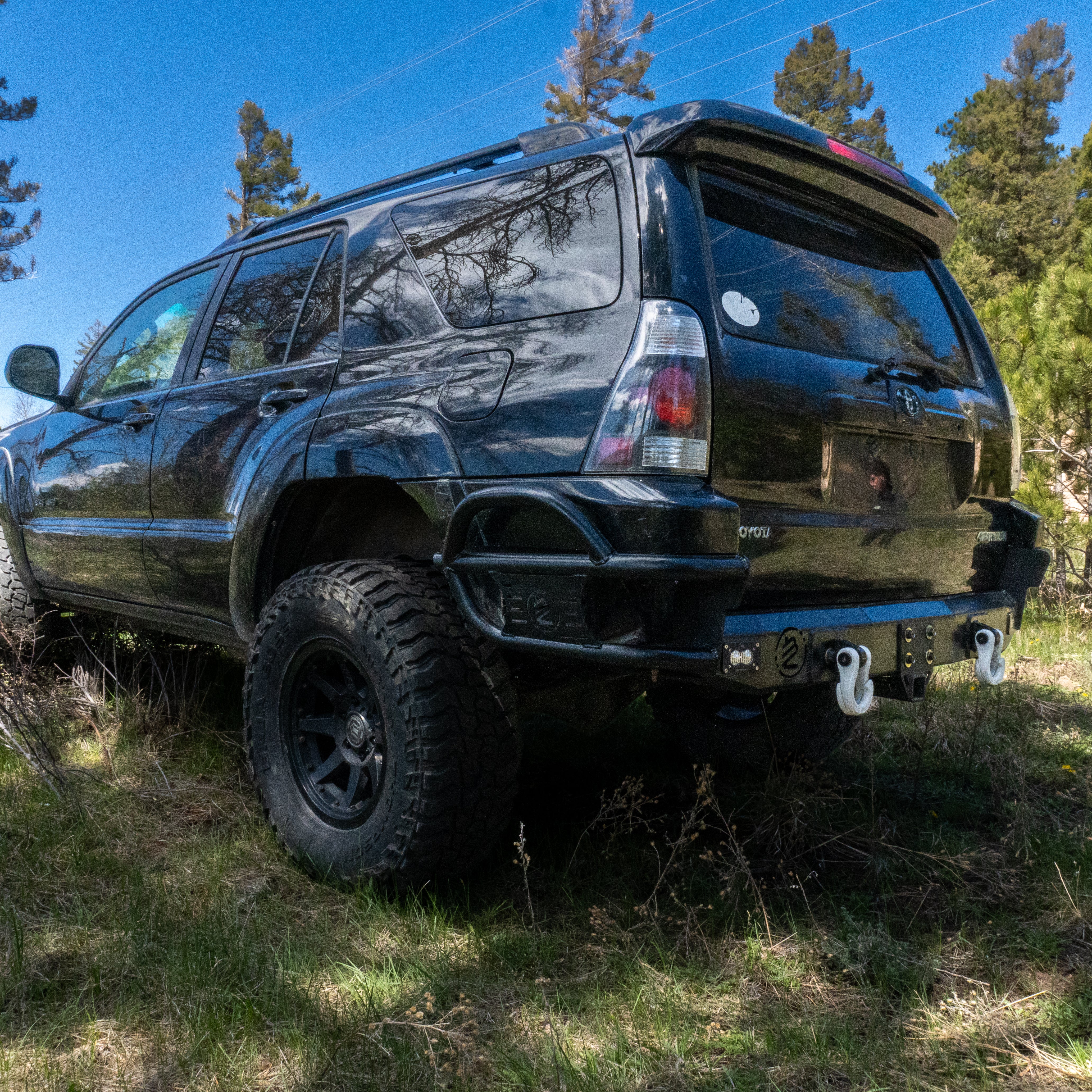
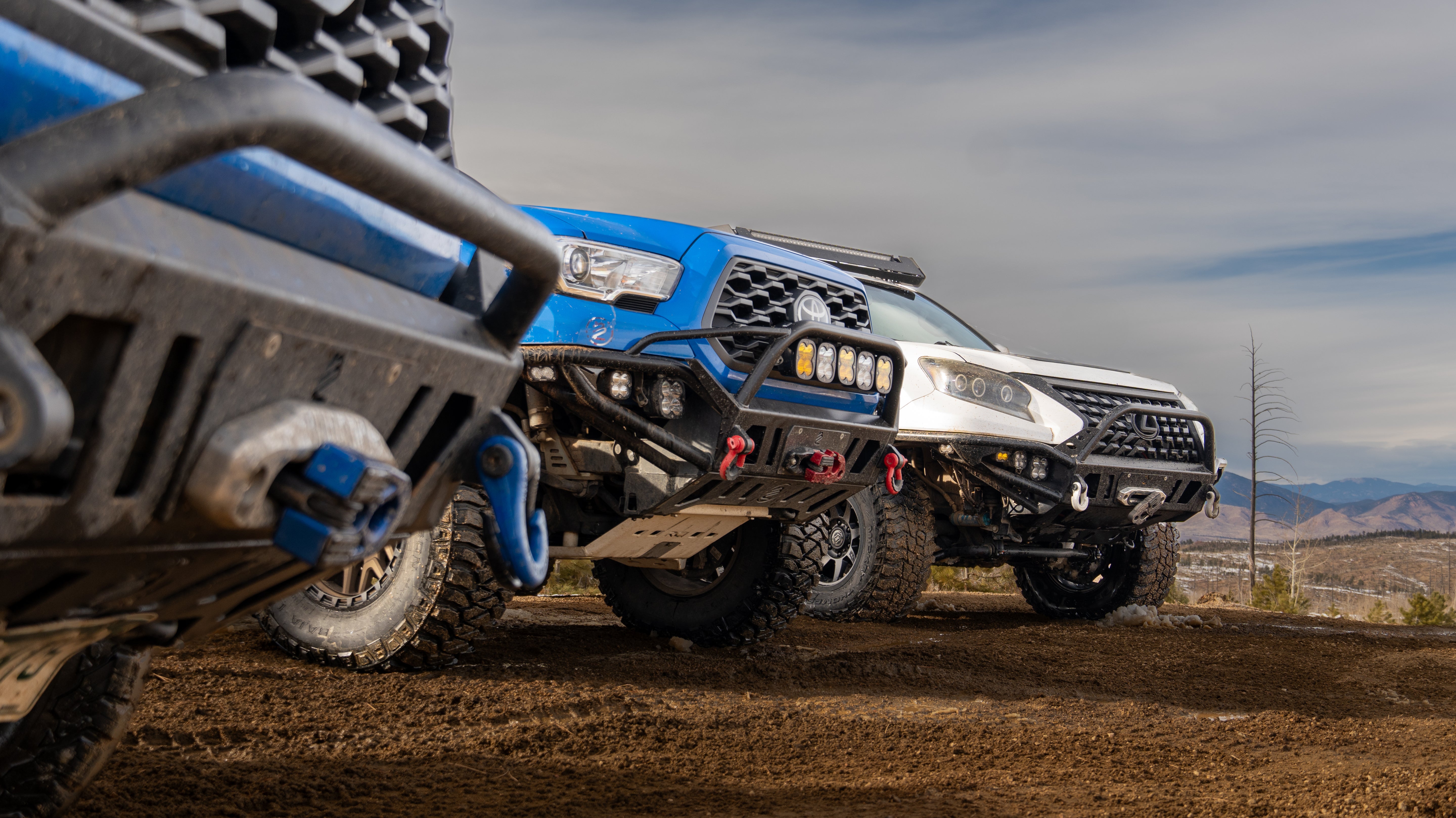
At Lil B’s Custom Fabrication, 4Runner bumpers are designed with the understanding that most owners use their vehicles for both daily driving and adventure.
That means focusing on:
-
High-clearance geometry
-
Recovery-ready construction
-
Winch compatibility
-
TSS compatibility on supported models
-
Clean fitment
-
Functional strength without unnecessary bulk
The goal is to help 4Runner owners build vehicles that are more capable without losing the versatility that makes the platform special.
Conclusion: Build the 4Runner You’ll Actually Use
The strongest 4Runner builds aren’t always the tallest or the most heavily modified.
They’re the ones that encourage owners to get out and explore because the vehicle remains enjoyable in every environment.
By focusing on tires, suspension, TSS-compatible front bumpers, recovery equipment, and thoughtful weight management, you can create a 4Runner that handles daily commutes, road trips, camping weekends, and challenging trails with equal confidence.
That balance is what has made the 4Runner legendary—and it’s what the best builds preserve.

Share:
How to Build a Toyota Tacoma That Works On and Off the Trail