


Built to Look Good vs Built to Work
There’s a big difference between a bumper that looks solid in a shop and one that performs under pressure on the trail.
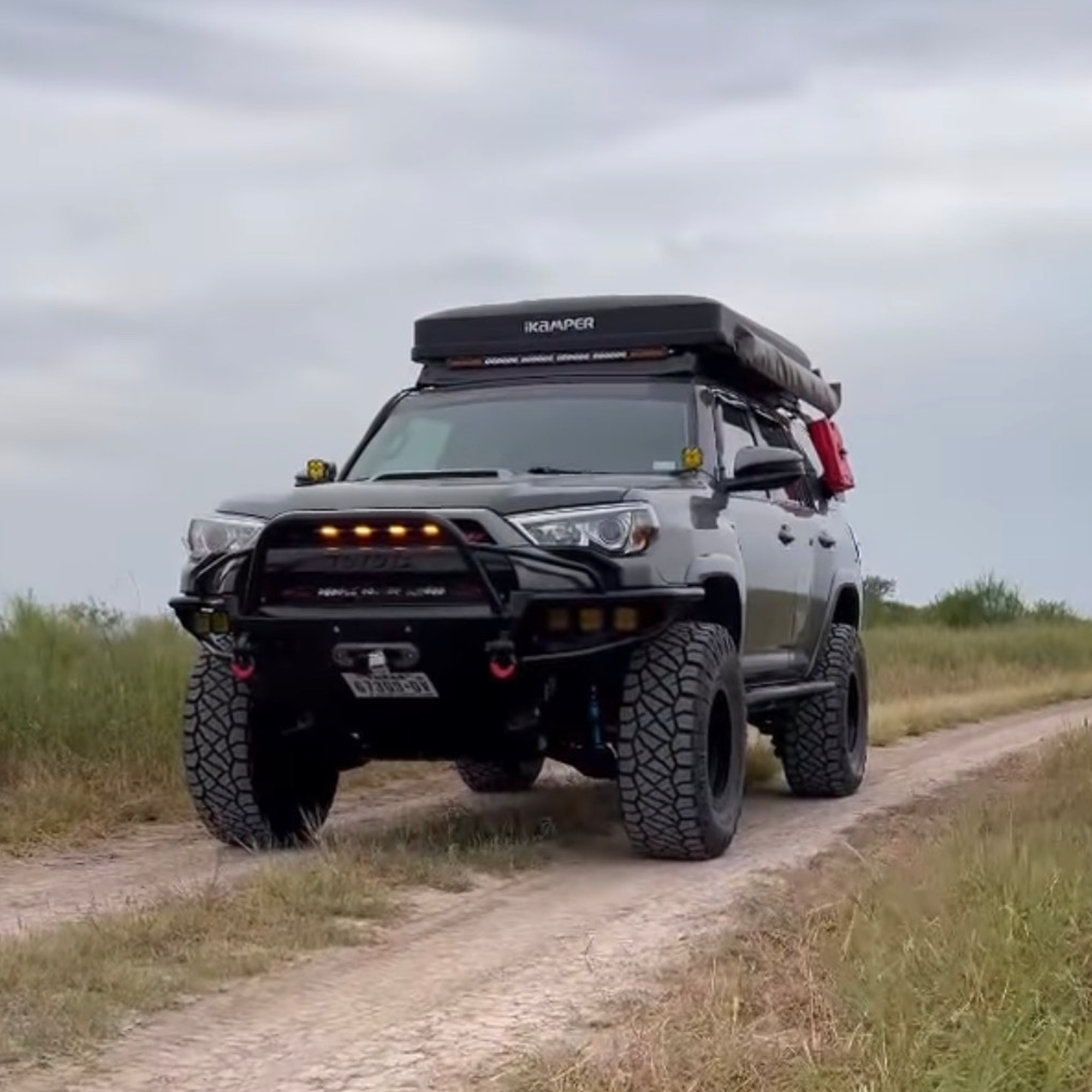
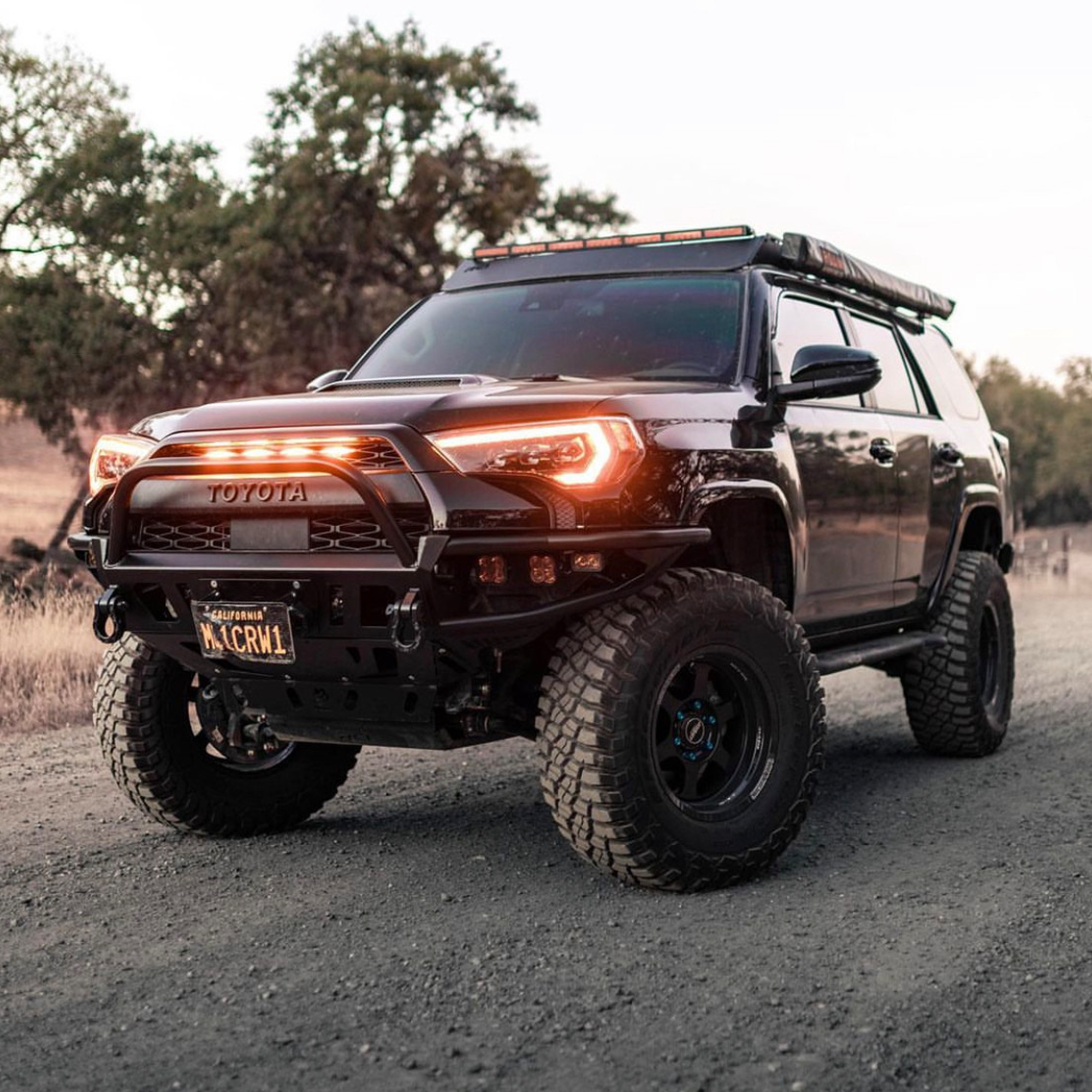
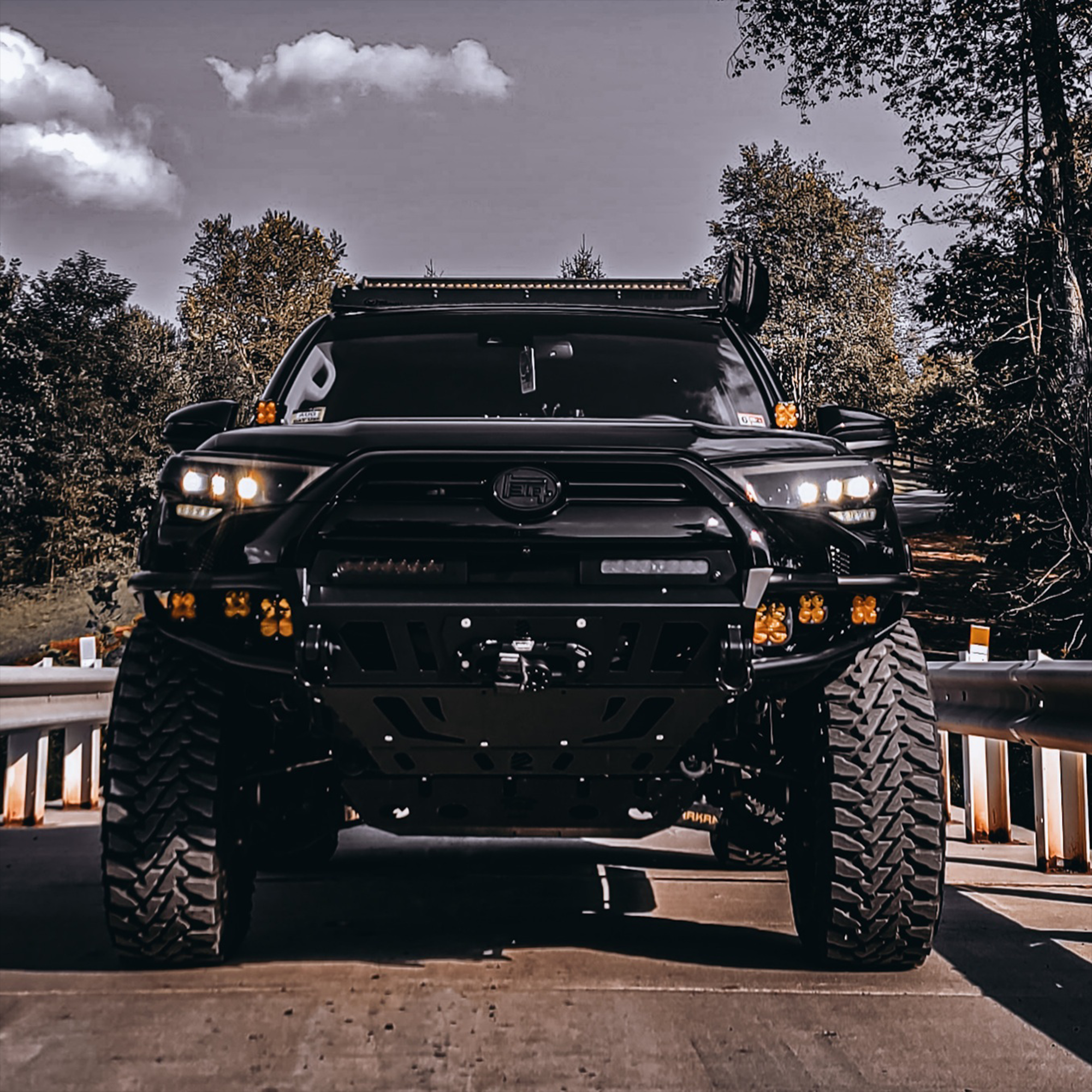
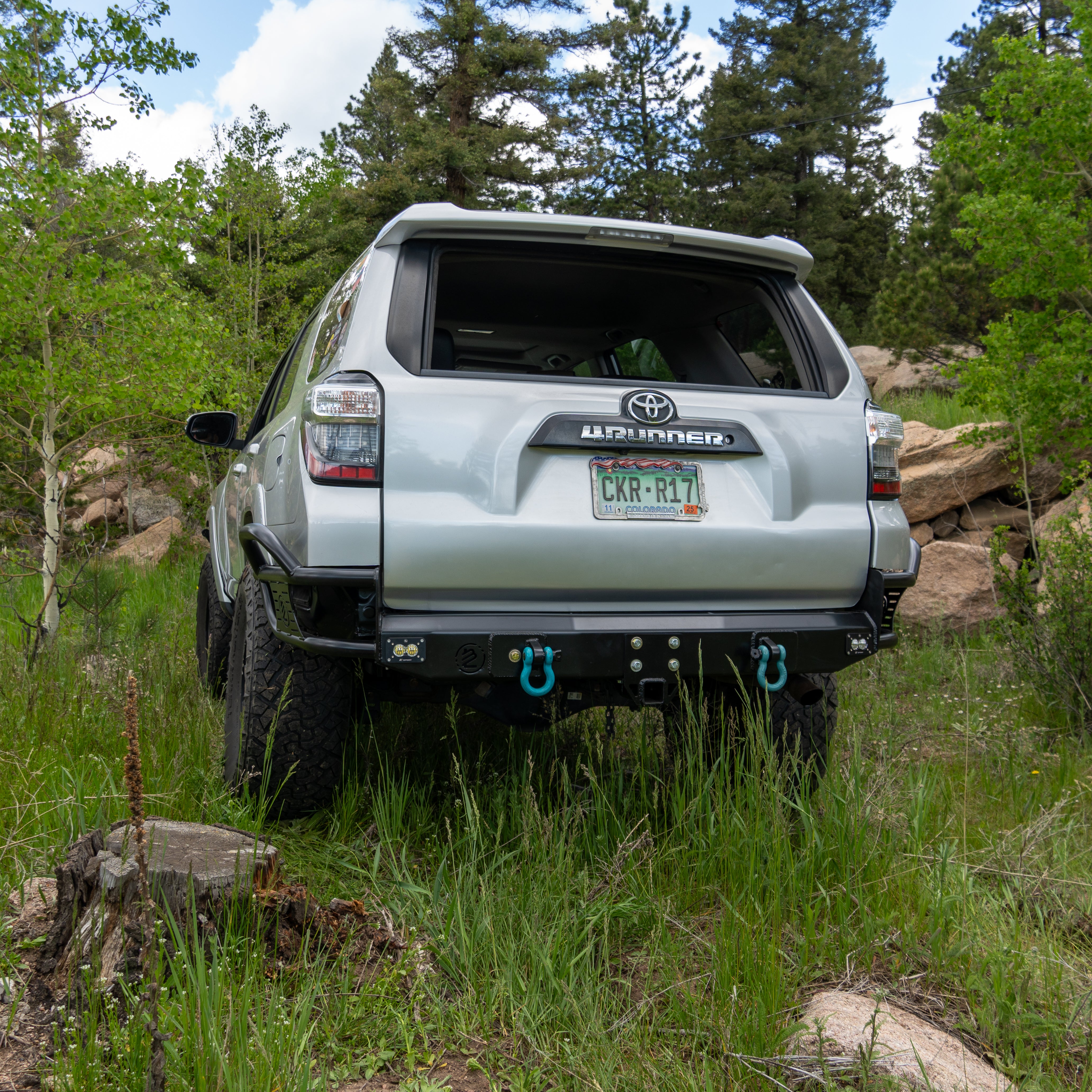
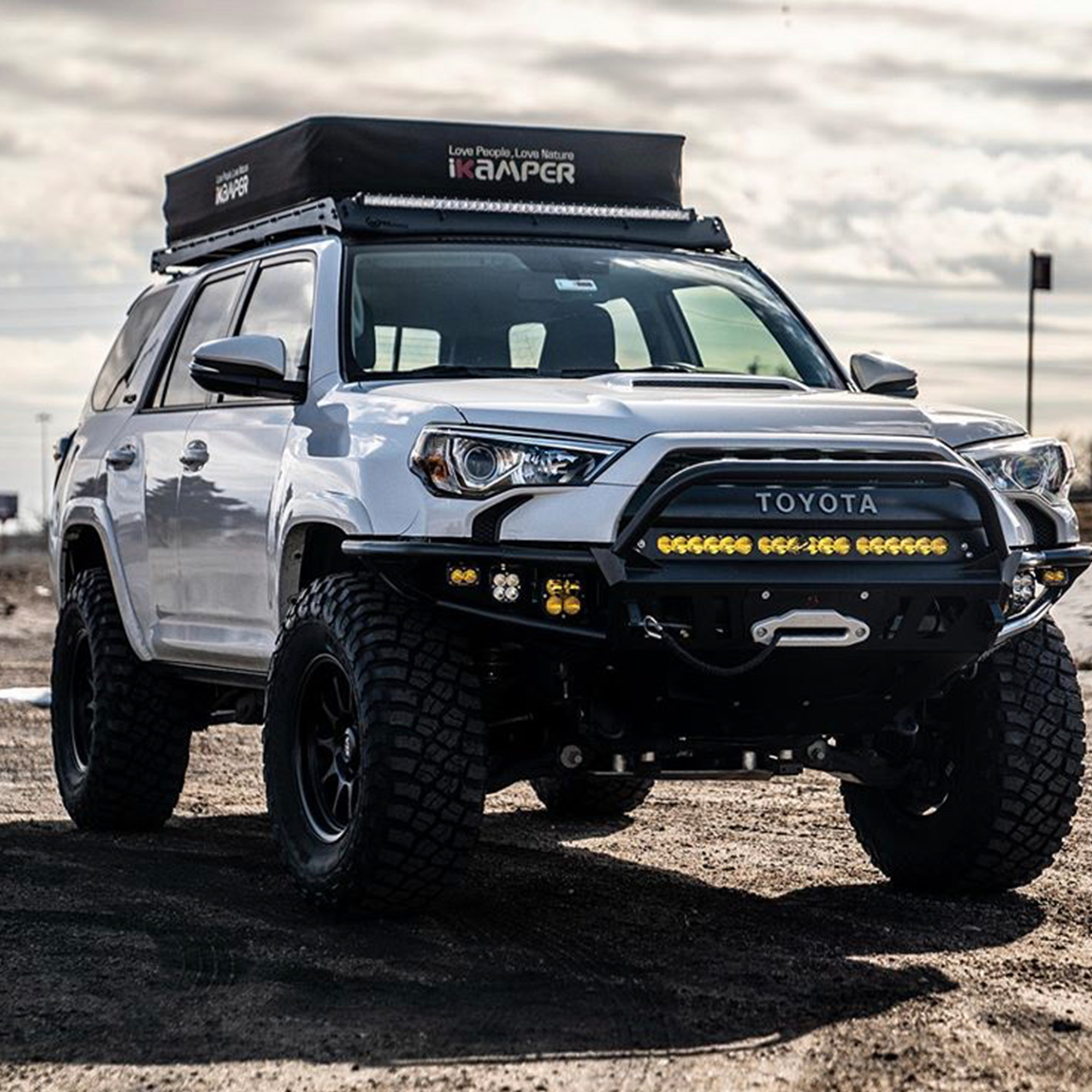
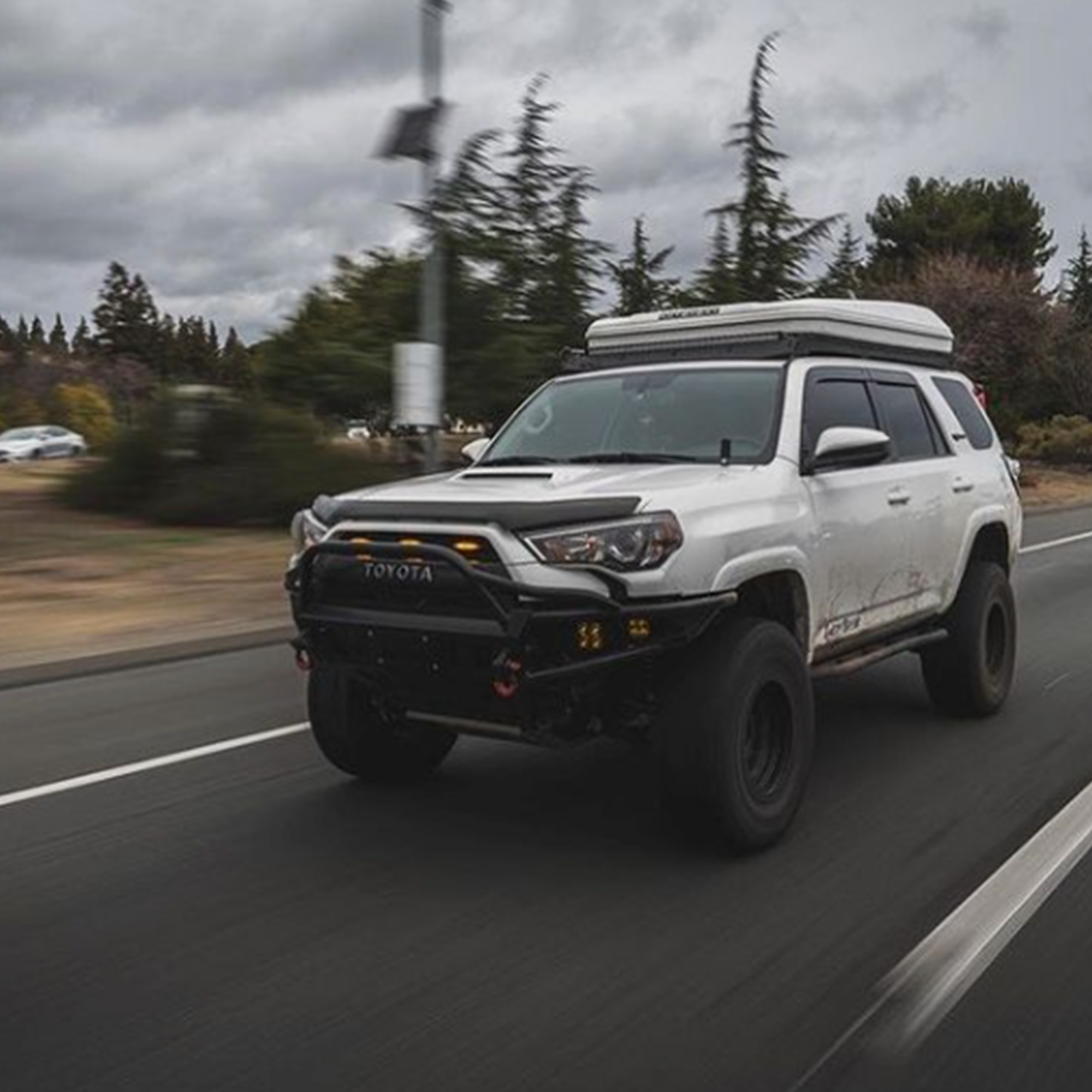
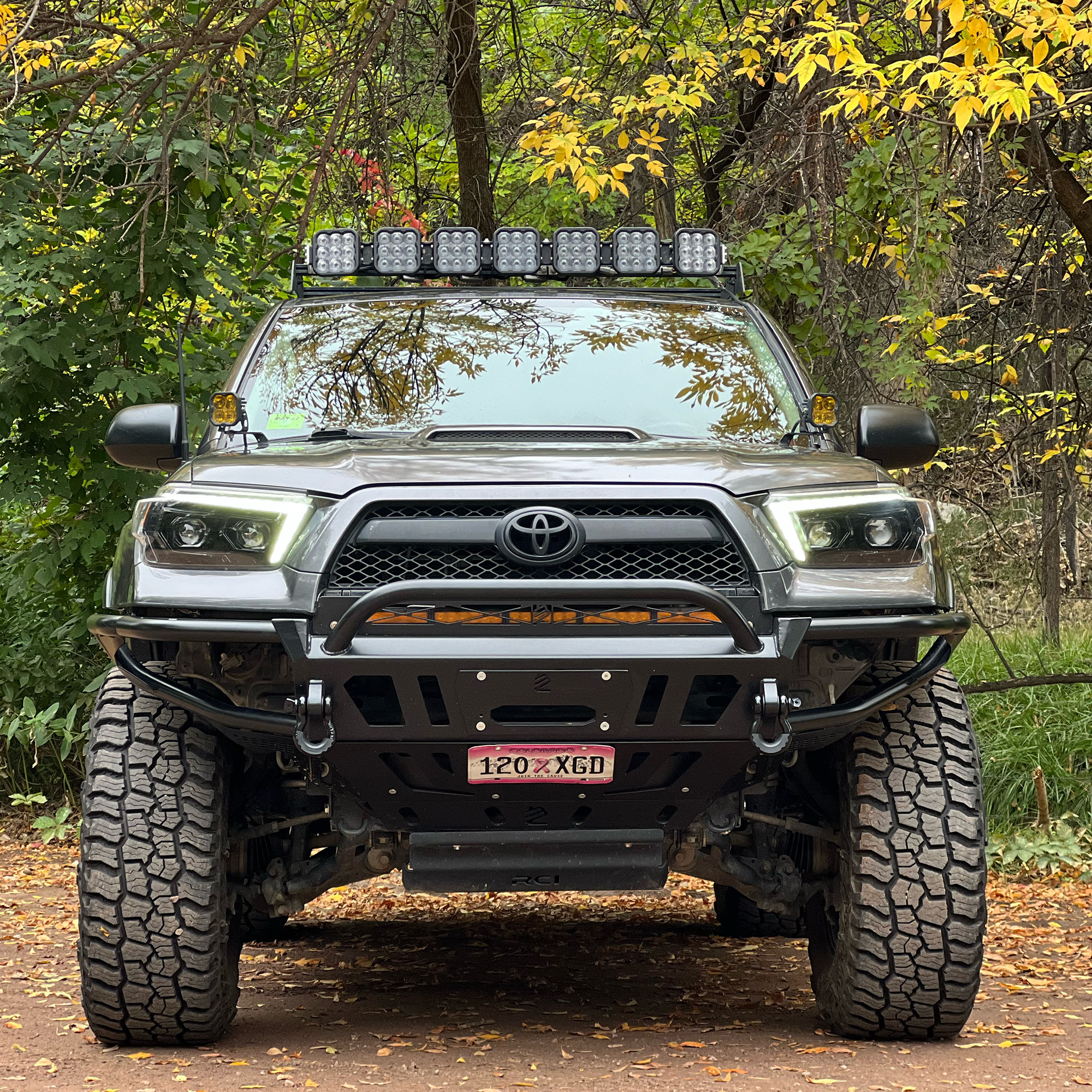
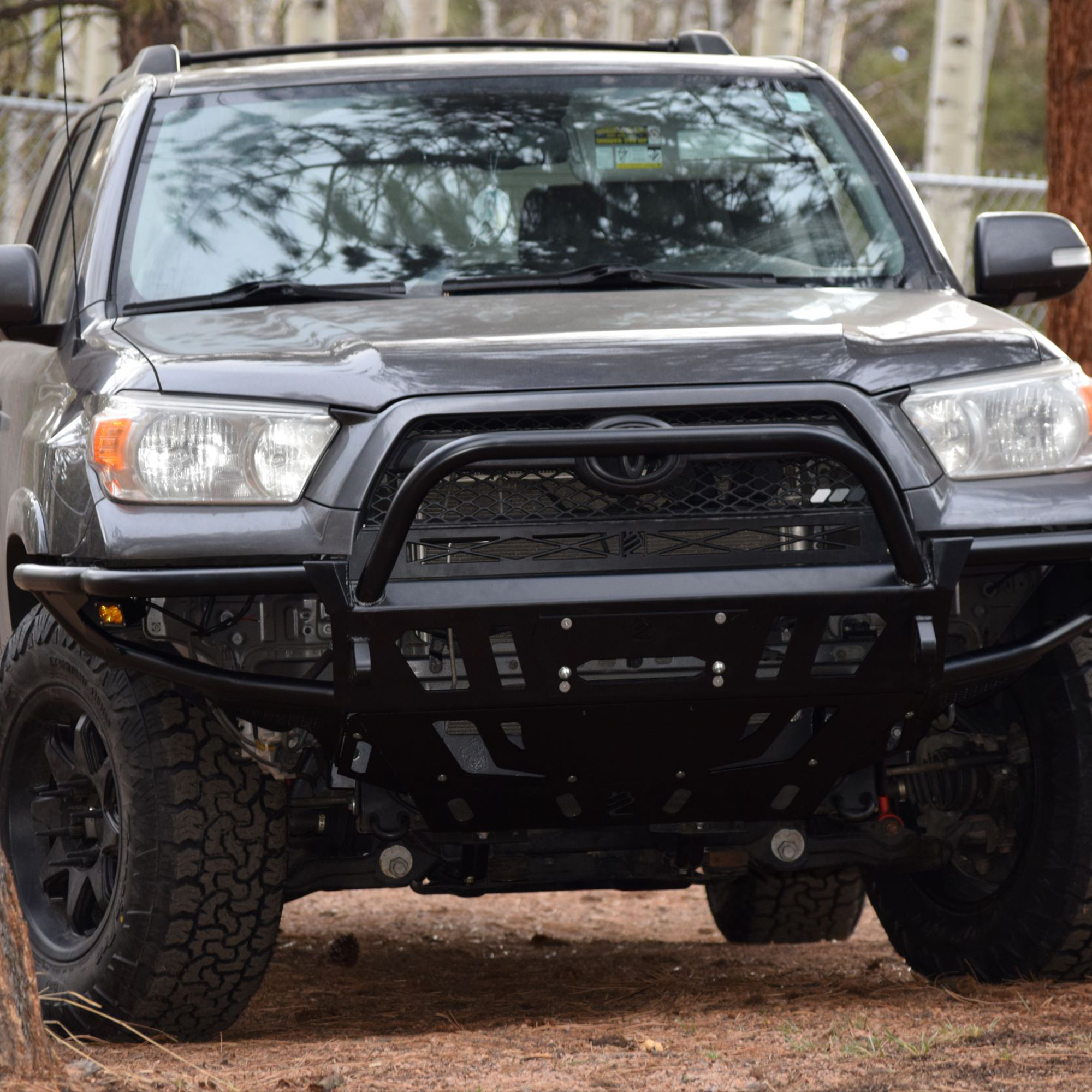
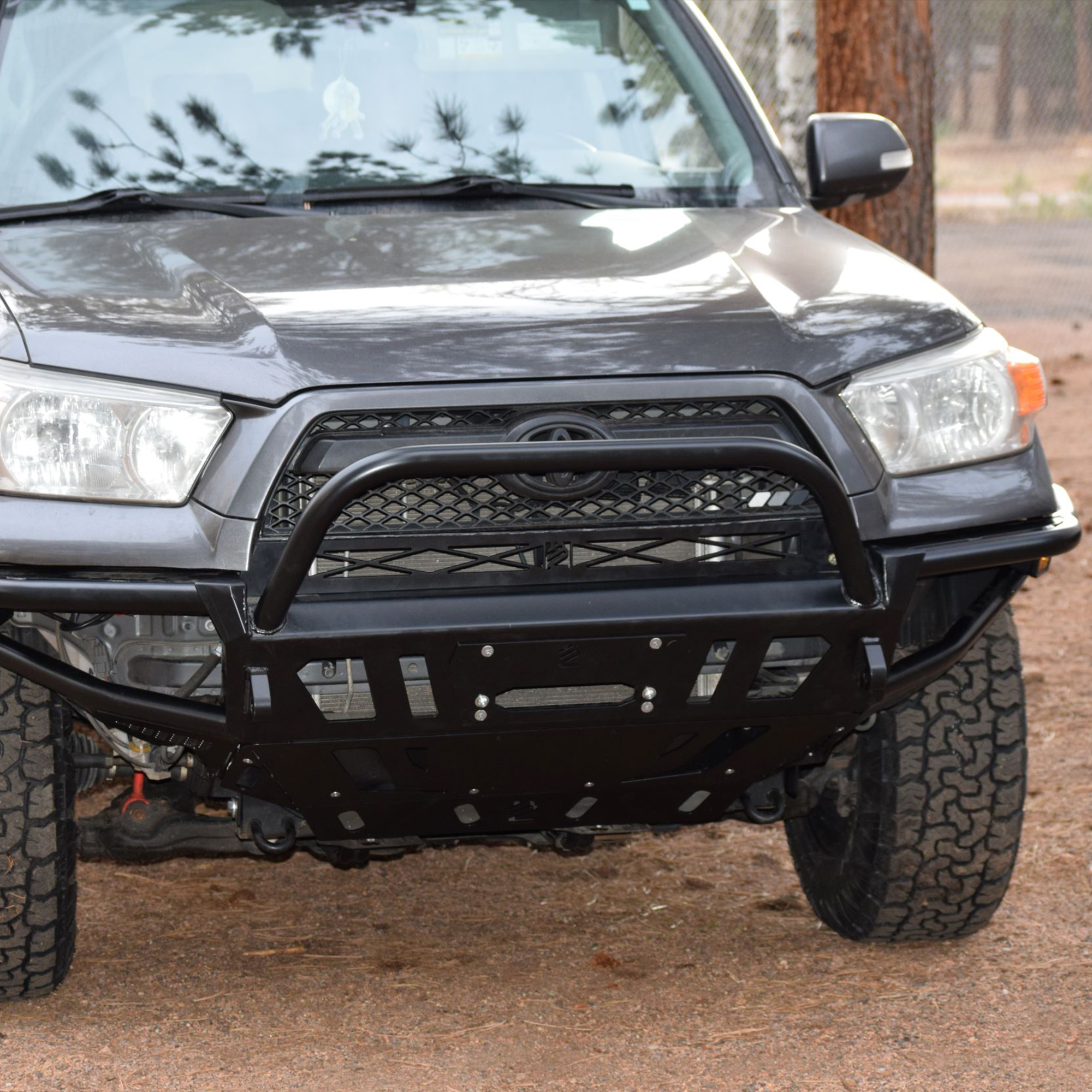
At first glance, many front bumpers for platforms like the Toyota Tacoma, 4Runner, Tundra, Lexus GX 460/470, and FJ Cruiser seem similar. Clean welds, aggressive lines, integrated lighting—they check all the visual boxes.
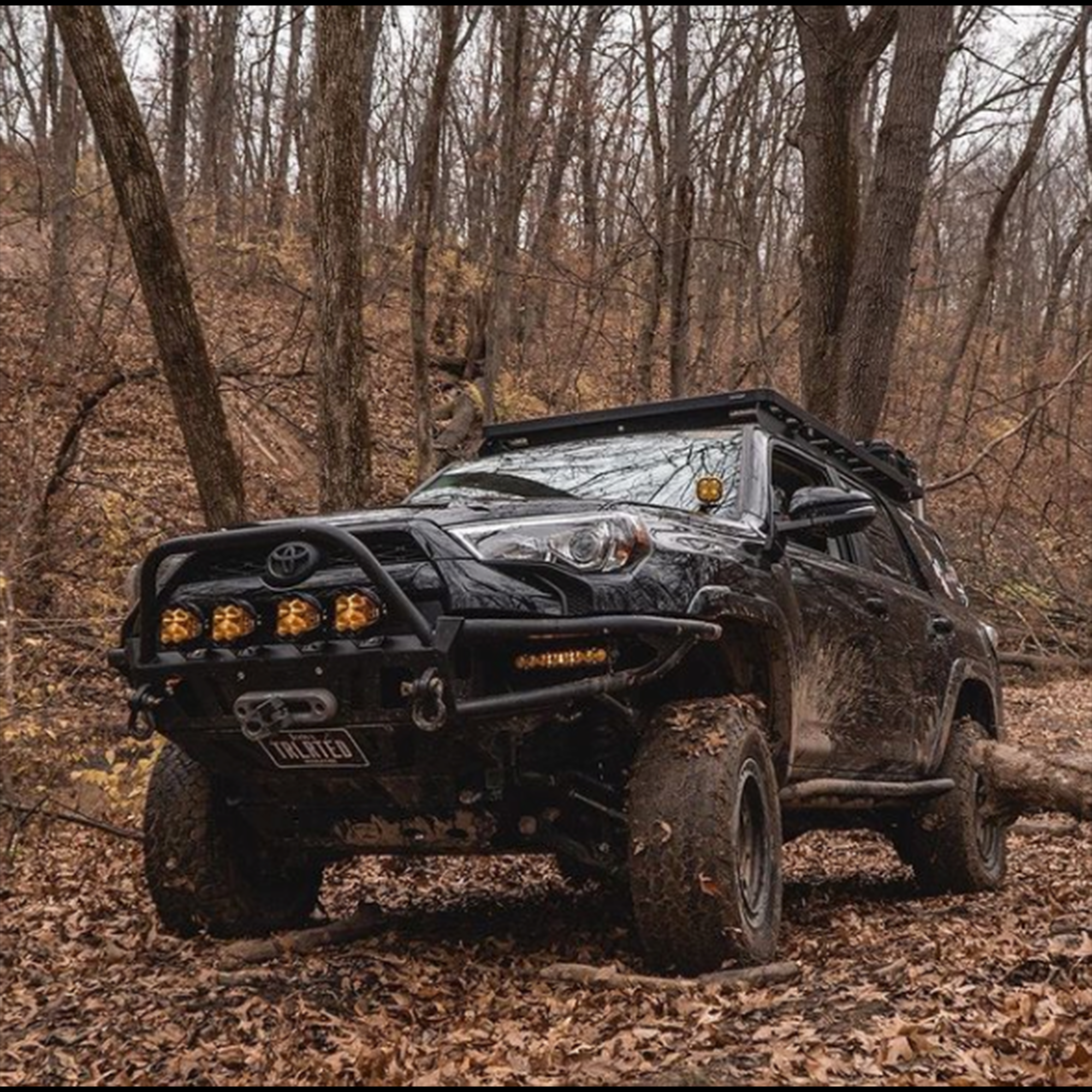
But once you’re out on a trail—especially in conditions where recovery, articulation, and impact come into play—the differences become obvious.
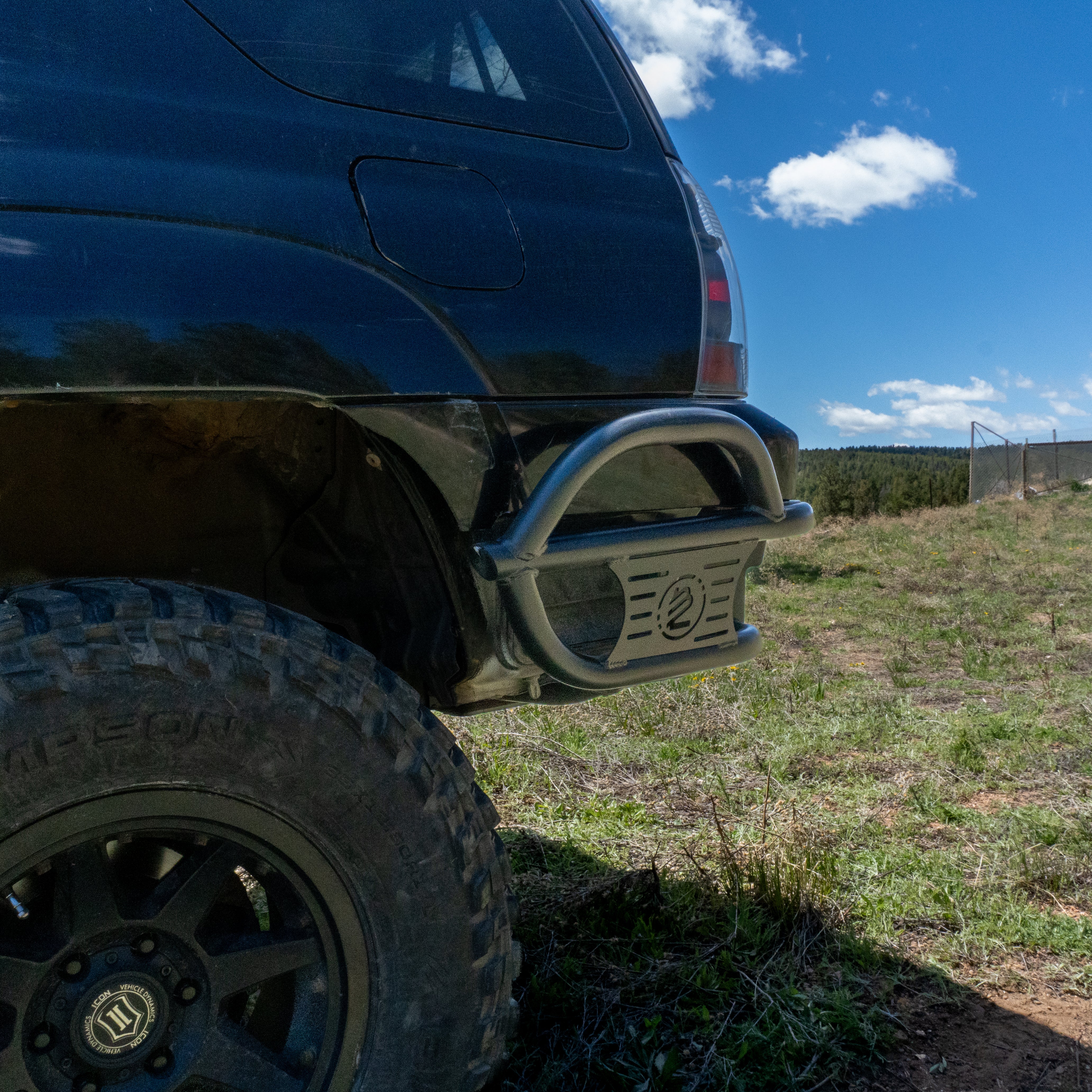
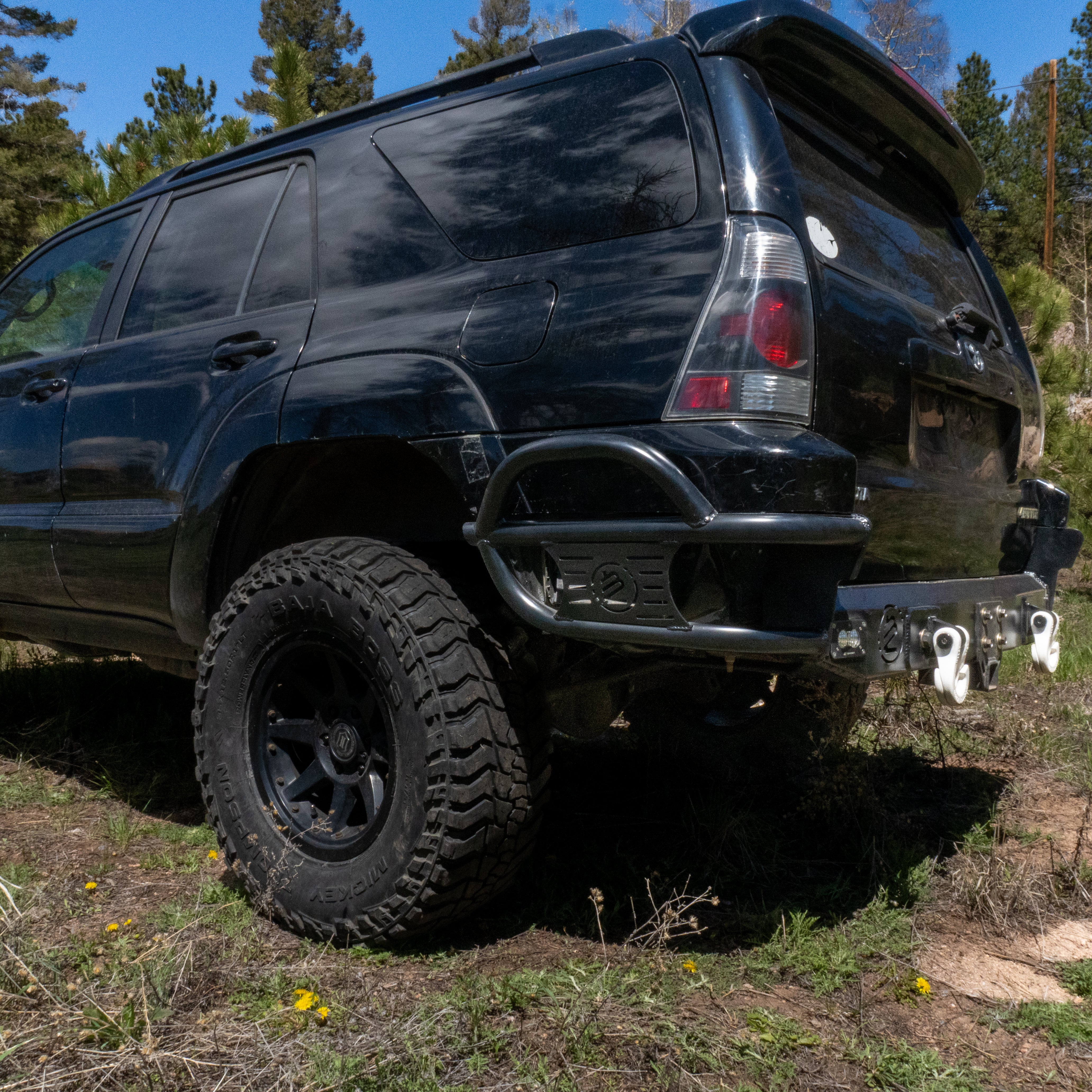
At Lil B’s Custom Fabrication, the distinction comes down to one thing: Was this bumper designed for real trail loads, or just fabricated to look the part?

The Difference Starts With Design Intent
A shop-built bumper often starts with aesthetics:
-
Symmetry
-
Clean lines
-
Tight body fitment
A trail-ready bumper starts with function:
-
Load paths under recovery
-
Frame integration
-
Clearance under compression
-
Accessory stress handling
That difference in intent affects every part of the design.
For example, a bumper designed in a shop might prioritize how it sits against the body panels. A trail-ready bumper considers how it behaves when the front end is fully compressed on a ledge or during a winch pull.
Load Paths: Where the Real Engineering Lives
Most failures don’t happen in the center of the bumper—they happen where forces are transferred.
When you:
-
Winch a stuck Tacoma uphill
-
Recover a GX 470 at an angle
-
Pull a Tundra out of deep snow
The load doesn’t just sit on the bumper—it travels through it.
A trail-ready front bumper is designed so that:
-
Forces move directly into the frame rails
-
Mounting plates distribute stress evenly
-
Recovery points share load across reinforced sections
A shop-built bumper might look strong but still:
-
Concentrate stress on a few bolts
-
Flex at mounting brackets
-
Transfer load unevenly into frame horns
That’s where long-term damage starts.
Mounting Systems: The First Point of Failure
Mounting is one of the biggest differences between cosmetic and trail-ready bumpers.
On Toyota platforms like the 4Runner and Tacoma, the front frame horns require careful load distribution. Poor mounting systems can lead to:
-
Bolt shear under recovery load
-
Frame horn distortion
-
Uneven stress during angled pulls
Trail-ready bumpers account for this by:
-
Extending mounts deeper into the frame
-
Using gusseted brackets
-
Spreading load across multiple contact points
At Lil B’s, mounting systems are treated as part of the structure—not an afterthought.
Recovery Points: Designed for Real Loads
Recovery points are one of the easiest ways to tell if a bumper is truly trail-ready.
Some bumpers include D-ring tabs that are:
-
Welded to the outer shell
-
Not tied into the frame
-
Lacking reinforcement
They may work under light load—but that’s not what off-roading demands.
A proper recovery system should:
-
Tie directly into frame-mounted structure
-
Be gusseted to prevent bending
-
Handle both straight and angled pulls
This matters for every platform—from a lightweight FJ Cruiser to a heavier Tundra running a winch setup.
Material Use: Strategic, Not Excessive
One of the biggest misconceptions in bumper design is that more steel equals more strength.
In reality, strength comes from how steel is used, not how much of it there is.
Trail-ready bumpers use:
-
Reinforcement at stress points
-
Precision bends for structural integrity
-
Gussets where load changes direction
Shop-built bumpers often rely on:
-
Thick flat plates everywhere
-
Extra weight instead of structural design
-
Minimal internal reinforcement
This leads to a key issue: weight without performance.
Weight Placement and Vehicle Dynamics
Front-end weight has a direct impact on how a rig performs—especially on IFS vehicles like:
-
Tacoma
-
4Runner
-
GX Series
Poorly designed bumpers can:
-
Increase nose dive
-
Reduce suspension travel
-
Affect steering response
-
Change approach dynamics under load
Trail-ready bumpers manage weight by:
-
Keeping mass close to the frame
-
Avoiding unnecessary forward extension
-
Integrating accessories without overloading the nose
This allows the vehicle to remain predictable on climbs, descents, and uneven terrain.
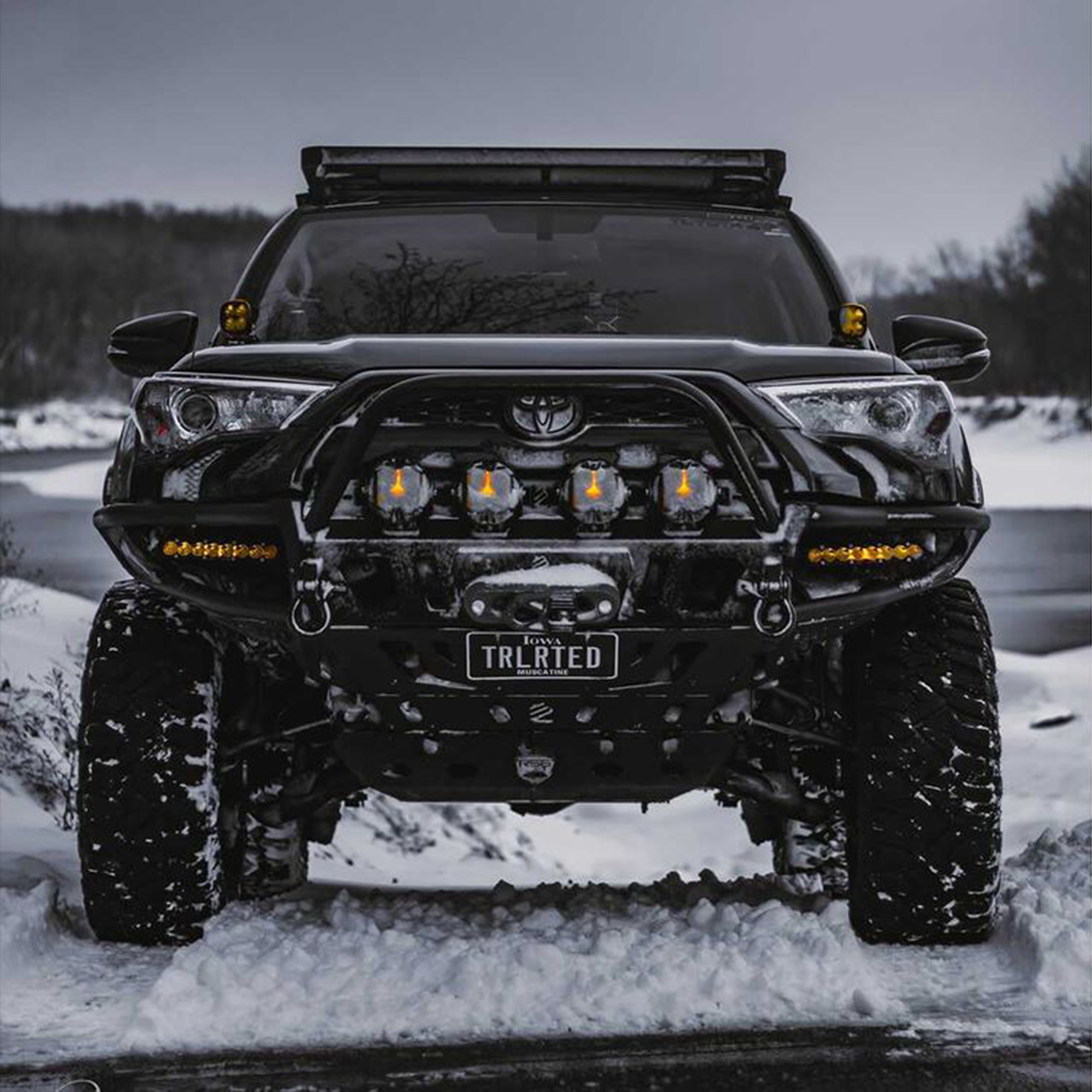
Winch Integration: More Than Just a Mount
Many bumpers advertise winch compatibility, but not all winch mounts are equal.
A winch under load can generate thousands of pounds of force. If the mounting system isn’t reinforced, it can:
-
Flex under tension
-
Shift load unevenly
-
Stress the bumper structure
A trail-ready design integrates the winch into the bumper’s load path, ensuring:
-
Even force distribution
-
Minimal flex
-
Structural stability during recovery
This is especially important for heavier rigs like the Tundra or fully built GX 460 setups.
Real-World Durability vs Shop Finish
A clean powder coat and smooth welds look great—but they don’t tell you how a bumper performs after:
-
Rock impacts
-
Repeated recoveries
-
Mud, snow, and water exposure
Trail-ready bumpers are built with durability in mind:
-
Coatings that resist chipping and corrosion
-
Welds designed for strength, not just appearance
-
Structural components that hold up over time
At Lil B’s, durability is tested on real trails—not just in controlled environments.
Signs a Bumper Is Actually Trail-Ready
If you’re evaluating a front bumper for your Tacoma, 4Runner, Tundra, GX Series, or FJ Cruiser, look beyond appearance.
Key indicators include:
-
Frame-integrated recovery points
-
Reinforced, gusseted mounting systems
-
Balanced weight and placement
-
Winch mounts tied into structural load paths
-
Clearance that works under compression—not just at rest
These are the features that separate trail-ready designs from cosmetic builds.
Conclusion: Built for the Trail, Not the Shop Floor
A front bumper is one of the most critical components on an off-road build.
It affects:
-
Recovery safety
-
Vehicle protection
-
Weight distribution
-
Trail performance
The difference between a shop-built bumper and a trail-ready one comes down to engineering, testing, and real-world use.
At Lil B’s Custom Fabrication, every bumper is built with the understanding that it won’t just sit in a garage—it will be tested on rocks, mud, snow, and steep terrain.
Because when you’re on the trail, performance isn’t theoretical.
It’s immediate.

Share:
How Front Bumper Design Affects Cooling, Airflow, and Engine Performance
Why Most Front Bumper Failures Start at the Mounting Points