


There are over 2,300 Class VI roads in the state of New Hampshire. They are public. They are legal to drive. And most of them do not appear on any commercial GPS or trail app you have ever used.
A Class VI road is a public highway that has not been maintained by the state or its municipality in at least five consecutive years. The road still exists. The right-of-way still exists. But maintenance stopped — which means nature took over. What was once a colonial-era wagon road or a logging route is now a trail shaped by decades of freeze-thaw cycles, storm runoff, fallen timber, and encroaching forest.
Some Class VI roads are simple dirt tracks through farmland. Others are nearly impassable technical challenges through the White Mountains that will test the limits of a built 4x4. You do not know which one you are getting until you are on it. That is what makes them the best-kept off-road secret in the Northeast.
This is a companion piece to our Jericho Mountain post in the Tax Season Trail Sale series at Lil B's Custom Fabrication. If Jericho is the Northeast's purpose-built proving ground, Class VI roads are the wild, uncontrolled version — spread across the entire state, free to access, and completely unmanaged.

How Class VI Roads Work
In 1925, New Hampshire classified all non-maintained public highways as Class VI. The definition has held since: if a public road goes five consecutive years without maintenance from the town or state, it becomes Class VI. The road remains a public right-of-way, which means you can legally drive it. But there is no upkeep, no grading, no gravel, no drainage management, and no guarantee of passability.
That is not a loophole. It is the system working as designed. These roads provide access to forest land, agricultural land, and remote areas that towns no longer have the budget or need to maintain. The public retains the right to use them. The condition of the road is entirely at your own risk.
What that means in practice:
The road surface can be anything from packed dirt to embedded granite boulders to standing water. Washouts from storm runoff can remove entire sections of roadbed. Rock slides deposit new obstacles between visits. Fallen trees block the route with no crew coming to clear them. Beaver dams redirect water flow and create new crossings that did not exist last season. Deep mud bogs form in low-lying sections, especially during spring thaw and after heavy rain.
A Class VI road that was a simple dirt track last fall can be a technical challenge this spring. Conditions change constantly, and there is no trail report, no park ranger, and no maintenance crew. You scout it yourself or you take it as it comes.
What the Terrain Actually Looks Like
New Hampshire's geology creates a specific kind of off-road challenge. The bedrock is primarily granite and schist — hard, angular rock that fractures rather than erodes. When a Class VI road degrades, it does not smooth out into soft ruts. It breaks apart into sharp-edged rock gardens, exposed ledge, and uneven surfaces that punish tires and underbody components.
Across the state, Class VI roads present a range of conditions:
Southern NH (Milford, Pembroke, Barrington area): Generally moderate. Packed dirt with rock sections, mud bogs, and occasional water crossings. Many are accessible to stock 4WD with decent ground clearance and all-terrain tires. Good for newer off-roaders building experience.
Central NH (Bridgewater, Cardigan Mountain State Forest, Lakes Region): More varied. Class VI roads like the Berry Hill to Old Country Road loop in Bridgewater start at a historic town house from 1806 and climb through increasingly technical terrain. Cardigan Mountain trails offer boulders, washouts, deep ruts, and fallen trees depending on recent weather. Difficulty ranges from 1/10 to 6/10 depending on the specific trail.
White Mountains / Northern NH: This is where it gets serious. Cherry Mountain Road climbs to an alpine lake with views of Mount Deception and dispersed camping deep in the White Mountain National Forest. Roads in this region deal with higher elevations, heavier snowfall, more aggressive freeze-thaw cycles, and longer periods without any human traffic. Rock ledges, deep water crossings, and completely deteriorated road surfaces are common.
One single Class VI road can offer river crossings, large rock gardens, deep mud holes, and steep hill climbs and descents. The difficulty is not uniform — it changes section by section, and it changes season by season.
Why This Matters for Your Rig
Class VI roads are not a controlled environment. There is no trail rating system painted on a sign at the entrance. There is no bypass around the hard section. There is no cell service in most of the areas where the best roads are located. And there is no one coming to help if you break something.
That last point is what separates Class VI road exploration from park wheeling. At Rausch Creek or AOAA, you are within range of other vehicles, staff, and eventually a tow truck. On a Class VI road in northern New Hampshire, you might be the only vehicle on that road that week.
Here is what that means for your equipment:
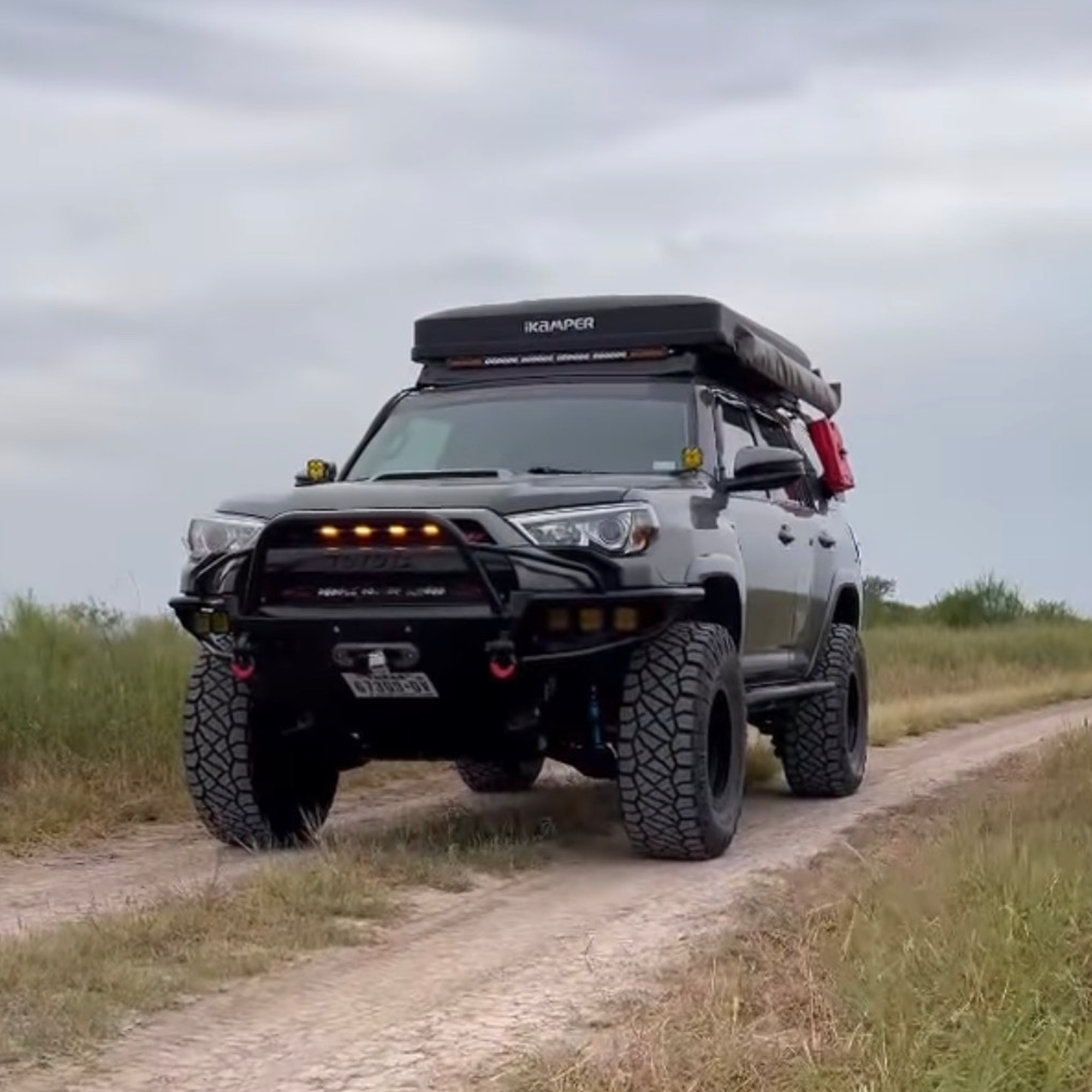
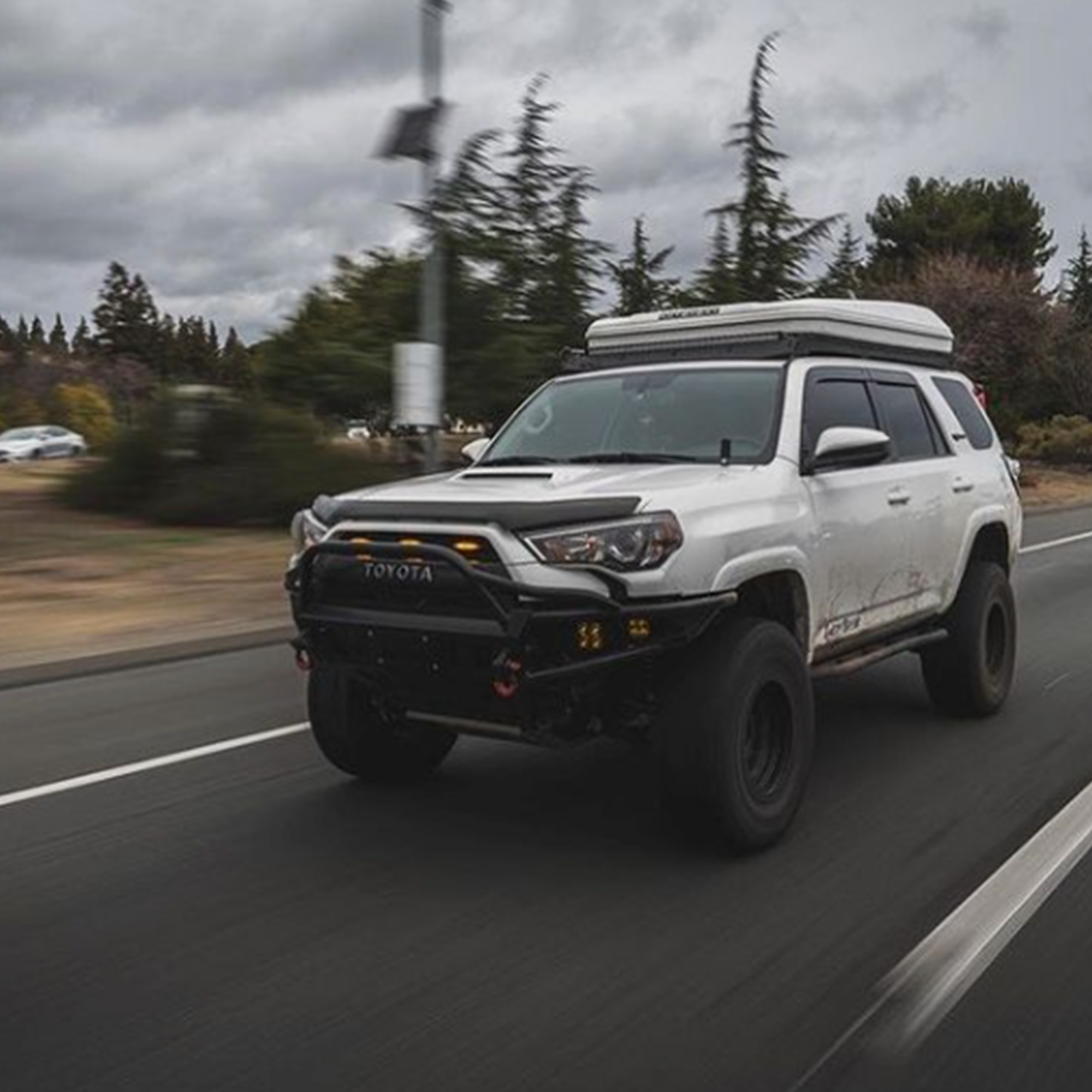
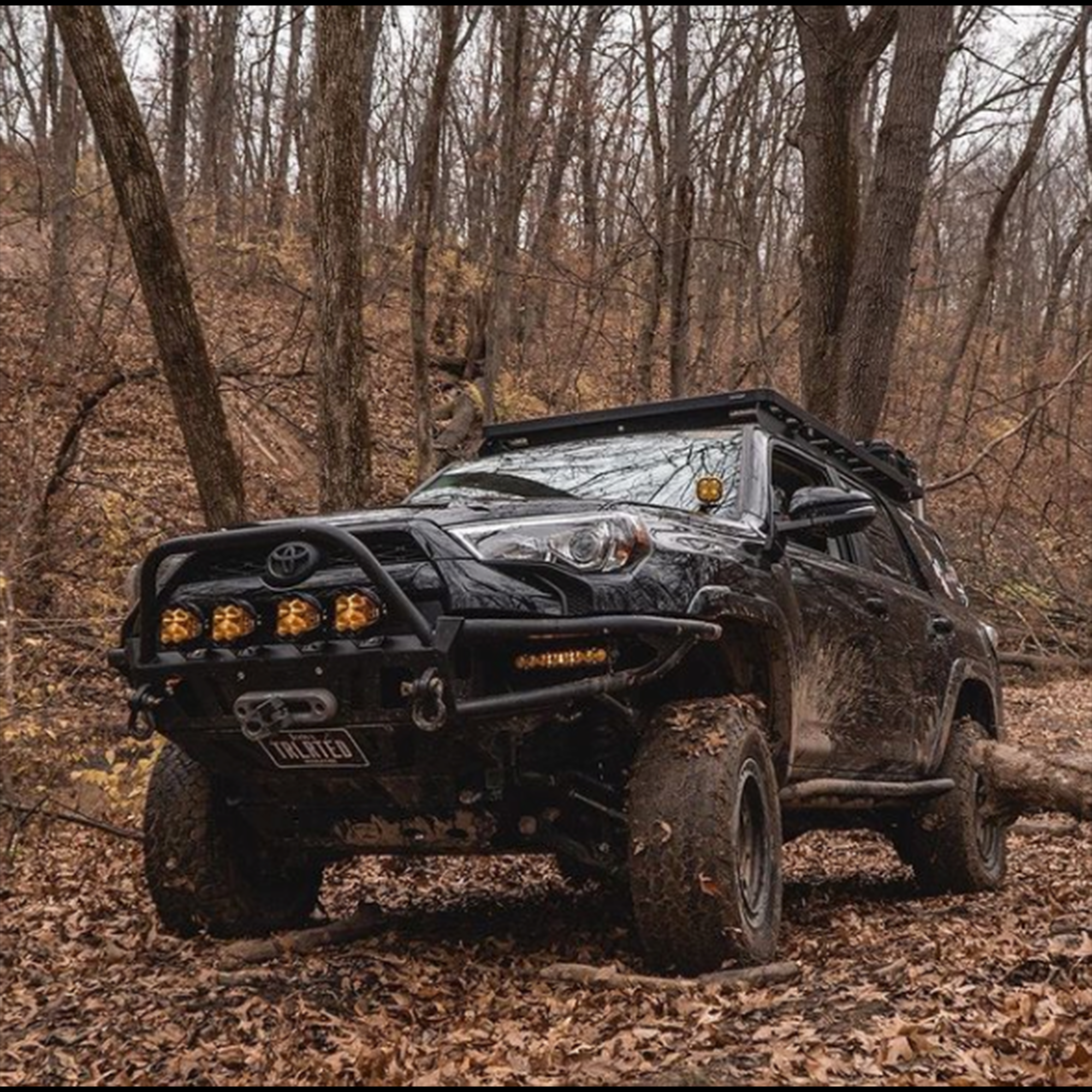
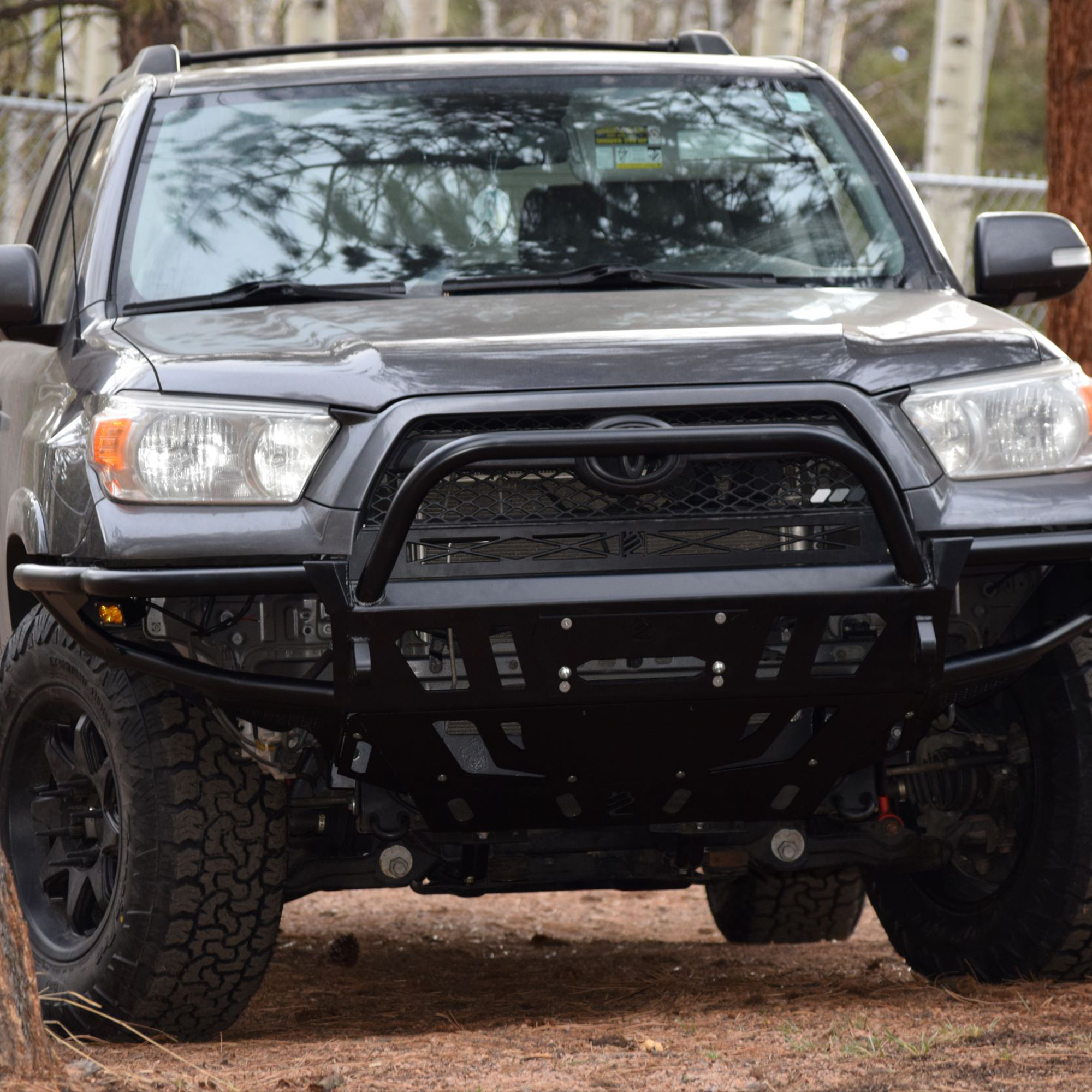
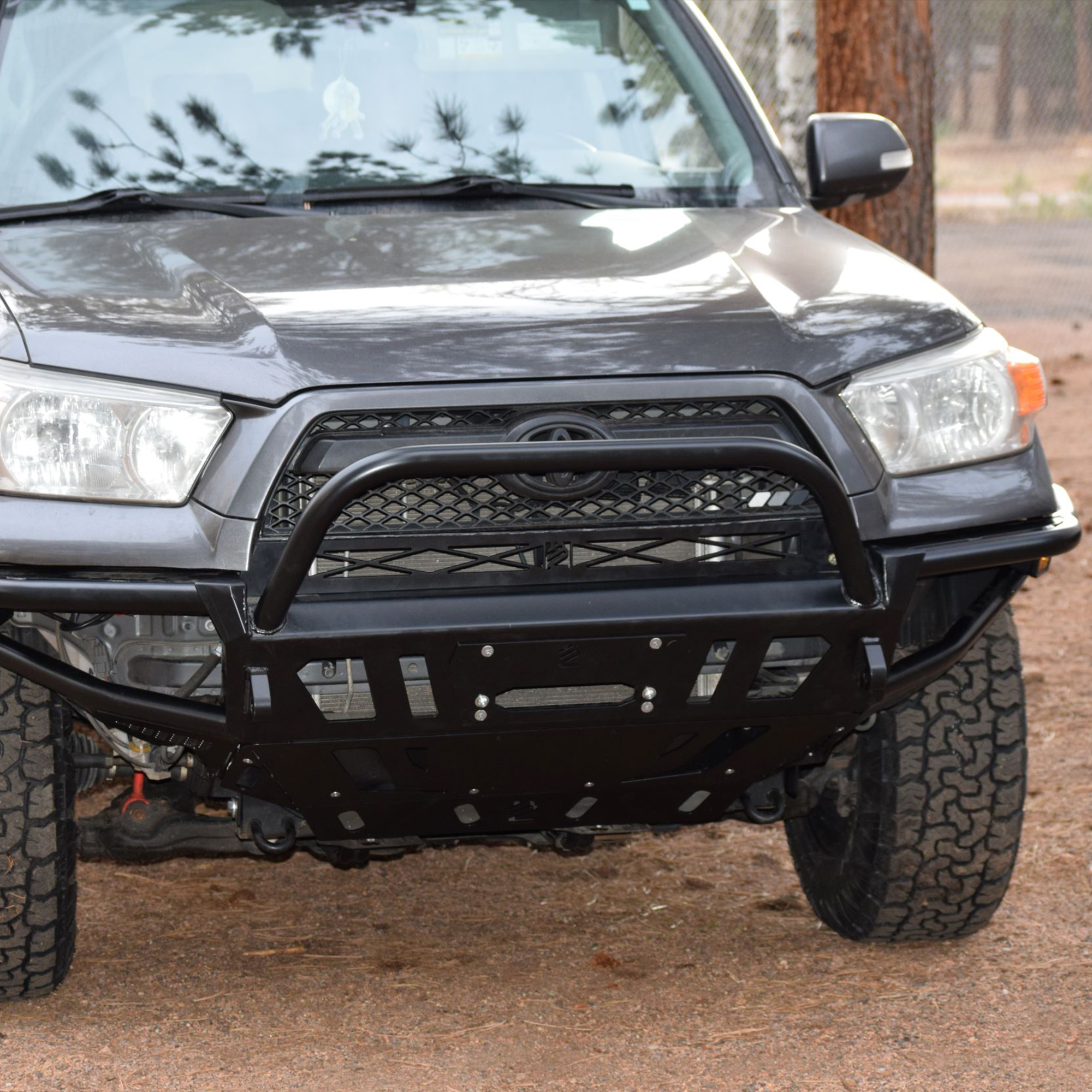
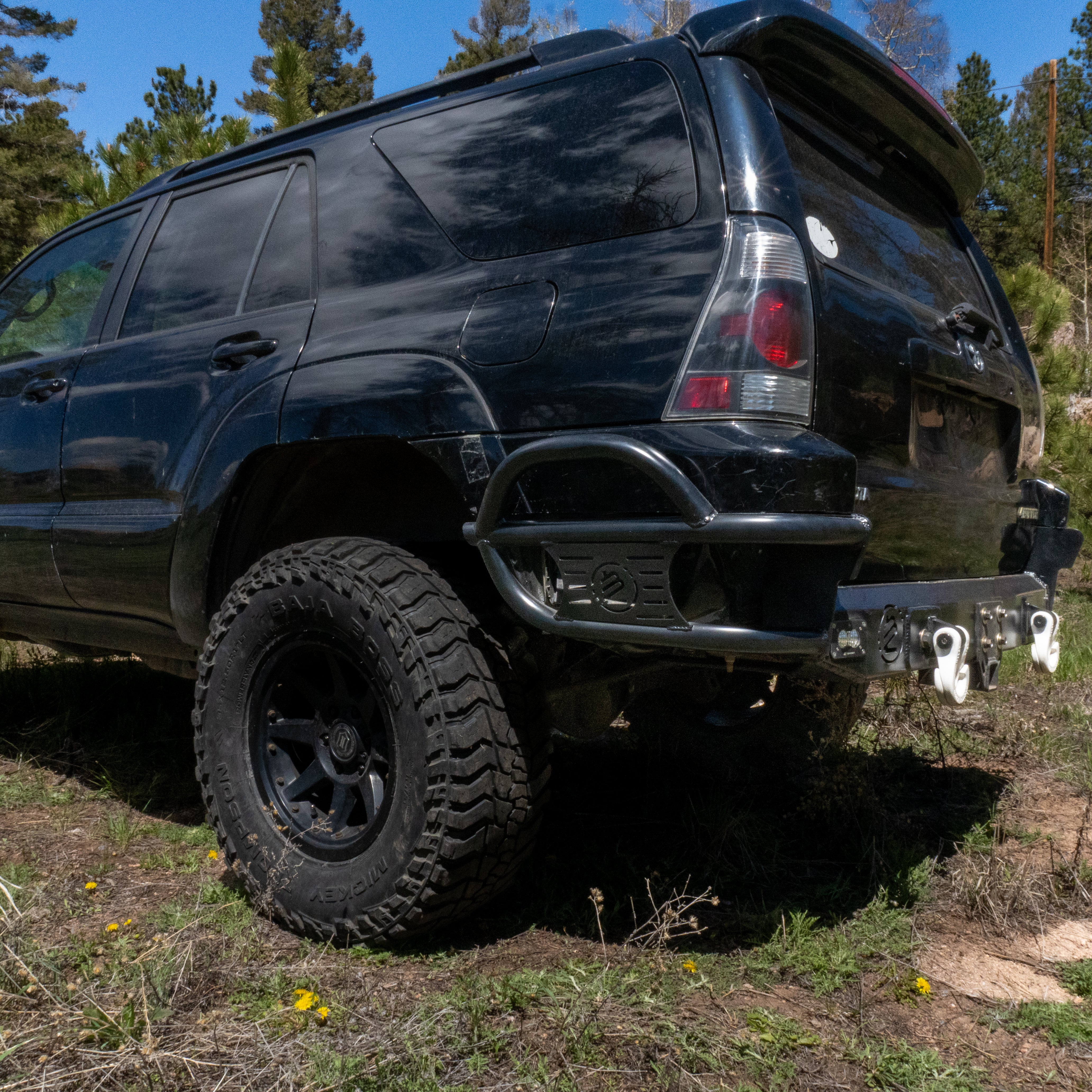
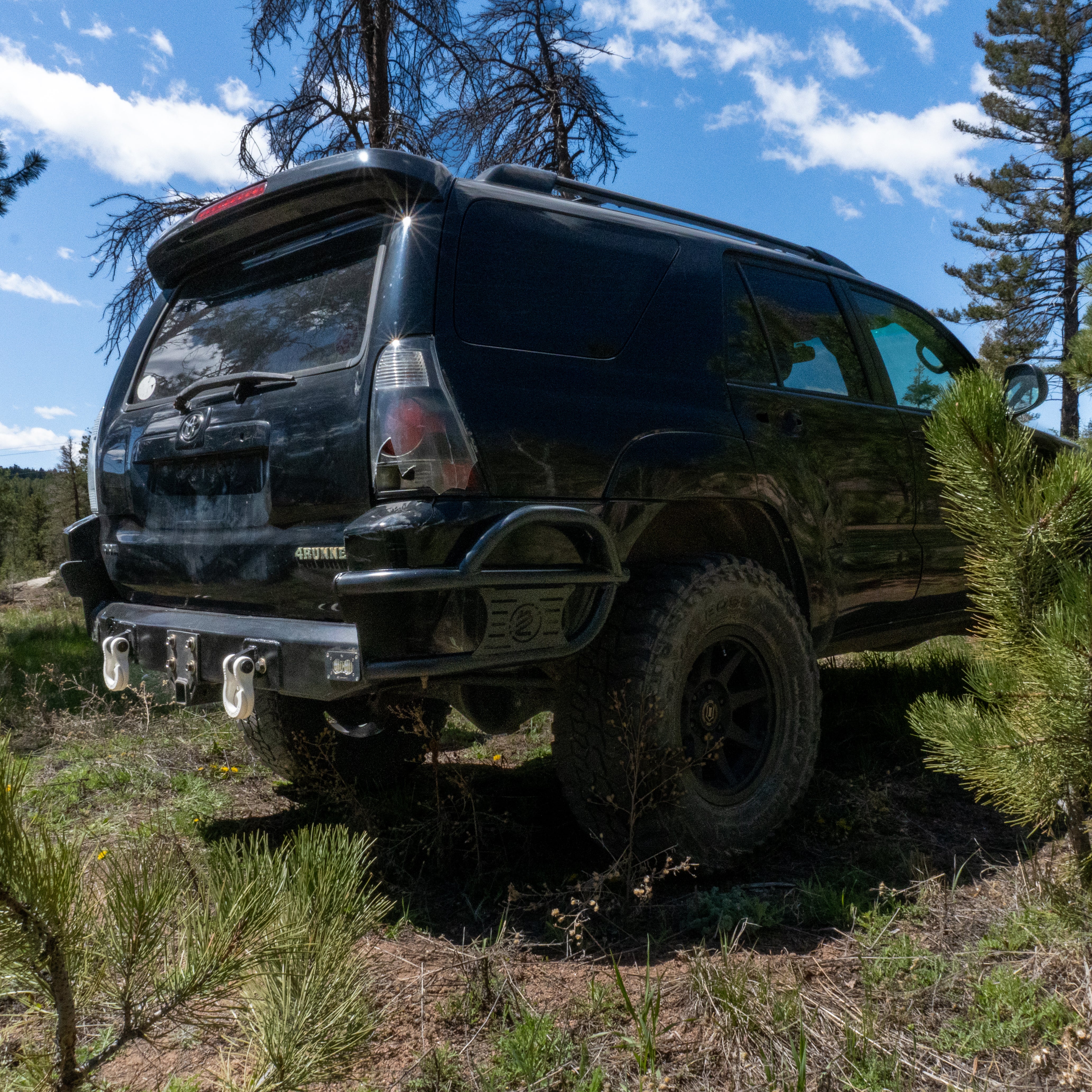
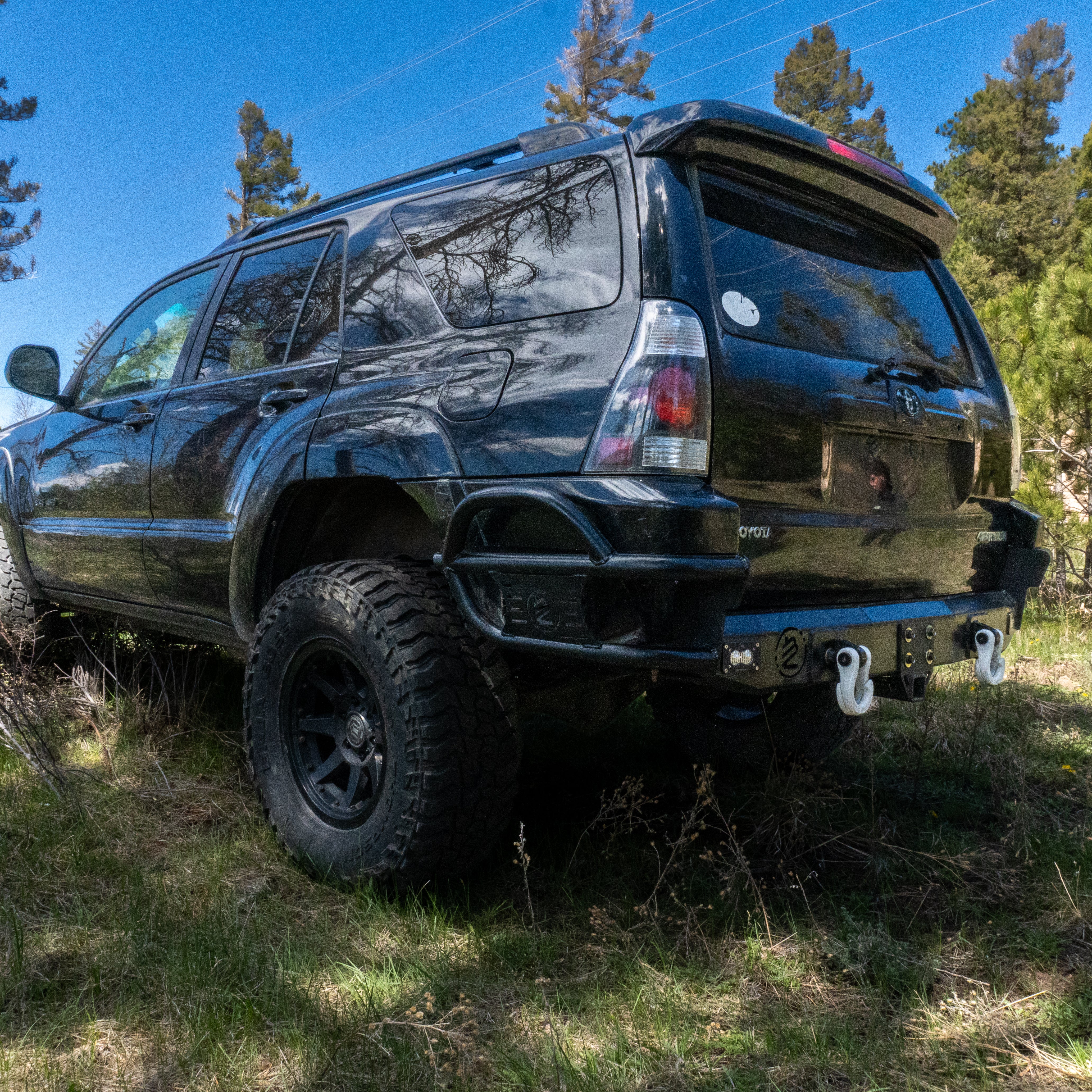
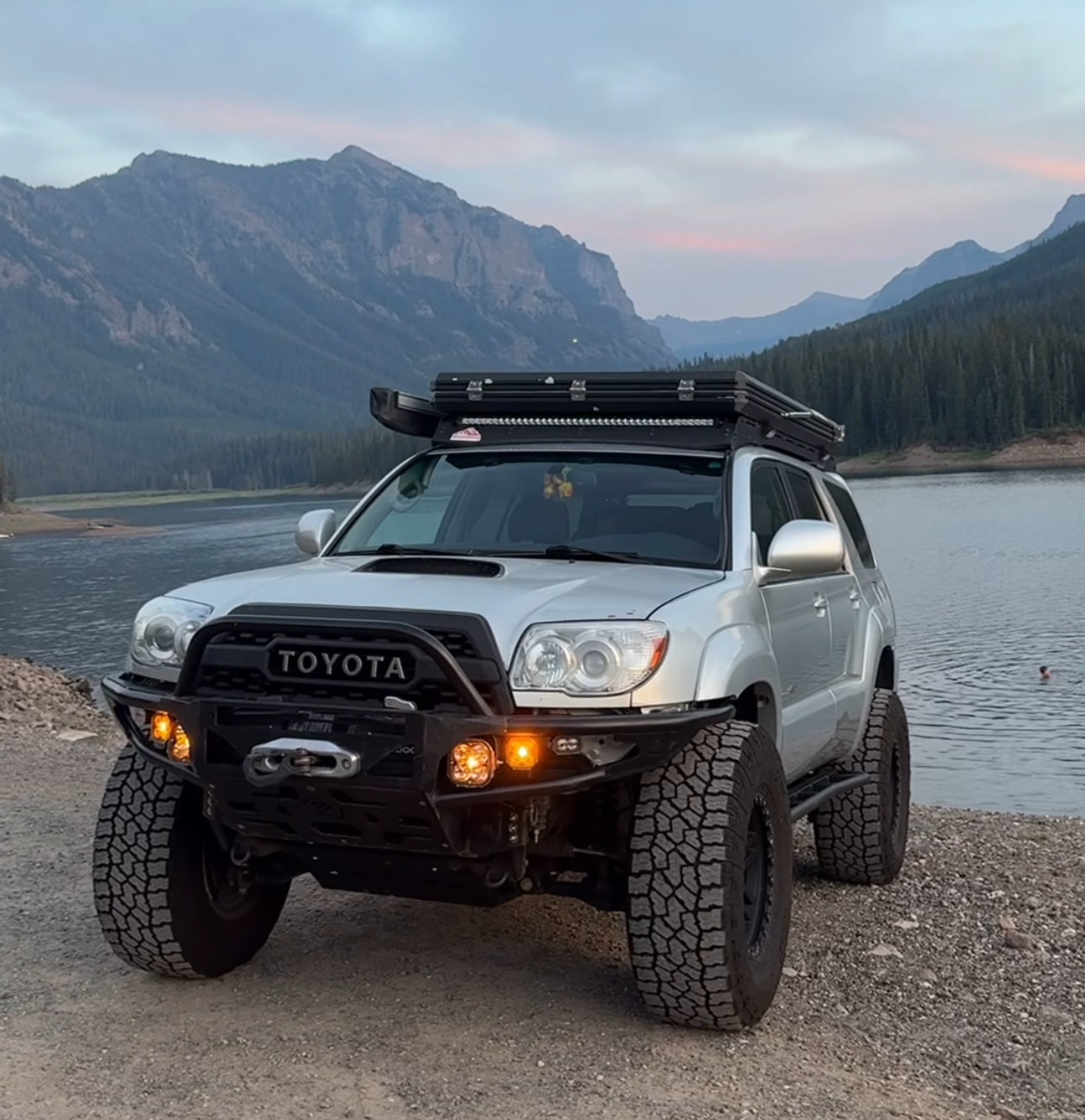
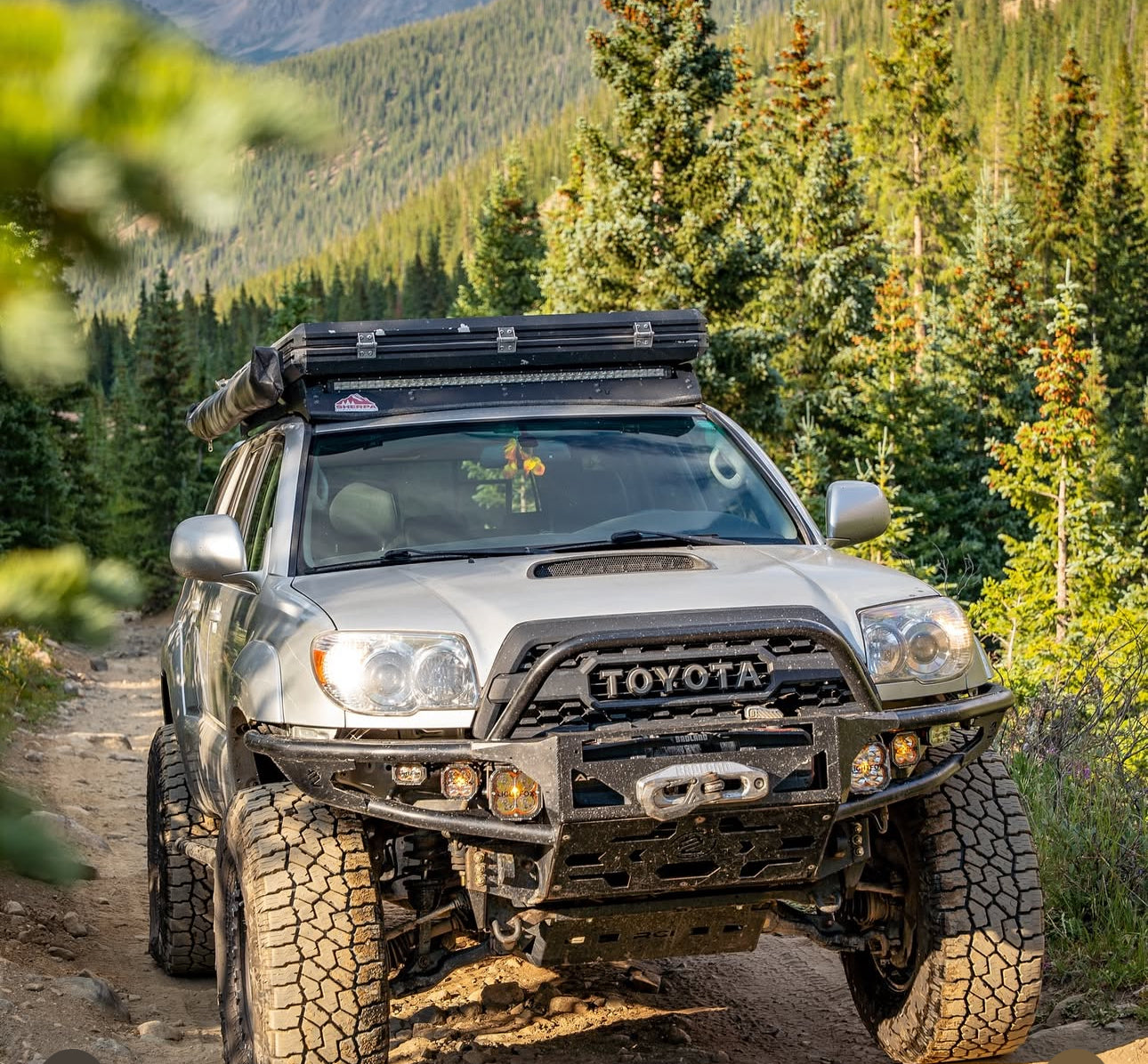
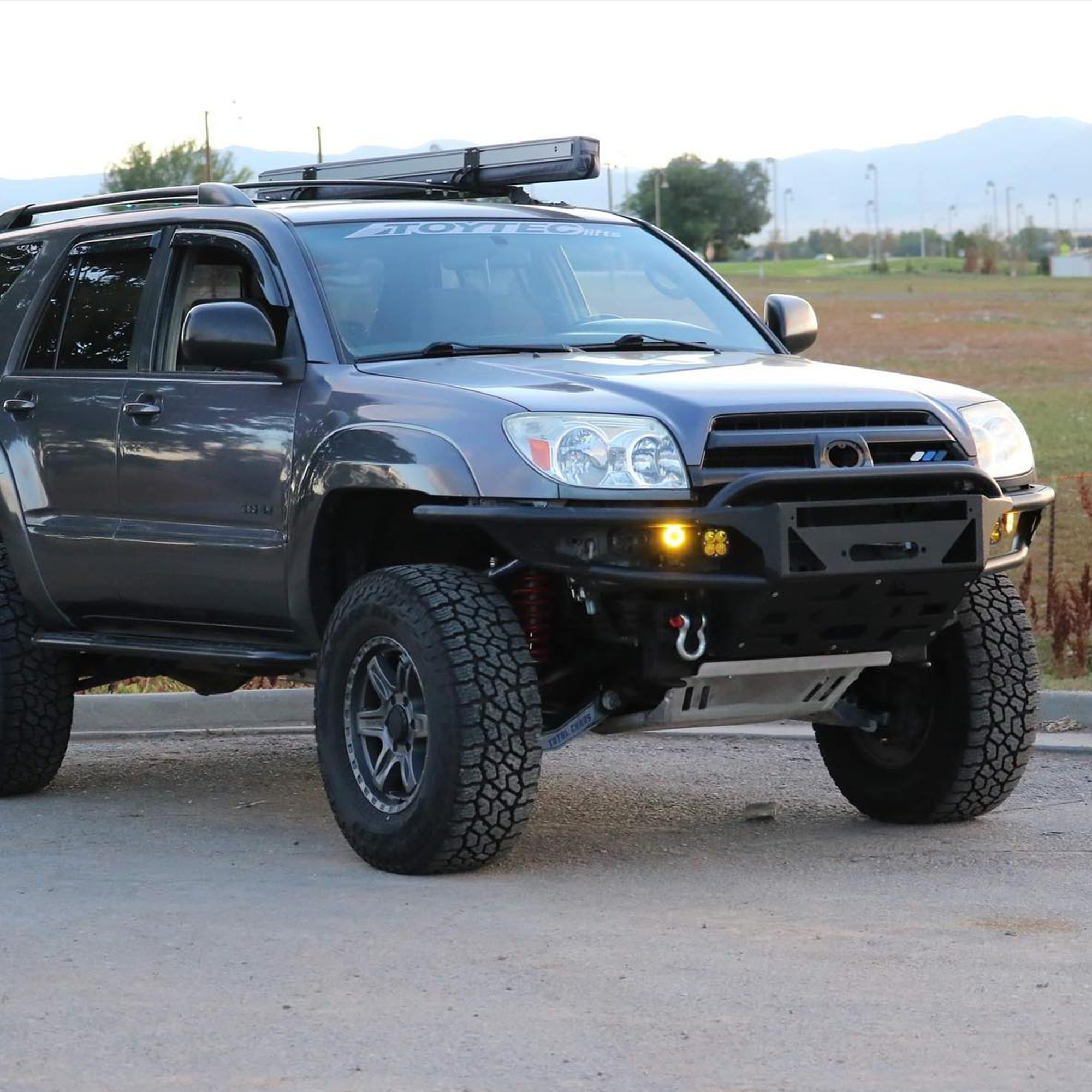
A front bumper with recovery points is mandatory, not recommended. When you get stuck on a Class VI road — not if — your recovery options are limited to what you brought with you and whoever you brought with you. Rated recovery points on a purpose-built bumper are the foundation of every extraction. A winch mount expands your options to self-recovery when there is no one behind you on the trail.
Skid plates protect against the unknown. On a maintained trail in a park, you can see what is coming. On a Class VI road, a water crossing might have a submerged rock that was not there last month. A section that looks like smooth dirt might have embedded granite just below the surface. Underbody protection for your oil pan, transfer case, steering, and fuel tank is what lets you commit to a line when you cannot see the bottom.
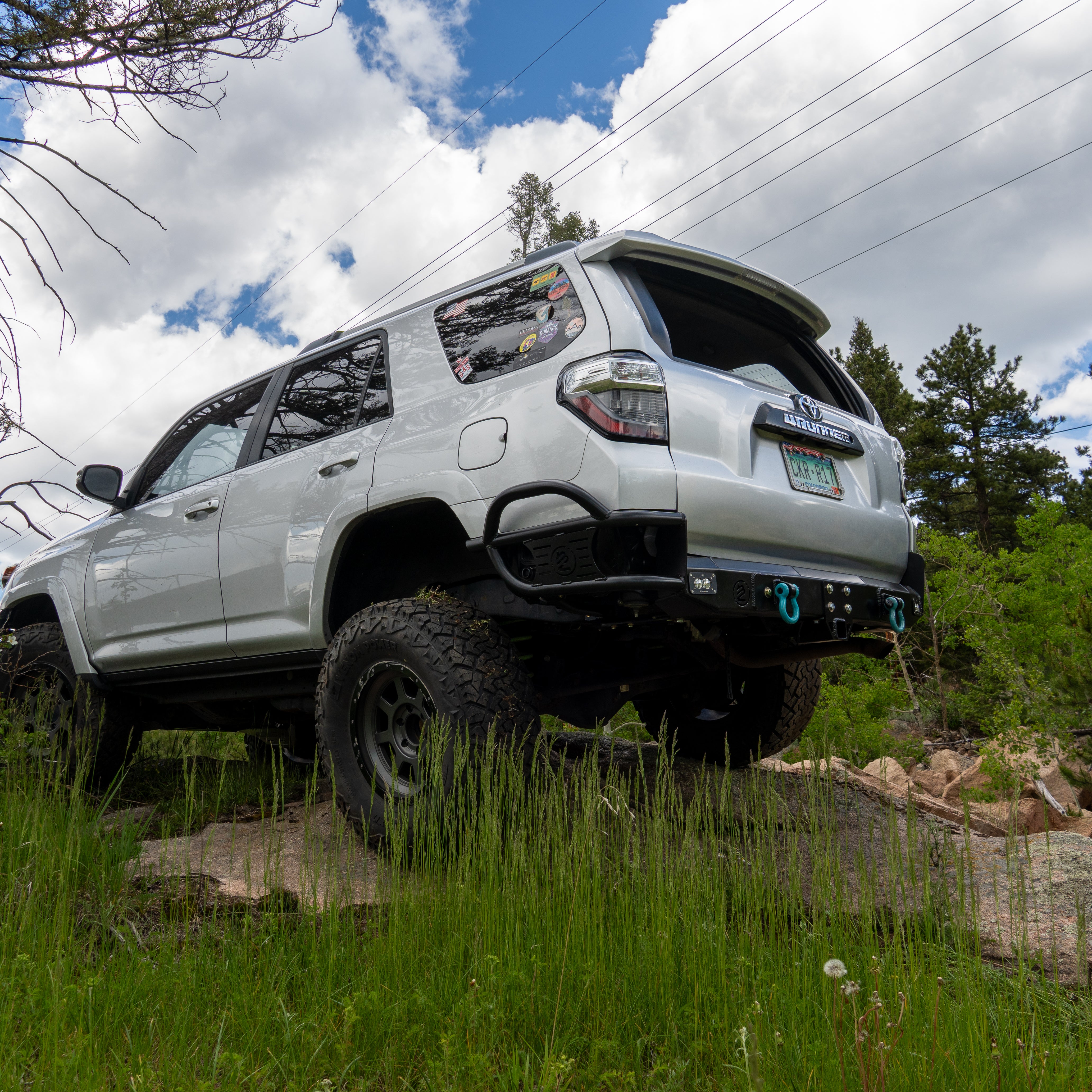
Approach angle determines access. Many Class VI roads transition from easy dirt track to technical rock without warning. A stock bumper that cleared the first mile might not clear the ledge at mile two. A higher-clearance aftermarket bumper keeps your front end above obstacles that stock geometry cannot handle.
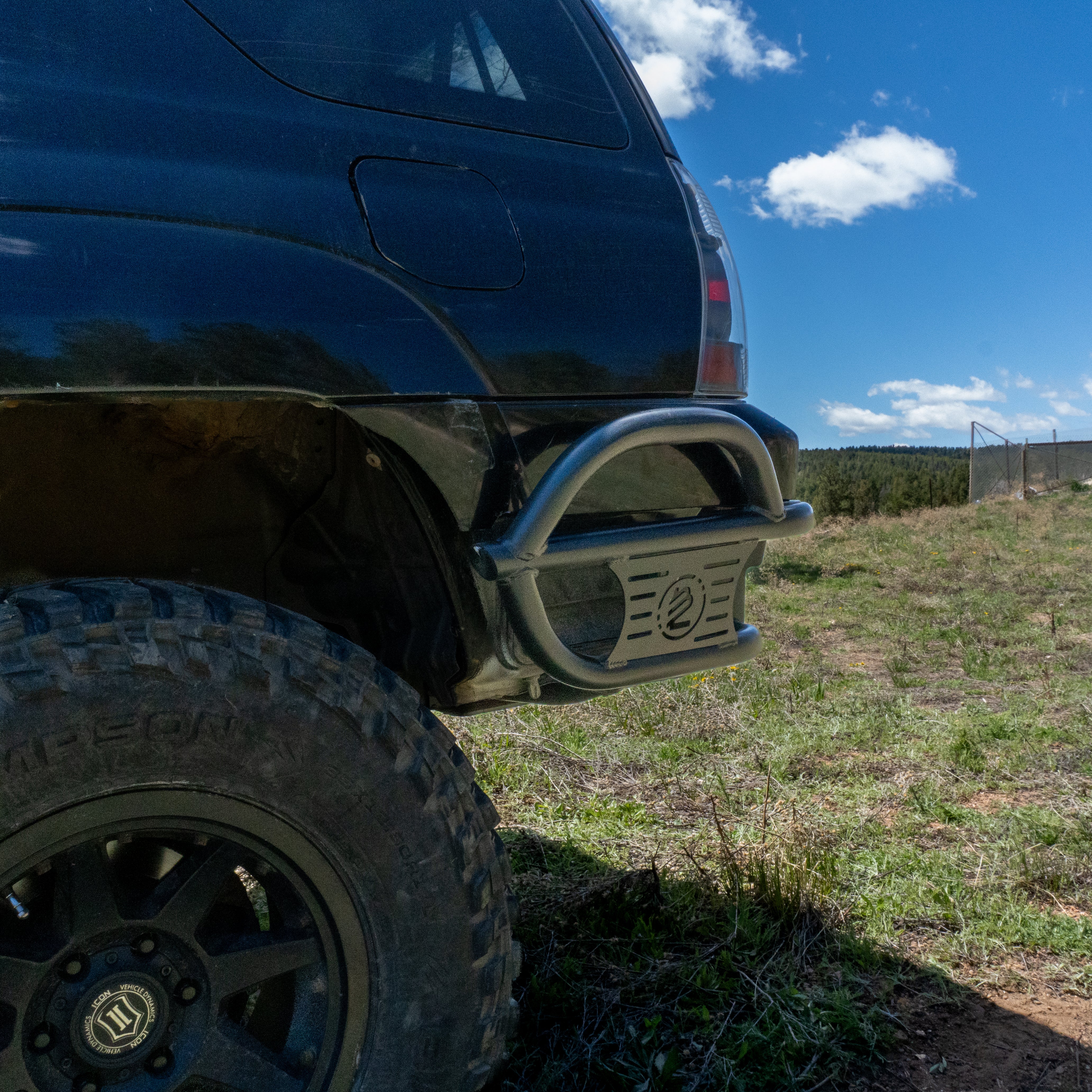
Rocker panel and door sill protection matters on narrow roads. Class VI roads are often one vehicle wide with tight tree lines on both sides. Branches, saplings, and rock outcroppings along the edges will scrape, scratch, and dent anything that is exposed. Rock sliders protect the most vulnerable panels on your vehicle.
How to Find and Navigate Class VI Roads
Class VI roads are not well-documented on commercial platforms. Here is how people actually find and plan routes:
ExploringNH (exploringnh.com): The definitive resource. Their MappingNH project is the most comprehensive Class VI road map available outside of the state DOT database. Roads are color-coded by difficulty (green for stock-friendly, brown for moderate, red for hard, black for closed) with scouting reports that include photos, obstacle descriptions, and condition updates. Membership requires completion of a Tread Lightly course and community participation.
onX Offroad App: Shows many Class VI roads and White Mountain National Forest roads with difficulty ratings. Downloadable offline maps are essential since cell service is unreliable in most areas where Class VI roads are located.
DeLorme / Garmin Gazetteer (NH edition): The paper atlas shows unmaintained roads as parallel dotted lines. Cross-reference with town maps to verify Class VI classification.
Town maps: Every NH town maintains maps showing road classifications. These are available as smart PDFs and are the legal source of truth for which roads are Class VI. Available through VTrans mapping archives.
Local clubs and groups: The Northeast Association of 4WD Clubs (nea4wd.org), ExploringNH forums, and regional Facebook groups are where route information and current conditions are shared. Connecting with experienced local wheelers before your first Class VI road trip is strongly recommended.
Important rules and etiquette:
Many towns impose mud season closures on Class VI roads, typically through June 1st. Driving during mud season damages road surfaces and can result in the road being permanently closed. Check local postings before heading out.
Stay on the road. Class VI roads pass through private property on both sides. The right-of-way is the road itself — not the surrounding land.
Travel with at least one other vehicle. Recovery options on remote Class VI roads are limited, and cell service is unreliable.
Pack out everything. Leave no trace. The off-road community's continued access to these roads depends on responsible use.
Specific Roads Worth Exploring
MileSlip — Milford, NH: A well-known Class VI road in a quiet town near Nashua. Rocks, deep puddles, bogs, and pleasant views. About a 5/10 difficulty with one more technical section. Stock Tacomas and Jeeps have navigated it with patience. Great for a day trip.
Berry Hill to Old Country Road Loop — Bridgewater, NH: Starts and ends at the historic Bridgewater Town House (1806). A scenic loop on Class VI roads that climbs through varied terrain. A good introduction to the central NH Class VI experience.
Cardigan Mountain State Forest — Orange/Alexandria, NH: Multiple Class VI roads and forest trails with boulders, washouts, deep ruts, and fallen trees. Difficulty varies widely by specific trail and recent weather. Some sections are stock-friendly; others require a lift, skid plates, and recovery gear.
Cherry Mountain — White Mountain National Forest: Climbs to an alpine lake with views of Mount Deception. Dispersed camping along the route. A beautiful through-road that combines scenic overlanding with moderate technical terrain.
Sandwich Notch Road — Thornton to Sandwich, NH: A well-maintained dirt forest road first established in 1801. More of a scenic byway than a technical challenge, but an iconic New Hampshire back road that connects to more adventurous routes in the area.
Cobble Hill Road Trail — Southern NH: Starts at the end of Cobble Hill Road on wet, uneven, rocky terrain with large rocks to climb over and loose gravel. A short but engaging Class VI experience.
Trip Planning Basics
Season: Most Class VI roads are accessible from June through October. Spring conditions (mud season) can make roads impassable and cause permanent damage — respect town closure dates. Fall foliage season (September-October) is peak time for scenic value and typically offers the driest, most stable trail conditions.
Cost: Free. No permits, no fees, no gates. Class VI roads are public rights-of-way.
Cell service: Unreliable to nonexistent in most areas. Download offline maps before you leave. Carry a paper map or Gazetteer as backup.
Camping: Dispersed camping is available in the White Mountain National Forest along many forest roads. Elsewhere, camping depends on the specific area — some Class VI roads connect to state forest campgrounds or private campgrounds. Always verify that you are camping on public land.
Vehicle requirements: Varies enormously by road. Some Class VI roads are stock-friendly. Others require a lift, 33-inch or larger tires, skid plates, a front bumper with recovery points, and a winch. The only way to know is to research the specific road before you go.
Tax Season Trail Sale
New Hampshire's Class VI roads are the most accessible off-road network in the Northeast — and most people do not even know they exist. Over 2,300 roads spread across the entire state, free to drive, waiting to be explored.
But accessible does not mean forgiving. These roads change with every storm, every freeze-thaw cycle, every fallen tree. The conditions are unmanaged, the terrain is real, and help is not coming fast if something goes wrong.
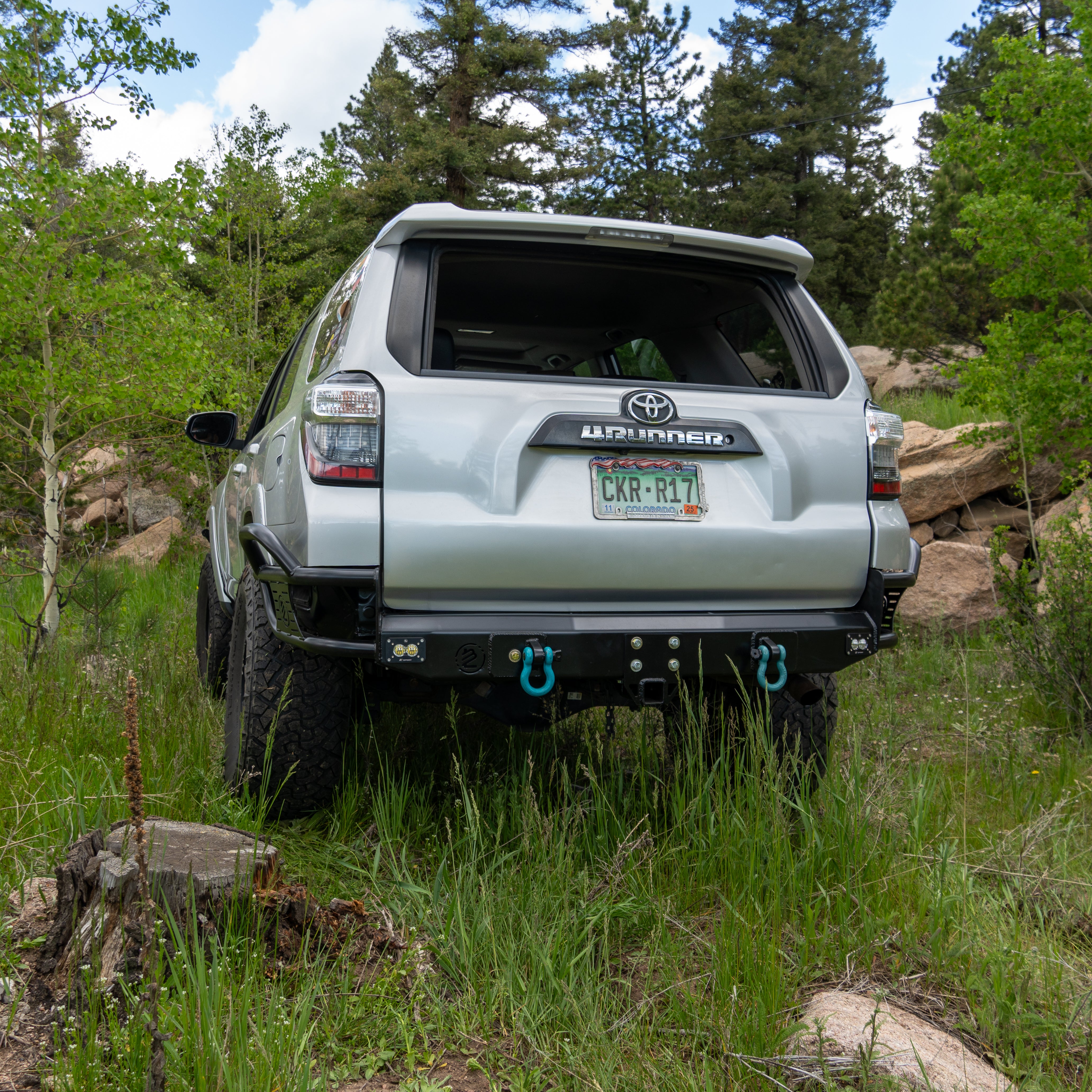
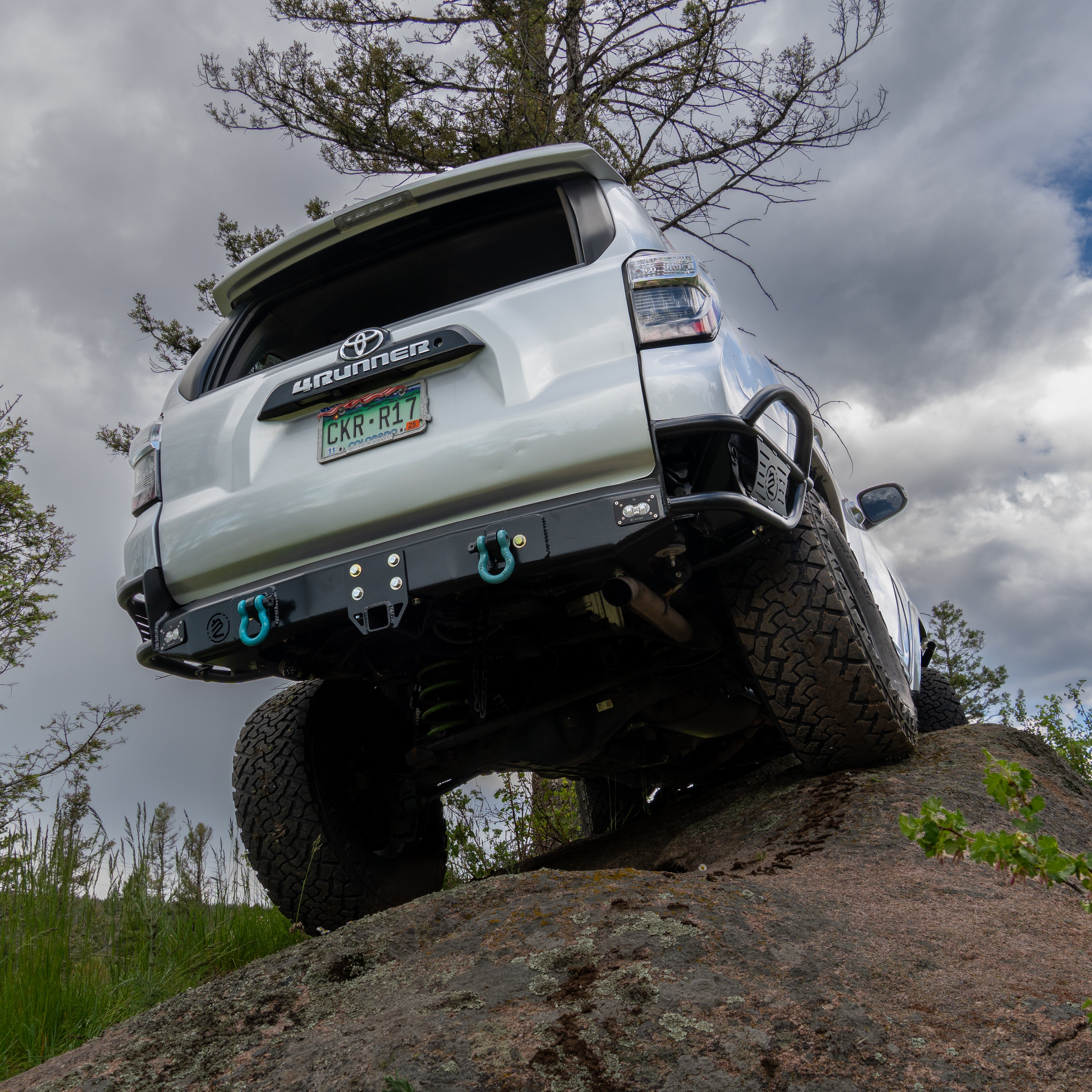
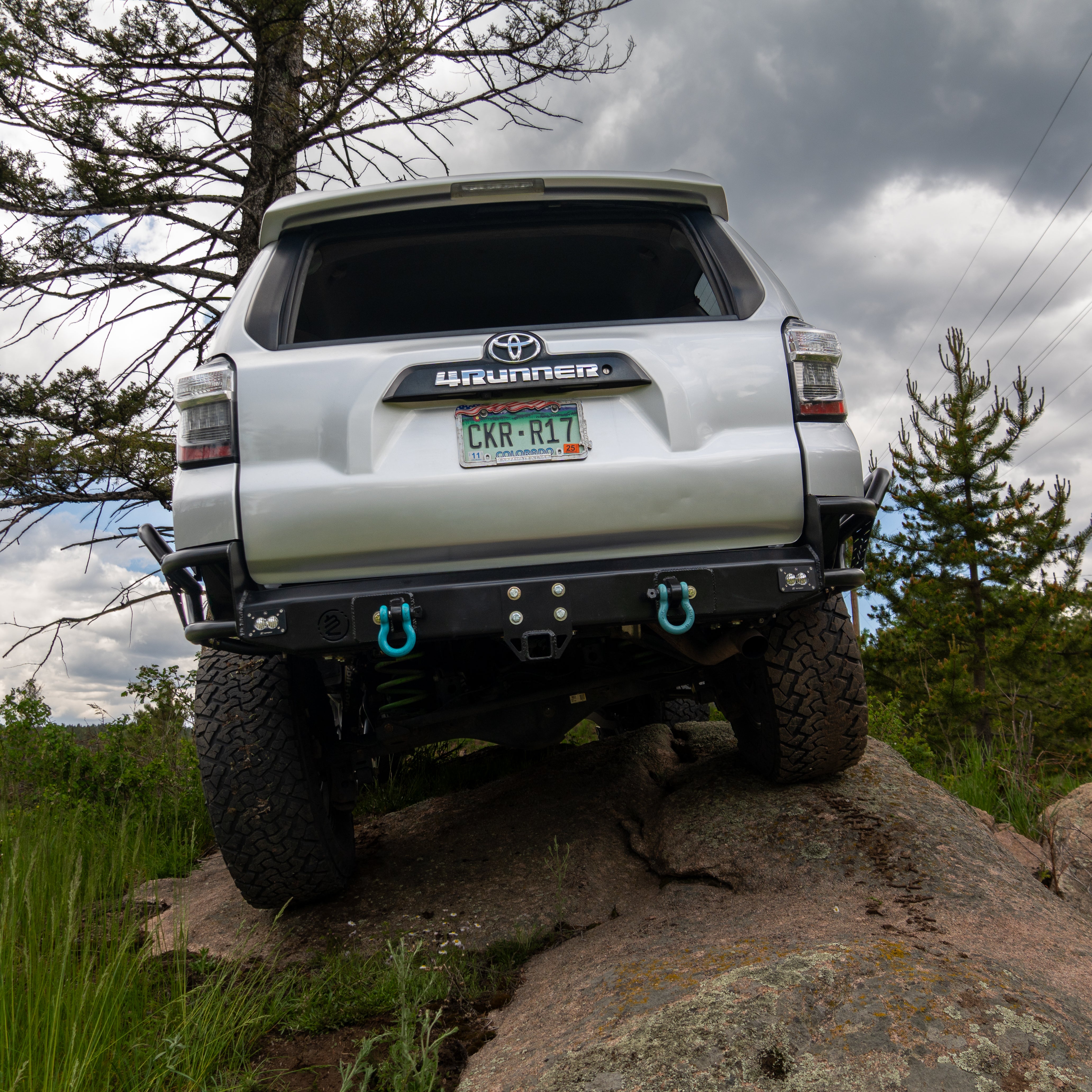
Tax season is when the budget for proper preparation actually exists. The Tax Season Trail Sale at Lil B's is built around that moment. A front bumper with recovery points and a winch mount is the single most important upgrade for Class VI road exploration — it solves the approach angle problem, the protection problem, and the recovery problem in one piece. Skid plates handle everything below the frame. Sliders handle the tight tree lines and narrow road edges.
You have 2,300 roads to explore. Start with the right equipment.
The Series Continues
Colorado, Virginia, Tennessee, New Hampshire — both the state's only public 4x4 trail and its hidden network of Class VI roads. The Tax Season Trail Sale series covers every type of terrain that demands protection for your Toyota or Lexus. More trails ahead.
Explore the full Lil B's lineup at lilbscustomfab.com.








Share:
Jericho Mountain, New Hampshire — The Only Public 4x4 Trail in the Northeast