


One of the most common mistakes in off-road builds is focusing on individual upgrades instead of how everything works together. Bigger tires go on before gearing is addressed. Heavy armor is added without thinking about suspension. Accessories pile up until performance quietly takes a hit.
A good off-road build is not about having the most parts. It is about balance. When armor, weight, and performance are considered together, your rig stays capable, predictable, and enjoyable both on the trail and on the road.

Why Balance Matters More Than Any Single Upgrade
Every modification affects something else. Adding protection improves durability but increases weight. Larger tires improve clearance but change steering feel and braking. Ignoring those tradeoffs leads to a rig that feels sluggish or unpredictable.
A balanced setup helps:
-
Maintain drivability on pavement
-
Reduce unnecessary wear on suspension and steering
-
Improve control on technical terrain
-
Keep recovery situations safer and easier
Balance is what separates a trail-ready build from one that feels unfinished.
Understanding Where Weight Really Comes From
Weight adds up faster than most people expect. Armor, winches, racks, sliders, skids, and gear all stack onto the vehicle’s original design limits.
Common sources of added weight include:
-
Front and rear bumpers
-
Winch and recovery gear
-
Roof-mounted accessories
-
Full skid plate systems
-
Overland storage setups
Knowing where weight is added allows you to plan upgrades in the right order instead of compensating later.
Armor Should Protect Without Holding You Back
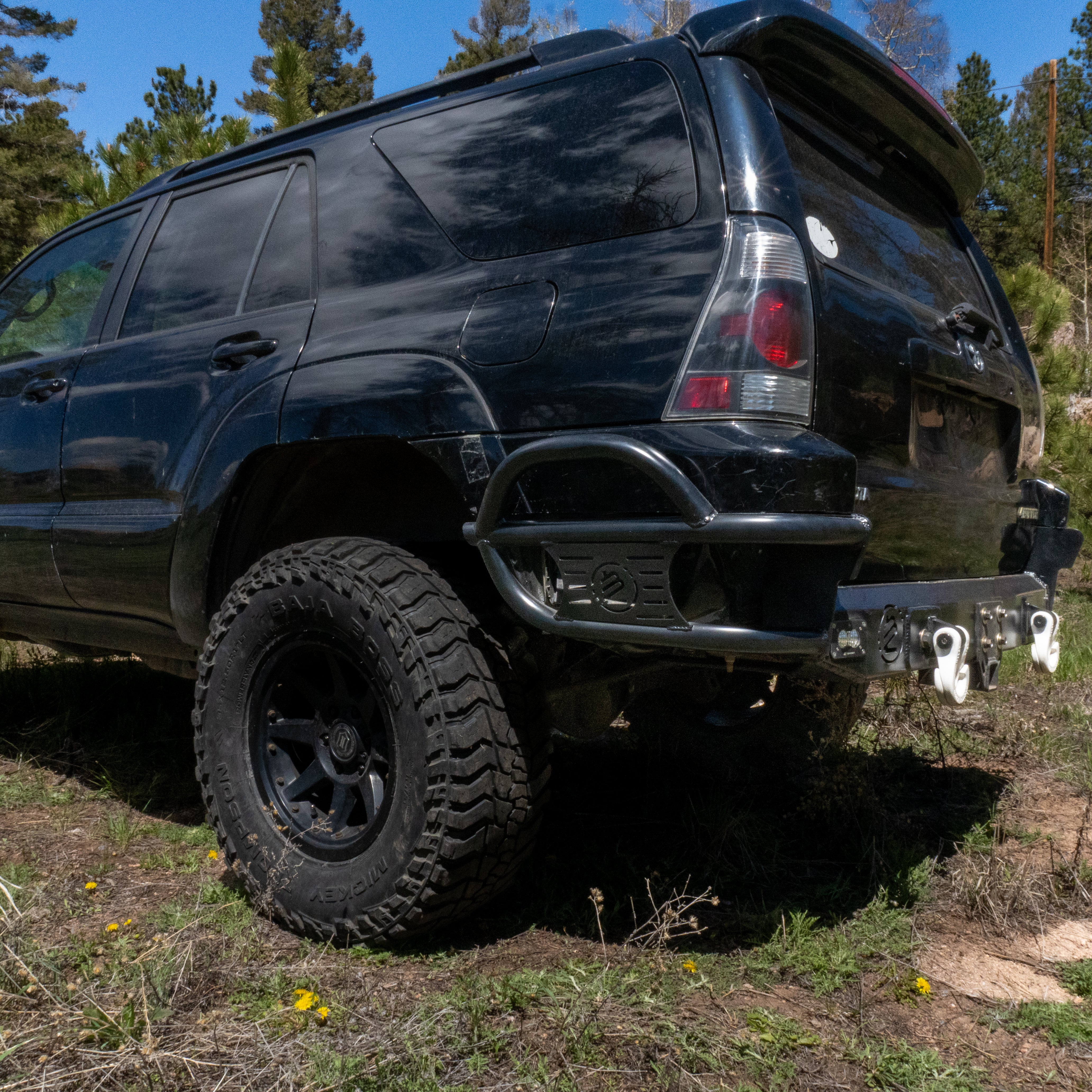
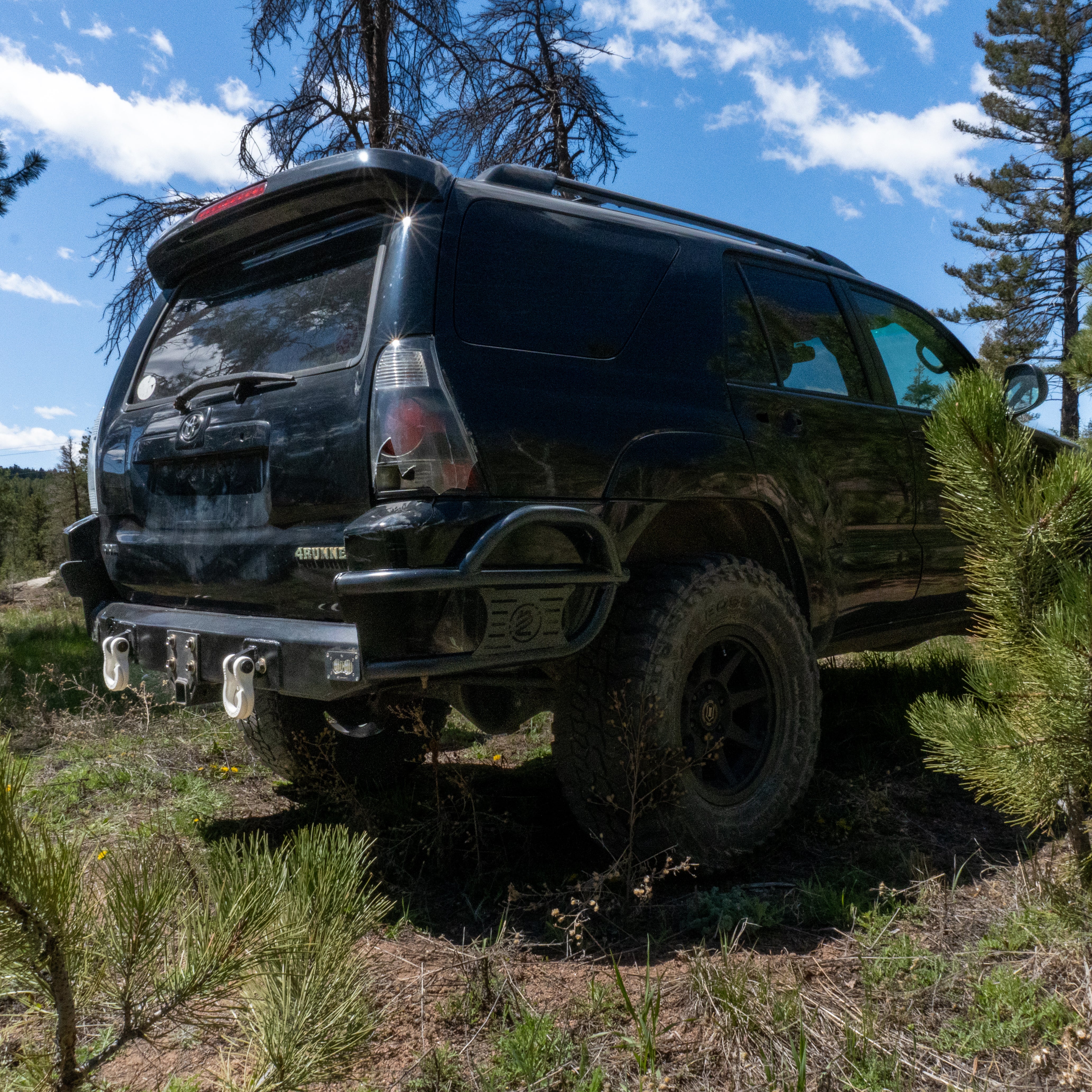
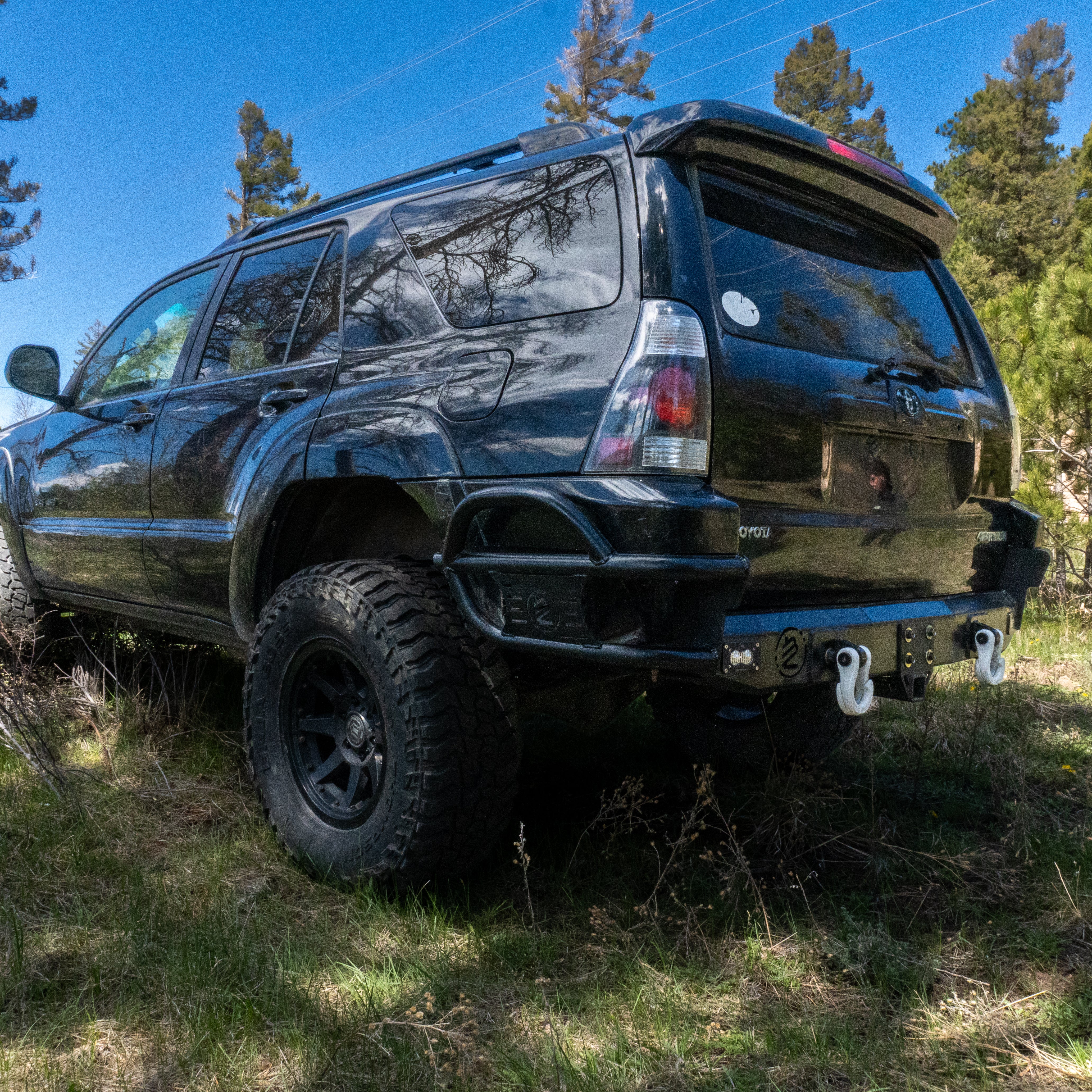
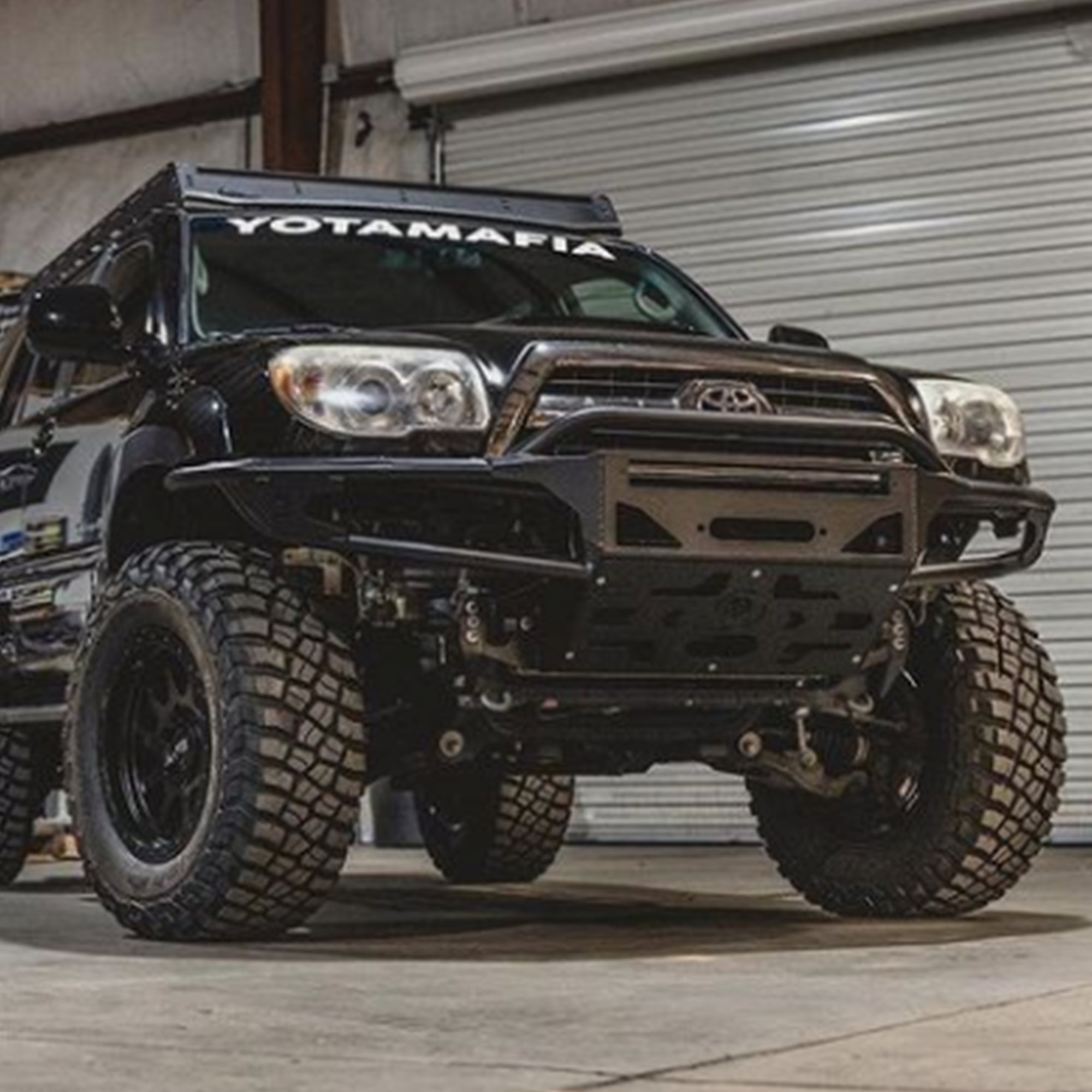
Armor is essential, but more is not always better. The goal is protection where it matters most, not unnecessary bulk.
Well-designed armor should:
-
Tie directly into strong frame points
-
Protect vulnerable areas without overextending
-
Maintain approach and departure angles
-
Avoid interfering with suspension travel
Choosing vehicle-specific armor helps keep protection focused instead of excessive.
Suspension and Performance Go Hand in Hand
Once weight increases, suspension must be addressed. Springs, shocks, and alignment settings all play a role in keeping the vehicle stable and predictable.
A balanced suspension setup considers:
-
Total added weight, not just lift height
-
Load distribution front to rear
-
On-road comfort versus trail performance
-
Long-term durability of components
Skipping this step often leads to nose dive, body roll, or uneven tire wear.
Planning the Build as a System
The best builds start with a plan instead of impulse upgrades. Thinking ahead saves money and prevents rework.
A simple planning checklist:
-
Identify your primary trail use
-
Prioritize protection over appearance
-
Add weight gradually, not all at once
-
Match suspension to final load, not current setup
-
Leave room for future upgrades
This approach keeps the rig functional at every stage of the build.
Building It Right the First Time
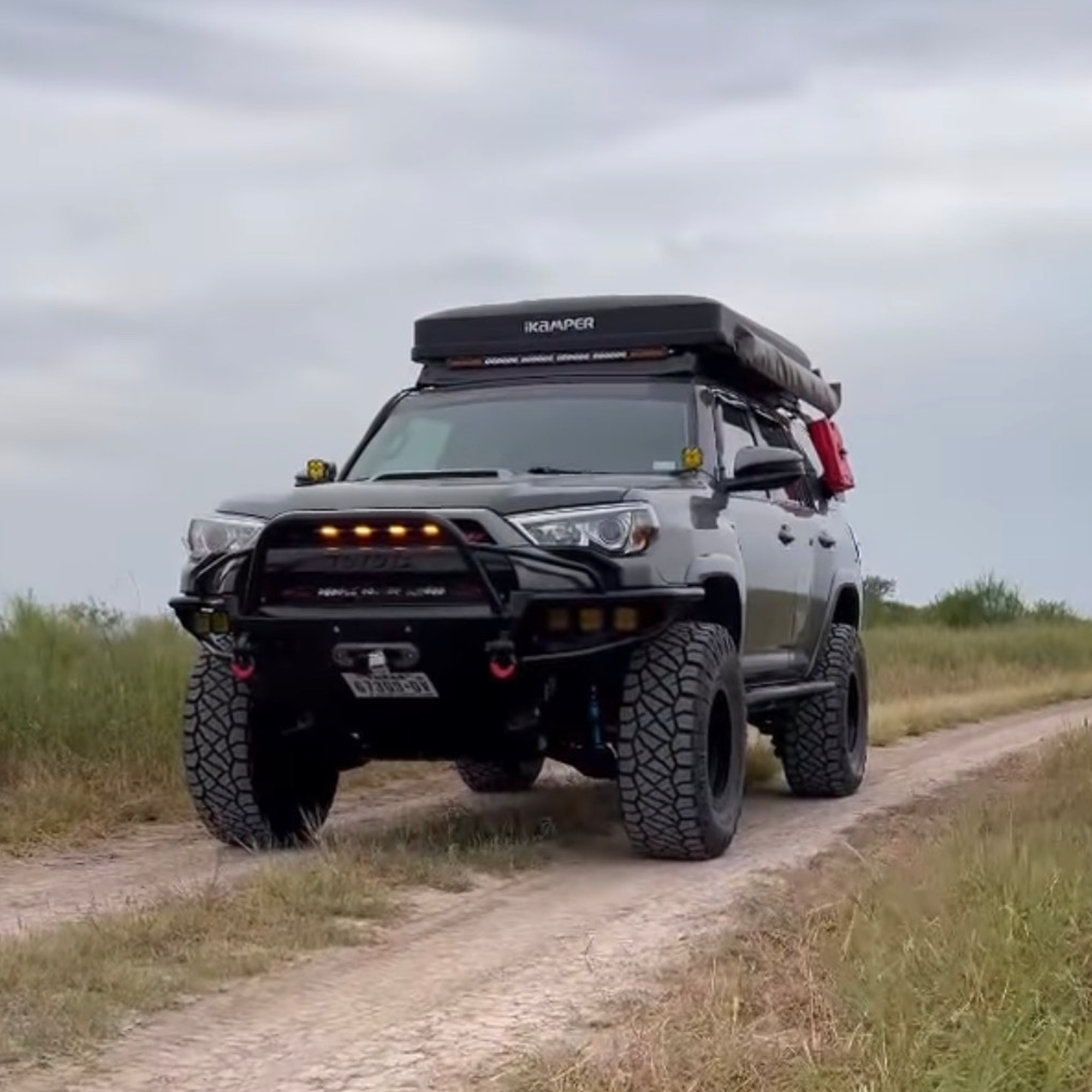
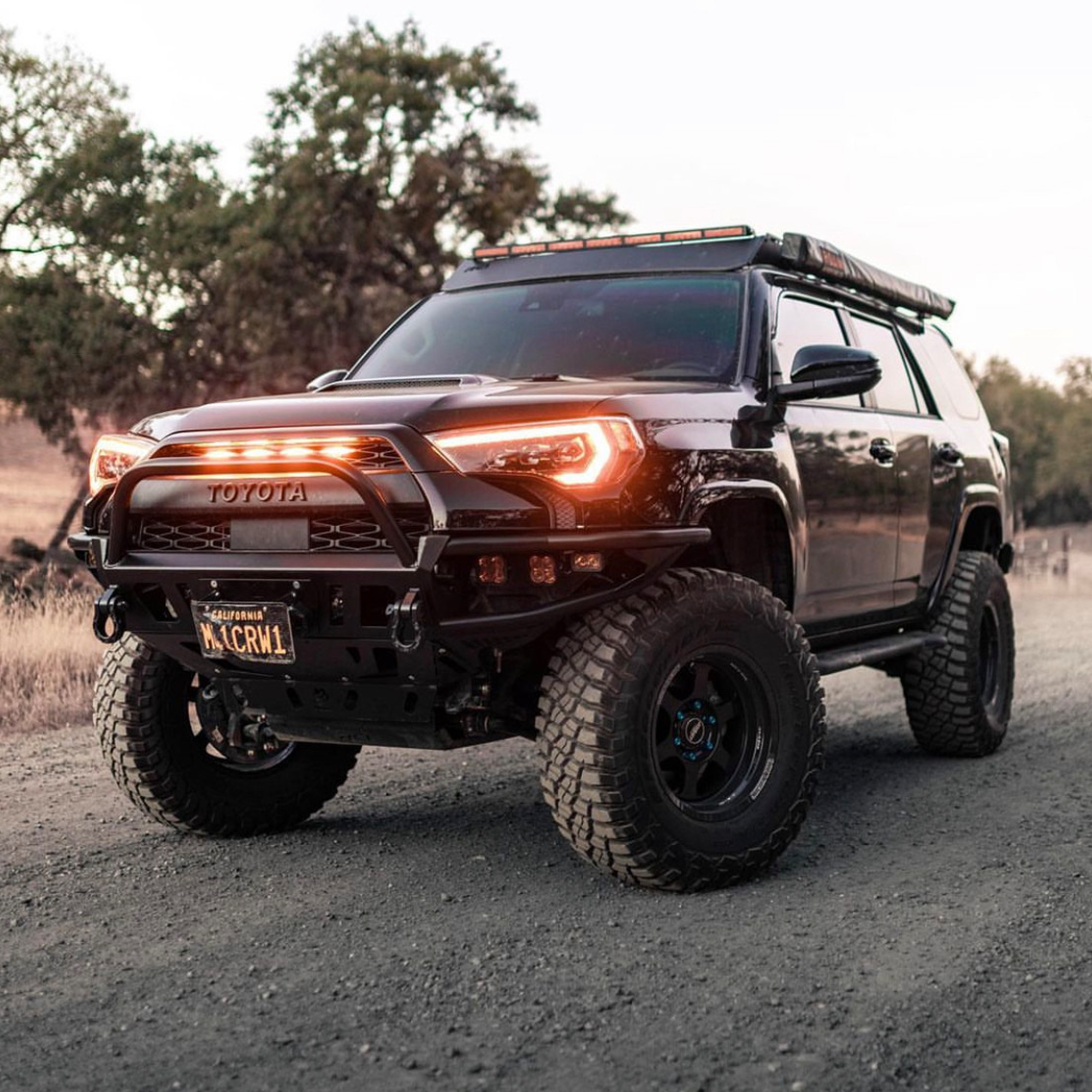
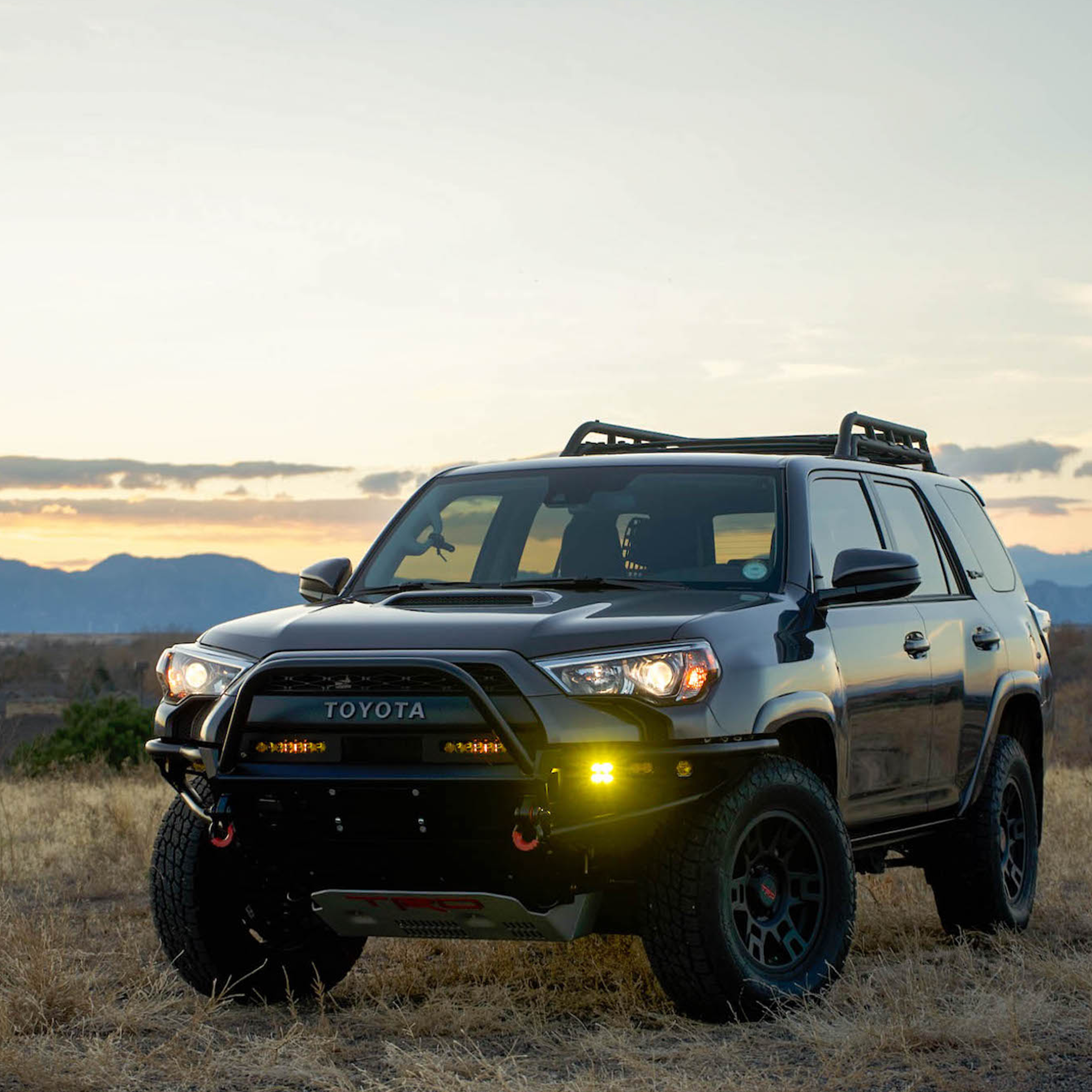
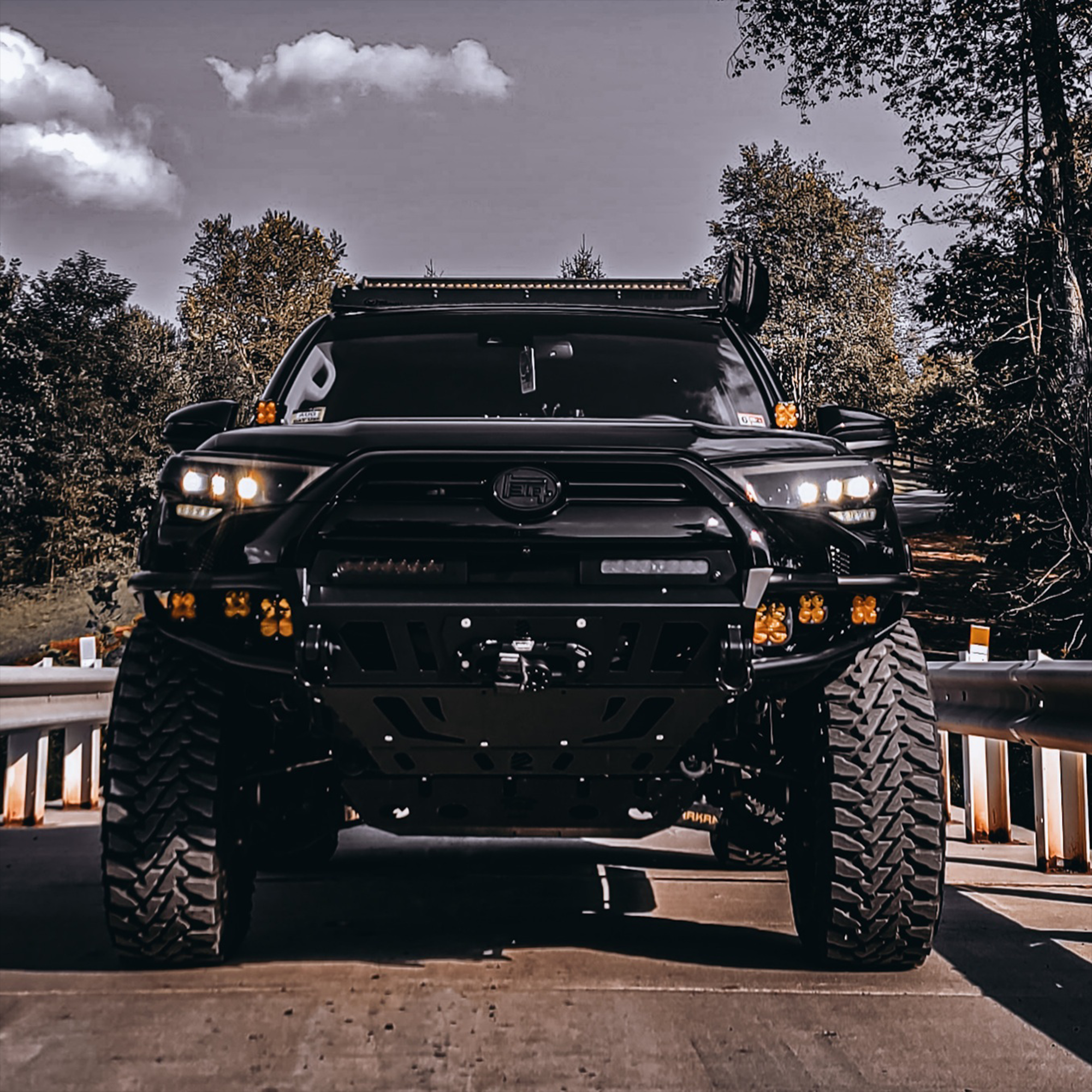
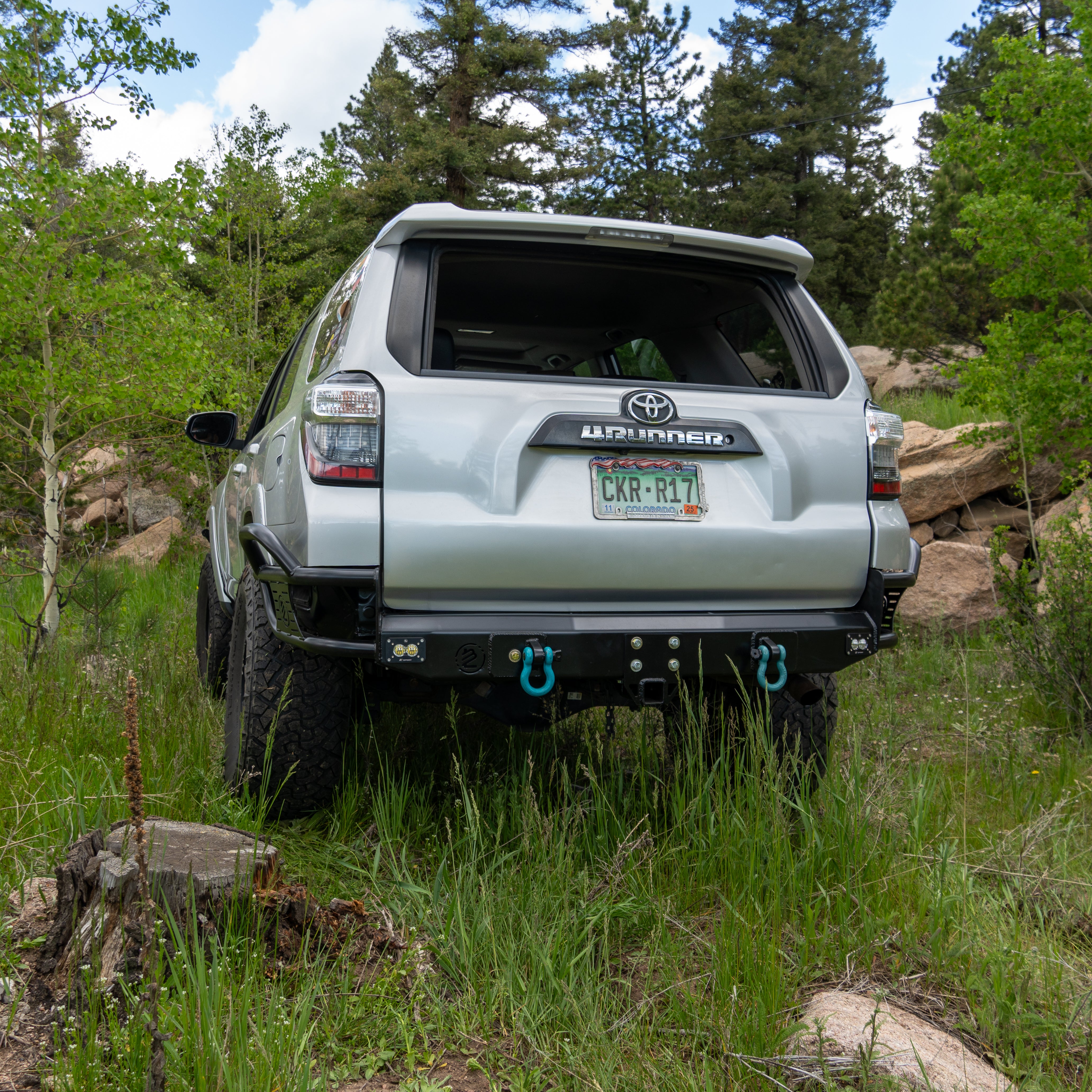
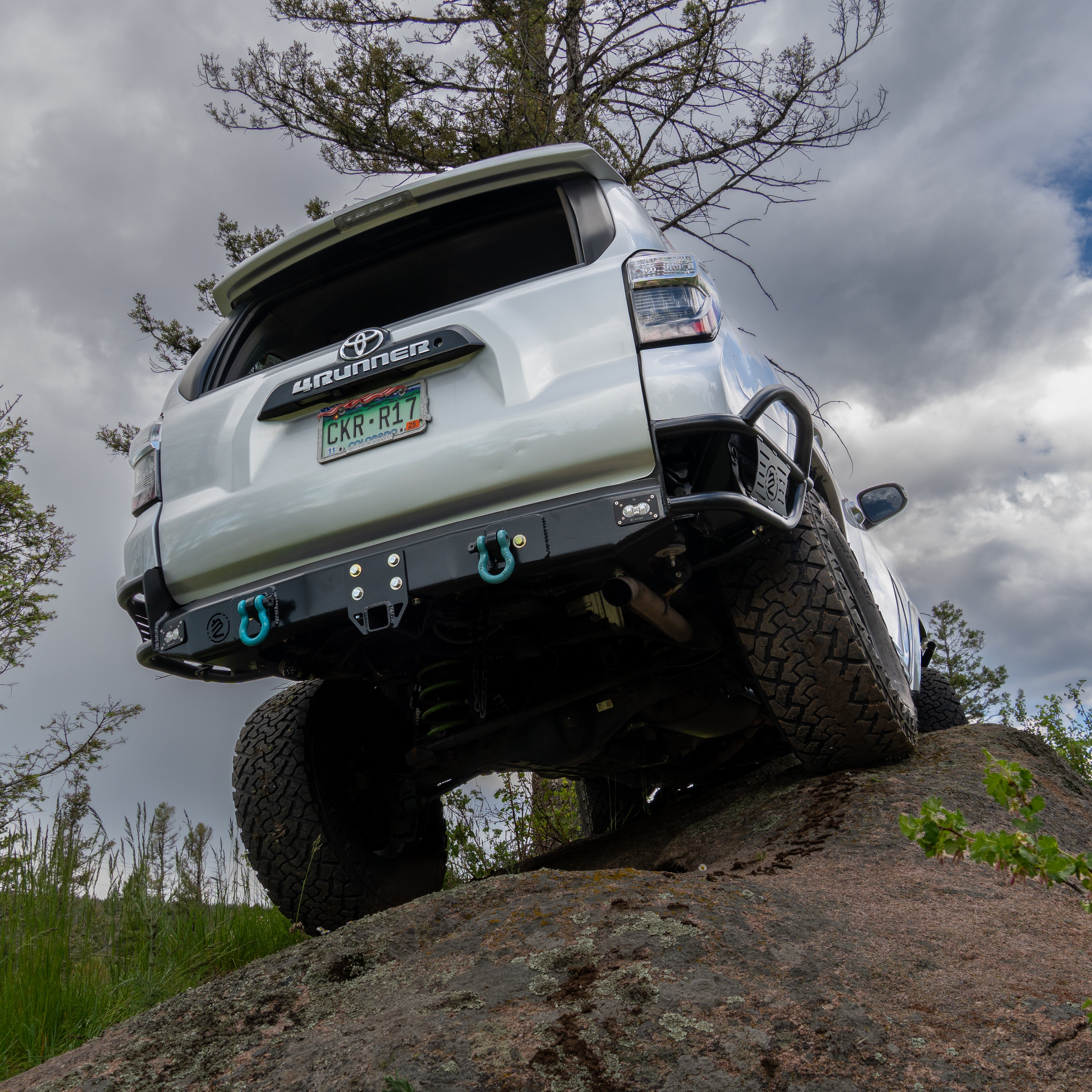
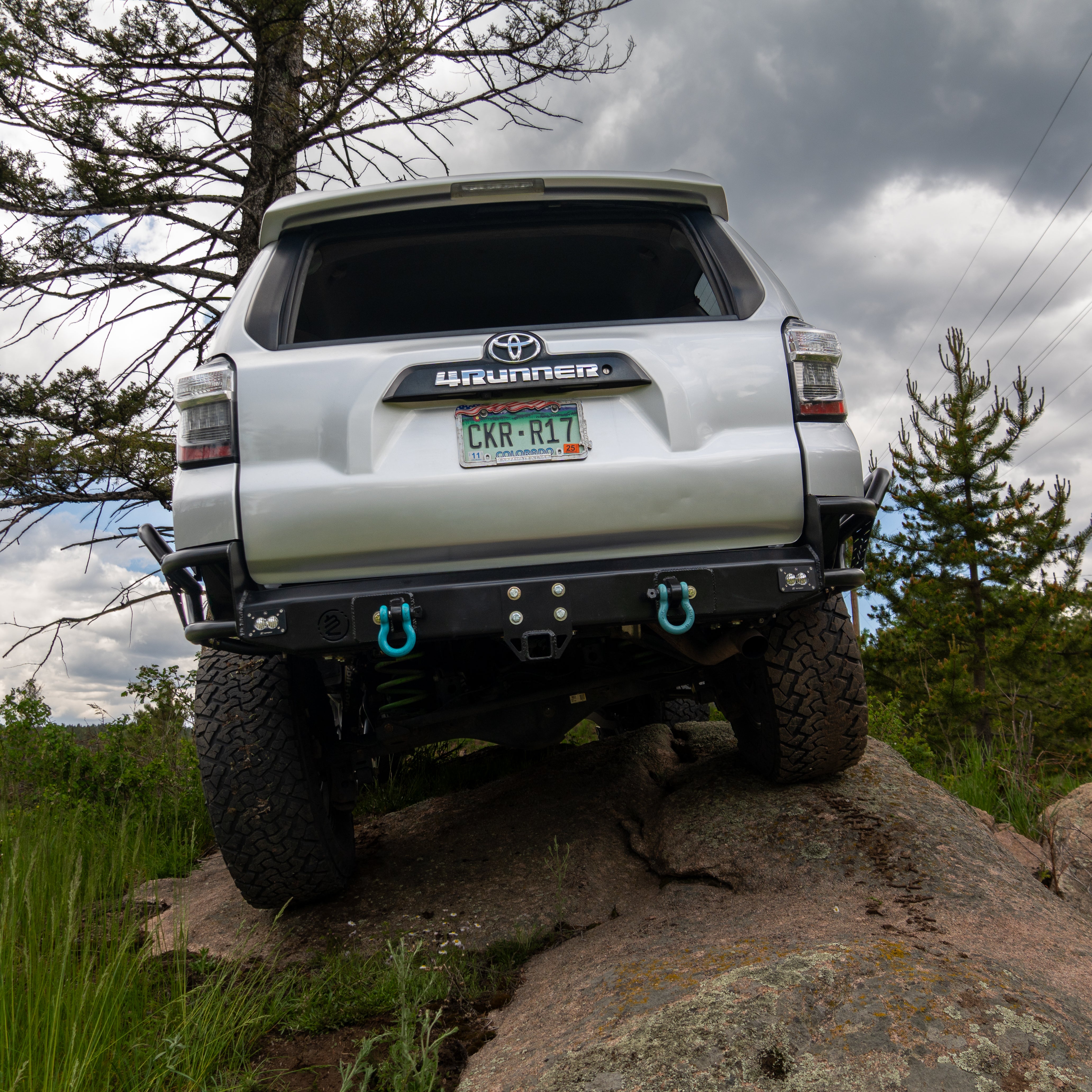
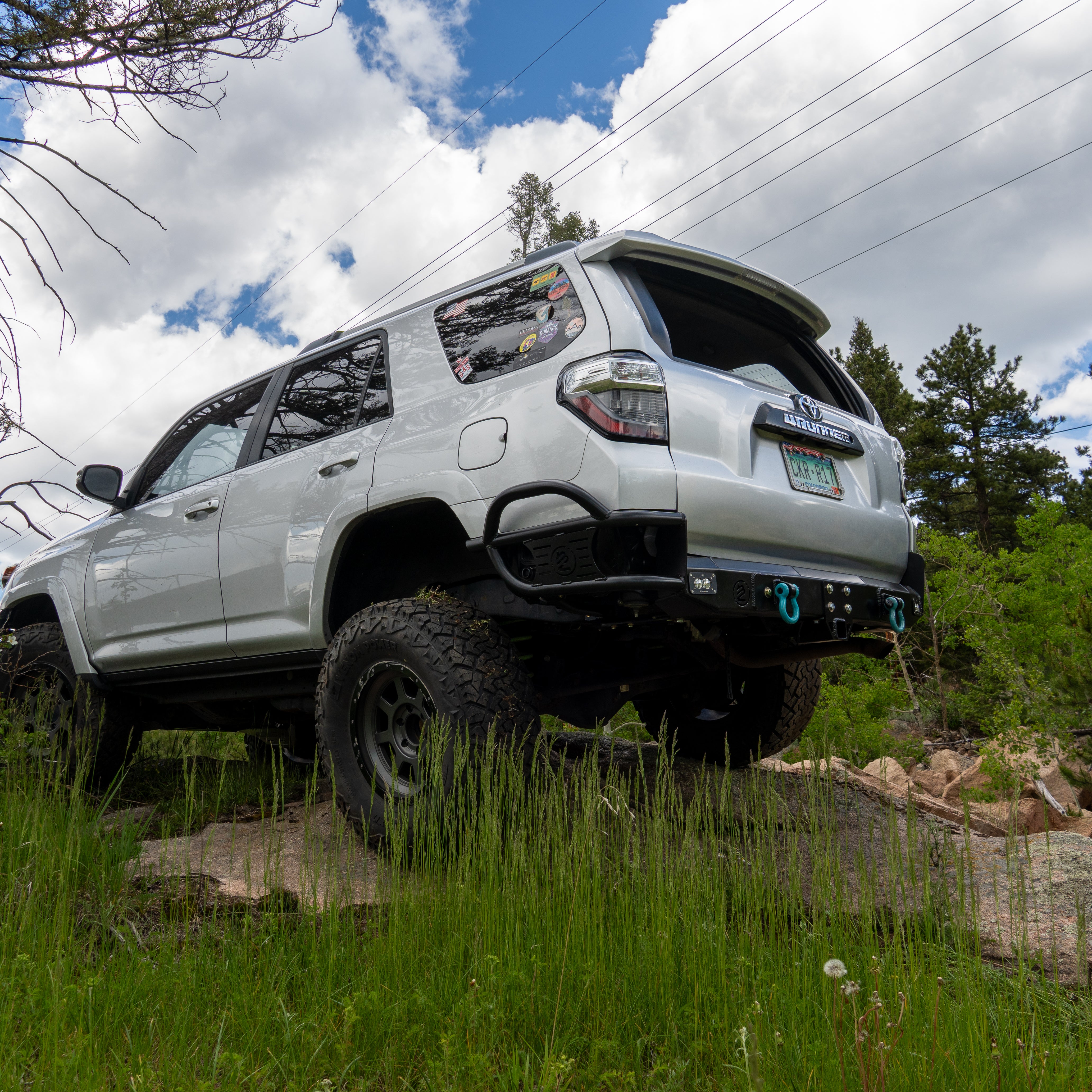
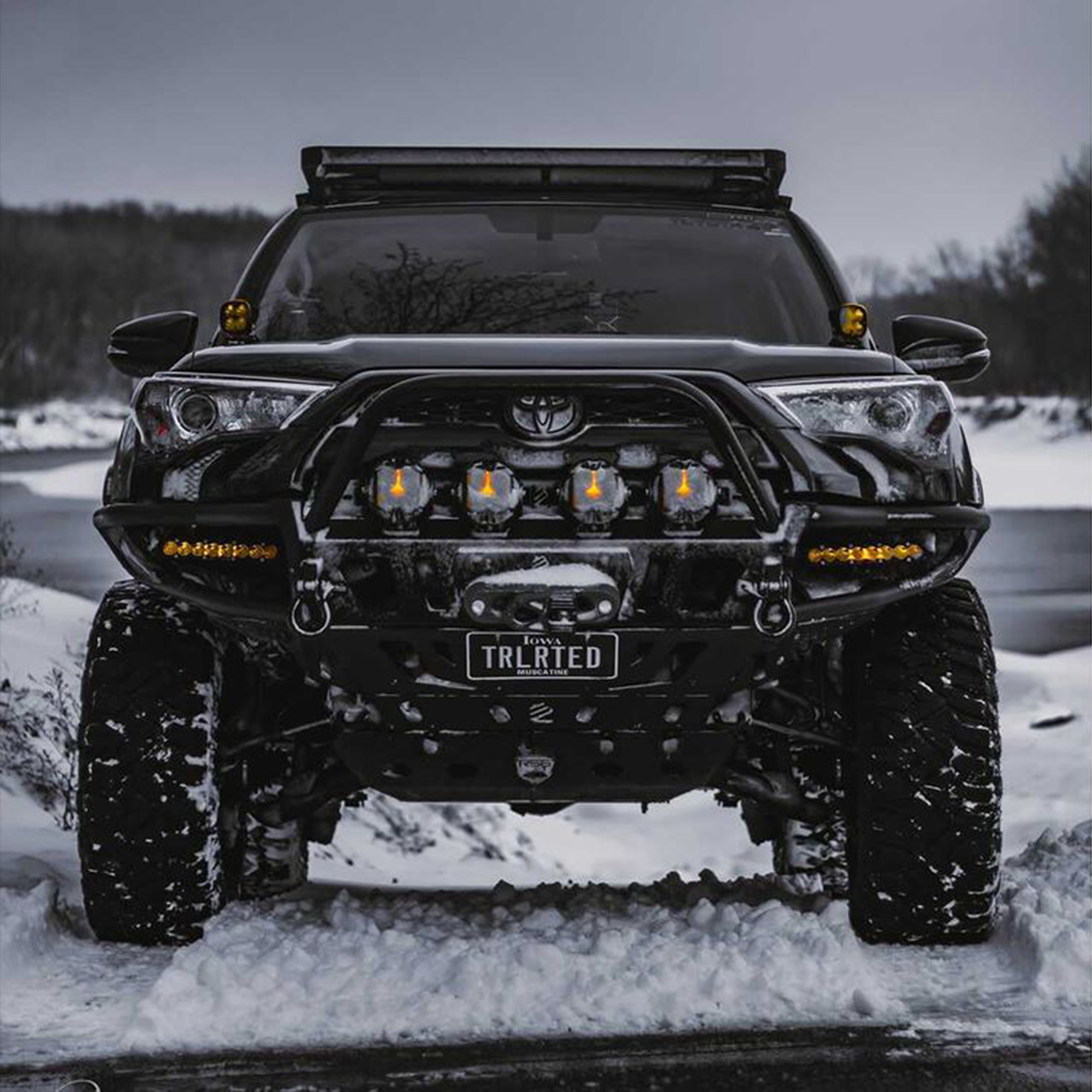
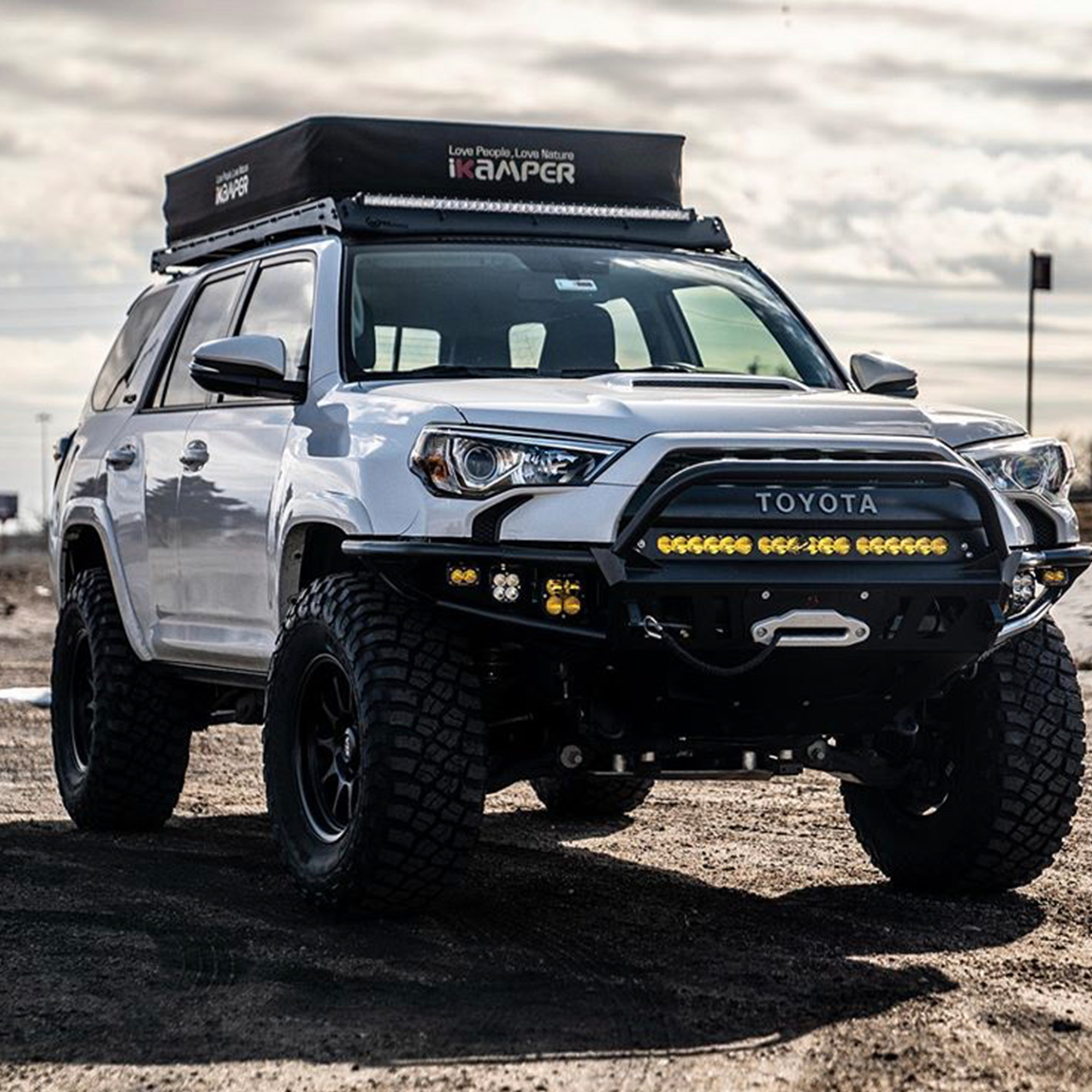
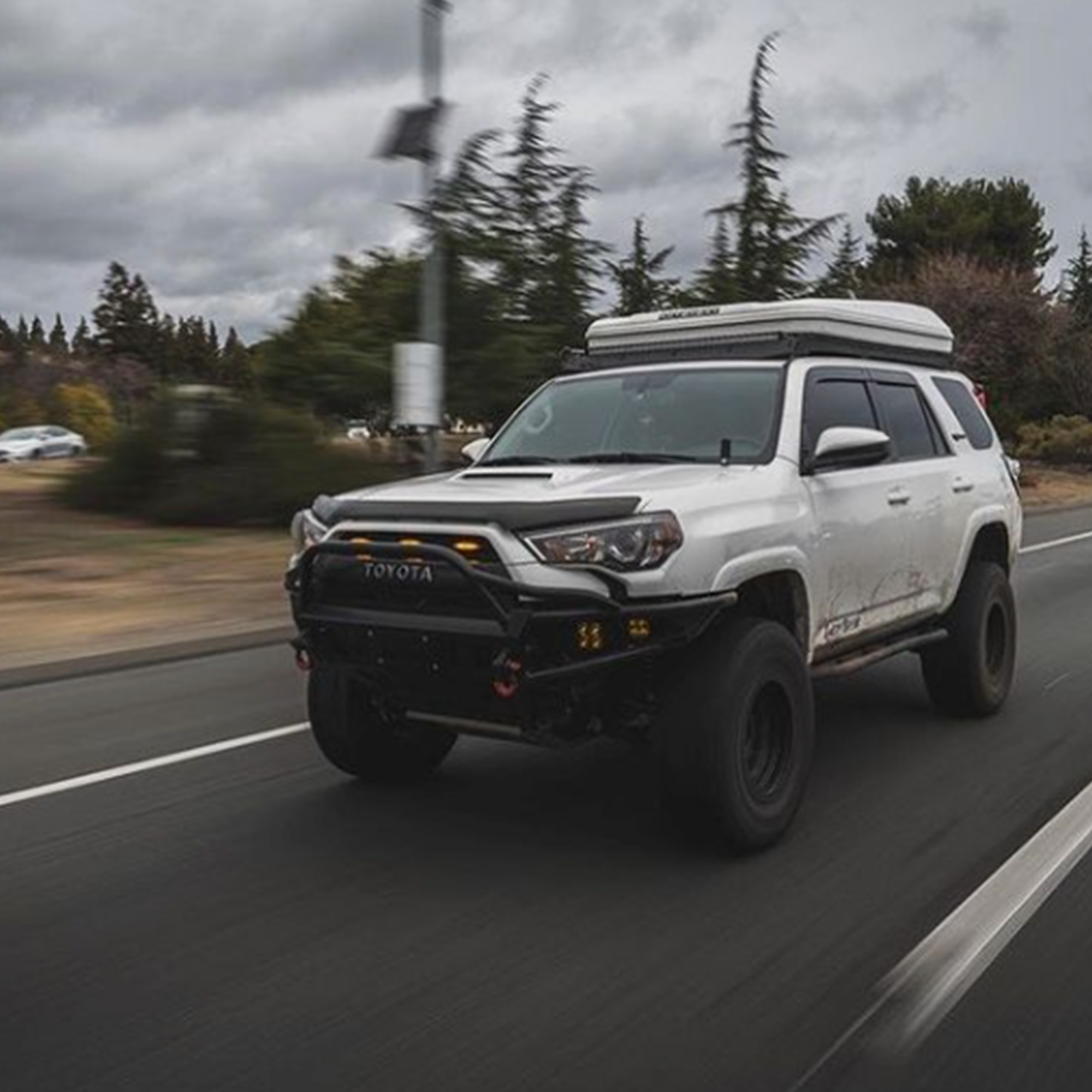
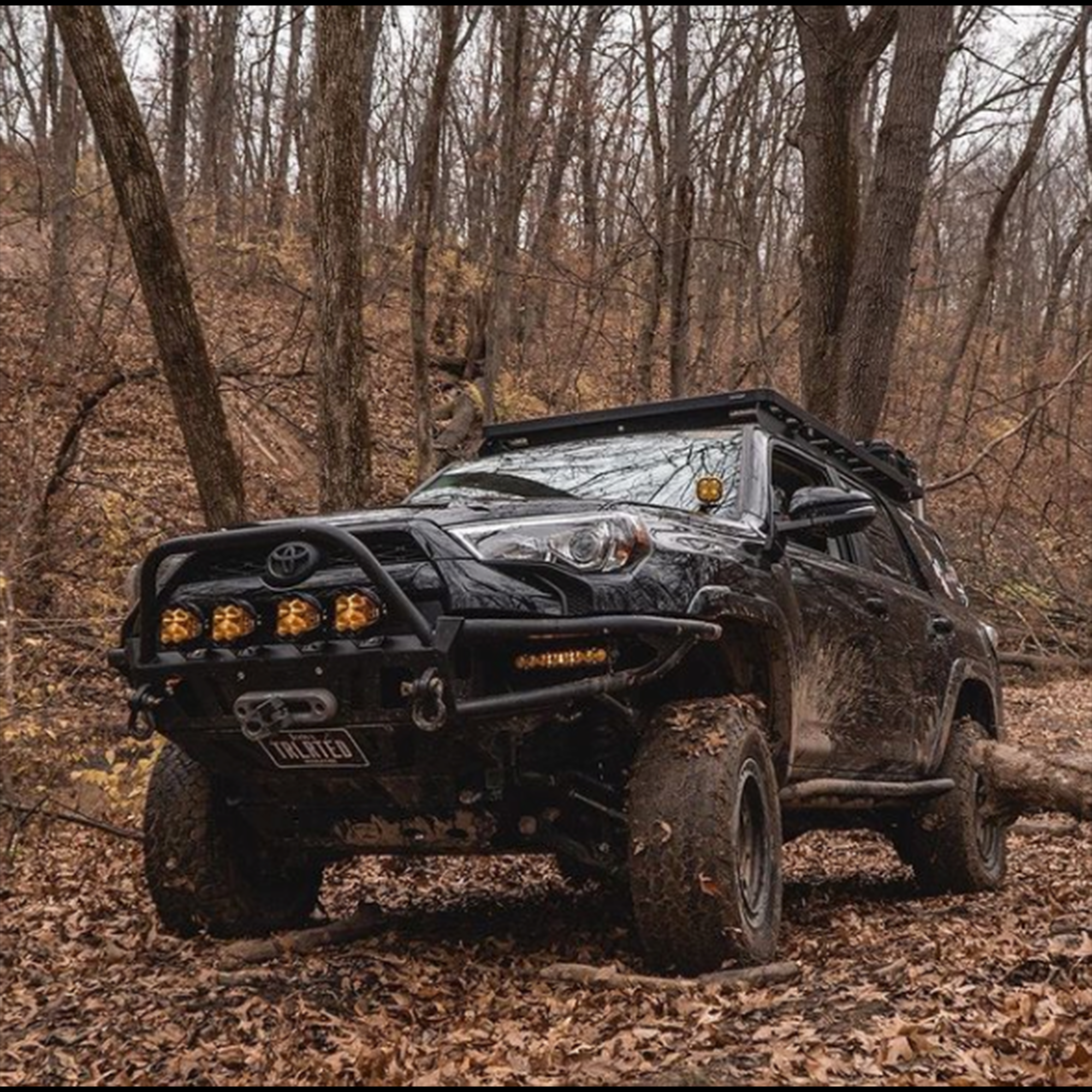
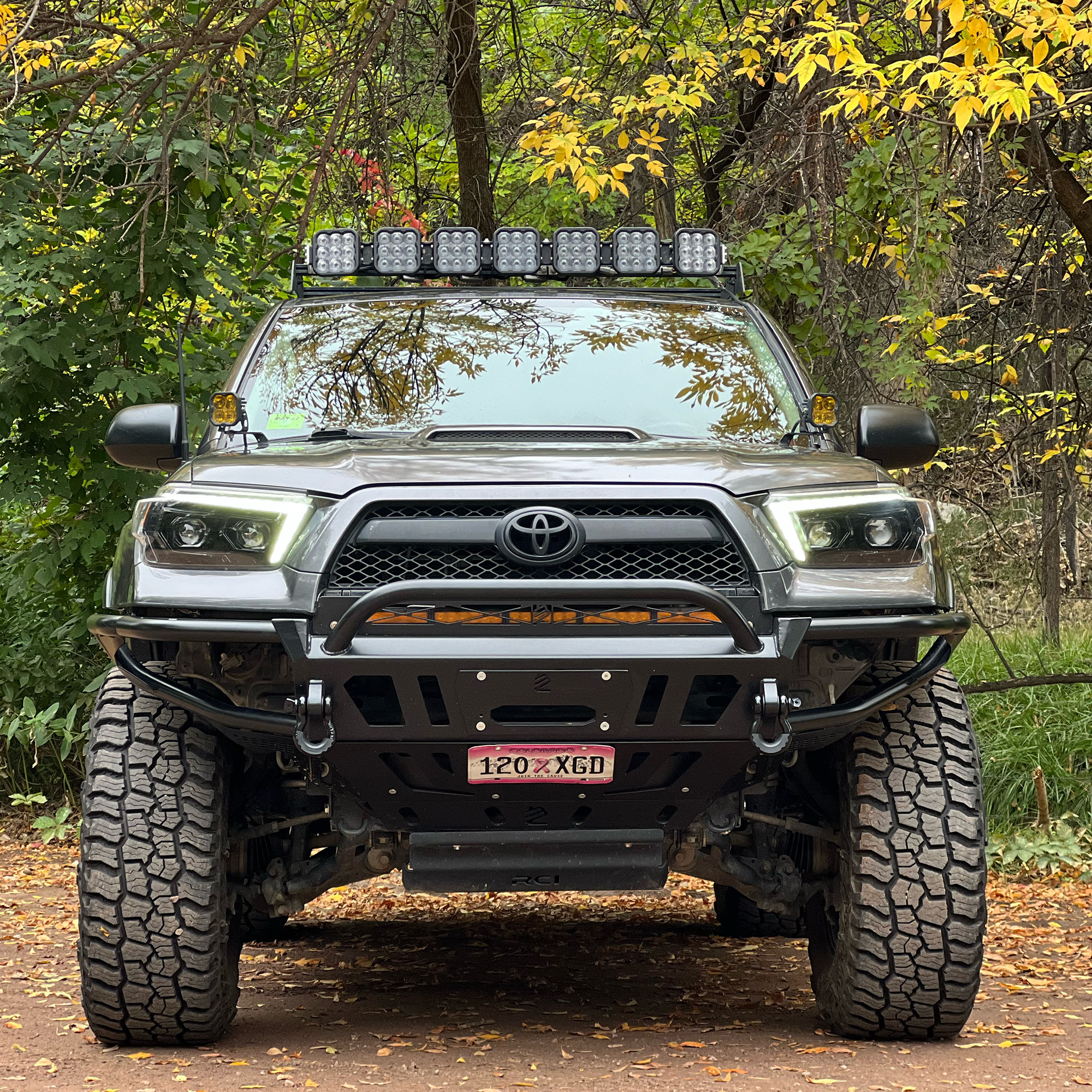
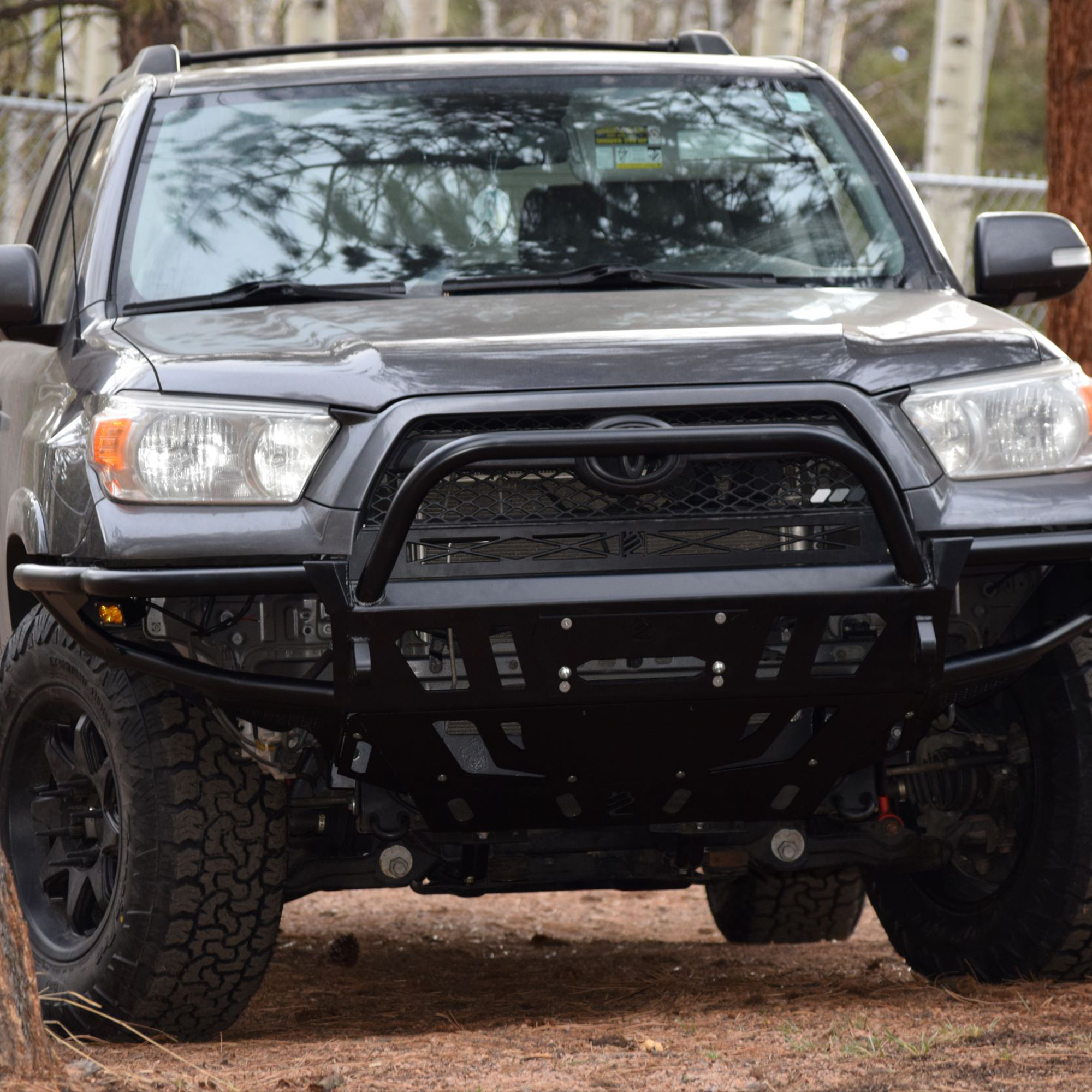
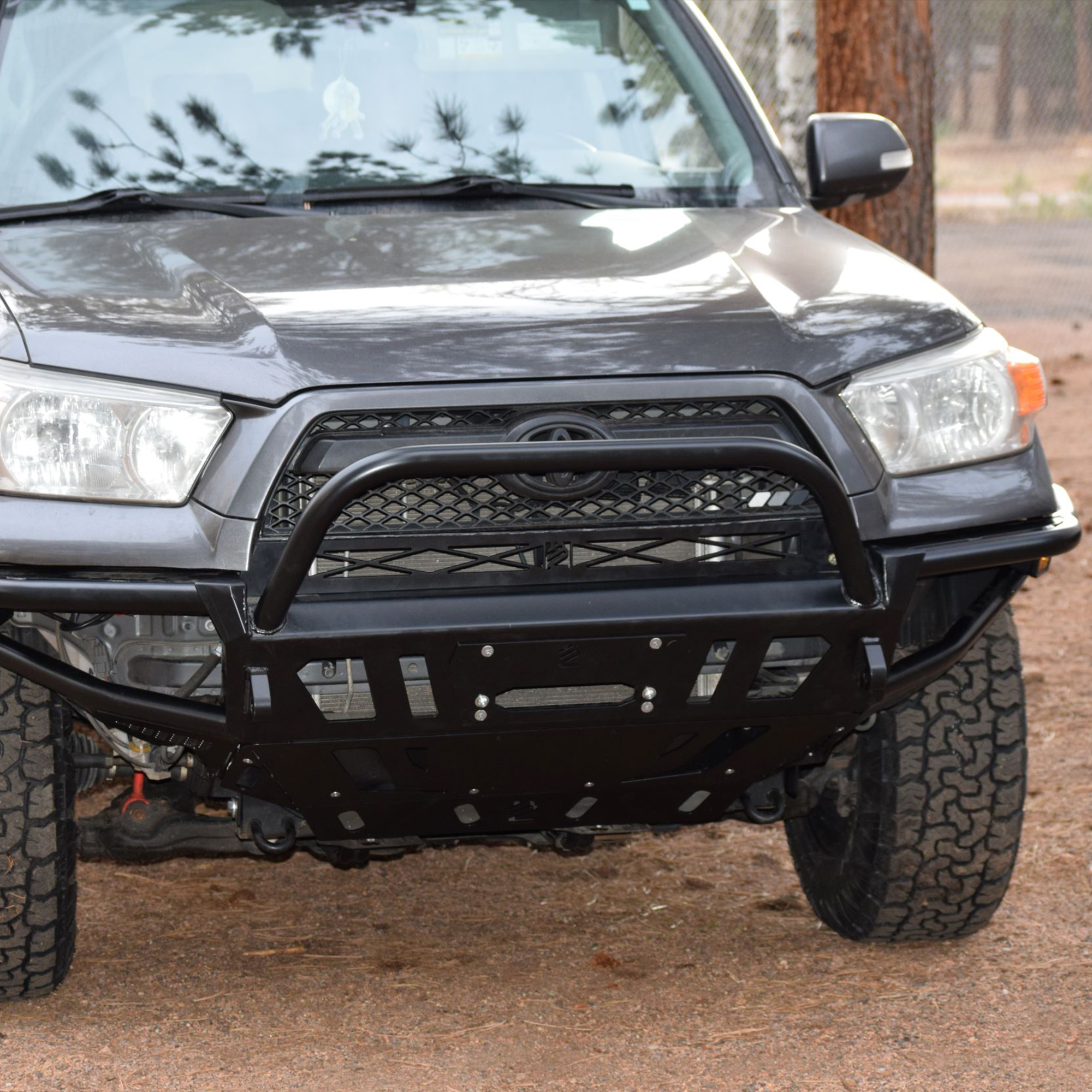
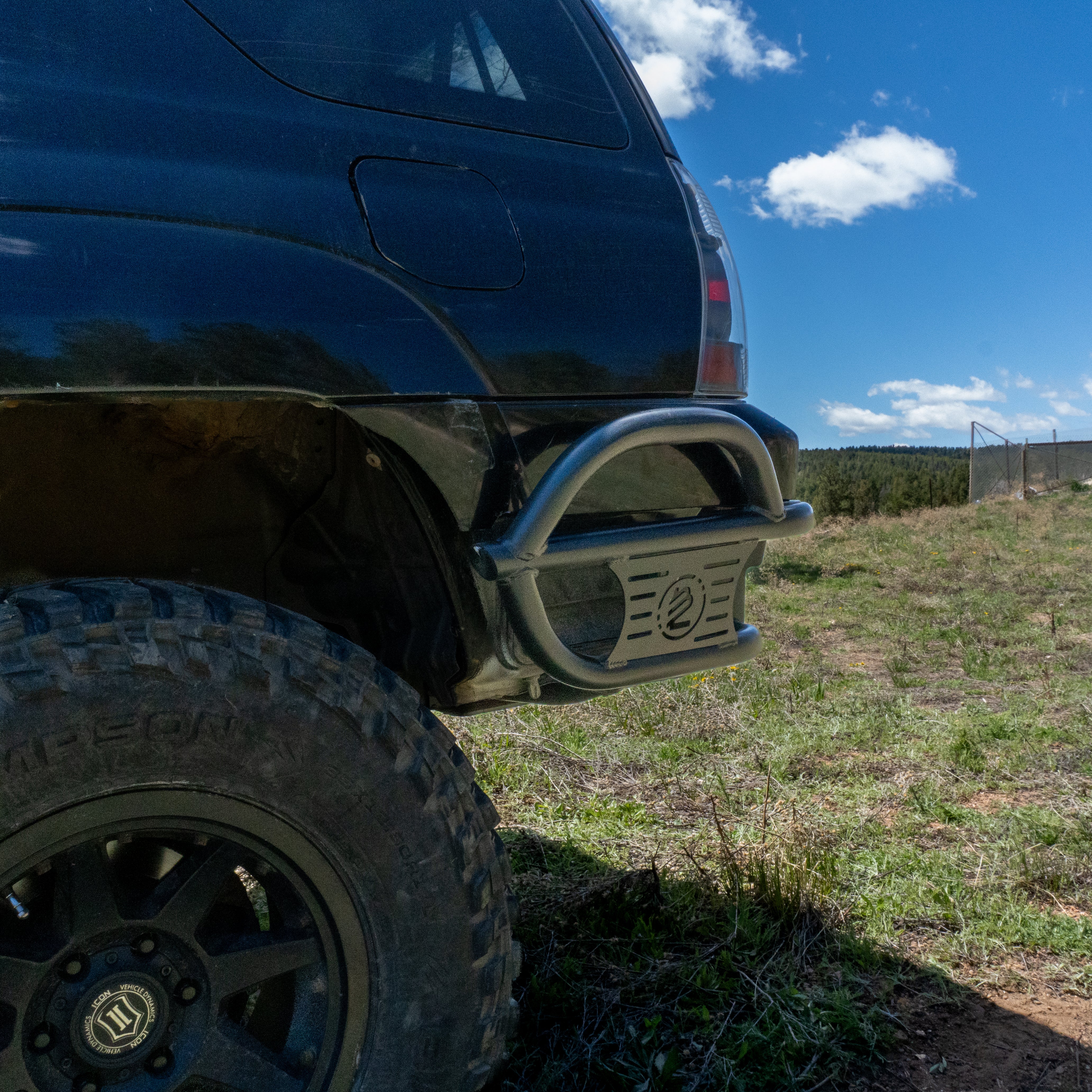
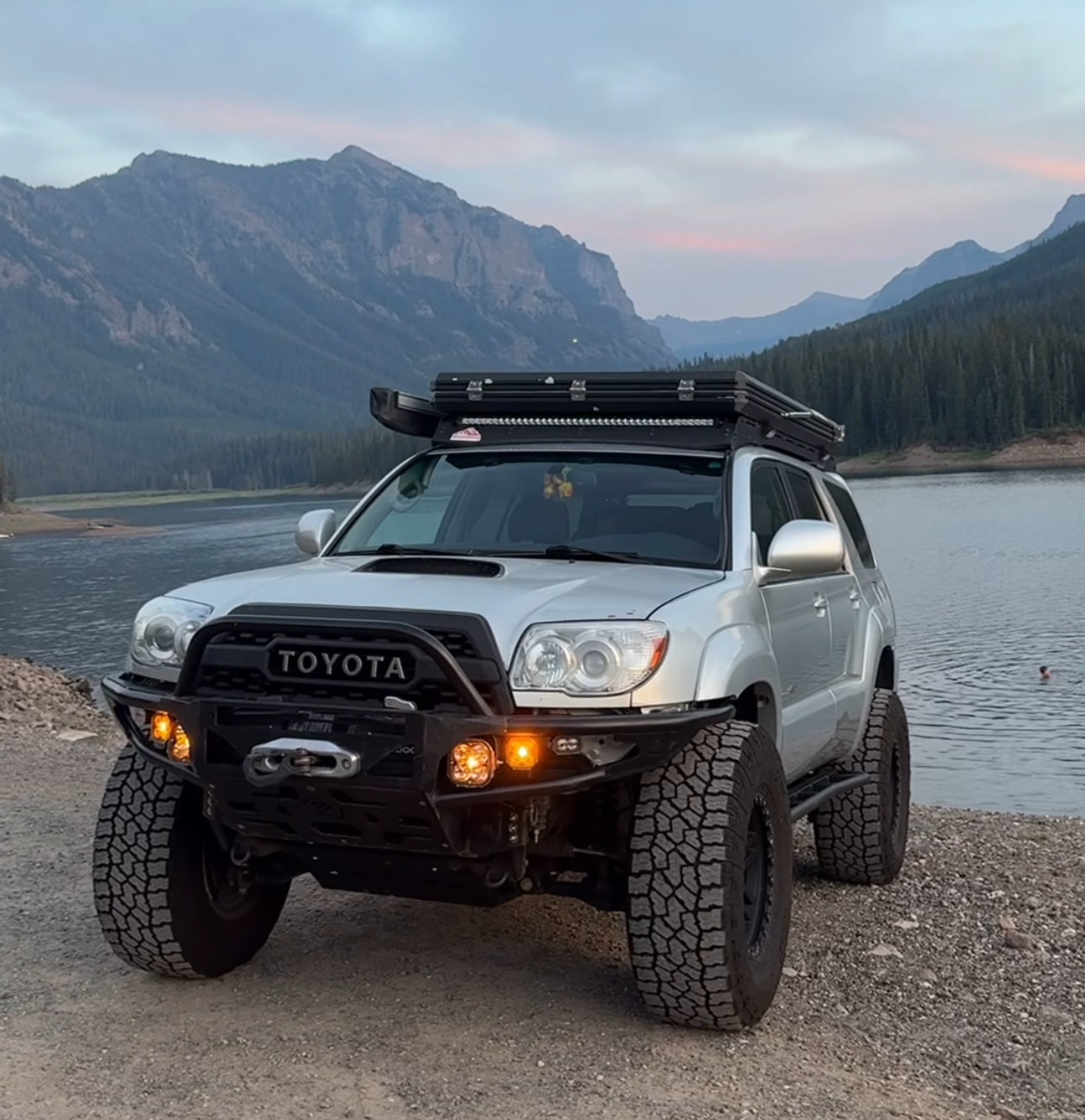
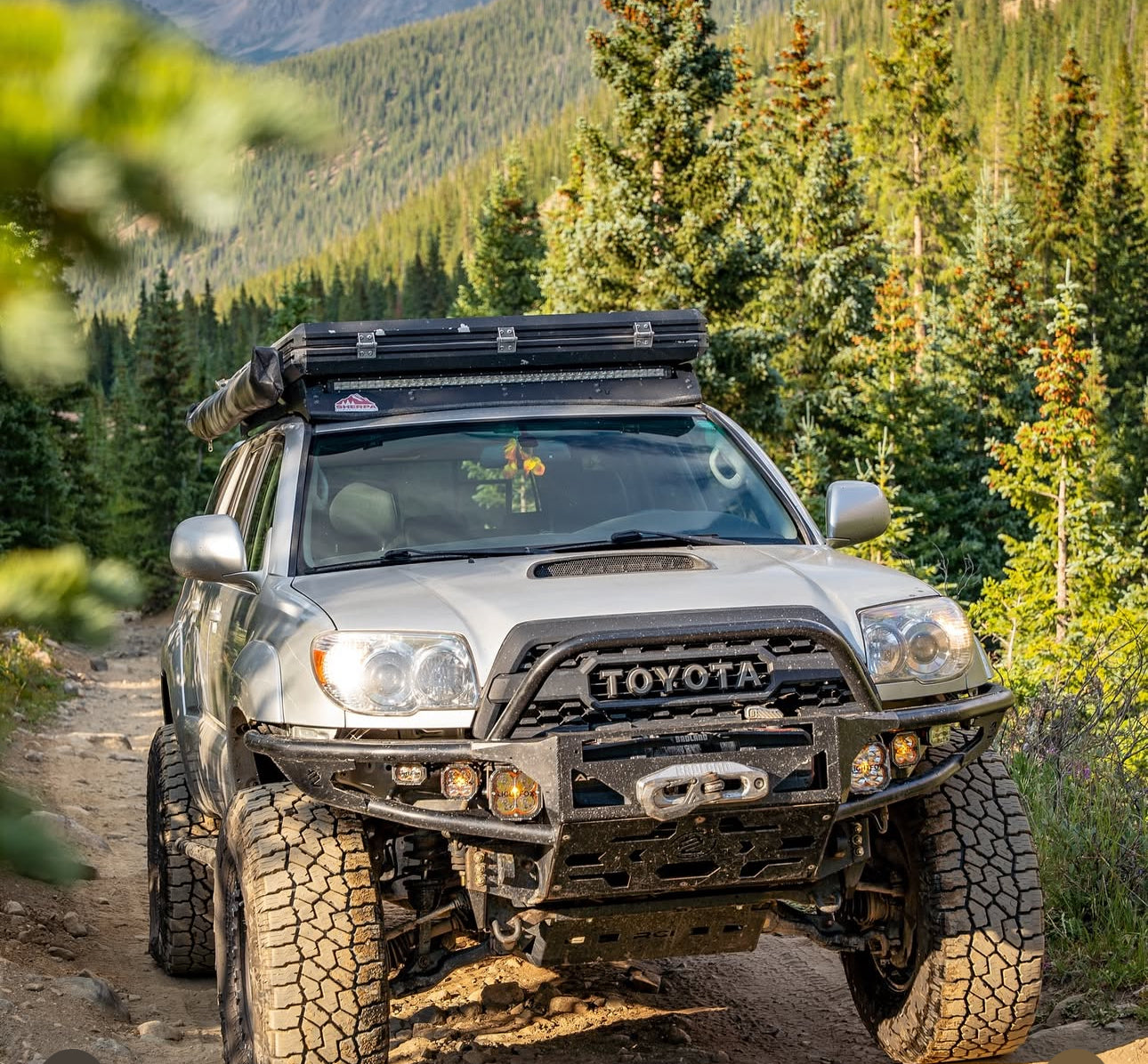
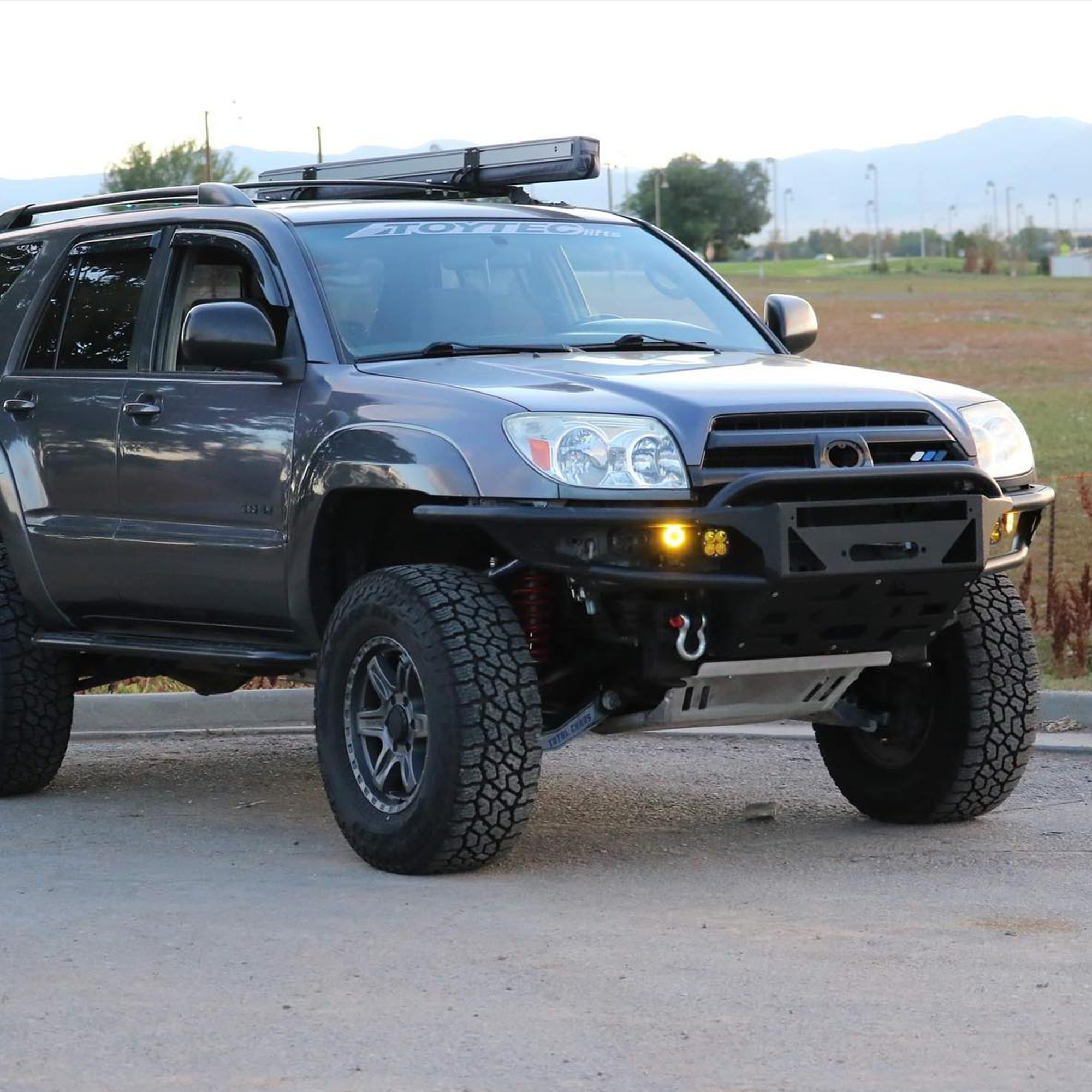
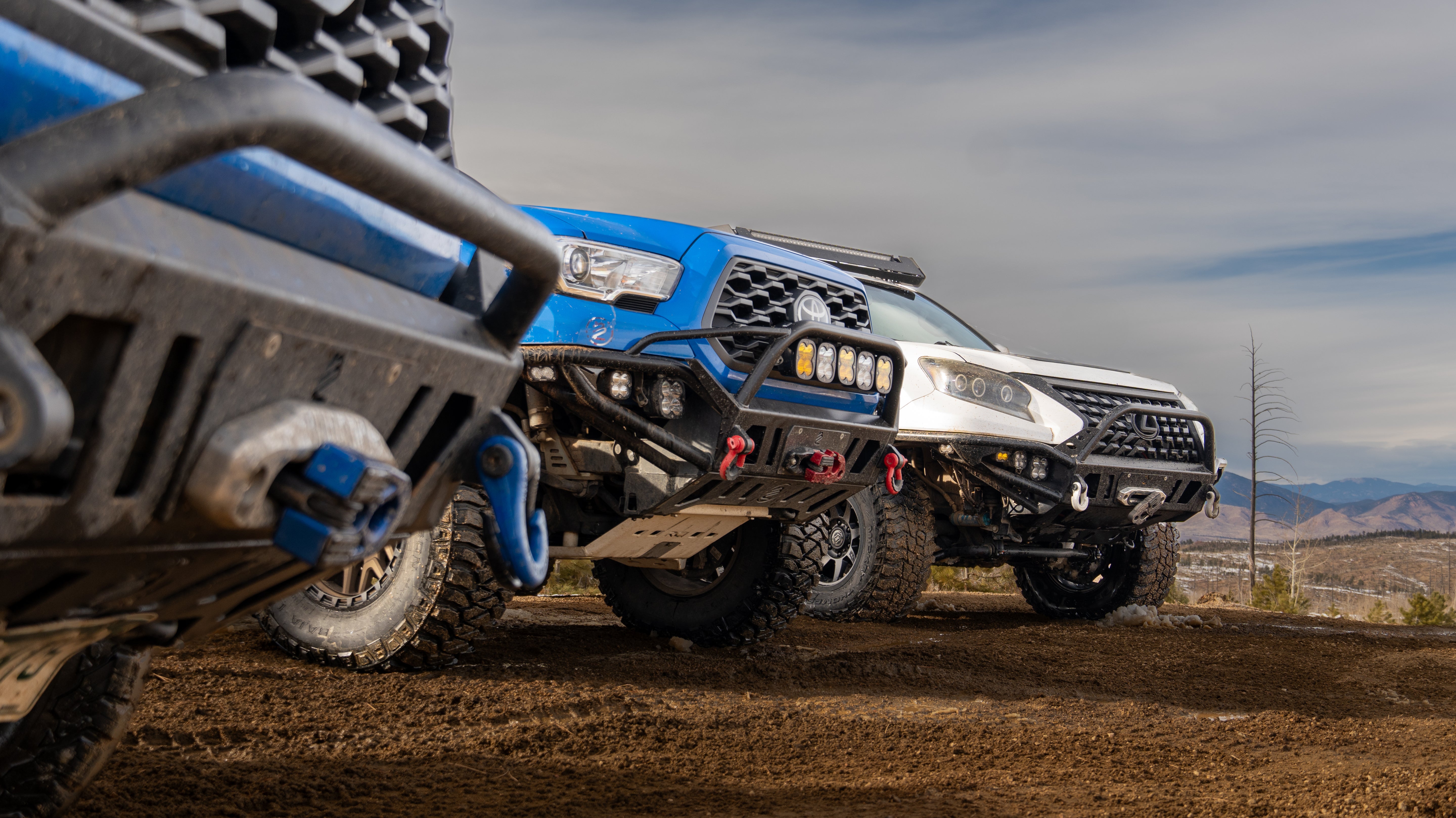
At Lil B's Custom Fabrication, fabrication is centered on real-world use and platform-specific design. Armor is built to protect critical areas without throwing off balance, and every piece is designed with the rest of the vehicle in mind.
If you are building a Toyota or Lexus rig and want armor that works with your suspension, weight, and driving style, explore Lil B’s Custom Fabrication's bumper and armor options or reach out to talk through your build.
A balanced setup lasts longer, performs better, and makes every trail more enjoyable. Call us today to learn more!
Share:
Why Front-End Protection Is the Smartest First Upgrade for Your Toyota
When Is It Time to Upgrade from Stock to Aftermarket Armor?