


Most off-road builds start the same way. A stock Toyota rolls off the lot, handles daily driving just fine, and tackles light dirt roads without issue. Then the trails get rougher. Rocks get taller. Recovery points start to matter. That is usually when drivers begin asking the right question: is stock armor still enough?
Knowing when to upgrade from stock to aftermarket armor is less about trends and more about how your rig is actually being used.

What Stock Armor Is Designed to Handle
Factory bumpers and skid protection are built for street use, minor impacts, and cost efficiency. They work well for commuting and occasional dirt roads but are not designed for repeated trail abuse.
Stock armor typically prioritizes:
-
Lightweight materials
-
Pedestrian safety standards
-
Cosmetic integration with the body
-
Cost-effective manufacturing
Once your driving goes beyond those limits, weaknesses start to show.
Signs Your Rig Has Outgrown Stock Protection
There are clear indicators that stock components are no longer doing the job.
Common warning signs include:
-
Scraped or cracked bumper covers
-
Bent mounting points after trail contact
-
Limited recovery options when stuck
-
Reduced approach or departure angles
-
Hesitation to take certain lines due to risk
If you find yourself avoiding obstacles instead of confidently navigating them, armor is likely the missing piece.
What Aftermarket Armor Changes on the Trail
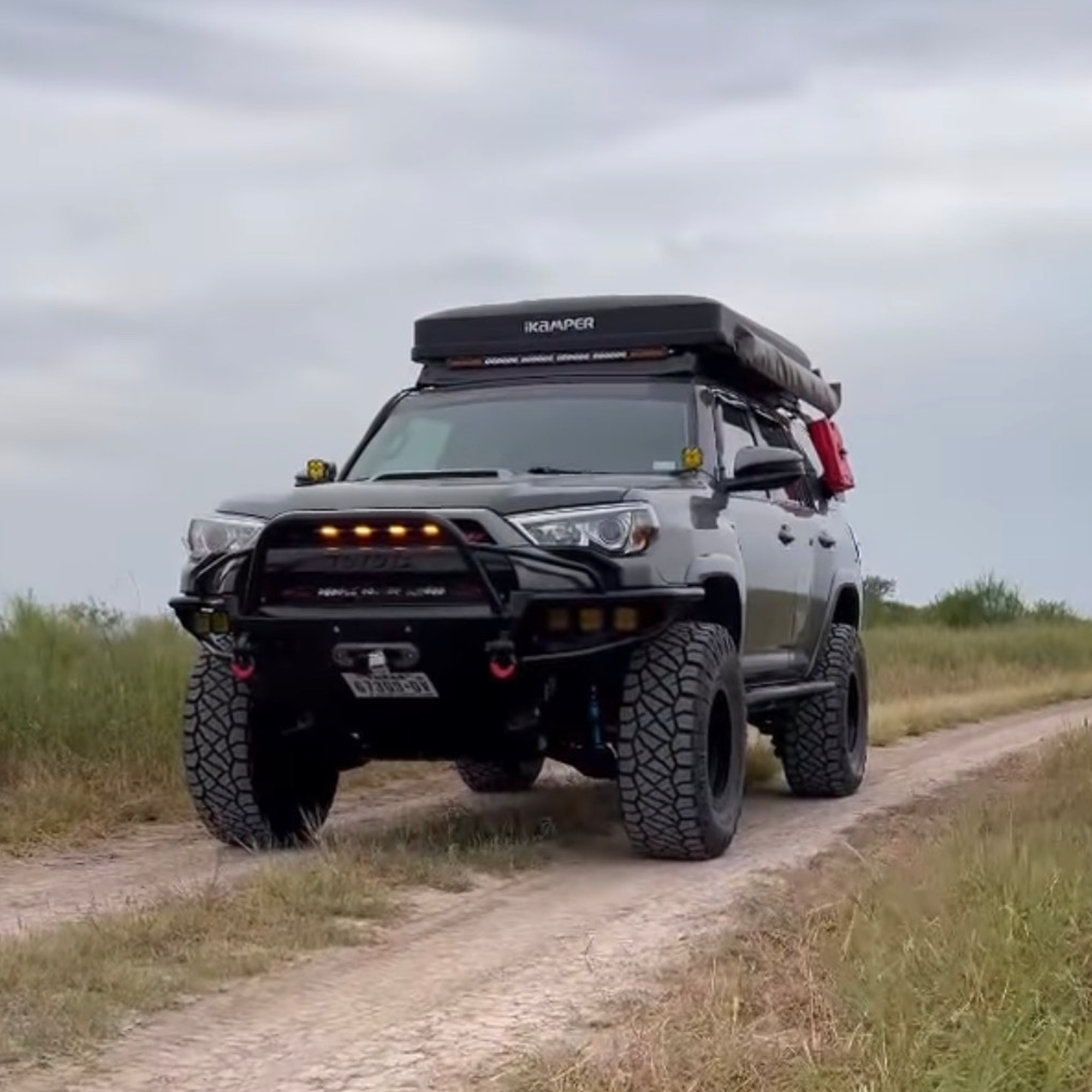
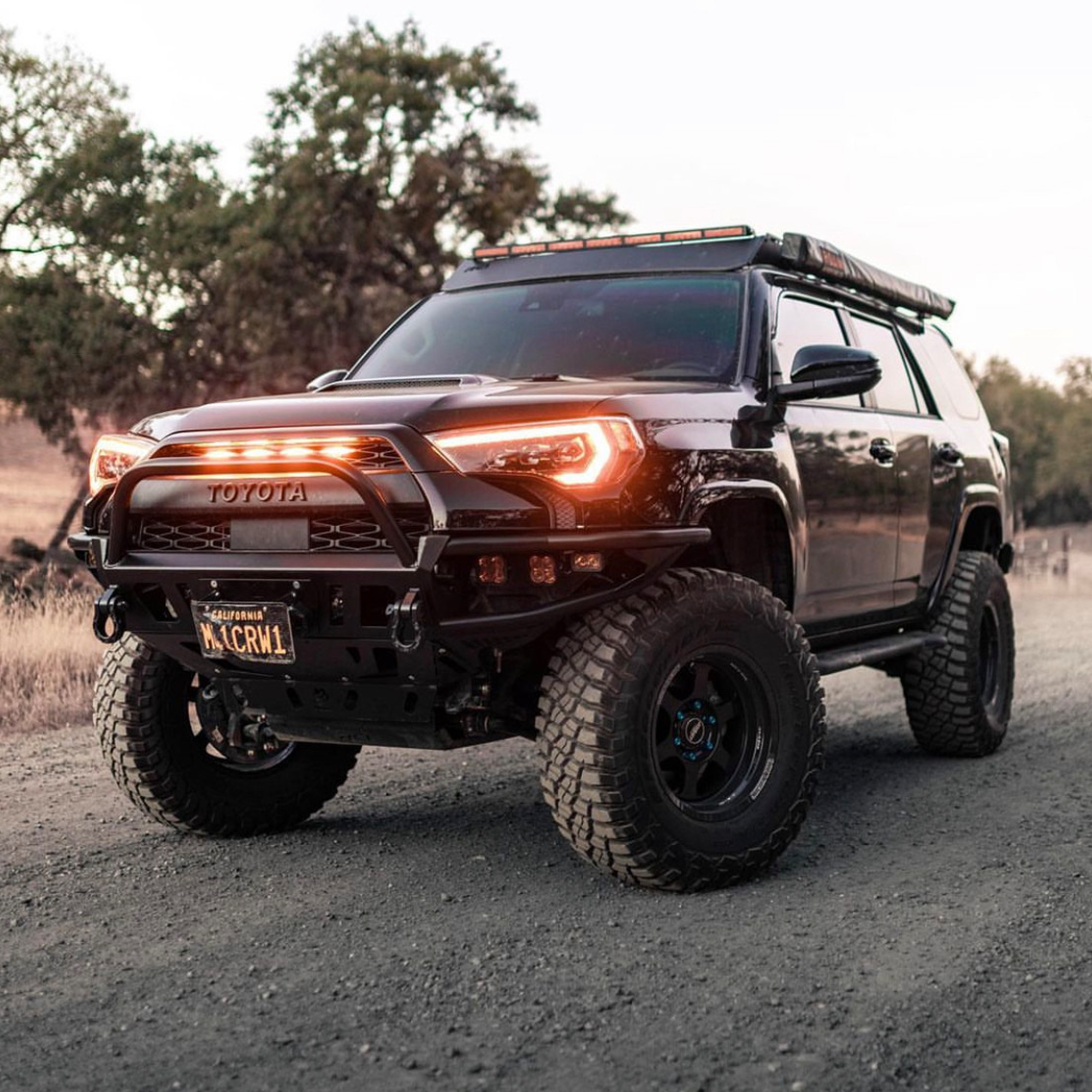
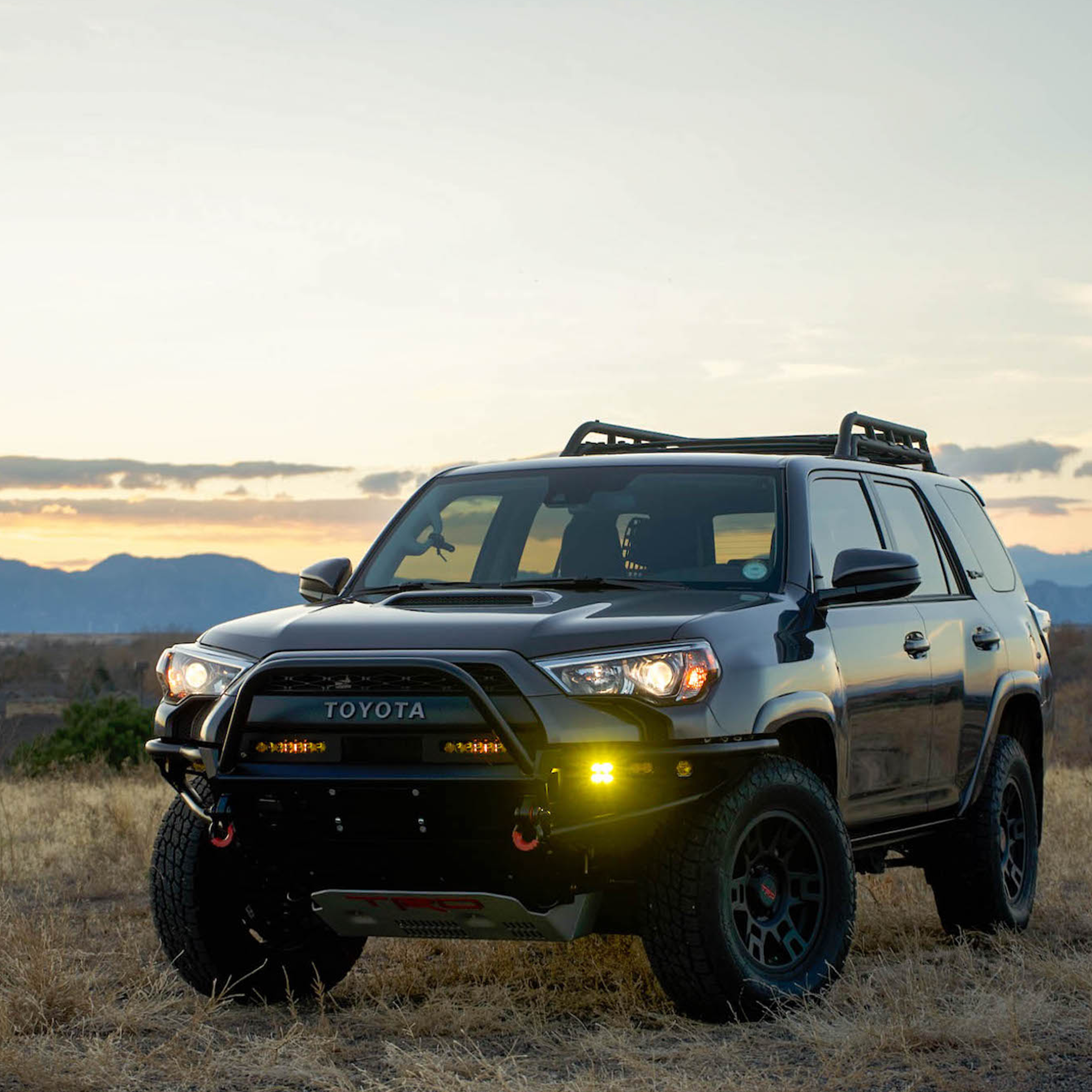
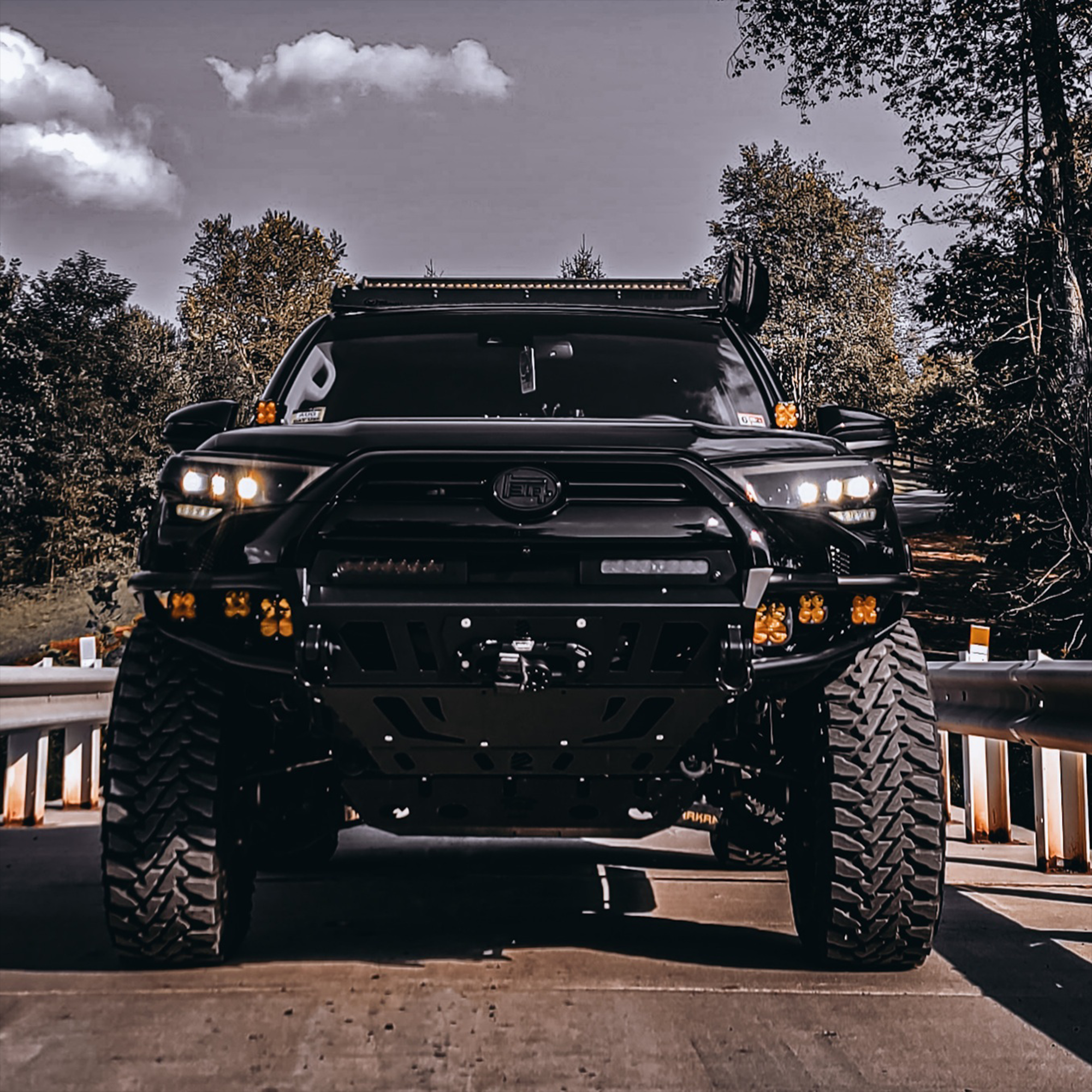
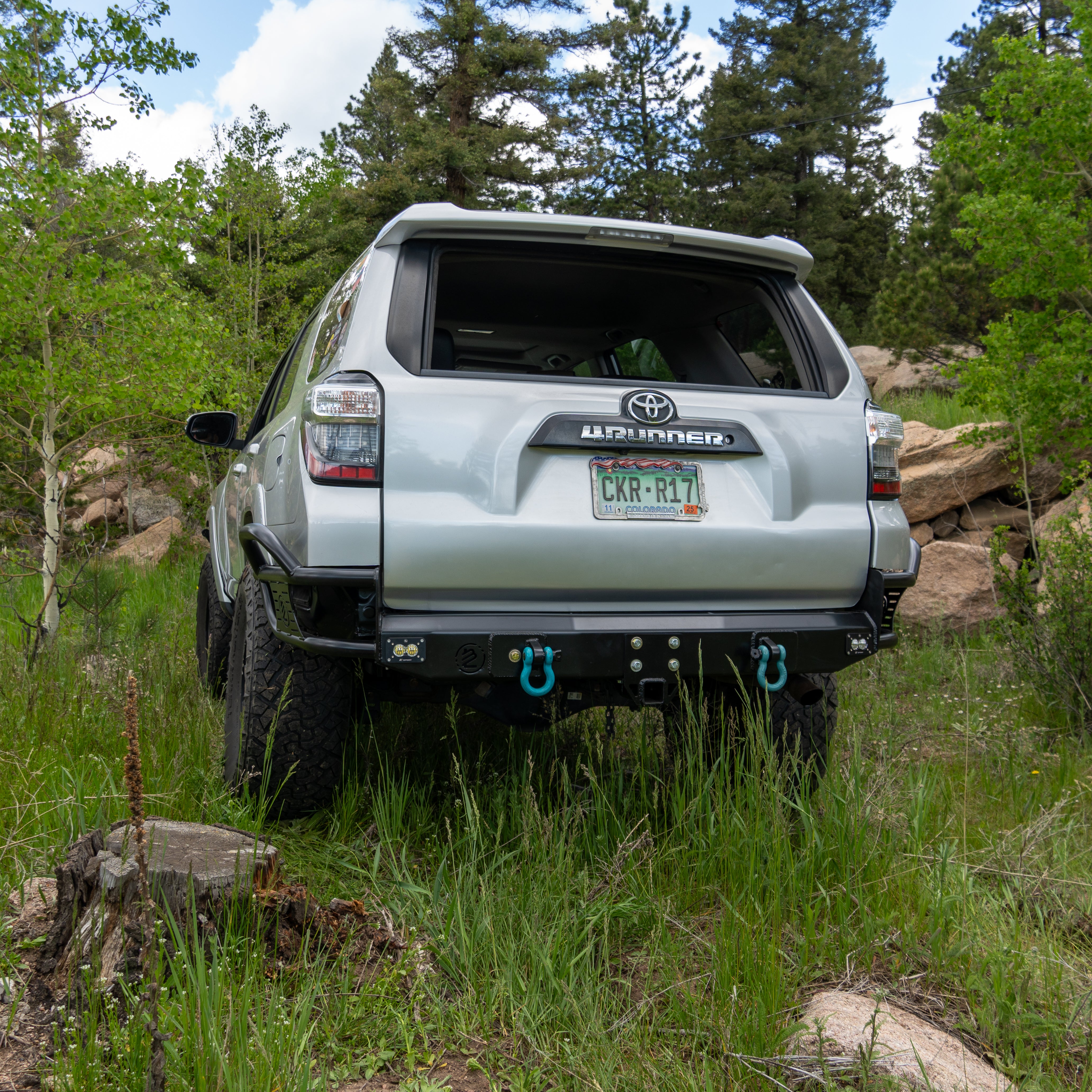
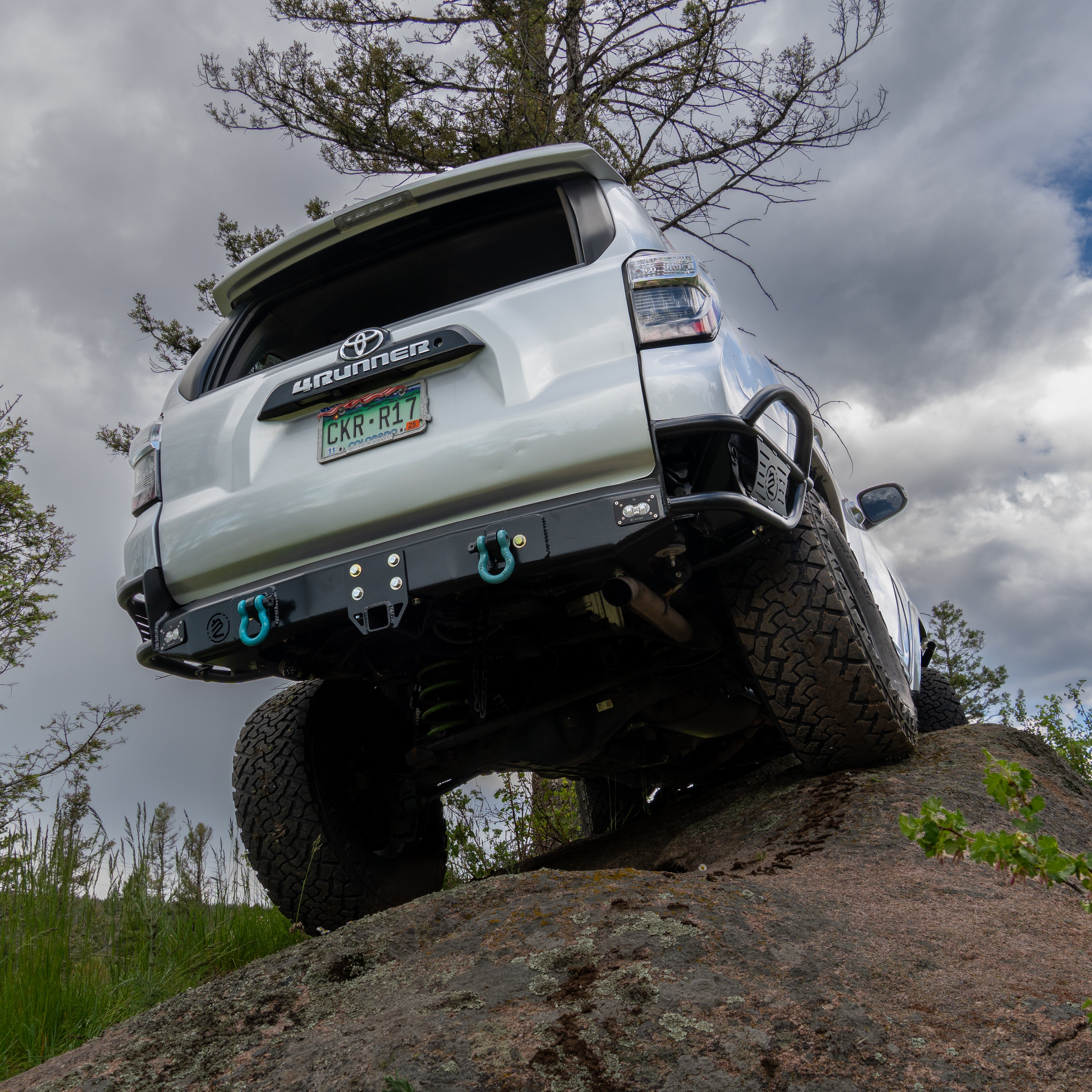
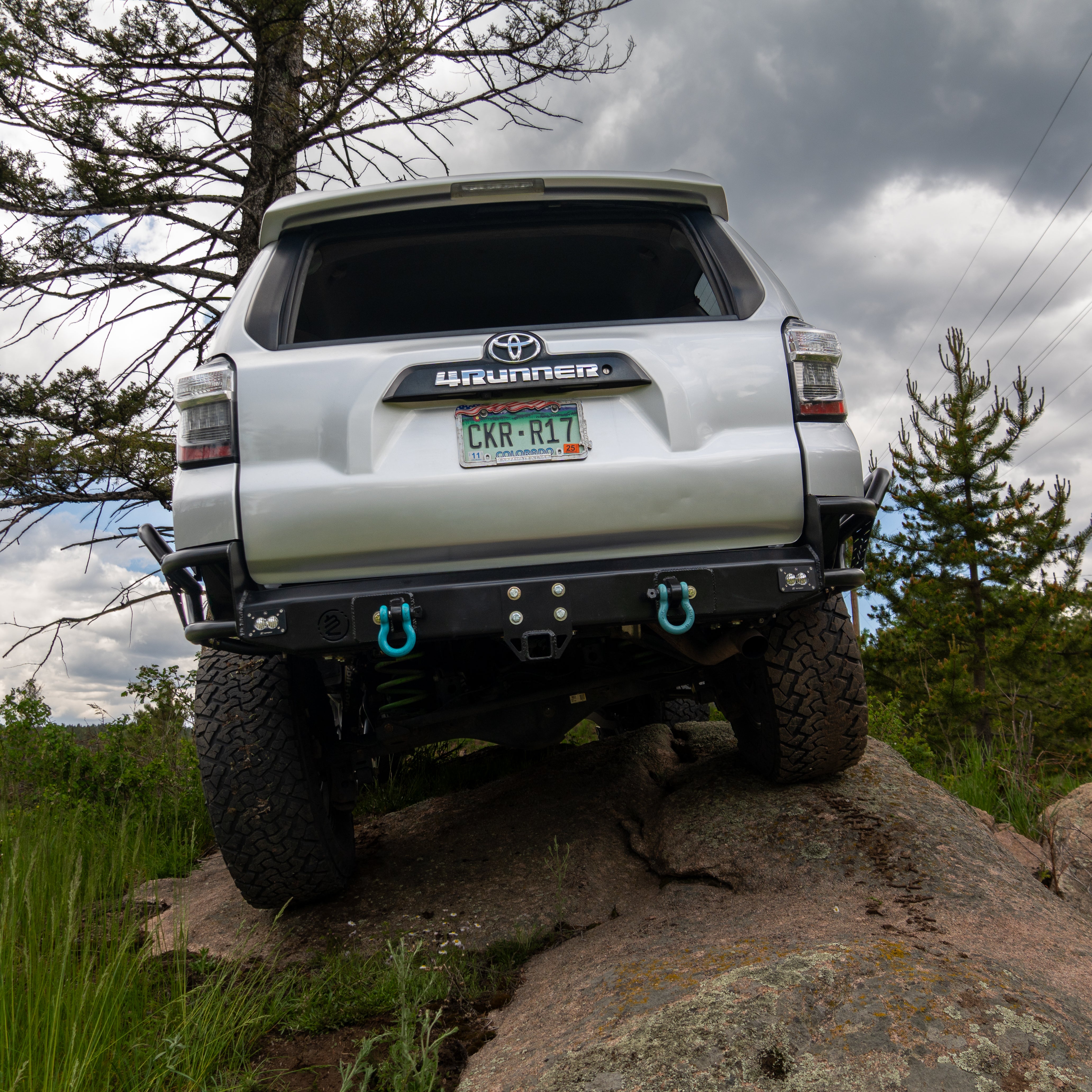
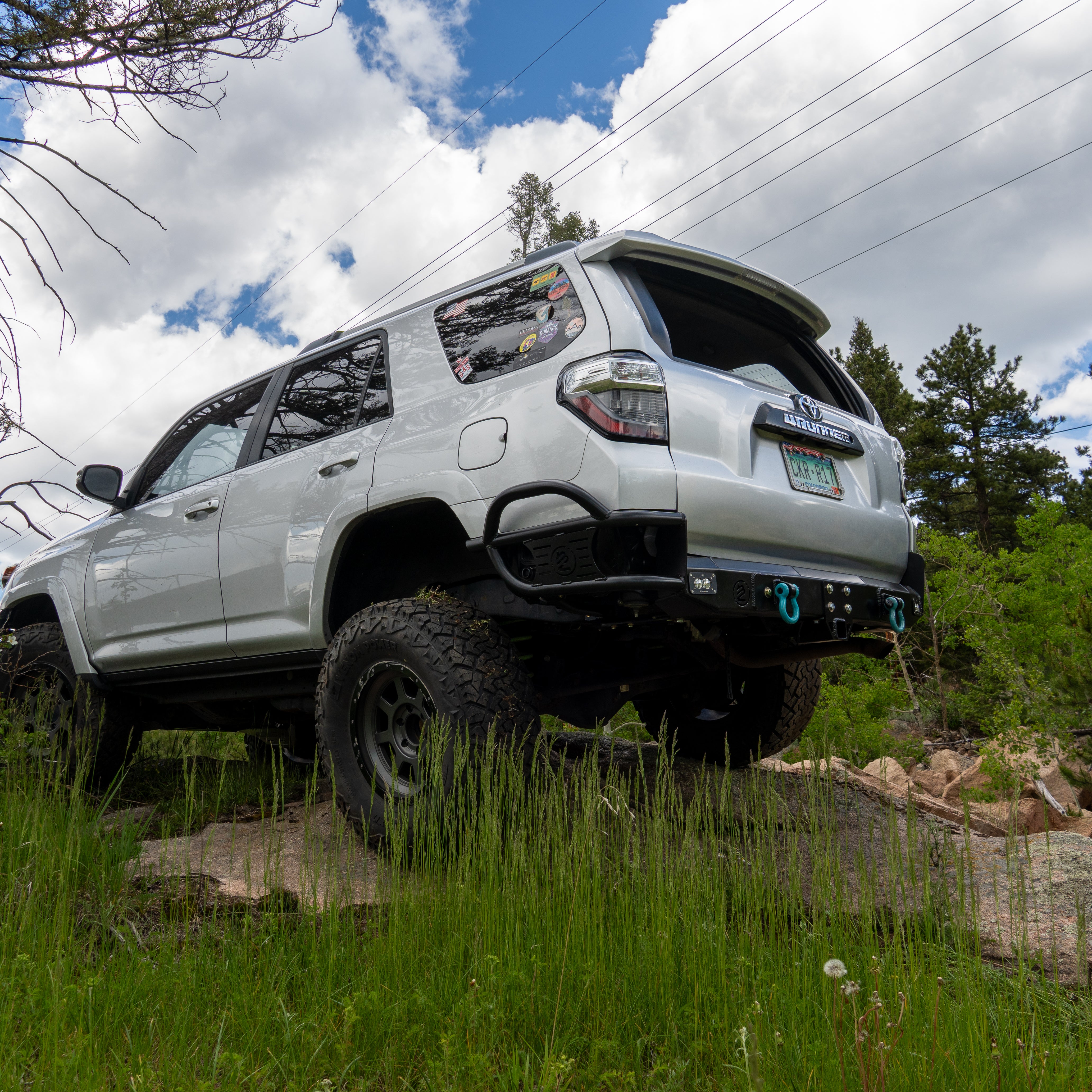
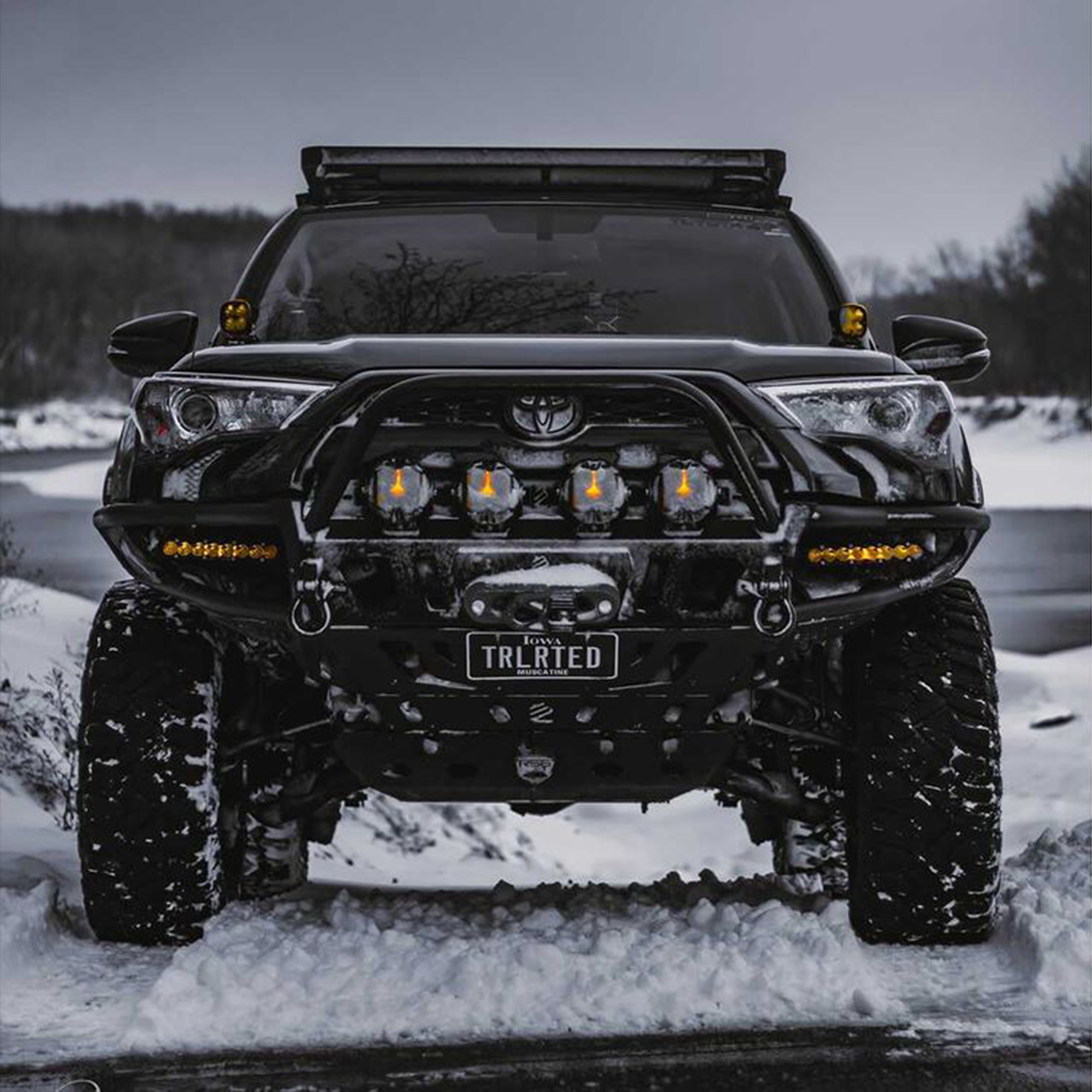
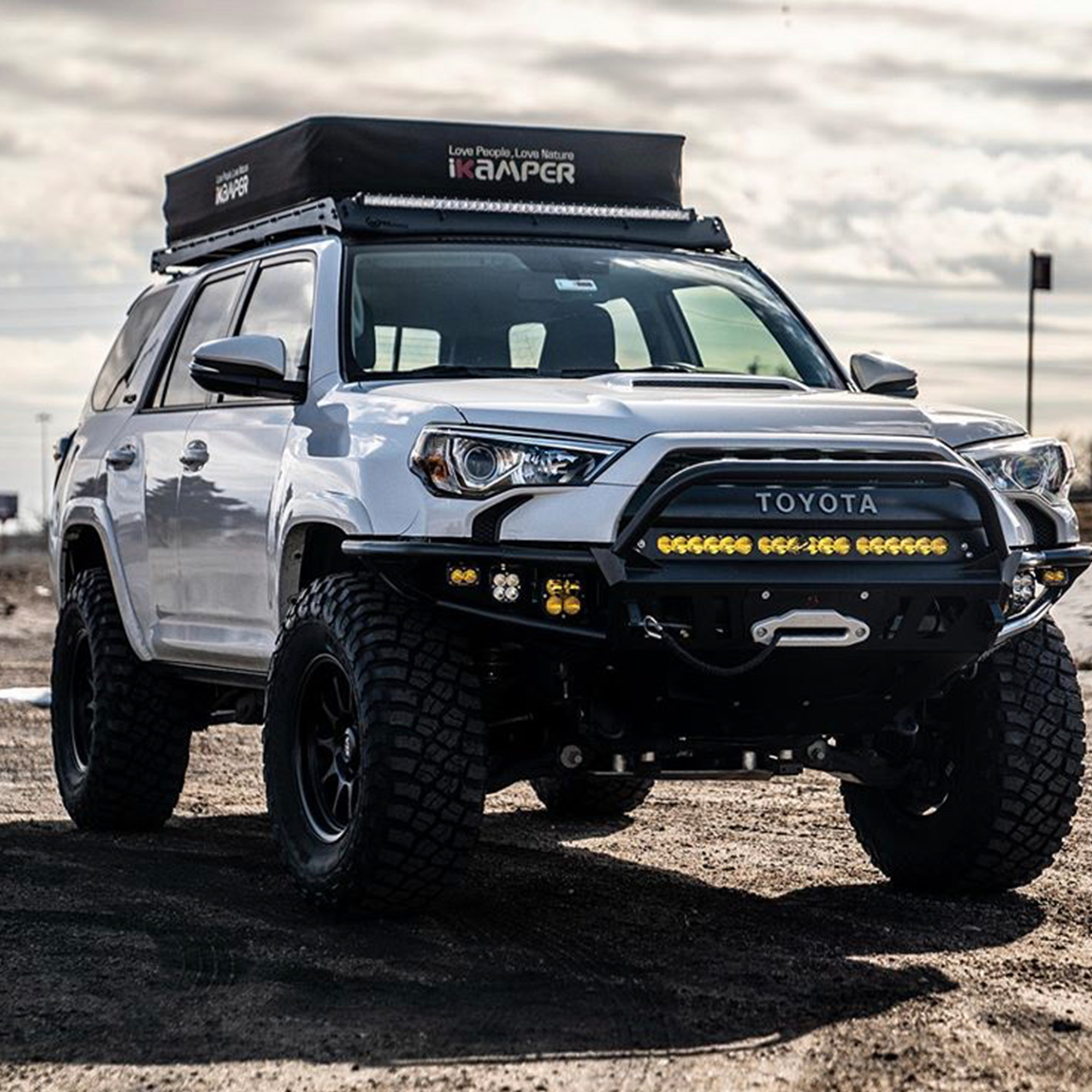
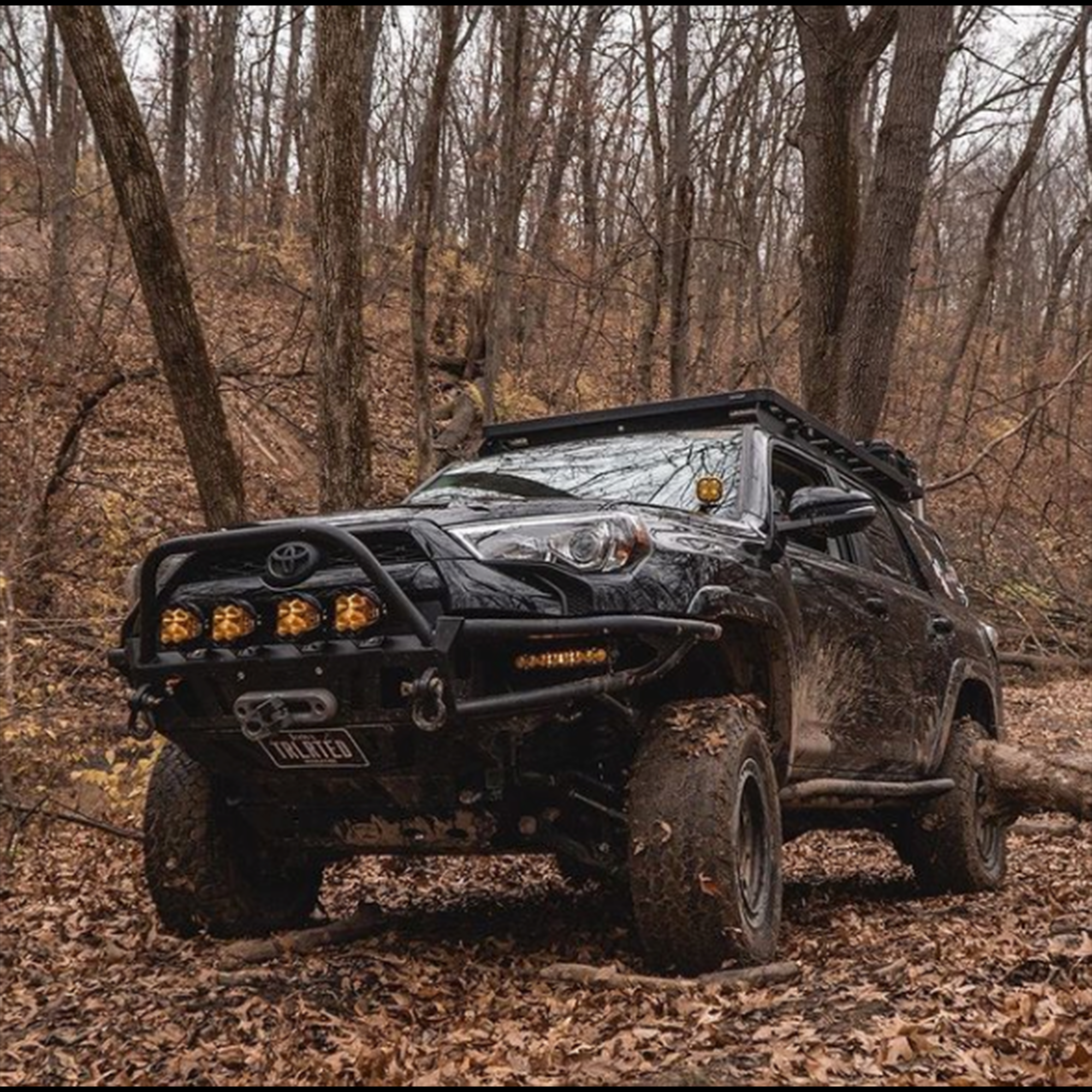
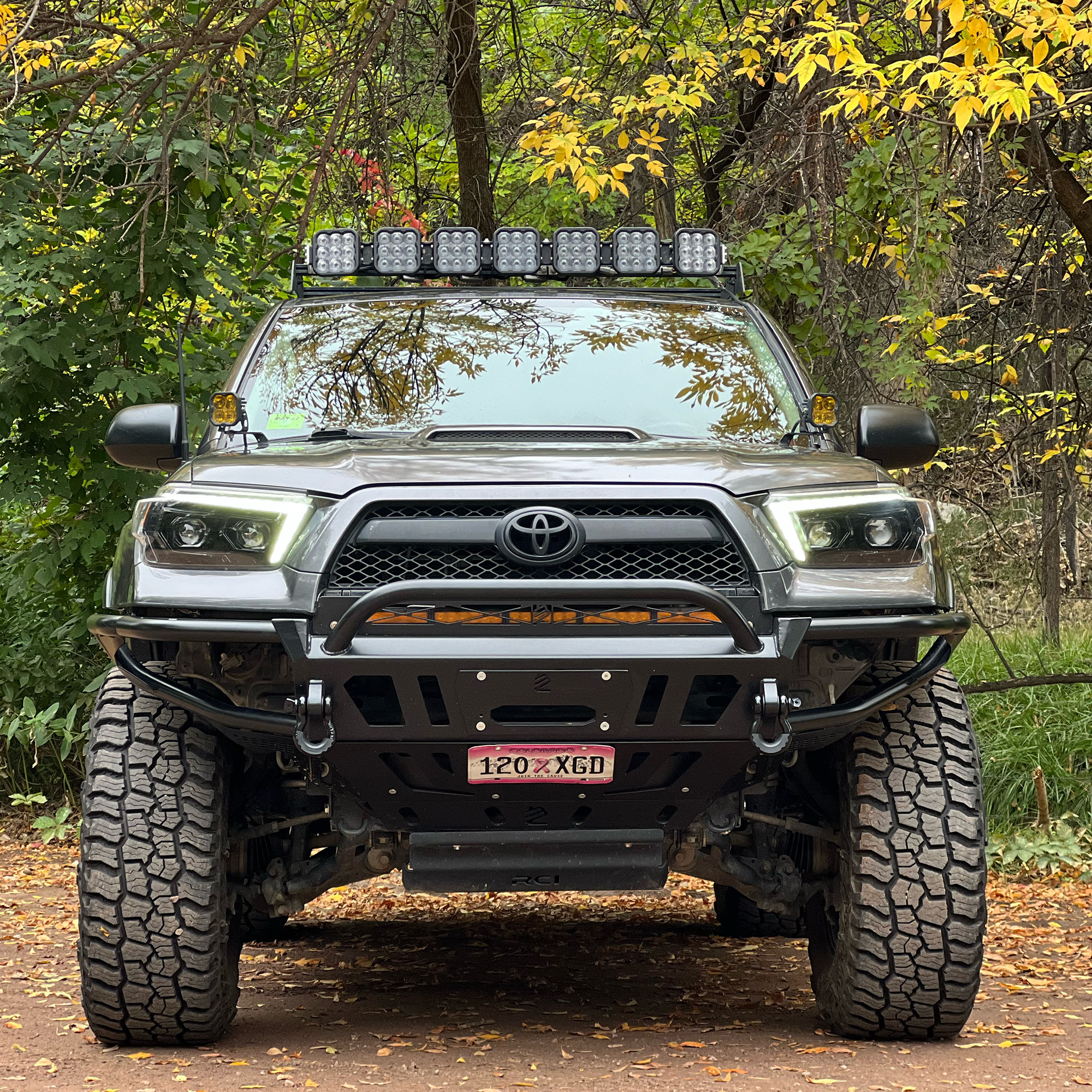
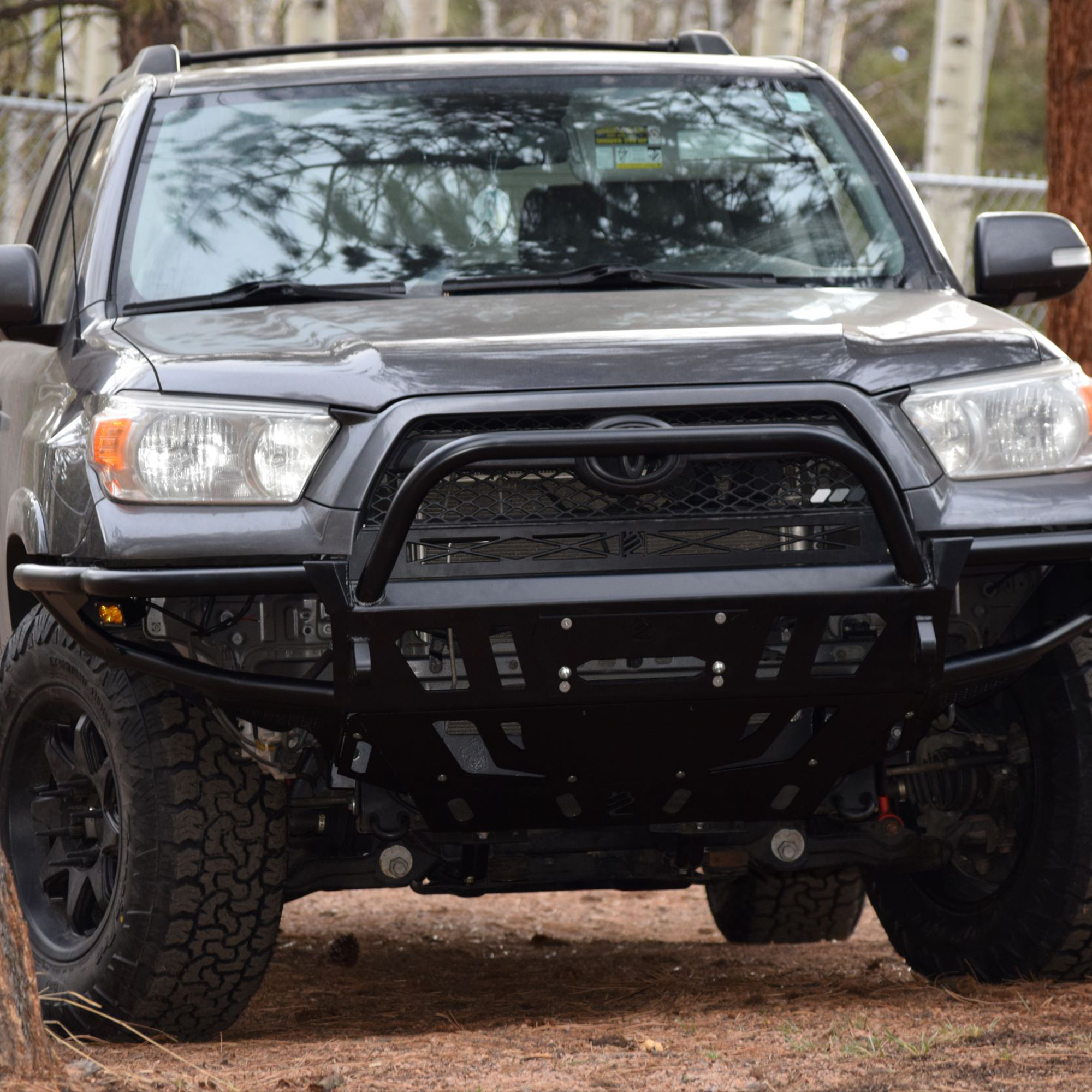
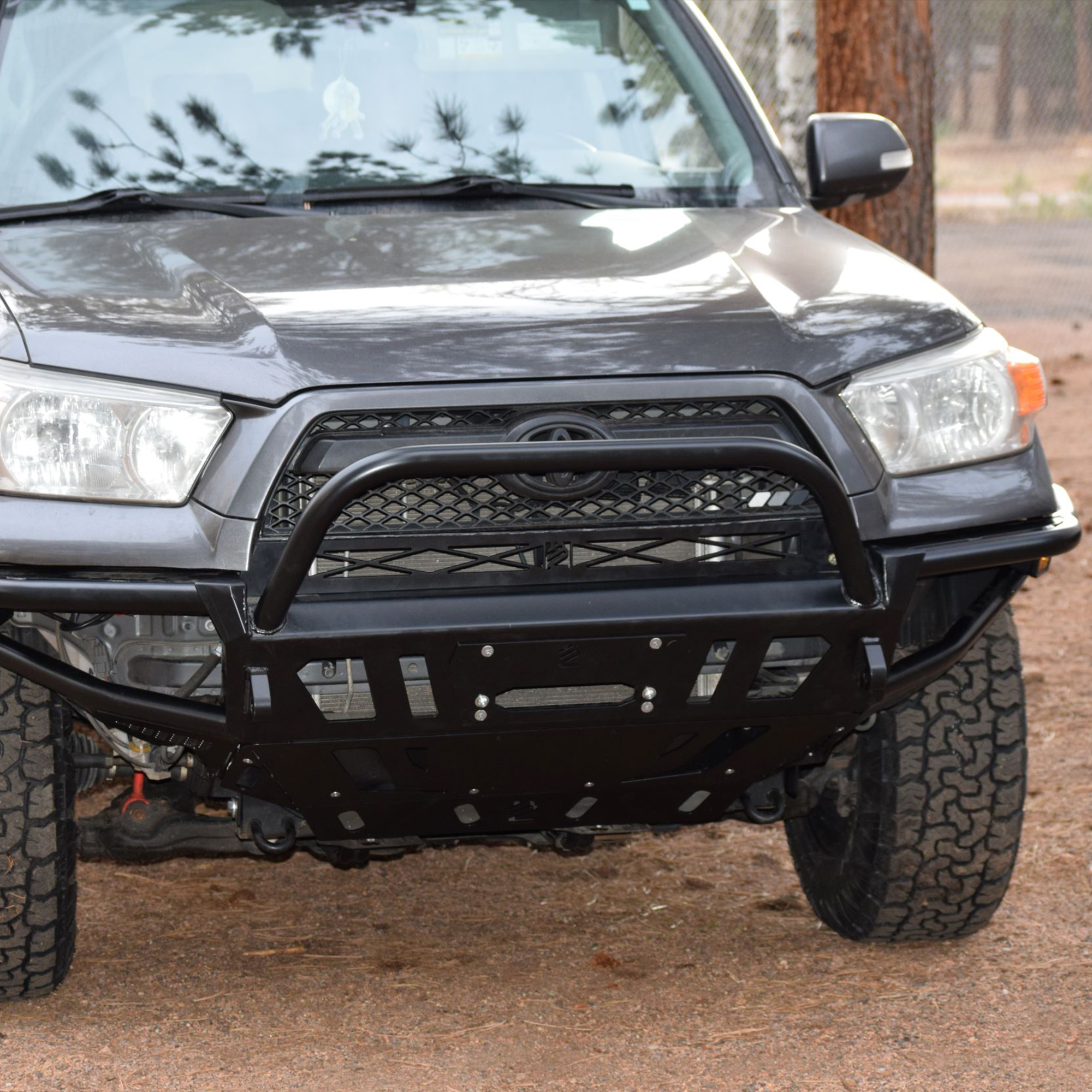
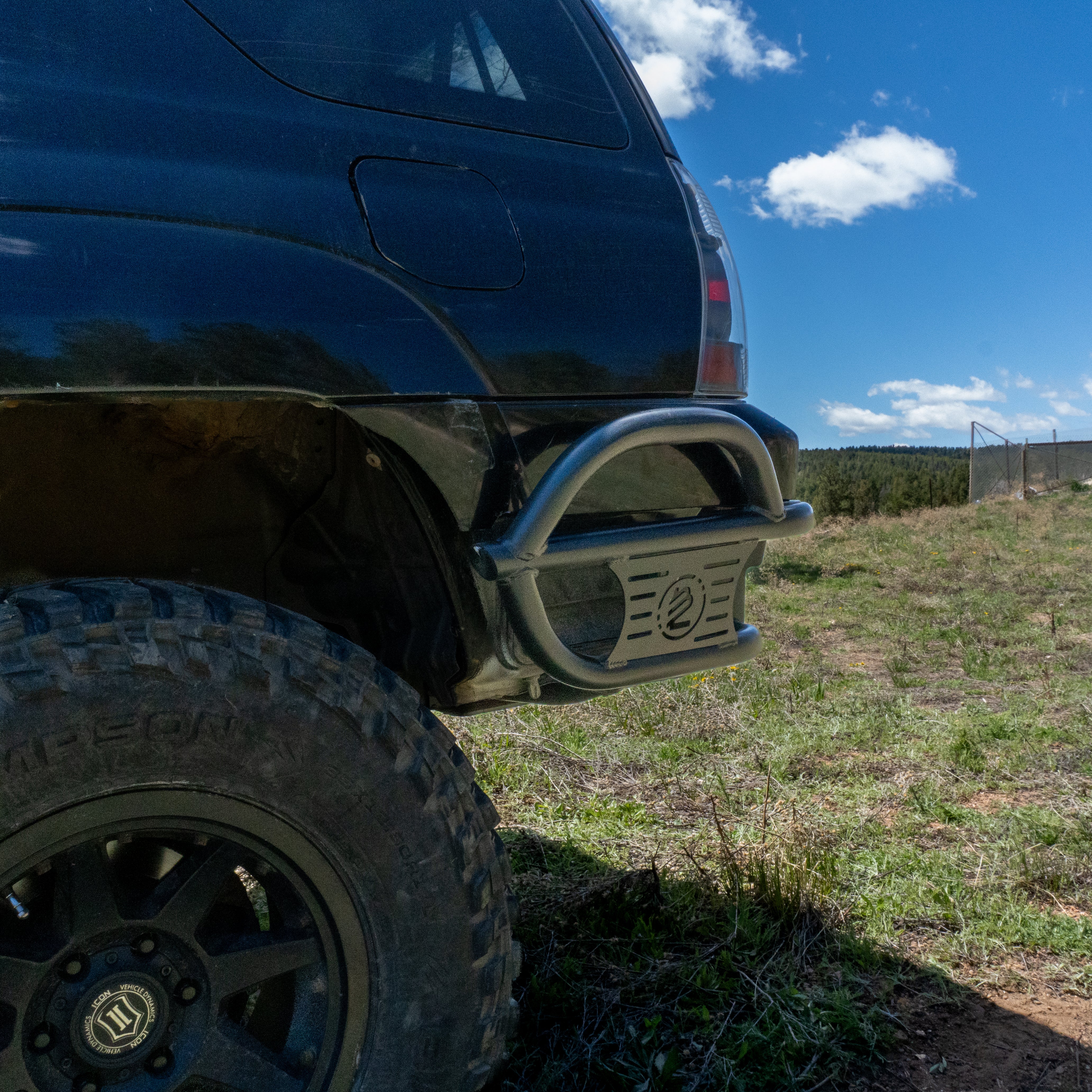
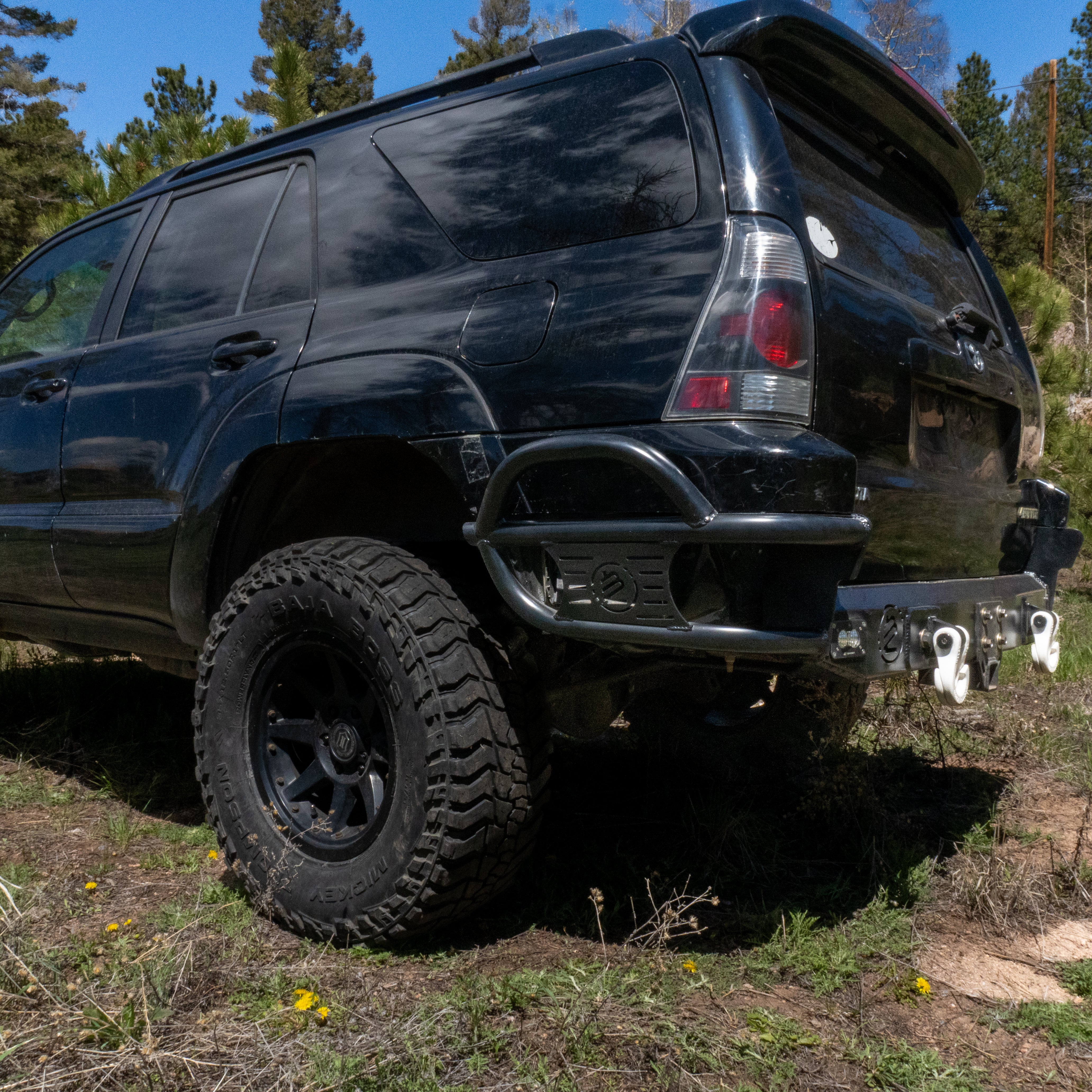
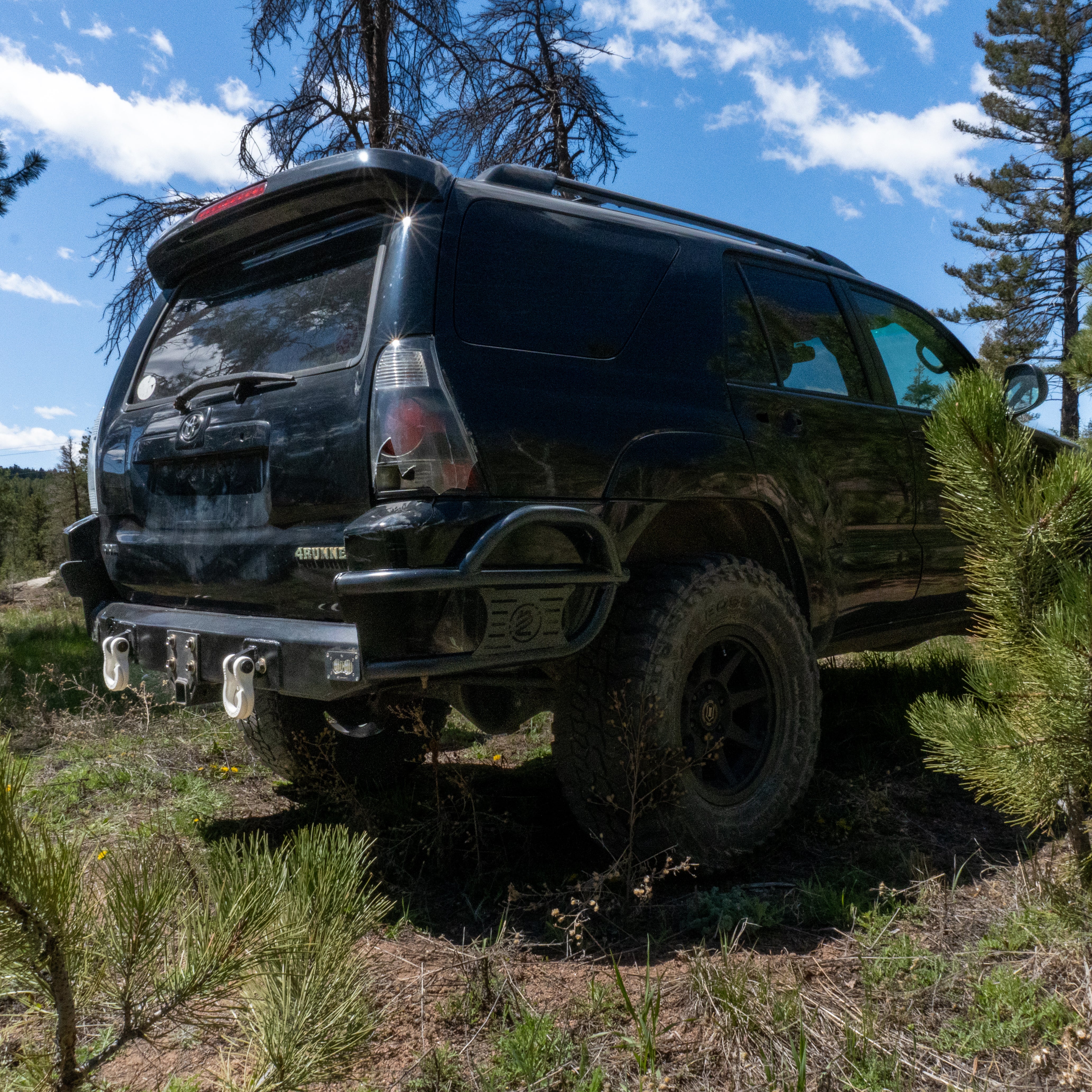
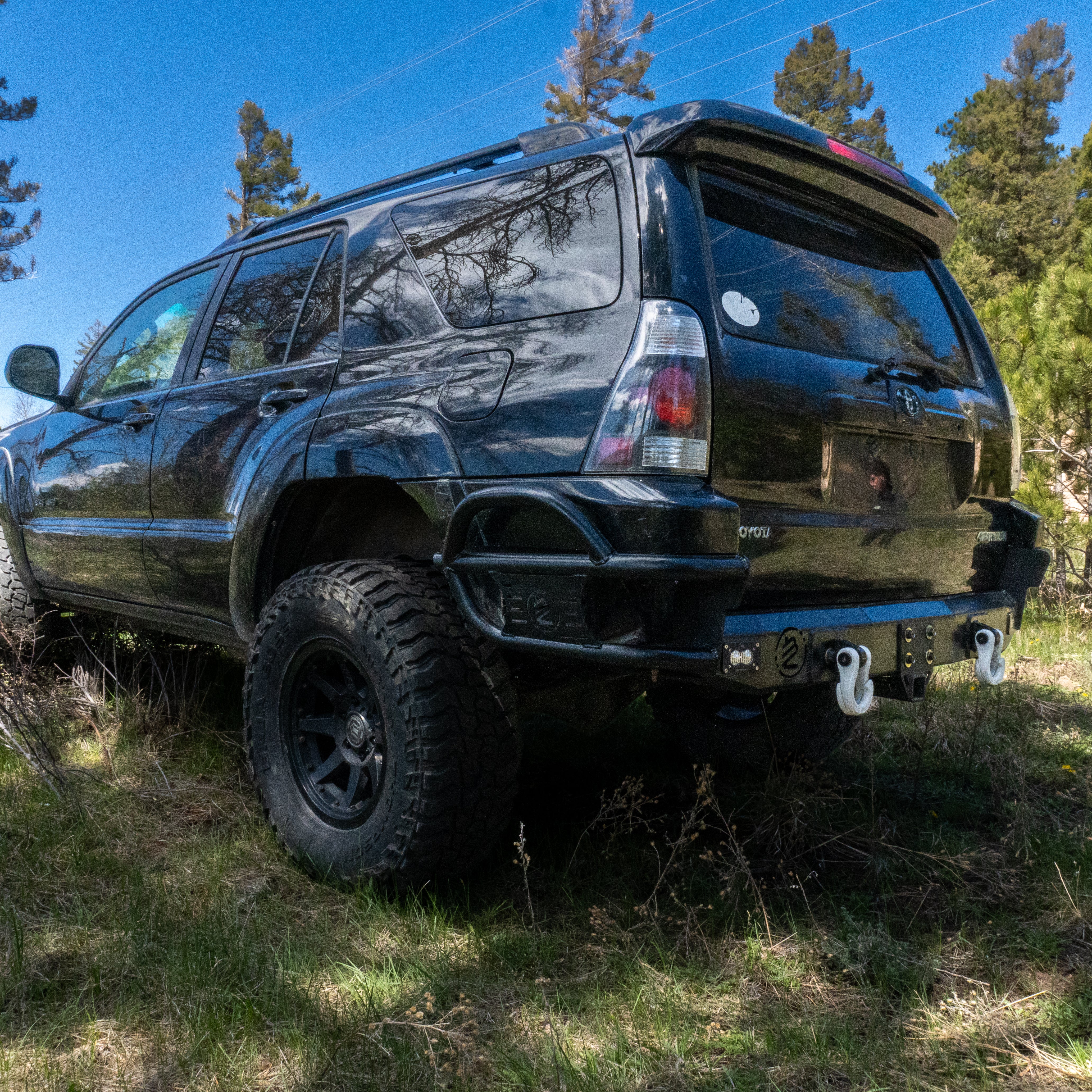
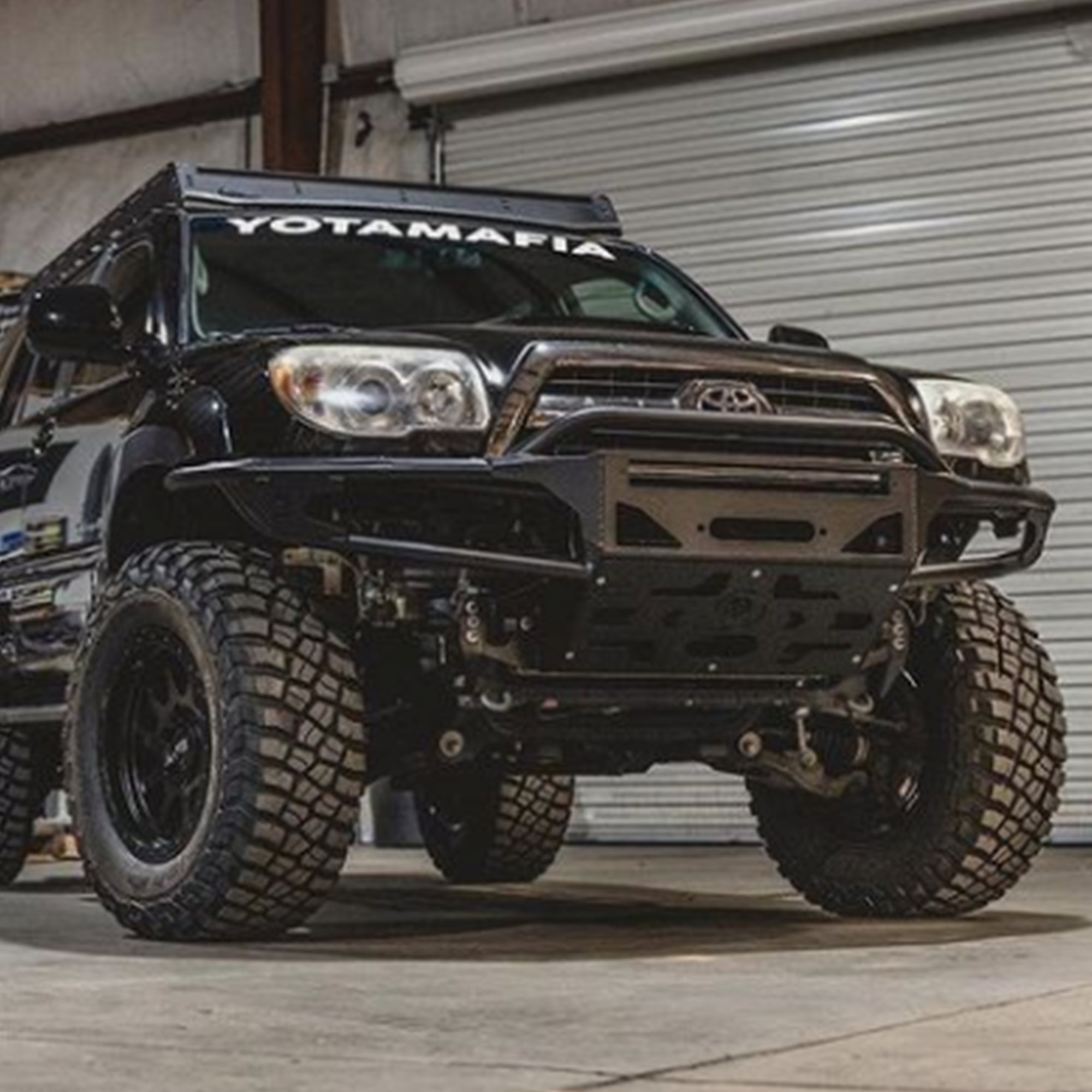
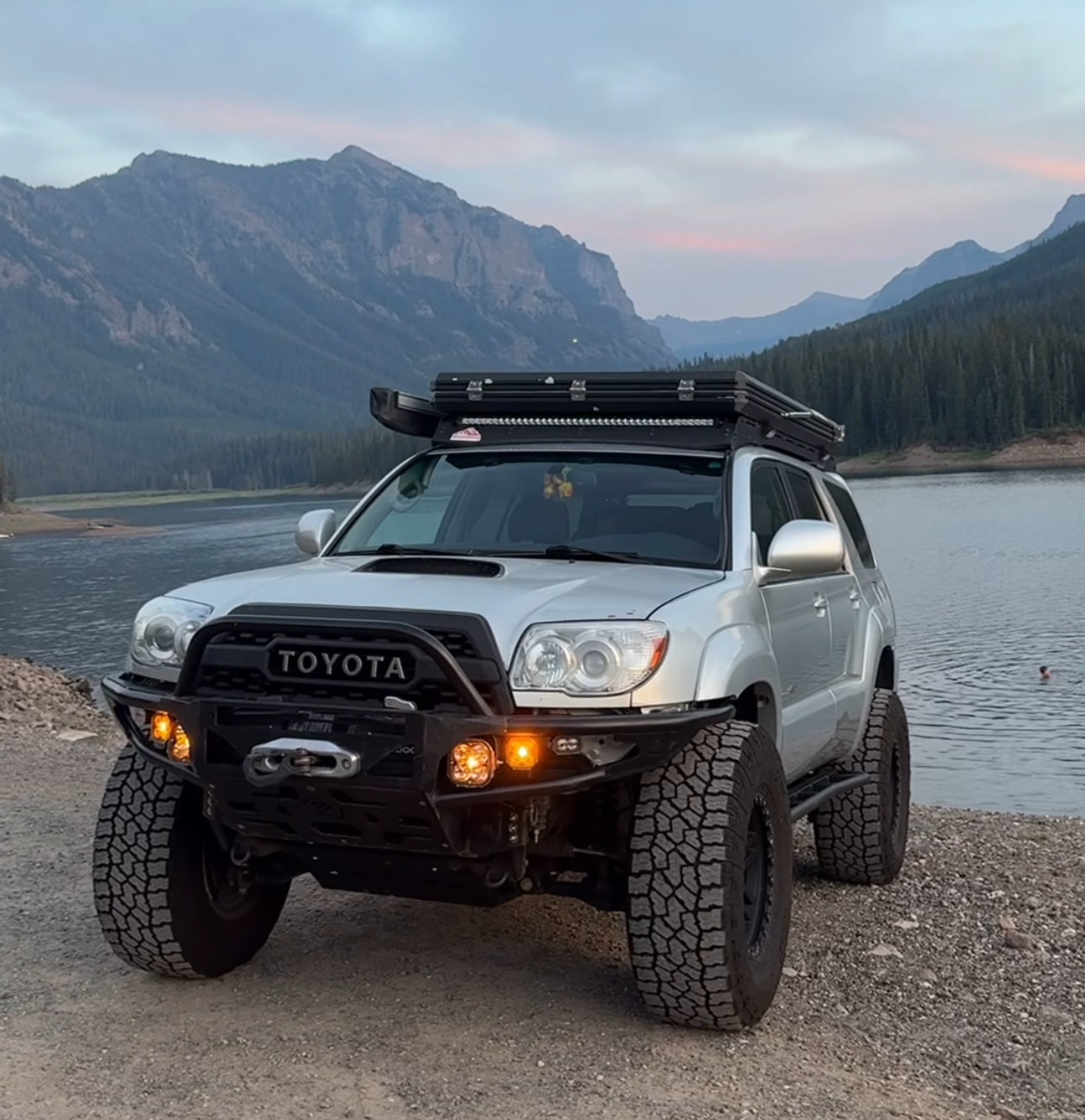
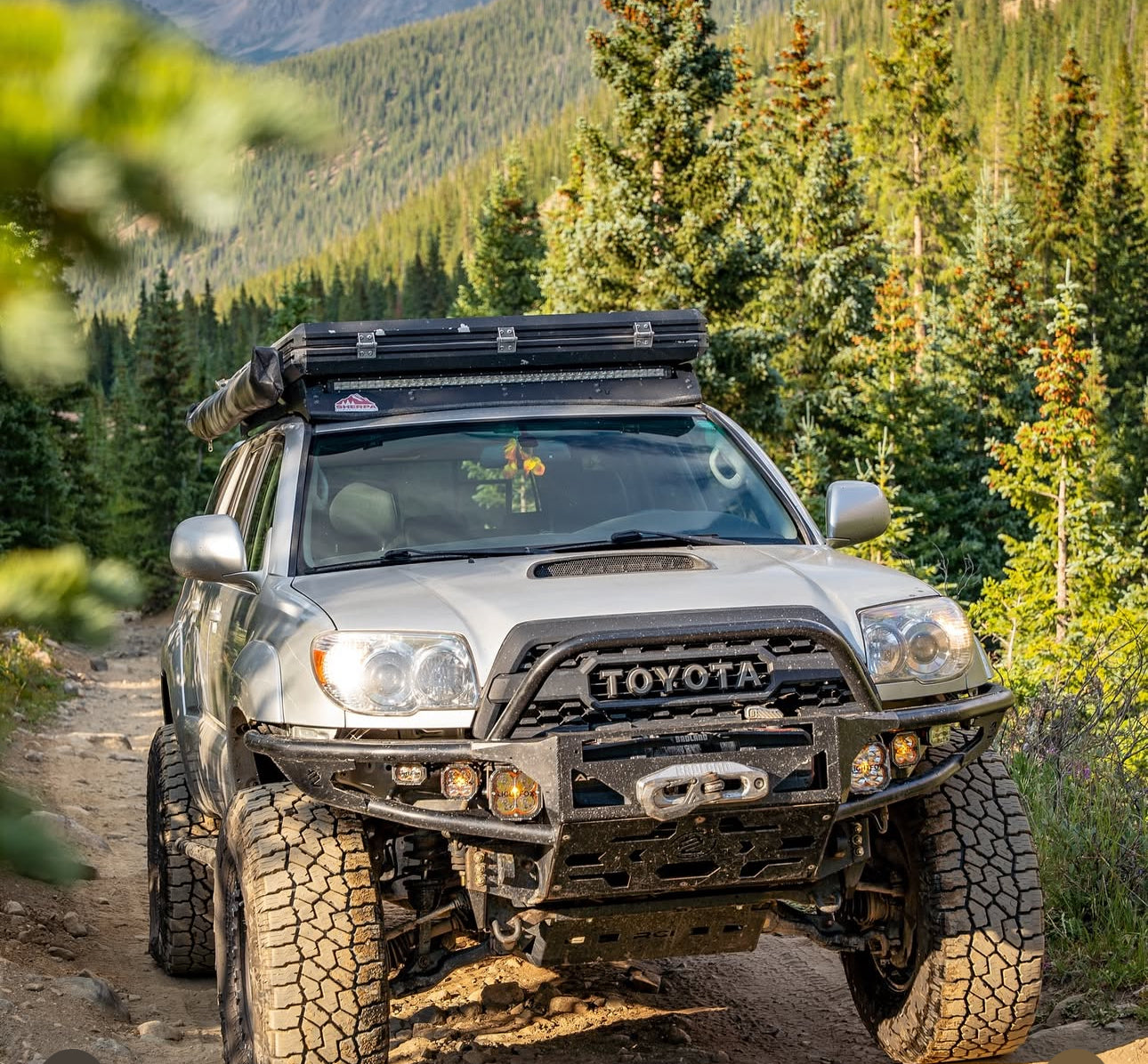
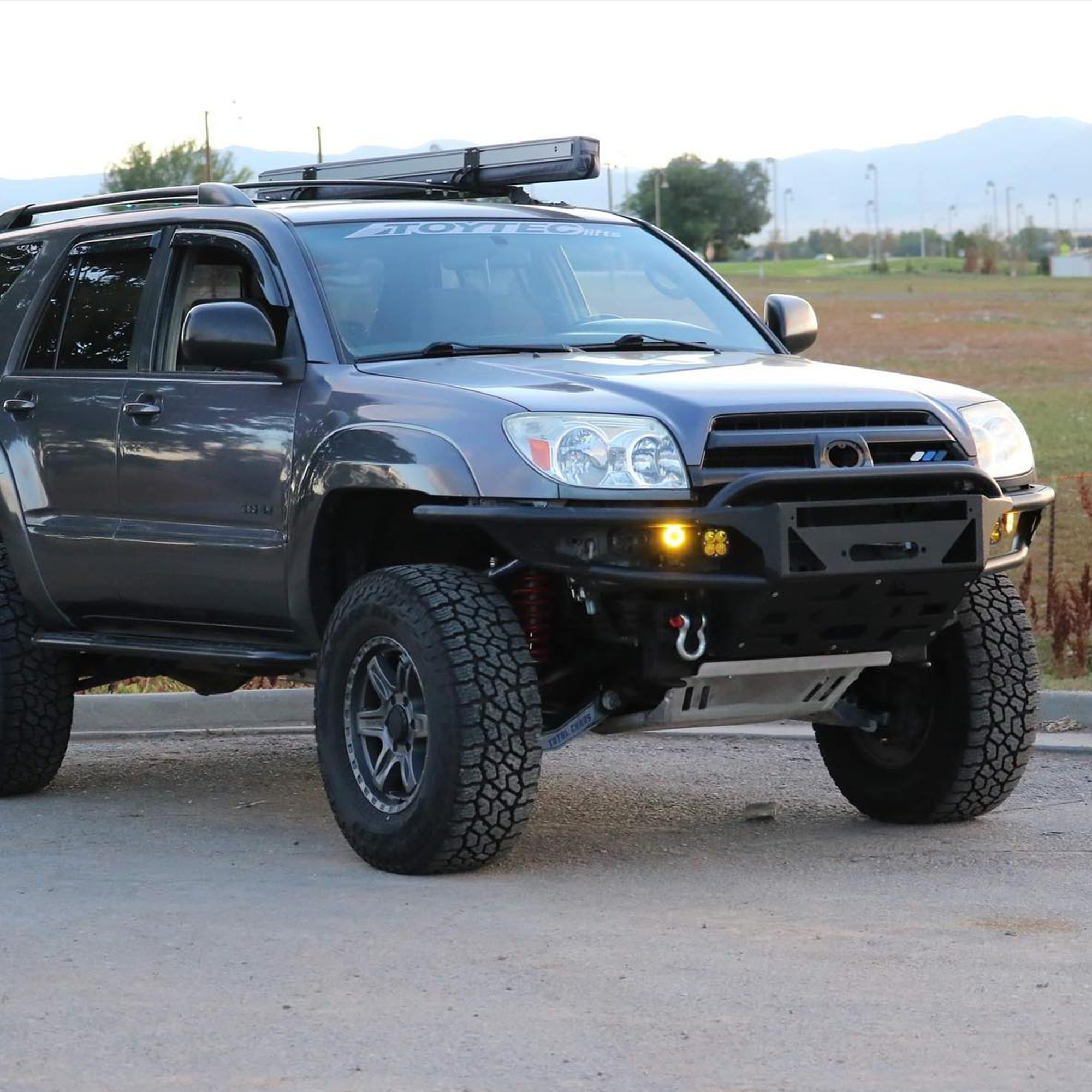
Aftermarket off-road armor is designed to solve real trail problems, not just look aggressive.
The biggest advantages include:
-
Stronger materials that handle repeated impacts
-
Frame-mounted recovery points
-
Improved approach and departure angles
-
Better winch and accessory integration
-
Protection for vital components like radiators and frames
This shift turns the bumper from decoration into functional equipment.
Choosing the Right Level of Protection
Not every rig needs the heaviest setup available. The key is matching armor to how you drive.
Consider these factors:
-
Trail difficulty you regularly encounter
-
Vehicle weight and suspension setup
-
Daily driving versus trail-only use
-
Future build plans
Balanced armor improves confidence without overloading the vehicle.
Why Vehicle-Specific Design Matters
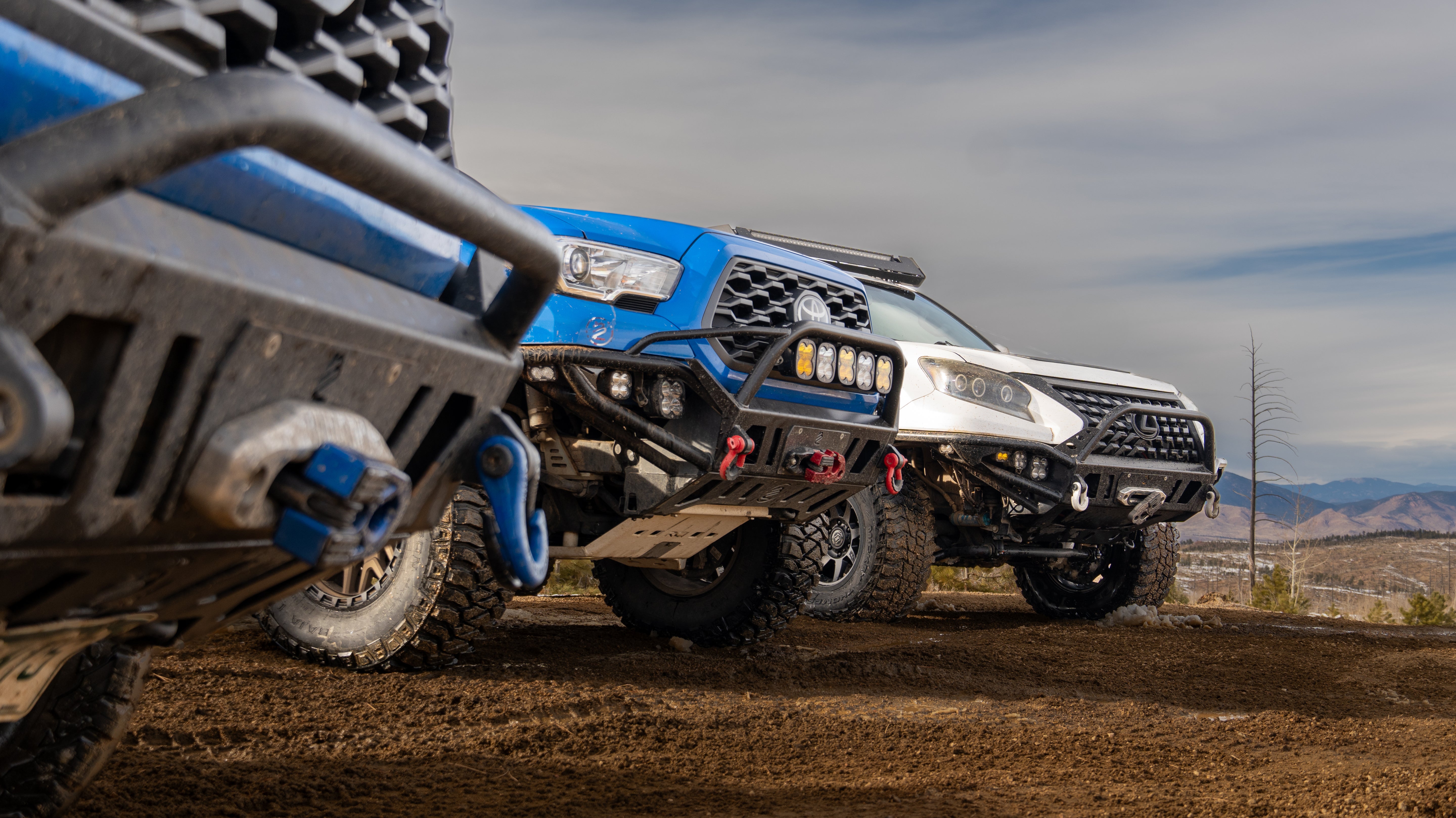
Toyota and Lexus platforms have unique frame layouts, sensor locations, and body contours. Generic armor often compromises fitment or functionality.
Vehicle-specific armor provides:
-
Proper alignment with factory mounting points
-
Cleaner integration with body lines
-
Compatibility with factory sensors and systems
-
Reduced install issues and adjustments
That attention to detail shows up every time the rig hits the trail.
Building Confidence One Upgrade at a Time
Upgrading to aftermarket armor is not about pushing limits recklessly. It is about knowing your rig can handle the conditions you ask of it.
At Lil B’s Custom Fabrication, armor is designed for Toyota and Lexus platforms with real trail use in mind. Each piece focuses on protection, fitment, and long-term durability so drivers can build with confidence instead of guesswork.
If your stock setup is starting to feel like a limitation, explore Lil B’s Custom Farbication's bumper and armor options and take the next step toward a trail-ready build.
Share:
Building an Off-Road Setup That Actually Works Together
Why Your Bumper Is the Most Important Off-Road Mod