


For seasoned off-roaders, bumpers are more than just armor, they’re a structural upgrade that changes how your rig performs, recovers, and survives on the trail. Yet, bumpers are often treated as an aesthetic mod first and a functional system second.
At Lil B’s Custom Fabrication, we design bumpers for people who actually use their rigs. That means real recovery points, real mounting systems, real approach and departure angles, and real-world durability, not just something that looks good in a parking lot.
If you already live in the off-road world, here’s a deeper look at why bumpers matter, what separates good from great, and how to think about your setup like a builder, not just a buyer.

Bumpers Are Structural Components, Not Accessories
Many people still think of bumpers as bolt-on armor. In reality, a proper off-road bumper becomes part of the vehicle’s structural recovery and protection system.
A well-designed bumper:
-
Transfers winch and recovery loads into the frame
-
Protects vulnerable body panels and cooling components
-
Improves approach and departure angles
-
Serves as a mounting platform for lighting, antennas, and accessories
-
Acts as a sacrificial barrier in rock or tree contact
Cheap bumpers often fail in one key area: load transfer. Recovery forces are extreme. A bad design can twist frame horns, shear mounting bolts, or deform mounting plates under real-world pulls.
A real off-road bumper is engineered first, styled second.
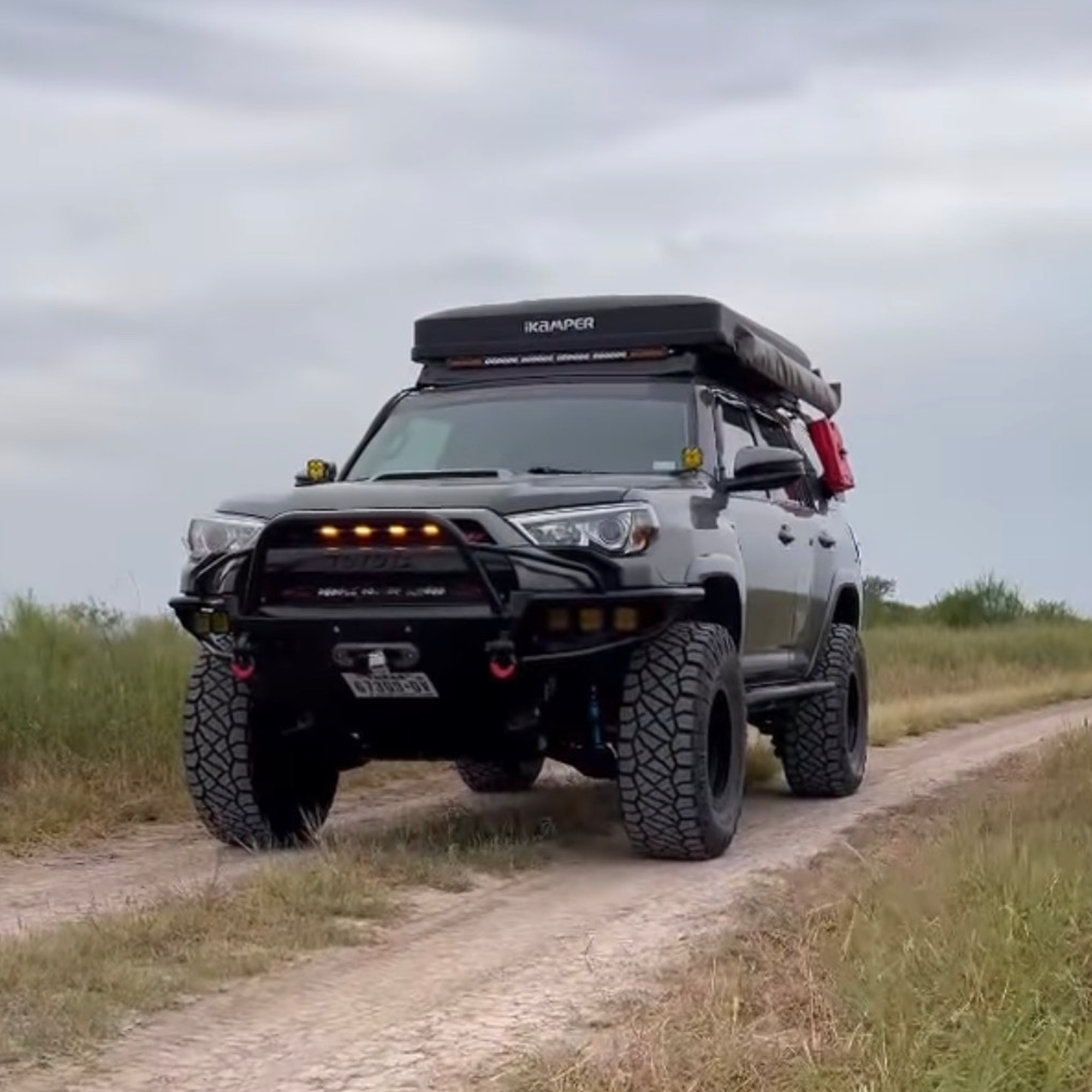
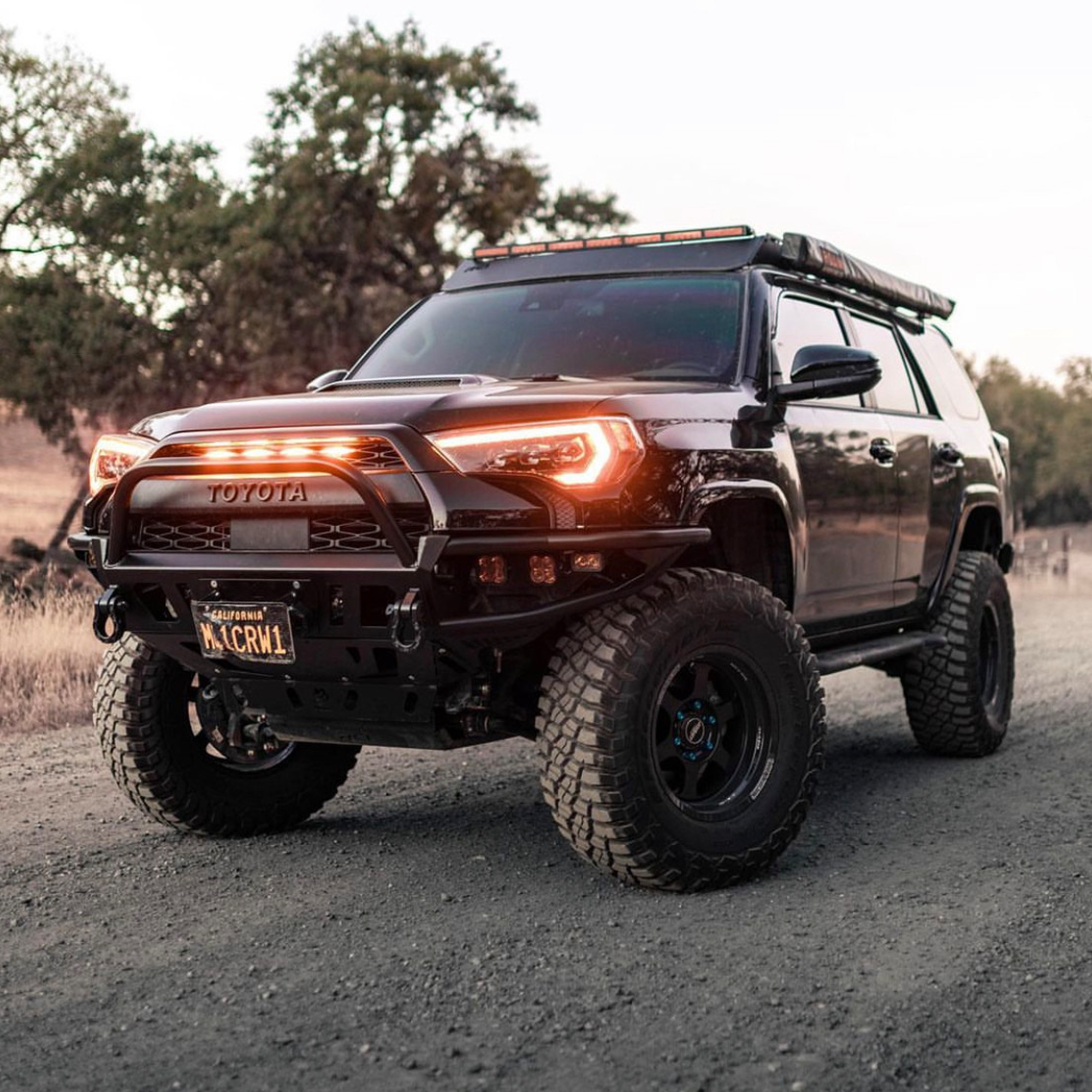
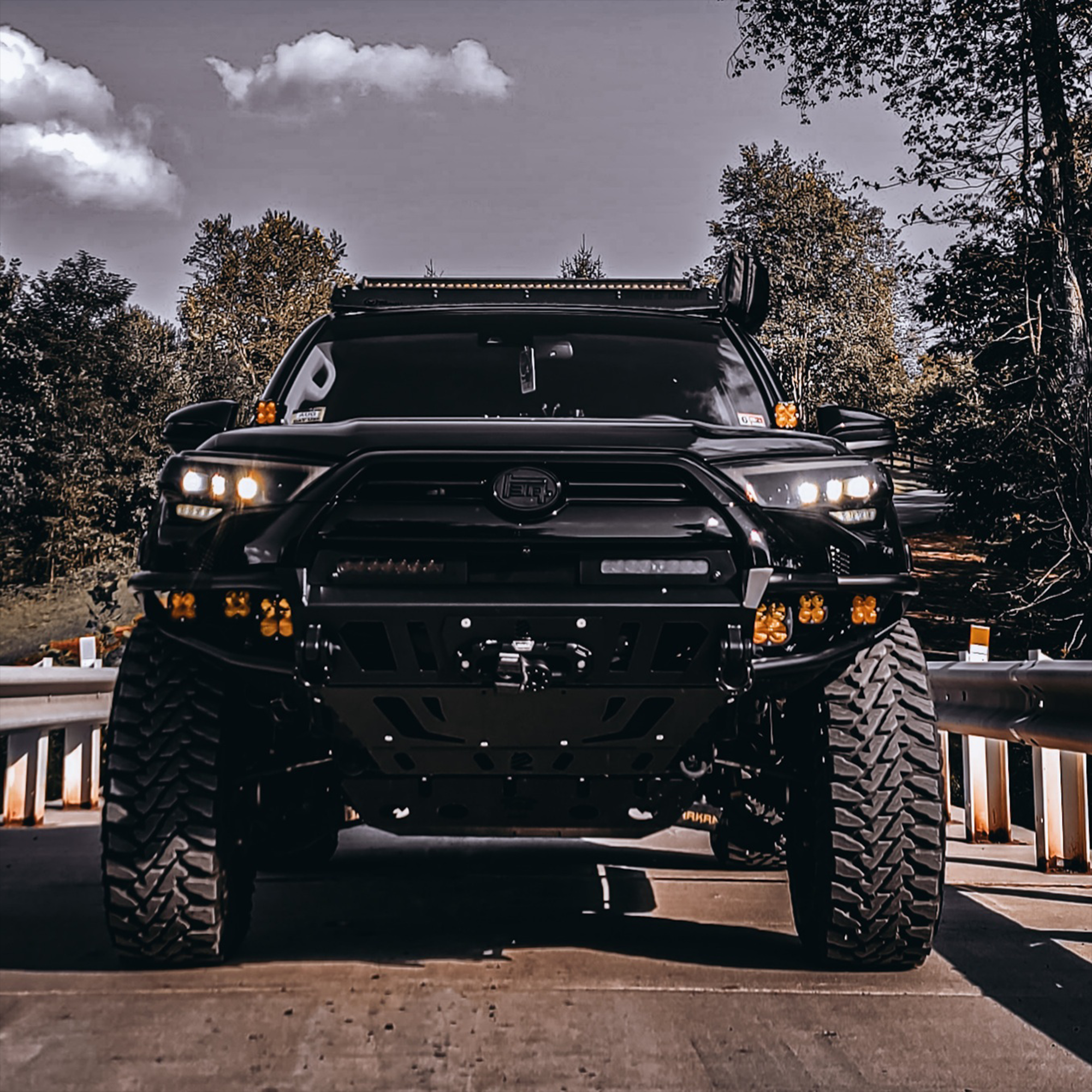
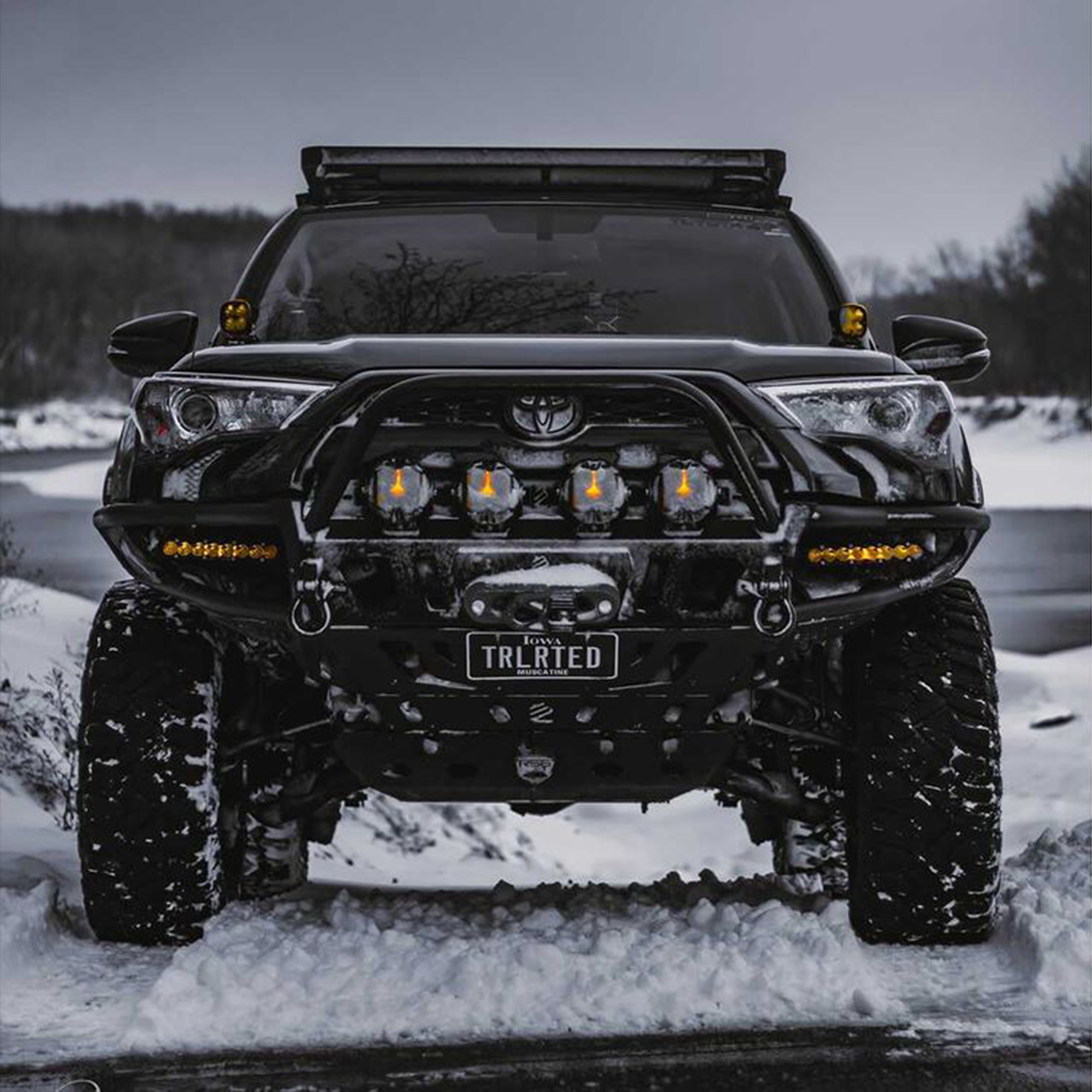
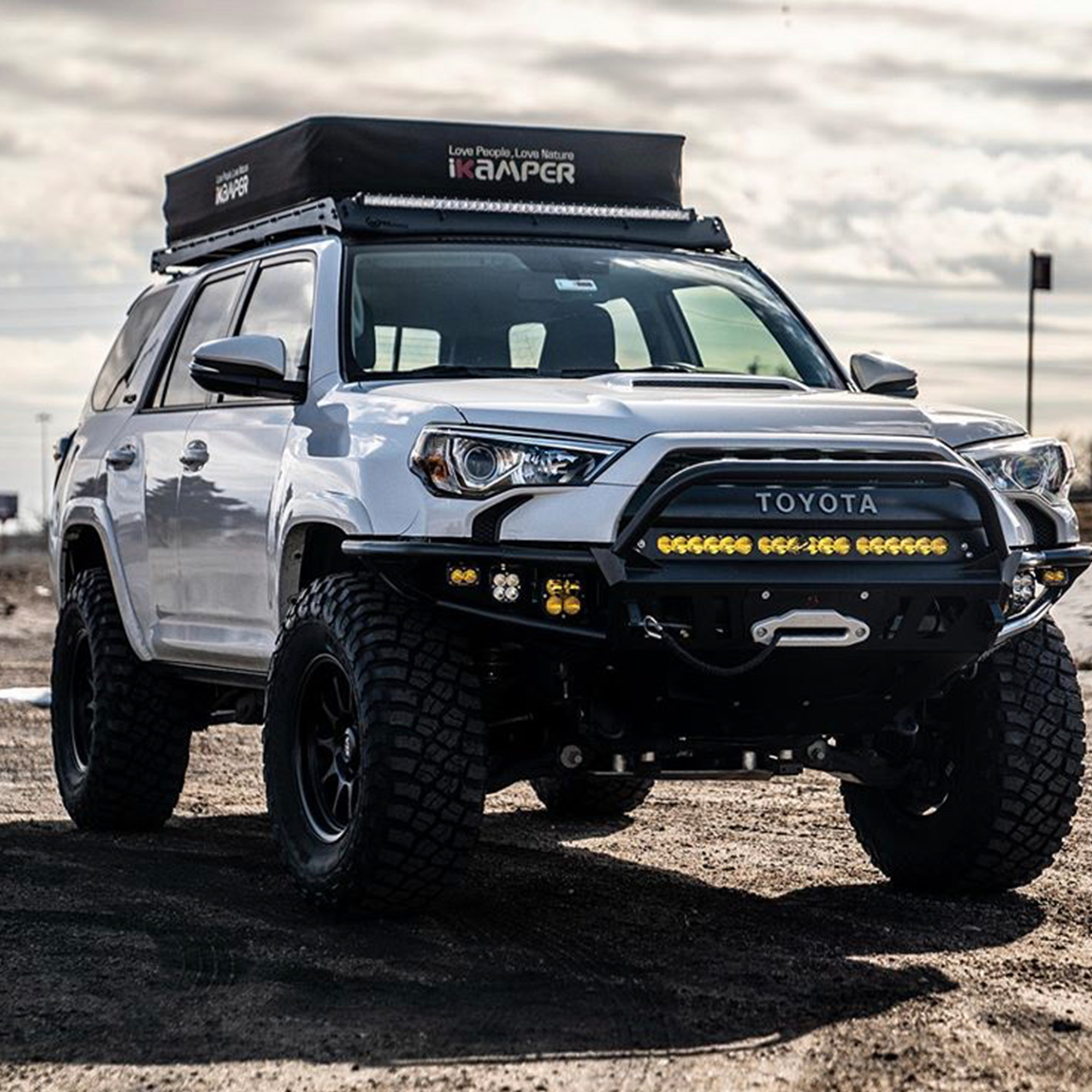
Front Bumpers: Approach Angle and Recovery Control
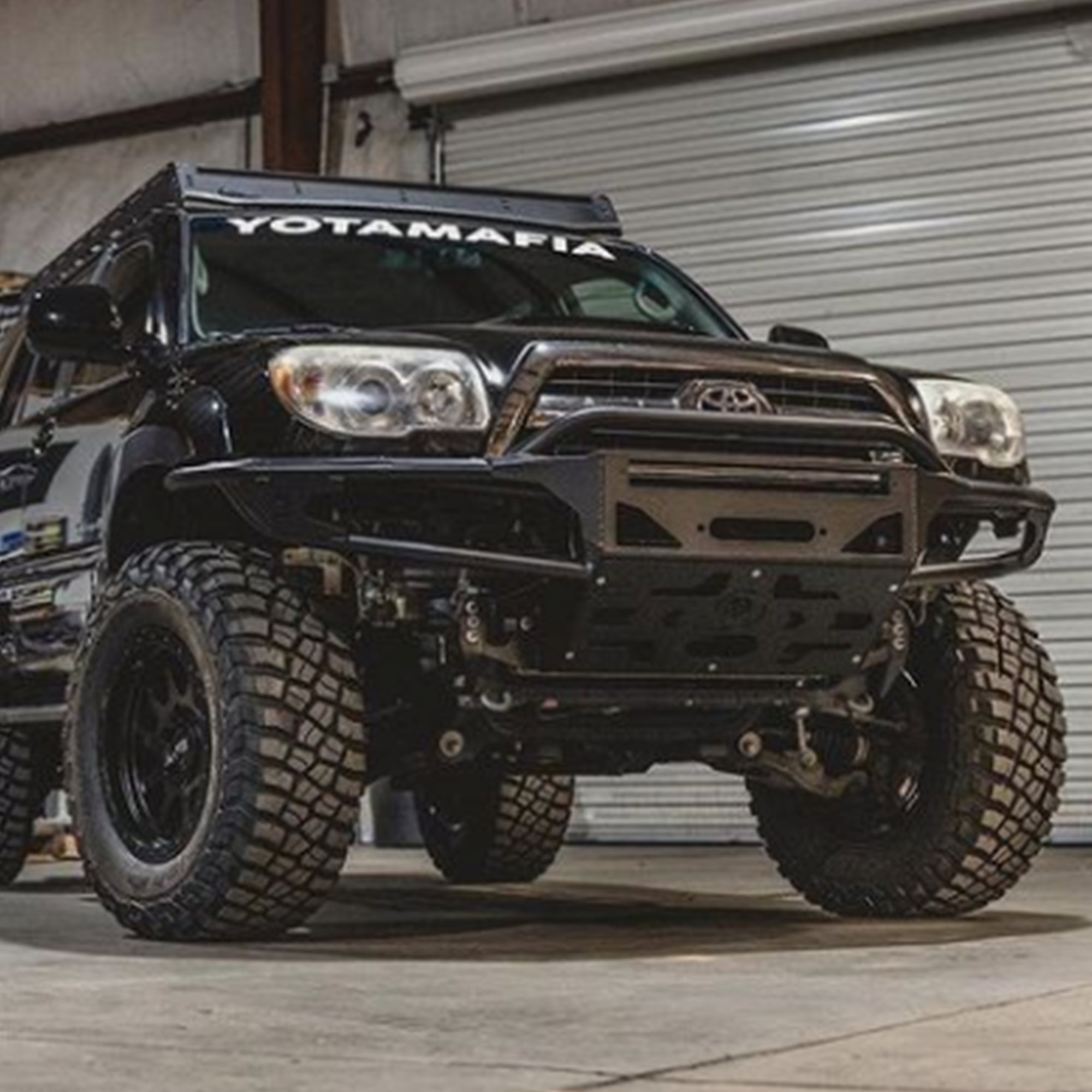
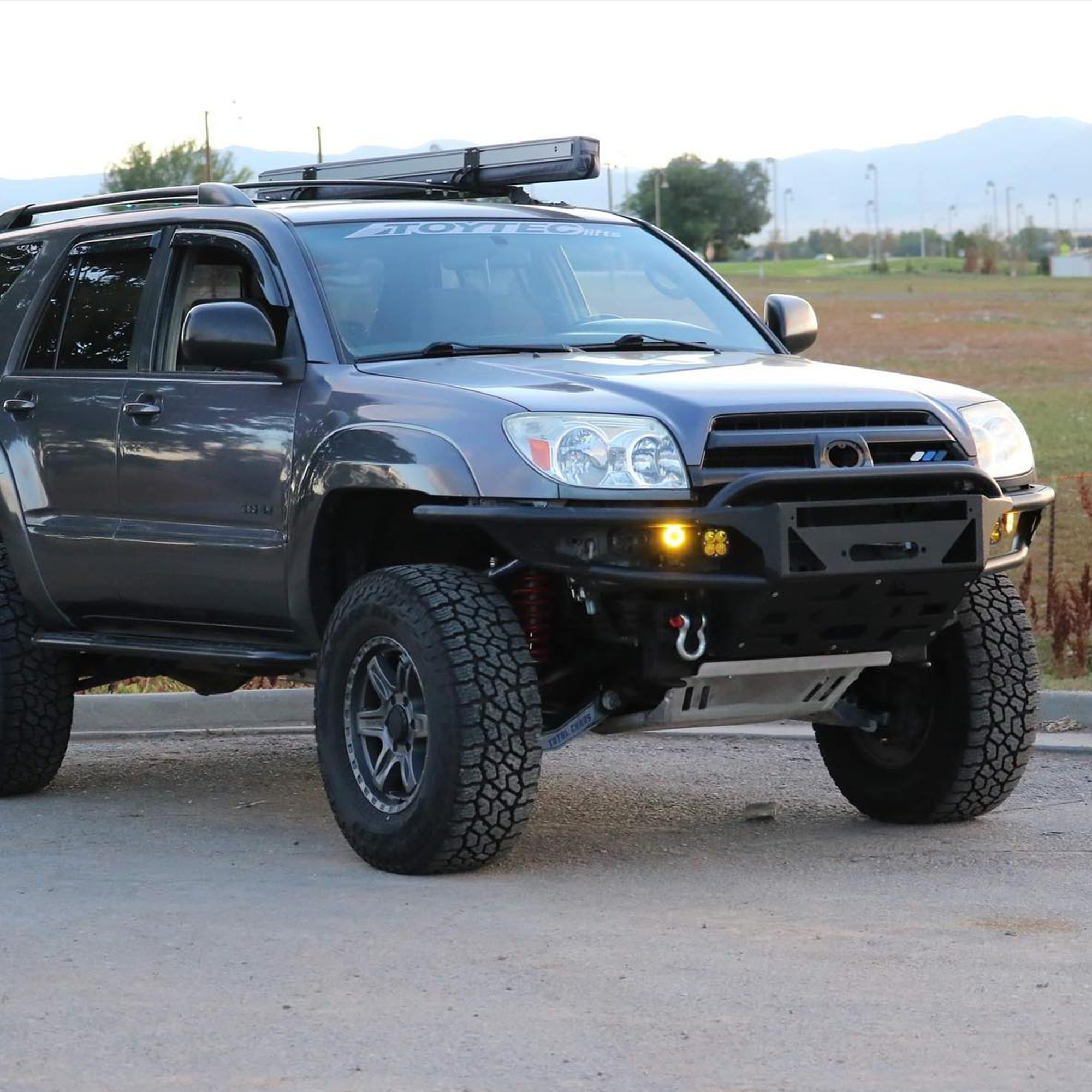
Front bumpers are where function is most obvious—and most misunderstood.
Approach Angle Matters More Than You Think
A bulky front bumper can actually make your rig worse off-road. The goal is to:
-
Tuck the bumper high and tight to the body
-
Minimize overhang past the tires
-
Keep edges chamfered to slide over obstacles
A good front bumper improves your approach angle while still protecting the grille, radiator, and headlights.
Winch Integration Is Non-Negotiable
If you wheel alone or push technical terrain, a winch-ready bumper isn’t optional. But the details matter:
-
Integrated winch cradle tied into frame mounts
-
Fairlead positioning that doesn’t bind the rope
-
Proper airflow to the radiator and intercooler
-
Reinforced mounting plates that handle dynamic loads
A winch mount that flexes under load is a failure point waiting to happen.
Recovery Points Should Be Real
Factory tow hooks and decorative shackles don’t cut it. Proper recovery points should:
-
Be frame-mounted or tied directly into bumper structure
-
Use 3/4" or thicker shackle tabs
-
Be welded through and gusseted, not just surface-mounted
Recovery is where bumpers earn their keep—or expose poor design.
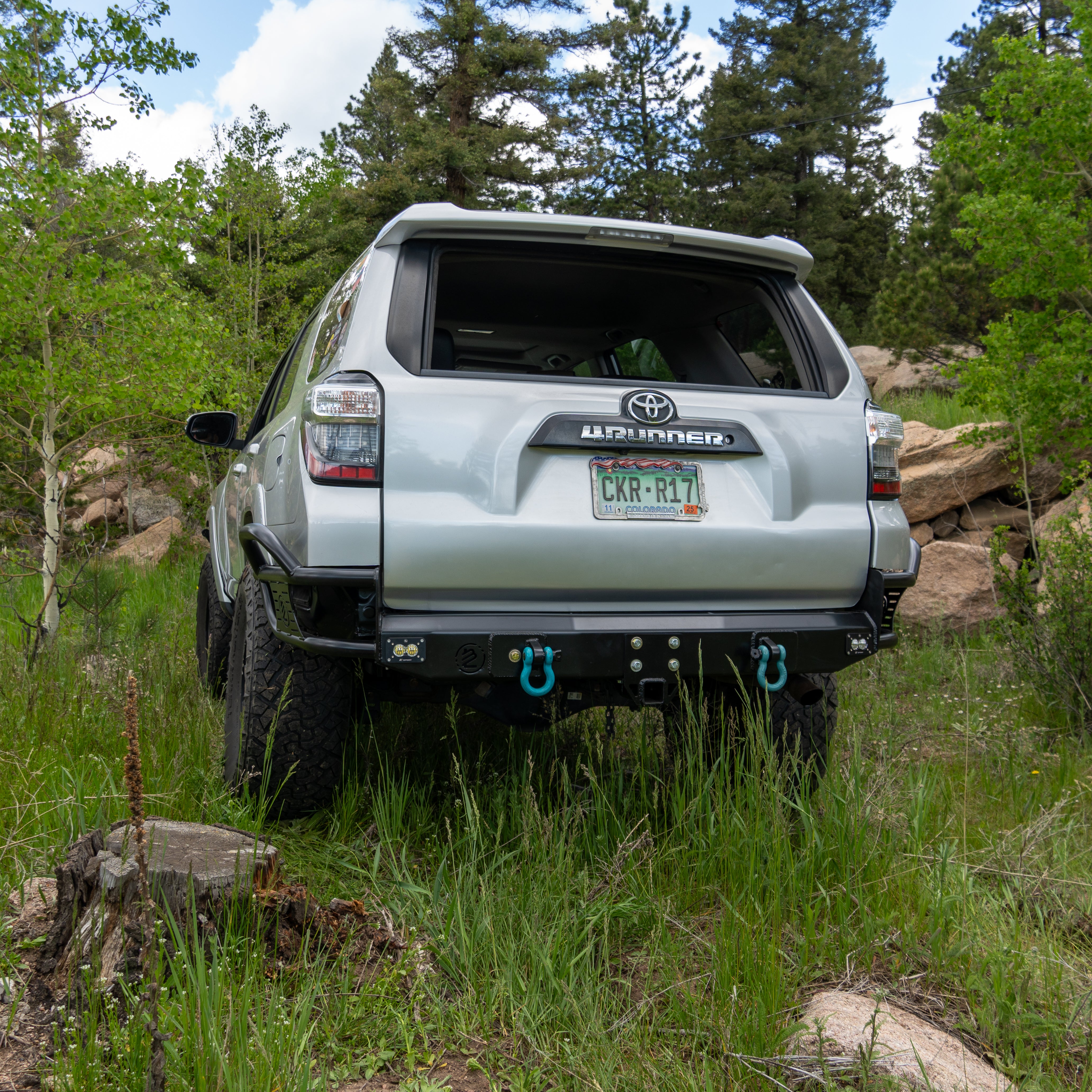
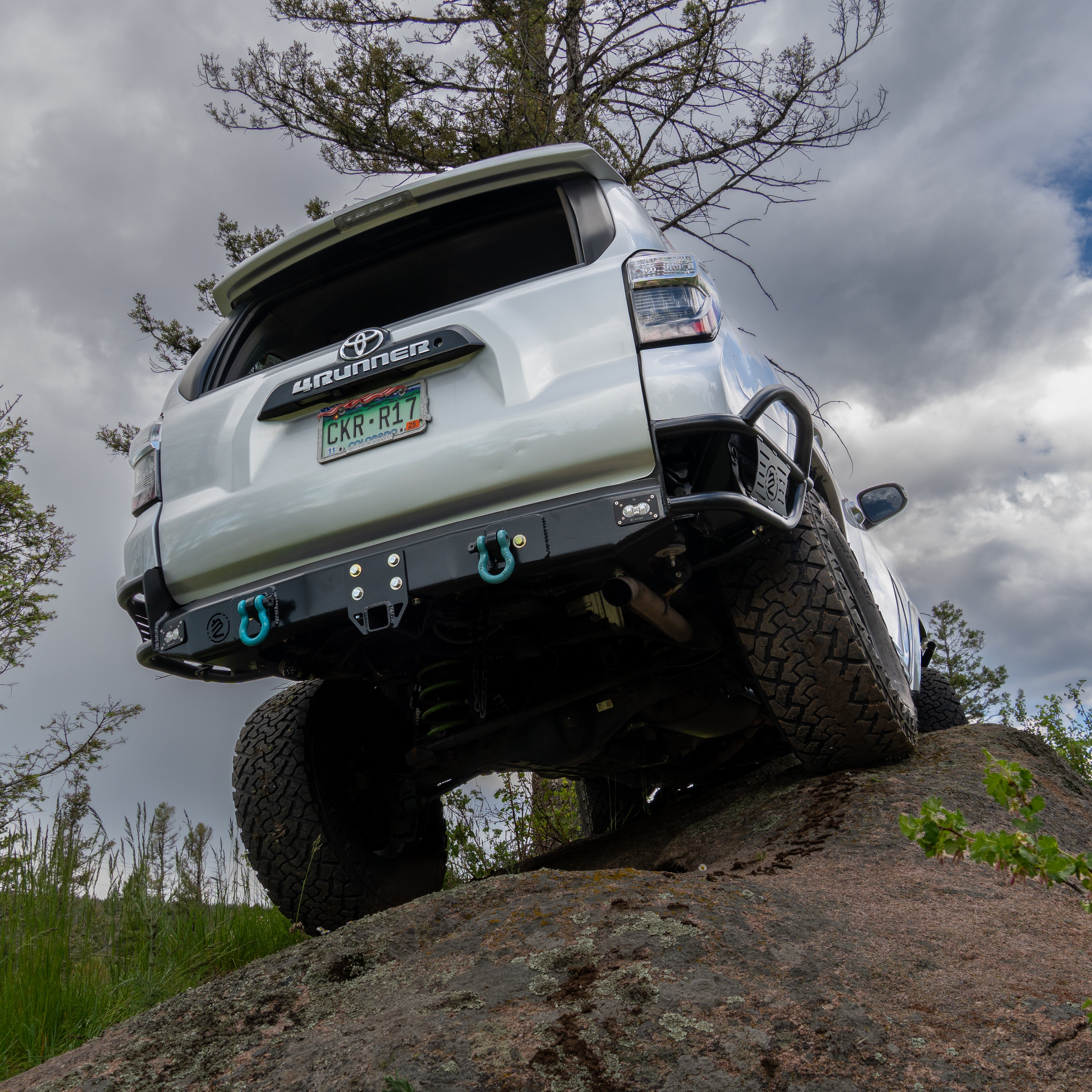
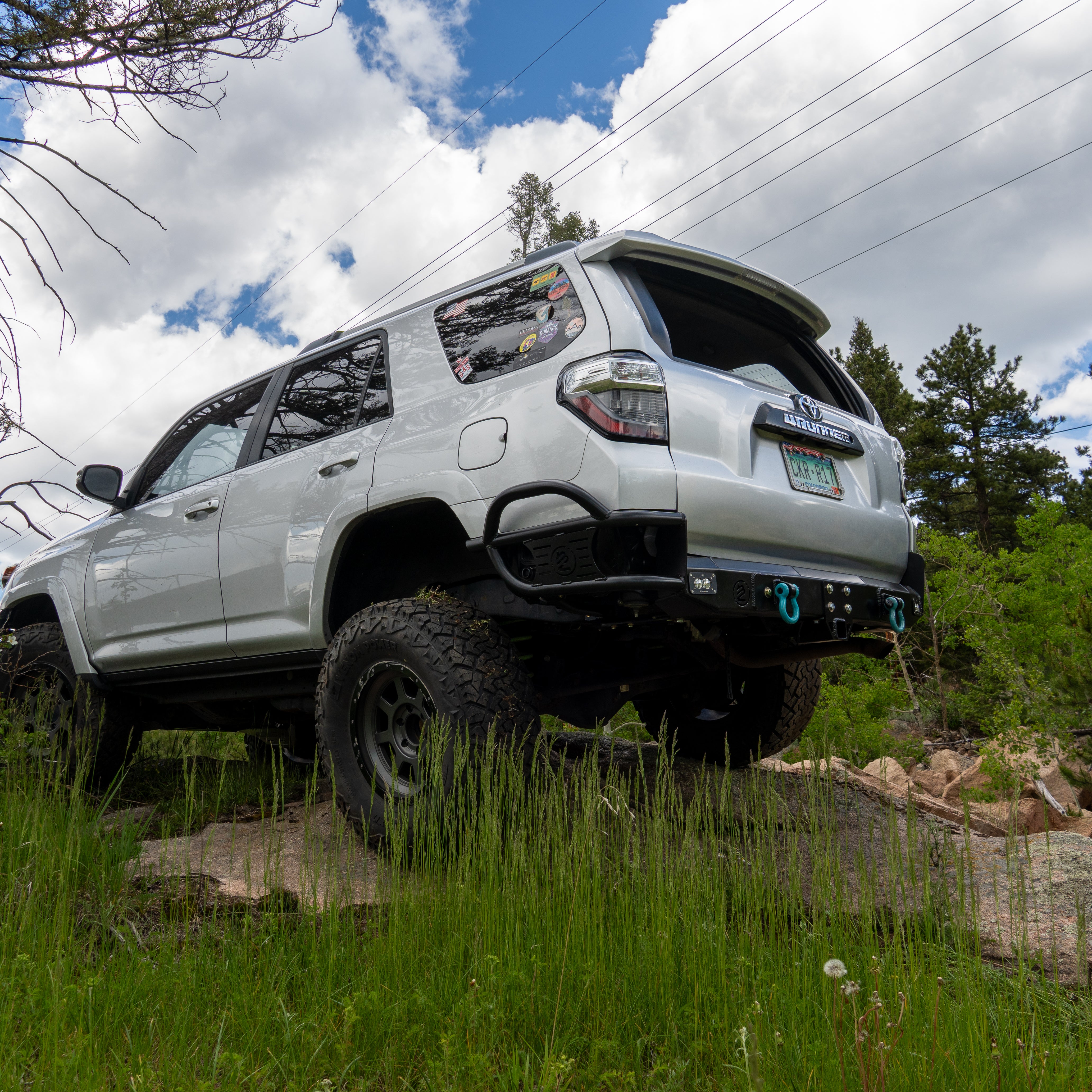
Rear Bumpers: Departure Angle, Protection, and Utility
Rear bumpers often get less attention, but they’re just as critical—especially if you run technical descents, ledges, or tight forest trails.
Departure Angle and Rock Protection
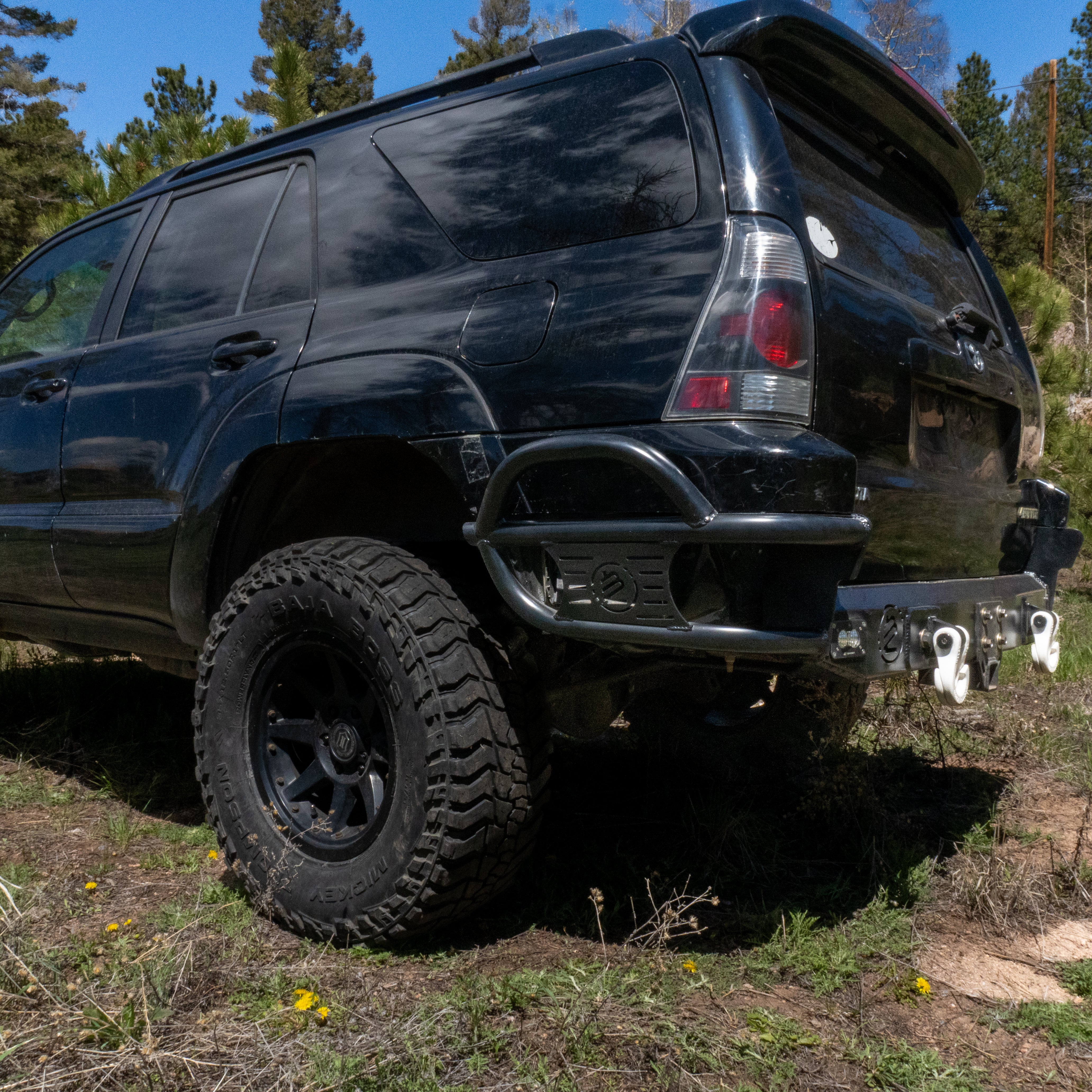
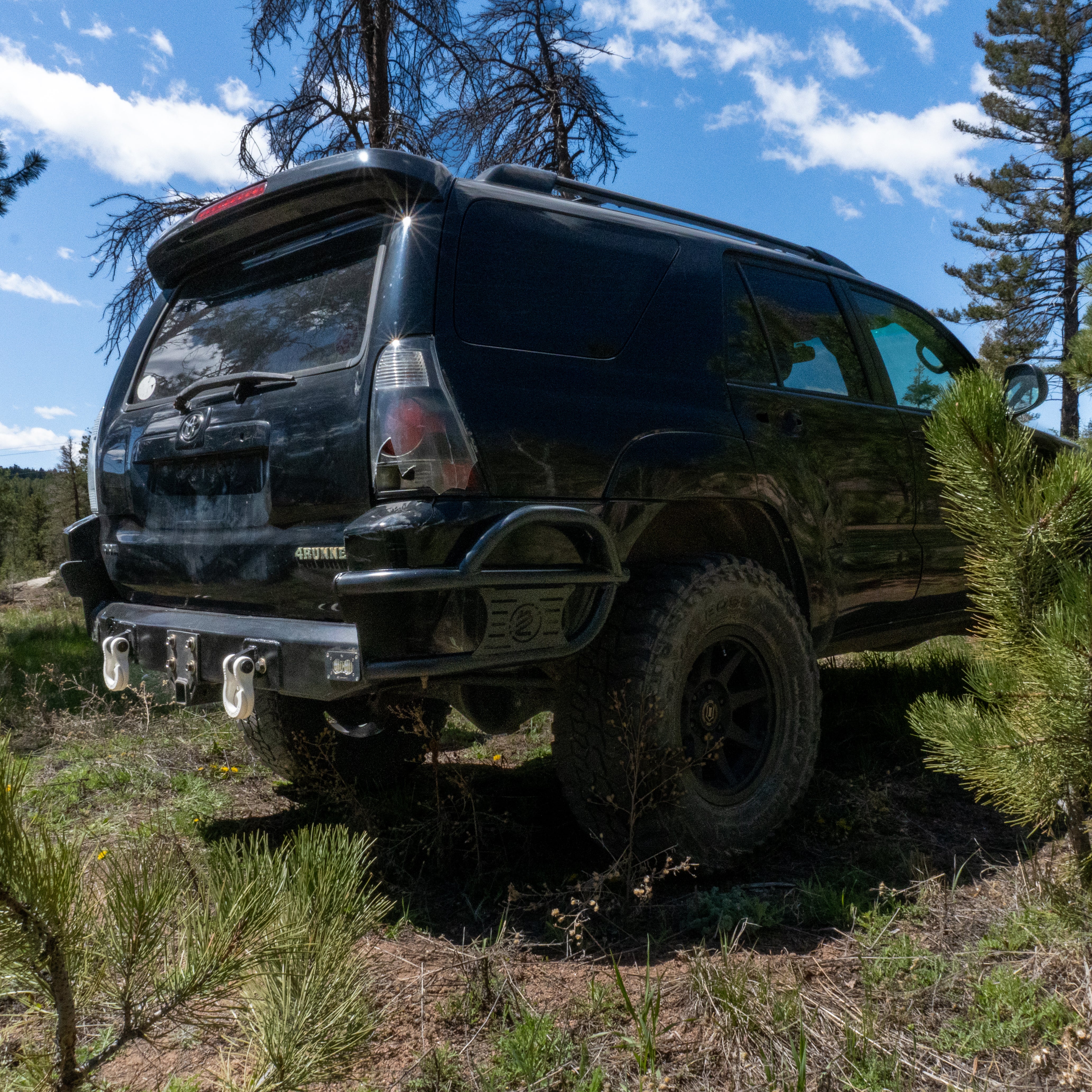
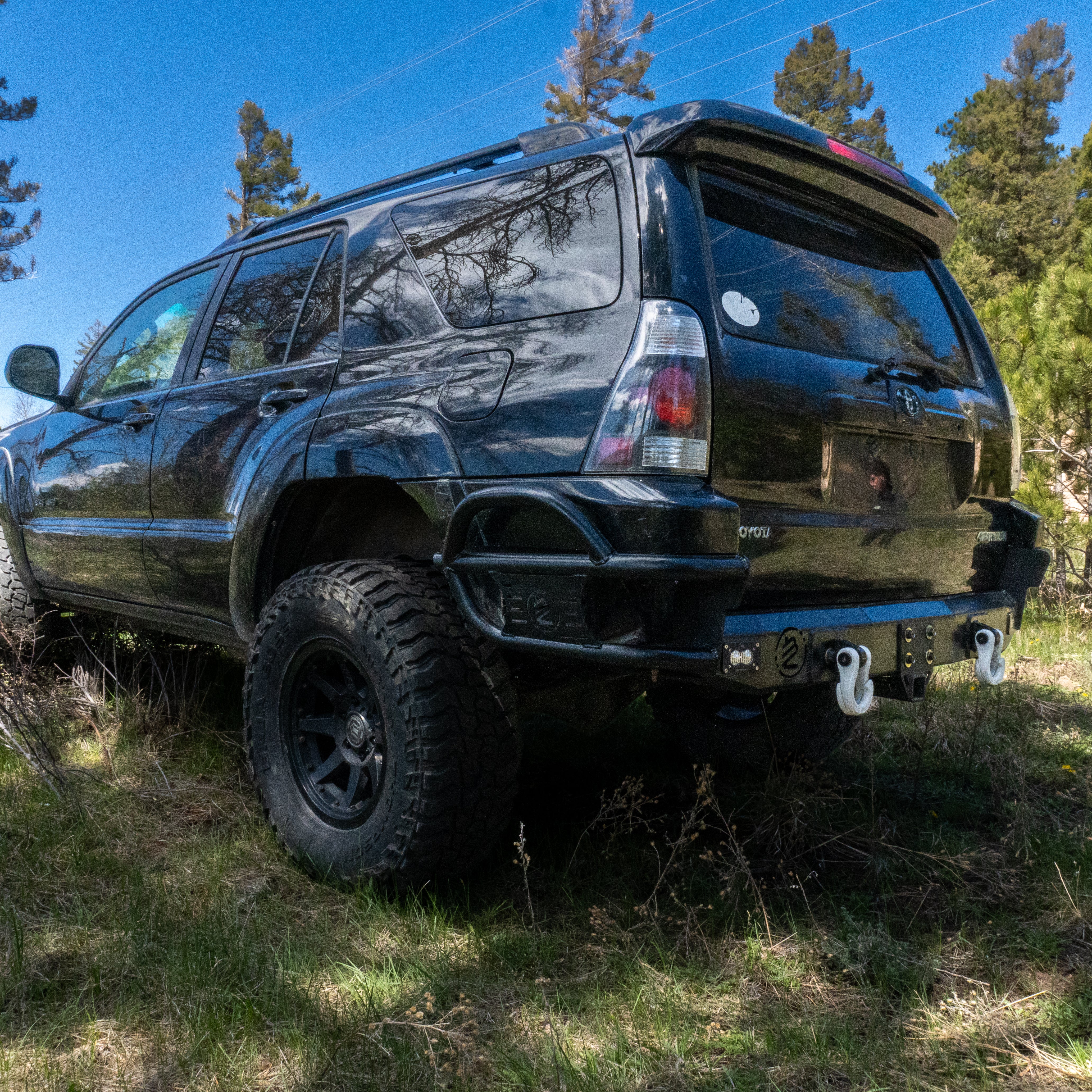
A low rear bumper is a rock magnet. A high-clearance rear bumper:
-
Reduces drag on ledges and steep exits
-
Protects quarter panels and tailgates
-
Acts as a pivot point instead of a crumple zone
Tire Carriers and Load Distribution
If you’re running oversized tires, a swing-out carrier becomes more than convenience—it’s structural necessity. A well-built rear bumper:
-
Supports tire carriers without flex
-
Reinforces hinge and latch points
-
Keeps weight off tailgate hinges and sheet metal
Poor carriers fatigue tailgates, crack sheet metal, and create rattles over time.
Accessory Mounting Platforms
Rear bumpers are prime real estate for:
-
Fuel and water mounts
-
Hi-Lift jack mounts
-
Ladder and step integration
-
Rear lighting and scene lights
Design matters here—clean mounting reduces rattles, failures, and trail-side headaches.
Material and Construction: Steel, Thickness, and Welds
Not all bumpers are built the same—even when they look similar.
Steel Thickness and Weight Balance
Heavier isn’t always better, but too thin is a problem. Proper bumper design balances:
-
Plate thickness for impact resistance
-
Weight to avoid excessive front-end sag
-
Strategic gusseting instead of brute-force thickness
Weight affects suspension geometry, braking, and handling—especially on midsize platforms like the Tacoma and 4Runner.
Weld Quality Is Everything
Welds aren’t just cosmetic. They determine structural integrity under load. Look for:
-
Full-penetration welds
-
Consistent bead patterns
-
Proper heat control to avoid warping
-
Welded-through shackle tabs and recovery points
A bumper is only as strong as its weakest weld.
Lighting, Brackets, and Mounting Systems
Modern bumpers are more than armor—they’re modular platforms.
Integrated Lighting Mounts
Clean bumper-mounted lighting improves trail visibility without cluttering the roofline. Common setups include:
-
Low-profile light bars
-
Fog light pockets
-
Side scene lights on rear carriers
Good mounting reduces vibration, glare, and electrical headaches.
Accessory Brackets and Modular Mounts
Custom brackets and mounts allow you to tailor your rig:
-
Antennas
-
Air compressors
-
Cameras and sensors
-
License plate relocation
-
Winch control boxes
Modularity is what turns a bumper into a system.
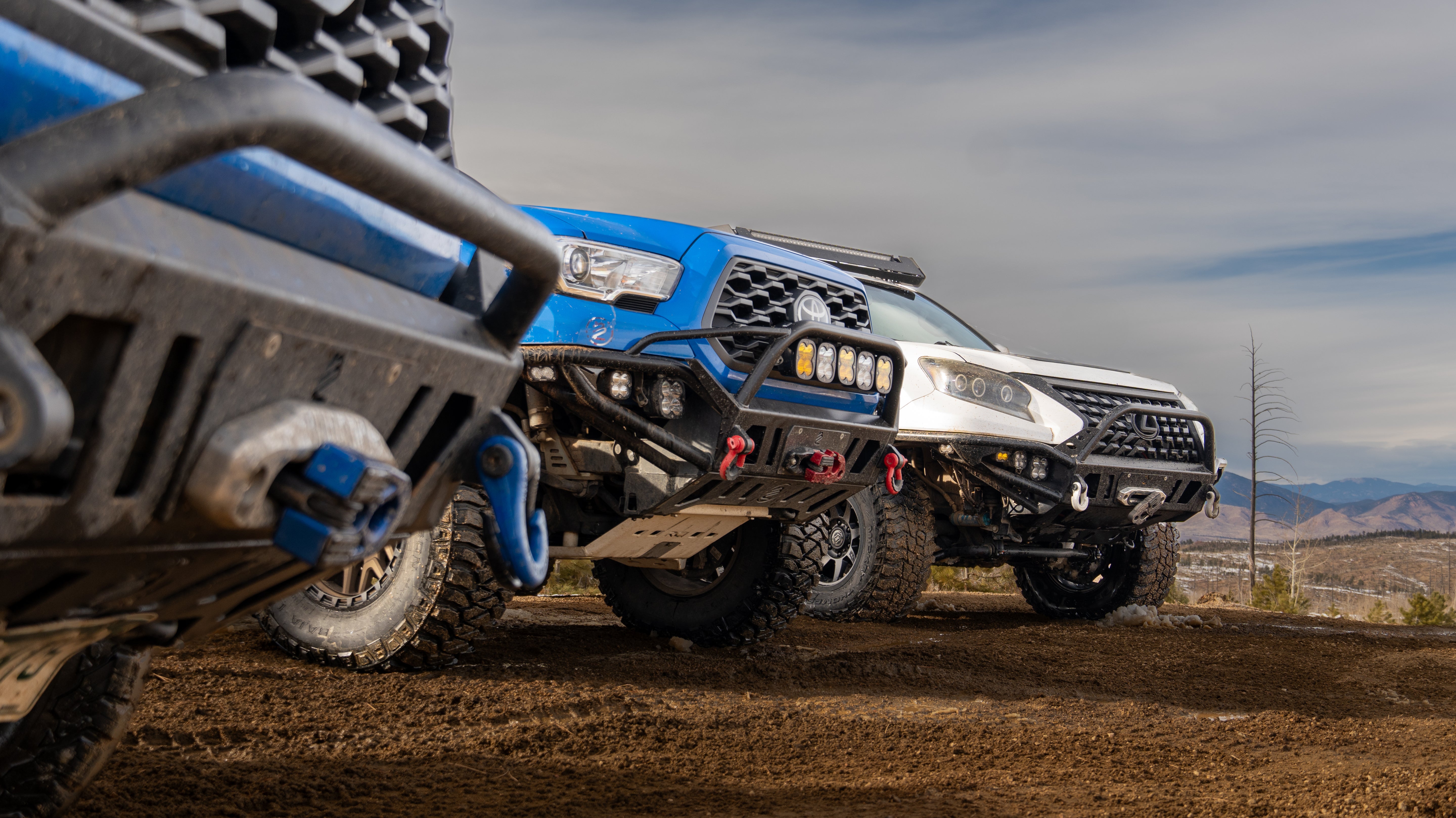
Platform-Specific Considerations (Toyota & Lexus)
Different rigs need different bumper approaches:
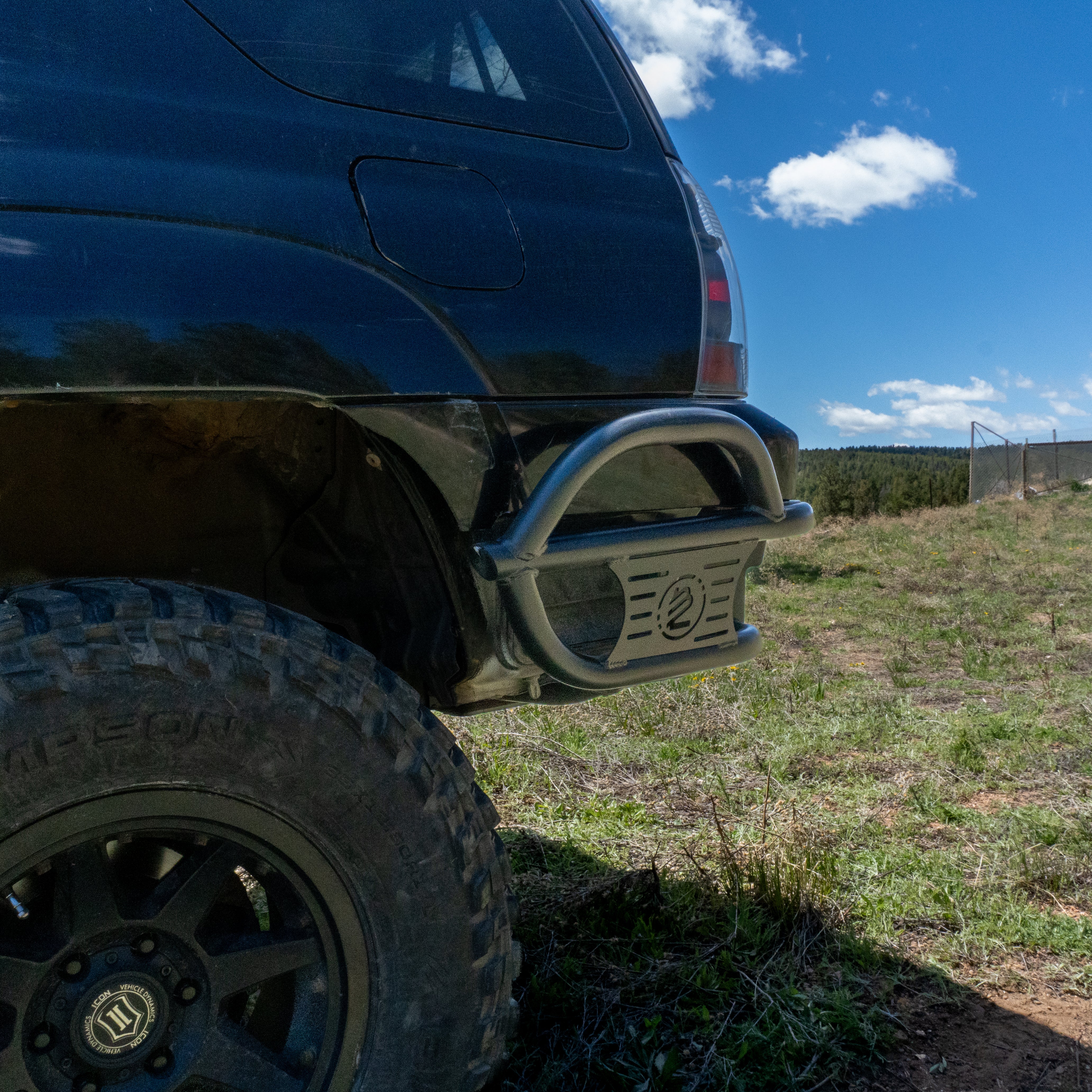
4Runner
-
Balance weight with daily drivability
-
High-clearance front bumpers for IFS articulation
-
Rear carriers for overland setups
Tacoma
-
Frame-mounted recovery points are critical
-
Front weight affects suspension quickly
-
Rear bumpers protect bedsides in technical terrain
Tundra
-
Larger mass demands reinforced mounts
-
Full-size bumpers need weight-conscious design
-
Winch integration for heavier recovery loads
Lexus GX 460 / 470
-
Luxury body panels benefit most from armor
-
Hybrid builds need clean integration with sensors
-
Rear swing-outs for long-distance travel setups
FJ Cruiser
-
Compact wheelbase makes approach/departure critical
-
Tube and hybrid bumpers work well for weight savings
Each platform has its own geometry and weak points—good bumper design accounts for them.
The Most Common Bumper Mistakes Experienced Off-Roaders Still Make
Even seasoned wheelers fall into these traps:
-
Choosing looks over function – aesthetics don’t pull you out of a mud hole
-
Ignoring weight and suspension upgrades – heavy bumpers without springs kill ride quality
-
Running decorative recovery points – dangerous under real load
-
Poor winch airflow design – overheating issues on long climbs
-
No modular planning – re-buying bumpers for every new accessory
A bumper should be a foundation, not a limitation.
Why Custom Fabrication Still Matters
Mass-produced bumpers serve a purpose, but custom fabrication allows:
-
Tailored clearance for specific tire sizes and lifts
-
Integrated mounts for your exact accessory layout
-
Reinforced recovery points for your wheeling style
-
Unique design that matches your build vision
At Lil B’s Custom Fabrication, every bumper is designed to be used, abused, and trusted when things go wrong.
Final Thoughts: Build Like You Wheel
Your bumper shouldn’t just survive Instagram photos, it should survive real trail abuse. Whether you’re crawling rocks, running desert trails, or building an overland rig, your bumper is one of the few mods that directly affects safety, recovery, and survivability.
Build it like you wheel: intentional, functional, and overbuilt where it counts.


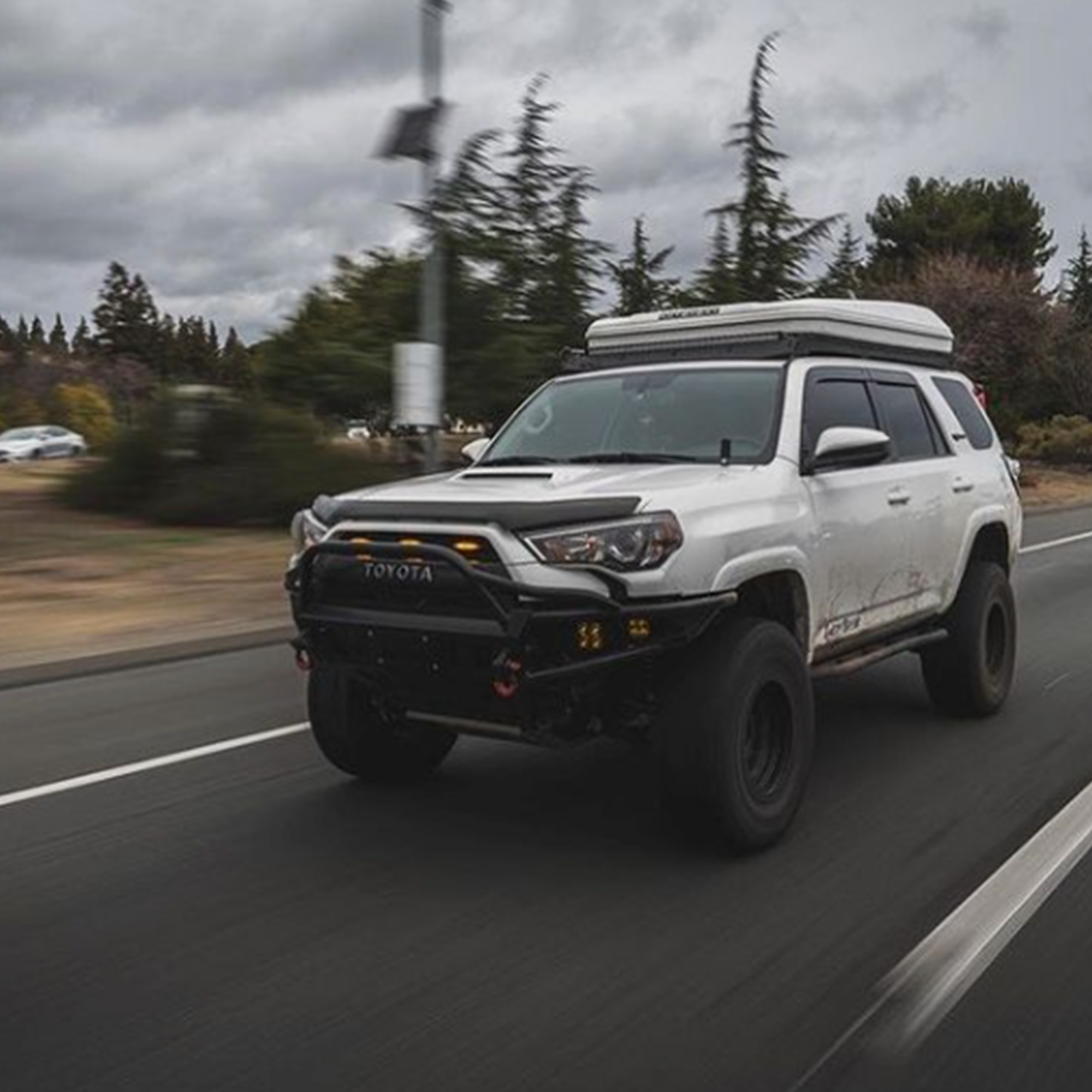

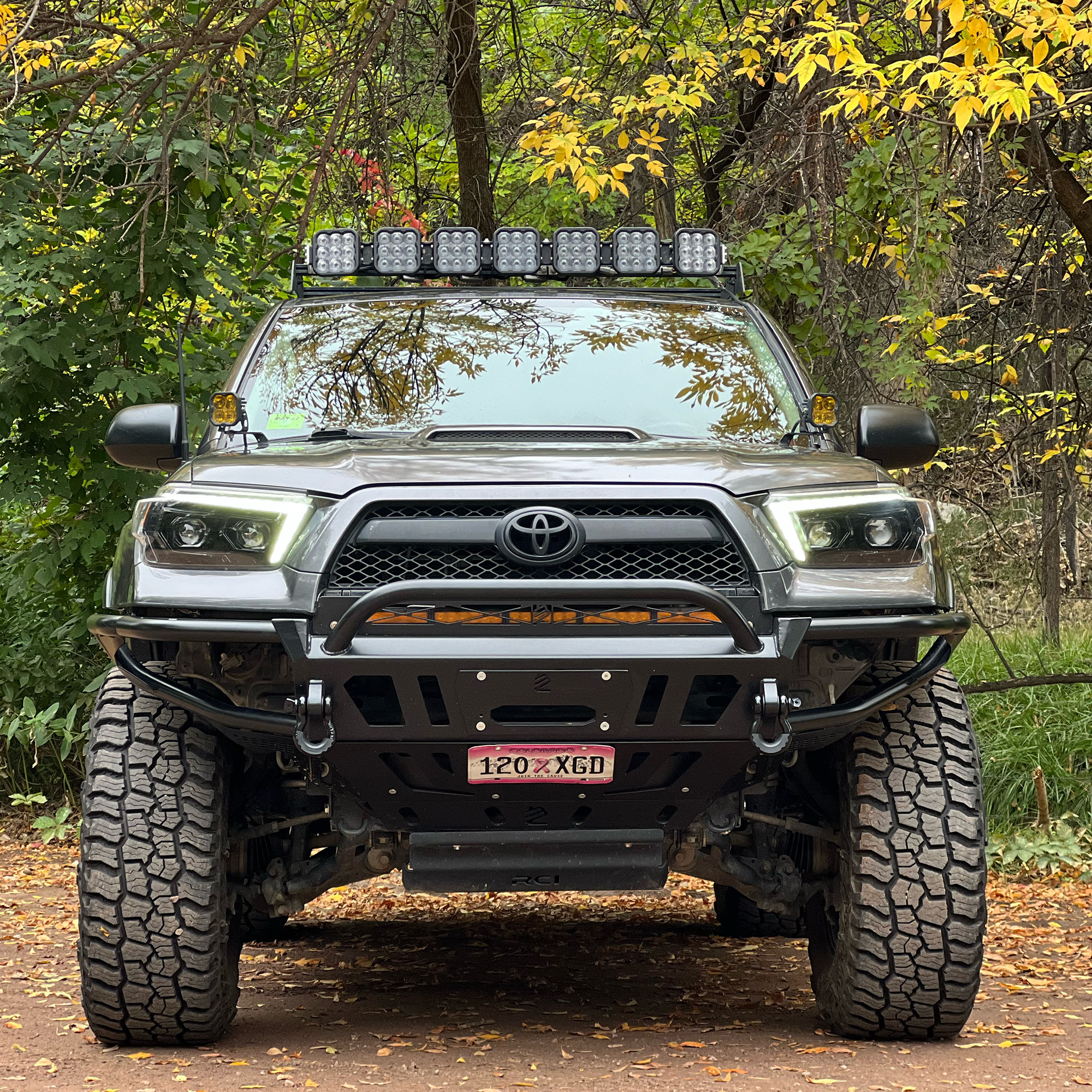
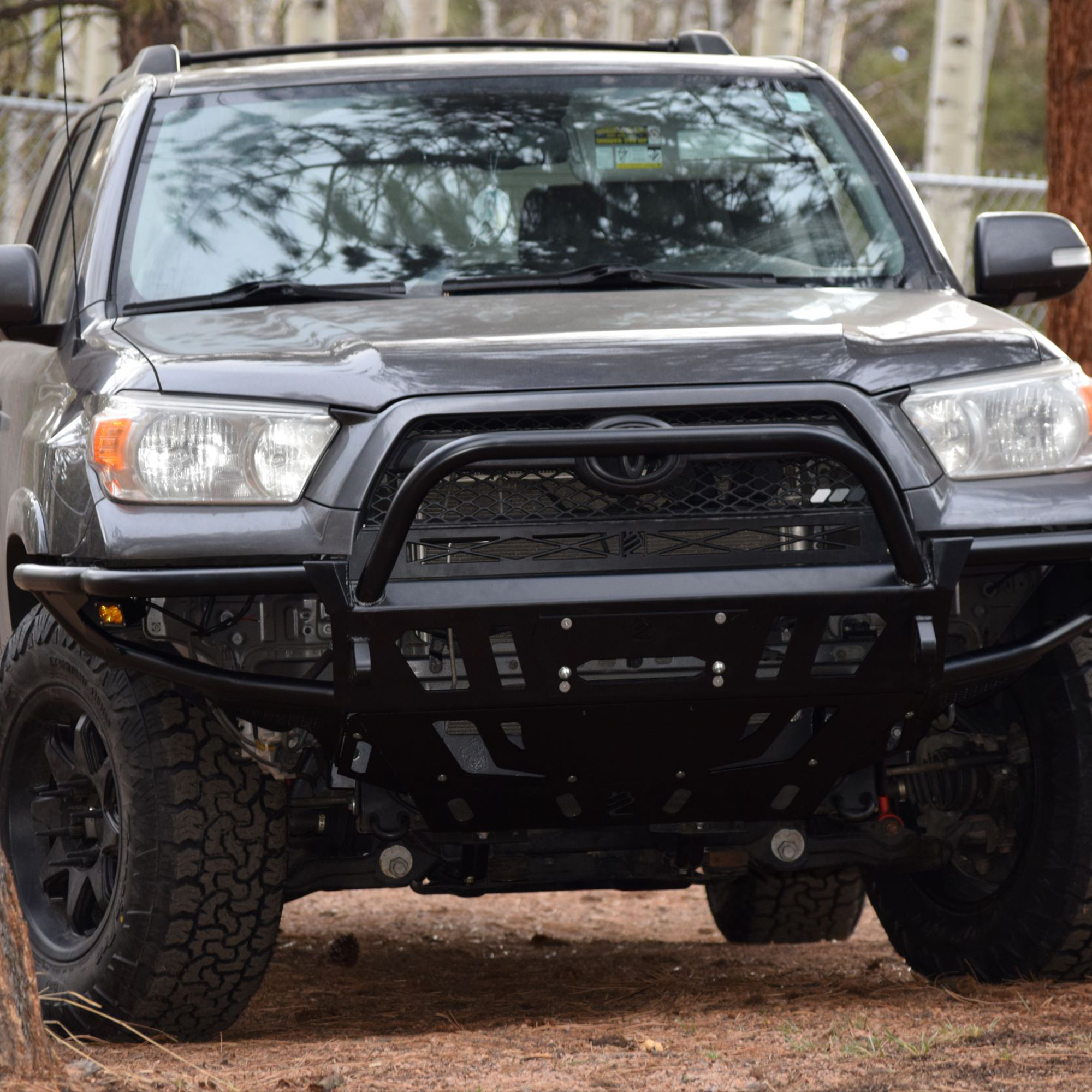
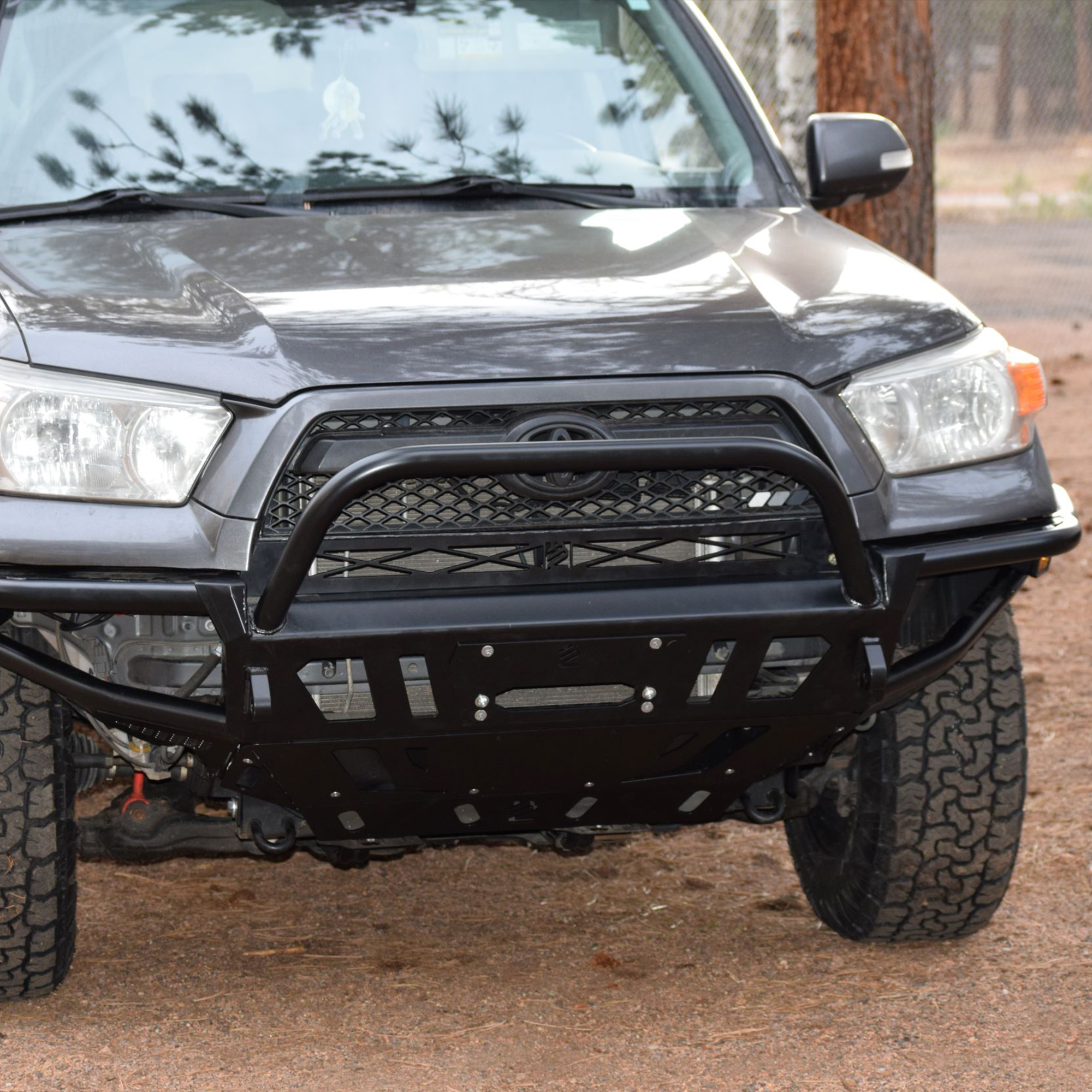


Share:
When Is It Time to Upgrade from Stock to Aftermarket Armor?
Recovery-Ready Bumpers: Built for Real Off-Road Loads