


In the off-road world, recovery is where theory meets reality. You can have the best suspension, tires, and traction aids, but when something goes wrong on the trail, your recovery system becomes the difference between a minor inconvenience and a serious problem.
And at the center of that system? Your bumper.
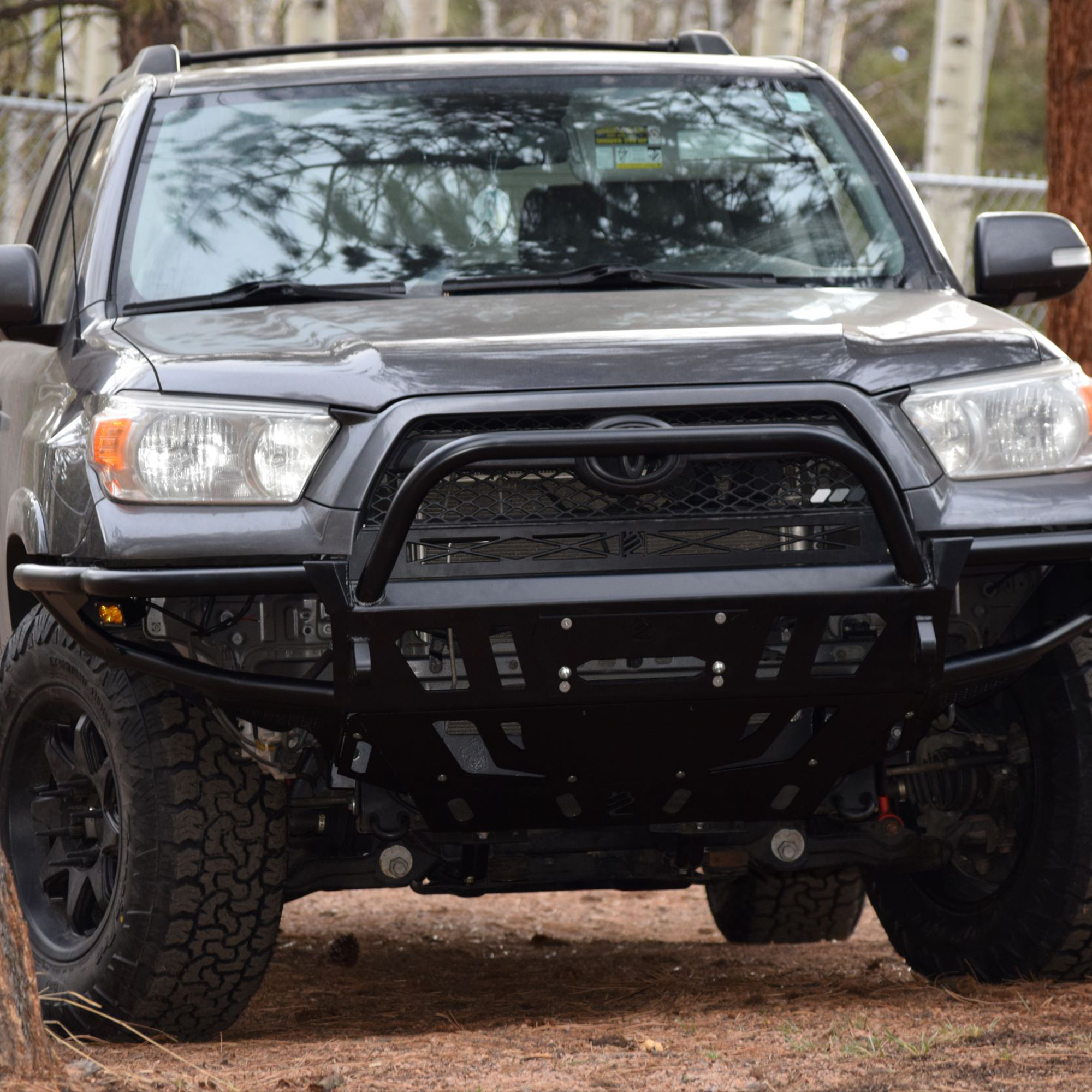
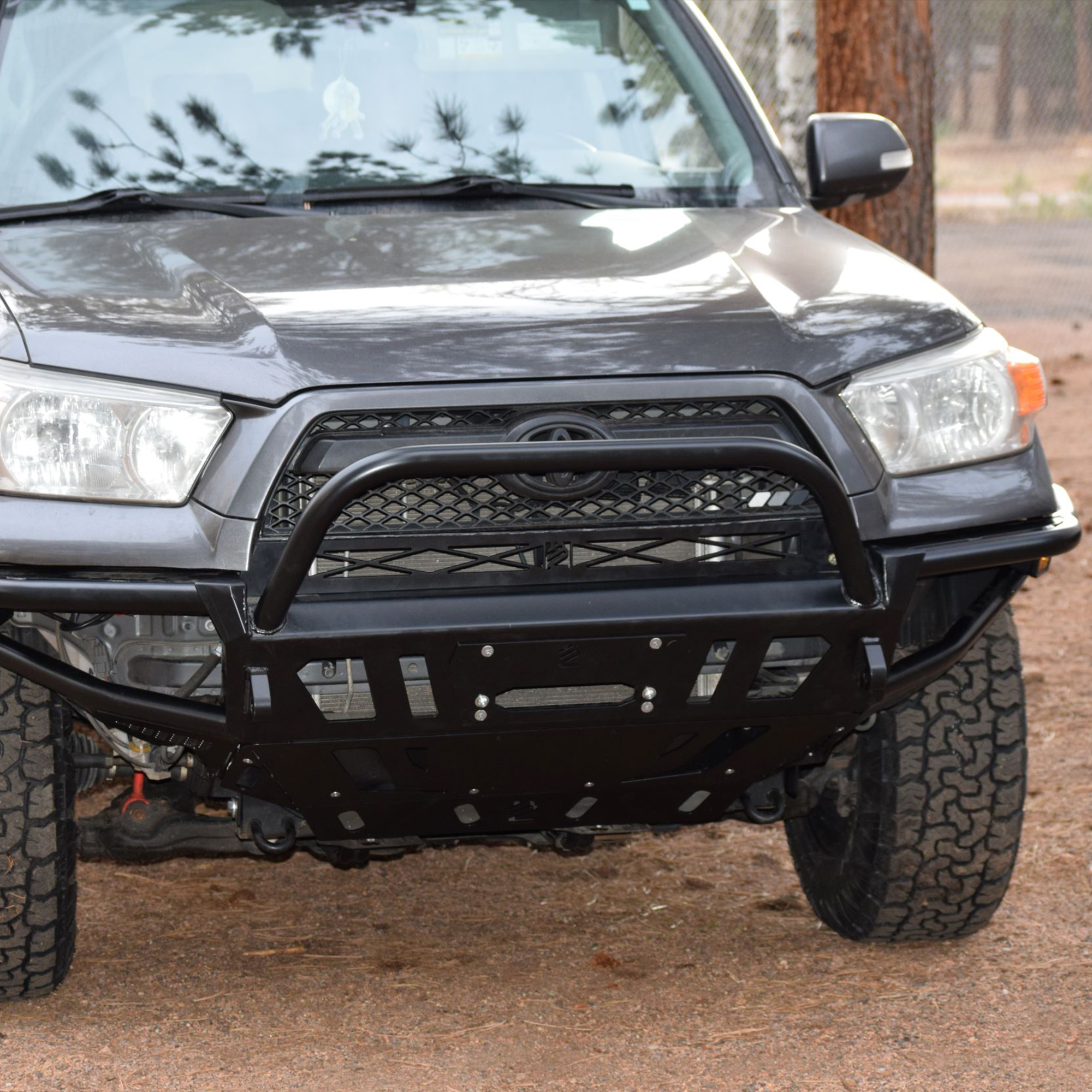
Too many bumpers are designed to look aggressive on social media but fall short when subjected to real-world recovery forces. At Lil B’s Custom Fabrication, we design bumpers for people who actually get stuck, pull others out, and push their rigs into terrain that demands real engineering.
Let’s break down what makes a bumper truly recovery-ready, and why many popular designs miss the mark.

Recovery Forces Are Brutal (And Often Underestimated)
Recovery loads are not static. They’re dynamic, unpredictable, and often multiplied by terrain, vehicle weight, and technique.
Consider what happens during a typical recovery:
-
A winch pull loads the frame continuously under tension
-
A kinetic rope recovery introduces shock loads that spike far beyond static weight
-
Anchors shift, tires slip, and vehicles jerk unpredictably
-
Angled pulls introduce torsional stress on mounts and frame rails
A 6,000-pound vehicle can generate forces far beyond its curb weight during recovery. That’s why bumpers must be designed as load-bearing structural components, not decorative armor.
Frame Integration: The Foundation of Recovery Design
The single most important factor in a recovery-ready bumper is how it integrates with the frame.
True Frame-Mounted Systems
A proper bumper should:
-
Bolt or weld directly to frame rails or reinforced frame horns
-
Use thick mounting plates with multiple mounting points
-
Distribute load across the chassis, not concentrate it at a single point
Frame-mounted bumpers reduce the risk of:
-
Frame horn bending
-
Bolt shear
-
Localized frame deformation
-
Bumper detachment under load
The Problem With Cosmetic Mounts
Many mass-market bumpers use:
-
Thin brackets
-
Factory tow hook mounts as primary recovery points
-
Limited bolt patterns
These designs can work for light trail use, but under serious recovery loads, they become a liability.
Winch Integration: More Than Just a Plate
A winch-ready bumper isn’t just a flat plate with bolt holes. It’s a system engineered for load paths, airflow, and durability.
Winch Cradle Engineering
A proper winch cradle should:
-
Tie directly into frame mounts
-
Be reinforced with gussets and internal bracing
-
Prevent flexing under high tension
-
Keep mounting bolts in double shear when possible
Flex in a winch cradle can lead to:
-
Bolt loosening
-
Rope misalignment
-
Fairlead binding
-
Frame damage
Airflow and Cooling Considerations
Modern rigs, especially turbocharged and V6 platforms, rely on airflow for cooling. A poorly designed bumper can:
-
Block radiator airflow
-
Trap heat around intercoolers
-
Reduce transmission cooling efficiency
Recovery-ready design means performance-ready design, even at low speeds.
Real Recovery Points: Engineering, Not Decoration
Shackle tabs and recovery points are often the most misunderstood part of bumper design.
What Makes a Real Recovery Point
True recovery points should:
-
Be made from thick plate (3/4" or thicker)
-
Be welded through the bumper shell, not just on the surface
-
Tie directly into mounting structure or frame brackets
-
Be spaced for standard shackles and soft shackles
Common Failure Points
Many bumpers use:
-
Thin laser-cut tabs welded only to outer skins
-
Decorative D-ring mounts without structural backing
-
Factory tow hook brackets not designed for kinetic loads
Under a kinetic recovery, these points can tear, bend, or fail catastrophically.
Kinetic vs. Static Recovery Loads
Not all recoveries are the same, and bumpers need to account for both.
Static Loads (Winching)
Winching applies sustained, directional force. Design considerations include:
-
Heat buildup in winch and bumper mounts
-
Frame flex over prolonged tension
-
Fairlead alignment and rope wear
Dynamic Loads (Snatch Straps / Kinetic Ropes)
Kinetic recoveries introduce shock loads. These can be several times vehicle weight and stress:
-
Mounting bolts
-
Frame brackets
-
Weld joints
-
Shackle tabs
A bumper designed only for winching may fail under kinetic loads.
Material Choice: Strength vs. Weight
Steel thickness and material selection are critical for recovery performance.
Plate Thickness and Reinforcement
Recovery-ready bumpers often use:
-
3/16" to 1/4" plate for main structures
-
Thicker plate for mounting and recovery tabs
-
Internal gussets to distribute loads
Weight Tradeoffs
Heavier bumpers provide strength, but weight affects:
-
Suspension sag
-
Handling and braking
-
Fuel economy
-
Front axle load on IFS platforms
Smart design uses reinforcement strategically instead of adding unnecessary mass.
Front vs. Rear Recovery Considerations
Recovery-ready design applies to both ends of the vehicle.
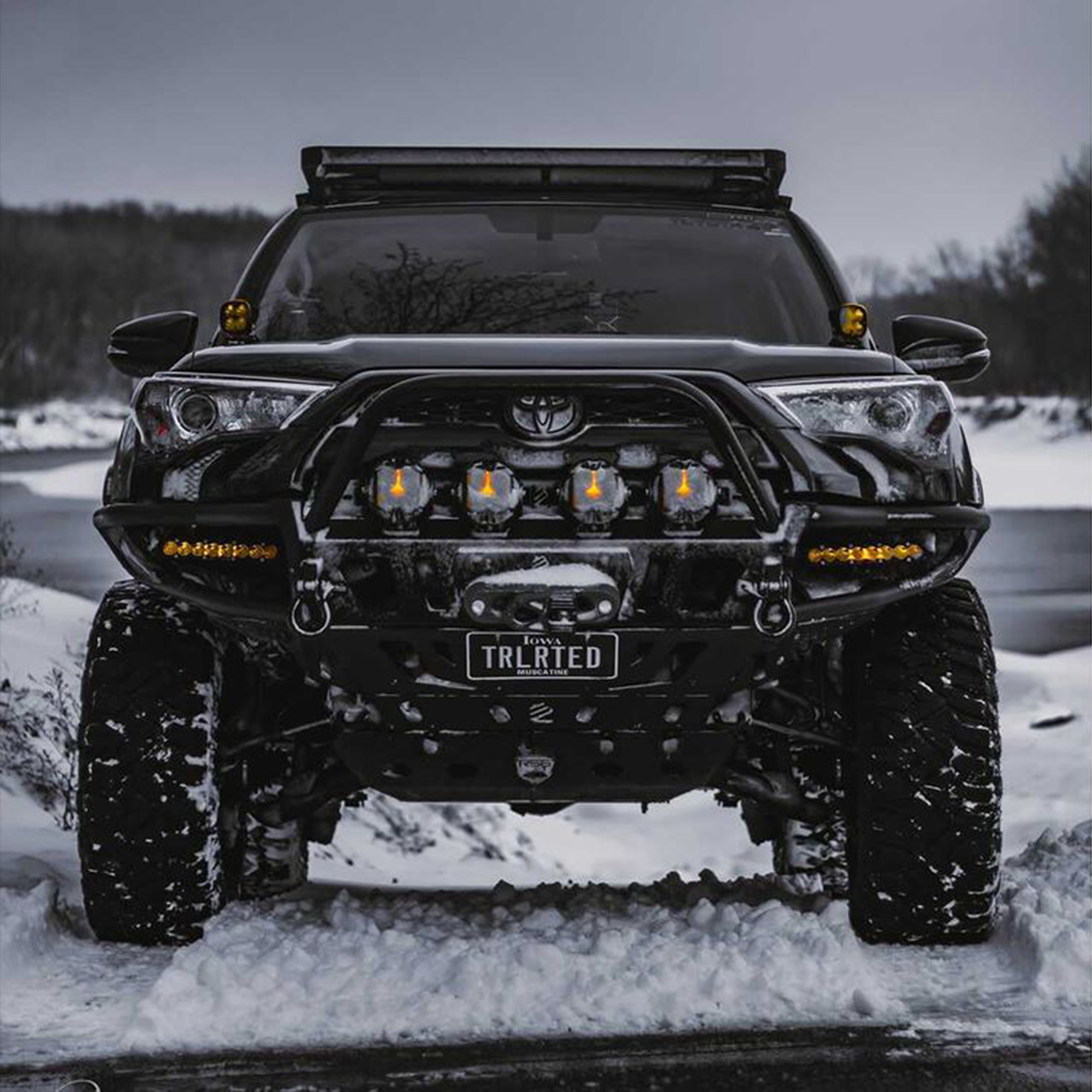
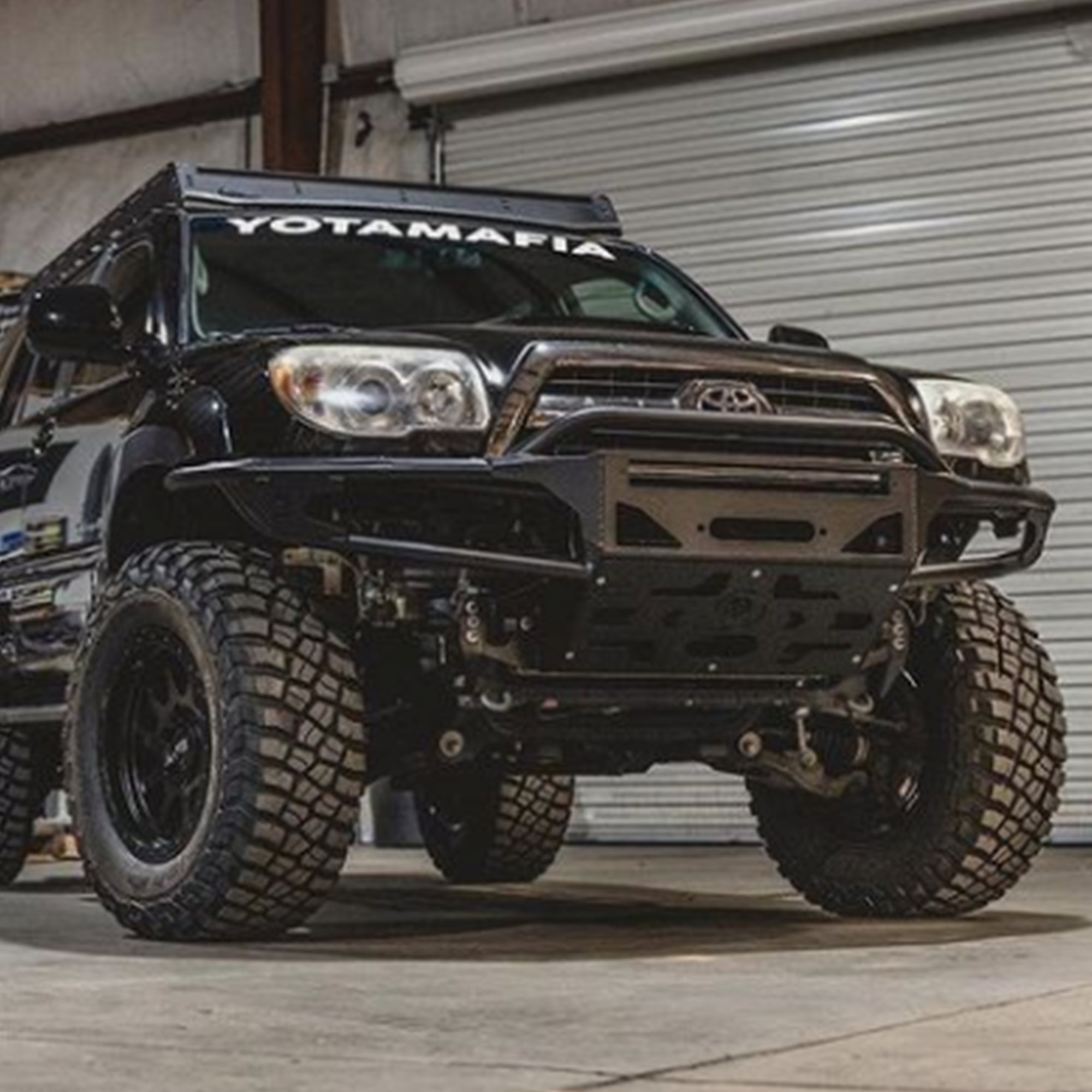
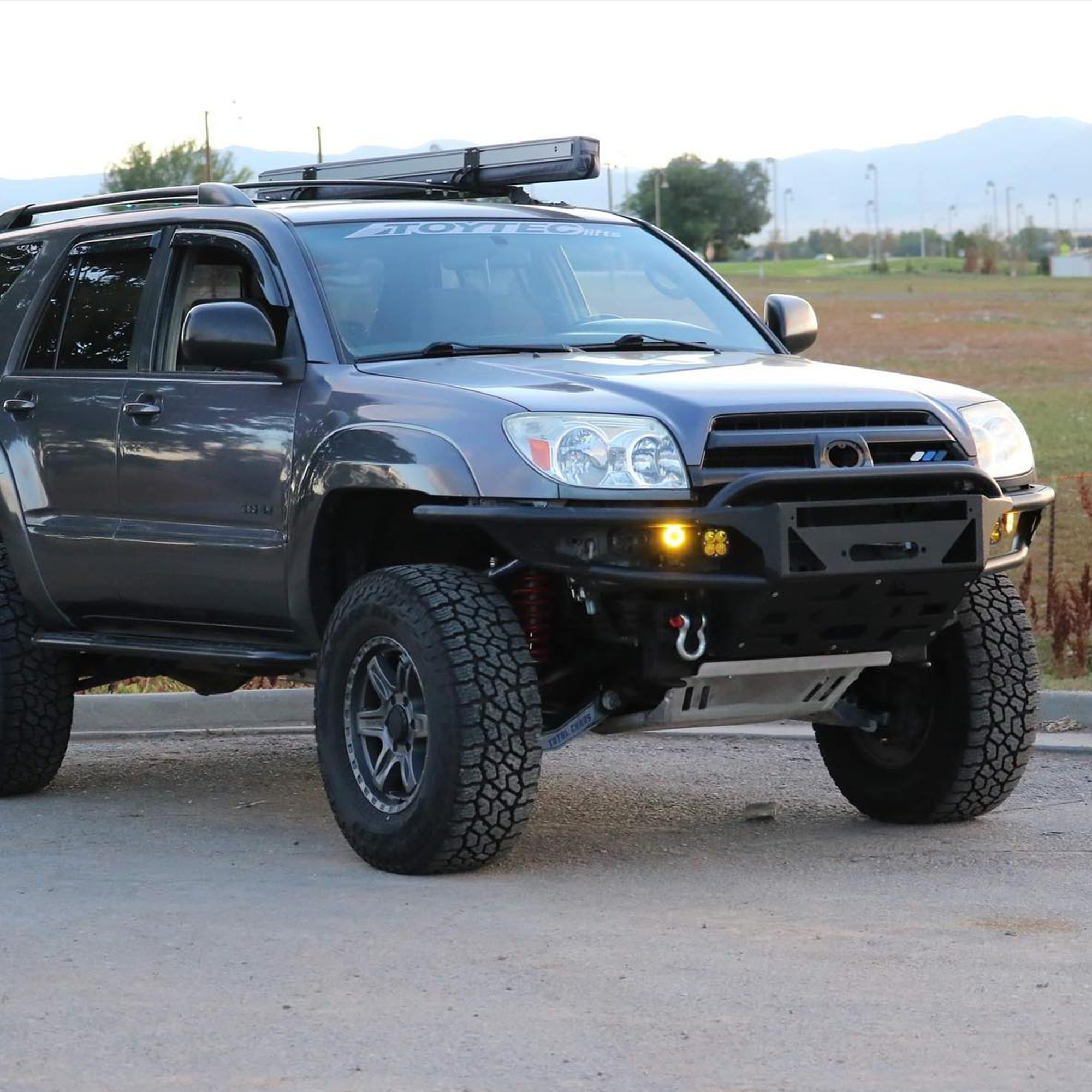
Front Bumpers
Front recovery often involves:
-
Winching forward
-
Angled pulls around obstacles
-
Self-recovery in technical terrain
Front bumpers must handle tension and torsion simultaneously.
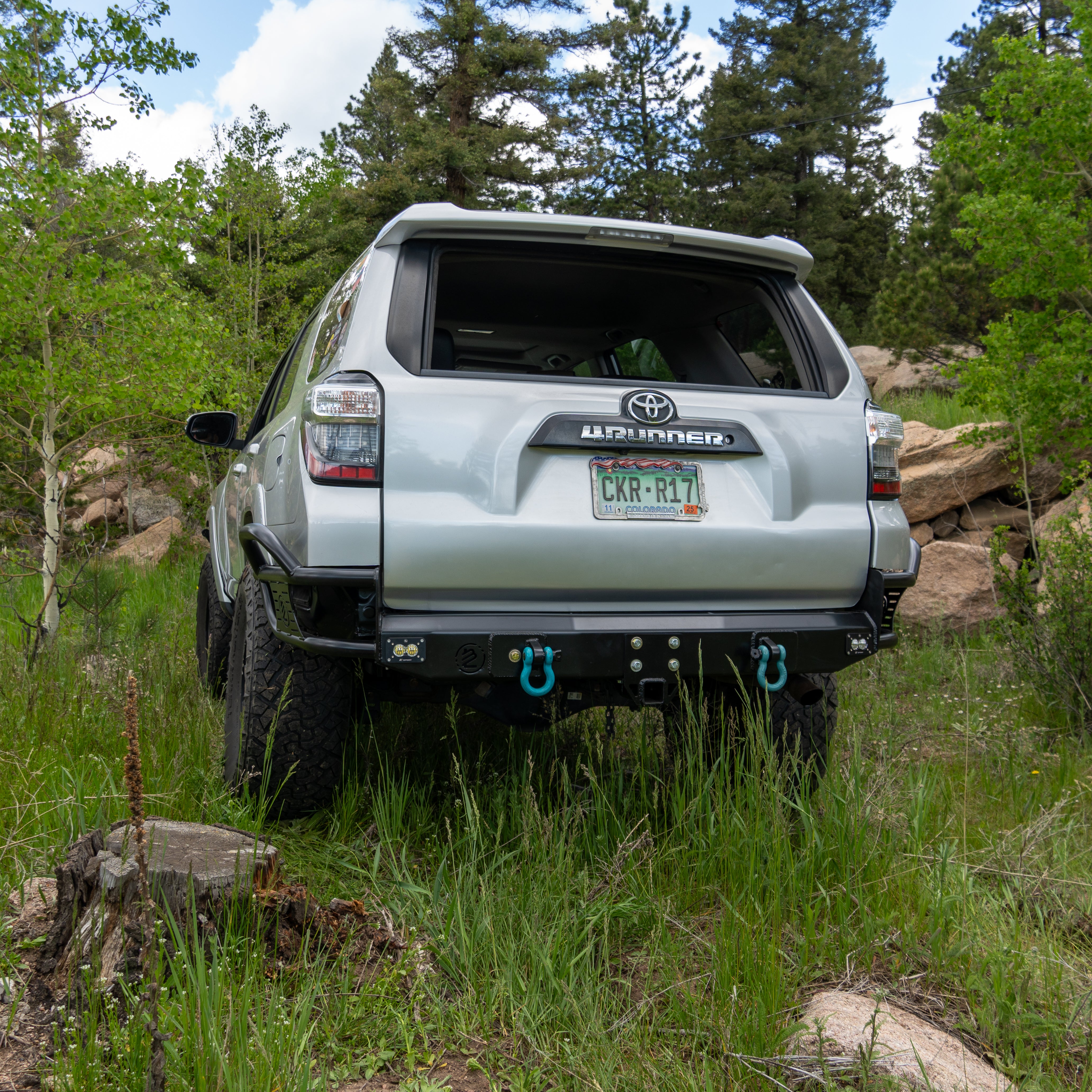
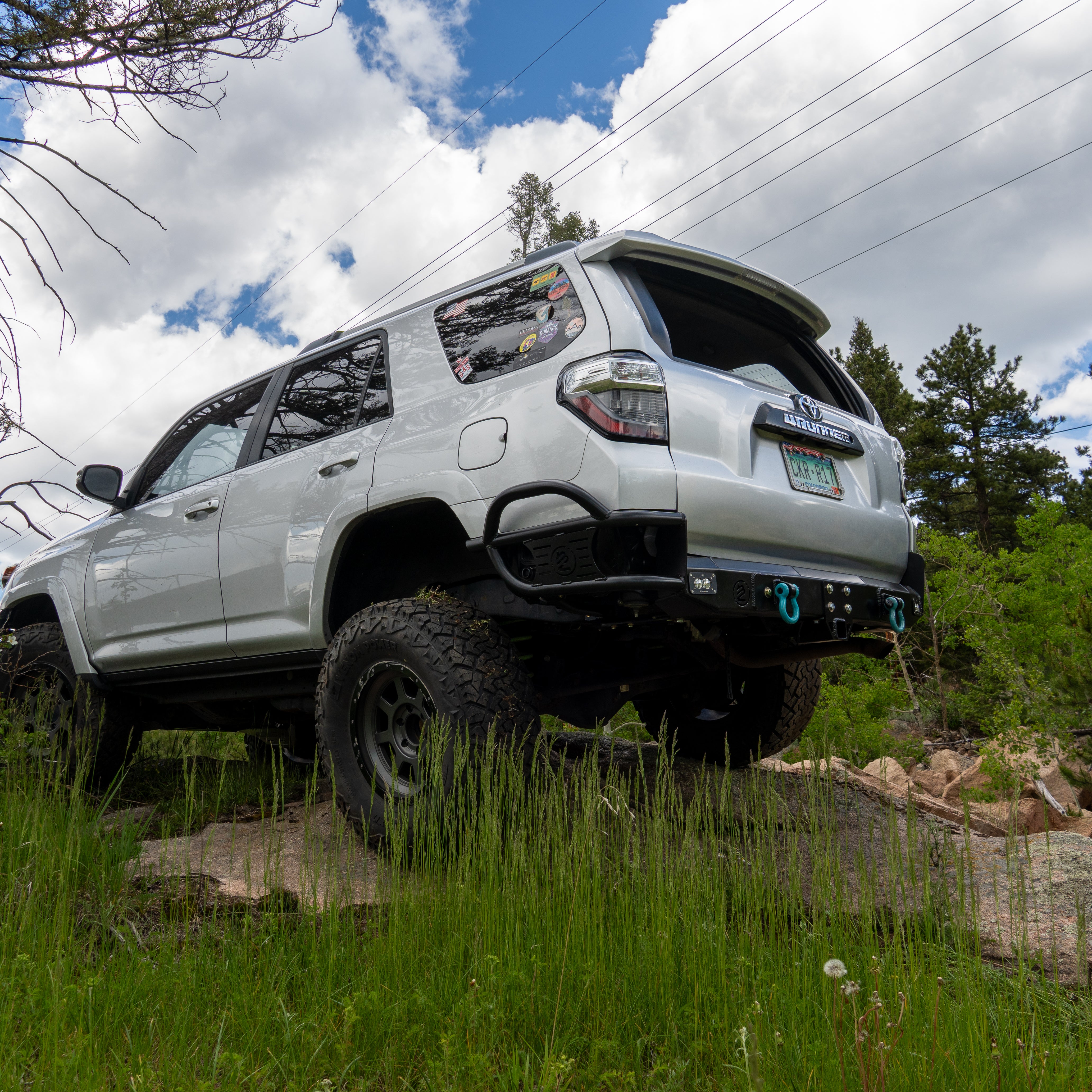
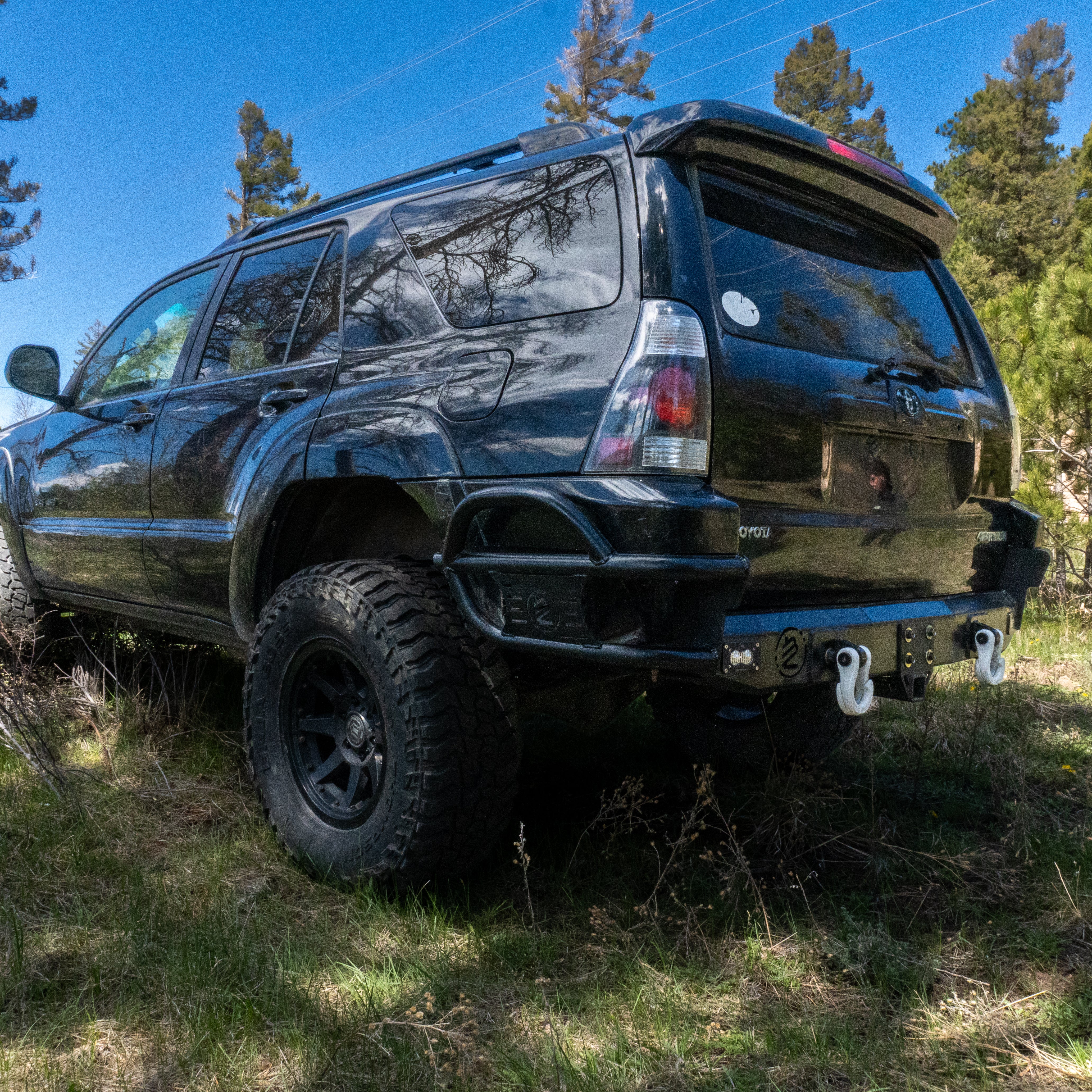
Rear Bumpers
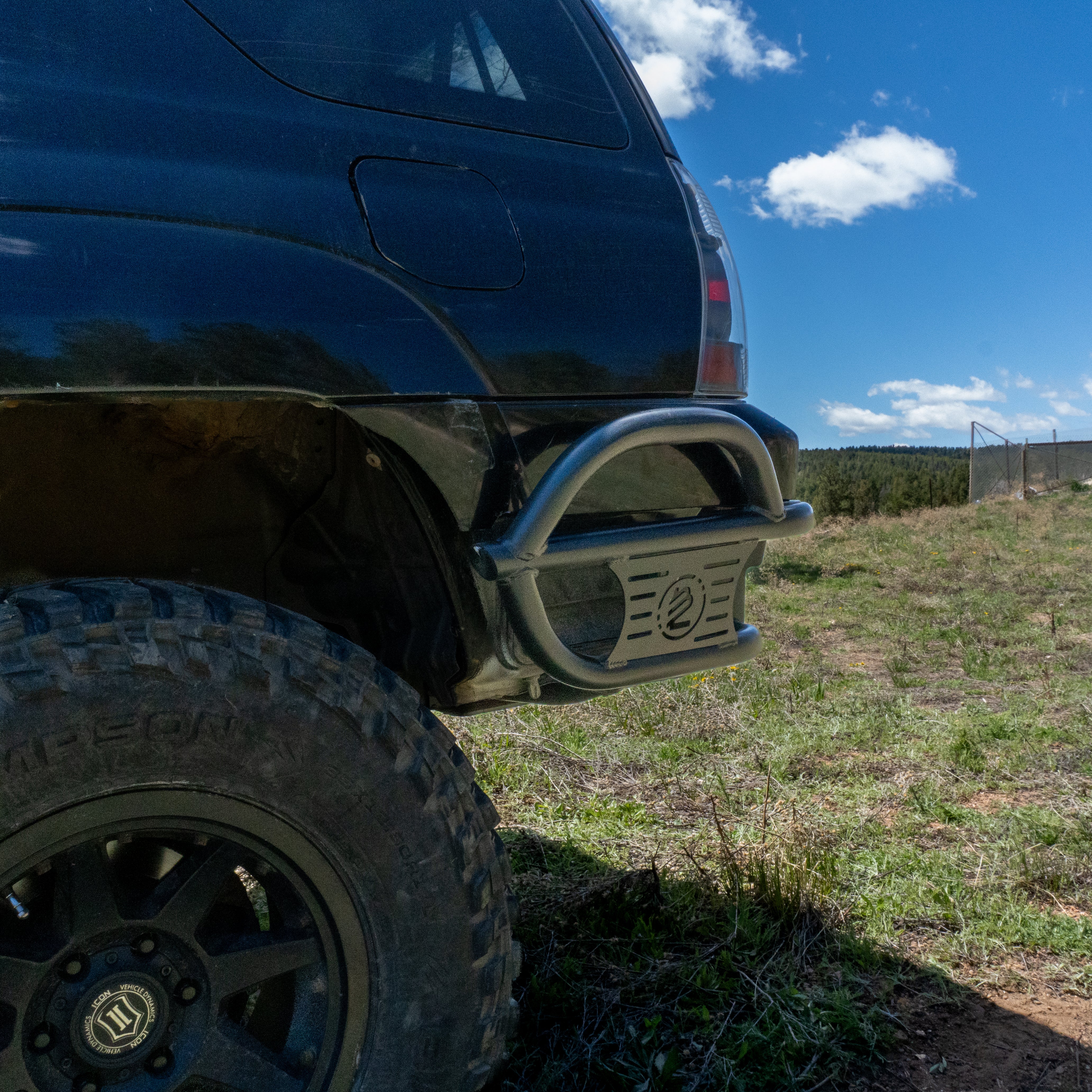
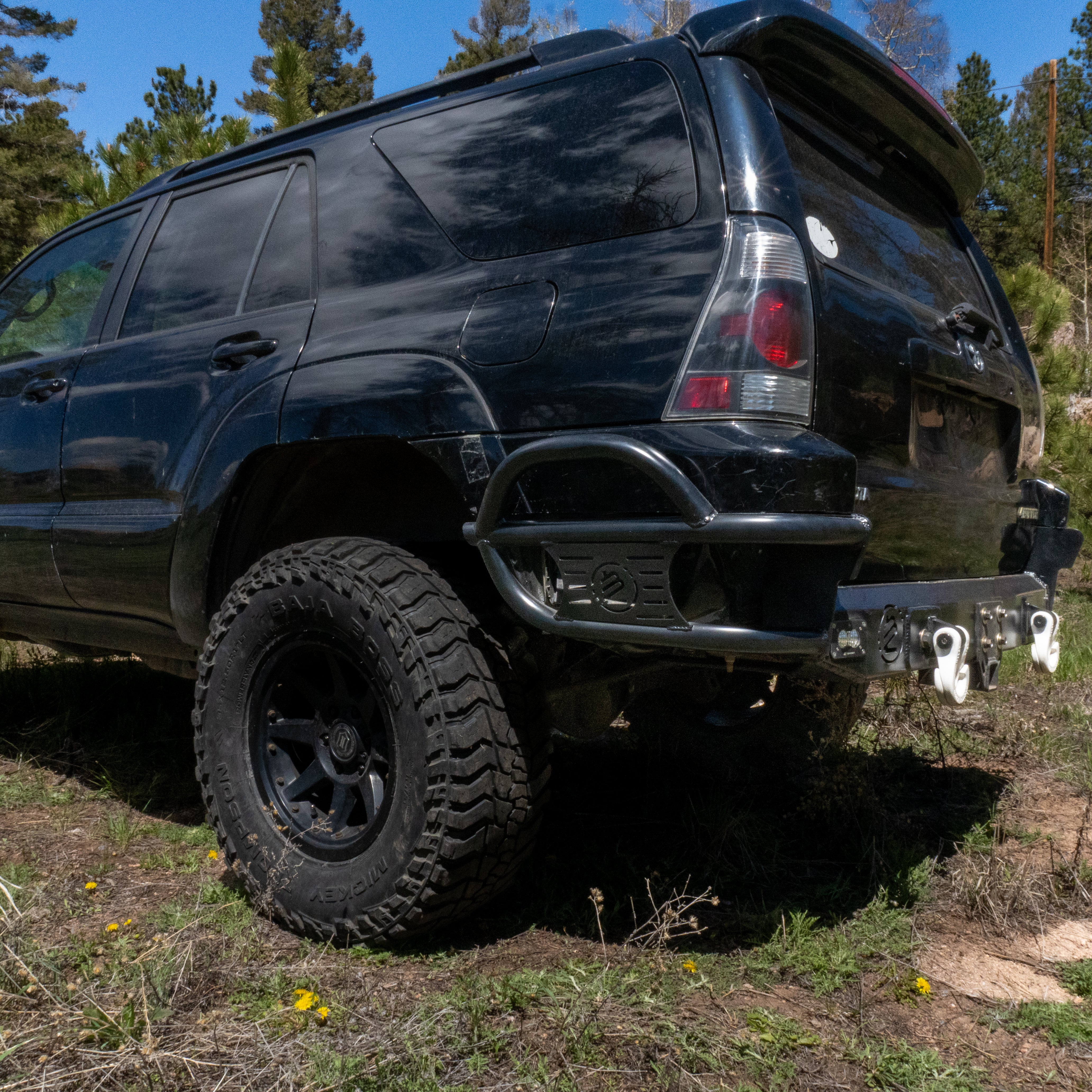
Rear recovery is often overlooked but just as important. Rear bumpers should:
-
Include reinforced recovery points
-
Support rear winch setups (where applicable)
-
Handle pull forces during reverse recoveries
Rear recovery is common in tight trails, mud, and snow.
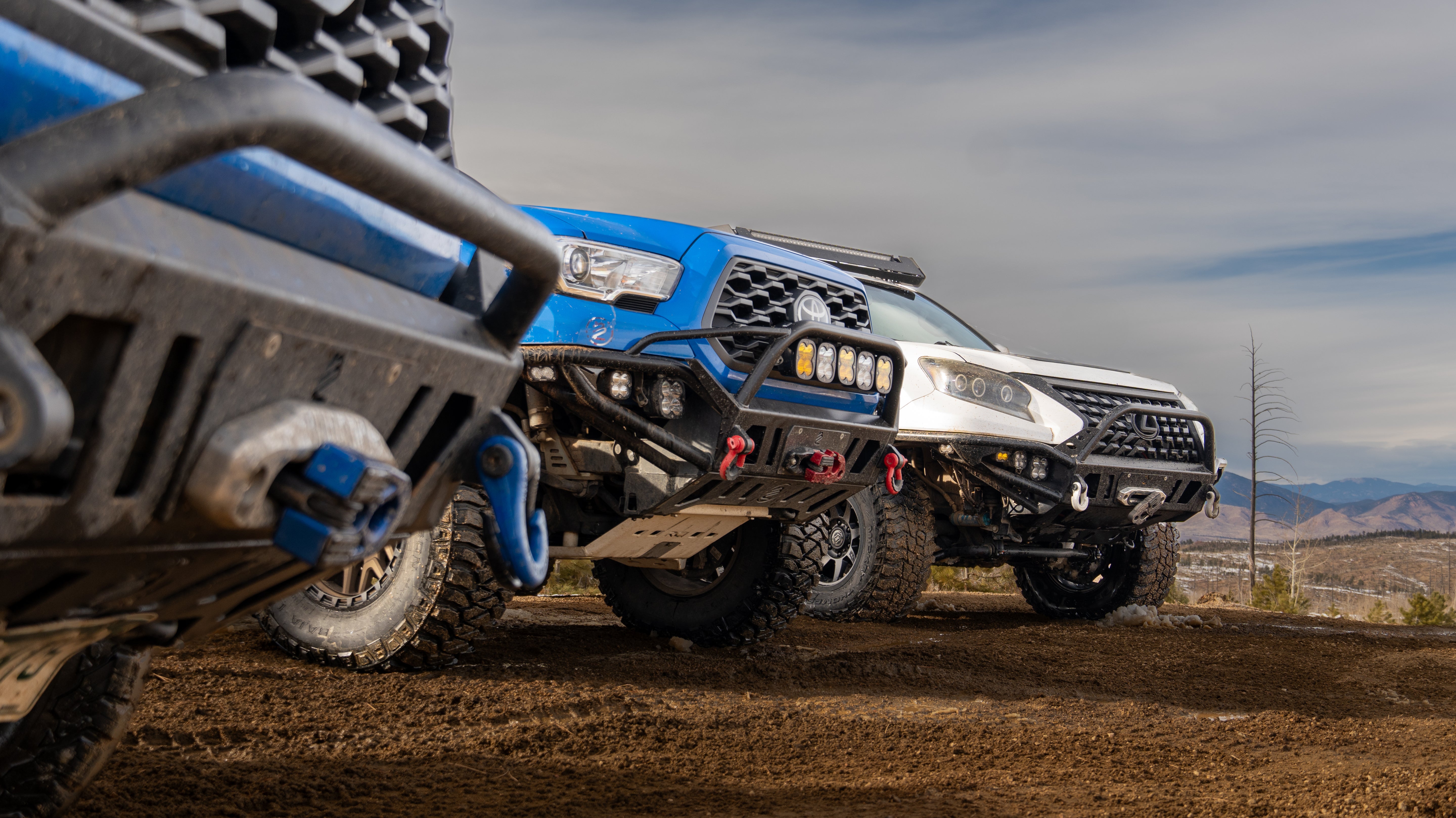
Toyota and Lexus Platform-Specific Recovery Challenges
Different platforms have different structural considerations:
Tacoma
-
Thin factory frame horns require reinforcement
-
Front weight sensitivity demands balanced design
-
Recovery points must bypass factory tow hook limitations
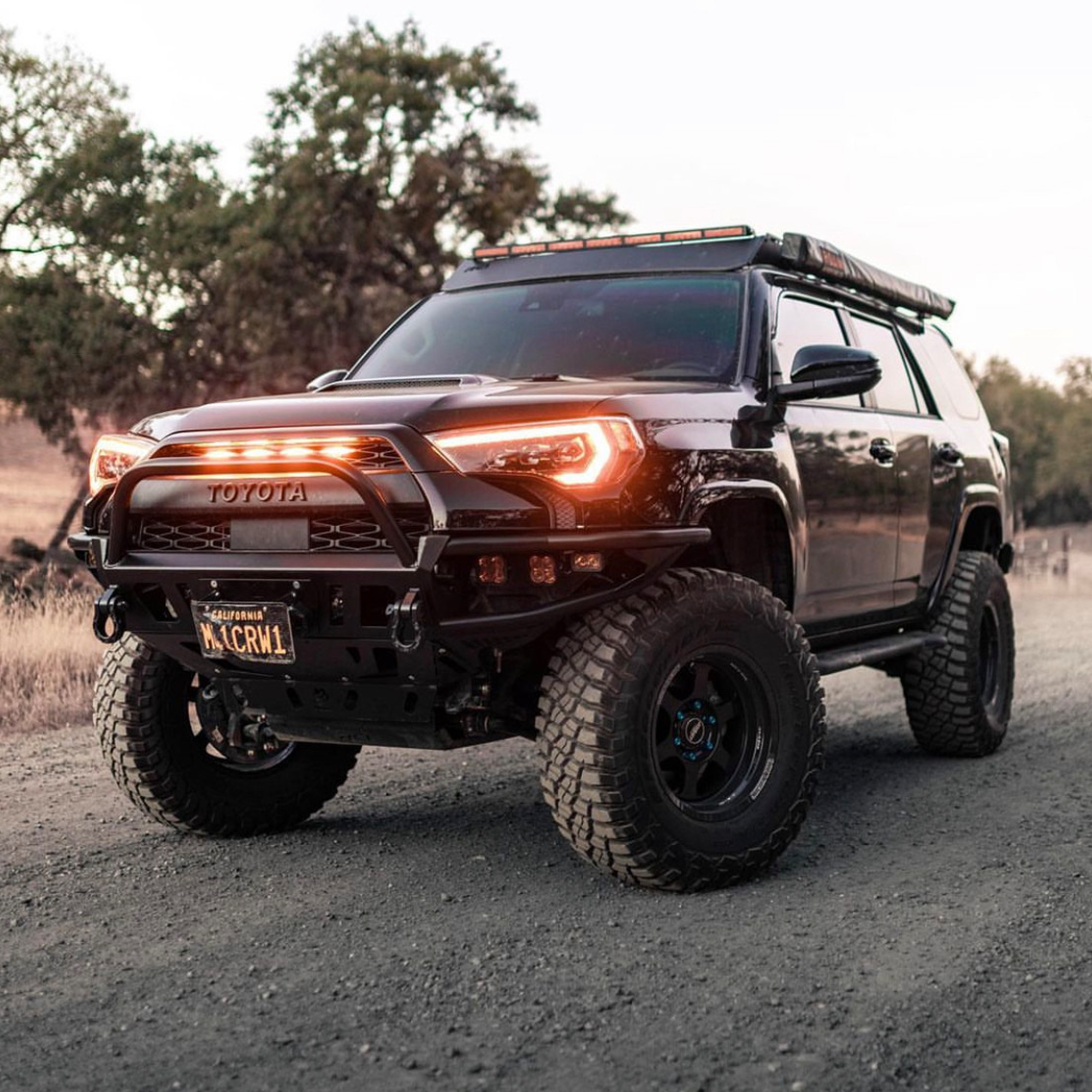
4Runner
-
IFS geometry requires careful load distribution
-
Frame mounting must avoid crumple zone interference
-
Winch airflow is critical for daily-driven rigs
Tundra
-
Higher vehicle mass increases recovery forces
-
Larger winches and mounts require heavy-duty brackets
-
Frame reinforcement is essential for kinetic recoveries
Lexus GX 460 / 470
-
Body and sensor integration adds complexity
-
Luxury panels benefit most from robust recovery bumpers
-
Hybrid builds need clean integration without sacrificing structure
FJ Cruiser
-
Short wheelbase increases recovery frequency
-
Tube/hybrid designs help reduce front-end weight
-
Frame mounting geometry differs from modern Toyota platforms
Why Instagram Bumpers Fail in the Real World
Many visually impressive bumpers prioritize:
-
Aggressive styling
-
Angular designs
-
Cosmetic tubing and lighting
-
Thin plate for weight savings
But without structural engineering, these designs can:
-
Flex under winch load
-
Tear shackle tabs
-
Bend mounting plates
-
Crack welds over time
Recovery is not the place to discover your bumper’s weaknesses.
Designing a Recovery System, Not Just a Bumper
A bumper is one part of a recovery ecosystem that includes:
-
Winches and fairleads
-
Soft shackles and hard shackles
-
Kinetic ropes and static straps
-
Snatch blocks and anchors
-
Onboard air and tire systems
A recovery-ready bumper should integrate cleanly into this system, with mounting options and clearance for real-world gear.
Custom Fabrication: Built for Your Recovery Style
No two rigs recover the same way. Custom fabrication allows:
-
Dual recovery points for angled pulls
-
Reinforced winch mounts for oversized winches
-
Integrated recovery storage mounts
-
Platform-specific reinforcements
At Lil B’s Custom Fabrication, we build bumpers for the way you wheel, not just the way you park.
Final Thoughts: Recovery Is the Real Test
You don’t find out how good your bumper is on pavement or in a photoshoot. You find out when:
-
You’re buried in mud
-
You’re hanging off a ledge
-
You’re pulling a friend out of a ravine
-
You’re winching uphill in low traction
A recovery-ready bumper isn’t a fashion accessory. It’s safety equipment, structural reinforcement, and trail insurance all in one.
Build for reality. Design for load. Trust your gear.












Share:
Why Your Bumper Is the Most Important Off-Road Mod
Tube vs Plate Bumpers: What Actually Makes Sense for Your Build?