


There’s No One “Best” Setup
If you’ve spent any time researching upgrades for the GX 550, you’ve probably seen the same question come up over and over: What’s the best front bumper setup?
The reality is, there isn’t a single answer.
The GX 550 is a highly versatile platform. Some owners use it as a daily driver with occasional trail runs, while others build it into a fully capable off-road rig. Because of that, the “best” front bumper setup depends entirely on how the vehicle is used.
Instead of focusing on one ideal configuration, it makes more sense to match the setup to the use case. That’s where the real performance gains come from.

What Actually Defines a “Good” Setup
Before breaking down specific scenarios, it’s important to understand what makes a front bumper setup effective in the first place.
At a baseline, a well-designed setup should:
-
Integrate cleanly with the GX 550’s front end
-
Support recovery without introducing weak points
-
Maintain proper airflow and system compatibility
-
Balance weight without negatively affecting handling
From there, the priorities shift depending on how the vehicle is used.
Daily Driver With Occasional Trails
For many GX 550 owners, the vehicle spends most of its time on the road, with occasional trips off-road. In this scenario, balance is everything.
The goal is to add capability without compromising daily drivability.
A well-suited setup typically includes:
-
A high-clearance front bumper that improves approach angle without excessive bulk
-
Moderate weight to avoid overloading the front suspension
-
Integrated lighting for improved visibility without clutter
-
Recovery points for occasional use
What you’re avoiding here is overbuilding. Heavy, overly complex setups can negatively impact ride quality and fuel efficiency without providing meaningful benefits for this type of use.
Do I need a winch for light off-roading?
Not always—but having recovery points is still important, even for moderate trail use.
Weekend Trail Rig
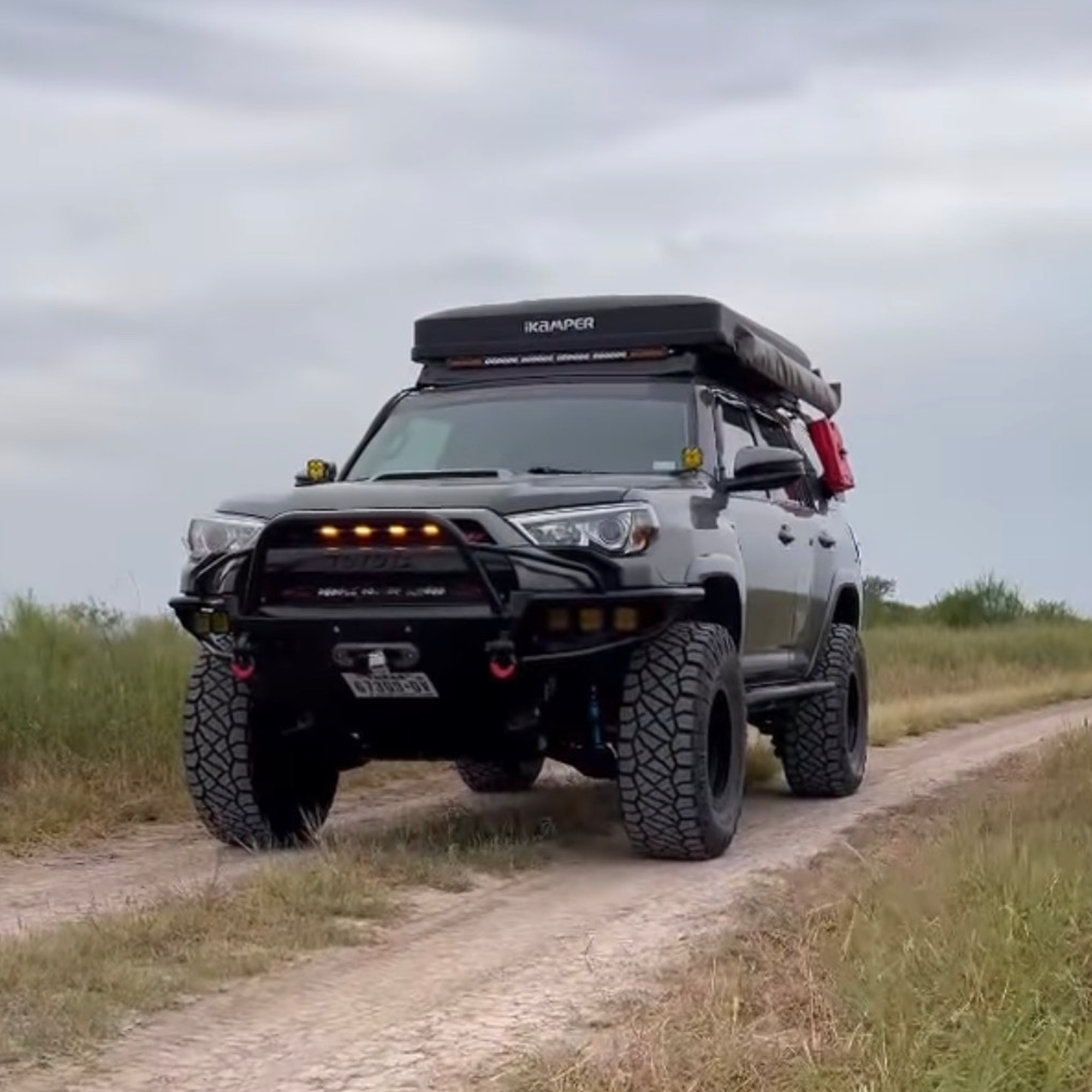
This is where the GX 550 starts to get pushed a bit harder. Weekend trail rigs see more technical terrain, more frequent off-road use, and a greater need for recovery capability.
In this case, the front bumper becomes a more critical component of the build.
A strong setup often includes:
-
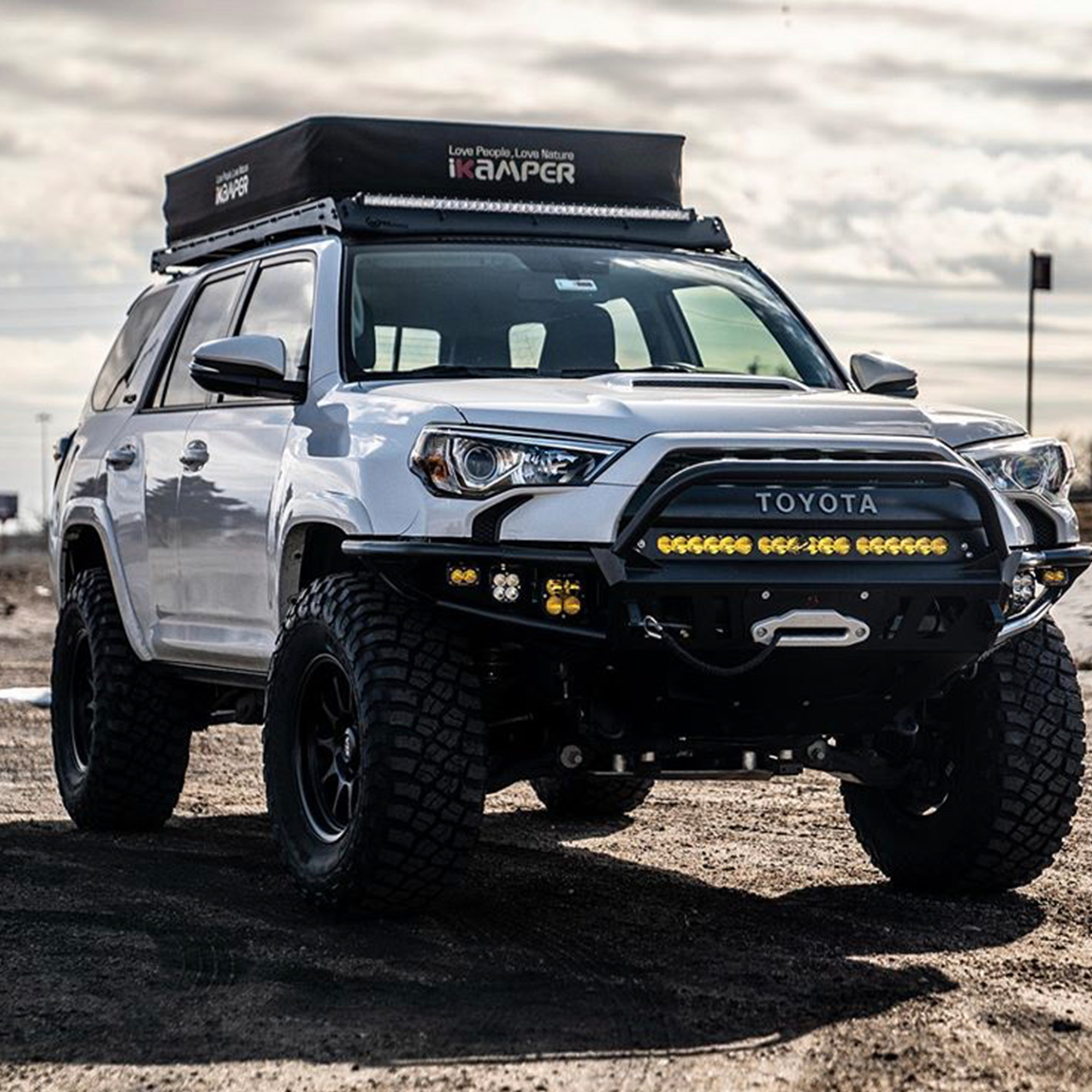
A steel front bumper for durability and recovery strength
-
Integrated winch for self-recovery
-
Reinforced recovery points tied into the frame
-
High-clearance geometry for obstacle navigation
Weight becomes less of a concern here compared to capability. The focus shifts toward reliability and performance under real trail conditions.
Is a steel bumper worth it for regular trail use?
Yes—especially if recovery and durability are priorities.
Overland / Long-Distance Builds
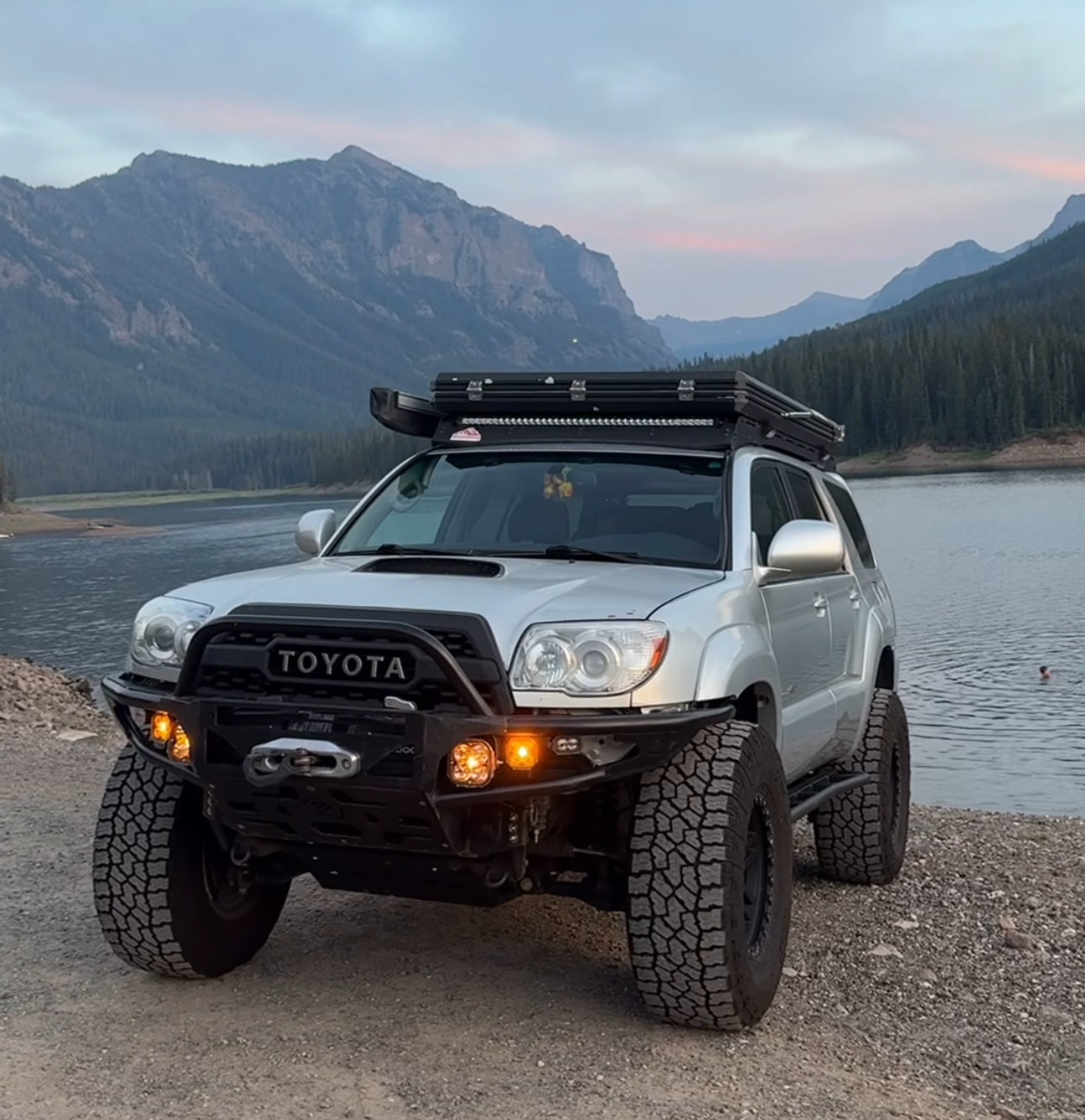
Overland builds introduce a different set of priorities. These vehicles are designed to cover long distances, often carrying additional gear, while still maintaining off-road capability.
For this type of setup, efficiency and reliability matter just as much as strength.
Key considerations include:
-
Managing total vehicle weight to avoid overloading the platform
-
Maintaining airflow for long-duration driving
-
Ensuring recovery systems are reliable but not excessive
A balanced approach works best:
-
Steel or reinforced bumper depending on load requirements
-
Winch integration for self-sufficiency
-
Clean mounting for lighting and accessories
-
Thoughtful design that avoids unnecessary bulk
Overbuilding can hurt performance on long trips, so restraint is just as important as capability.
Should overland builds prioritize weight savings?
Yes—managing weight improves efficiency, handling, and long-term reliability.
Technical Off-Road / Rock-Focused Builds
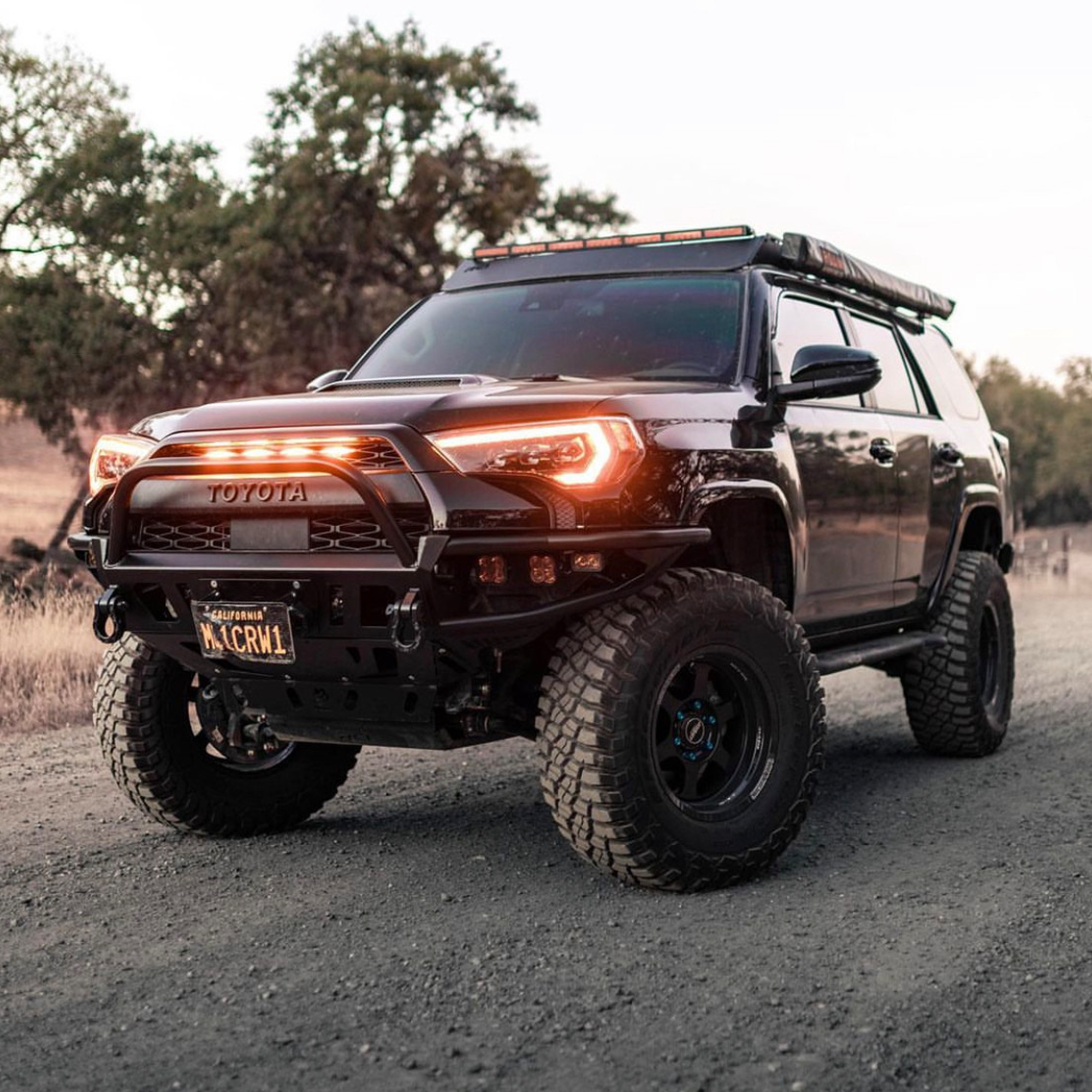
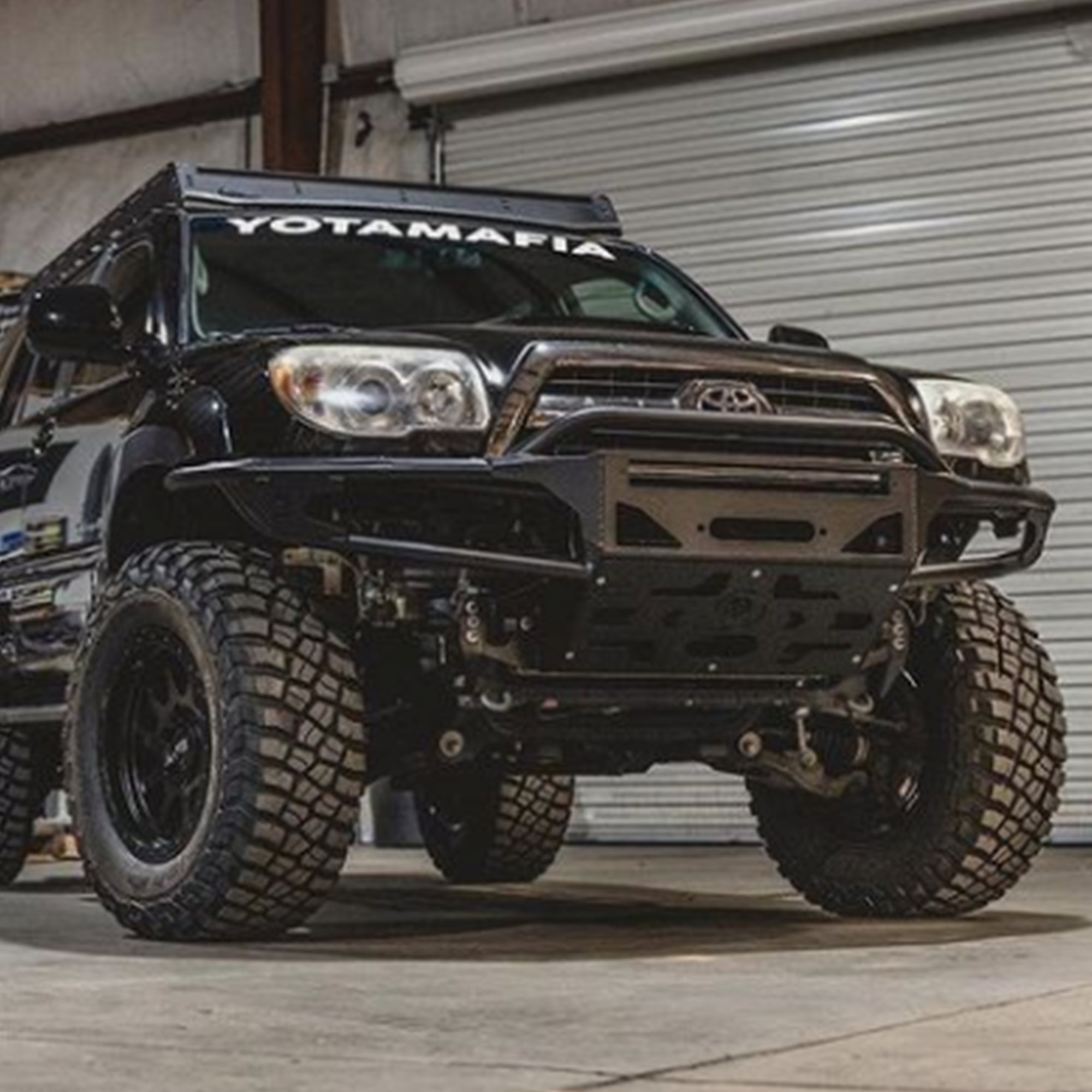
For GX 550 owners who focus on more technical terrain, the front bumper becomes one of the most important components on the vehicle.
In these situations, performance under stress is the priority.
A proper setup typically includes:
-
High-clearance steel bumper with optimized geometry
-
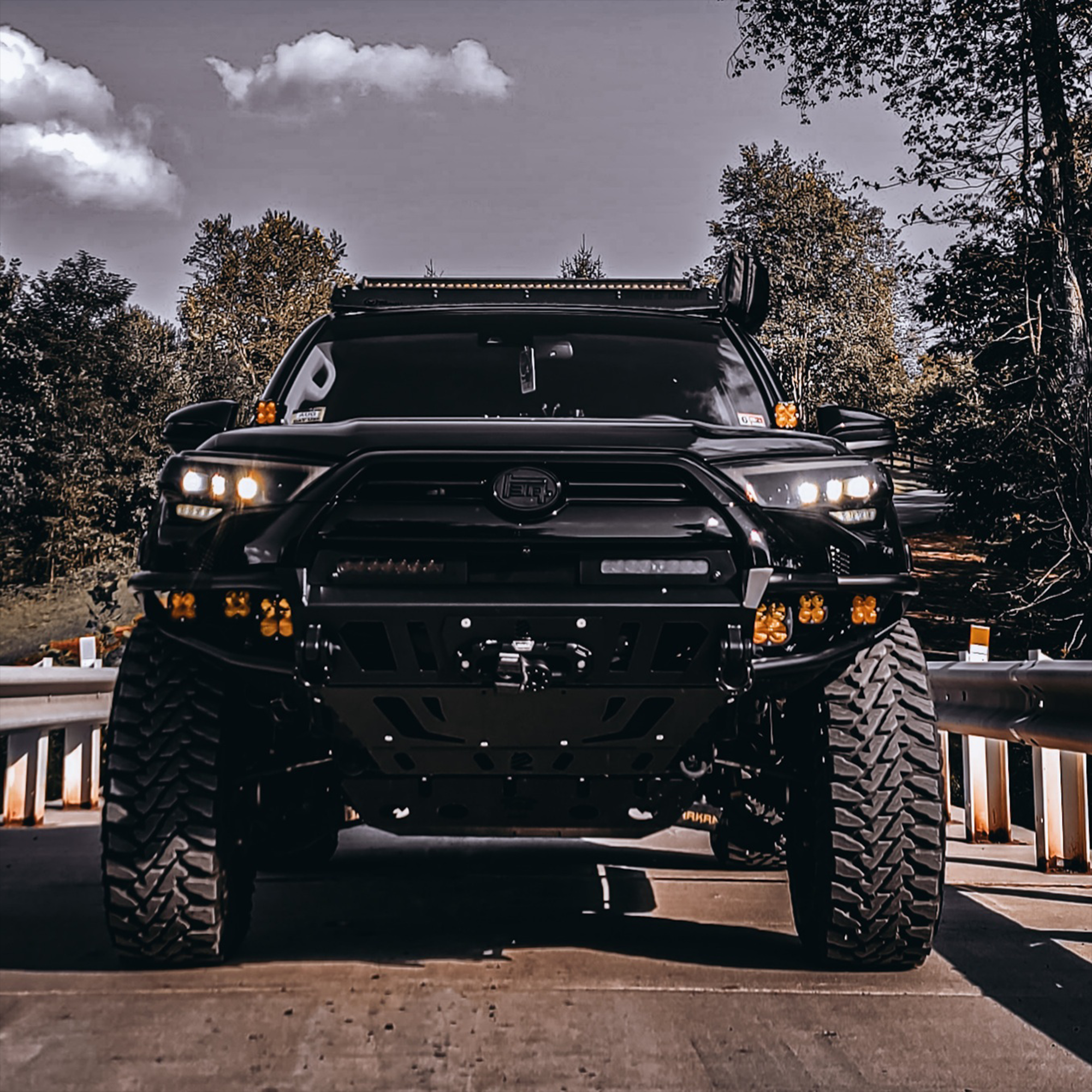
Fully integrated winch system
-
Maximum approach angle without sacrificing protection
-
Strong recovery points designed for repeated use
Here, the bumper is expected to take hits, support recovery under load, and maintain structural integrity over time.
Weight is less of a concern compared to strength and function, but it still needs to be managed intelligently to avoid negatively affecting suspension performance.
Do I need maximum clearance for rock crawling?
Yes—clearance and geometry directly impact how effectively the vehicle can navigate obstacles.
Hybrid Builds: Where Most GX 550s Fall
Most GX 550 builds don’t fit perfectly into one category. They sit somewhere in between—used for daily driving, weekend trails, and occasional longer trips.
This is where decision-making becomes more nuanced.
Instead of maximizing a single attribute, the goal is to balance:
-
Weight vs durability
-
Clearance vs protection
-
Simplicity vs capability
A well-rounded setup often includes:
-
High-clearance bumper with moderate weight
-
Winch-ready design (with or without immediate installation)
-
Integrated recovery points
-
Clean mounting for future accessories
This approach keeps the build flexible and allows it to evolve over time.
Common Mistakes When Choosing a Setup
One of the biggest mistakes GX 550 owners make is choosing a setup based on appearance rather than function.
Some common issues include:
-
Overbuilding for light use, leading to unnecessary weight
-
Underbuilding for technical use, resulting in limitations
-
Ignoring how the bumper affects suspension and handling
-
Failing to plan for future upgrades
Avoiding these mistakes comes down to being honest about how the vehicle will actually be used.
What’s the biggest mistake in bumper selection?
Choosing based on looks instead of how the vehicle will actually be used.
Where Lil B’s Fits Into the Equation
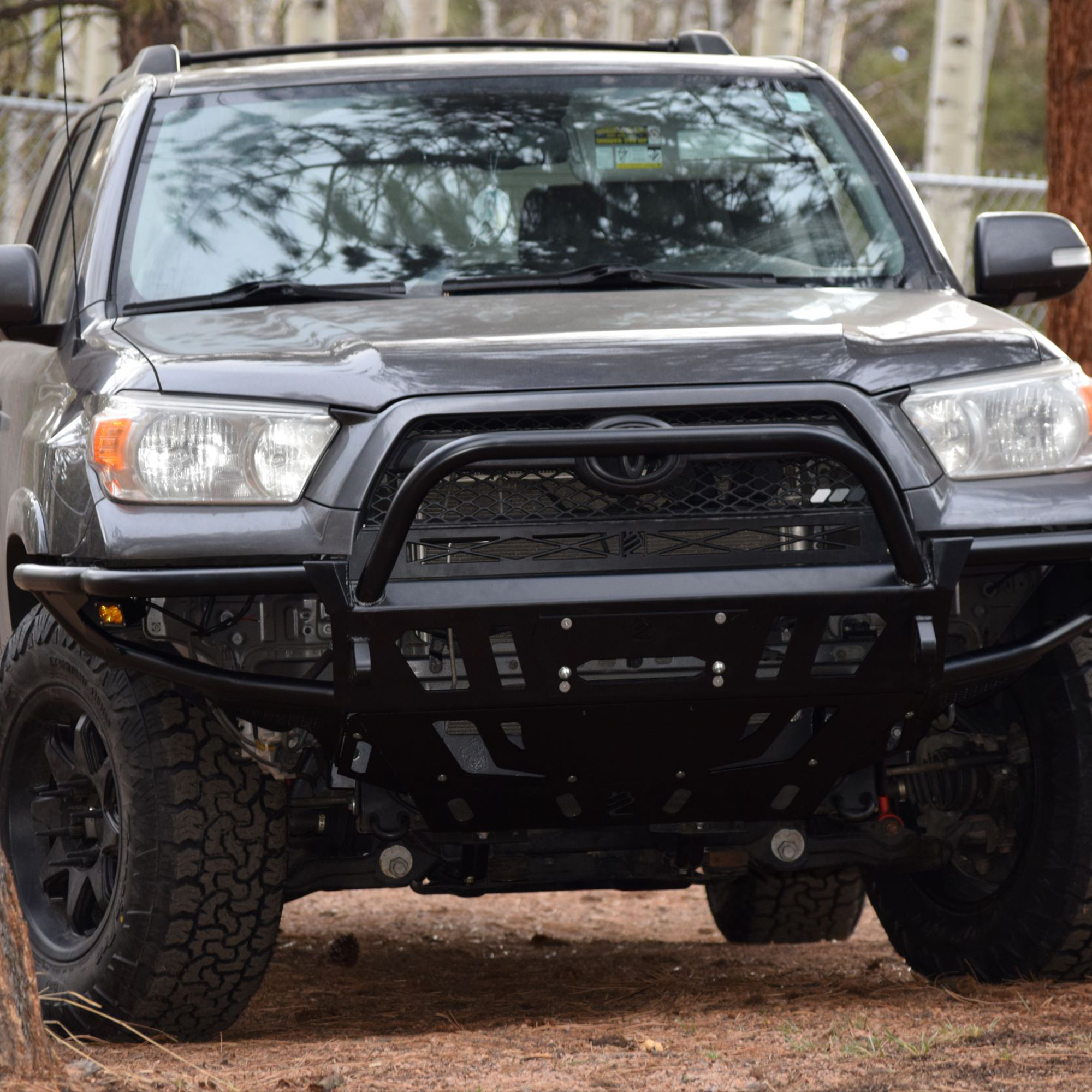
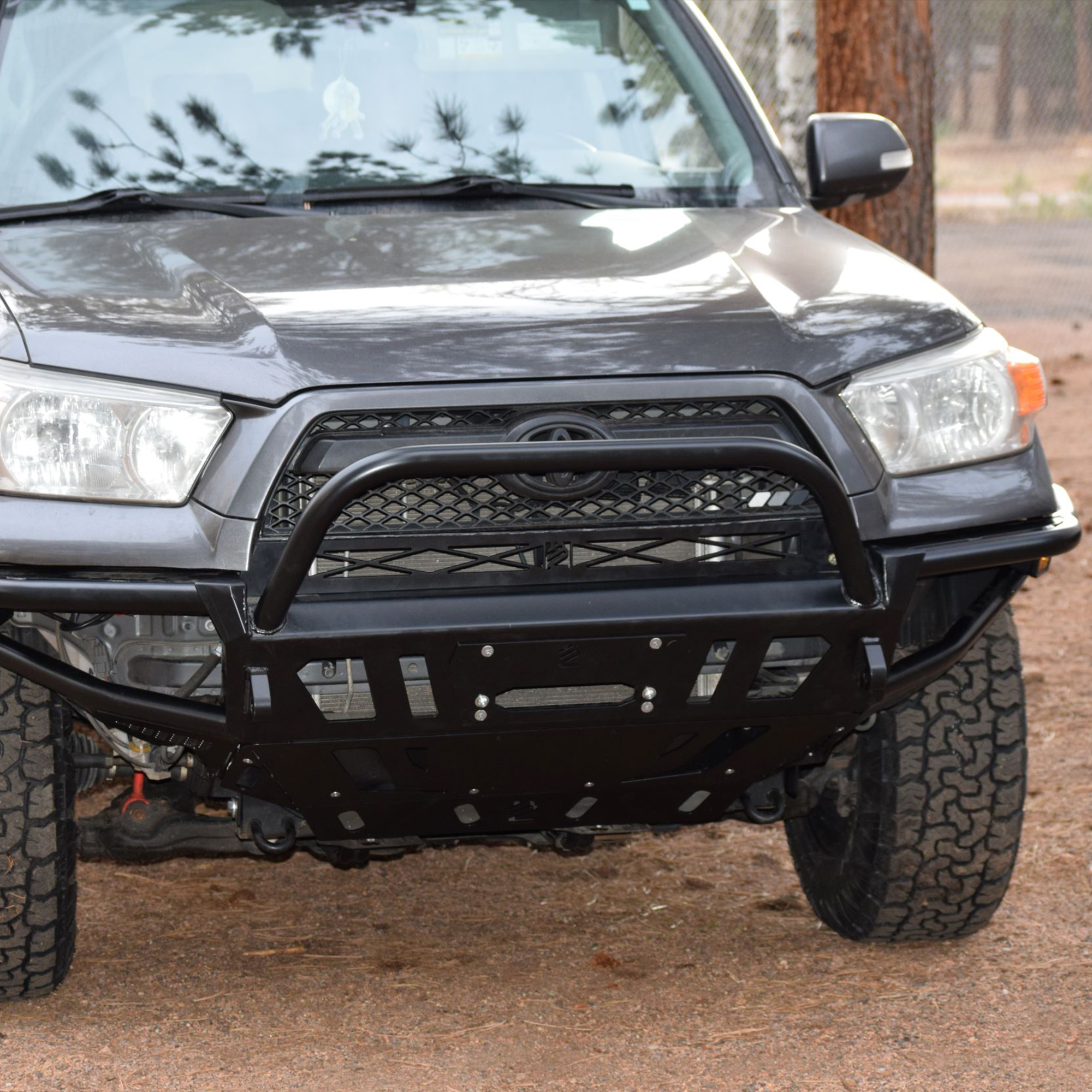
At Lil B’s Custom Fabrication, front bumpers are designed with real-world use in mind. That means focusing on:
-
Functional clearance, not just aggressive styling
-
Structural integrity for recovery and winching
-
Clean integration with the GX 550 platform
Rather than building for a single type of user, the goal is to create designs that perform across different use cases while maintaining the balance the GX 550 is known for.
Conclusion: Build for How You Actually Drive
The GX 550 is capable enough to handle a wide range of builds, but the best results come from aligning your setup with how you actually use the vehicle.
A front bumper isn’t just an upgrade—it’s a decision that affects recovery, clearance, weight, and overall performance.
By choosing a setup based on real use cases instead of trends or aesthetics, you end up with a vehicle that performs consistently and confidently, no matter where you take it.





Share:
Front Bumper Clearance on the GX 550: What “High Clearance” Really Means
Front Bumper + Suspension: How to Set Them Up Together