


The Most Critical Part of a Front Bumper
When off-roaders talk about bumpers, the conversation usually focuses on clearance, approach angles, or aesthetics. But when a recovery situation happens—and it will—the most important feature of your front bumper isn’t how aggressive it looks.
It’s the recovery points.
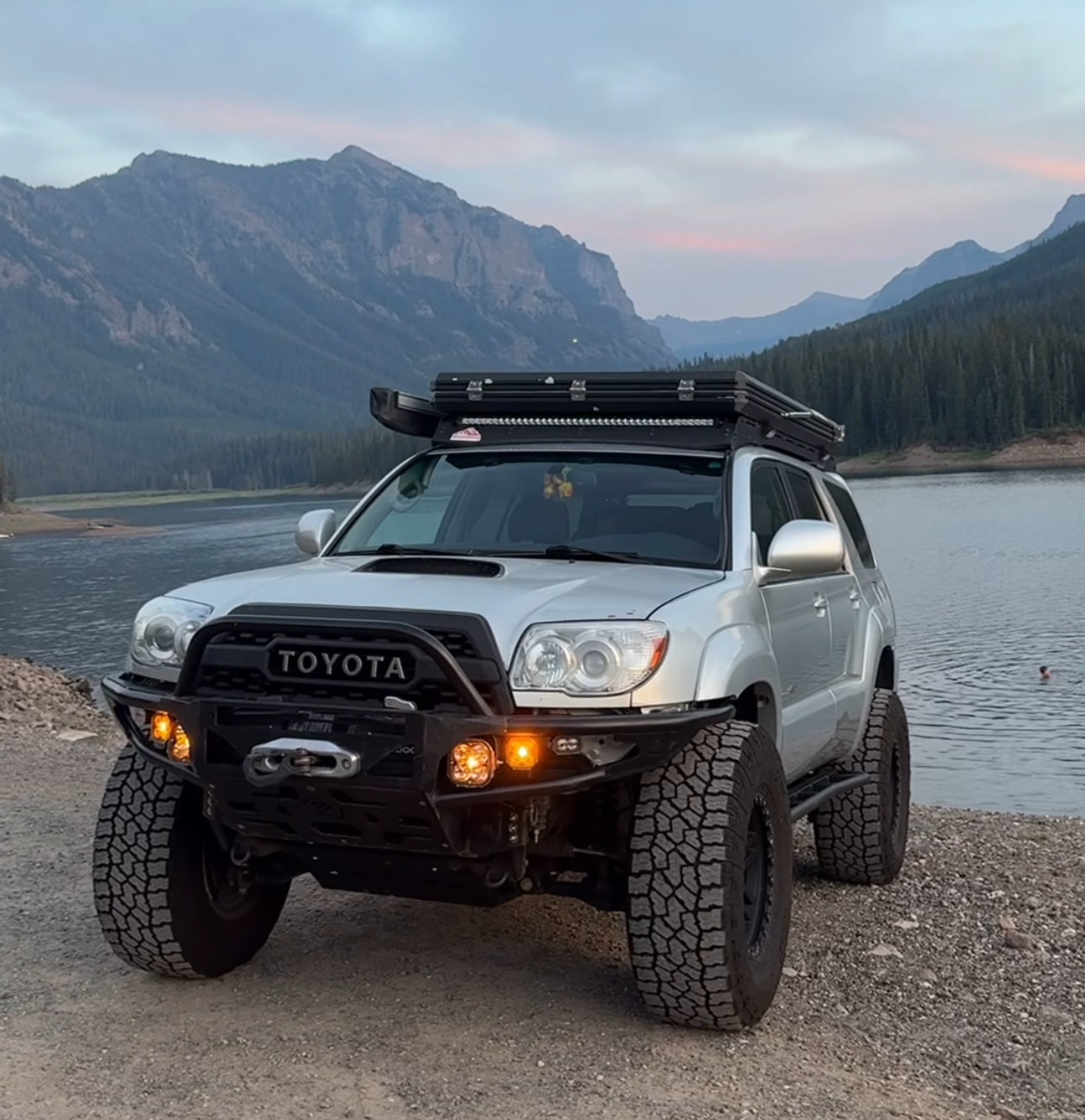
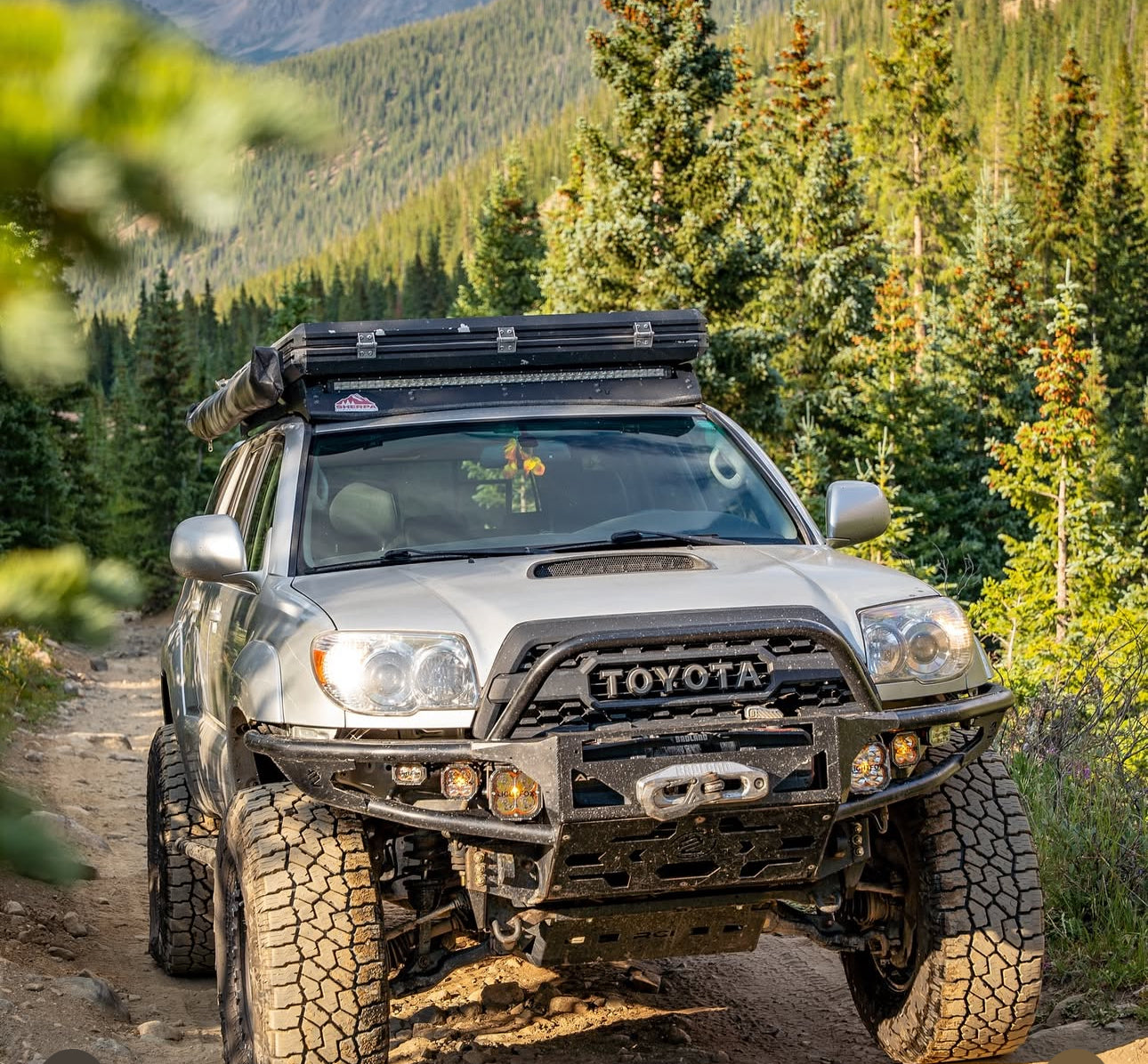
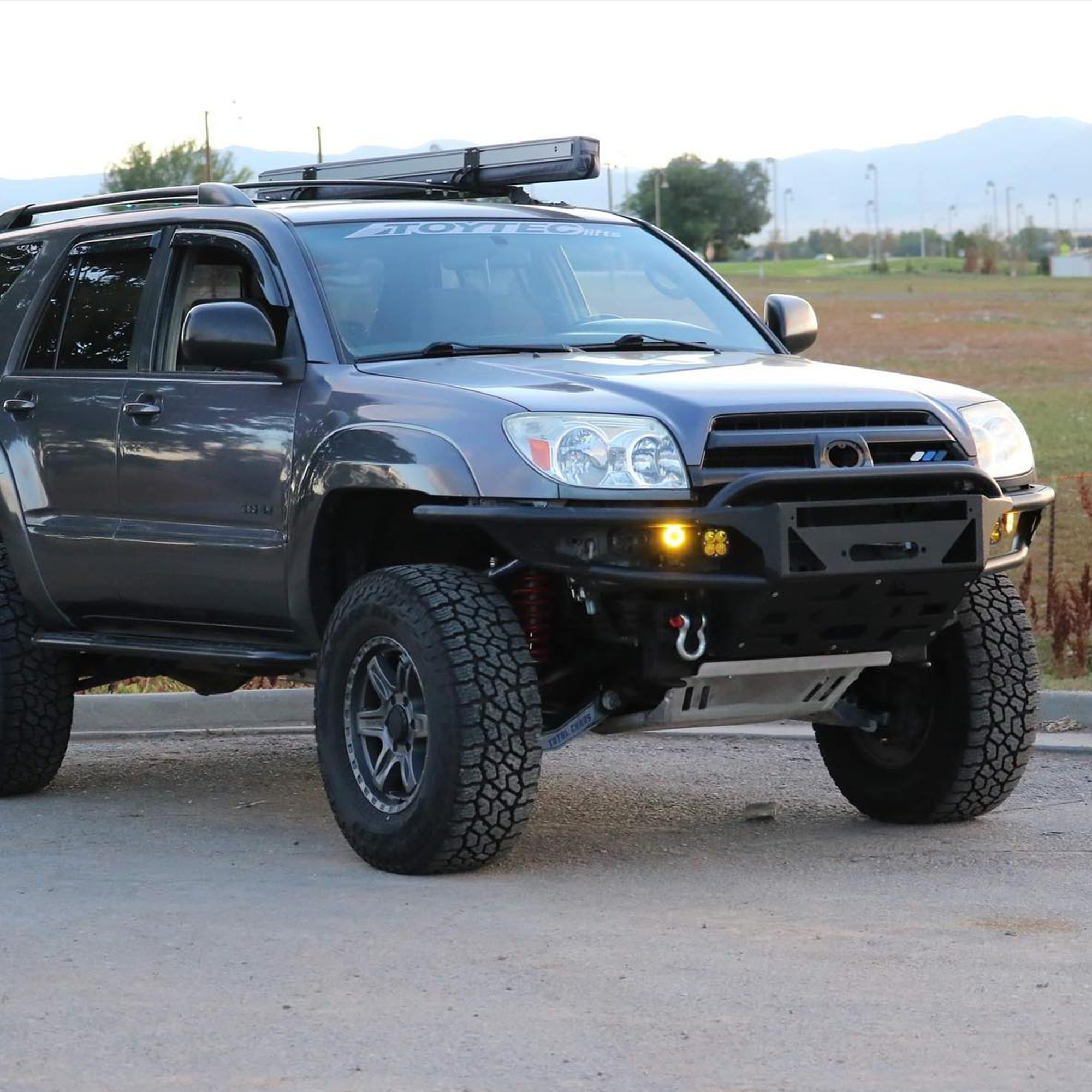
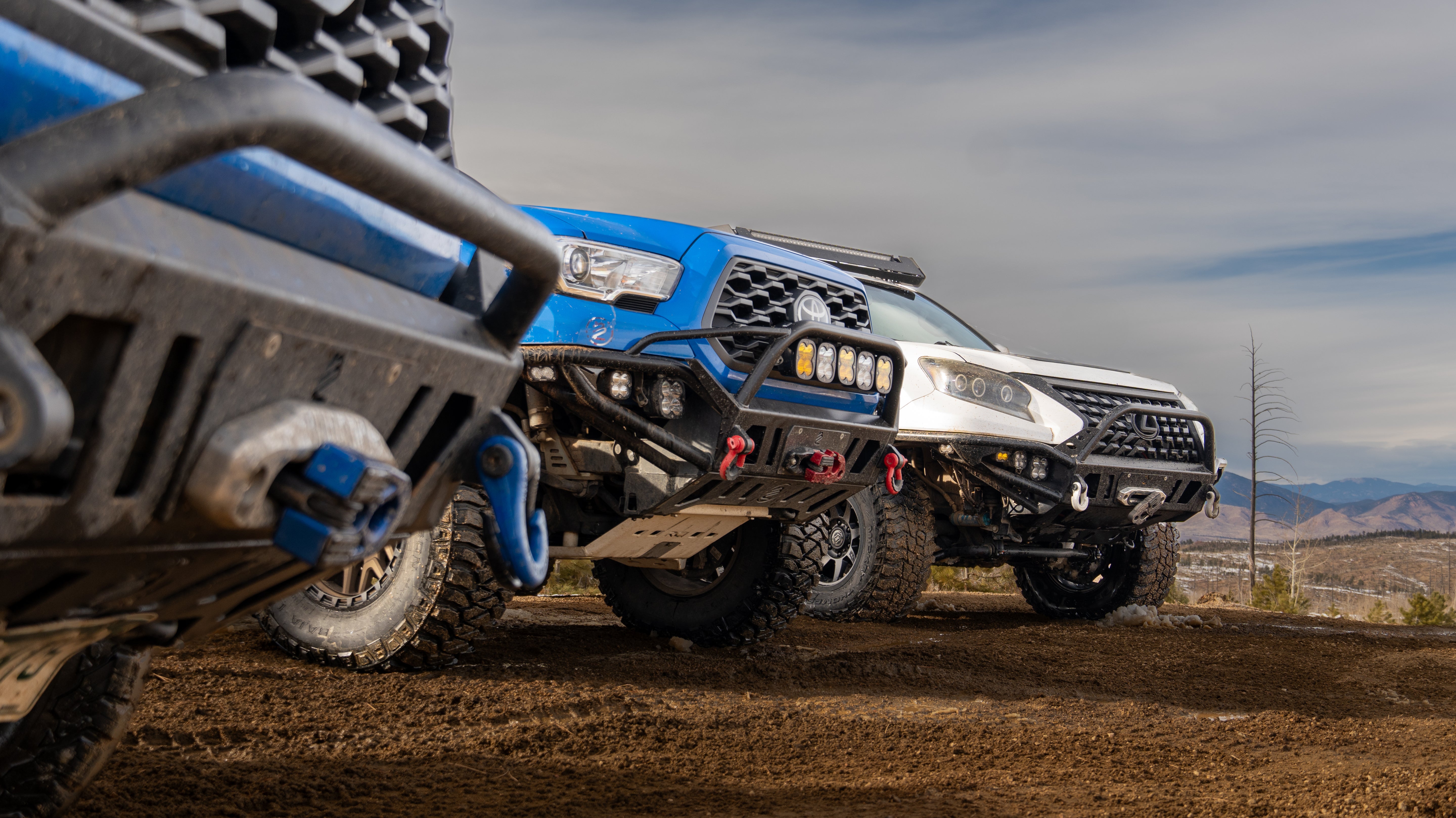
At Lil B’s Custom Fabrication, recovery engineering is one of the most important aspects of bumper design for rigs like the Toyota Tacoma, 4Runner, Tundra, Lexus GX 460/470, and FJ Cruiser. Because when a vehicle is stuck on a steep climb, buried in mud, or wedged between rocks, your bumper becomes more than protection.
It becomes the anchor point for thousands of pounds of force.
And not every bumper is designed to handle that safely.

What Actually Happens During a Recovery
Many enthusiasts underestimate the forces involved in a recovery pull. Even a moderate extraction can generate thousands of pounds of load.
Consider a typical situation:
A Tacoma stuck on a rocky climb needs a winch recovery. The pulling vehicle begins tensioning the line.
Now several things happen at once:
-
The winch line loads gradually.
-
The stuck vehicle shifts weight.
-
Suspension compresses and transfers force through the frame.
All of that load is transferred through the recovery point on the front bumper.
If that recovery point isn’t properly engineered, problems can appear quickly.
Common failure points include:
-
Shackle mounts welded only to bumper skins
-
Weak mounting brackets
-
Bolts not tied directly to the frame rails
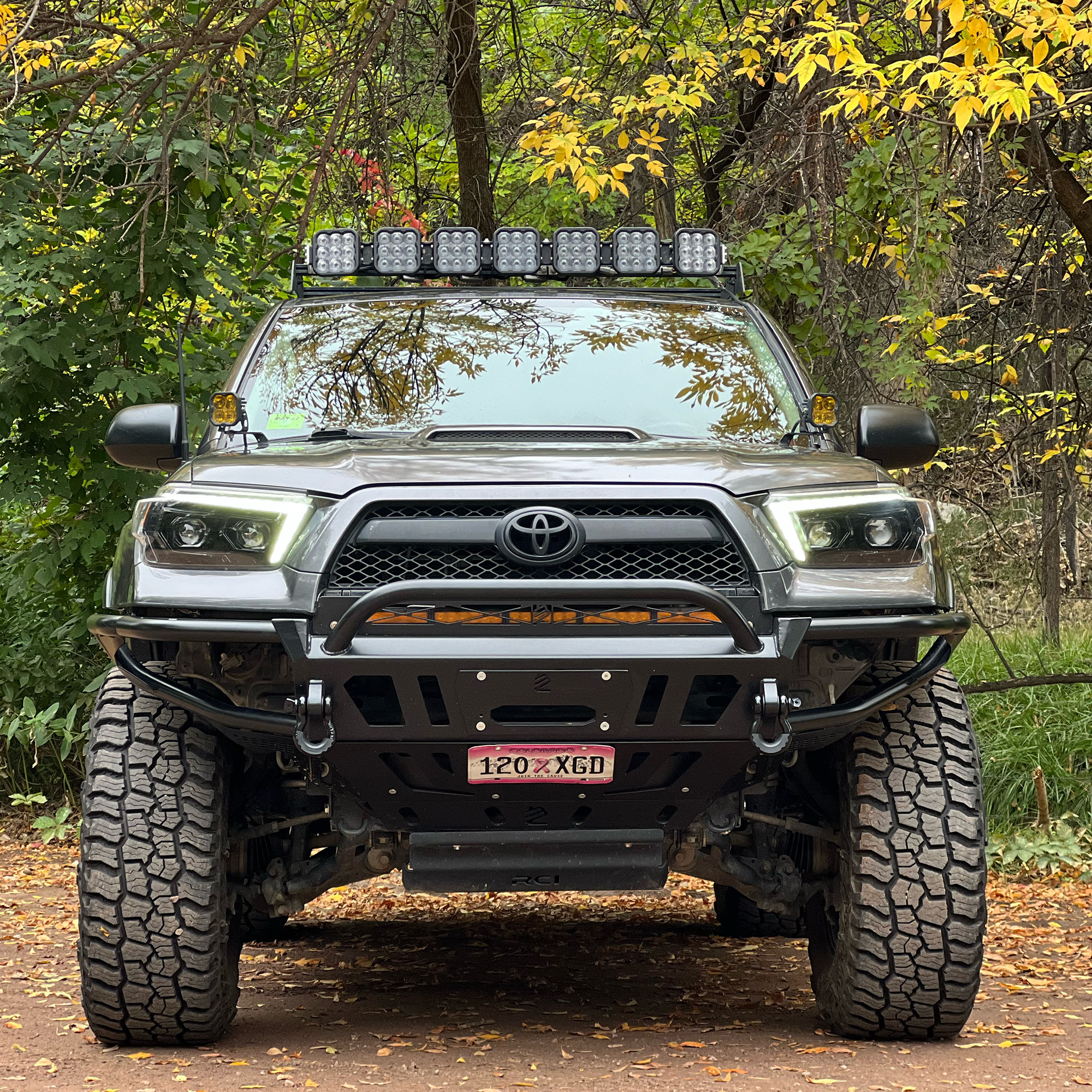
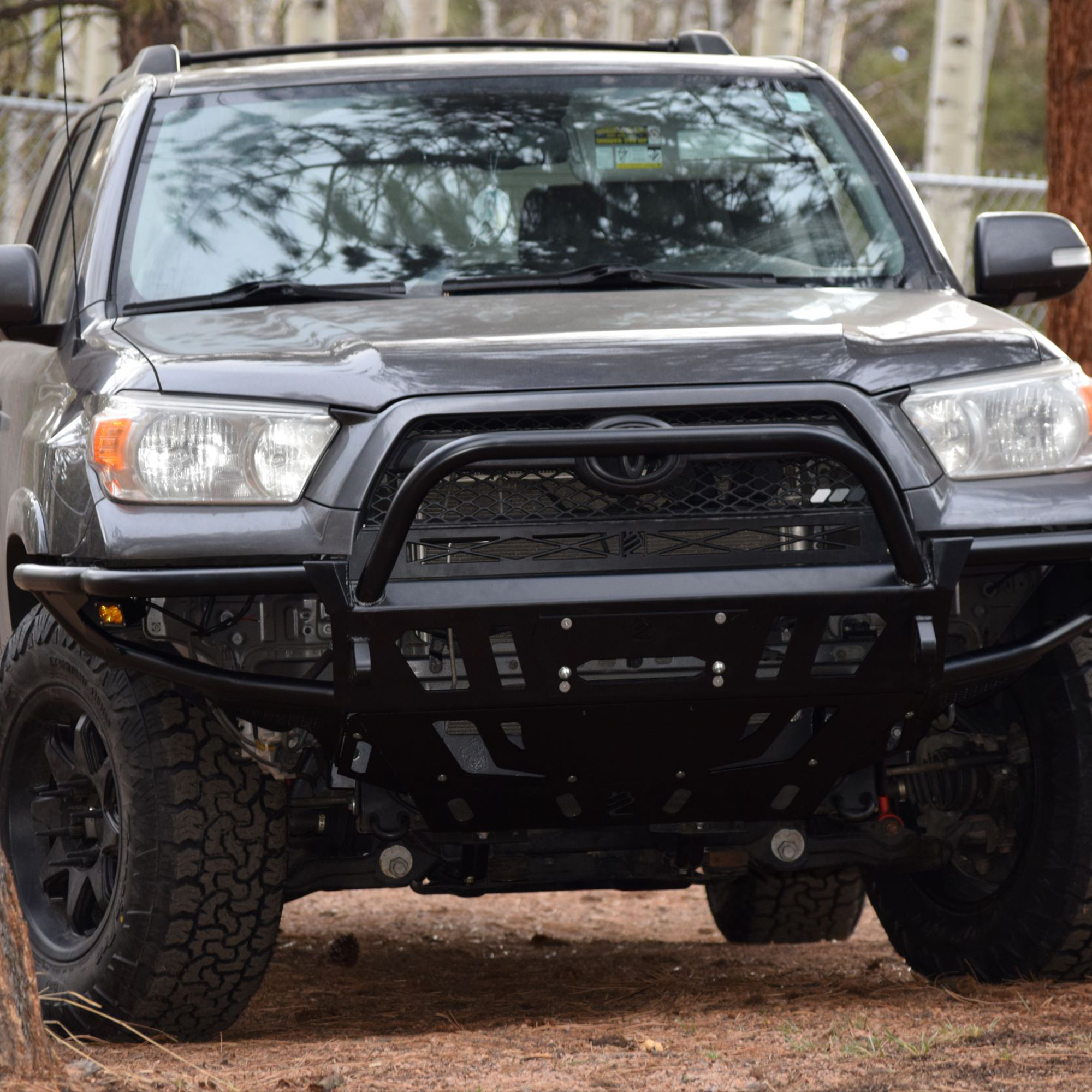
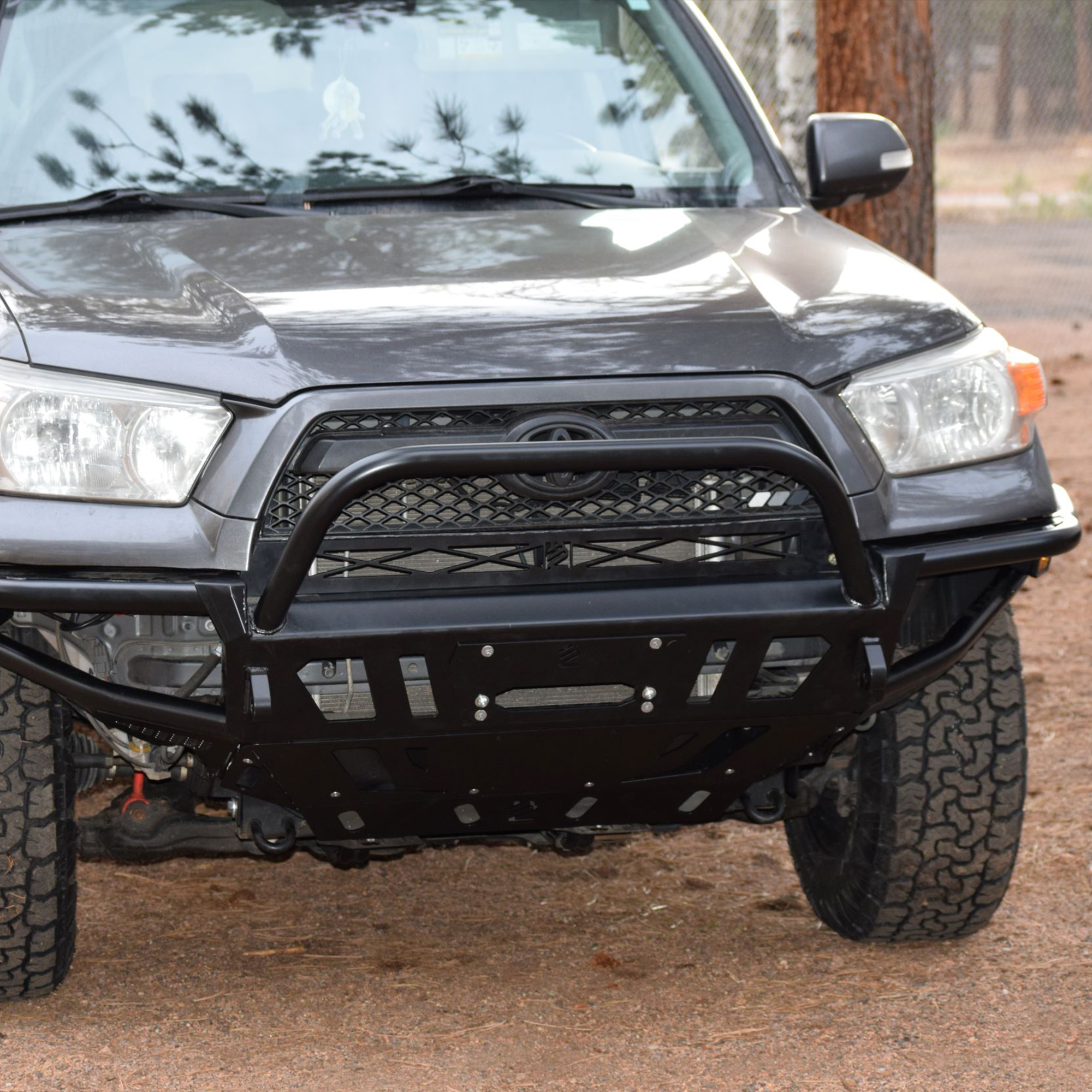
That’s why at Lil B’s, recovery points are designed to integrate directly with the vehicle’s frame, ensuring forces travel through the strongest structural components.
Frame-Tied Recovery Points vs Cosmetic Mounts
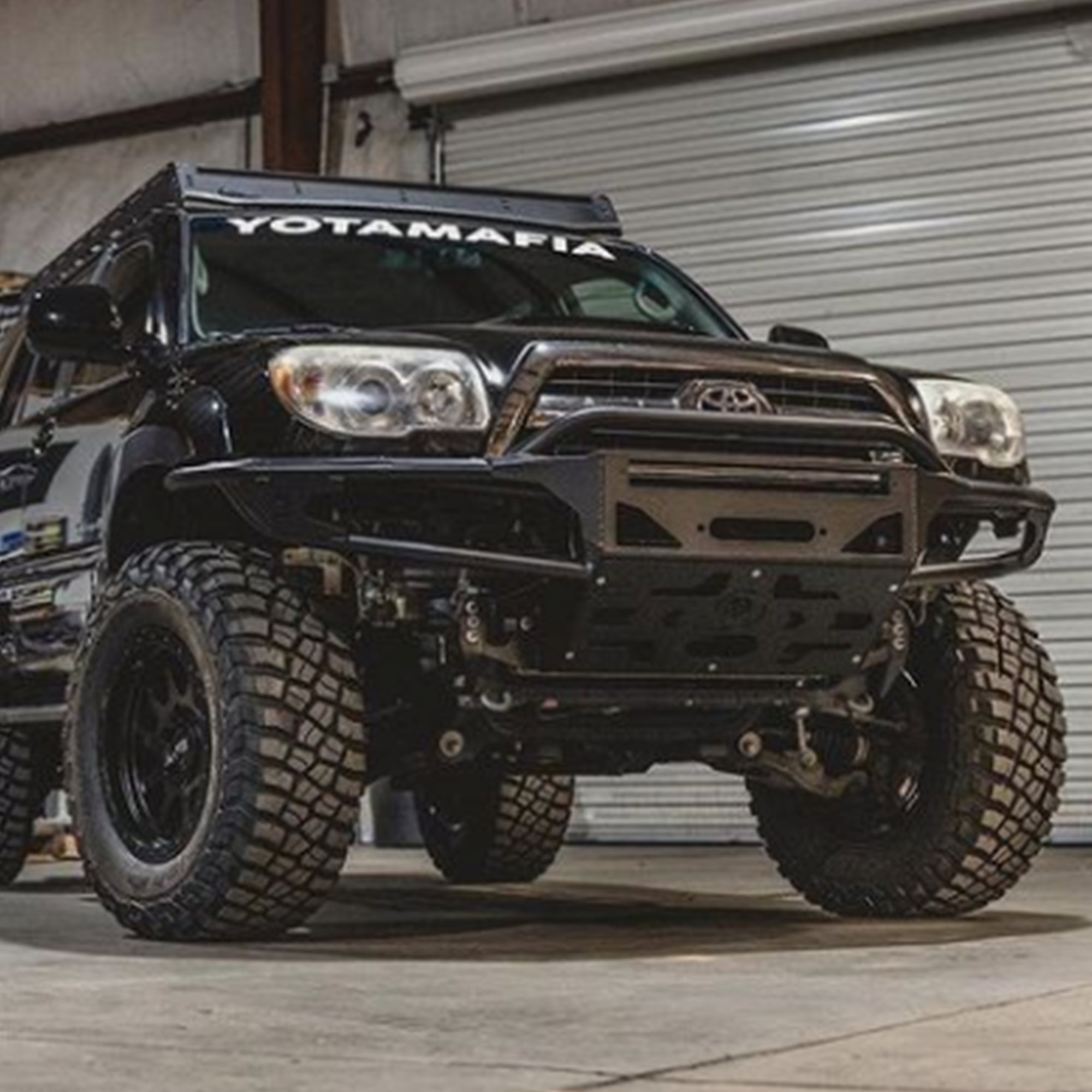
One of the biggest differences between a serious bumper and a cosmetic one is how recovery points are constructed.
Some bumpers simply weld a D-ring tab onto the bumper face. While it may look strong, the load may actually transfer into the outer shell of the bumper rather than the frame.
Frame-tied recovery points work differently.
Instead of attaching only to the bumper shell, they extend into the structural mounting system and distribute load through the frame horns.
Proper recovery mounts should include:
-
Thick steel tabs
-
Reinforcement gussets
-
Frame rail integration
-
Welds that penetrate structural plates
This design prevents stress from concentrating in a single location.
For Toyota platforms like the 4Runner, Tacoma, and GX, this is particularly important because front-end loads must travel safely through the frame without twisting mounts or stressing suspension components.
The Forces Are Often Asymmetrical
Another factor many people overlook is that recoveries rarely happen in a perfectly straight line.
In the real world:
-
A Tundra might be pulled sideways off a rock ledge
-
A GX 470 might need a diagonal pull out of a mud rut
-
An FJ Cruiser might be winched uphill while angled
These scenarios create torsional forces, which place additional stress on bumper mounts.
A properly engineered bumper anticipates these loads by:
-
Reinforcing mounting brackets
-
Adding gussets to recovery tabs
-
Distributing loads across multiple frame points
Without these features, a bumper can twist or bend even if the steel itself is thick.
Why Winch Mounting Is Connected to Recovery Design
Many off-road bumpers include winch mounts, but not all winch mounts are engineered to handle the forces that come with real recoveries.
A winch under tension transfers force into the bumper structure. If the winch cradle isn’t reinforced, that load can cause:
-
Plate flex
-
Mount deformation
-
Frame stress
Lil B’s bumpers integrate winch plates directly into the structural design so that winch loads and recovery loads share the same reinforced pathways.
This prevents localized stress and ensures consistent performance under heavy use.
Vehicle Platform Differences Matter
Each Toyota or Lexus platform has different front-end characteristics.
For example:
Tacoma
-
Lighter frame horns
-
Sensitive to front weight
-
Requires efficient load distribution
4Runner
-
Similar IFS dynamics
-
Benefits from balanced bumper weight
Tundra
-
Full-size frame capable of higher loads
-
Larger winch setups common
GX 460 / GX 470
-
Shorter front overhang
-
Recovery geometry important for steep angles
FJ Cruiser
-
Narrower front end
-
Compact bumper design critical
Because of these differences, bumper and recovery designs must account for platform-specific load behavior.
Signs Your Recovery Setup Might Be Weak
Some warning signs that your bumper may not be recovery-ready include:
-
Recovery tabs that appear welded only to outer steel
-
Flex when tensioning a winch line
-
Visible stress near mounting bolts
-
Paint cracking around weld seams
These signs often appear before a structural failure occurs.
Addressing them early prevents serious issues during a real recovery situation.
Real Trail Situations Where Recovery Points Matter
Experienced off-roaders know that recoveries happen in unpredictable environments.
Examples include:
-
Pulling a 4Runner off a rocky ledge in Moab
-
Extracting a Tacoma buried in Pacific Northwest mud
-
Winching a GX 460 up an icy mountain trail
-
Recovering a Tundra stuck in deep snow
In each case, the recovery points take the full force of the extraction. When they’re designed properly, the process is controlled and safe. When they aren’t, things can escalate quickly.
The Goal: Controlled Load Transfer
Ultimately, the purpose of a well-engineered bumper recovery system is to transfer load safely through the vehicle’s strongest structural components.
That means:
-
Frame-integrated mounts
-
Reinforced weld structures
-
Balanced load distribution
-
Structural winch integration
This approach protects both the bumper and the vehicle frame.
Final Thoughts
Off-road bumpers serve many roles: protection, clearance, and accessory mounting. But when things go wrong on the trail, their most important function becomes recovery.
A bumper that looks aggressive but lacks proper recovery engineering can become a liability.
For vehicles like the Tacoma, 4Runner, Tundra, GX Series, and FJ Cruiser, recovery-ready bumper design ensures that when the trail pushes your rig to its limits, your equipment is ready for the job.
Share:
Overbuilt vs Overweight: Finding the Right Balance in Steel Bumpers
How Front Bumper Design Affects Cooling, Airflow, and Engine Performance