


Strength vs Weight on the Trail
Every off-roader knows the temptation: build the heaviest, strongest front bumper possible. The reasoning is simple—steel equals strength. But as many experienced Toyota and Lexus trail runners will tell you, heavier isn’t always better.
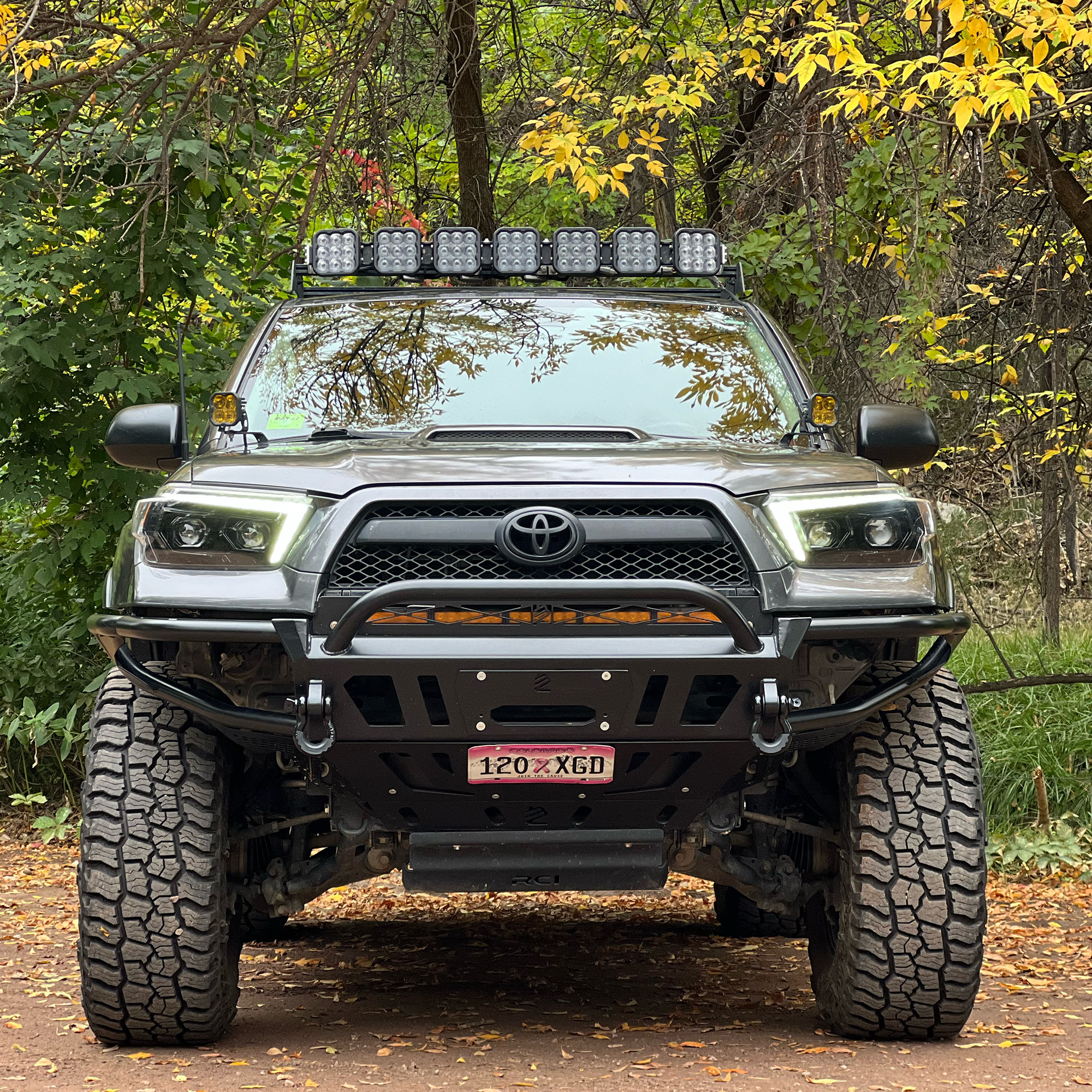
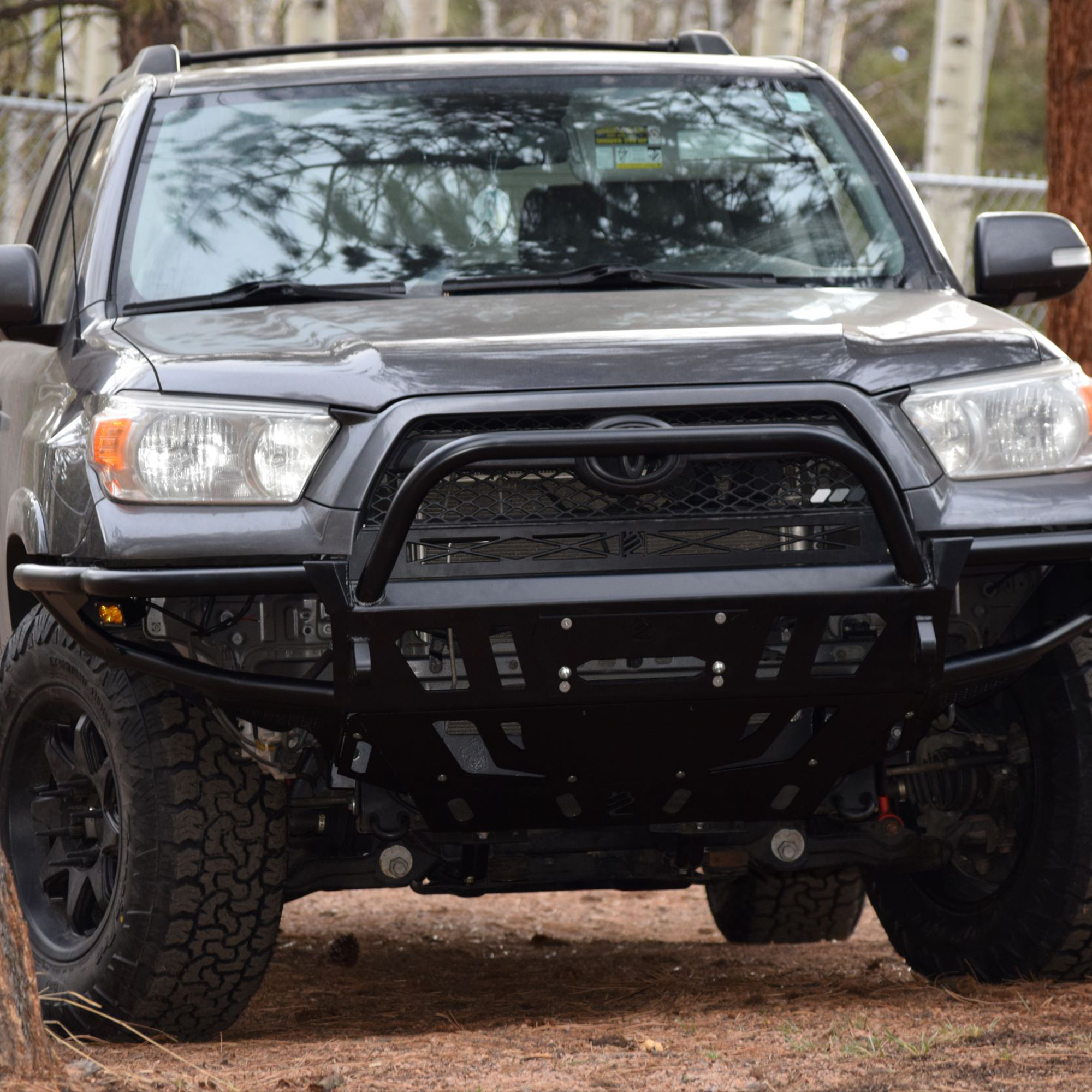
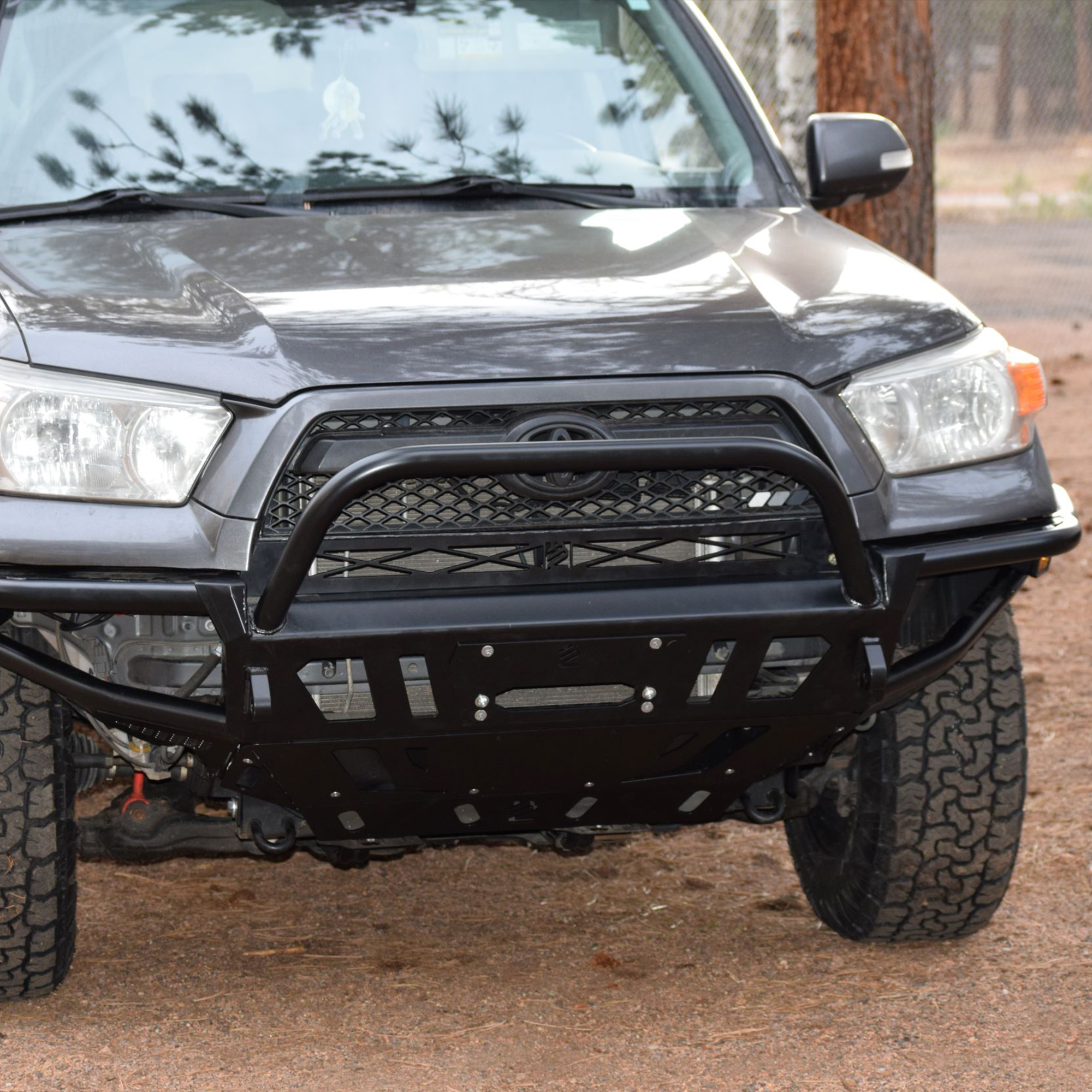
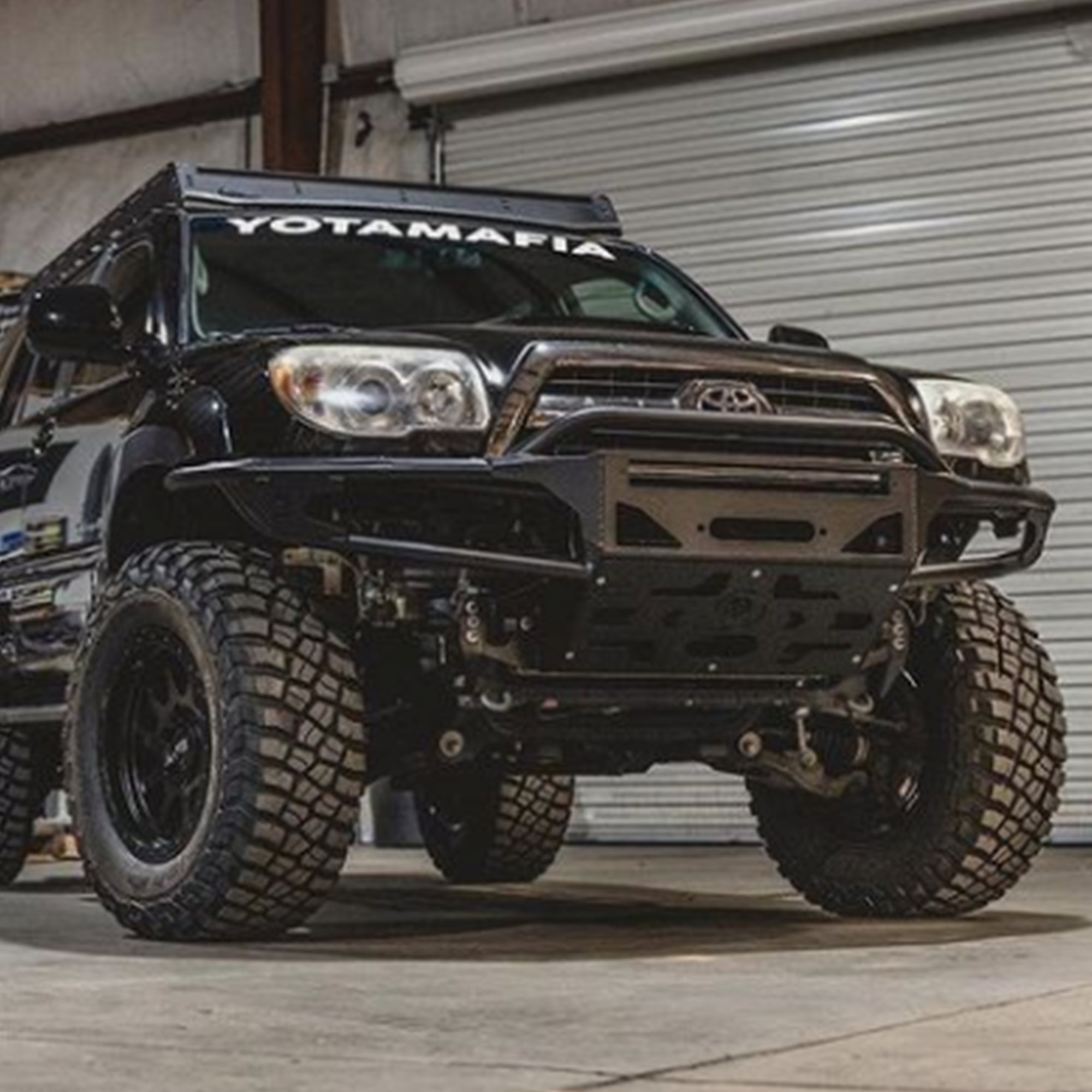
At Lil B’s Custom Fabrication, we see this a lot with Tacomas, 4Runners, Tundras, FJ Cruisers, and GX Series rigs. A bumper that’s excessively heavy can compromise suspension performance, handling, and approach angles, even if it could survive a direct hit from a boulder. The key is engineering strength intelligently, not just adding more steel.
In this article, we’ll explore why overbuilt bumpers aren’t automatically better, how overloading your front end affects your rig, and how to find the sweet spot for Toyota/Lexus models on the trail.

What Overbuilt Really Means
It’s common to confuse overbuilt with overweight. At Lil B’s, we define them differently:
-
Overbuilt: Steel is used intelligently where the bumper sees stress, with gussets, frame tie-ins, and reinforced recovery points.
-
Overweight: Steel is thick everywhere, including non-critical zones, adding unnecessary mass and shifting handling dynamics.
Overbuilt bumpers protect your rig and support recovery gear, while overweight bumpers can:
-
Reduce suspension travel
-
Increase nose dive on climbs
-
Accelerate wear on CV joints and bushings
-
Make steering feel sluggish, especially on IFS platforms like 4Runner and Tacoma
A Tundra or GX 470 might tolerate more front-end weight thanks to full-frame construction, but even these rigs benefit from thoughtful load distribution. Conversely, an FJ Cruiser or 4Runner with IFS suspension can be crippled by a poorly balanced, heavy bumper.
Weight Distribution and Suspension Impact
Adding a heavy front bumper changes your rig’s center of gravity. This is critical for:
-
Tacoma & 4Runner: IFS front ends are sensitive; poorly placed weight reduces approach angle dynamically, even if spec-sheet numbers are high.
-
Tundra: Full-frame rigs handle more weight, but suspension tuning must match.
-
FJ Cruiser & GX Series: Moderate front overhangs can be negatively affected by excessive mass, especially in technical terrain.
Key considerations:
-
Where the weight sits relative to the axle matters more than total mass
-
Reinforced frame tie-ins help distribute winch pull and recovery loads
-
Suspension upgrades may be required to maintain articulation and control
At Lil B’s, every bumper is engineered to balance strength with suspension geometry, ensuring your rig climbs, descends, and recovers reliably.
Load Paths: The Invisible Difference
Strength isn’t about how thick the steel is—it’s about how force moves through the structure. A properly designed bumper directs loads safely into the frame rails.
-
Overbuilt bumpers use gussets, cross braces, and reinforced mounting plates.
-
Overweight bumpers may concentrate stress on a few bolt holes or thin sections, risking bending or tearing.
On real trails, this makes a difference:
-
Moab rock gardens or Rainbow Falls in Colorado: Proper load paths prevent bending or flexing under dynamic recovery pulls.
-
Mud and snow extrications: Frame-tied recovery points distribute kinetic energy evenly.
-
Rocky climbs in the Pacific Northwest: Skid plate and bumper integration lets the rig slide over obstacles rather than being stopped by rigid corners.
Without engineered load paths, even a 200-pound steel bumper can fail under stress.
When Extra Weight Makes Sense
There are scenarios where heavier construction is justified:
-
Rigs running 12k+ winches, like overland Tundras or GX 470s
-
High-speed desert rigs encountering impact loads at velocity
-
Frequent recovery-heavy runs, including snow, mud, and slick rock
-
Rigs with extensive accessory integration: lights, fairleads, skid plates
Even in these cases, weight must be balanced and positioned intelligently, not just bolted on. Lil B’s bumpers account for:
-
Center of gravity
-
Suspension compatibility
-
Recovery load distribution
-
Integration with skid plates and underbody armor
Consequences of Too Much Front Weight
Overweight bumpers can introduce multiple trail and off-trail problems:
-
Reduced suspension articulation, especially on IFS rigs (Tacoma, 4Runner, FJ Cruiser)
-
Increased stress on CV joints and steering components
-
Nose sag that affects braking, steering, and approach angles
-
Fatigue on frame horns over time, even on full-frame rigs like Tundra and GX
-
Reduced ride comfort on long overland trips
A well-engineered Lil B’s bumper avoids these pitfalls by optimizing thickness, gussets, and mounts for each model.
Material Choice: More Important Than Thickness
Modern fabrication allows strength without unnecessary bulk. Lil B’s approach focuses on:
-
Steel grade selection: High-strength, low-alloy steel provides durability without excess weight
-
Precision bends: Reduce the need for stacked plate sections
-
Gusseted mounts: Reinforce stress points
-
Winch cradle reinforcement: Supports recovery without flex or frame stress
Smart design reduces weight while maintaining real-world trail durability.
How to Evaluate Your Front Bumper
When assessing bumpers for your Toyota or Lexus rig, ask:
-
Are recovery points frame-tied and gusseted?
-
Is the winch mount reinforced?
-
Do mounts distribute load through the frame?
-
Does the bumper integrate with skid plates and underbody protection?
-
Is clearance maintained without sacrificing structural strength?
These factors matter more than raw steel thickness or weight.
Sweet Spot: Strength Without Compromise
The ideal bumper for 4Runner, Tacoma, Tundra, FJ Cruiser, or GX rigs:
-
Survives repeated recoveries
-
Protects grille, radiator, and lights
-
Maintains suspension geometry
-
Doesn’t overload front axle
-
Integrates with accessory systems
This balance ensures reliable, predictable trail performance.
Conclusion: Build Smarter, Not Heavier
Durability is critical—but so is drivability. The goal isn’t the heaviest bumper on the market. It’s a front bumper that is engineered, tested, and proven in real-world conditions, like those built by Lil B’s Custom Fabrication.
Strength comes from thoughtful design, intelligent load paths, and model-specific engineering for:
-
Tacoma and 4Runner IFS rigs
-
Tundra full-frame builds
-
FJ Cruiser off-road rigs
-
GX 460/470 overland setups
The right balance of strength and weight ensures your Toyota or Lexus rig is capable, safe, and ready for any trail.
Share:
Front Bumper & Trail Performance Beyond Approach Angle
Why Recovery Points Matter More Than Most Front Bumpers