

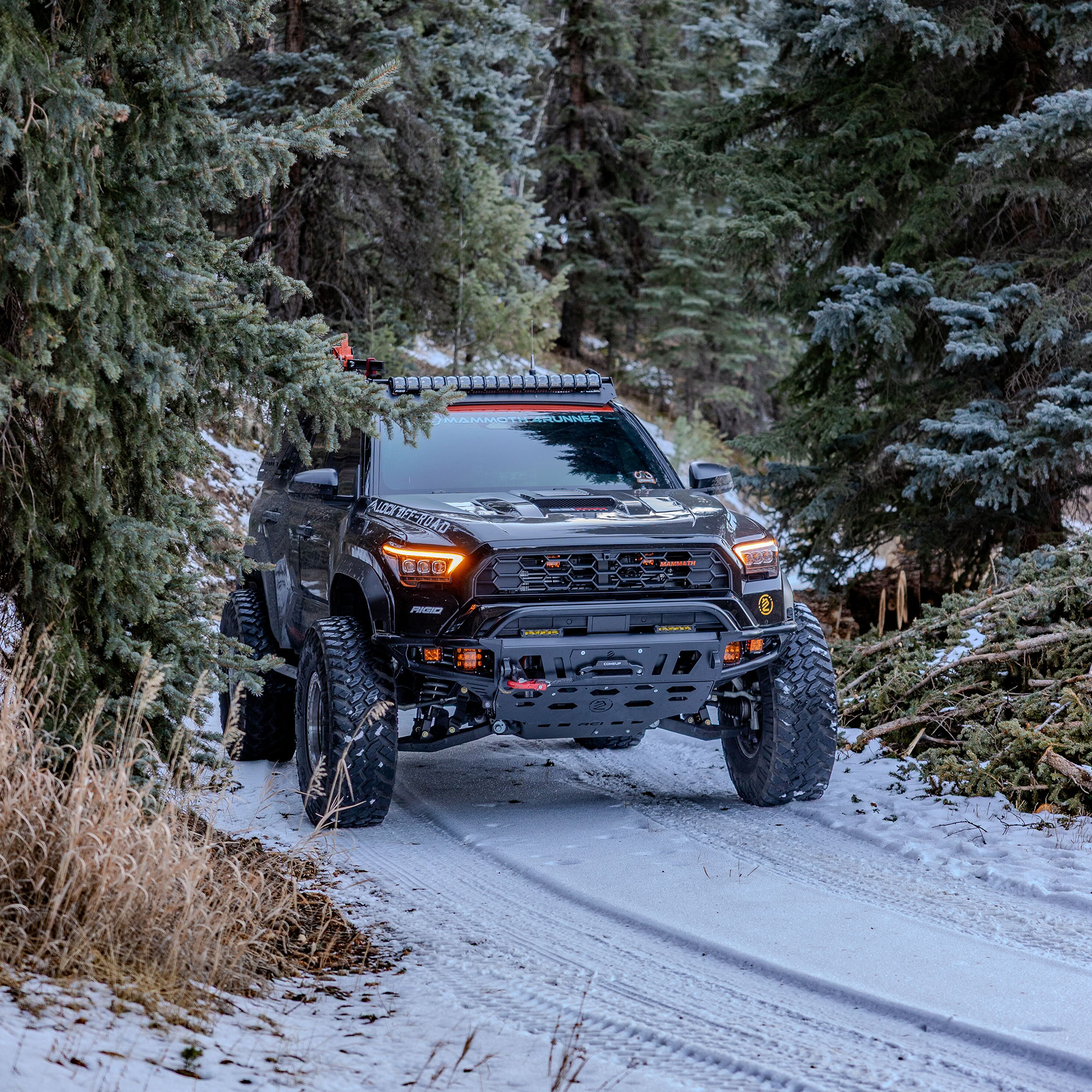
"Winch-Ready" Means More Than Having a Mounting Plate
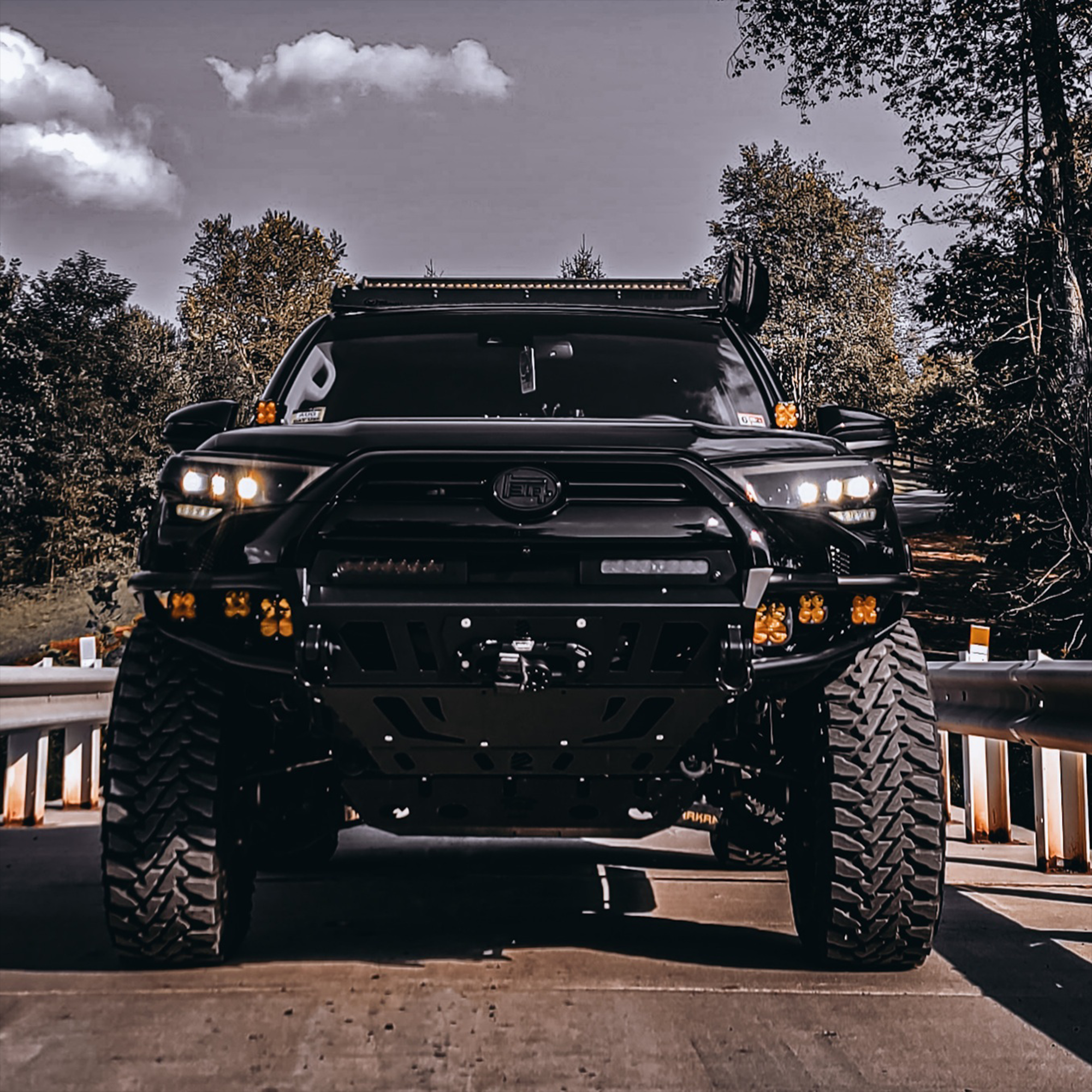
Many aftermarket front bumpers advertise themselves as winch-ready, but that phrase can mean different things depending on the manufacturer.
Some bumpers simply provide enough room to bolt on a winch. Others are engineered from the ground up to become part of a complete recovery system, with attention given to structural strength, load distribution, accessibility, cooling, and compatibility with modern vehicle technology.
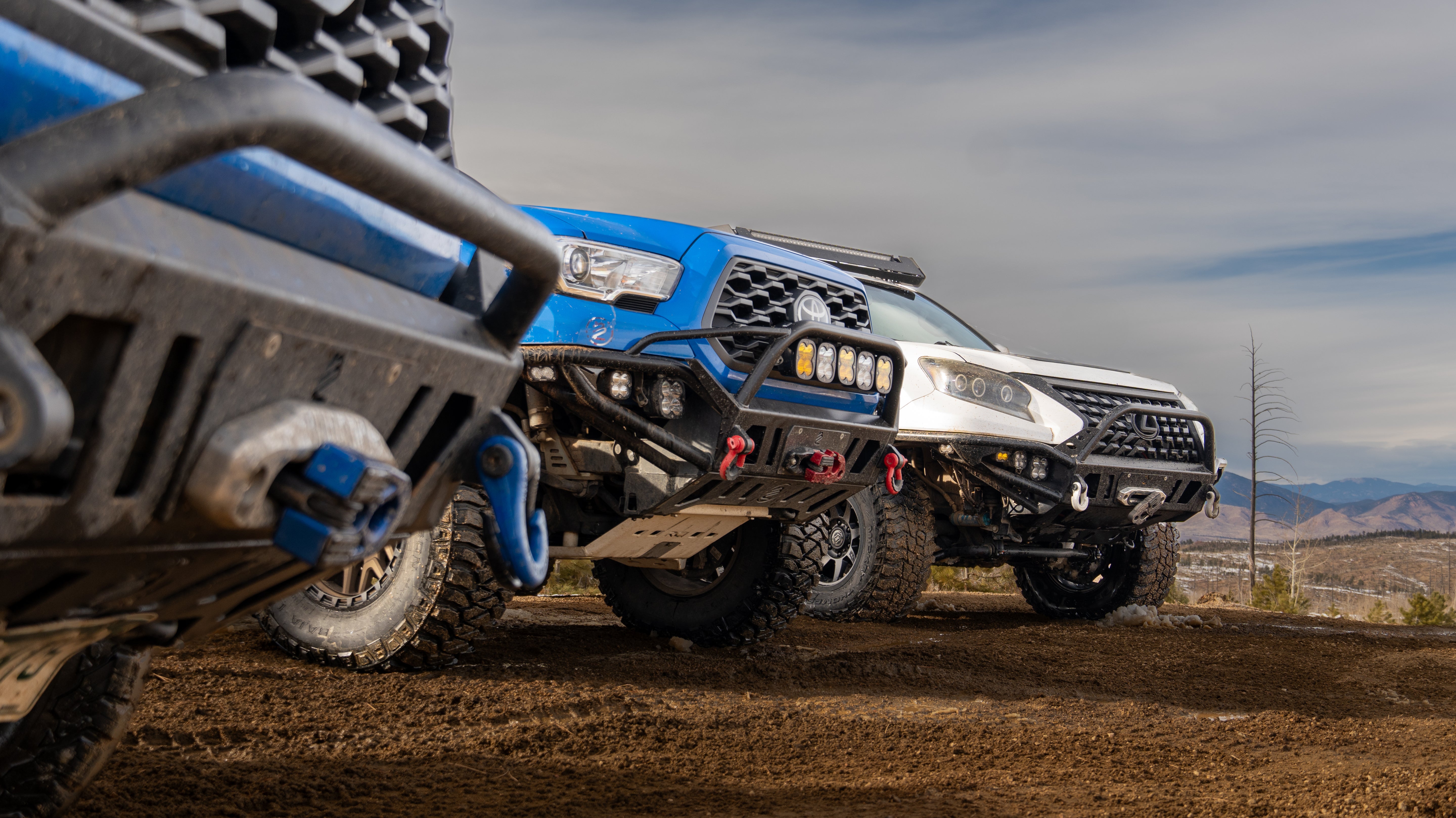
If you're building a Tacoma, 4Runner, Tundra, FJ Cruiser, or GX Series, understanding what makes a bumper truly winch-ready will help you choose equipment that performs reliably when recovery situations become challenging.
A winch is one of the most valuable recovery tools you can add to an off-road vehicle, but it's only as effective as the bumper supporting it.

A Winch Changes the Job of Your Front Bumper
Without a winch, a front bumper primarily provides:
-
Protection
-
Improved approach angle
-
Recovery points
-
Better tire clearance
Once a winch is installed, the bumper also becomes a structural recovery component.
During a recovery, the bumper helps transfer significant loads into the vehicle's frame. Those forces are much greater than the static weight of the winch itself, which means the mounting system has to be engineered for more than simply carrying extra weight.
A well-designed winch-ready bumper is built with these forces in mind from the very beginning.
Can any aftermarket bumper support a winch?
No. A bumper should be specifically engineered and rated for winch use. Simply having space for a winch doesn't guarantee it can safely handle recovery loads.
Frame Integration Matters More Than Mounting Holes
One of the biggest differences between basic and well-engineered winch-ready bumpers is how they connect to the vehicle.
Recovery forces shouldn't be concentrated in one small area. Instead, they should be distributed through:
-
Strong frame tie-ins
-
Reinforced mounting brackets
-
High-strength hardware
-
Proper load paths
This allows the bumper and frame to work together during demanding recoveries.
Poorly designed mounting systems can place unnecessary stress on hardware or surrounding components, even if the bumper itself appears robust.
Accessibility Is Easy to Overlook
A winch isn't useful if you can't operate it easily.
When evaluating a bumper, consider whether it provides convenient access to:
-
The clutch lever
-
Rope or cable
-
Fairlead
-
Electrical connections
-
Winch mounting hardware
Routine maintenance should also be straightforward. A bumper that requires major disassembly just to service the winch can become frustrating over time.
Thoughtful accessibility saves time both on the trail and in the garage.
Airflow Still Needs to Reach the Engine
Modern Toyota trucks and SUVs rely on carefully managed airflow for cooling.
A winch naturally occupies space in front of the radiator, so bumper design becomes even more important.
A well-engineered bumper helps maintain airflow by considering:
-
Winch placement
-
Ventilation openings
-
Air paths around the winch
-
Overall front-end geometry
This is particularly important for vehicles that spend long hours on the trail, tow heavy loads, or operate in hot climates.
Can adding a winch affect engine cooling?
It can. A properly designed bumper helps maintain airflow around the winch to minimize the impact on cooling performance.
Recovery Points Should Complement the Winch
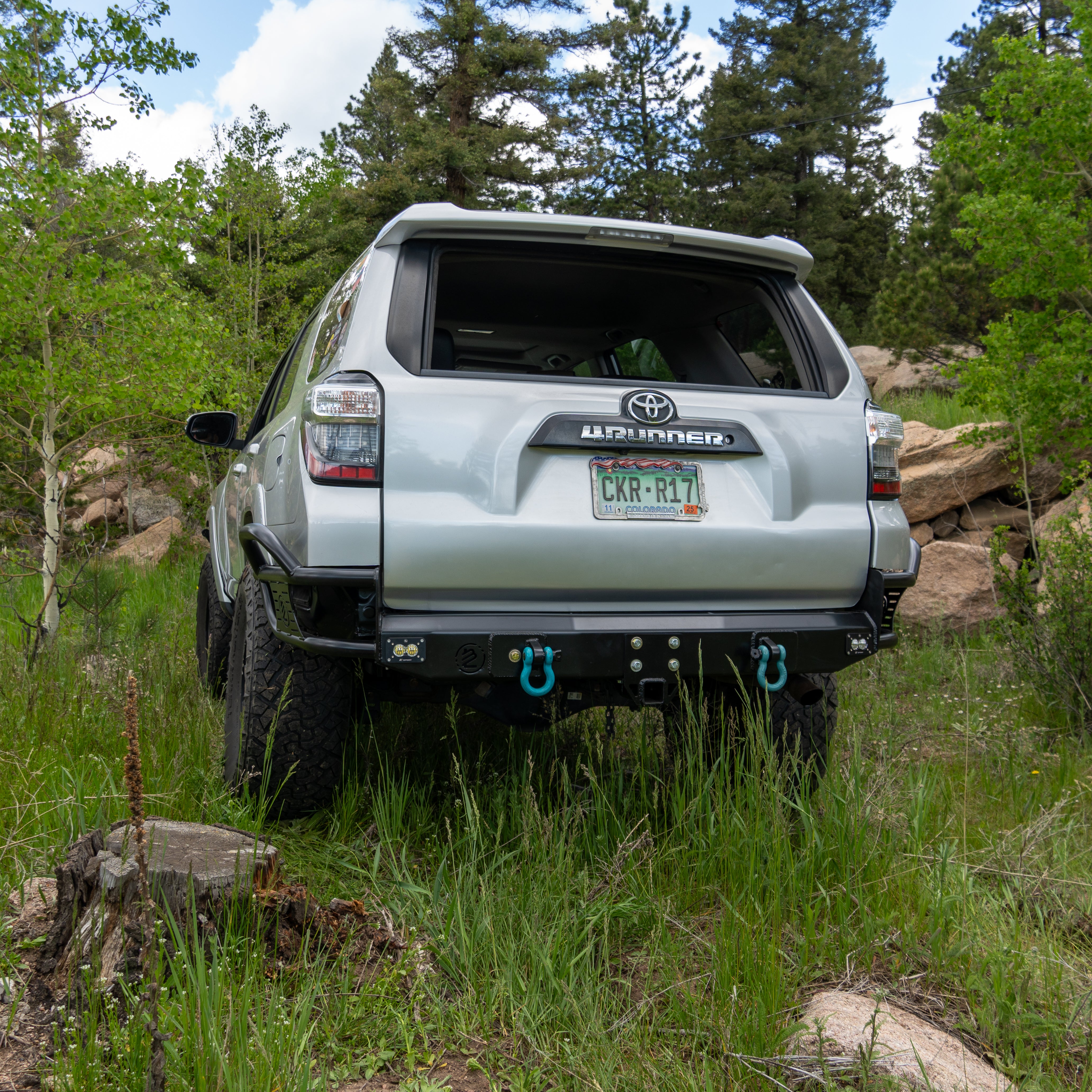
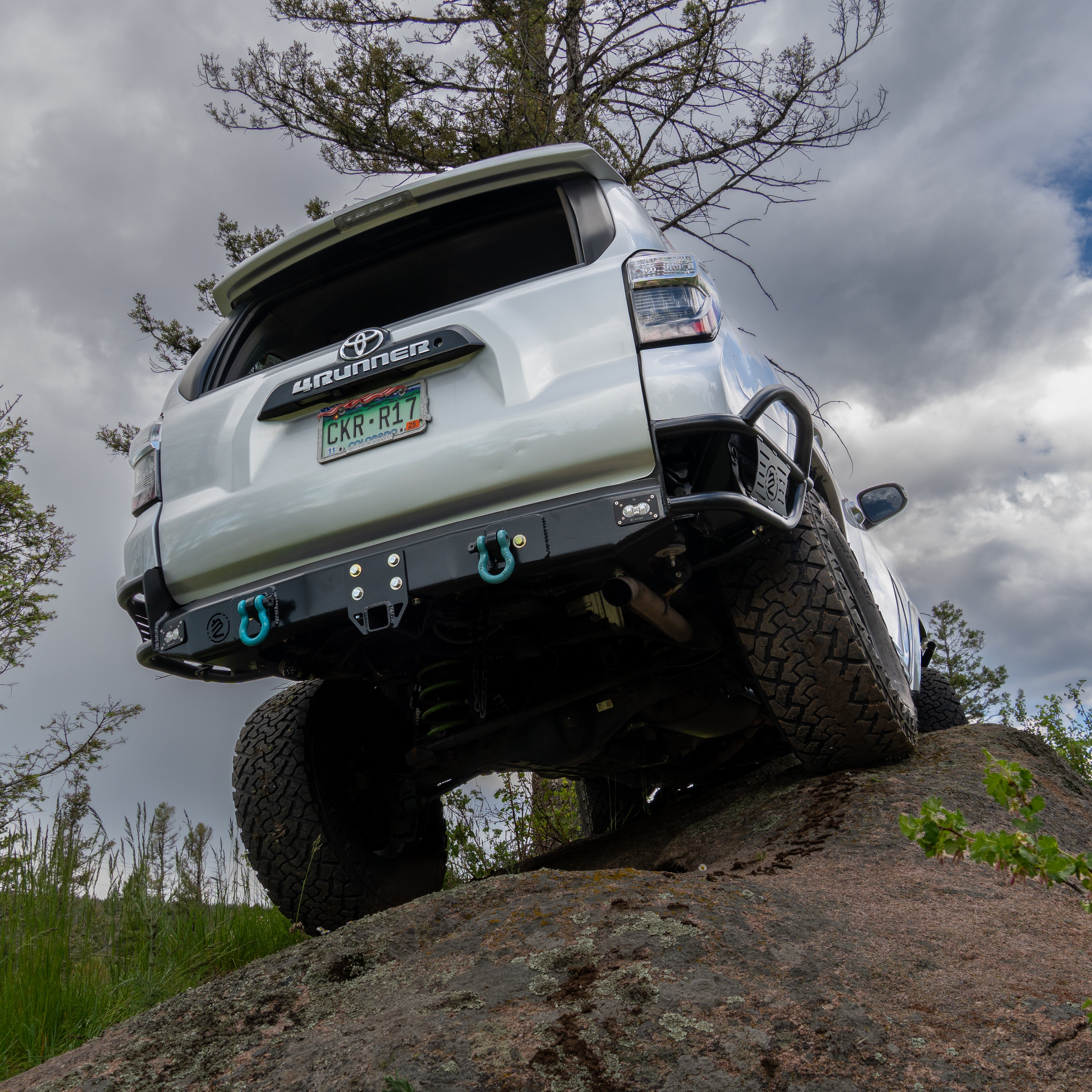
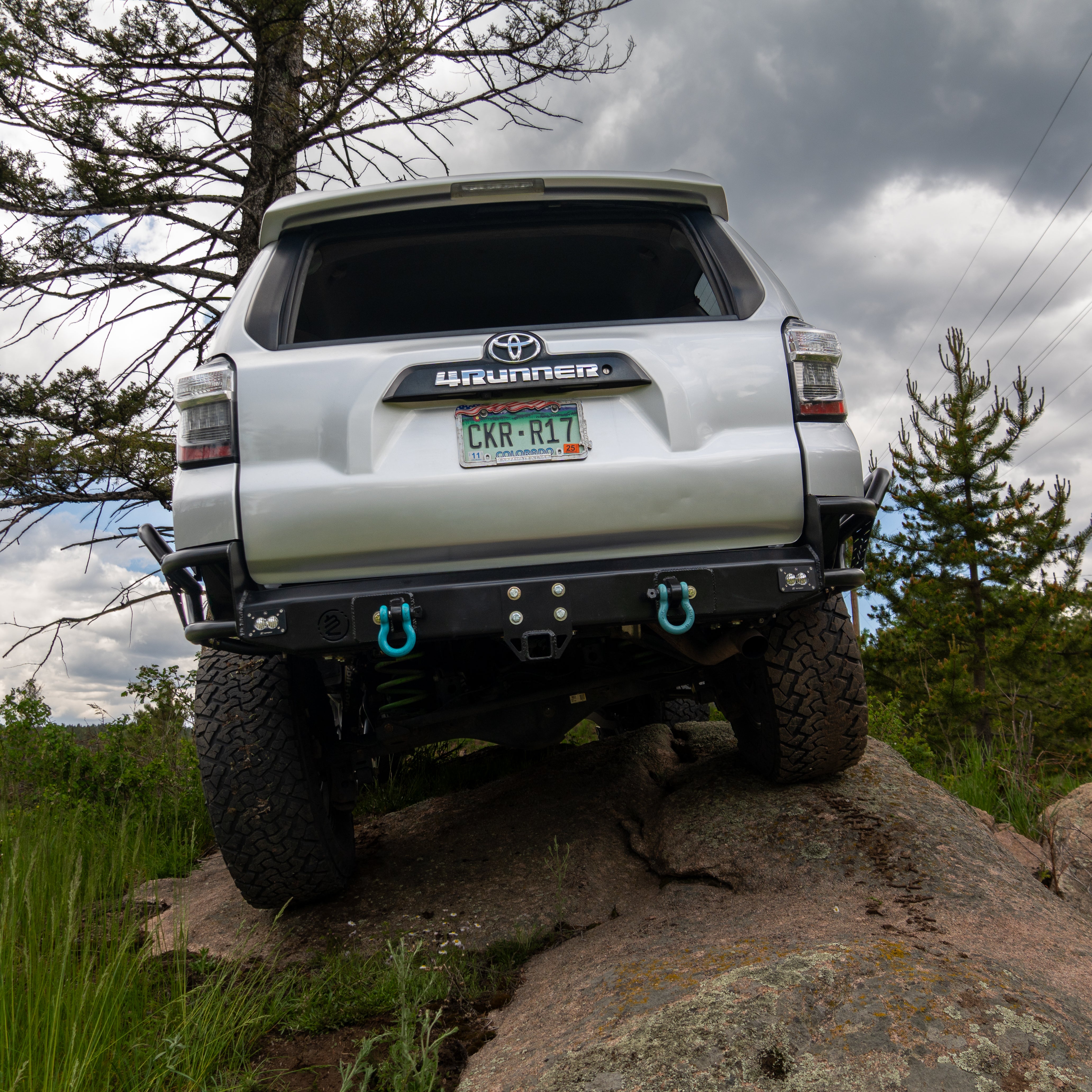
A winch is only one part of a recovery system.
Integrated recovery points allow drivers to adapt to different recovery scenarios and provide flexibility when a straight-line winch pull isn't practical.
An effective recovery setup often combines:
-
Winch
-
Recovery points
-
Shackles
-
Recovery straps
-
Recovery boards
Designing these components to work together makes recoveries safer and more efficient.
Consider the Weight of the Complete System
Adding a winch means adding more than just the bumper itself.
Combined, a front bumper and winch can significantly increase weight over the front axle.
That added weight may influence:
-
Suspension tuning
-
Steering feel
-
Braking
-
Ride height
Planning for these changes helps maintain the balanced driving characteristics Toyota owners appreciate.
This is why many experienced builders evaluate the complete front-end package rather than purchasing components independently.
Modern Toyota Platforms Add New Design Challenges
Vehicles equipped with Toyota Safety Sense (TSS), parking sensors, front cameras, and advanced cooling systems require greater attention to detail than older platforms.
A modern winch-ready bumper should integrate cleanly with these systems while still providing:
-
Recovery capability
-
Structural strength
-
High-clearance geometry
-
Easy winch access
Balancing all of these requirements is what separates modern bumper engineering from simply fabricating heavy steel.
Can a winch-ready bumper still work with Toyota Safety Sense?
Yes. Platform-specific engineering can maintain compatibility with Toyota Safety Sense and other factory technologies while supporting winch installation.
What to Look for in a Winch-Ready Front Bumper
Rather than focusing only on appearance, evaluate how the bumper functions as part of your recovery system.
Features worth looking for include:
-
Integrated winch mounting
-
Strong frame-mounted construction
-
Recovery-ready shackle mounts
-
High-clearance design
-
Accessible clutch lever
-
Proper fairlead positioning
-
Airflow-conscious engineering
-
Compatibility with factory skid plates
-
Toyota Safety Sense compatibility where applicable
Together, these features contribute to a bumper that's prepared for real-world recoveries instead of simply carrying a winch.
Where Lil B's Fits Into the Conversation
At Lil B's Custom Fabrication, winch compatibility is considered early in the design process rather than added as an afterthought.
Each bumper is developed with attention to:
-
Frame integration
-
Recovery performance
-
High-clearance geometry
-
Clean fitment
-
Compatibility with modern Toyota systems
-
Long-term durability
That approach helps create bumpers that support recovery equipment while preserving the balance and refinement Toyota owners expect.
Conclusion: A Winch Is Only as Good as the Bumper Supporting It
Installing a winch is one of the most valuable upgrades for serious off-road travel, but its effectiveness depends on more than the winch itself.
A truly winch-ready front bumper combines structural engineering, recovery capability, accessibility, and vehicle integration into one cohesive system.
Whether you're preparing a Tacoma, 4Runner, Tundra, GX Series, or FJ Cruiser for overlanding, technical trails, or remote adventures, choosing a bumper designed with recovery in mind helps ensure your equipment is ready when you need it most.
Share:
Steel vs. Aluminum Front Bumpers: Which Is Right for Your Toyota?
Managing Armor Weight on Your Tacoma: Plate Steel vs. Hybrid Bumpers