

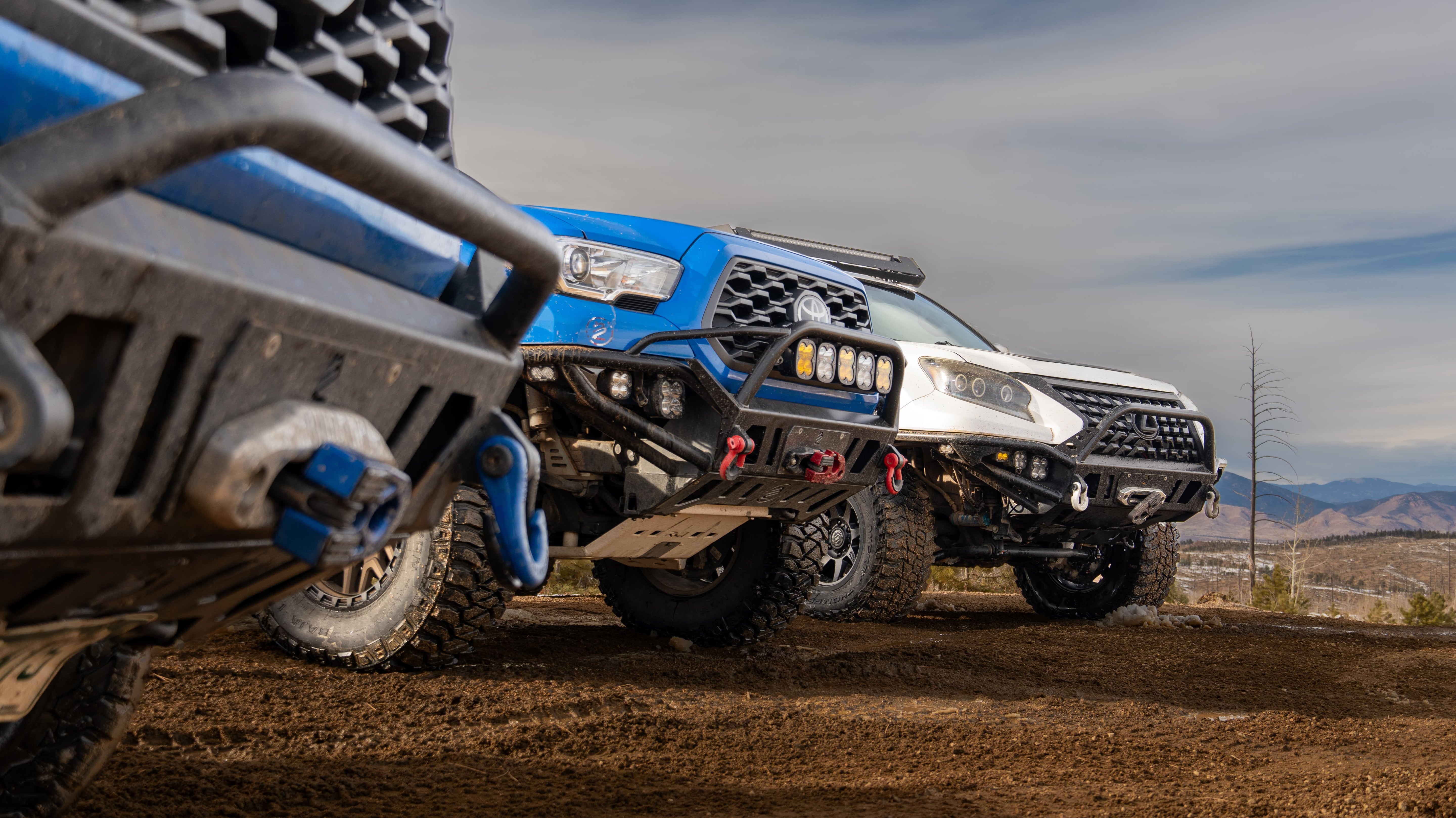
There Isn't a Universal Answer
One of the first decisions Toyota owners face when shopping for an aftermarket front bumper is choosing between steel and aluminum.
At first glance, the answer seems simple. Steel is stronger, aluminum is lighter. But that comparison leaves out many of the factors that actually affect how a bumper performs on the trail and how it changes the way your vehicle drives every day.
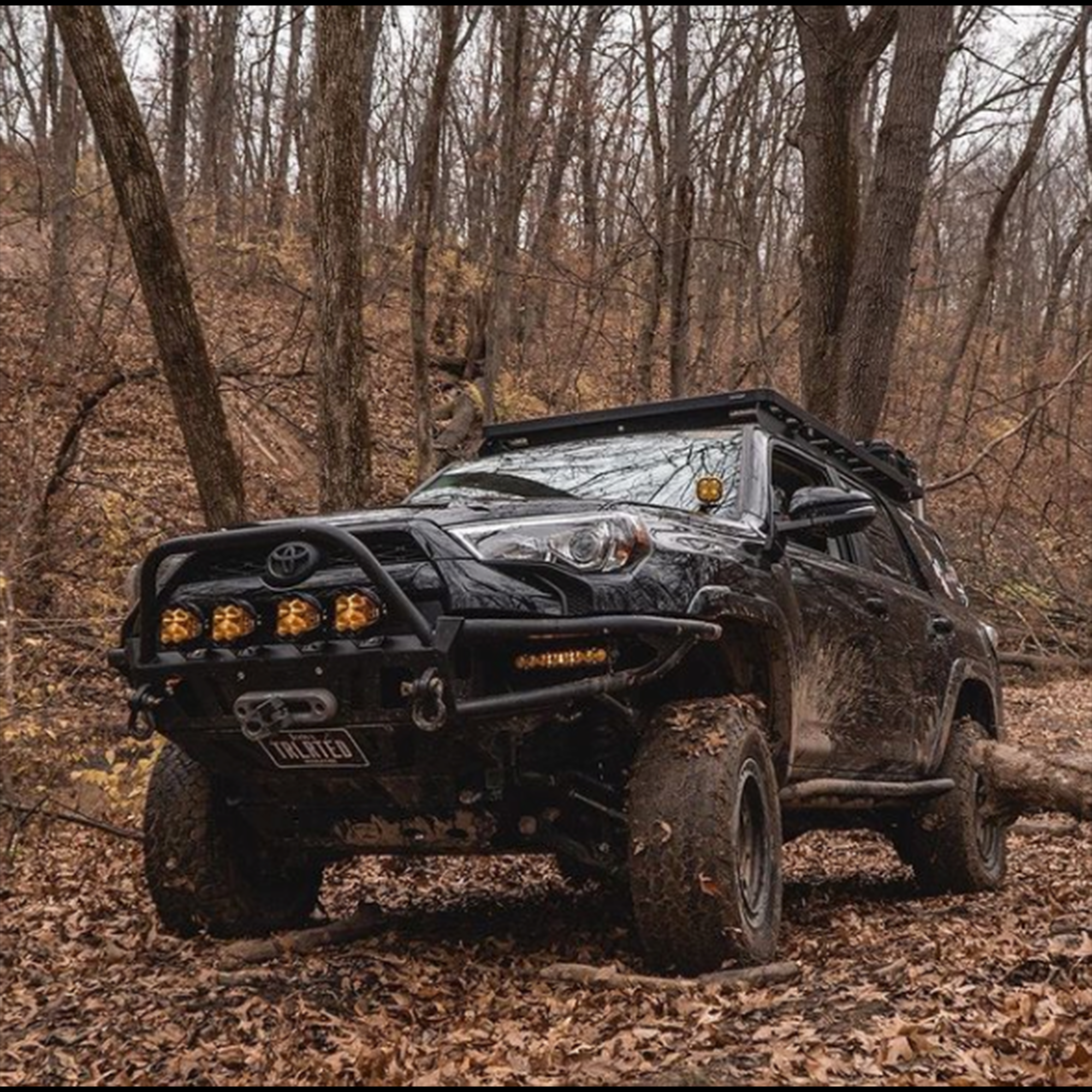
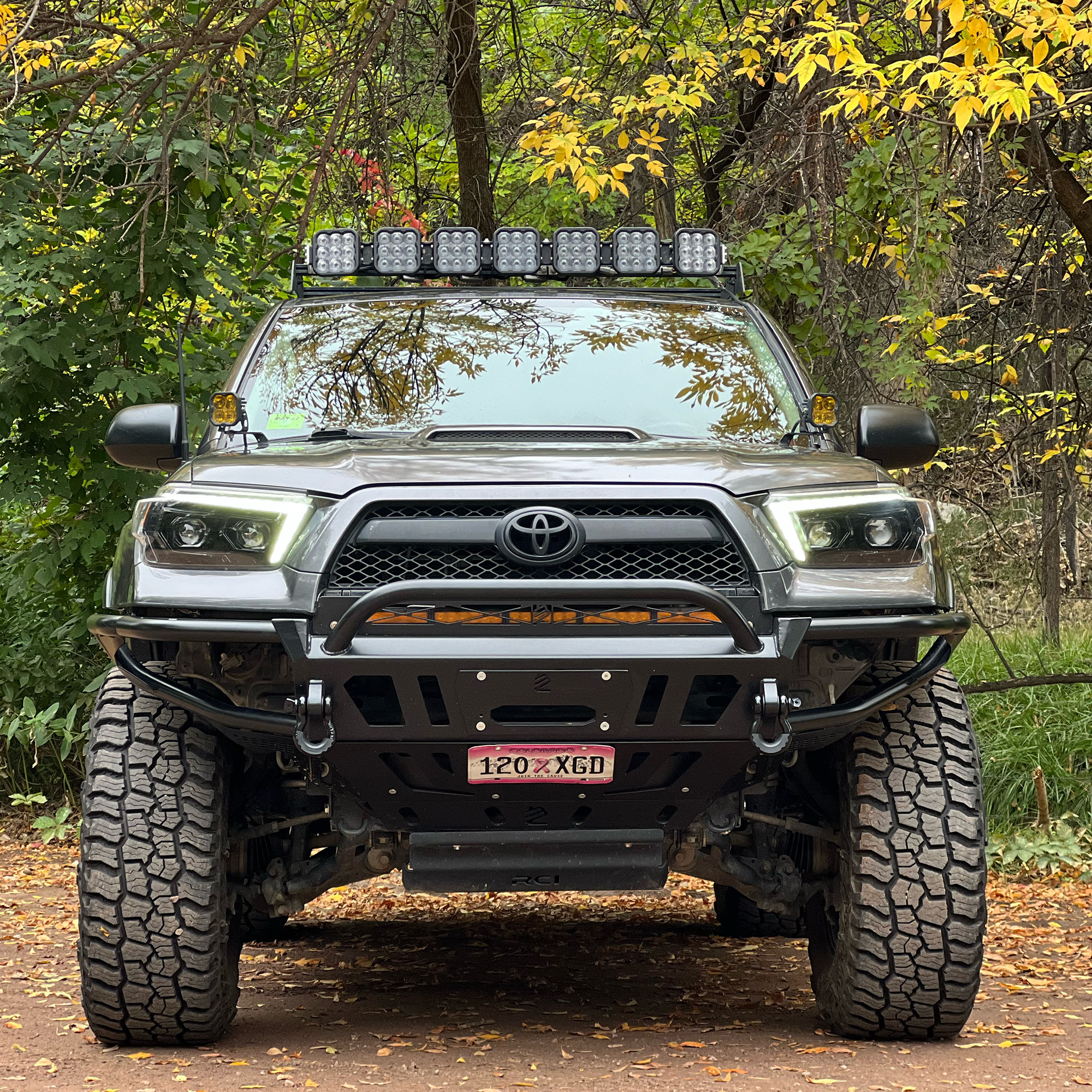
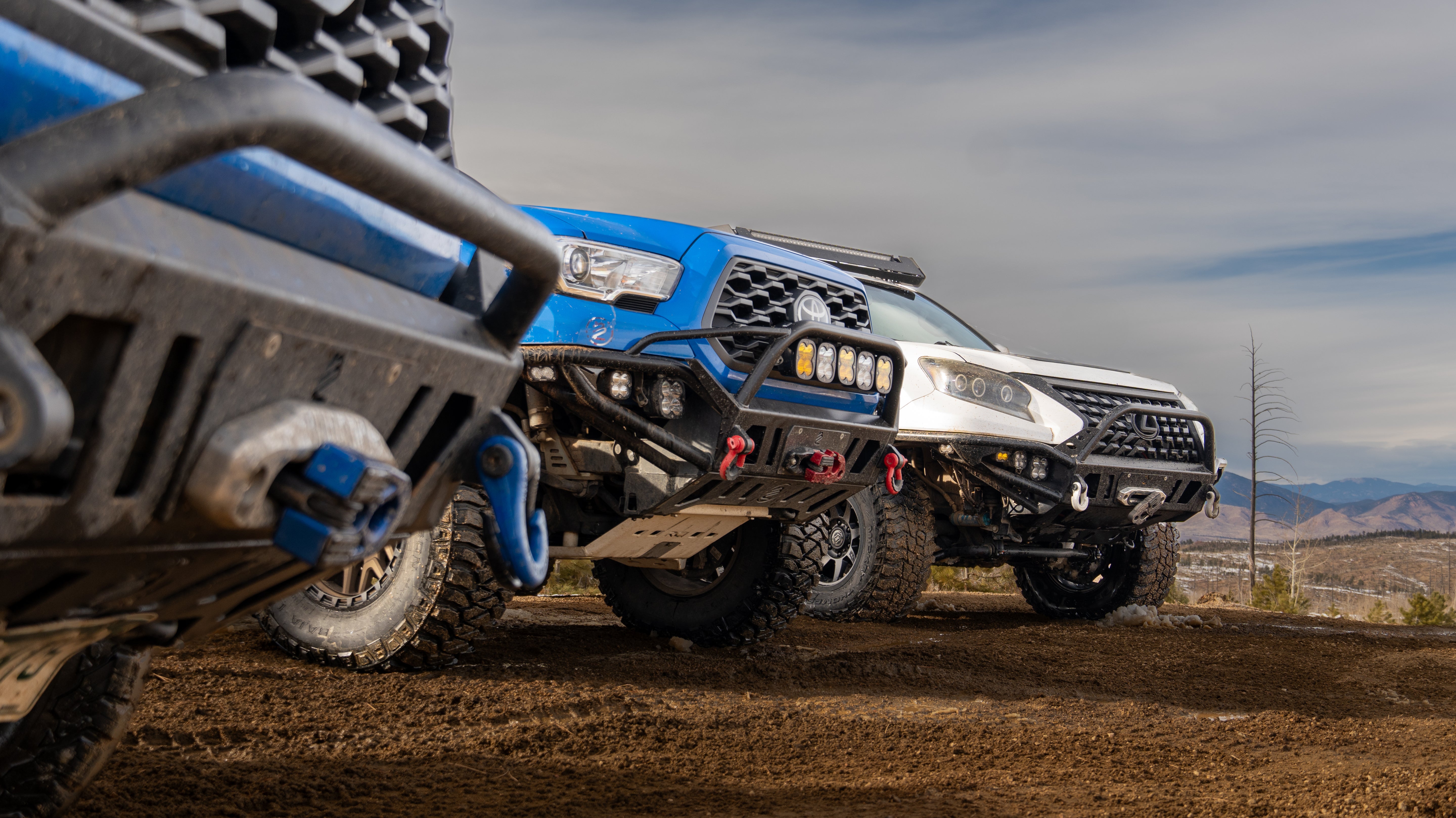
Whether you're building a Tacoma, 4Runner, Tundra, FJ Cruiser, or GX Series, the right choice depends on how you use your Toyota, the type of terrain you explore, and what other modifications you plan to add.
A daily driver that sees occasional forest roads may benefit from different priorities than a dedicated overland rig or a vehicle built for technical rock crawling. Understanding the strengths and limitations of each material helps ensure your bumper complements the rest of your build instead of creating unnecessary compromises.

Steel and Aluminum Solve Different Problems
Steel and aluminum are both excellent materials when they're engineered correctly.
The biggest difference isn't that one is "good" and the other is "bad." It's that each material excels in different situations.
Steel is known for:
-
High strength
-
Excellent durability
-
Resistance to repeated impacts
-
Strong recovery and winching capability
Aluminum is known for:
-
Lower weight
-
Corrosion resistance
-
Reduced impact on suspension
-
Improved fuel efficiency compared to heavier builds
Material selection is only one part of the equation. Design, manufacturing quality, and mounting structure often have just as much influence on real-world performance.
Is steel always stronger than aluminum?
Steel generally has greater strength for a given thickness, but a well-engineered aluminum bumper can still provide excellent protection and durability for many off-road applications.
Weight Affects More Than Fuel Economy
One of aluminum's biggest advantages is its lower weight.
Reducing weight at the front of the vehicle can help preserve the balanced handling that Toyota trucks and SUVs are known for.
A lighter front bumper may contribute to:
-
More responsive steering
-
Less front suspension sag
-
Reduced wear on suspension components
-
Better braking feel
-
Easier daily driving
These benefits become especially noticeable for owners who use their vehicles as daily drivers and only venture off-road on weekends.
That doesn't automatically make aluminum the better option. It simply means weight should be considered alongside the rest of your build.
Steel Excels in Demanding Conditions
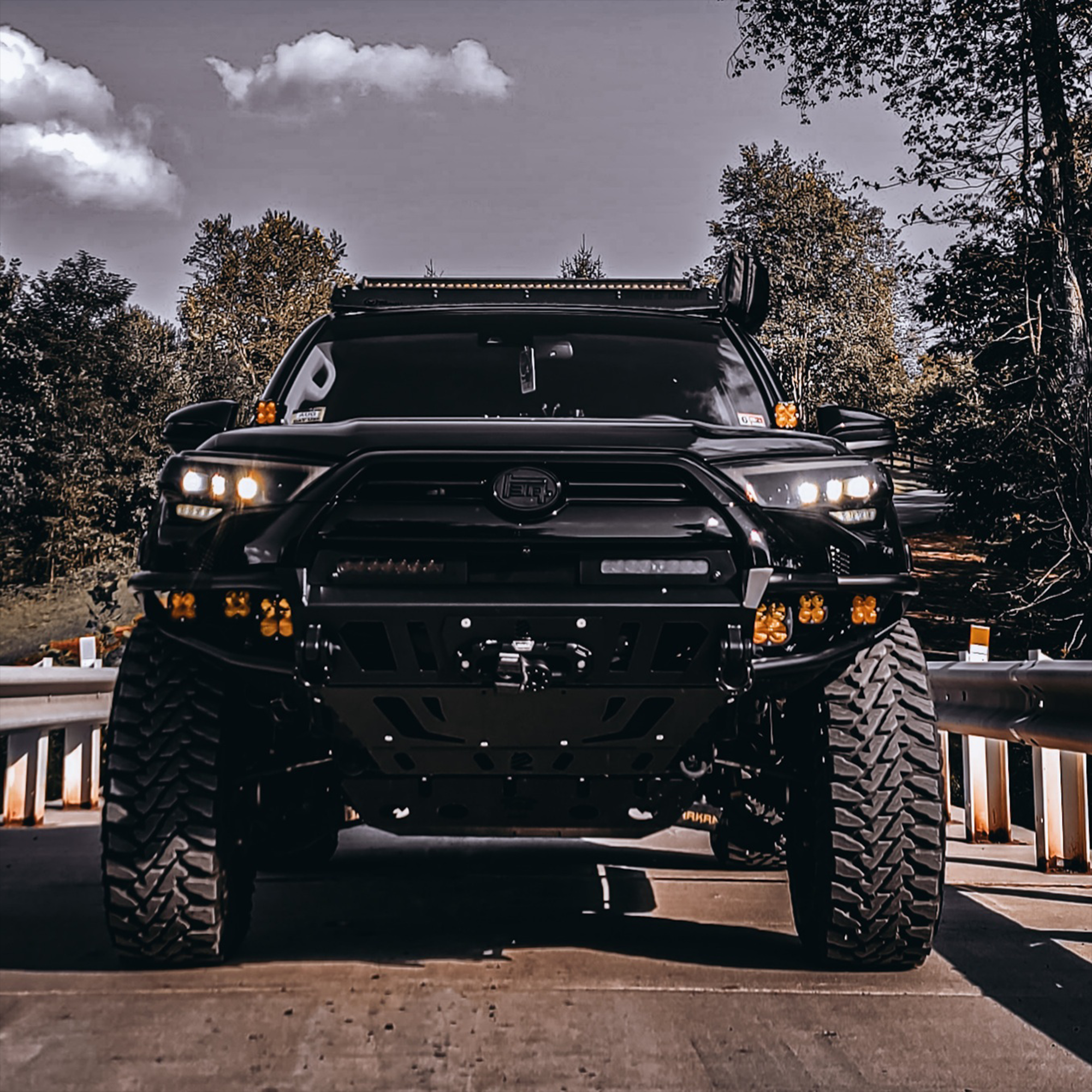
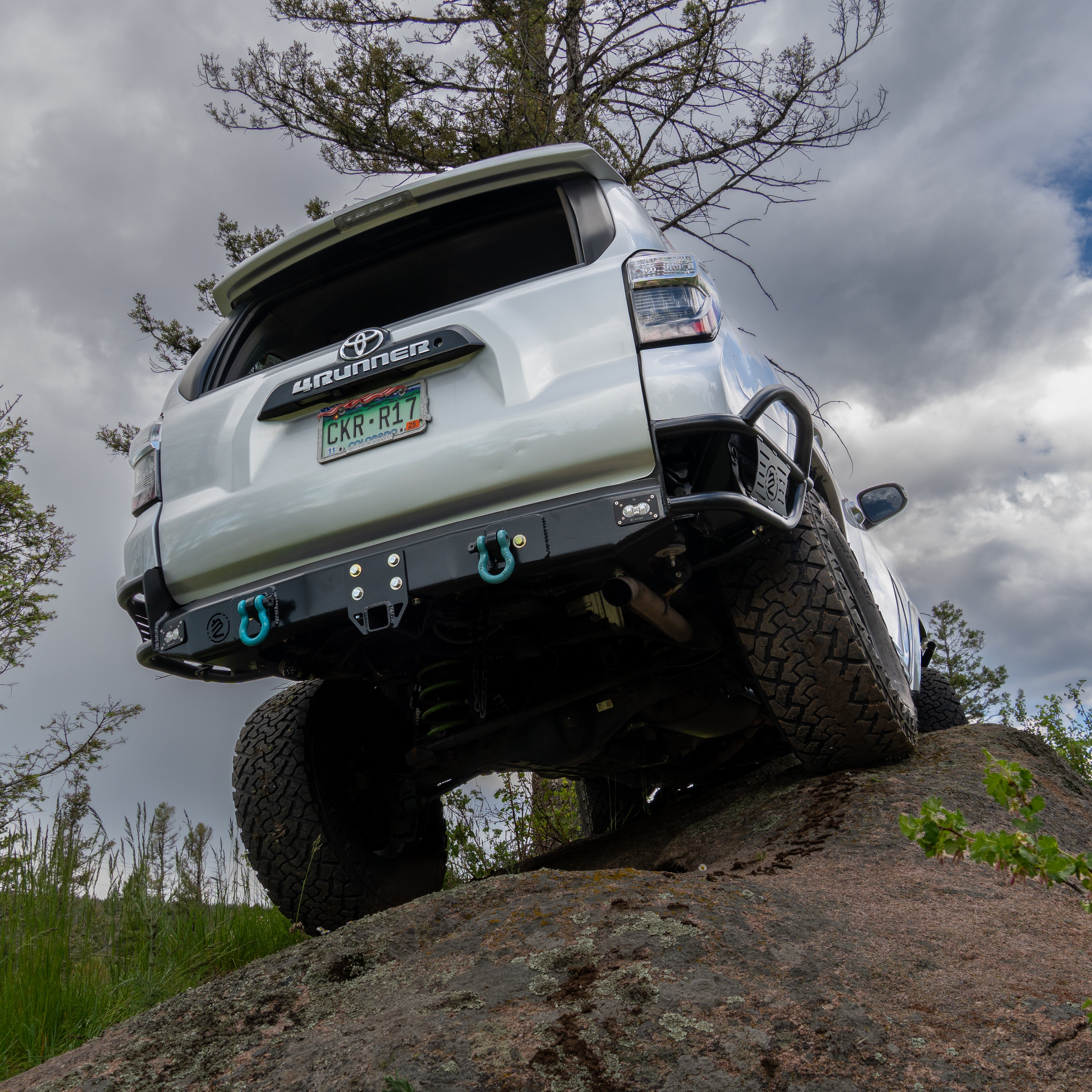
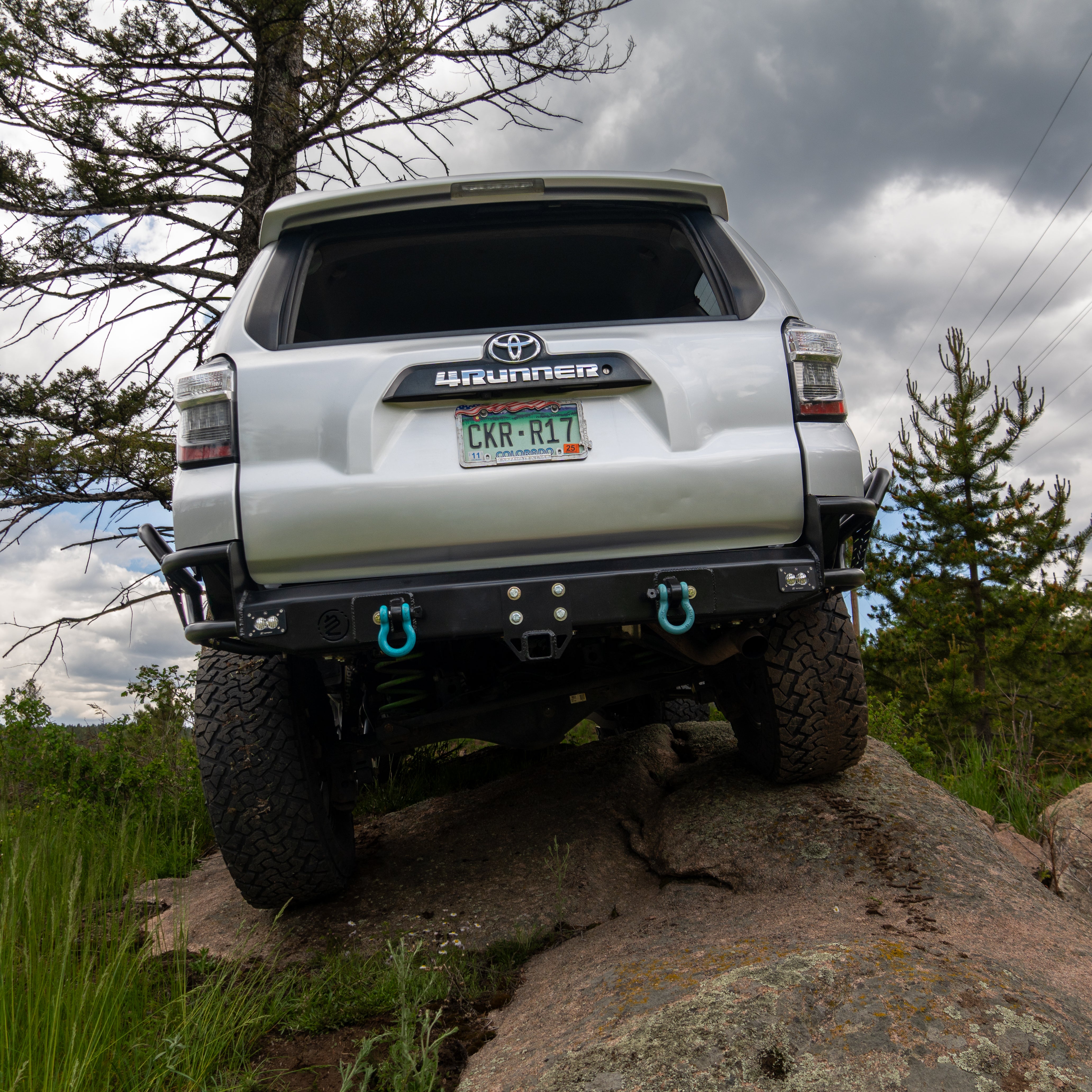
For drivers who regularly encounter rocky terrain, difficult recoveries, or heavy winch use, steel remains a popular choice.
Its durability makes it well suited for situations where the bumper may experience repeated contact with rocks, ledges, or other obstacles.
A properly engineered steel bumper can provide:
-
Excellent structural rigidity
-
Strong frame integration
-
Reliable recovery point support
-
Robust winch mounting
This combination makes steel a common choice for more demanding off-road builds.
Recovery and Winching Place Significant Demands on a Bumper
A front bumper isn't just there to protect the vehicle.
For many owners, it also serves as the foundation for recovery equipment.
Supporting a winch and handling recovery loads requires careful engineering regardless of material.
Important considerations include:
-
Frame tie-ins
-
Mounting hardware
-
Load distribution
-
Recovery point integration
A bumper's ability to support these functions depends on its overall design—not simply whether it's made from steel or aluminum.
Can aluminum bumpers support a winch?
Yes. Many aluminum bumpers are engineered to support winches, but their design and mounting structure are more important than the material alone.
Corrosion Resistance Matters Too
Toyota owners often drive in a wide variety of environments.
Depending on where you live, your vehicle may encounter:
-
Rain
-
Mud
-
Coastal salt air
-
Snow and road salt
-
Humid climates
Aluminum naturally resists corrosion better than untreated steel, but modern steel bumpers are typically protected with durable powder coating or other finishes.
Regardless of the material you choose, regular cleaning and inspection help maintain both appearance and long-term performance.
Consider How the Rest of Your Build Will Evolve
A bumper is rarely the final modification.
As your build grows, you'll likely add other components that influence vehicle weight and capability.
Future upgrades might include:
-
Larger tires
-
Suspension
-
Winch
-
Skid plates
-
Roof rack
-
Camping equipment
Thinking about these additions early helps determine whether minimizing weight or maximizing durability should take priority.
The best decision is one that supports both your current needs and your long-term plans.
Daily Drivers and Dedicated Trail Rigs Have Different Priorities
A Toyota that's driven to work every day often benefits from a different approach than one built primarily for challenging trails.
Daily-driven vehicles may prioritize:
-
Ride quality
-
Steering feel
-
Fuel efficiency
-
Overall weight
Trail-focused builds may place greater emphasis on:
-
Recovery capability
-
Impact resistance
-
Winch integration
-
Long-term durability under demanding conditions
Neither approach is inherently better. The key is matching the bumper to the way the vehicle is actually used.
Which bumper material is best for most Toyota owners?
It depends on your priorities. Drivers who value lighter weight may prefer aluminum, while those who regularly tackle difficult terrain often appreciate the durability and strength of steel.
Design Matters More Than Material Alone
It's easy to focus on what a bumper is made from.
In reality, how it's engineered often has a greater impact on performance.
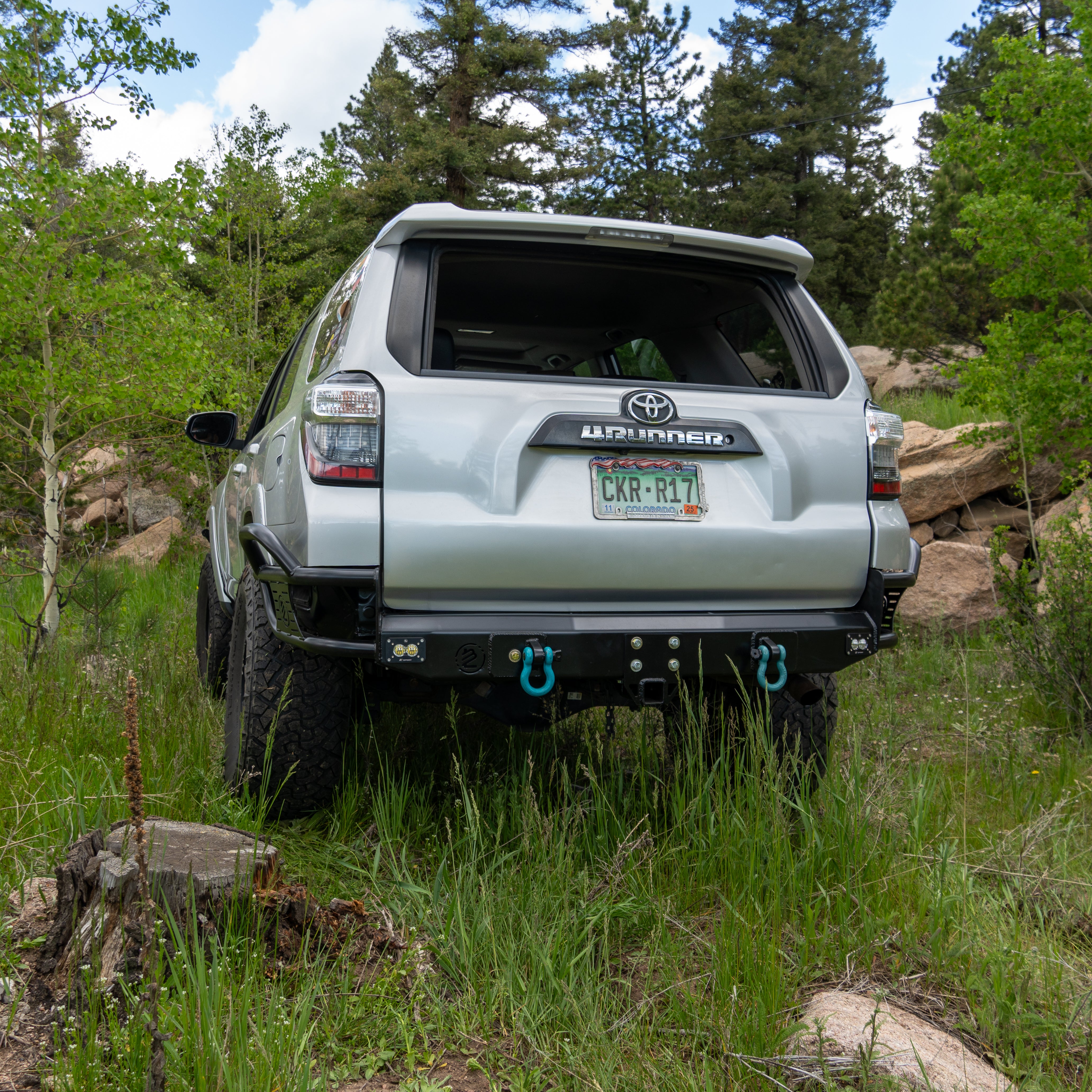
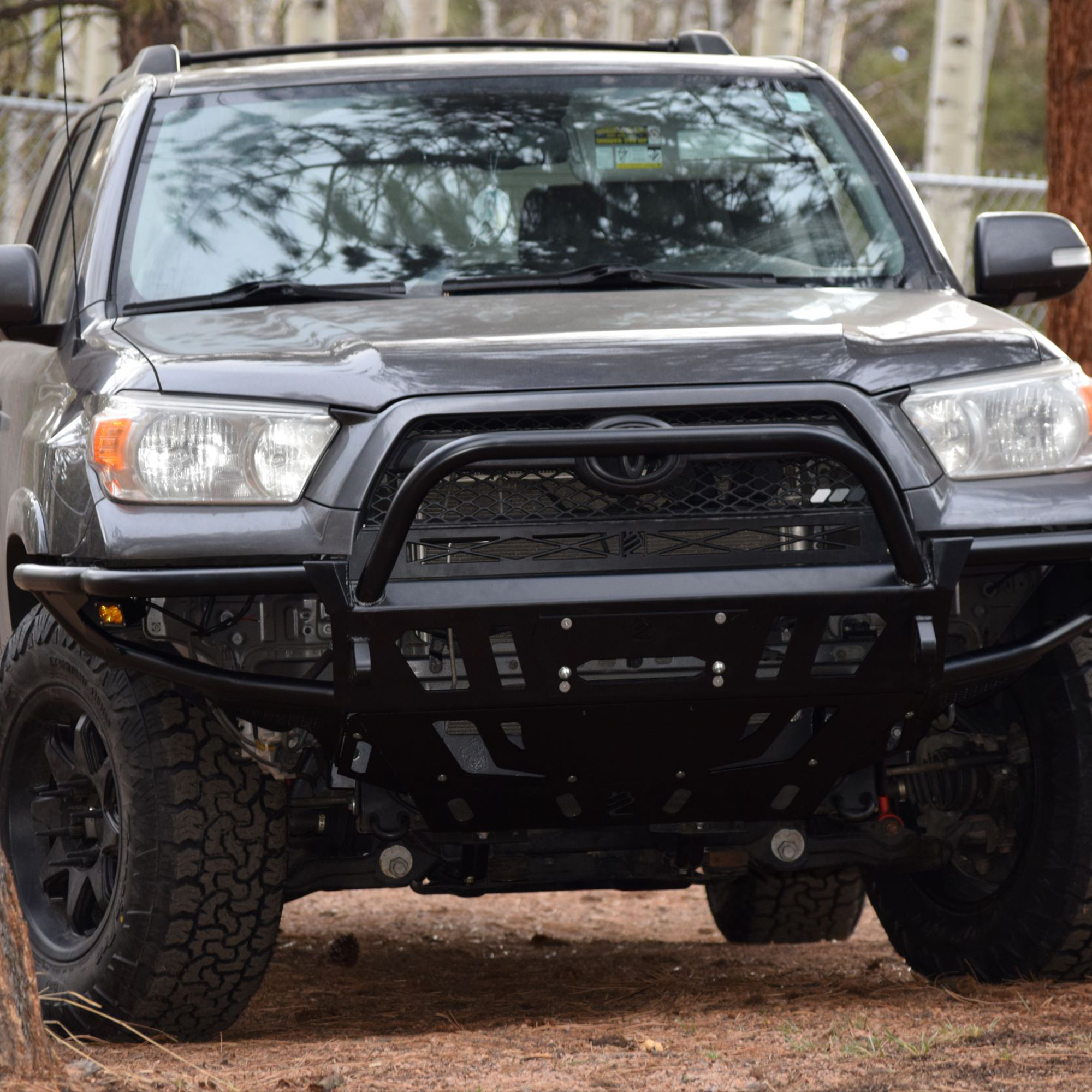
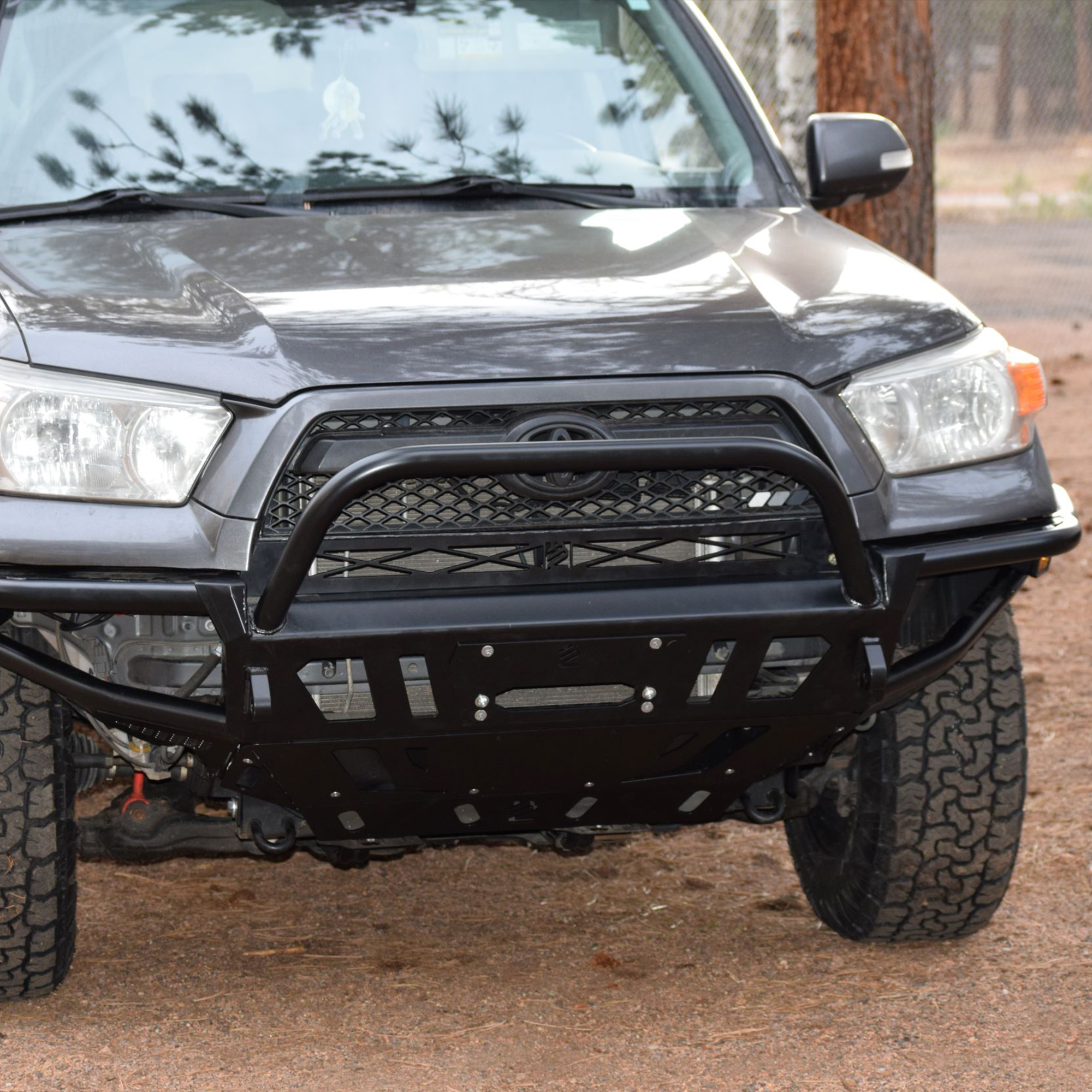
A well-designed bumper should provide:
-
High-clearance geometry
-
Strong frame-mounted construction
-
Recovery-ready integration
-
Winch compatibility
-
Proper airflow
-
Compatibility with Toyota Safety Sense where applicable
-
Clean, factory-inspired fitment
These characteristics influence how the bumper performs every day, regardless of whether it's built from steel or aluminum.
Where Lil B's Fits Into the Conversation
At Lil B's Custom Fabrication, bumper design begins with understanding how Toyota owners actually use their vehicles.
Material selection is only one part of a much larger engineering process that also considers:
-
Structural integrity
-
Recovery performance
-
High-clearance design
-
Vehicle balance
-
Modern Toyota platform compatibility
-
Long-term durability
By focusing on the complete system rather than a single specification, the goal is to build bumpers that support both everyday driving and serious off-road adventures.
Conclusion: Choose the Material That Fits Your Build
Steel and aluminum each offer meaningful advantages.
The right choice isn't determined by a simple comparison chart—it's determined by how your Toyota is used, where you drive, and what you expect from your vehicle over the long term.
By considering weight, recovery needs, future upgrades, and overall build goals, you can select a front bumper that enhances your Tacoma, 4Runner, Tundra, FJ Cruiser, or GX Series without compromising the qualities that make these vehicles so capable in the first place.
Share:
What Makes a High-Clearance Front Bumper Different?
Winch-Ready Front Bumpers: What Makes One Truly Winch Ready?