

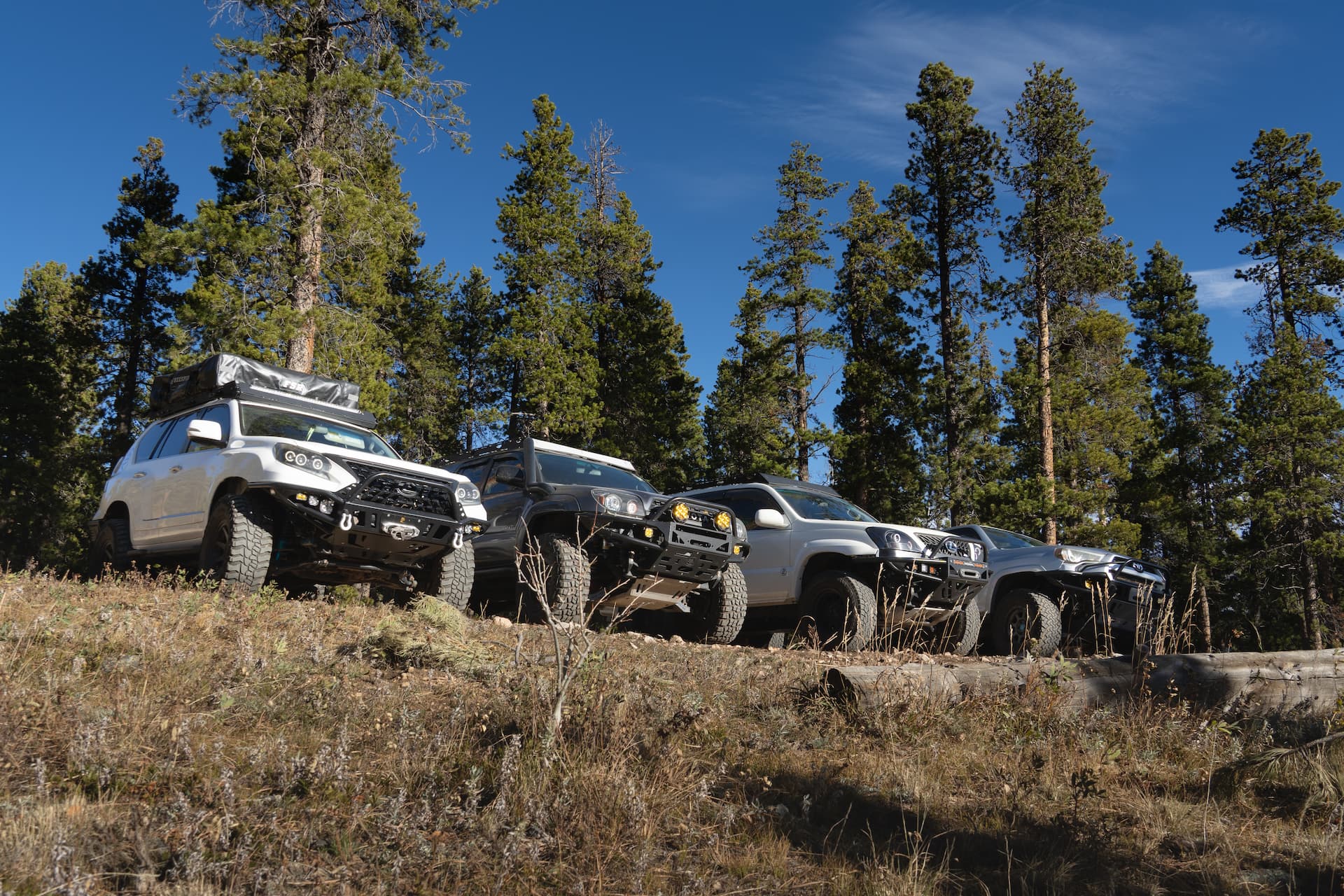
High Clearance Is More Than a Marketing Term
If you've spent any time shopping for an aftermarket front bumper, you've probably seen the phrase "high clearance" more times than you can count.
It's become one of the most common terms in the off-road industry, appearing on everything from lightweight aluminum bumpers to heavy-duty steel armor. But despite how often it's used, many product descriptions stop short of explaining what high clearance actually means—or why it matters.
The assumption is often that a high-clearance bumper simply has less material or sits higher than the factory bumper. While that's partly true, it only scratches the surface.
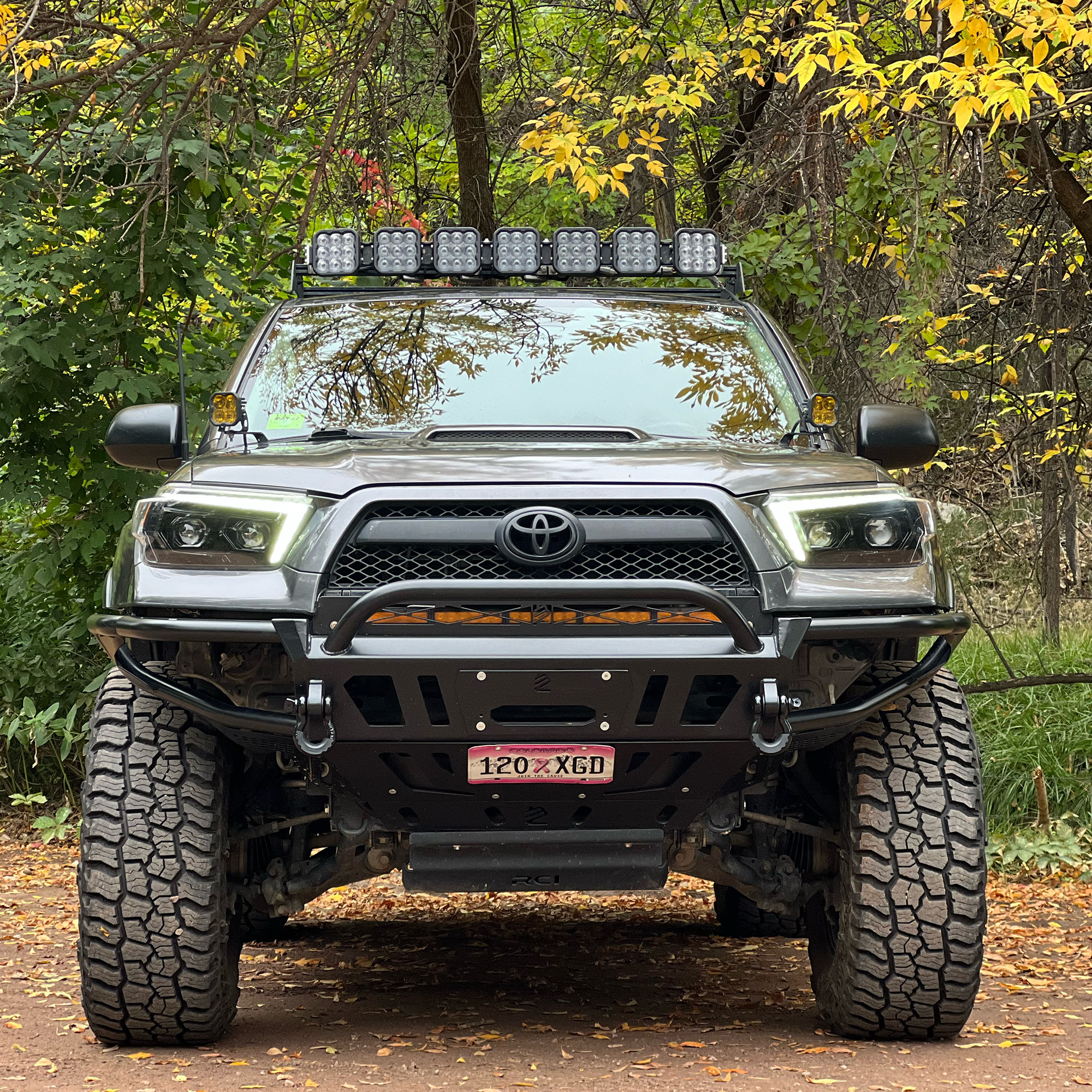
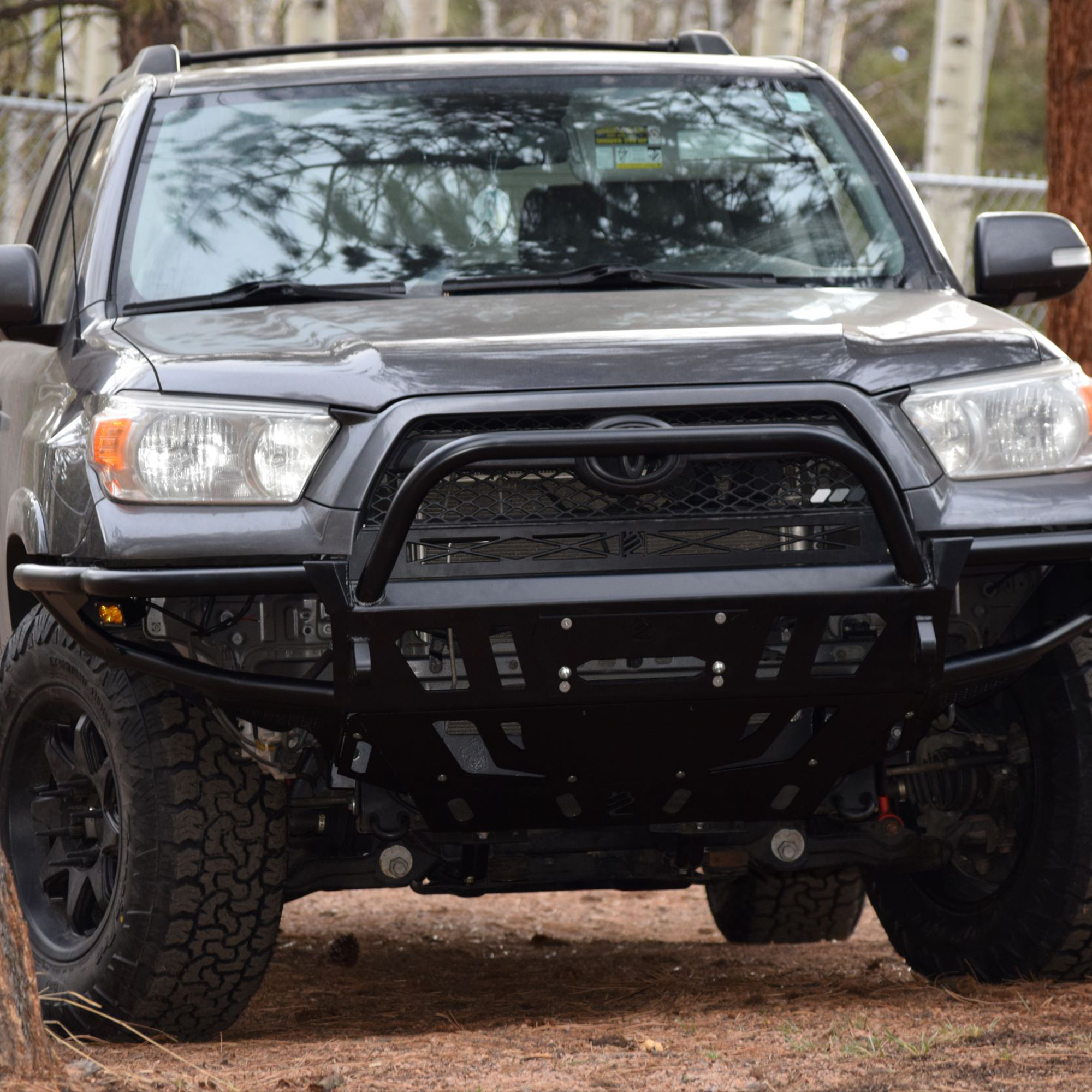
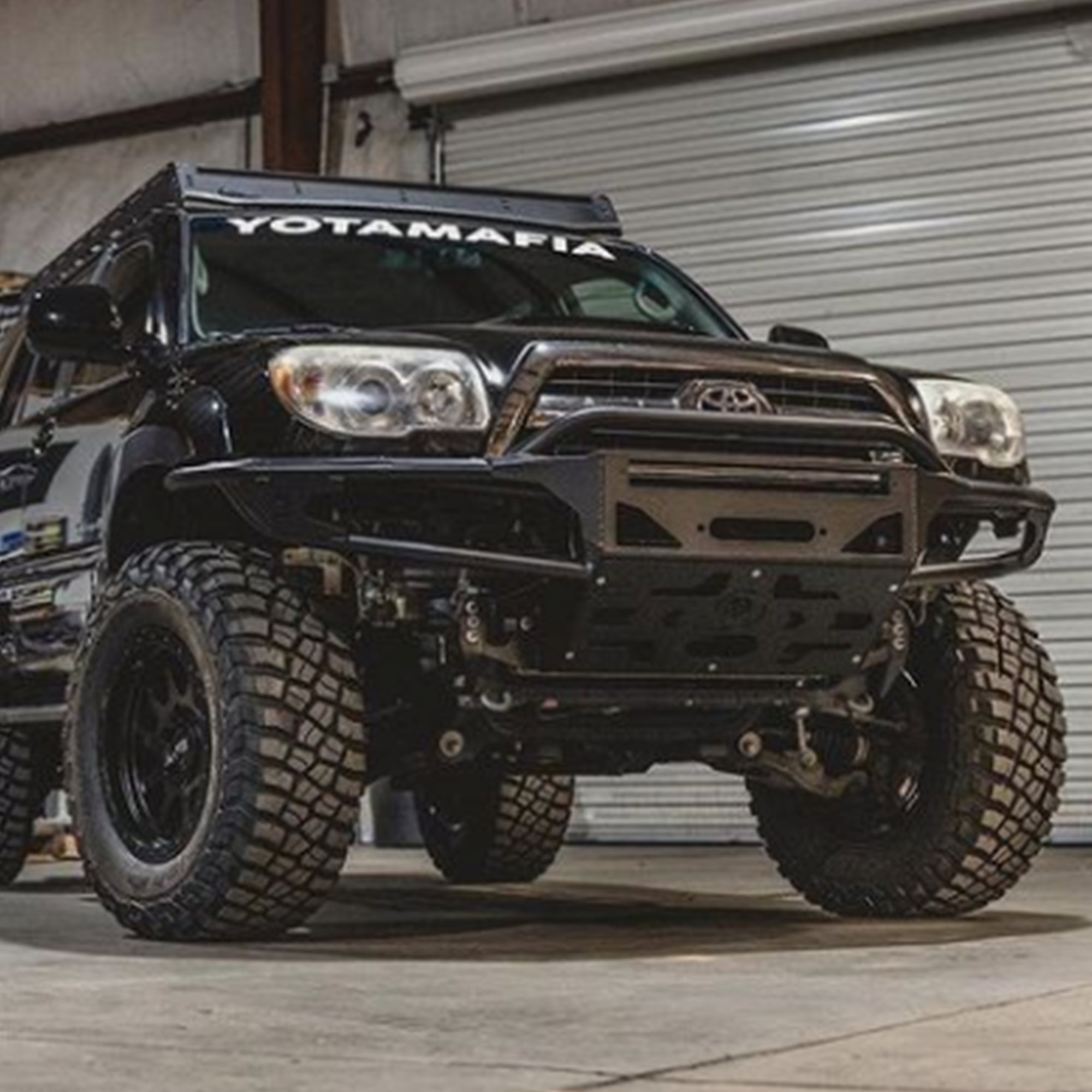
A well-designed high-clearance front bumper isn't about removing steel wherever possible. It's about reshaping the front of the vehicle to improve how it interacts with the terrain while still providing the protection, recovery capability, and structural strength that off-road drivers expect.
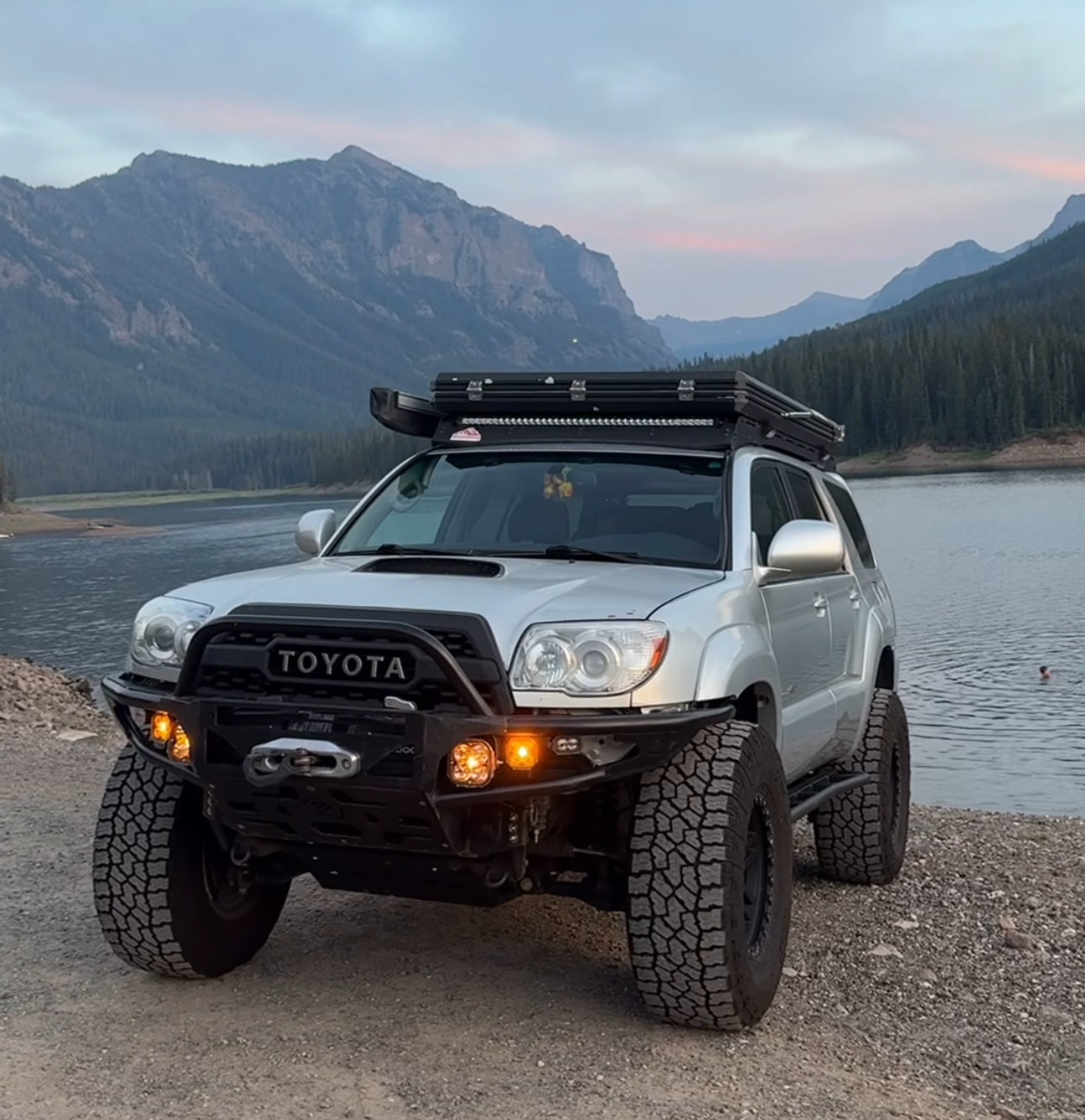
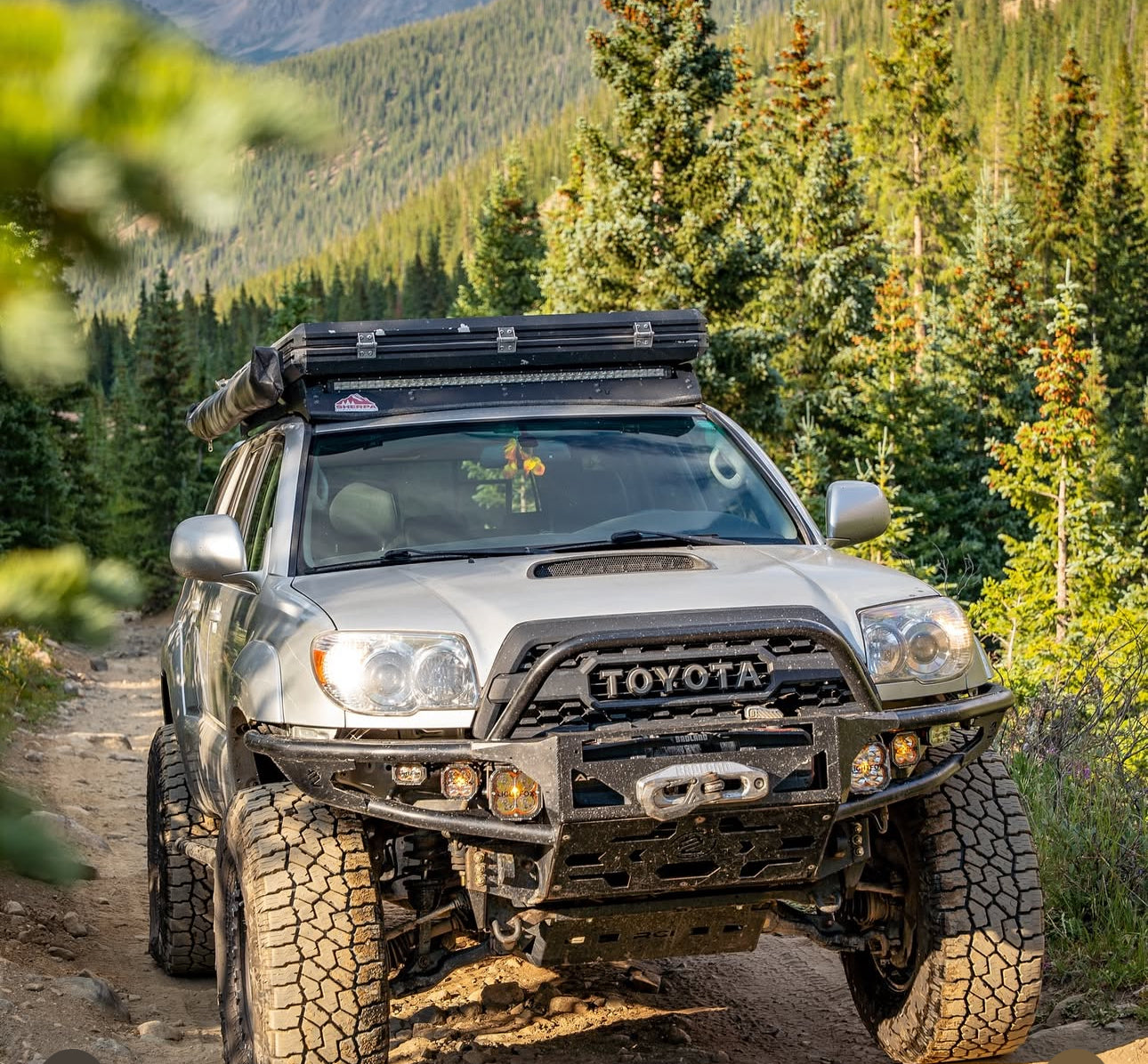
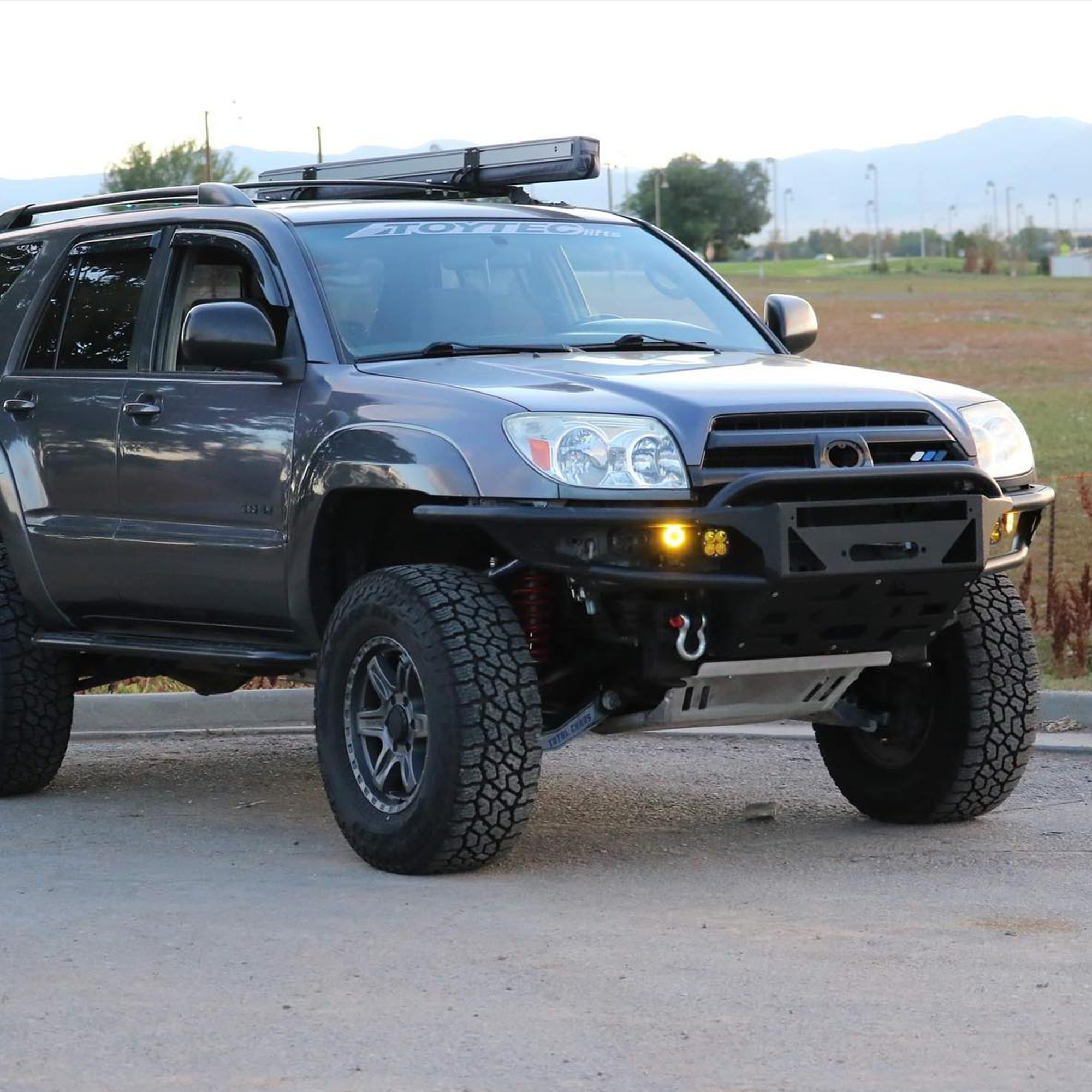
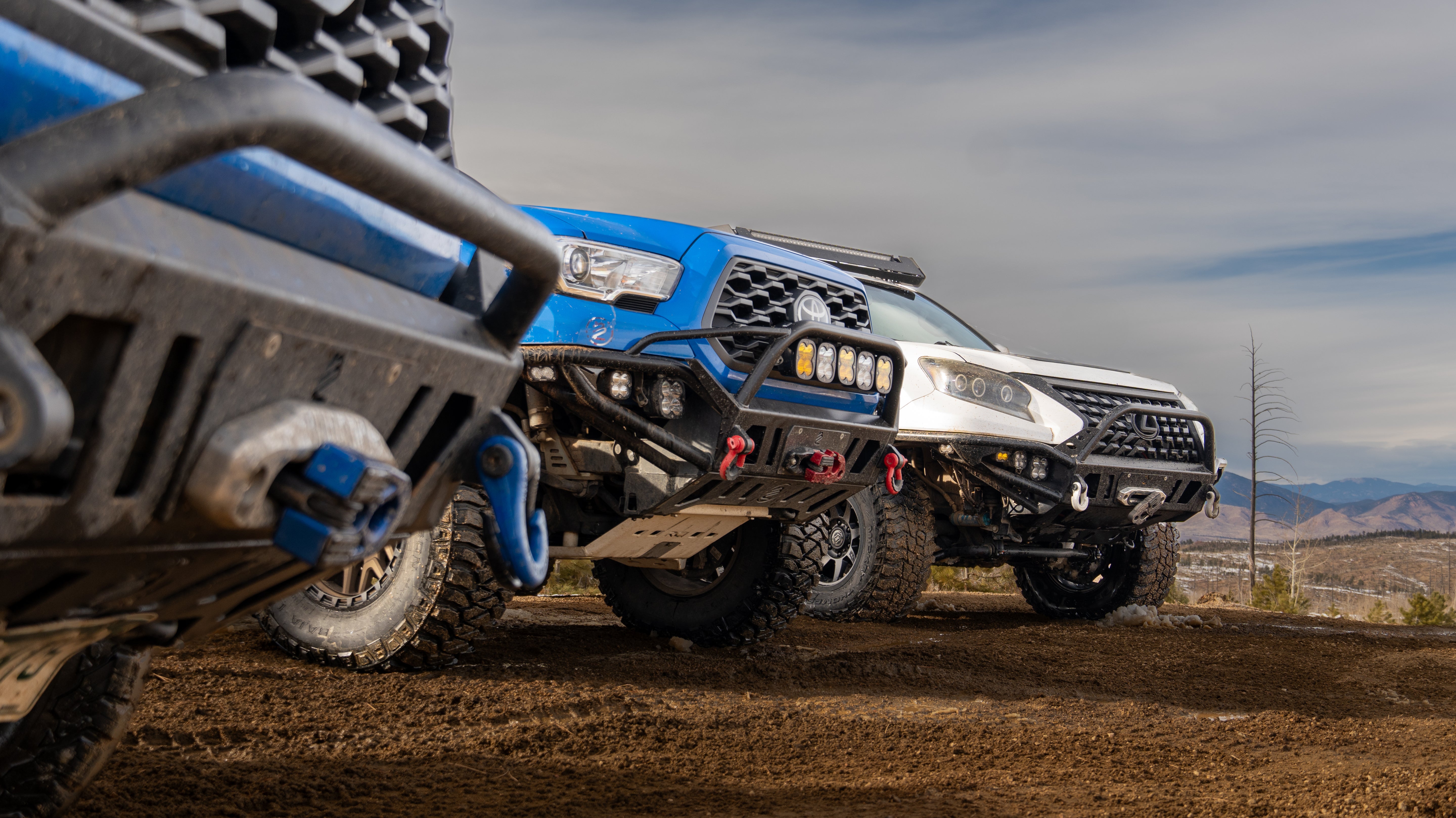
Whether you're building a Tacoma, 4Runner, Tundra, FJ Cruiser, or GX Series, understanding what separates a true high-clearance bumper from one that's simply aggressive-looking can help you make better decisions as your build evolves.

It Starts With Vehicle Geometry
Before talking about bumper design, it's important to understand the concept of approach angle.
Approach angle measures how steep an obstacle your vehicle can climb before the front of the vehicle makes contact.
Many people assume larger tires alone solve this problem, but approach angle depends on several factors working together:
-
Tire size
-
Ride height
-
Front overhang
-
Bumper geometry
The bumper is often the first part of the vehicle to meet an obstacle. Even if your tires are capable of climbing over rocks or ledges, a low-hanging bumper can prevent the vehicle from taking full advantage of that capability.
A high-clearance bumper improves this relationship by reducing unnecessary overhang and allowing the tires to reach the obstacle sooner.
The result isn't simply more clearance on paper—it's greater confidence when approaching uneven terrain.
Does a high-clearance bumper lift the vehicle?
No. A high-clearance bumper doesn't increase ride height. Instead, it improves how much of the vehicle's front end can clear an obstacle before making contact.
Removing Steel Isn't the Same as Improving Clearance
One of the biggest misconceptions about bumper design is that cutting away more material automatically creates a better off-road bumper.
In reality, simply trimming steel can create new problems.
A front bumper still has important jobs to perform:
-
Protect the front of the vehicle
-
Support recovery points
-
Mount a winch
-
Tie securely into the frame
-
Maintain structural integrity during impacts
If too much material is removed without considering these requirements, the bumper may gain clearance while losing functionality.
A properly engineered high-clearance bumper is designed around the vehicle's structure from the beginning. Every contour and mounting point serves a purpose.
The goal isn't the least amount of steel—it's the right amount of steel in the right places.
Tire Clearance Is Just as Important
Larger tires don't only move upward when the suspension compresses.
They also move:
-
Forward
-
Rearward
-
Side to side during steering
-
Upward during articulation
That's why bumper clearance isn't just about clearing obstacles—it's also about allowing the tires to move freely throughout the suspension's range of motion.
This becomes increasingly important when stepping up to 33-inch or 35-inch tires.
A bumper with poor tire clearance may lead to rubbing during:
-
Full steering lock
-
Suspension compression
-
Technical rock crawling
-
Uneven terrain
A well-designed high-clearance bumper accounts for these movements without sacrificing strength or protection.
Better Clearance Doesn't Mean Less Protection
Some people assume that a bumper with more open space provides less protection than one with a larger steel face.
That's not necessarily true.
Protection isn't determined by surface area alone.
Instead, it depends on:
-
Structural design
-
Load paths
-
Mounting strength
-
Material placement
-
Frame integration
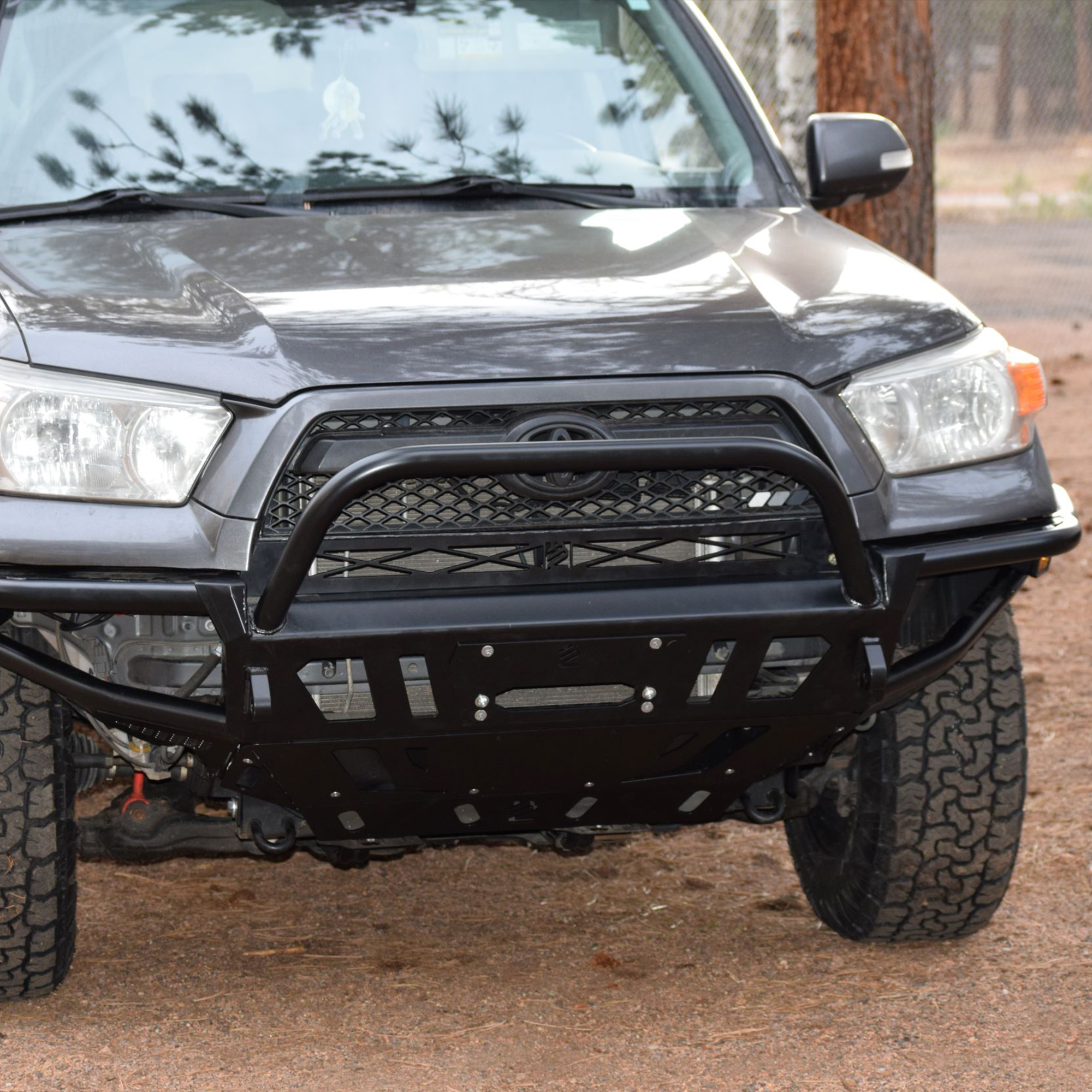
A bumper that follows the body lines closely while reinforcing key impact areas can often provide excellent protection without excessive bulk.
This is why many modern bumper designs appear more compact than older off-road bumpers while still delivering improved performance.
Can a smaller-looking bumper still protect the vehicle?
Yes. Effective protection comes from structural engineering and frame integration, not simply using more material.
Recovery Should Never Be Compromised
One challenge in designing a high-clearance bumper is balancing clearance with recovery capability.
Recovery points need to remain:
-
Strong
-
Accessible
-
Properly integrated into the bumper structure
Likewise, winch mounting needs to account for substantial recovery loads while fitting within tighter packaging constraints.
This requires careful engineering.
A bumper that maximizes clearance but sacrifices recovery performance creates unnecessary compromises for drivers who regularly venture into difficult terrain.
The best designs support both.
Modern Toyota Platforms Raise the Bar
Today's Toyota trucks and SUVs present challenges that older platforms simply didn't have.
Vehicles like the latest Tacoma, Tundra, and GX Series incorporate:
-
Toyota Safety Sense (TSS)
-
Radar sensors
-
Parking sensors
-
Front-facing cameras
-
More complex cooling systems
A modern high-clearance bumper has to work around all of these systems without compromising their functionality.
That means considering:
-
Sensor placement
-
Airflow to the radiator
-
Cooling performance
-
Wiring routes
-
Factory body lines
It's no longer enough for a bumper to fit the frame. It also needs to integrate cleanly with the vehicle's electronics and overall design.
Can a high-clearance bumper still work with Toyota Safety Sense?
Yes. When engineered specifically for the platform, a high-clearance bumper can maintain compatibility with systems like Toyota Safety Sense while improving off-road capability.
Fitment Plays a Bigger Role Than You Think
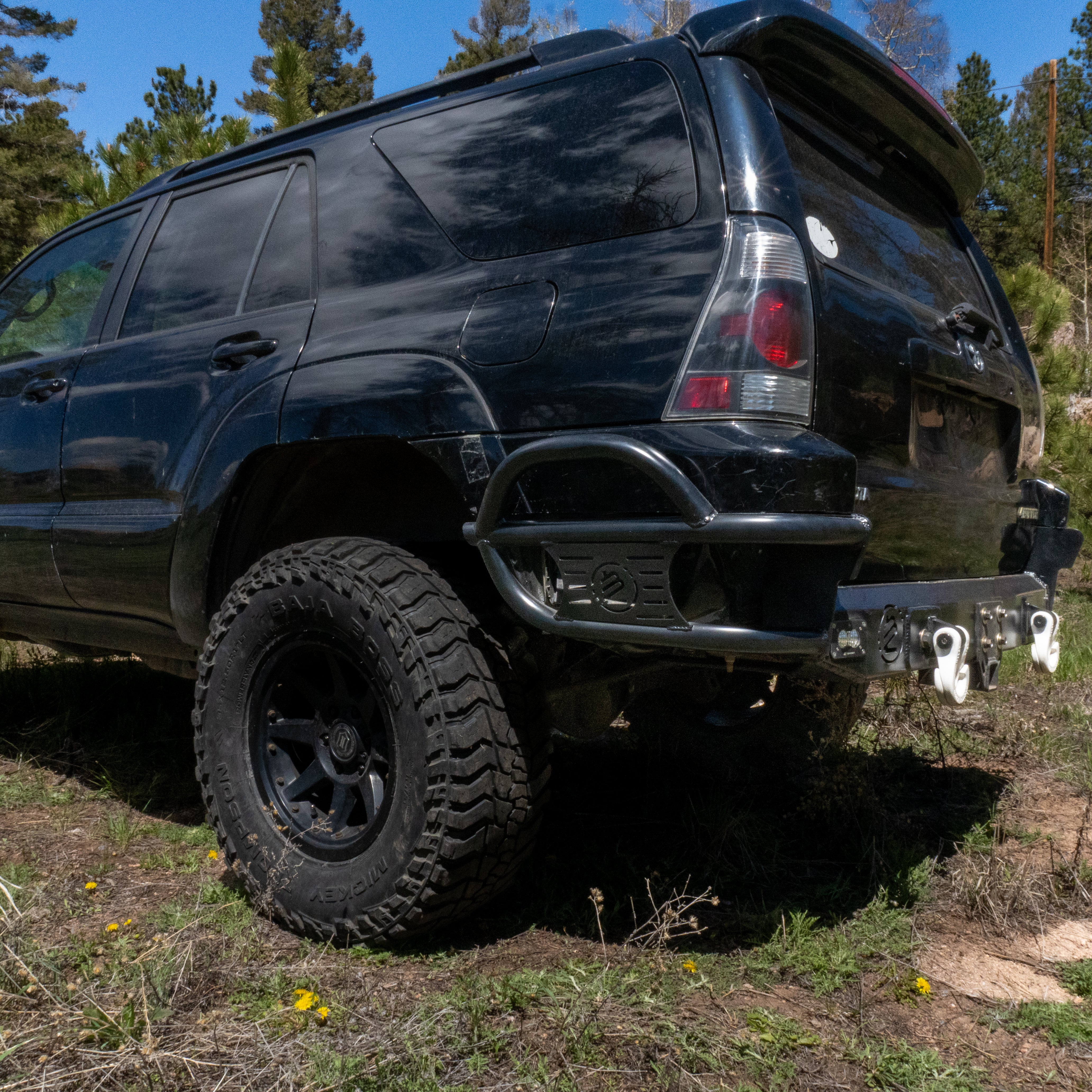
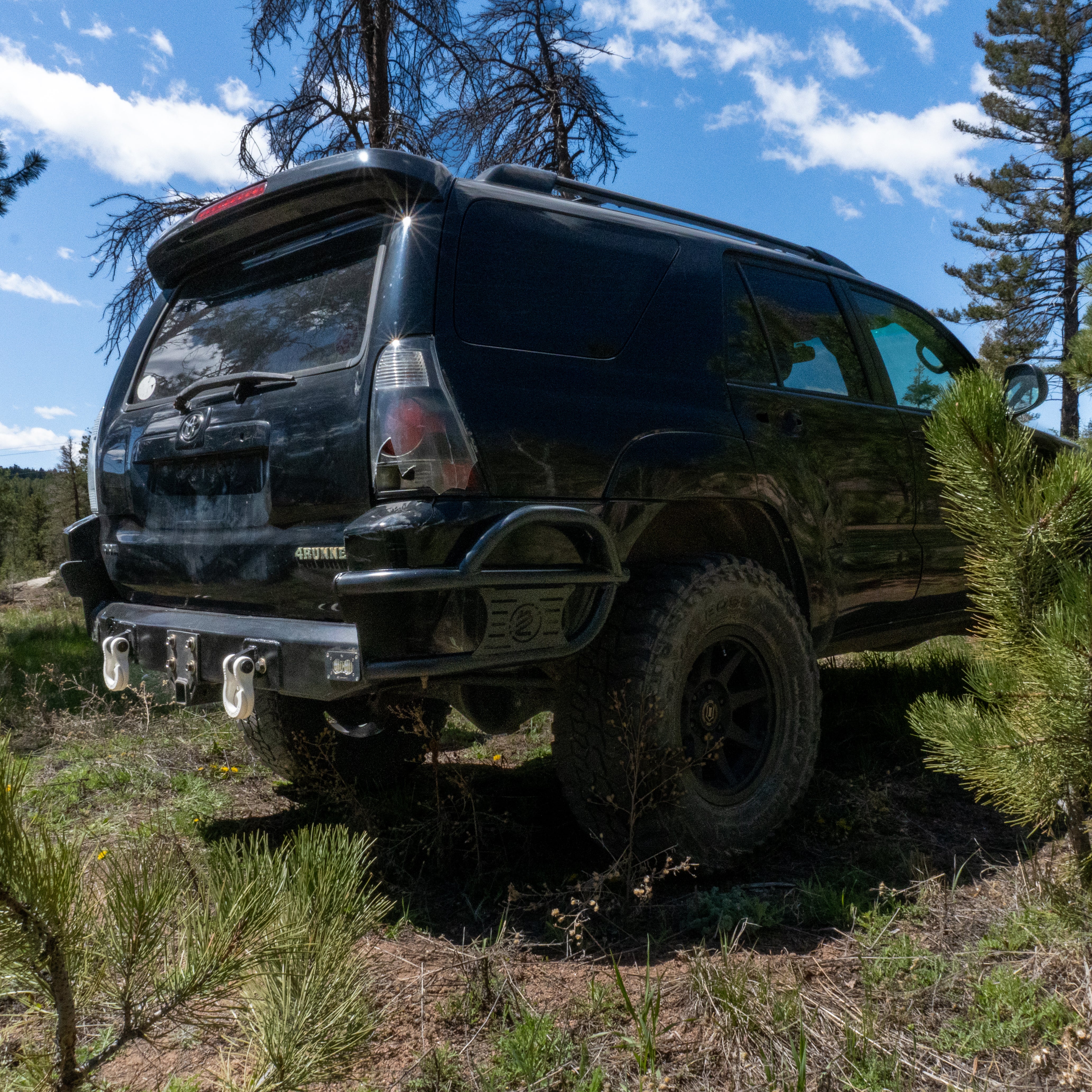
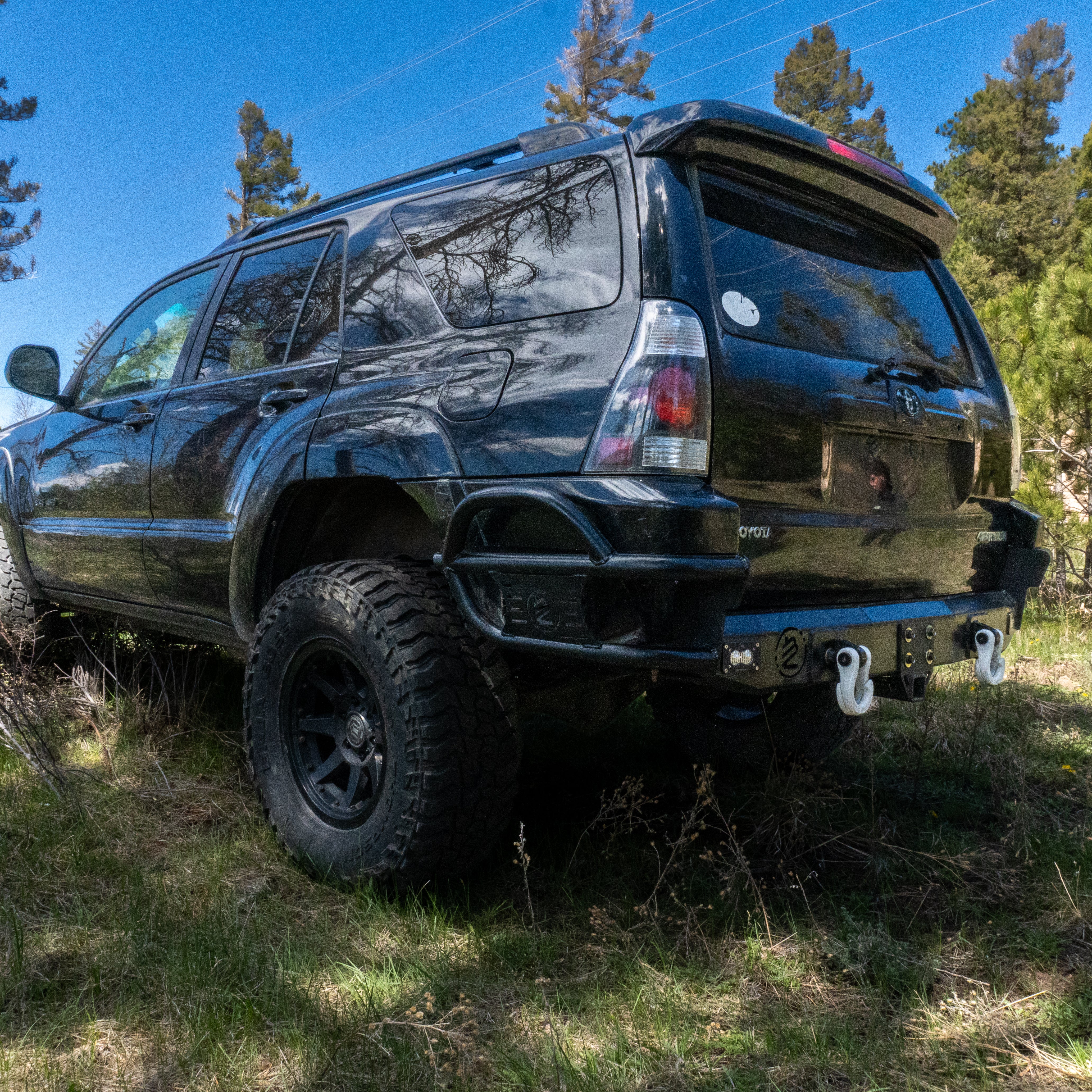
High-clearance bumpers often sit much closer to the body than factory bumpers.
That tight integration isn't just about appearance.
Precise fitment helps:
-
Maximize clearance
-
Reduce unnecessary overhang
-
Improve airflow management
-
Create a more refined finished product
Poor fitment can have the opposite effect, creating uneven gaps or interference that reduces both functionality and aesthetics.
This is one reason why many premium bumper manufacturers spend significant time developing products on actual vehicles before finalizing production.
What to Look for in a High-Clearance Front Bumper
When comparing bumper options, look beyond the marketing terminology.
Instead, evaluate how the design addresses the needs of your vehicle.
Some features worth considering include:
-
Improved approach angle without unnecessary bulk
-
Strong frame-mounted construction
-
Integrated recovery points
-
Winch compatibility
-
Tire clearance for larger wheel and tire combinations
-
Compatibility with factory or aftermarket skid plates
-
Proper airflow to cooling systems
-
Compatibility with Toyota Safety Sense and other factory technologies
-
Tight, factory-inspired fitment
These characteristics often tell you far more about a bumper's real-world performance than appearance alone.
Why High Clearance Matters More as Your Build Evolves
Many Toyota owners don't install a high-clearance bumper immediately.
Instead, it becomes the logical next step after other upgrades.
For example:
-
Larger tires expose approach angle limitations.
-
A suspension lift encourages more challenging trails.
-
A winch requires a stronger mounting solution.
-
Technical terrain highlights the need for better front-end protection.
As capability increases, the factory bumper often becomes the limiting factor.
That's why high-clearance bumpers tend to become more valuable over time. They allow the rest of the build to perform without being held back by unnecessary front overhang or limited recovery capability.
Is a high-clearance bumper worth it for moderate trails?
Even on moderate trails, a high-clearance bumper can improve approach angle, reduce the chance of front-end damage, and provide better recovery options as your build grows.
Where Lil B's Fits Into the Conversation
At Lil B's Custom Fabrication, bumper development begins with real vehicles—not just computer models.
By prototyping directly on Toyota platforms before refining designs in CAD, the goal is to achieve a balance between:
-
Functional high-clearance geometry
-
Structural strength
-
Recovery readiness
-
Clean integration with factory body lines
-
Compatibility with modern Toyota systems
The result is a bumper designed to improve off-road performance while maintaining the quality and refinement Toyota owners expect.
Conclusion: High Clearance Is About Smarter Engineering
The best high-clearance front bumpers don't simply remove steel or chase aggressive styling.
They rethink how the front of the vehicle interacts with the trail.
By improving approach angle, accommodating larger tires, supporting recovery equipment, and integrating with modern Toyota technology, a well-designed bumper enhances the vehicle as a complete system.
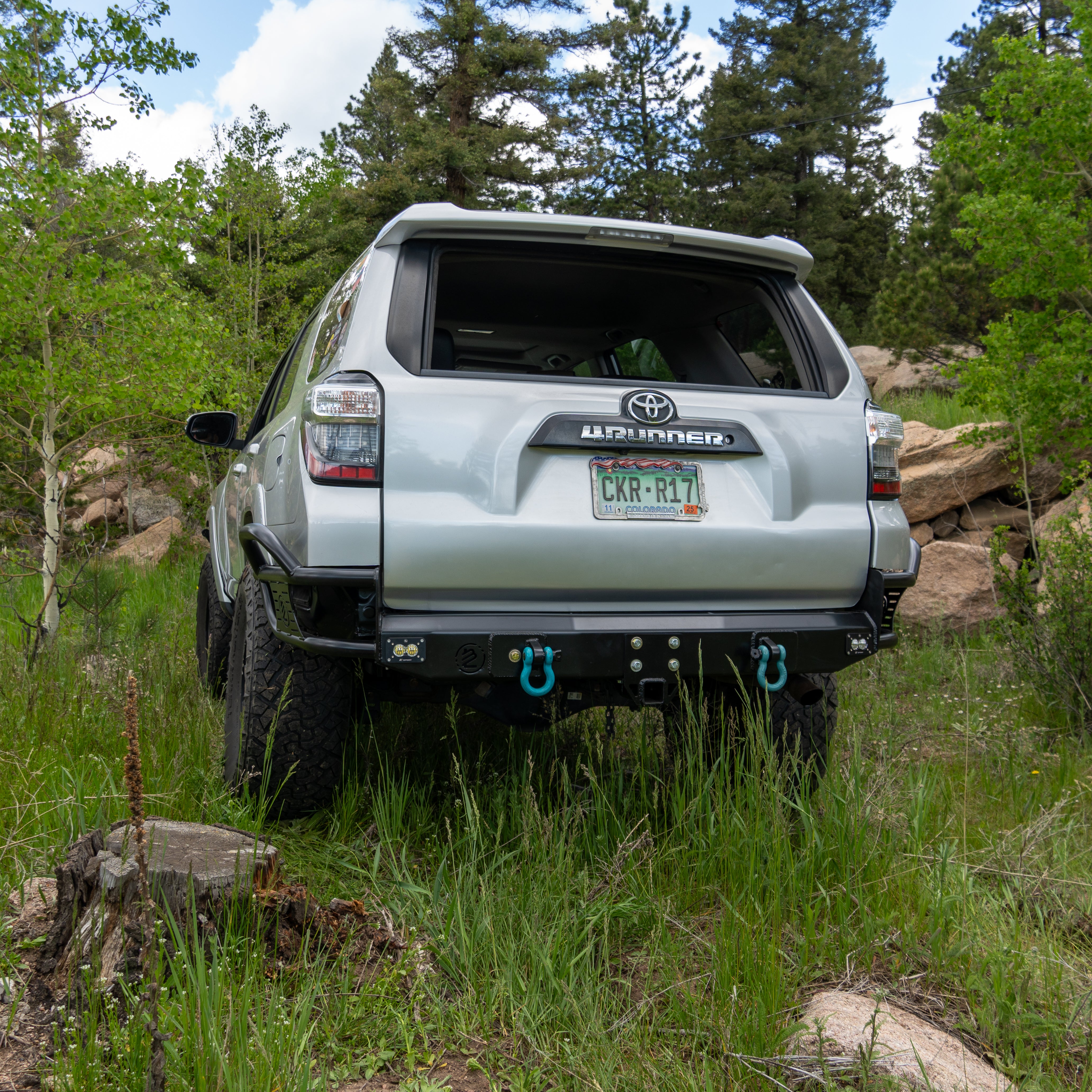
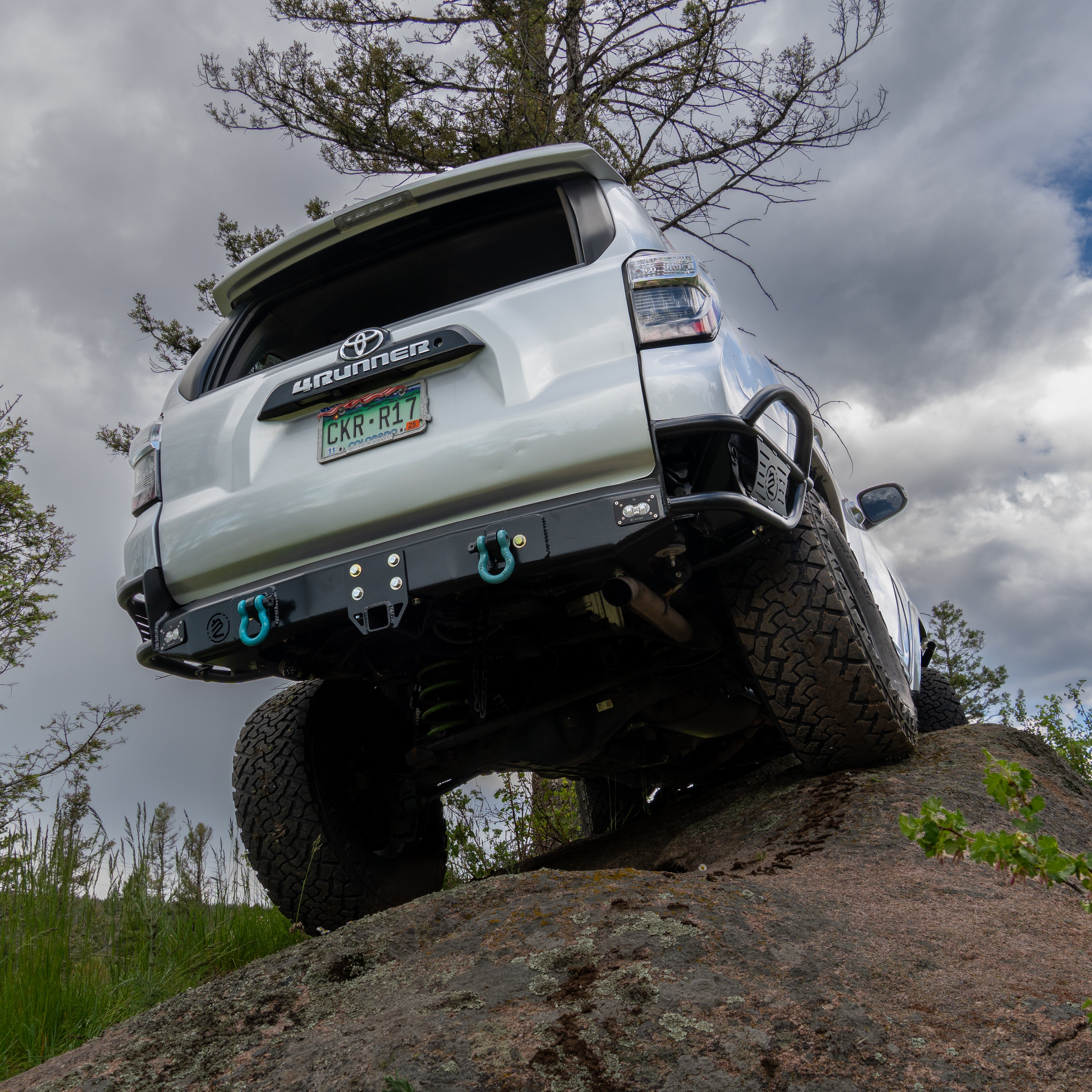
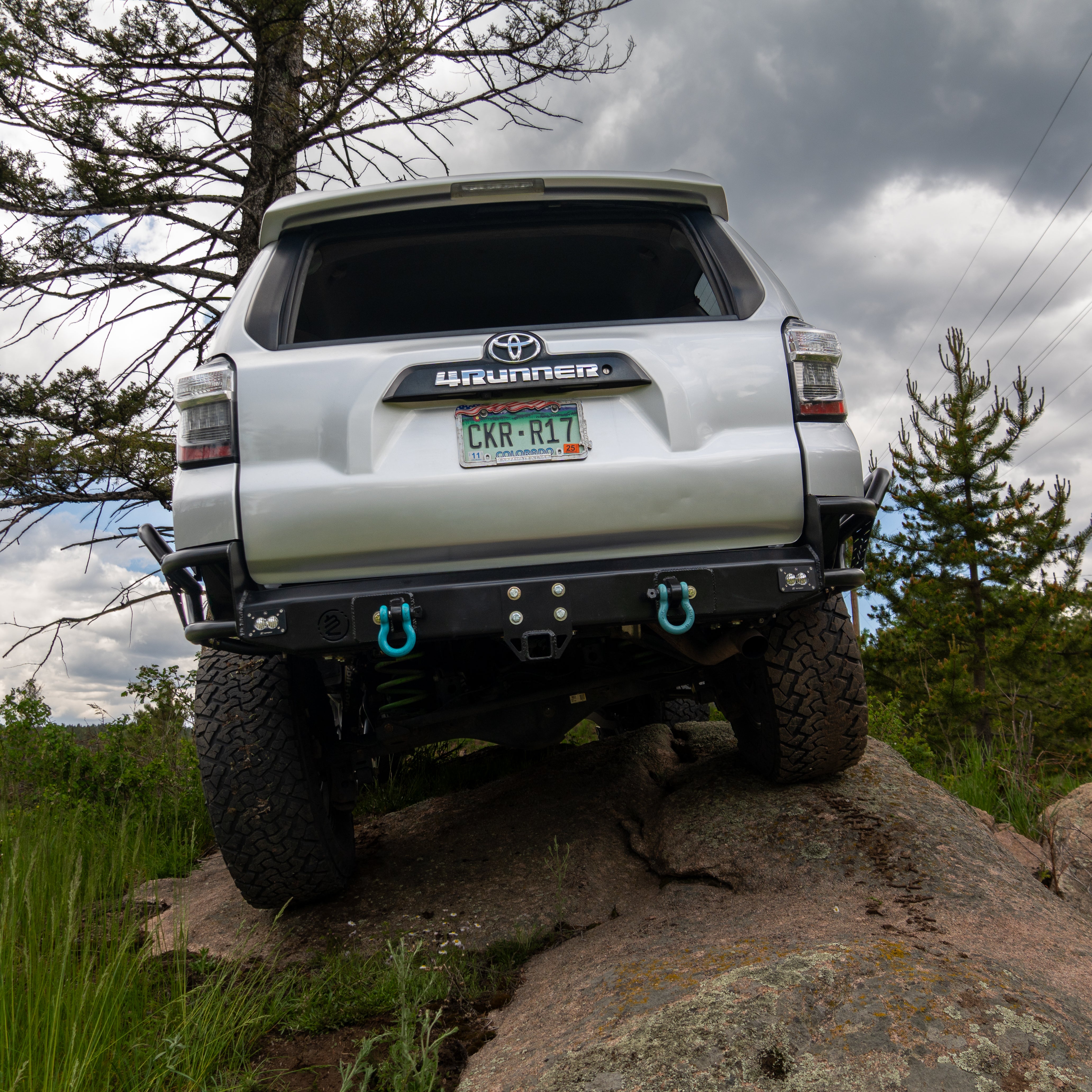
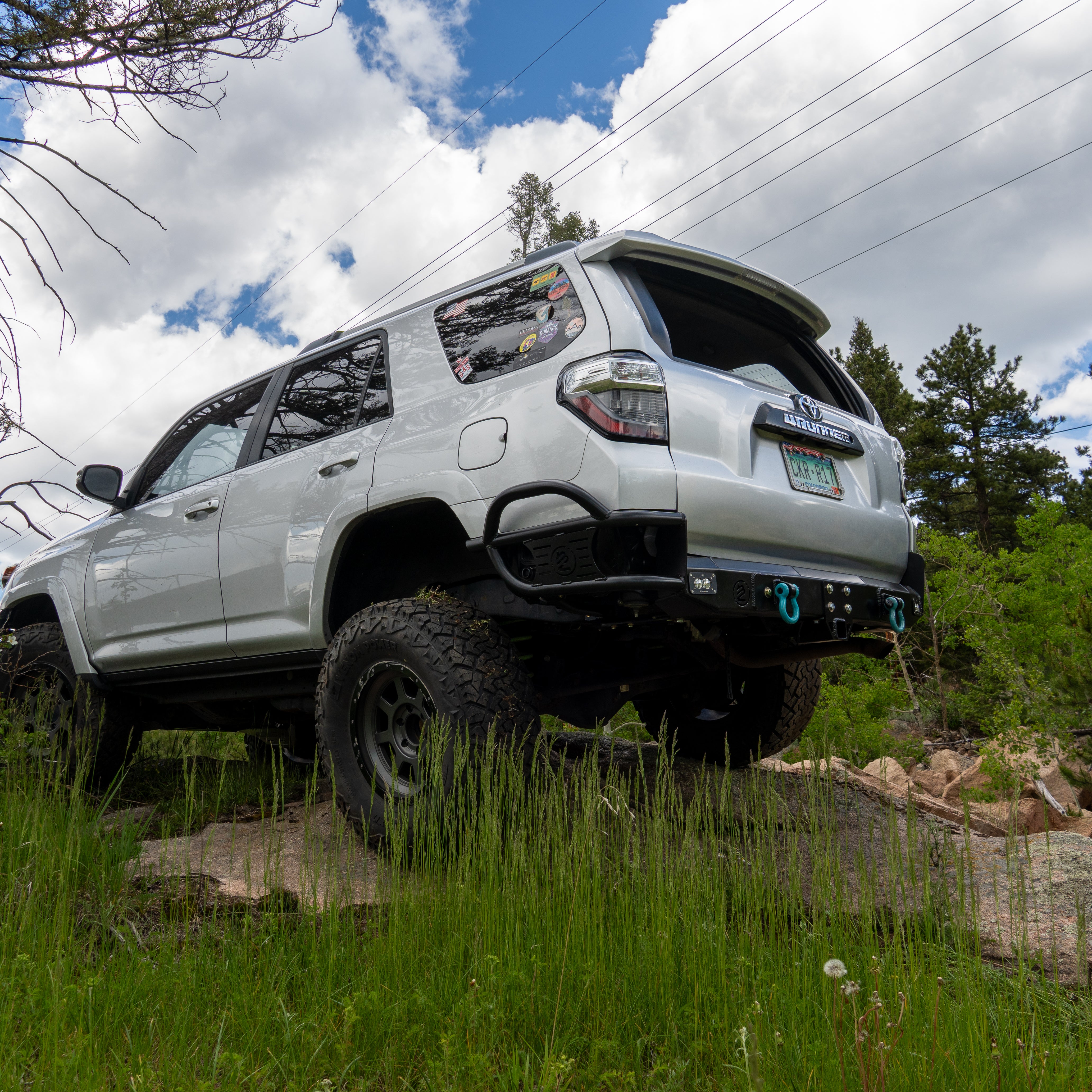
Whether your Toyota spends most weekends on rocky trails or you're slowly building toward more technical adventures, understanding what makes a true high-clearance bumper different helps ensure your next upgrade adds capability—not just appearance.

Share:
Why Factory Recovery Points Aren't Enough for Serious Off-Roading
Steel vs. Aluminum Front Bumpers: Which Is Right for Your Toyota?