

Recovery Is Something You Hope You Never Need—Until You Do
Most off-road upgrades are easy to appreciate. A new set of tires improves traction. A lift kit increases clearance. A front bumper changes both the appearance and capability of your Toyota.
Recovery points are different.
They're one of the least glamorous upgrades you can make, and if everything goes according to plan, you may rarely use them. But when a vehicle gets buried in mud, high-centered on a rock, or stuck in deep sand, recovery points quickly become one of the most important pieces of equipment on the entire build.
That's why experienced off-roaders don't treat recovery as an afterthought.
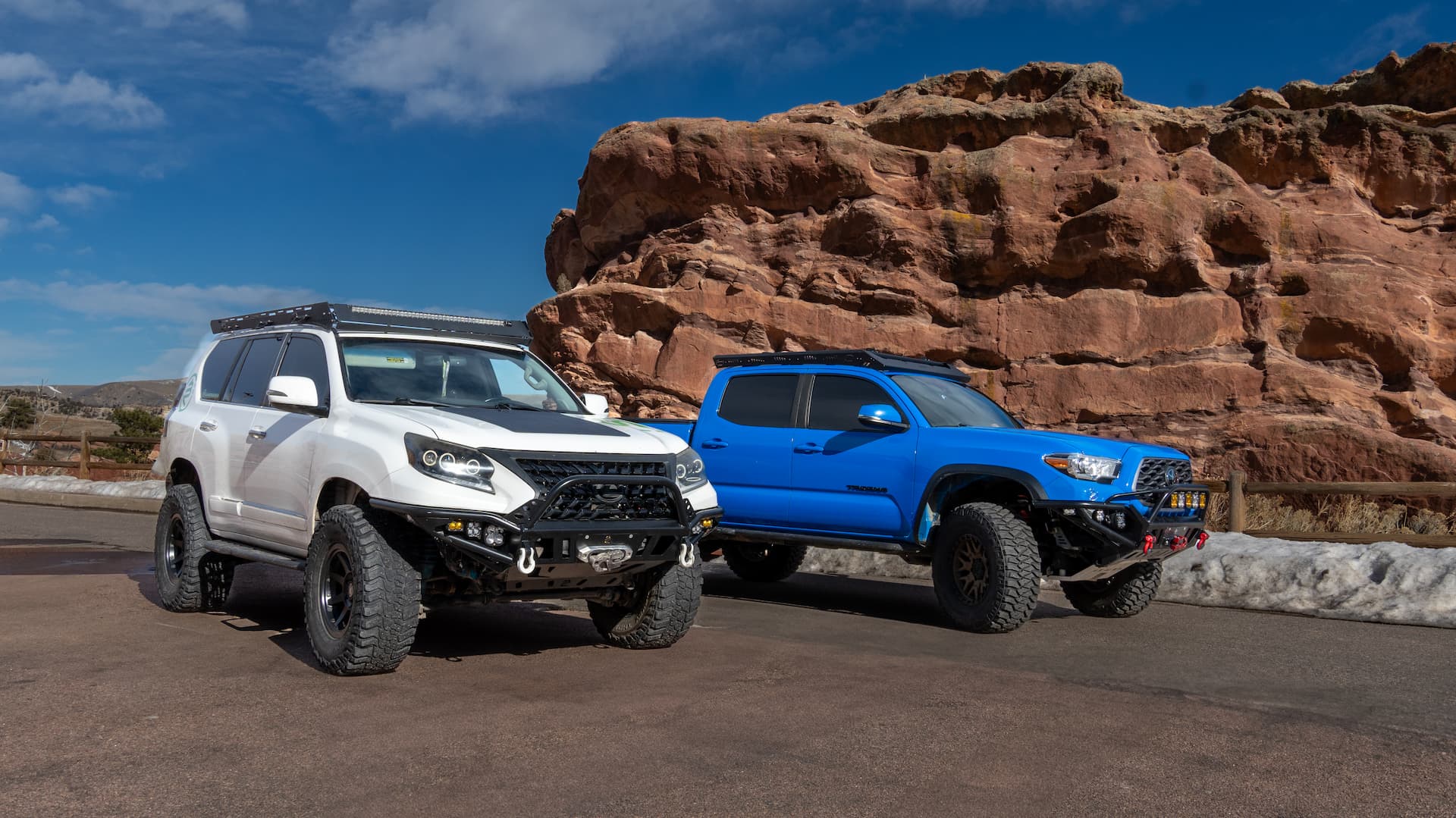
Whether you drive a Tacoma, 4Runner, Tundra, FJ Cruiser, or GX Series, understanding the difference between factory attachment points and purpose-built recovery points can help you build a safer, more capable vehicle.
The goal isn't simply to have somewhere to attach a strap. It's to make sure that attachment point can safely handle the forces involved in recovering a vehicle under real-world conditions.

Not Every Attachment Point Is a Recovery Point
One of the biggest misconceptions in off-roading is that every metal loop or hook underneath a vehicle can be used for recovery.
In reality, several different attachment points may exist on a Toyota, each designed for a specific purpose.
These can include:
-
Shipping tie-down points
-
Factory tow hooks (on some models)
-
Trailer towing equipment
-
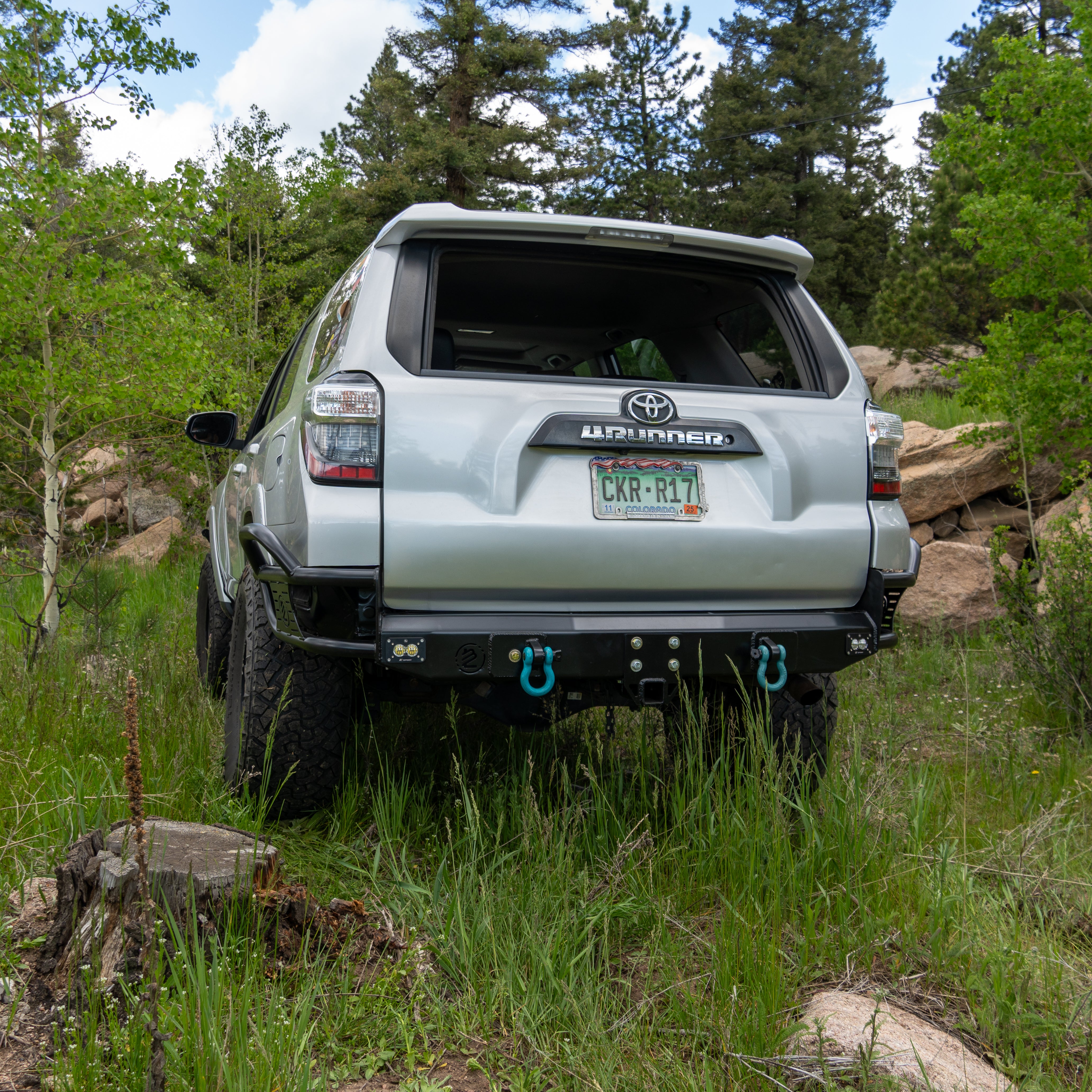
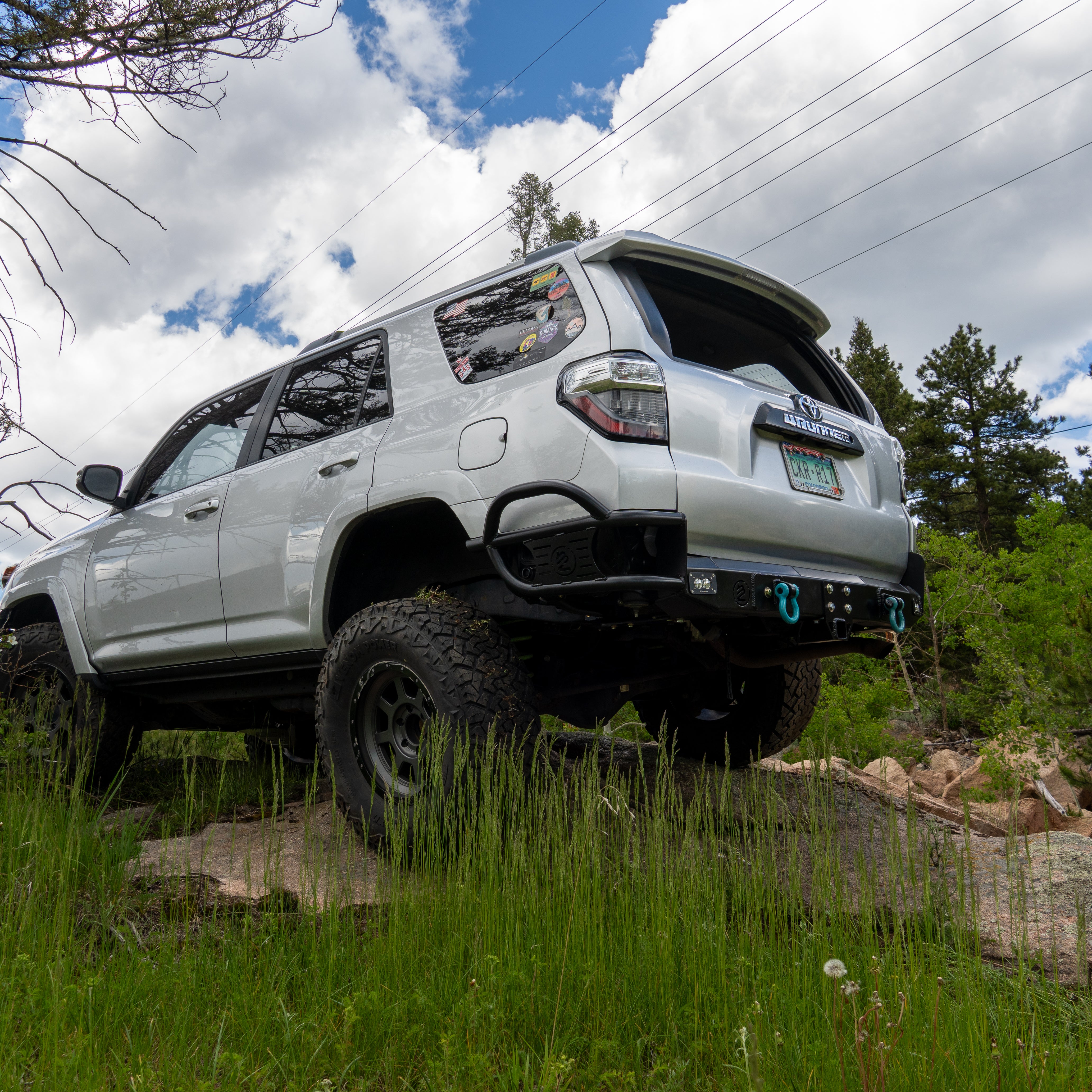
Recovery points integrated into aftermarket bumpers
Although they may appear similar, they're not necessarily designed for the same loads.
For example, shipping tie-down points are intended to secure a vehicle during transport—not to recover a stuck vehicle from deep mud or over rocks. Likewise, a component designed for flat towing may not be intended for the sudden forces generated during an off-road recovery.
Knowing the difference is just as important as carrying the right recovery gear.
Can you use factory tie-down points for off-road recovery?
No. Shipping tie-down points are designed to secure the vehicle during transport and should not be treated as dedicated recovery points.
Recovery Forces Are Larger Than Vehicle Weight
Many people assume that recovering a 5,000-pound vehicle only requires equipment rated slightly above that weight.
In practice, recovery forces can be much higher.
When a vehicle is:
-
Buried in mud
-
High-centered on rocks
-
Stuck in deep sand
-
Climbing a ledge
-
Recovering uphill
the resistance increases dramatically.
Dynamic recoveries using kinetic ropes or recovery straps also introduce shock loads that exceed the vehicle's static weight.
That's why recovery systems must be designed with significant safety margins rather than simply matching the vehicle's curb weight.
A recovery point isn't just supporting the weight of the vehicle—it's managing the forces generated as that vehicle is pulled free.
The Strongest Shackle Is Only as Good as Its Mount
Many recovery kits advertise impressive working load limits.
While quality shackles and recovery hardware are important, they're only one part of the system.
The mounting structure matters just as much.
A recovery point should transfer forces through:
-
Proper frame mounting
-
Reinforced mounting plates
-
High-strength hardware
-
Well-designed load paths
If the recovery point itself is strong but the surrounding structure isn't, the system's overall strength is limited by its weakest component.
That's why experienced builders evaluate the complete recovery system rather than individual parts.
Recovery Doesn't Always Happen in a Straight Line
In a perfect world, every recovery would be a slow, controlled pull directly forward.
Real trails are rarely that simple.
Recoveries often happen:
-
At an angle
-
On uneven terrain
-
Around obstacles
-
While the stuck vehicle is turned slightly
-
On steep inclines
These situations create different load paths than a straight pull.
Recovery points need to remain accessible and structurally sound regardless of how the recovery is performed.
Thoughtful placement also makes recoveries easier by providing better access for straps, soft shackles, and winch lines without forcing them into awkward or unsafe positions.
Why are recovery points usually mounted near the frame?
Because the frame is designed to handle structural loads and provides a stronger foundation for recovery forces than body panels or cosmetic components.
Recovery Points Should Be Easy to Reach
Recovery equipment doesn't do much good if you can't access it when the vehicle is stuck.
Deep mud, snow, or uneven terrain can make reaching certain factory attachment points difficult.
Purpose-built recovery points are typically designed with accessibility in mind.
A well-designed recovery setup allows you to:
-
Attach recovery straps quickly
-
Connect soft or hard shackles without obstruction
-
Minimize time spent underneath the vehicle
-
Reduce frustration during difficult recoveries
This becomes especially valuable in poor weather or when daylight is limited.
Convenience isn't just about saving time—it can also contribute to safer recoveries.
Common Recovery Mistakes That Can Damage Your Vehicle
Recovery equipment is only as effective as the way it's used.
Some of the most common mistakes include:
-
Attaching straps to suspension components
-
Recovering from shipping tie-down points
-
Mixing hardware with incompatible load ratings
-
Using worn or damaged recovery straps
-
Standing within the path of a loaded recovery line
-
Performing sudden, aggressive pulls when a controlled recovery would be safer
Many of these mistakes happen because drivers improvise when they don't have proper recovery points available.
Planning ahead significantly reduces the need for those compromises.
Should recovery gear be inspected regularly?
Yes. Shackles, straps, ropes, and recovery points should all be inspected before trips and replaced if they show signs of wear or damage.
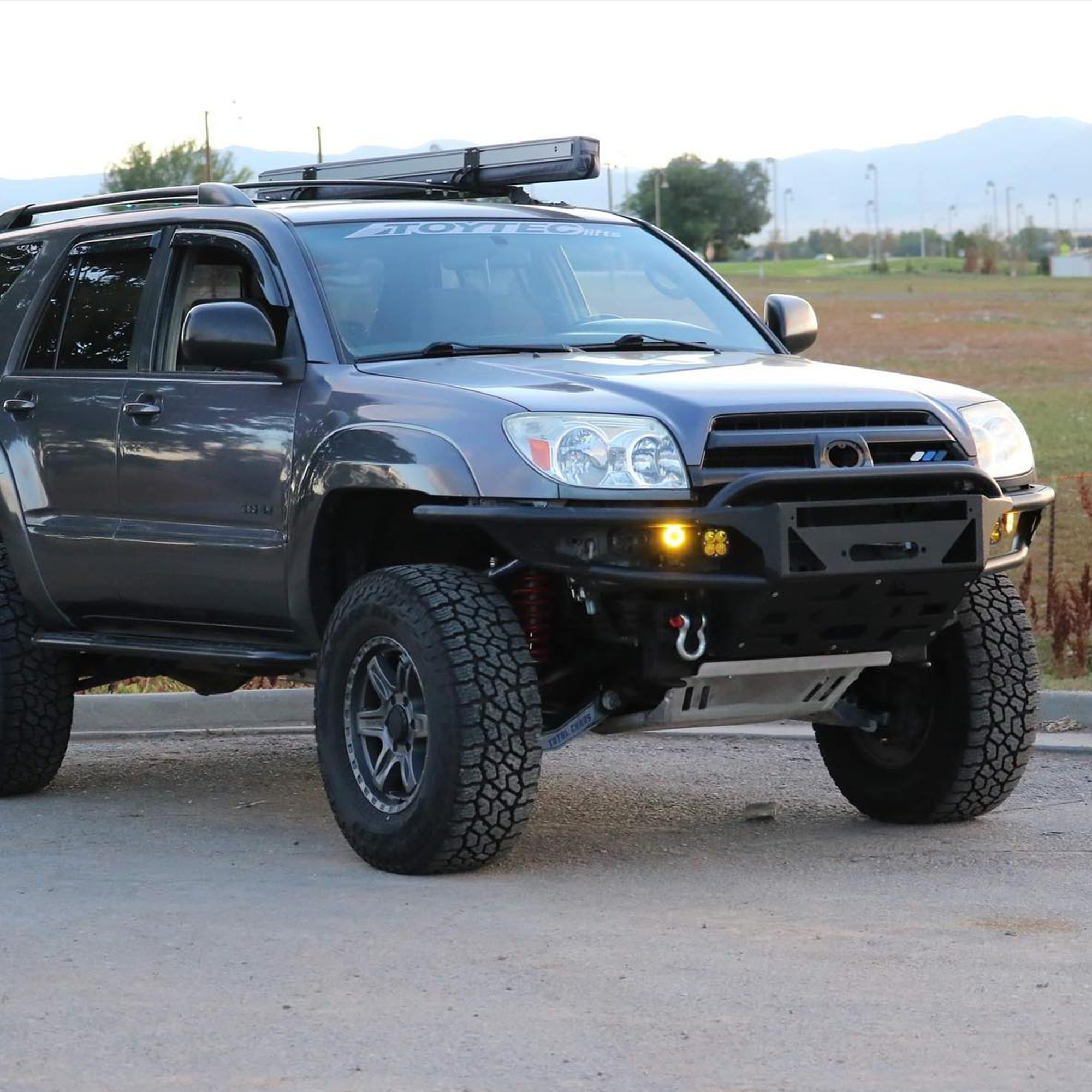
A Front Bumper Can Be Part of the Recovery System
Many off-road enthusiasts initially view a front bumper as a way to improve appearance or increase protection.
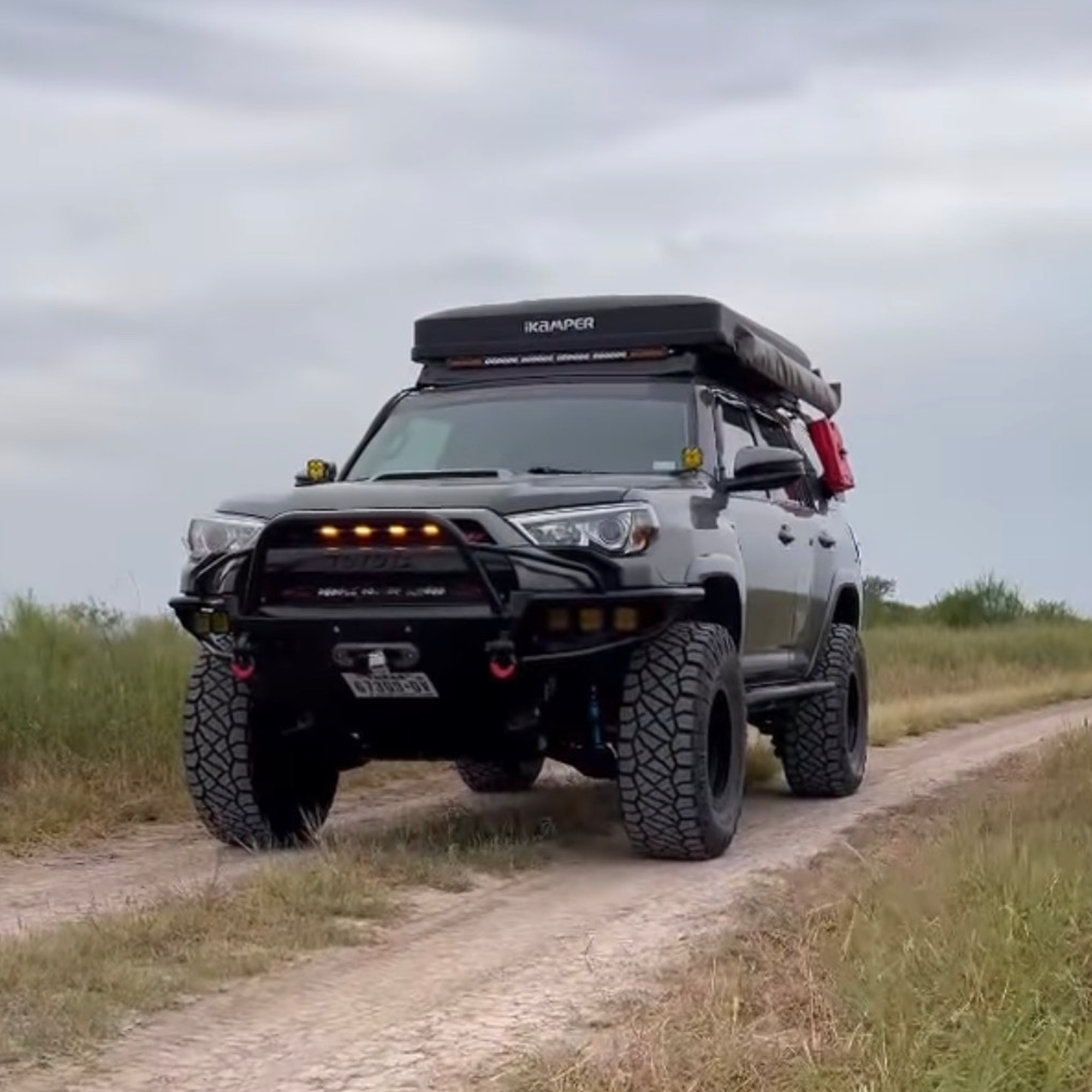
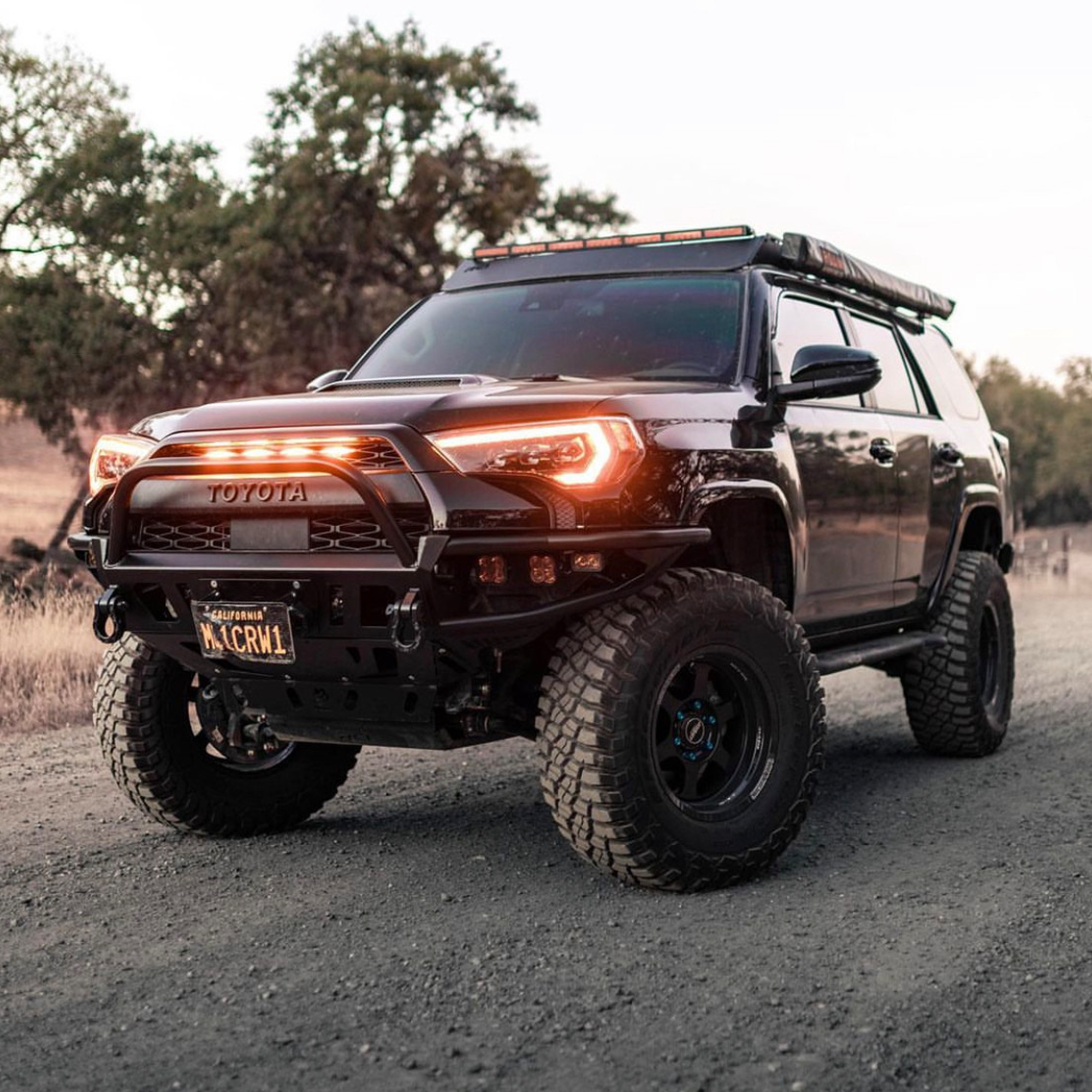
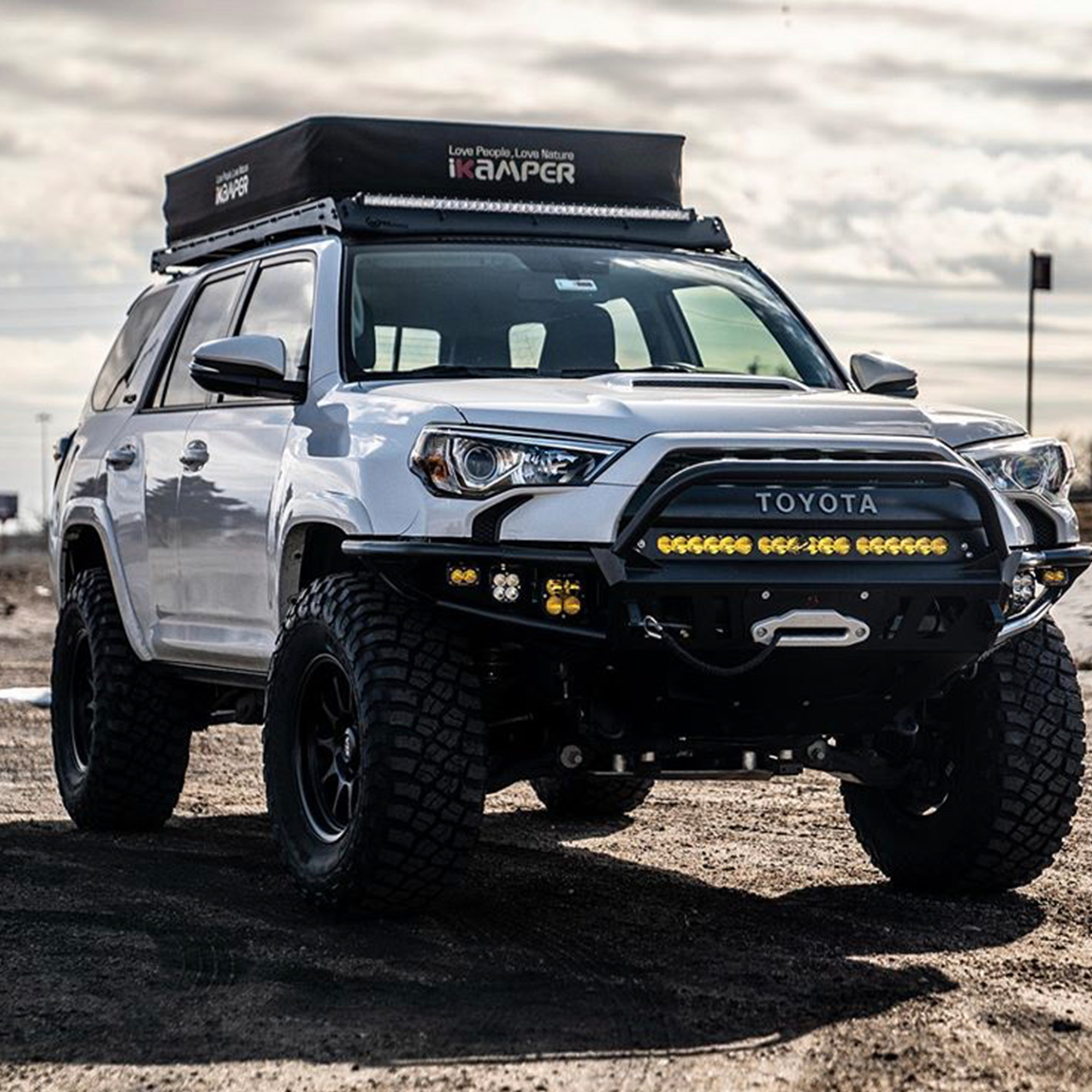
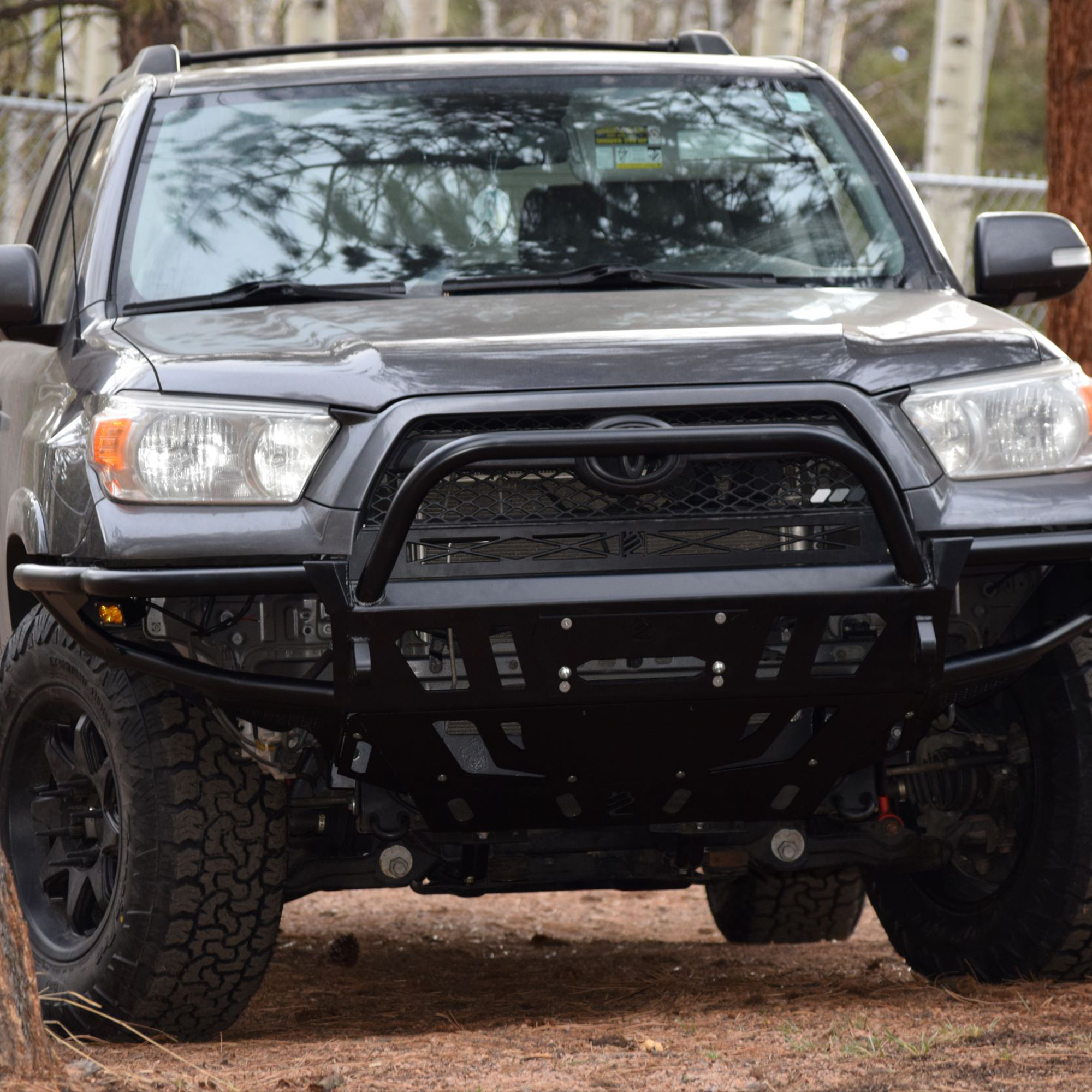
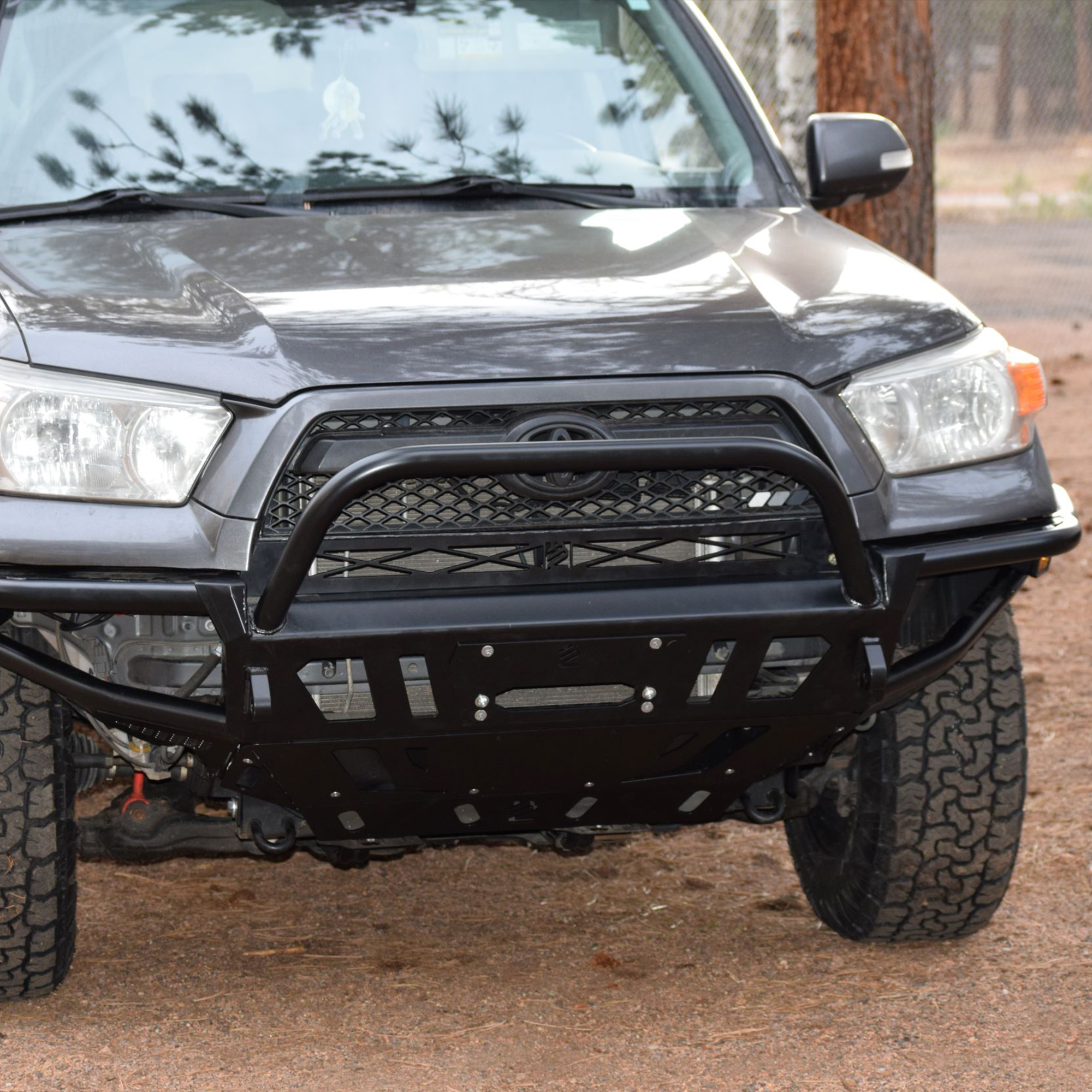
While those are important benefits, a properly engineered bumper can also become the foundation of a reliable recovery system.
Depending on the design, an off-road bumper may provide:
-
Integrated recovery points
-
Winch compatibility
-
Improved load distribution
-
Strong frame-mounted construction
Instead of relying on factory attachment points that may have been designed for different purposes, a recovery-ready bumper integrates these functions into the vehicle's front-end structure.
This becomes increasingly important as builds grow heavier with larger tires, armor, camping gear, and additional equipment.
Recovery Planning Starts Before the Trail
The best recovery is the one you never need.
The second-best recovery is the one you've already planned for.
Before heading off-road, it's worth asking a few simple questions:
-
Does your vehicle have properly rated recovery points?
-
Is your recovery gear in good condition?
-
Do you know the load ratings of your equipment?
-
Is everyone in your group familiar with safe recovery practices?
-
Do you have the right gear for the terrain you'll be driving?
Answering these questions before leaving pavement is much easier than solving them in the middle of a difficult recovery.
Where Lil B's Fits Into the Picture
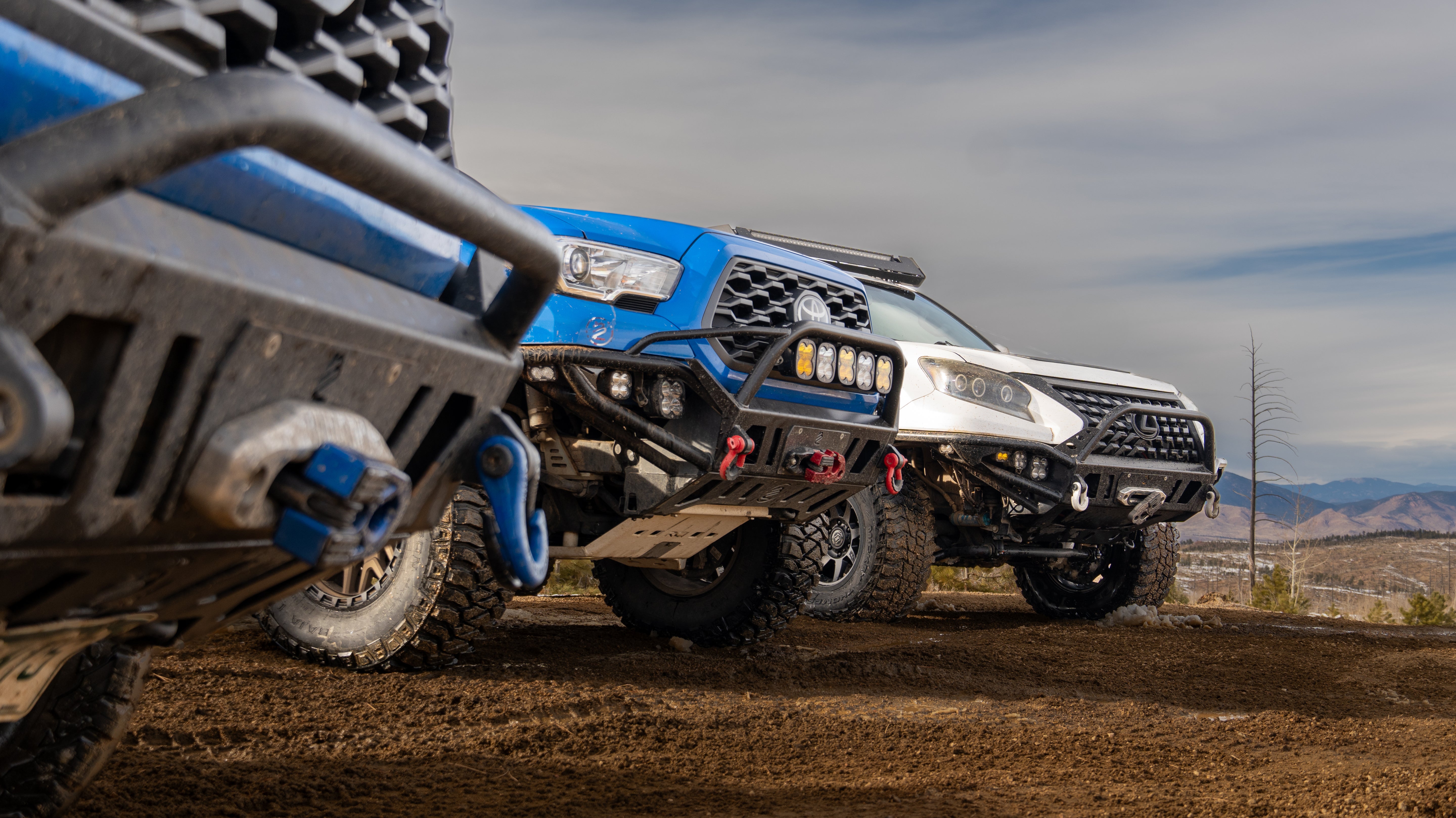
At Lil B's Custom Fabrication, recovery capability is considered from the very beginning of the design process.
Rather than treating recovery points as an afterthought, they're integrated into bumpers that are designed to support real-world recovery situations while maintaining the fit, clearance, and functionality modern Toyota owners expect.
That approach includes focusing on:
-
Structural frame integration
-
Recovery-ready shackle mounts
-
Winch compatibility
-
High-clearance designs
-
Compatibility with modern Toyota platforms
Because a bumper should do more than protect the front of the vehicle—it should become part of a complete recovery system.
Are integrated recovery points better than add-on solutions?
Integrated recovery points can provide a more robust solution when they're engineered as part of the bumper and properly tied into the vehicle's frame.
Conclusion: Recovery Is About Preparation, Not Luck
No one heads to the trail expecting to get stuck.
But experienced off-roaders know that recovery isn't a matter of if—it's a matter of when.
That's why recovery points deserve the same level of planning as tires, suspension, and armor.
Factory attachment points may be adequate for their intended purpose, but serious off-road recovery places unique demands on a vehicle. Having properly engineered recovery points gives you greater confidence when conditions become challenging and helps ensure recoveries are performed as safely as possible.
Whether you're exploring remote backroads in a Tacoma, navigating rocky terrain in a 4Runner, overlanding in a Tundra, or pushing a GX or FJ Cruiser through technical trails, a capable recovery system isn't just another accessory.
It's part of building a Toyota that's ready for wherever the trail leads.











Share:
How Bigger Tires Change What You Need From a Front Bumper
What Makes a High-Clearance Front Bumper Different?