

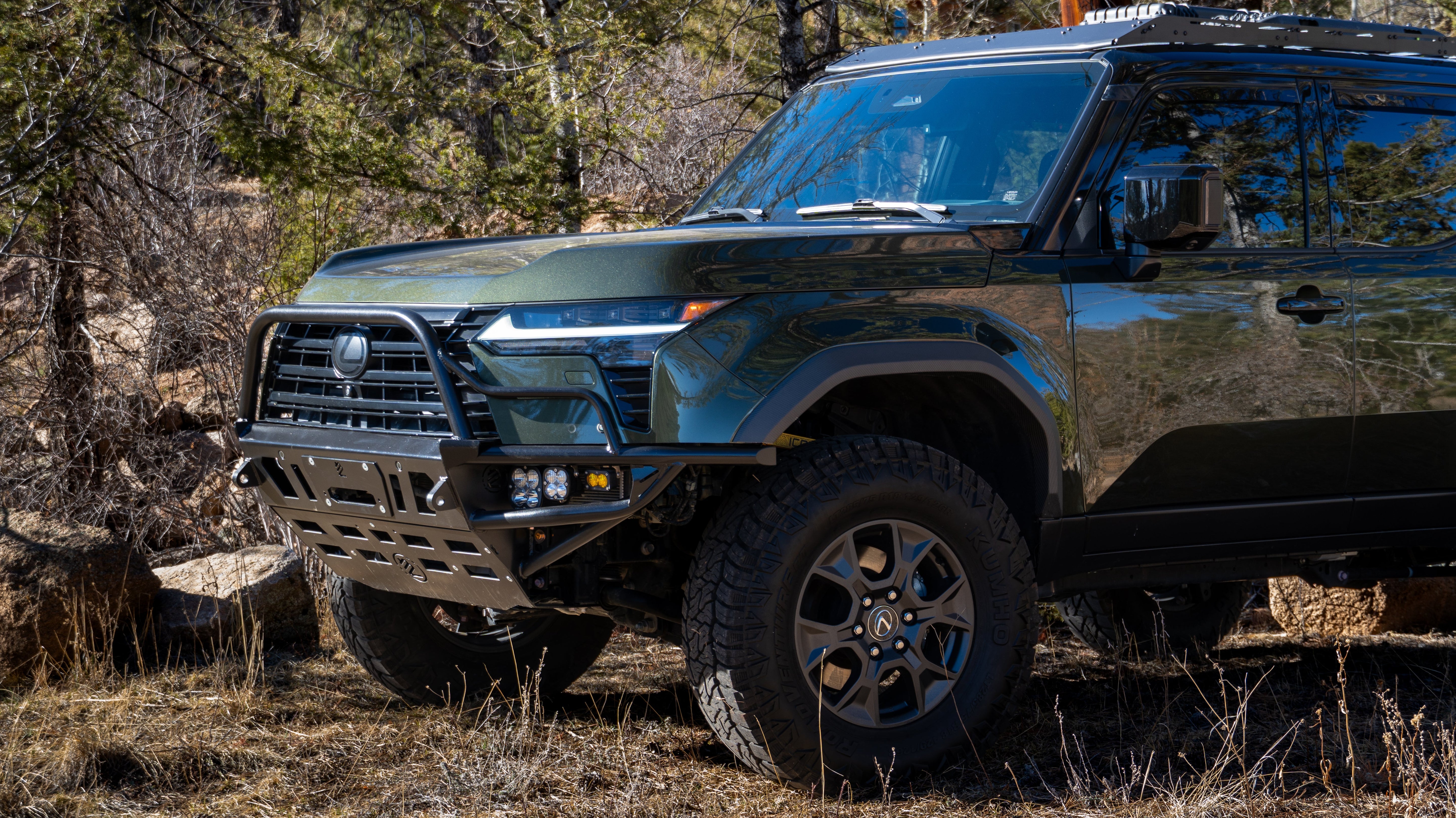
Bigger Tires Change More Than Most People Expect
For many Toyota owners, bigger tires are the gateway modification.
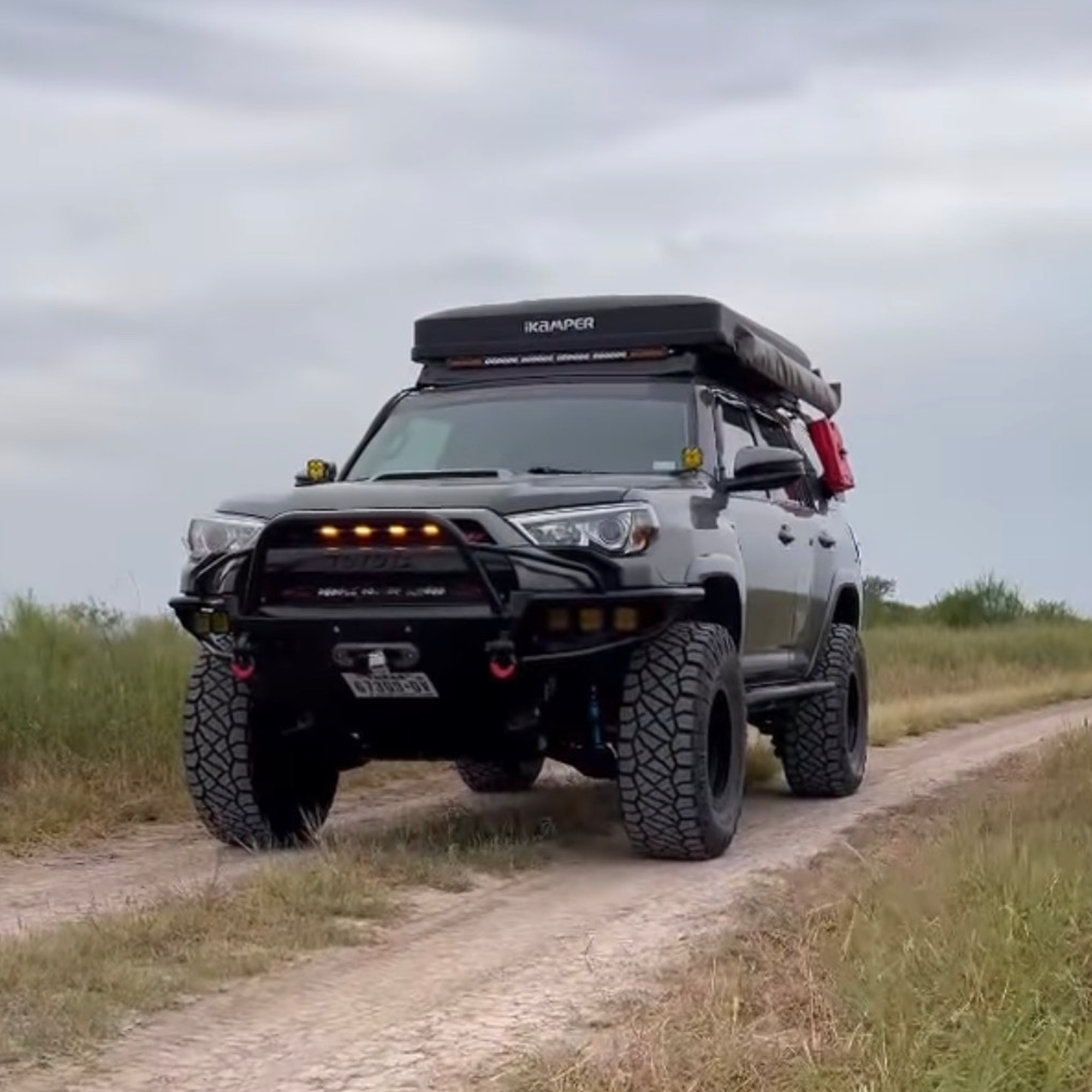
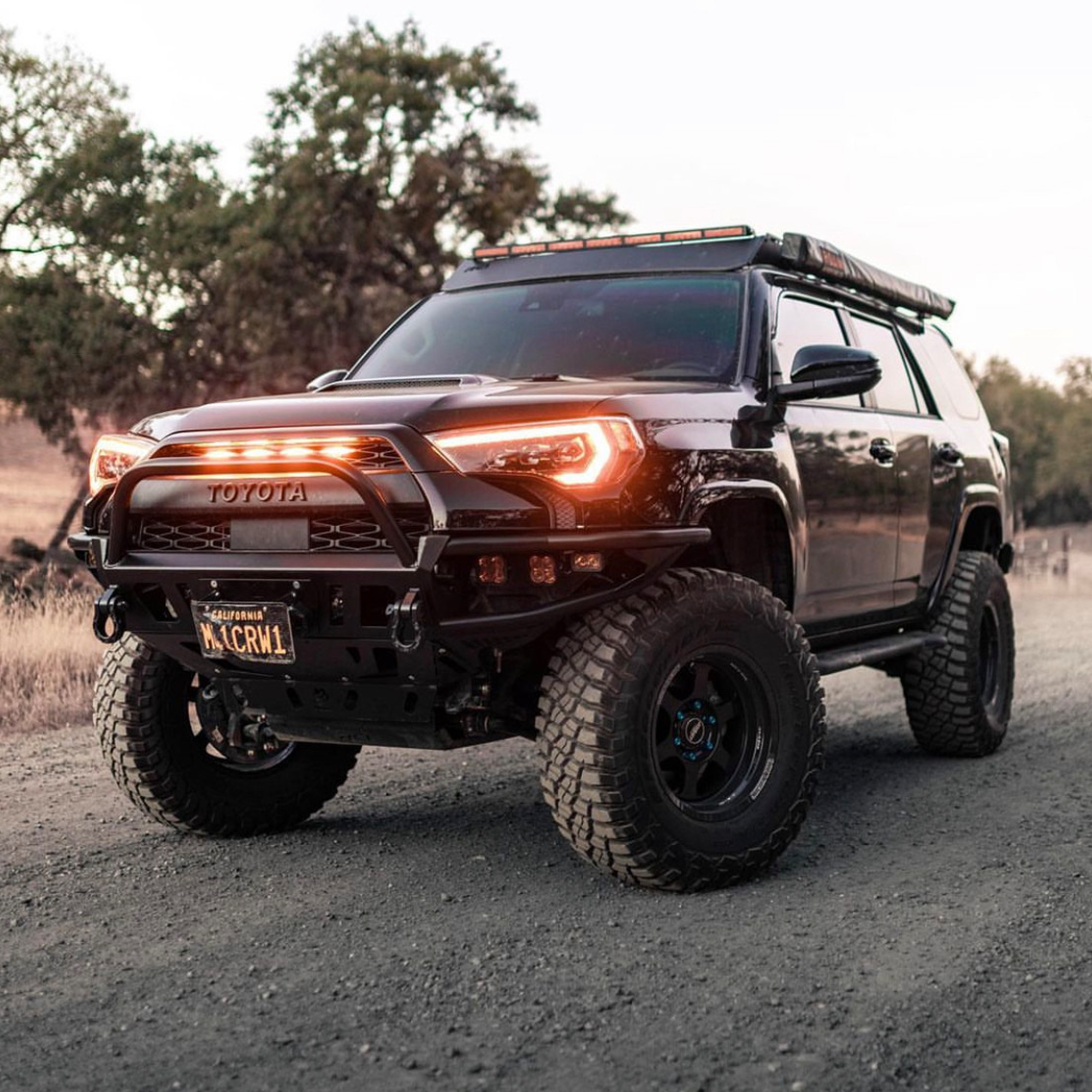
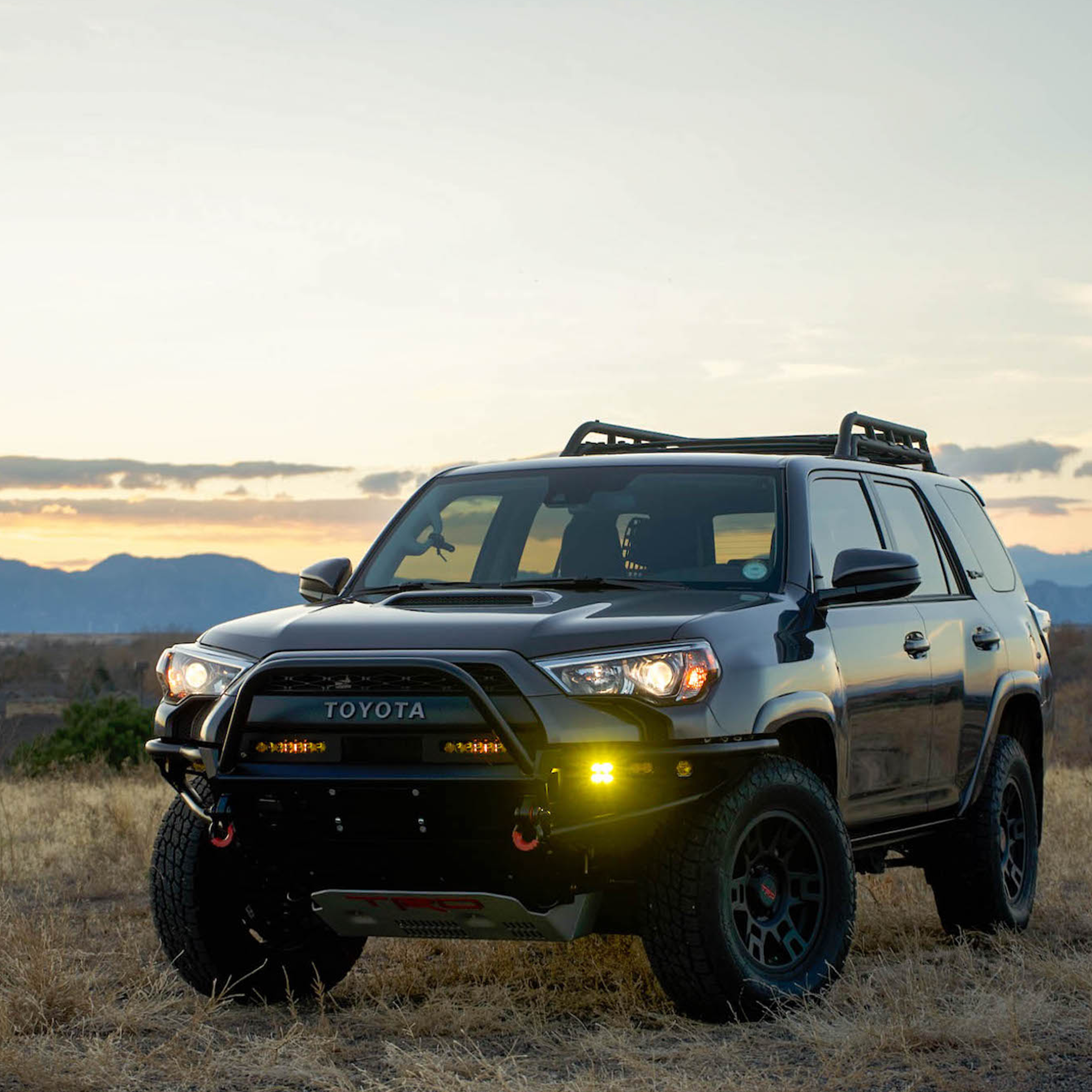
Whether it's a Tacoma, 4Runner, Tundra, FJ Cruiser, or GX Series, moving from factory tires to 33s or 35s is often the first major step toward a more capable off-road build. The benefits are easy to understand. Larger tires improve ground clearance, provide more traction, and generally make the vehicle look and feel more trail-ready.
What many owners don't realize is that bigger tires also expose weaknesses elsewhere in the build.
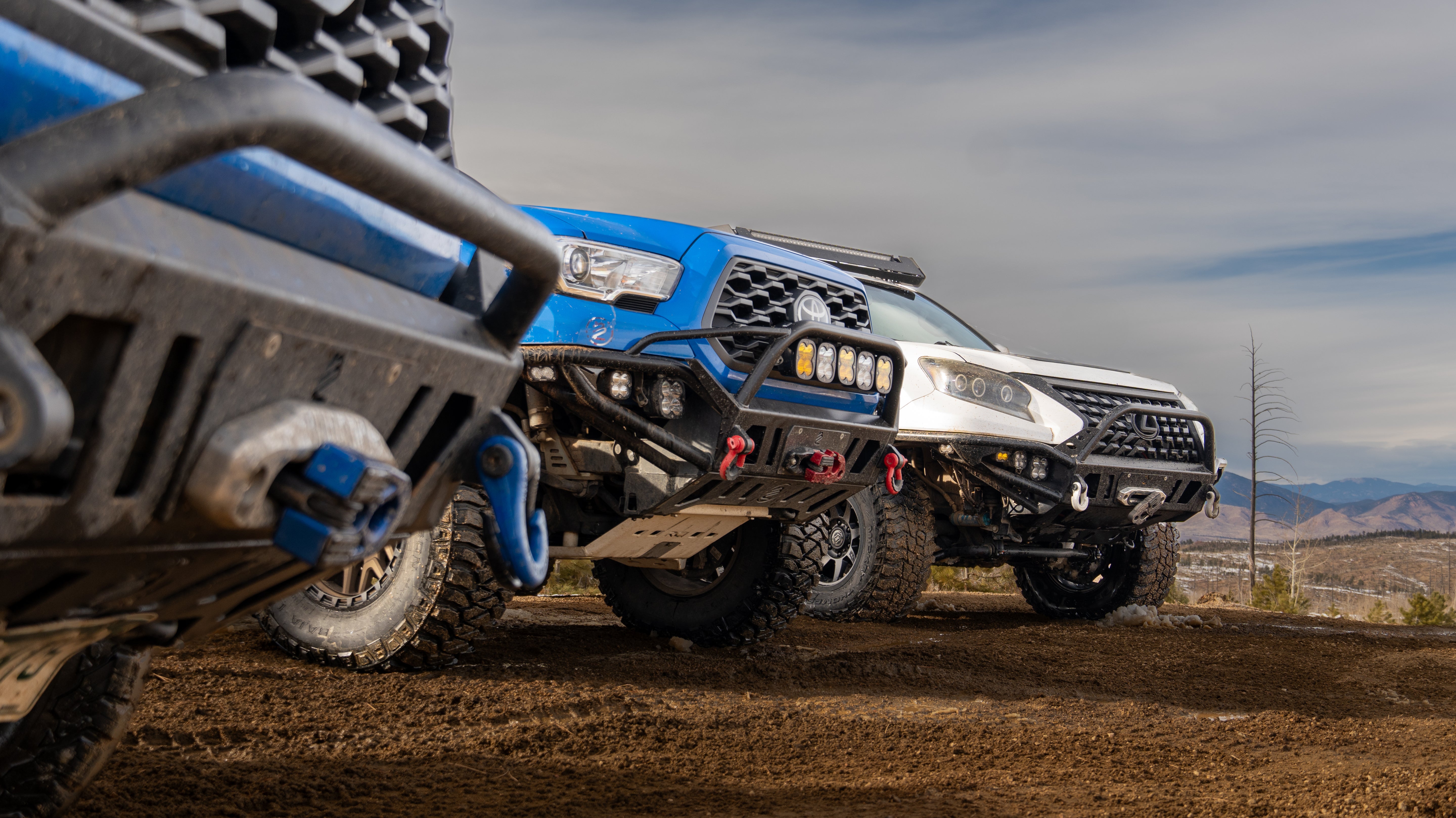
A vehicle that felt capable on stock tires can suddenly find itself limited by approach angle, recovery capability, suspension performance, or front-end protection. In many cases, upgrading tire size is the point where the stock front bumper stops being adequate for how the vehicle is actually being used.
That's because tires don't operate in isolation. As capability increases, the demands placed on the rest of the vehicle increase as well.

Why Bigger Tires Are So Popular
There's a reason larger tires are one of the most common upgrades in the Toyota off-road community.
They offer several immediate advantages:
-
Increased ground clearance
-
Improved traction on loose surfaces
-
Better obstacle rollover capability
-
Enhanced appearance
-
Greater confidence on rough terrain
A larger tire effectively raises the axle higher off the ground, which helps reduce contact with rocks, ruts, and uneven terrain.
For many drivers, that additional clearance alone makes the upgrade worthwhile.
However, increased capability often encourages drivers to attempt more challenging trails. That's where other limitations begin to surface.
Are bigger tires always better off-road?
Bigger tires generally improve capability, but they can also create new challenges involving clearance, weight, gearing, and vehicle setup.
The Stock Bumper Starts Showing Its Limits
One of the first things many owners notice after upgrading tires is that the vehicle becomes capable of reaching obstacles it previously avoided.
That's a good thing—until the front bumper becomes the part making contact.
Factory bumpers are designed around several priorities:
-
Cost efficiency
-
Fuel economy
-
Crash regulations
-
Styling
-
Everyday drivability
Off-road performance is only one piece of that equation.
As a result, stock bumpers often feature:
-
Larger overhangs
-
Lower front edges
-
Plastic components
-
Limited recovery capability
When a vehicle begins tackling steeper terrain, those compromises become more apparent.
The tires may clear an obstacle, but the bumper often becomes the next point of contact.
Tire Size Doesn't Automatically Improve Approach Angle
This is one of the biggest misconceptions in off-roading.
Many people assume that larger tires automatically solve approach angle issues. While bigger tires help, they don't completely change the geometry of the front end.
Approach angle is determined by the relationship between:
-
Tire size
-
Front overhang
-
Bumper design
-
Vehicle ride height
Larger tires raise the vehicle, but if the bumper still extends forward and downward, it can continue to limit how steep an obstacle the vehicle can approach.
This is why experienced builders often upgrade tires and bumpers together rather than treating them as separate modifications.
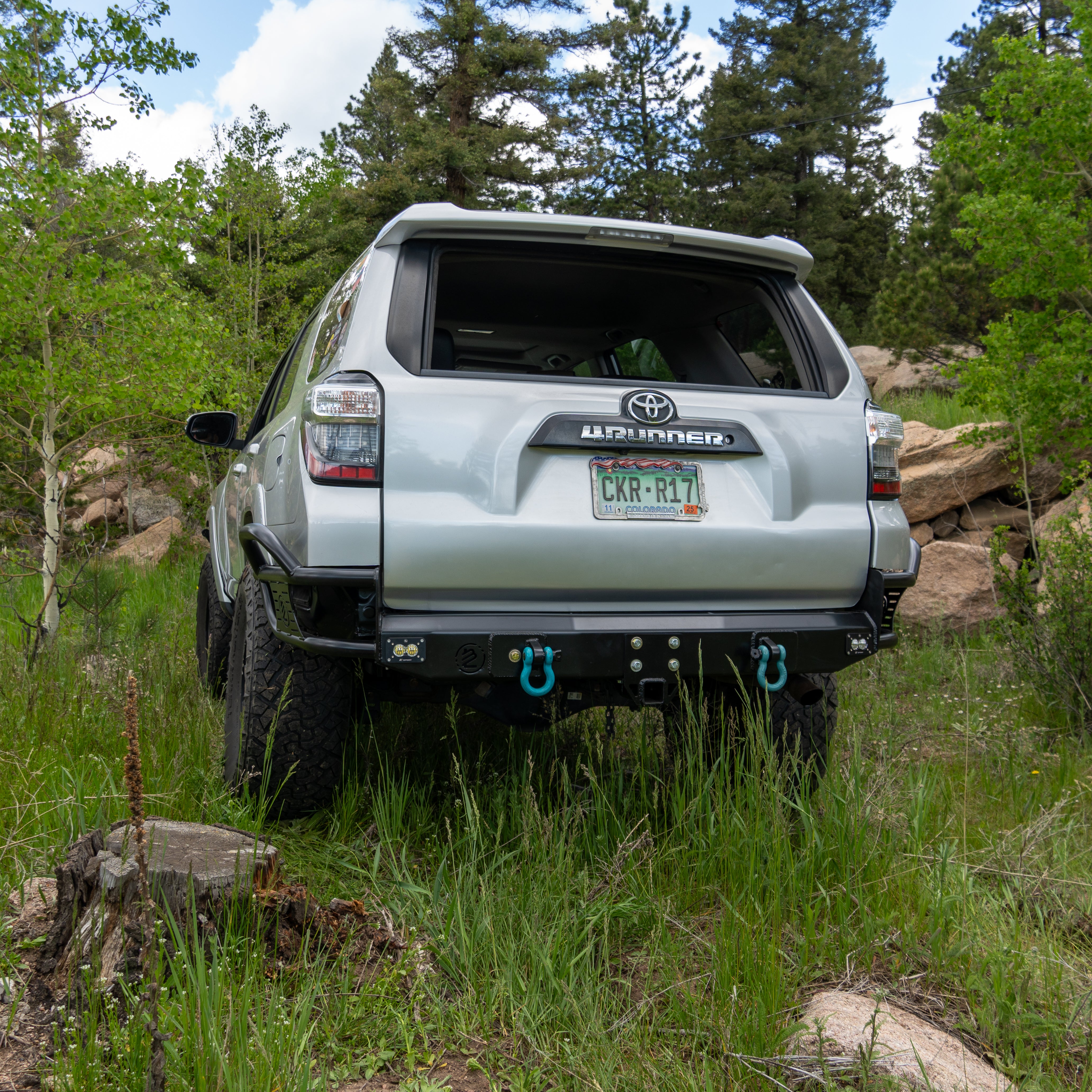
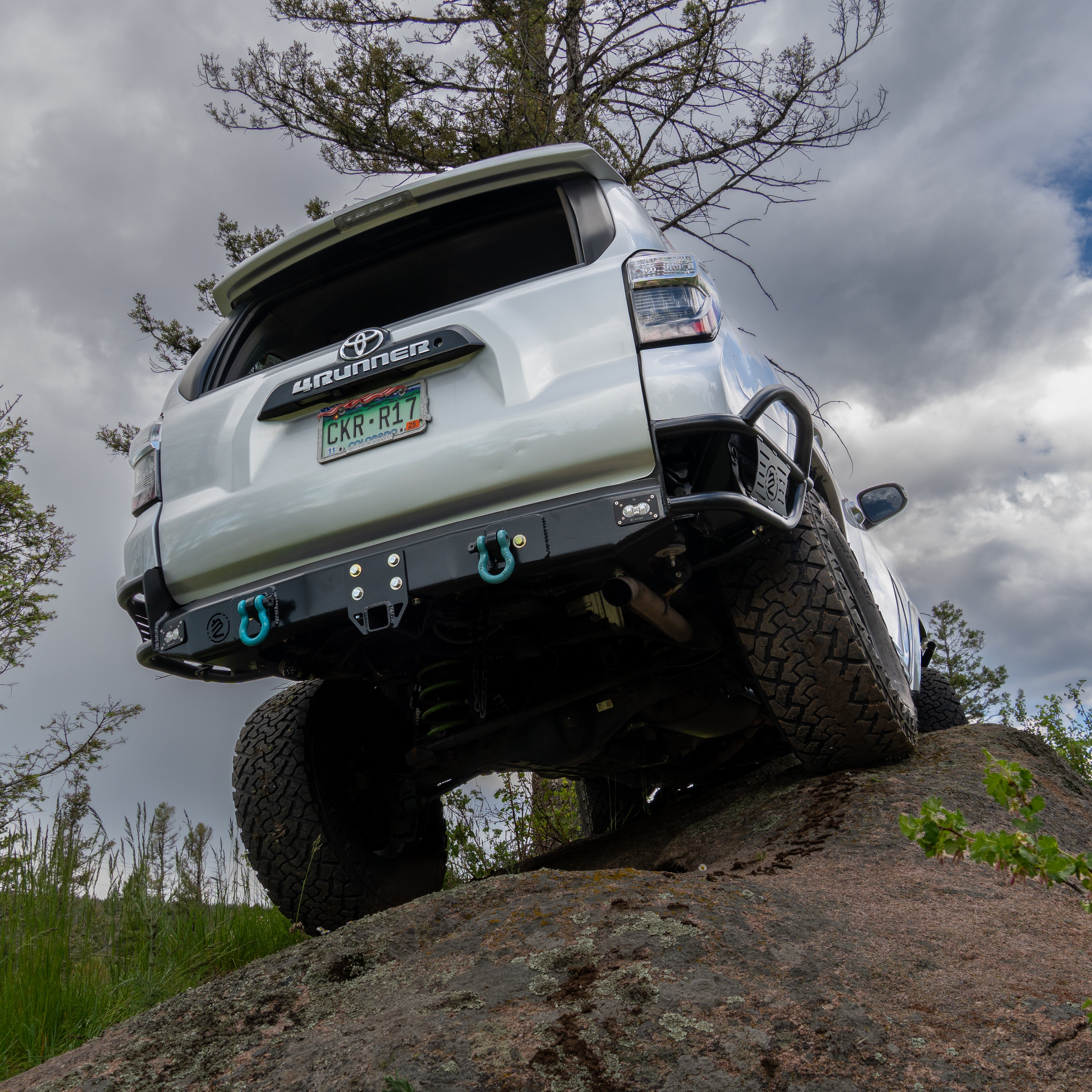
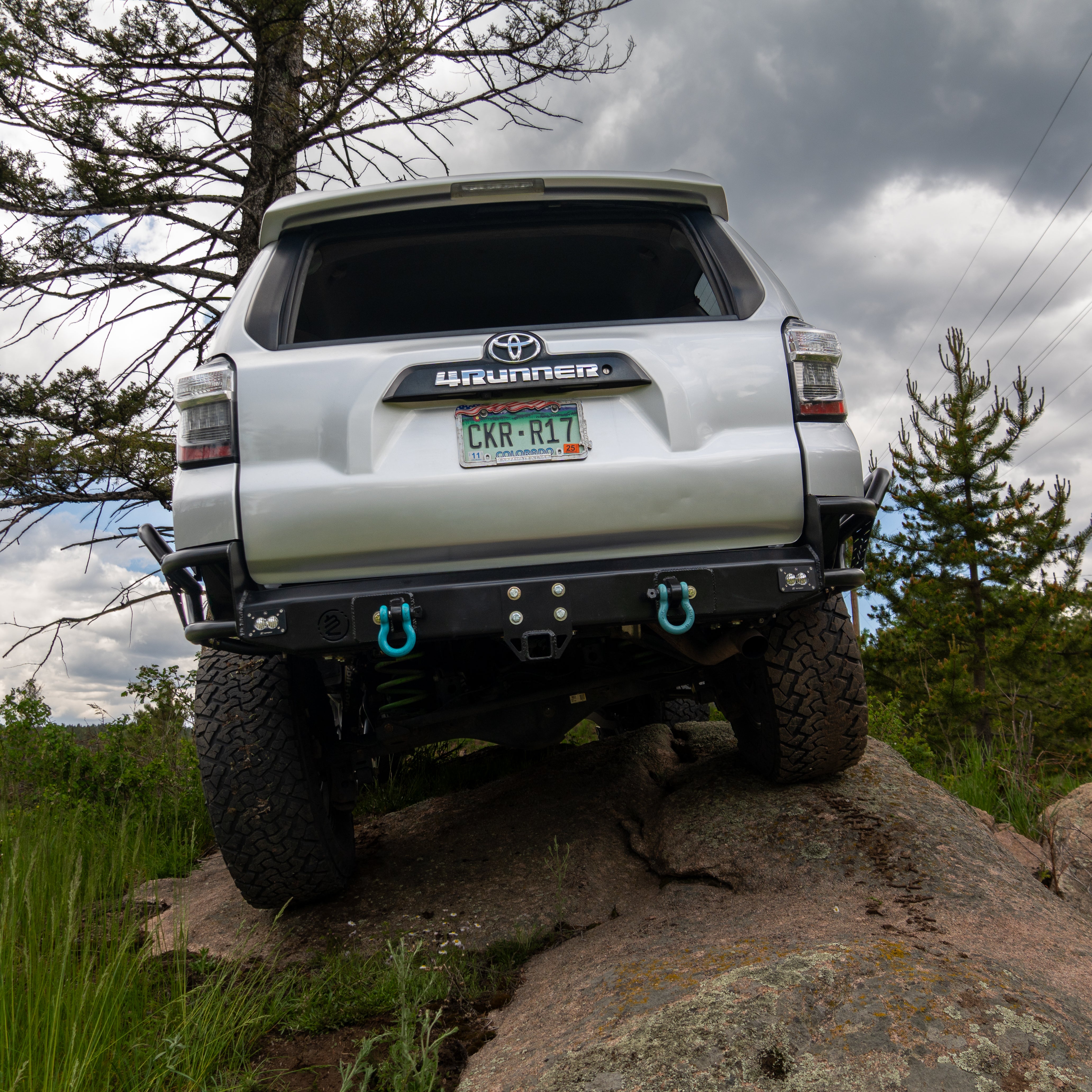
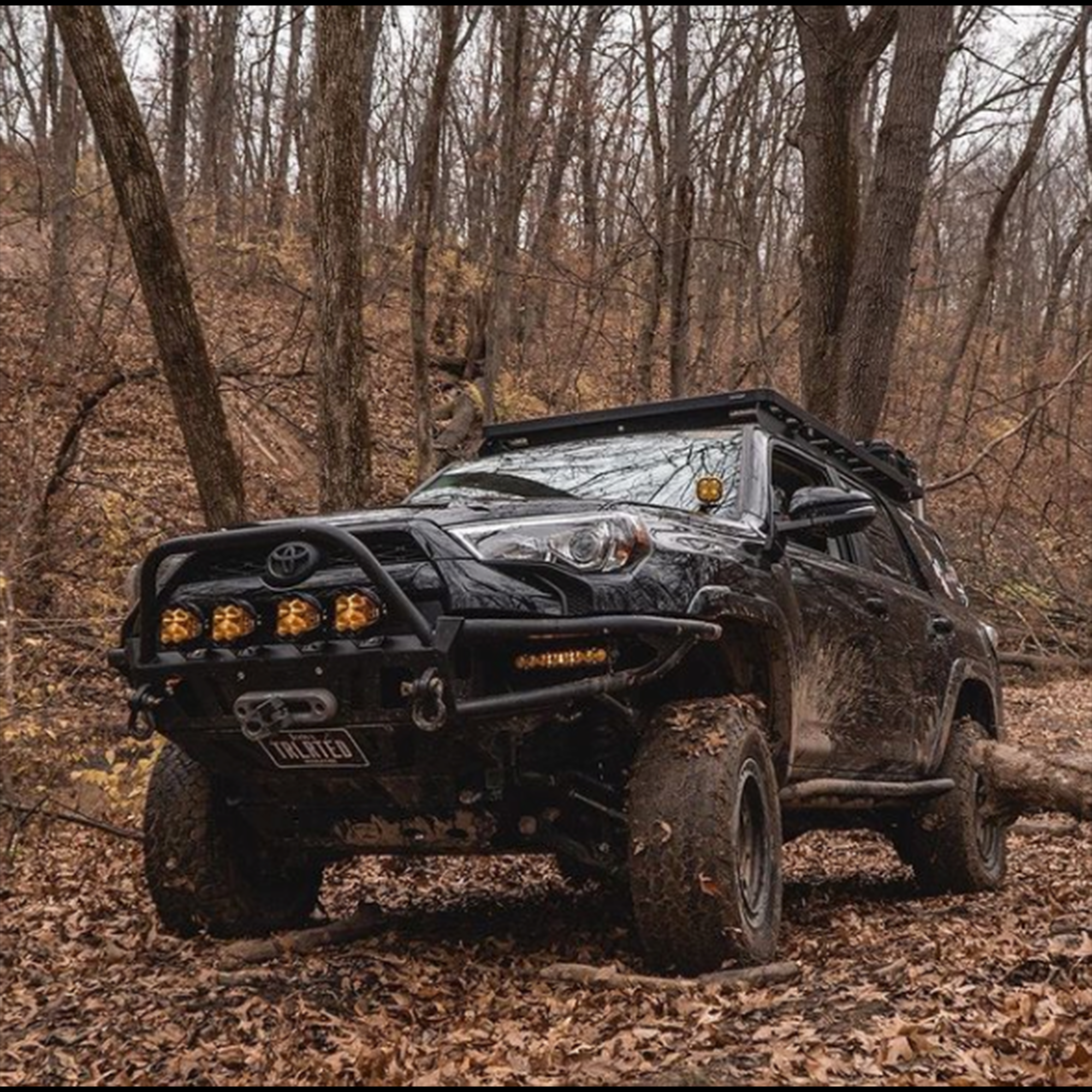
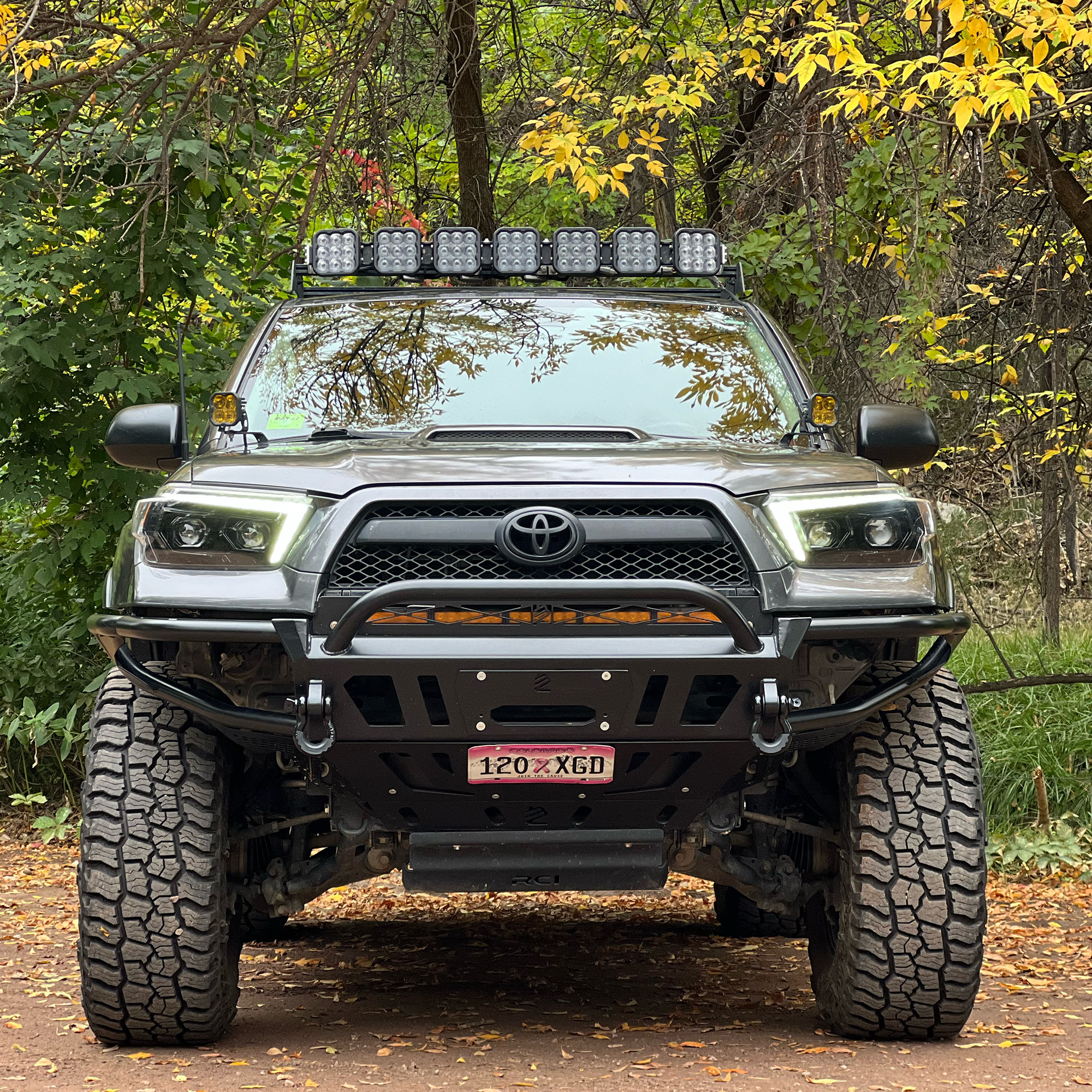
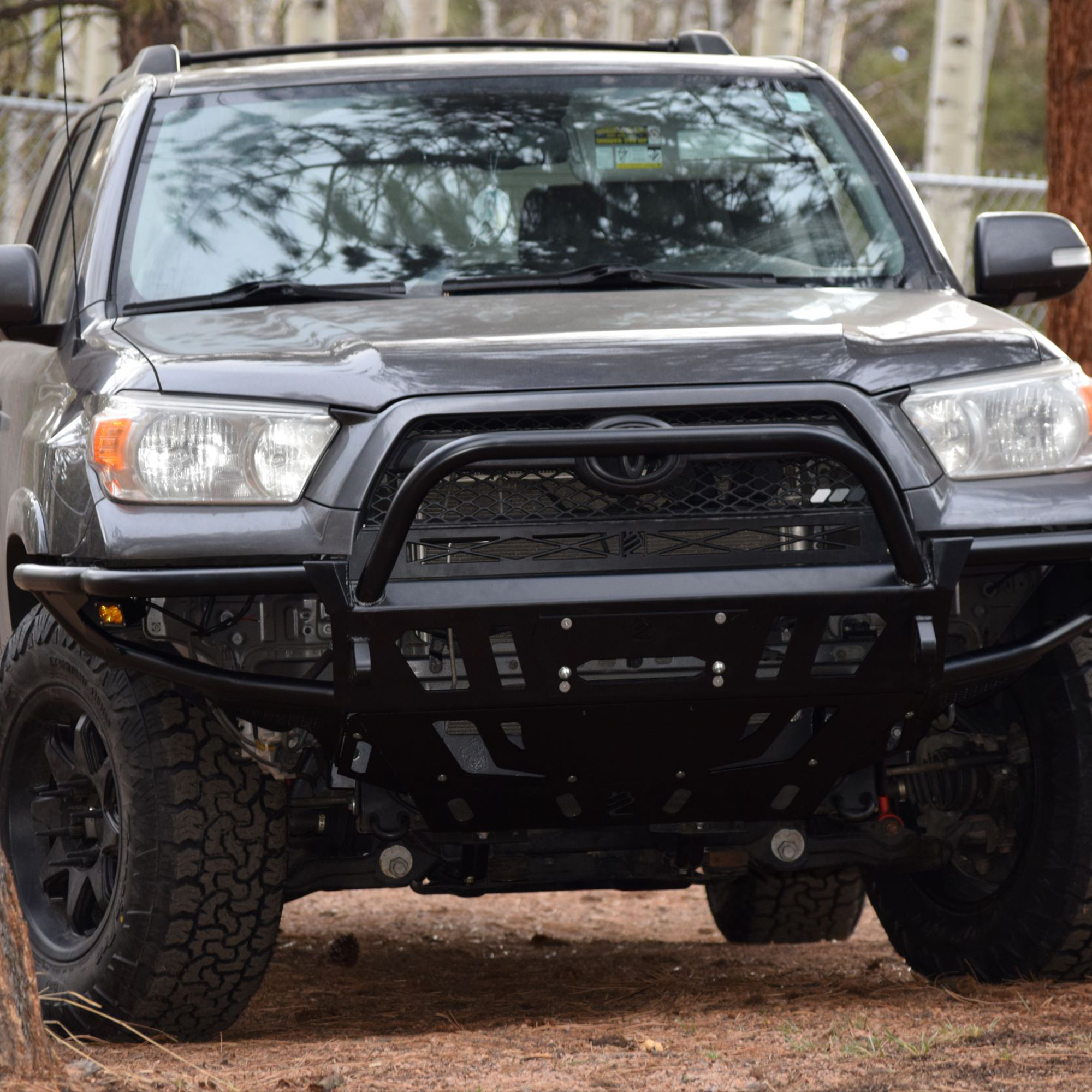
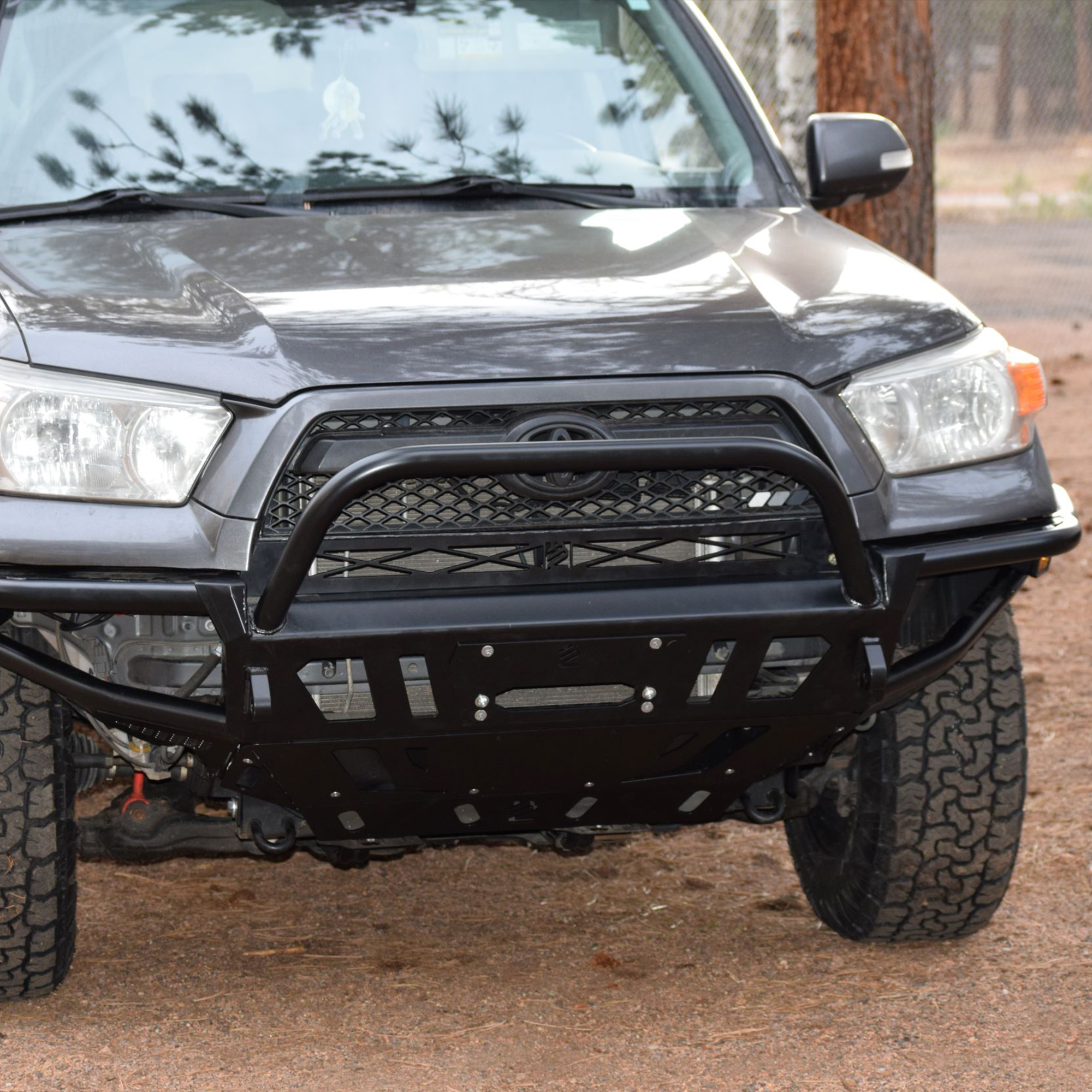
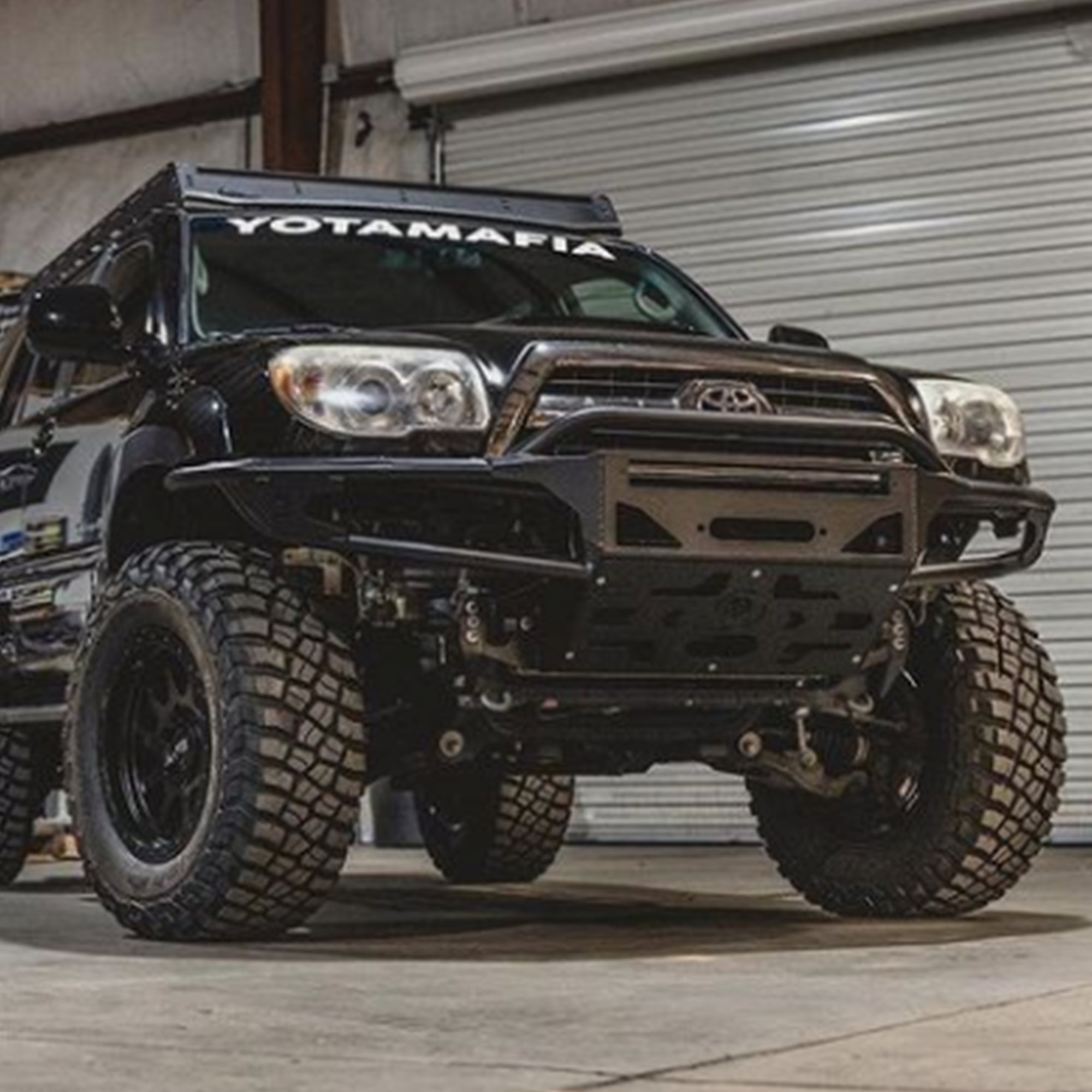
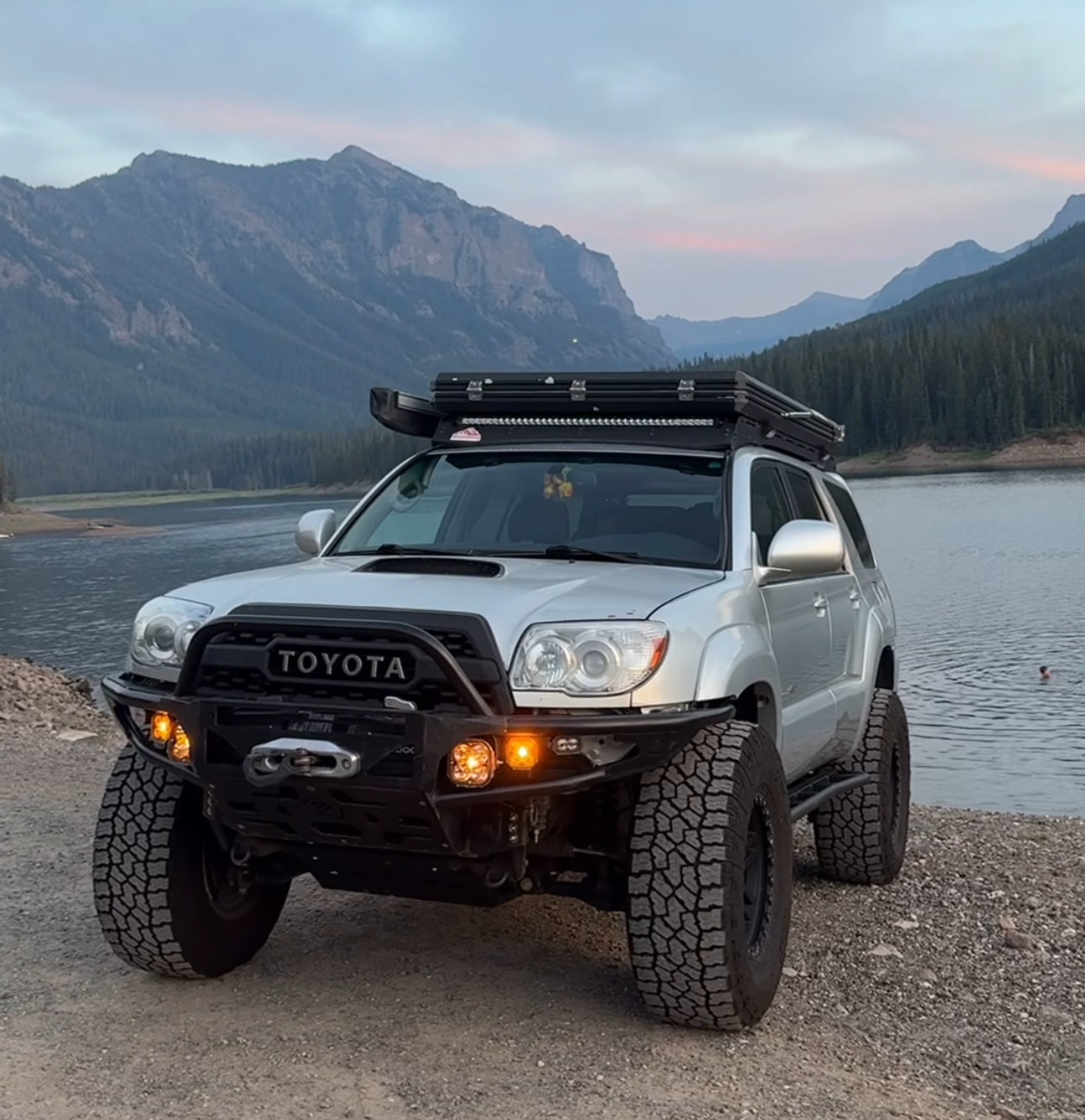
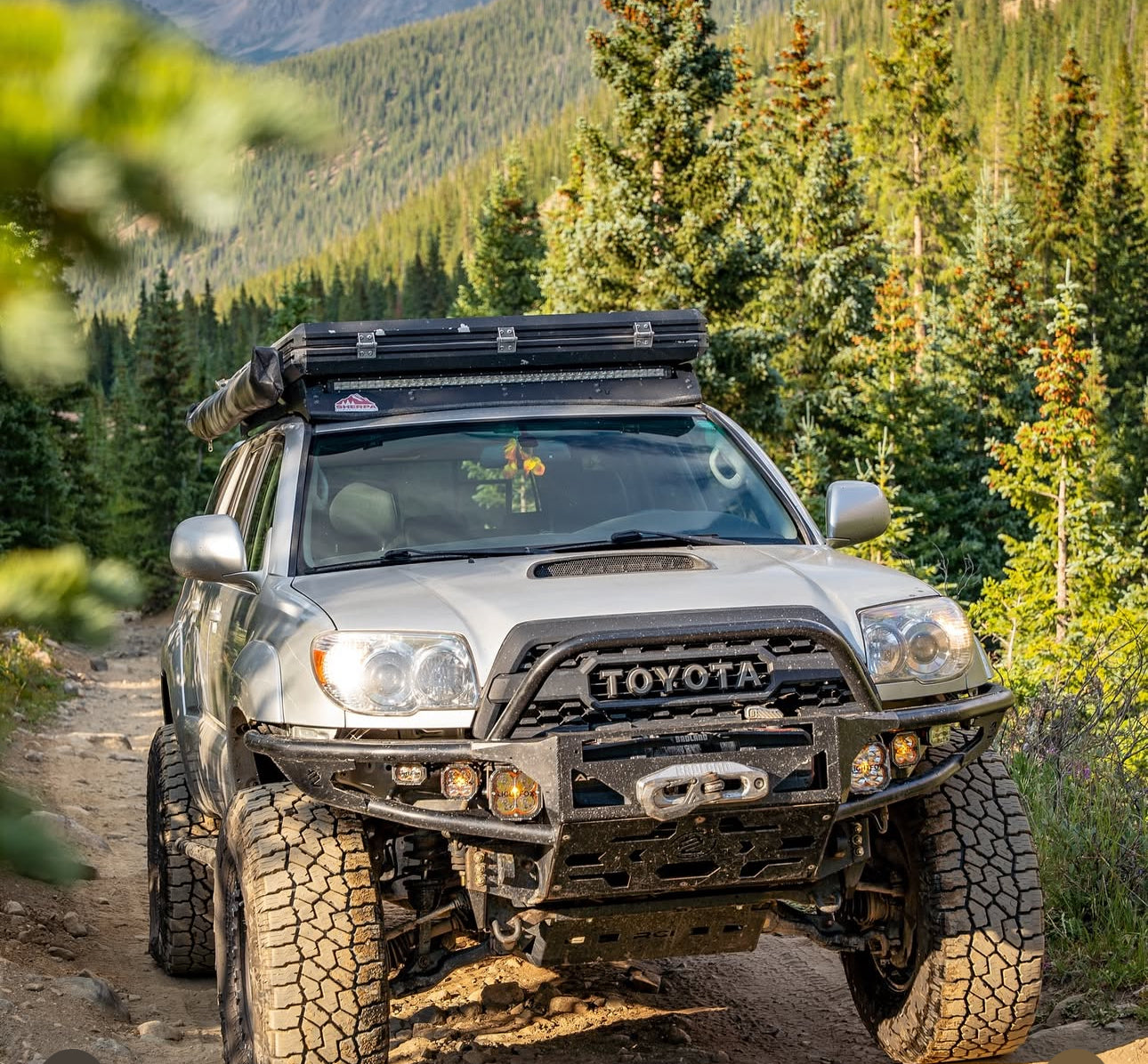
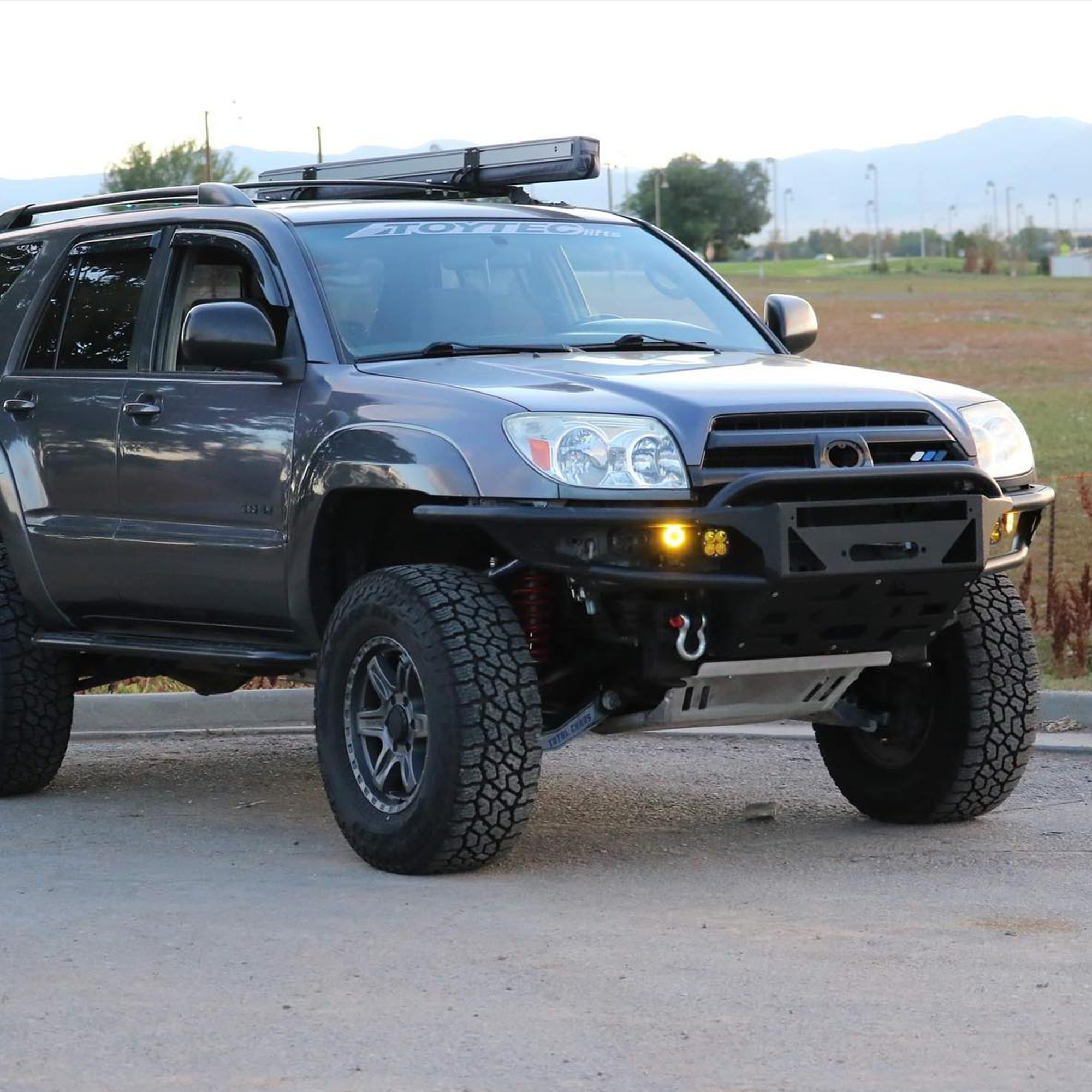
A high-clearance bumper allows the vehicle to fully take advantage of the capability larger tires provide.
Bigger Tires Encourage Bigger Adventures
Most Toyota owners don't install 35-inch tires just to drive to the grocery store.
Larger tires often lead to:
-
More difficult trails
-
Longer trips
-
Remote destinations
-
Increased confidence behind the wheel
Those adventures introduce new variables.
A trail that once seemed intimidating suddenly feels manageable. Obstacles become less concerning. Drivers naturally start exploring terrain that places greater demands on the vehicle.
As capability increases, so does the likelihood of needing:
-
Better protection
-
More durable recovery points
-
Winch capability
-
Improved approach angles
The build begins evolving beyond tire size alone.
Why do larger tires often lead to bumper upgrades?
Because larger tires increase vehicle capability, which exposes limitations in clearance, protection, and recovery systems.
Recovery Becomes More Important
An interesting side effect of bigger tires is that they often encourage drivers to tackle terrain where recovery becomes more relevant.
While larger tires improve traction and clearance, they don't eliminate the possibility of getting stuck.
In fact, many builds become heavier over time as owners add:
-
Larger tires
-
Additional armor
-
Camping equipment
-
Recovery gear
-
Roof racks
Heavier vehicles create greater recovery loads.
This is where recovery-ready bumpers become increasingly important.
A properly designed bumper can support:
-
Integrated recovery points
-
Winch installation
-
Load distribution during recovery operations
As the build becomes more capable, recovery systems transition from optional upgrades to essential equipment.
Bigger Tires Often Mean Bigger Suspension Considerations
Most conversations about larger tires focus on clearance.
But tire size also affects how the suspension behaves.
Adding larger tires changes:
-
Unsprung weight
-
Steering feel
-
Braking characteristics
-
Suspension loading
Many owners eventually combine larger tires with:
-
Lift kits
-
Heavier springs
-
Upgraded shocks
At the same time, front bumpers and winches introduce additional weight to the front axle.
This is why experienced builders increasingly view tires, suspension, and bumpers as parts of a single system rather than separate upgrades.
When these components work together, the vehicle feels balanced and predictable.
When they don't, compromises become noticeable both on and off the trail.
Modern Toyota Platforms Add New Variables
Today's Toyota platforms are more complex than ever.
Vehicles such as the newer Tacoma, Tundra, and GX 550 include advanced technology that previous generations didn't have to consider.
These systems include:
-
Toyota Safety Sense (TSS)
-
Adaptive cruise control
-
Parking sensors
-
Cameras
-
Advanced cooling systems
Larger tires often lead owners toward more aggressive bumper designs, but modern vehicles require careful integration.
A quality bumper needs to:
-
Maintain sensor functionality
-
Preserve airflow
-
Support recovery equipment
-
Improve clearance
without negatively affecting the vehicle's factory systems.
This level of integration has become increasingly important as Toyota platforms continue evolving.
Can larger tires affect TSS-equipped vehicles?
Not directly, but larger tires often lead to other modifications that need to be carefully integrated with modern vehicle systems.
Common Mistakes After Installing Bigger Tires
The excitement of moving to larger tires sometimes causes owners to overlook the bigger picture.
Some common mistakes include:
Focusing Only on Tire Size
Bigger tires improve capability, but they don't address protection, recovery, or bumper clearance.
Ignoring Approach Angle
Many vehicles gain ground clearance while still being limited by bumper geometry.
Overlooking Recovery Planning
More capable vehicles often end up on more challenging terrain, where recovery becomes more important.
Forgetting About Weight
Tires, bumpers, winches, and accessories all add weight that affects suspension performance.
Treating Upgrades Independently
The most effective builds consider how tires, suspension, armor, and recovery systems interact.
What Experienced Toyota Builders Learn
Spend enough time around experienced Toyota enthusiasts and you'll notice a pattern.
Few of them talk about individual modifications in isolation.
Instead, they discuss how components work together.
A larger tire isn't just a tire upgrade.
It's often the beginning of conversations about:
-
Front bumper clearance
-
Suspension tuning
-
Recovery systems
-
Weight distribution
-
Vehicle geometry
That's because every modification influences the others.
The best-performing builds aren't necessarily the ones with the largest tires or the most expensive components. They're the ones where each part supports the overall goal of the vehicle.
Where Lil B's Fits Into the Equation
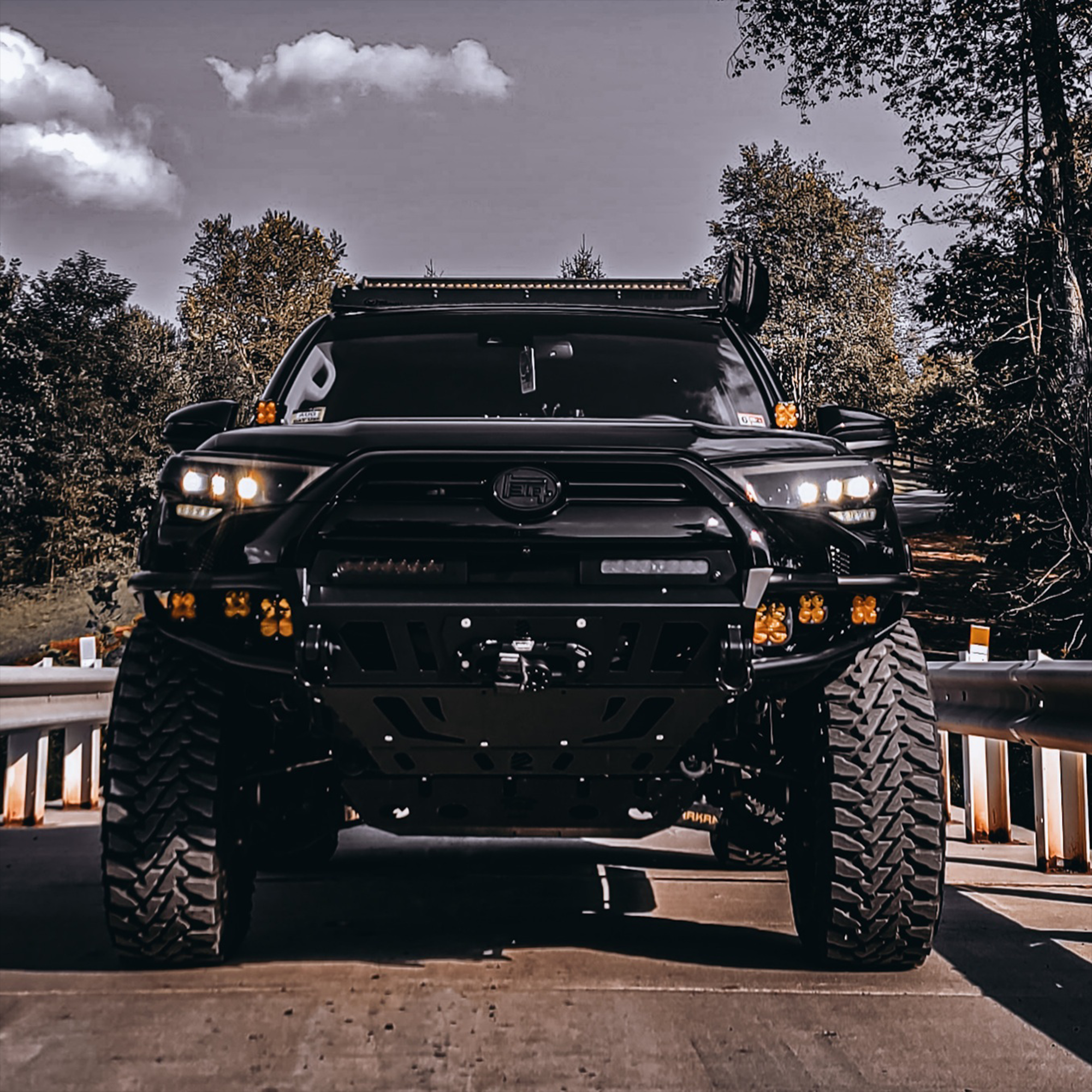
At Lil B's Custom Fabrication, front bumpers are designed with the understanding that they are part of a larger build system.
That means considering:
-
Real-world approach angles
-
Recovery integration
-
Weight distribution
-
Modern Toyota platform compatibility
-
Functional off-road performance
Because once a vehicle moves beyond stock tires, the demands placed on the front end change dramatically.
A bumper should help unlock that additional capability—not become the next limitation.
Conclusion: Bigger Tires Are Often the Beginning, Not the End
Moving to 33-inch or 35-inch tires is one of the most impactful upgrades a Toyota owner can make.
But larger tires rarely exist in isolation.
They influence how the vehicle approaches obstacles, how it recovers from difficult situations, and how the rest of the build performs under load.
For many Toyota owners, bigger tires are the modification that reveals what's next.
And more often than not, what's next is making sure the front bumper is capable of supporting the adventures those larger tires make possible.
Share:
TSS-Compatible Front Bumpers: What Modern Toyota Owners Need to Know
Why Factory Recovery Points Aren't Enough for Serious Off-Roading