

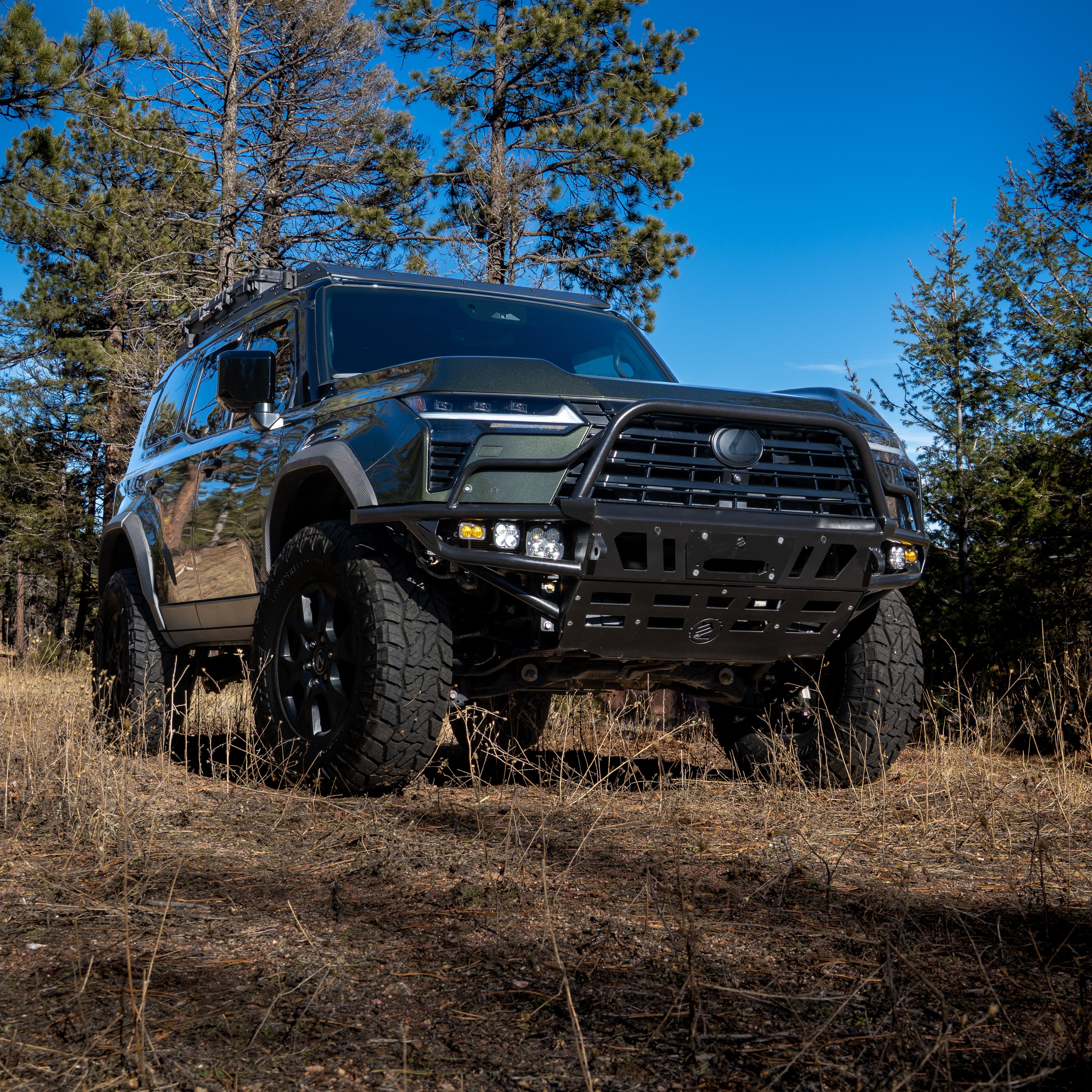
Off-Road Capability Can’t Ignore Modern Systems
For years, upgrading a front bumper was mostly a mechanical decision. You added protection, improved clearance, mounted recovery gear, and hit the trail.
Modern Toyota platforms changed that.
Vehicles like the newer Tacoma, Tundra, and GX Series now rely heavily on advanced driver assistance systems, especially Toyota Safety Sense (TSS). Radar cruise control, lane assist, collision mitigation, parking sensors, and front-facing cameras all depend on precise sensor placement and unobstructed signal paths.
That means front bumper design is no longer just about steel, clearance, and recovery points. It’s also about how the bumper interacts with the vehicle’s electronics and safety systems.
And if that integration is overlooked, problems can appear quickly.

What Toyota Safety Sense Actually Uses
One reason TSS compatibility gets misunderstood is because many people think it’s a single system.
It isn’t.
Toyota Safety Sense combines several technologies working together through multiple sensors and cameras located around the vehicle.
Depending on the platform, this may include:
-
Front radar sensors
-
Cameras mounted near the windshield or grille
-
Parking sensors integrated into the bumper
-
Adaptive cruise control systems
-
Collision detection systems
The front bumper directly affects many of these components, especially radar and parking sensors.
Can an aftermarket bumper interfere with Toyota Safety Sense?
Yes—improper design or sensor placement can affect radar performance and other safety features.
Why Sensor Placement Matters So Much
Radar systems are extremely sensitive to obstruction and angle.
Even small changes in:
-
Sensor position
-
Mounting depth
-
Material placement
-
Surrounding geometry
can interfere with how the system reads the environment.
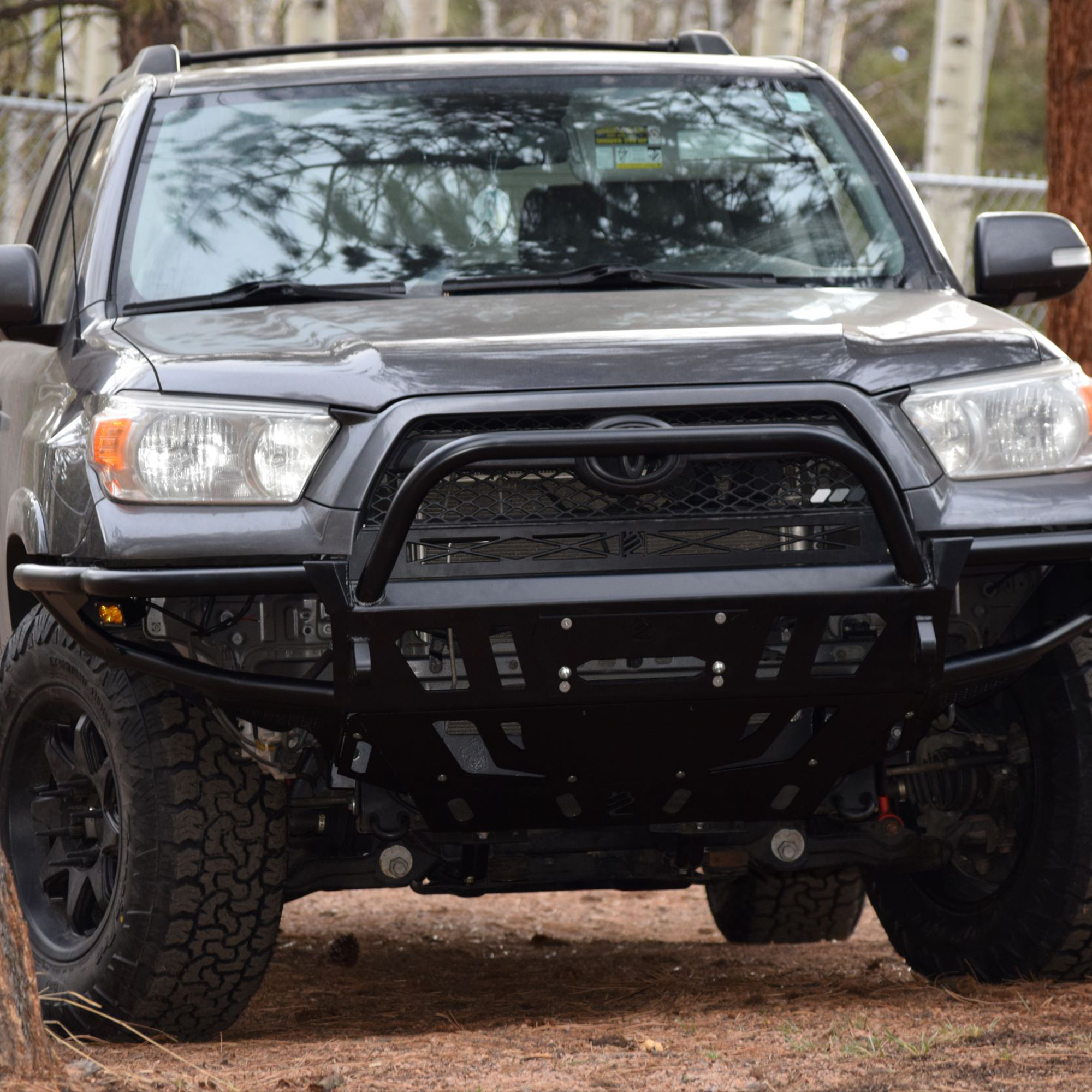
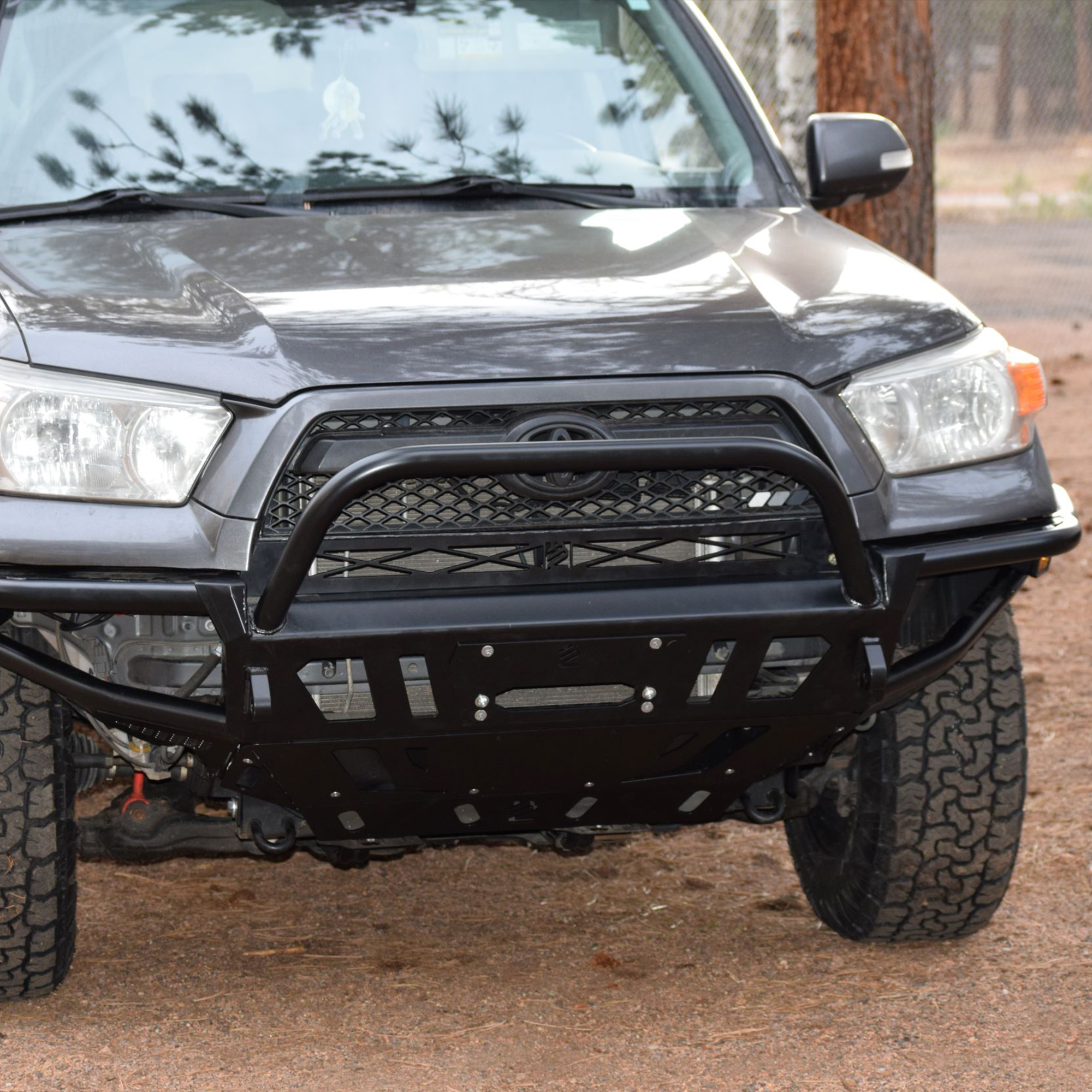
This is one reason why simply “making space” for sensors isn’t enough. The bumper has to preserve the sensor’s intended function, not just physically accommodate it.
On modern Toyota vehicles, especially the GX 550 and newer Tundra platforms, this precision becomes even more important due to tighter tolerances and more integrated electronics.
The Problem With Generic Bumper Designs
A common issue in the aftermarket world is adapting older bumper philosophies to newer vehicles.
Some designs prioritize:
-
Aggressive appearance
-
Maximum steel coverage
-
Oversized center sections
without fully considering how those choices affect radar operation or airflow.
The result can include:
-
Adaptive cruise malfunction warnings
-
Reduced radar consistency
-
Sensor calibration issues
-
Intermittent system errors
In some cases, problems don’t appear immediately. They may only show up under specific weather, lighting, or driving conditions.
Why do some aftermarket bumpers trigger TSS errors?
Because radar systems require precise positioning and unobstructed signal paths to function correctly.
Material Choice and Radar Performance
One detail many people overlook is how different materials interact with radar systems.
Metal placement near radar sensors can influence signal behavior depending on:
-
Thickness
-
Positioning
-
Sensor distance
-
Mounting structure
This doesn’t mean steel bumpers can’t be TSS compatible. It means the design has to account for how the radar system operates within the front-end structure.
Proper integration involves much more than simply cutting a hole for the sensor.
Airflow and Electronics Are Connected
Modern Toyota trucks and SUVs rely heavily on thermal management systems. Sensors, cameras, and electronic systems all operate best within specific temperature ranges.
A poorly designed bumper can restrict airflow to:
-
Radiators
-
Intercoolers
-
Electronic components
This becomes especially important during:
-
Slow technical driving
-
High ambient temperatures
-
Long climbs
-
Towing situations
A TSS-compatible bumper needs to balance protection with airflow, ensuring the vehicle’s systems continue operating consistently under load.
Why Modern Off-Road Builds Need Better Integration
Modern Toyota owners expect more from their vehicles than previous generations did.
Today’s builds are expected to:
-
Handle technical trails
-
Maintain factory-like drivability
-
Retain safety functionality
-
Support recovery and overland equipment
That combination changes what “good bumper design” actually means.
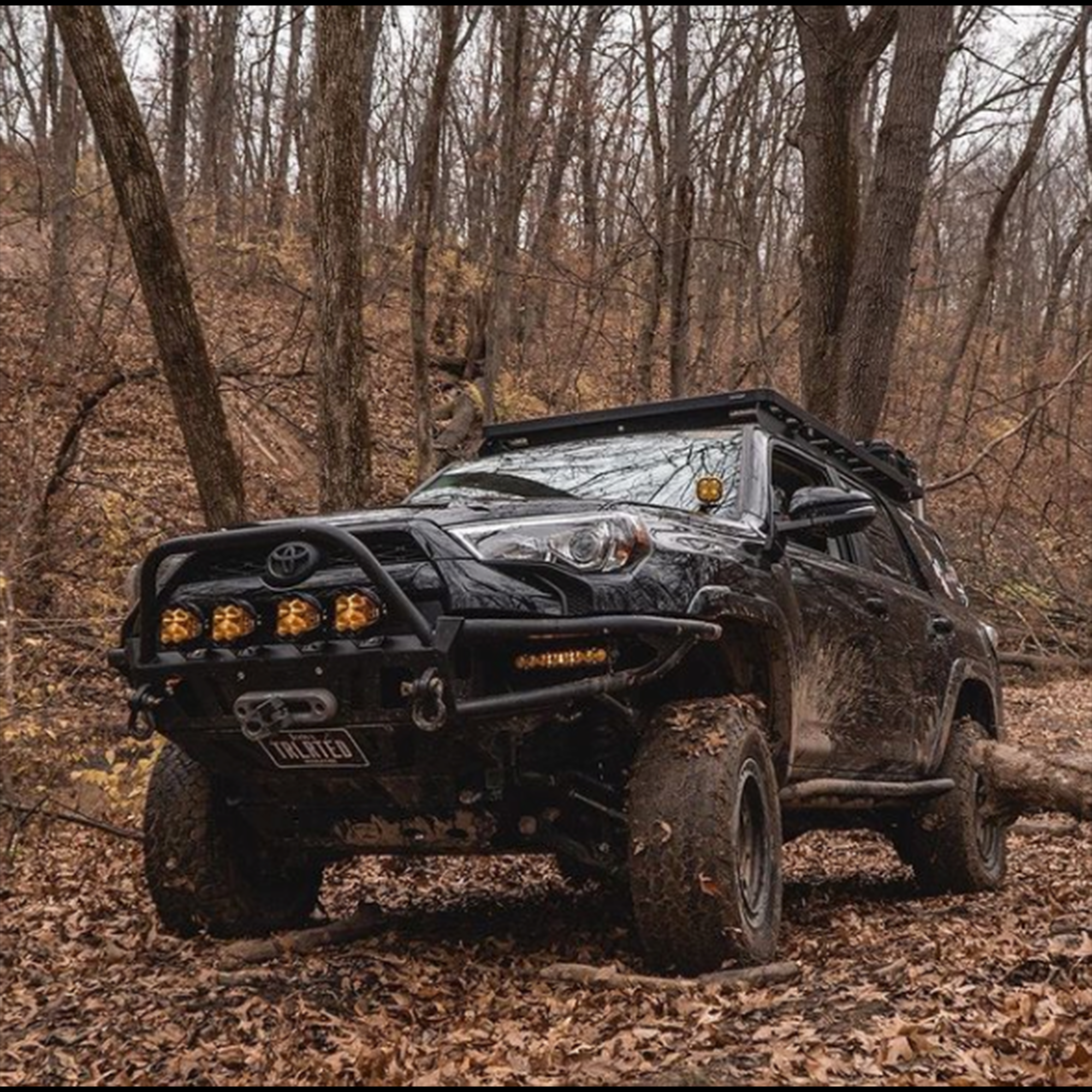
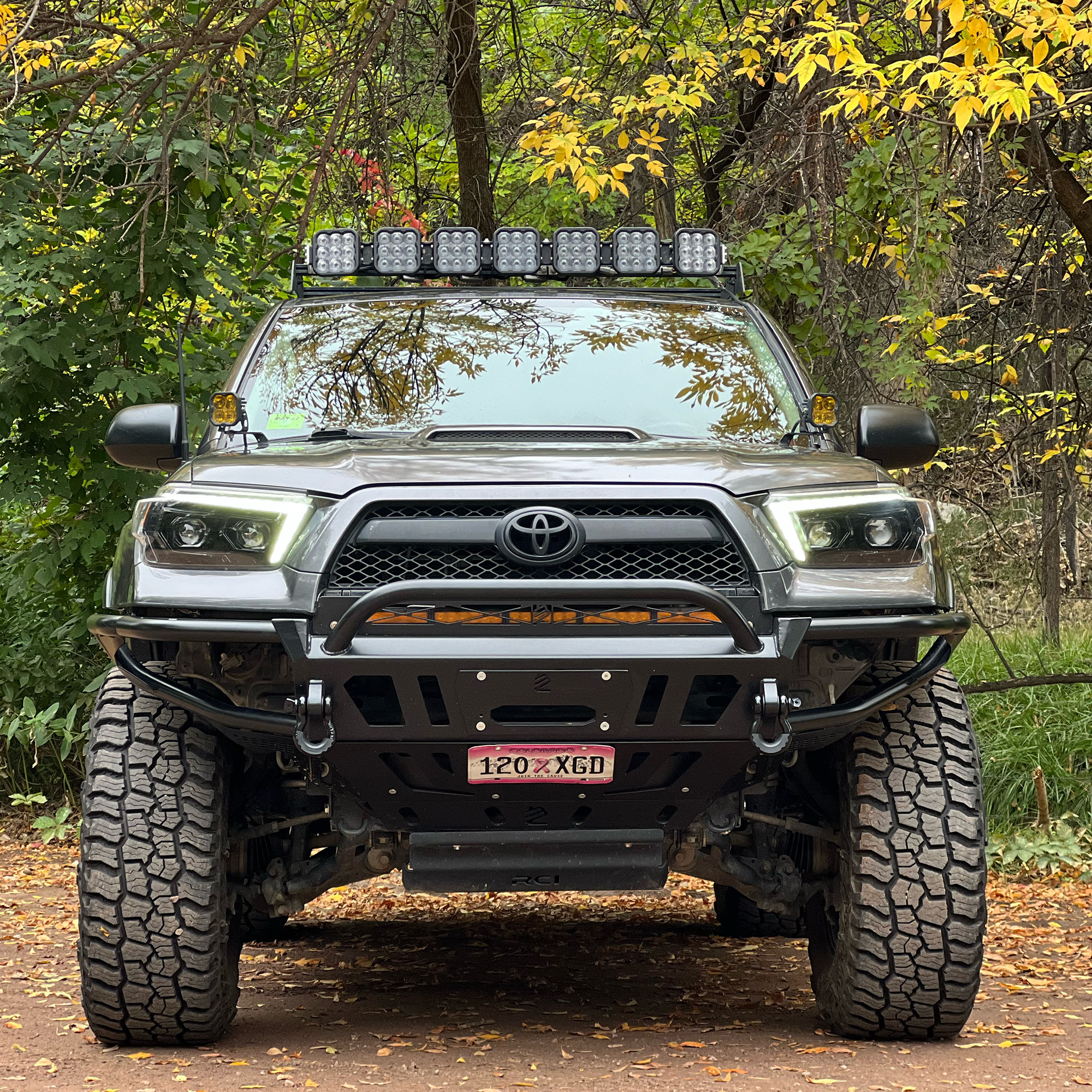
A modern bumper has to function as part of the vehicle’s larger system rather than as an isolated piece of armor.
Can a bumper still be off-road capable while retaining TSS?
Yes—when designed correctly, a bumper can support recovery, clearance, and protection without compromising safety systems.
Clearance vs Sensor Visibility
One challenge in TSS-compatible bumper design is balancing high clearance with proper sensor visibility.
Improving approach angle often involves:
-
Tightening bumper geometry
-
Raising lower edges
-
Reducing front overhang
But sensors still need:
-
Proper forward visibility
-
Correct mounting angle
-
Consistent signal paths
This creates a more complex design problem than older off-road platforms ever required.
The best solutions integrate both priorities instead of sacrificing one for the other.
Recovery Design Still Matters
TSS compatibility doesn’t reduce the importance of recovery performance.
A front bumper still needs to support:
-
Winch loads
-
Recovery points
-
Trail impacts
-
Structural durability
The challenge is integrating these capabilities without interfering with modern electronics.
That’s where precision engineering matters most.
Why Fitment Standards Are Higher on TSS Vehicles
On older platforms, small alignment imperfections were often mostly cosmetic.
Modern vehicles are far less forgiving.
Improper fitment can affect:
-
Sensor alignment
-
Radar consistency
-
Airflow behavior
-
Long-term vibration and mounting stress
This is one reason many modern bumper designs rely heavily on:
-
CAD development
-
Test fitting on real vehicles
-
Precise mounting geometry
Fitment is now directly tied to system performance.
Is fitment more important on TSS-equipped vehicles?
Yes—small alignment issues can affect both appearance and system functionality.
Where Lil B’s Approach Fits In
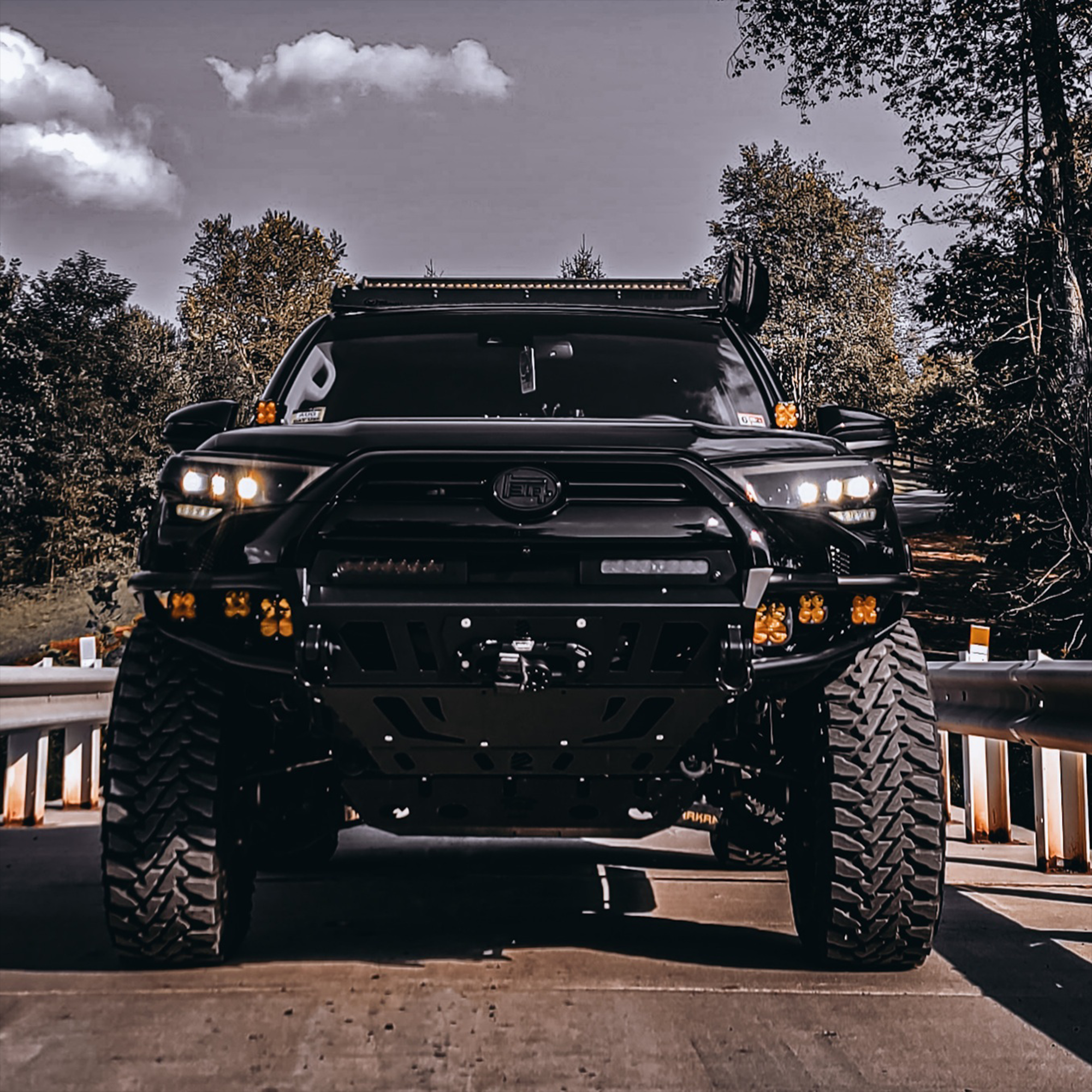
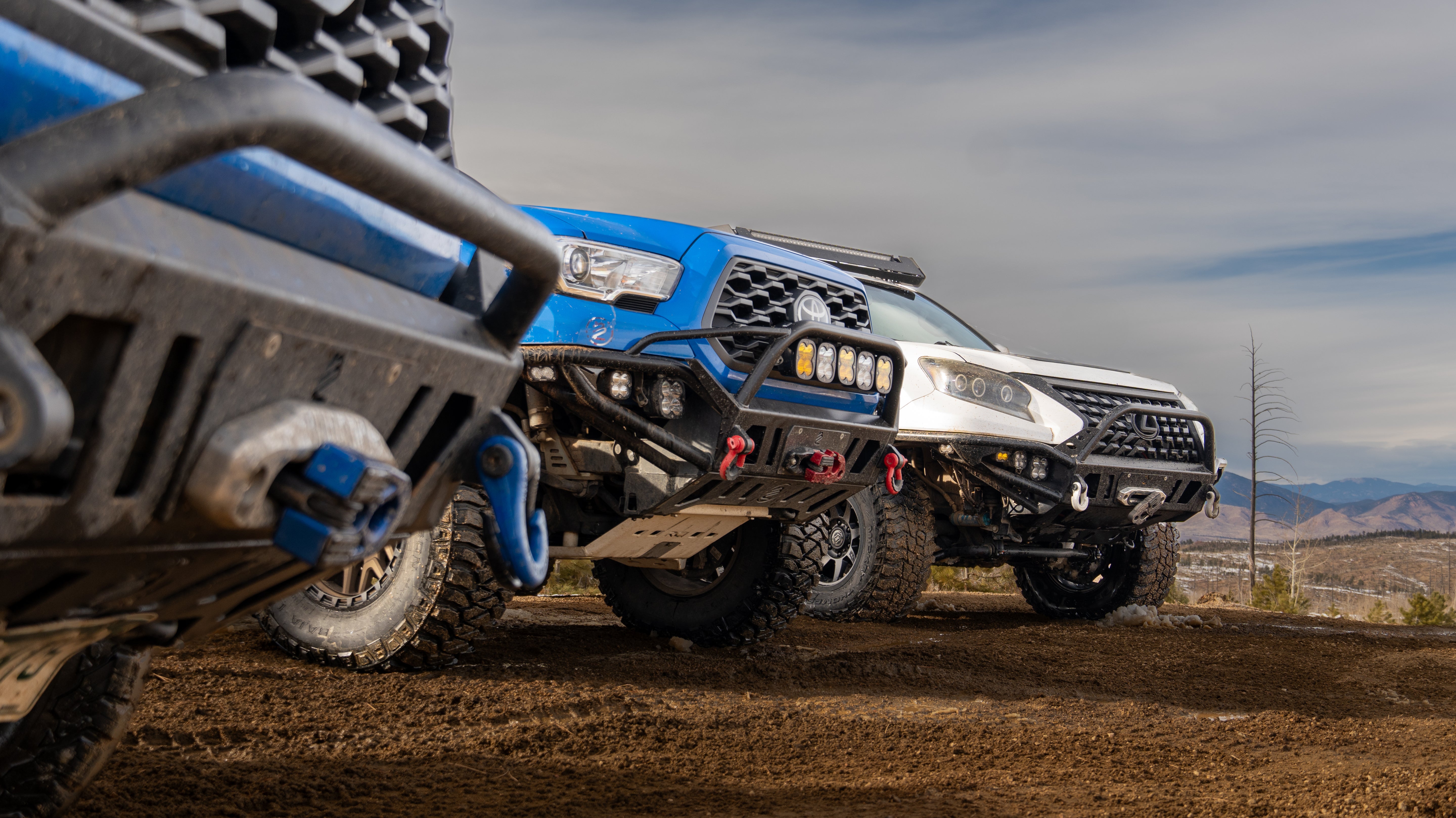
At Lil B’s Custom Fabrication, modern bumper design starts with understanding the vehicle as a complete system.
That means considering:
-
Toyota Safety Sense compatibility
-
Recovery performance
-
Weight distribution
-
Airflow and cooling
-
Functional clearance
Rather than treating safety systems as obstacles to work around, the goal is to integrate them cleanly into a bumper that still performs in real off-road conditions.
Because on modern Toyota platforms, capability and technology now have to coexist.
Conclusion: Modern Capability Requires Modern Integration
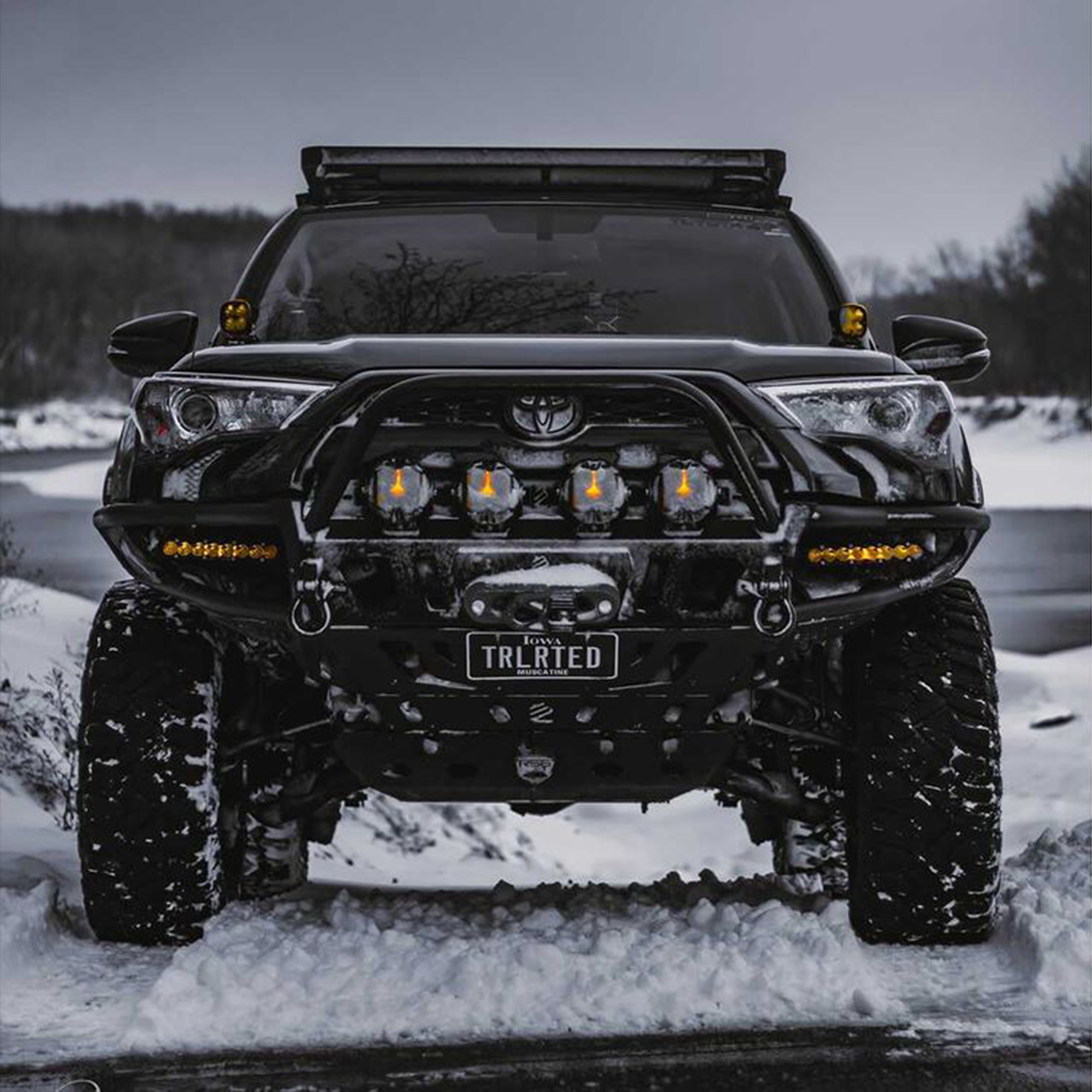
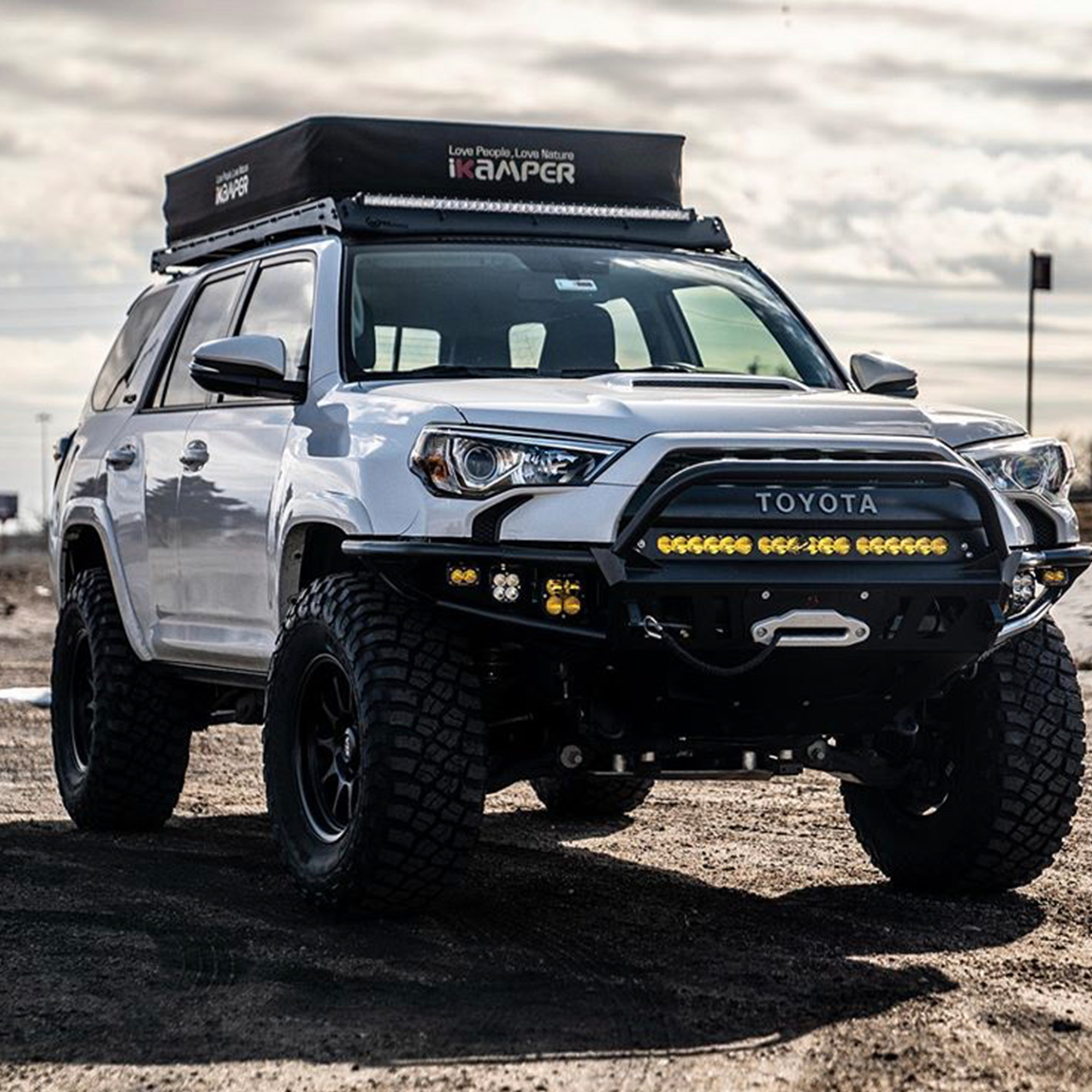
TSS-compatible front bumpers represent the direction modern off-road design is heading.
Today’s Toyota platforms require more than raw strength or aggressive styling. They demand:
-
Precise sensor integration
-
Balanced airflow
-
Structural recovery capability
-
Proper fitment and weight management
The best bumpers are no longer just armor—they’re integrated systems designed around how modern vehicles actually function.
And as Toyota platforms continue evolving, that level of integration will only become more important.
Share:
Why Modern Toyota Trucks Need Different Front Bumper Design Than Older Builds
How Bigger Tires Change What You Need From a Front Bumper