


Failure Doesn’t Start Where You Think
When a front bumper fails on the trail, most people assume the steel wasn’t thick enough or the welds weren’t strong. But in reality, failures rarely start in the center of the bumper.
They start at the mounting points.
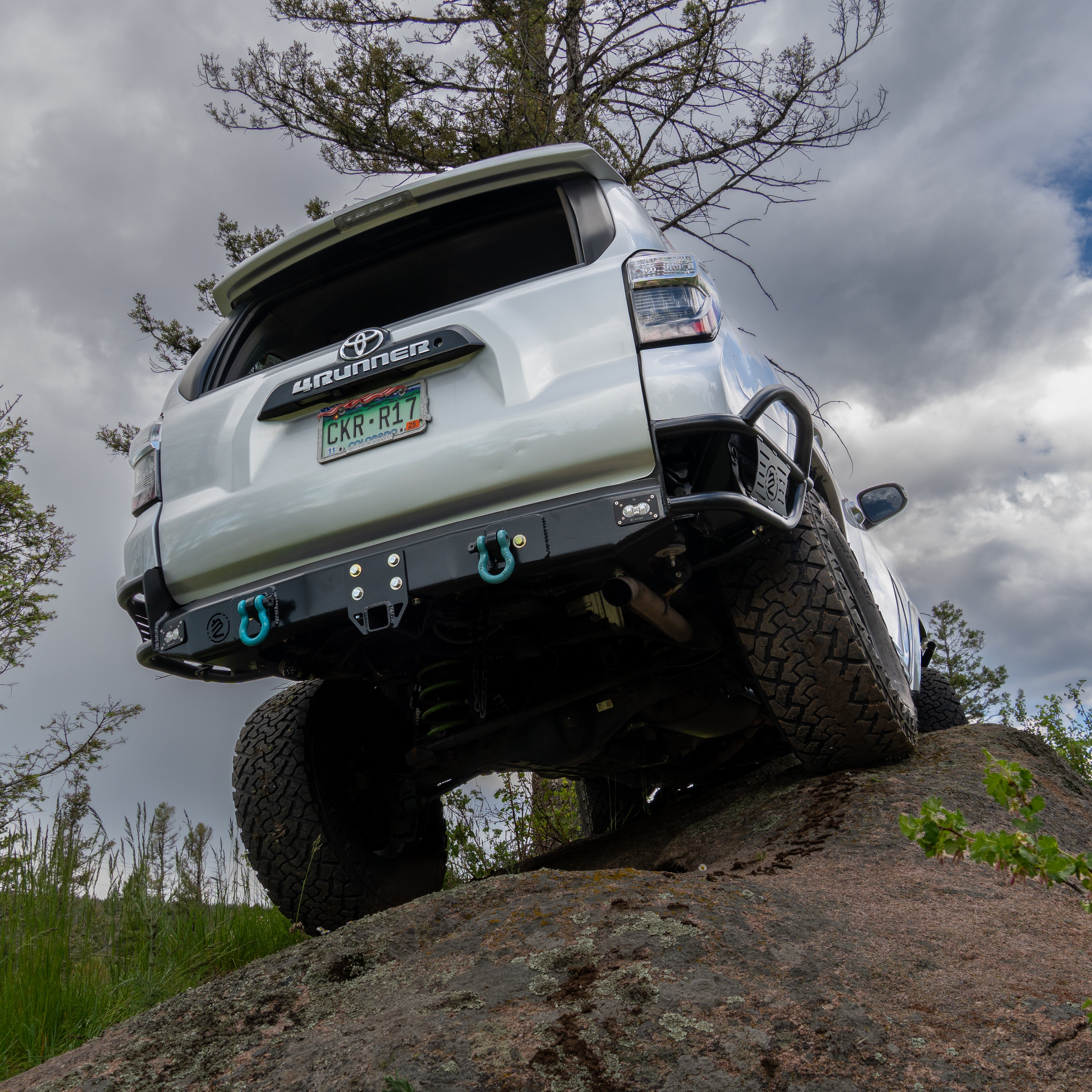
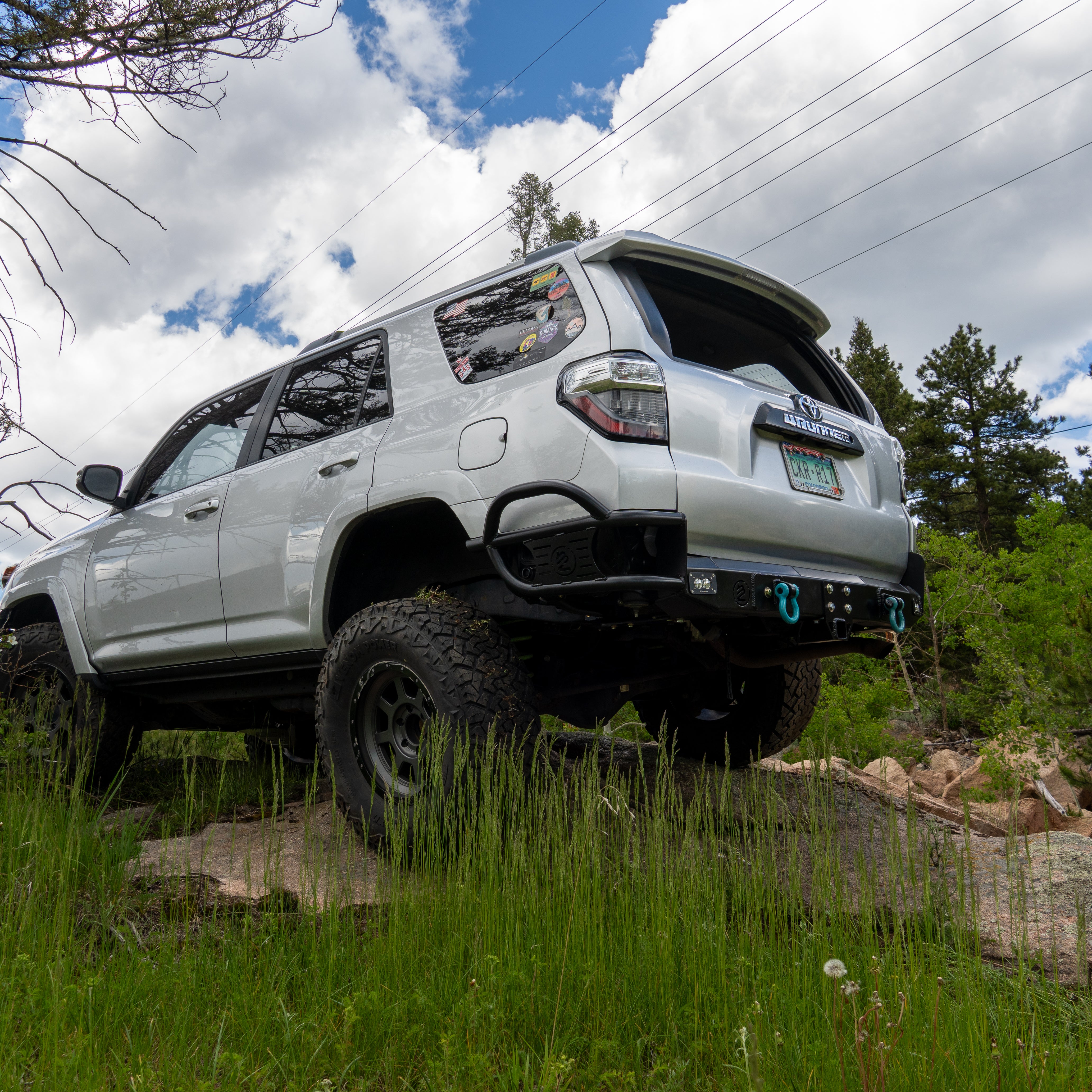
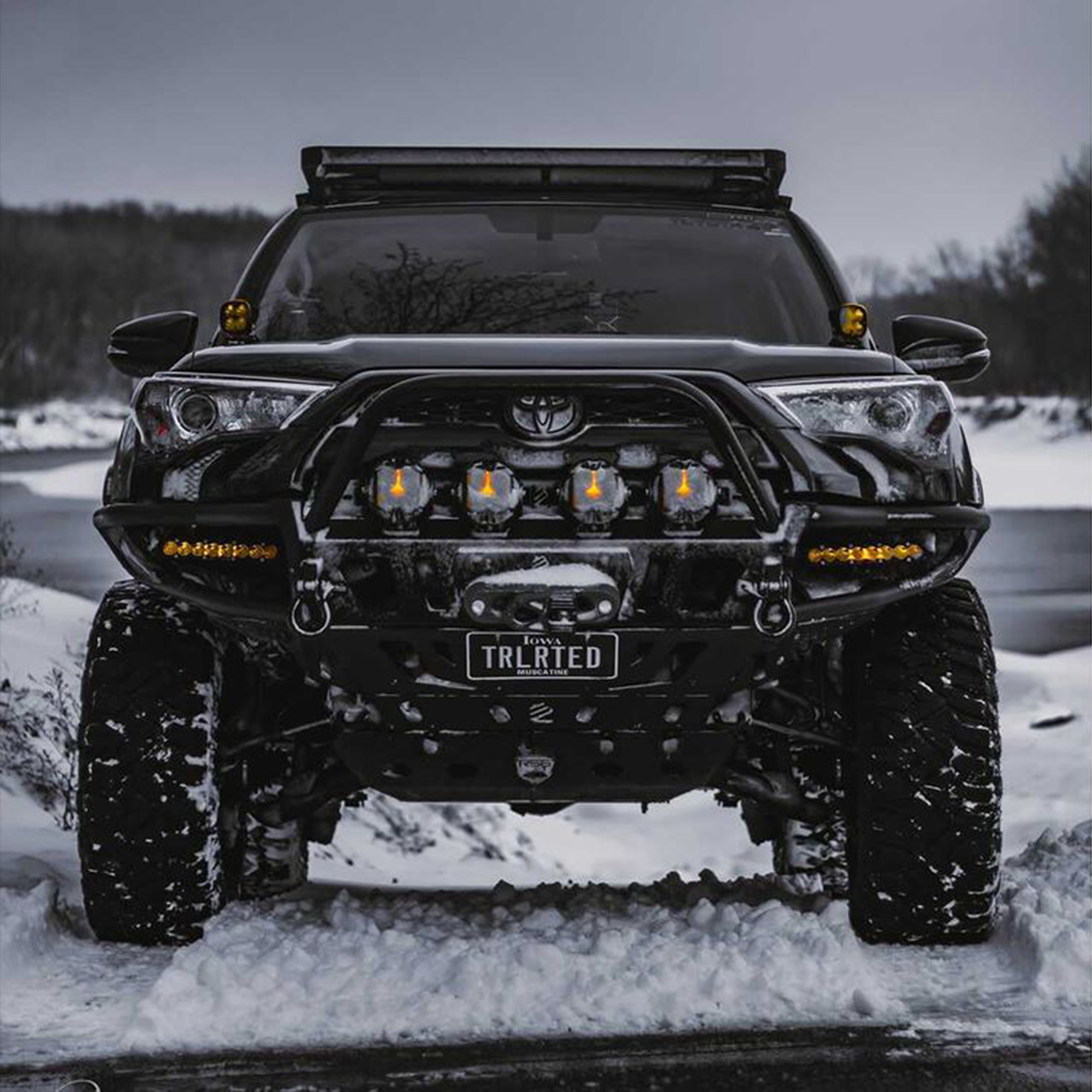
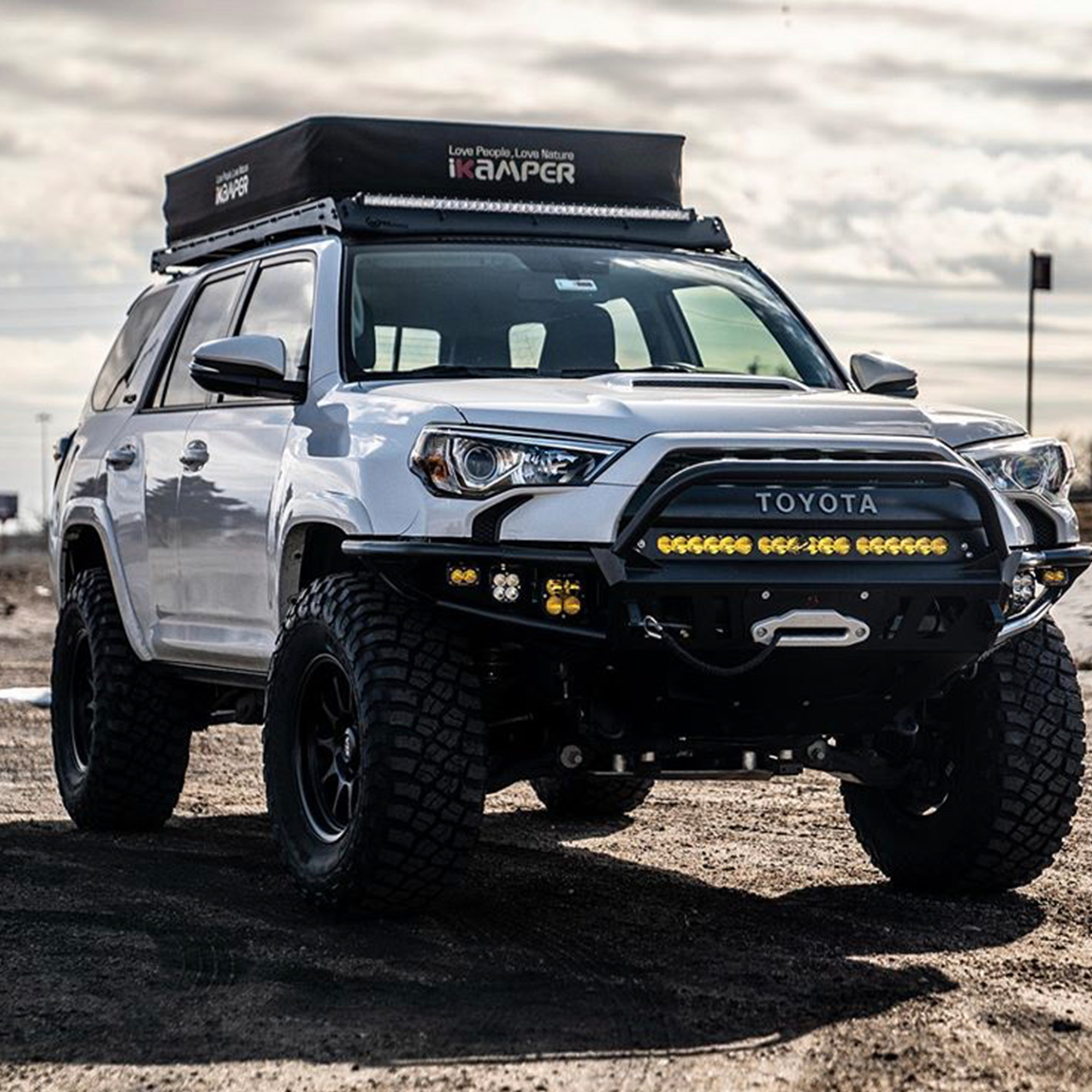
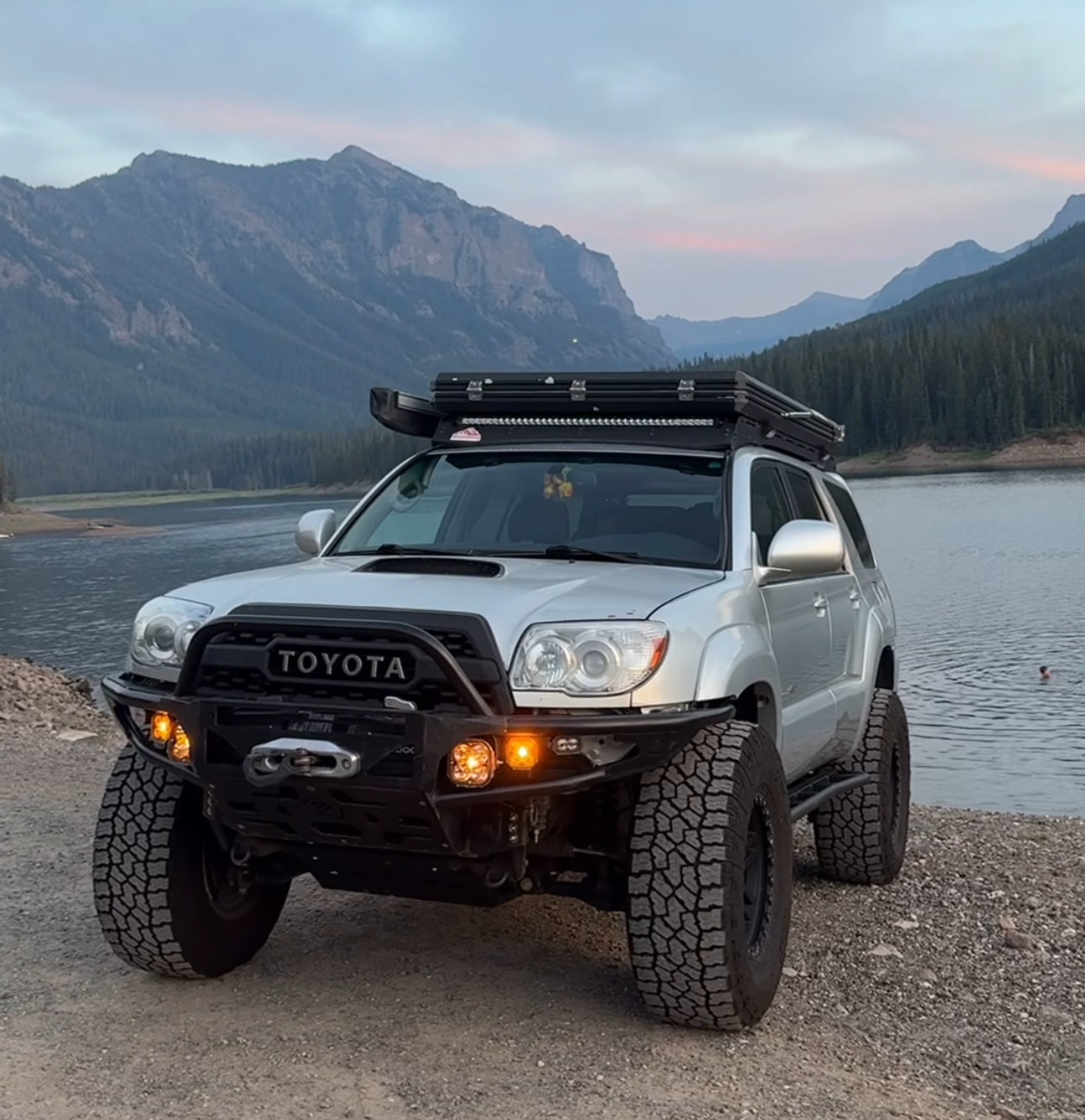
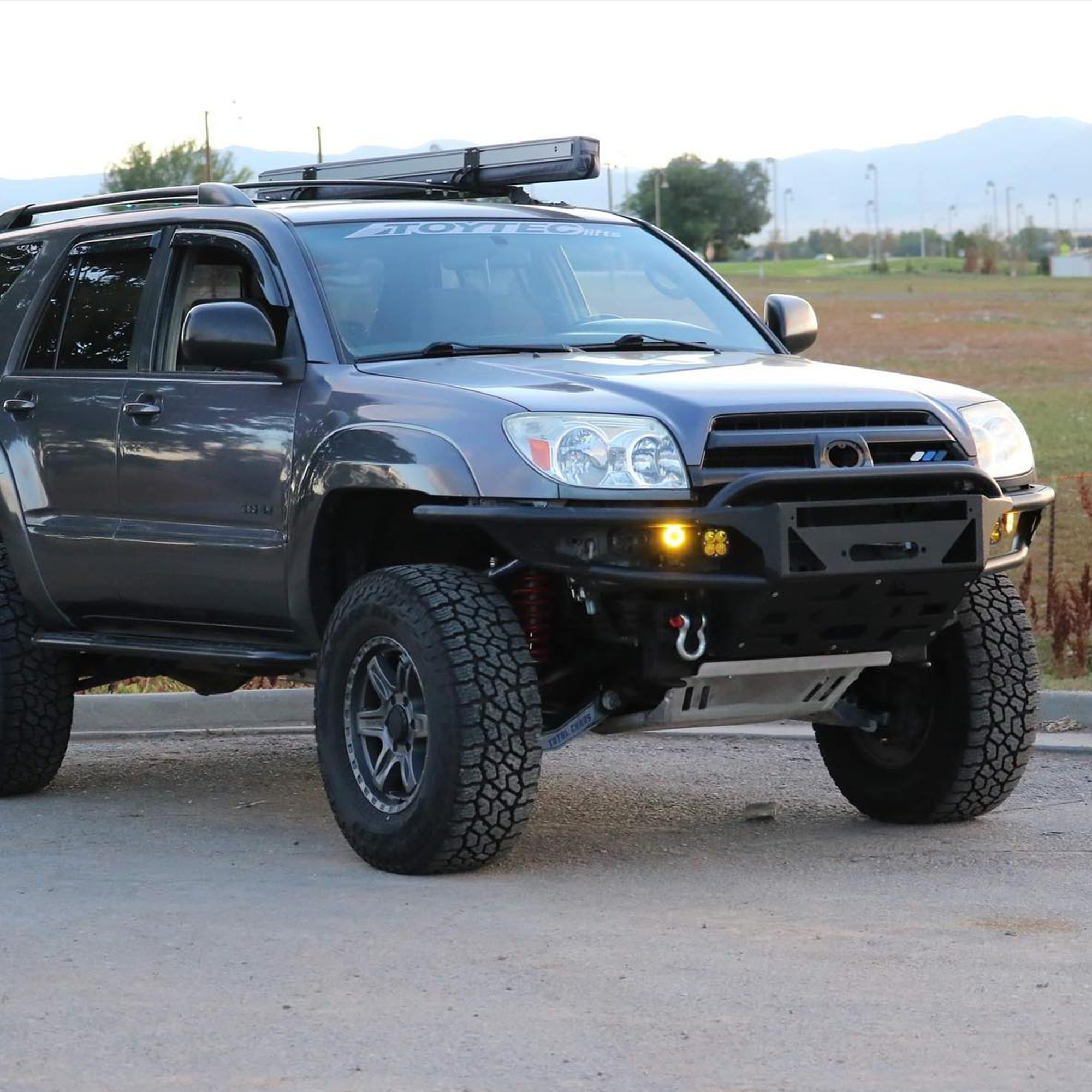
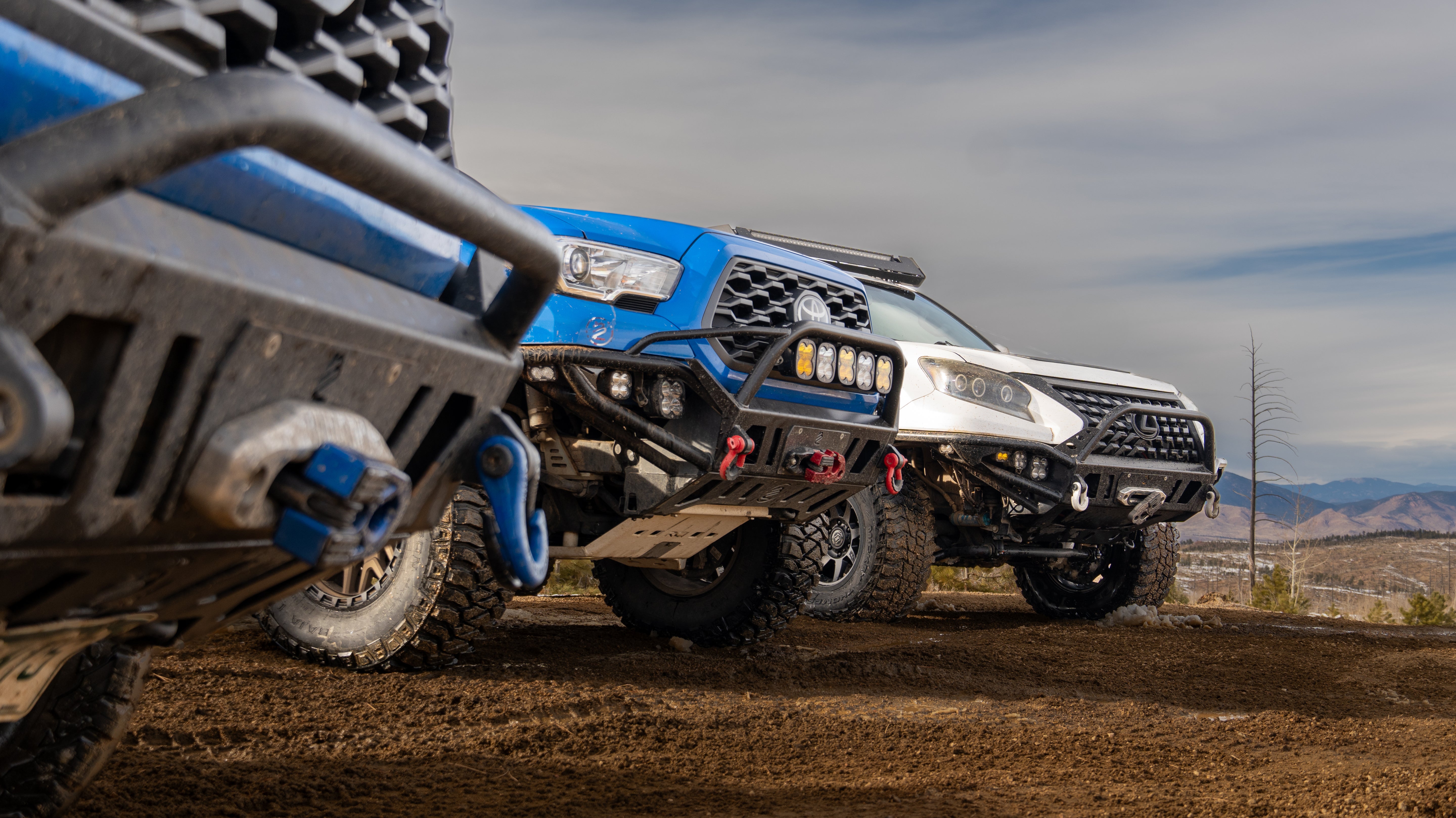
At Lil B’s Custom Fabrication, we’ve seen this across builds on the Toyota Tacoma, 4Runner, Tundra, Lexus GX 460/470, and FJ Cruiser. The bumper itself often survives impacts and recoveries—but the connection between the bumper and the frame tells a different story.
Understanding how and why mounting points fail is critical if you want a front bumper that actually holds up under real-world conditions.

The Role of Mounting Points in Load Transfer
A front bumper doesn’t operate in isolation. Every force it encounters—whether from a rock impact or a winch pull—must be transferred somewhere.
That “somewhere” is the frame.
Mounting systems are responsible for:
-
Transferring recovery loads into the frame rails
-
Distributing impact forces across multiple contact points
-
Preventing localized stress that can deform or crack metal
If the mounting system isn’t properly engineered, even the strongest bumper can become a liability.
At Lil B’s, bumper design starts with how forces move into the frame, not just how the bumper looks or how thick the steel is.
Common Mounting Failures on the Trail
Mounting failures often appear after repeated stress, not just a single event. Some of the most common issues include:
-
Bolt shear: Fasteners fail under load due to poor grade selection or uneven force distribution
-
Bracket deformation: Thin or poorly reinforced mounts bend during recovery
-
Frame horn stress: Load concentrates in a small area, causing long-term structural fatigue
-
Mount flex: Movement under load leads to instability and eventual failure
These problems are especially common on IFS platforms like the Tacoma, 4Runner, and GX Series, where front-end components are more sensitive to stress and weight distribution.
Why Bolt-On Isn’t Always Enough
Many aftermarket bumpers rely on simple bolt-on mounting systems. While convenient, they often:
-
Use factory mounting points not designed for recovery loads
-
Lack reinforcement to distribute force properly
-
Depend on a limited number of fasteners
Under light use, these systems may perform adequately. But during a real recovery—especially with angled pulls or kinetic straps—these limitations become obvious.
A properly engineered mounting system goes beyond basic bolt-on design by:
-
Extending into the frame rails
-
Using multiple load-bearing surfaces
-
Reinforcing brackets with gussets
This ensures the bumper becomes part of the vehicle’s structure, not just an attachment.
The Importance of Load Distribution
One of the biggest factors in mounting performance is how evenly loads are distributed.
When forces concentrate in a single area, you get:
-
Stress fractures
-
Metal fatigue
-
Progressive deformation
A well-designed mounting system spreads forces across:
-
Both frame rails
-
Multiple mounting bolts
-
Reinforced bracket surfaces
This is especially important for heavier rigs like the Tundra or fully built GX 460, where recovery loads can be significantly higher.
Recovery Loads: Straight vs Angled Pulls
Not all recoveries are equal.
A straight pull is relatively predictable. But real-world recoveries are often:
-
Off-center
-
Uphill
-
Diagonal
These scenarios introduce torsional forces, which twist the bumper and mounting system.
Without proper reinforcement, this can lead to:
-
Bracket bending
-
Bolt loosening
-
Frame stress
Lil B’s bumpers are designed to handle both straight and angled loads, ensuring stability regardless of recovery direction.
Platform-Specific Mounting Considerations
Each Toyota and Lexus platform has unique structural characteristics that affect mounting design.
Tacoma & 4Runner
-
Lighter frame horns
-
Require careful load distribution
-
Sensitive to front-end weight
Tundra
-
Stronger, full-size frame
-
Supports higher recovery loads
-
Requires wider load distribution
GX 460 / GX 470
-
Shorter overhang
-
Mounting must account for tighter geometry
FJ Cruiser
-
Compact front end
-
Limited mounting space requires efficient design
At Lil B’s, mounting systems are tailored to each platform to ensure consistent performance across different rigs.
How Poor Mounting Affects the Entire Vehicle
Mounting issues don’t just affect the bumper—they affect the entire vehicle.
Over time, poor mounting can lead to:
-
Misalignment of the bumper
-
Increased wear on suspension components
-
Steering instability
-
Frame damage
These issues often develop gradually, making them harder to detect until they become serious.
Signs Your Mounting System Might Be Failing
Even experienced off-roaders can overlook early warning signs.
Watch for:
-
Movement or shifting during winch pulls
-
Visible gaps between bumper and frame
-
Cracks near mounting brackets
-
Paint flaking around bolt points (a sign of stress)
Addressing these early can prevent more significant damage later.
Engineering for Real-World Conditions
At Lil B’s Custom Fabrication, mounting systems are designed with real trail conditions in mind.
That means accounting for:
-
Repeated recovery cycles
-
Impact loads from rocks and obstacles
-
Environmental exposure (mud, water, corrosion)
Rather than designing for ideal conditions, the goal is to ensure performance under worst-case scenarios.
Strength Starts at the Connection
A front bumper is only as strong as its mounting system.
No matter how thick the steel or how clean the welds, failure is inevitable if the connection to the frame isn’t properly engineered.
For vehicles like the Tacoma, 4Runner, Tundra, GX Series, and FJ Cruiser, mounting design plays a critical role in:
-
Recovery safety
-
Structural integrity
-
Long-term durability
At Lil B’s Custom Fabrication, every bumper is built with the understanding that the trail will test every component—and the mounting system is where that test begins.





Share:
How Front Bumper Design Affects Cooling, Airflow, and Engine Performance
Front Bumper Clearance on the GX 550: What “High Clearance” Really Means