

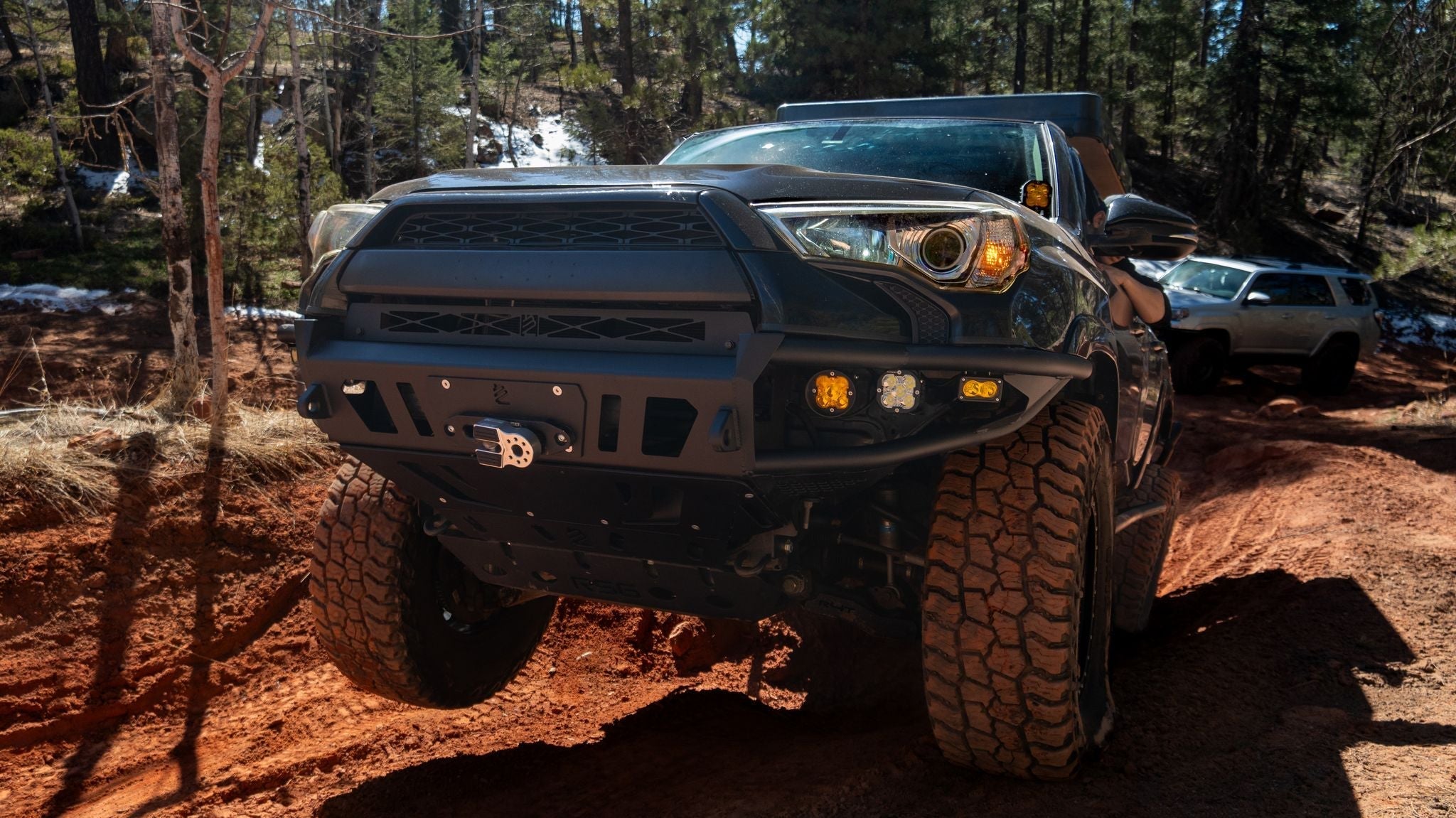
Most Toyota owners start their build with good intentions. More protection feels like the right move, especially once trail time increases. But adding armor without thinking about balance, fit, and purpose often creates new problems instead of solving old ones.
A solid off road armor setup is not about stacking parts. It is about choosing protection that works with your rig, your driving habits, and the terrain you actually see.
When armor is chosen correctly, it protects critical components, improves confidence on trail, and supports long term reliability without unnecessary weight or clearance loss.

Start With How You Use Your Toyota
Before choosing armor, it helps to be honest about how your rig is used. Daily driven Toyotas need a different approach than weekend crawlers or overland builds.
Ask yourself:
-
Is this vehicle driven daily or mostly trail focused
-
What terrain do you see most often
-
Are you protecting against impacts or preparing for recovery scenarios
-
Do you plan to add weight later like a winch or roof gear
These answers shape every decision that follows. Armor should support your use case, not force you to build around it later.
Key Areas Armor Should Protect First
Not every part of your Toyota needs heavy protection. The goal is to prioritize areas that take real abuse.
Most balanced armor setups focus on:
-
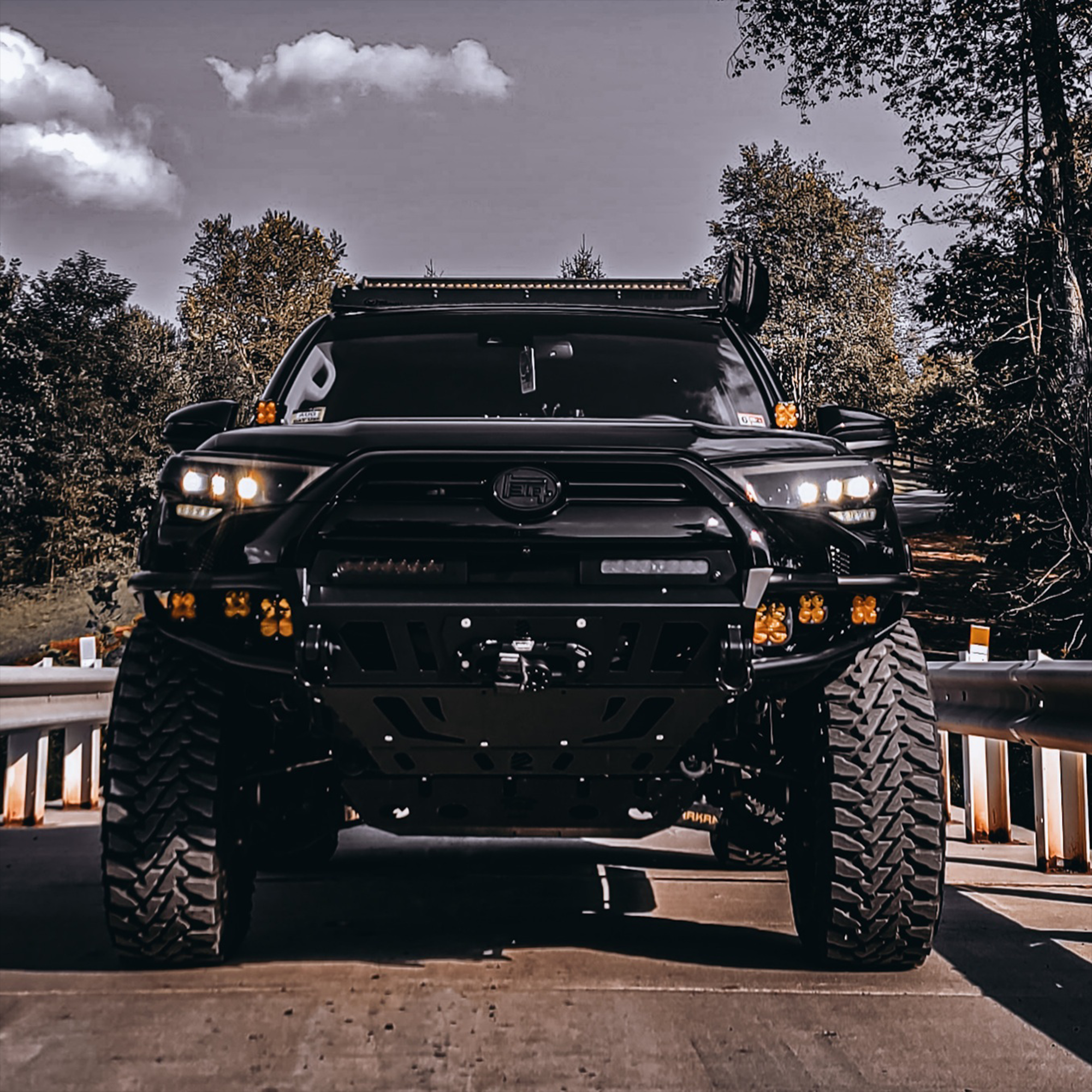
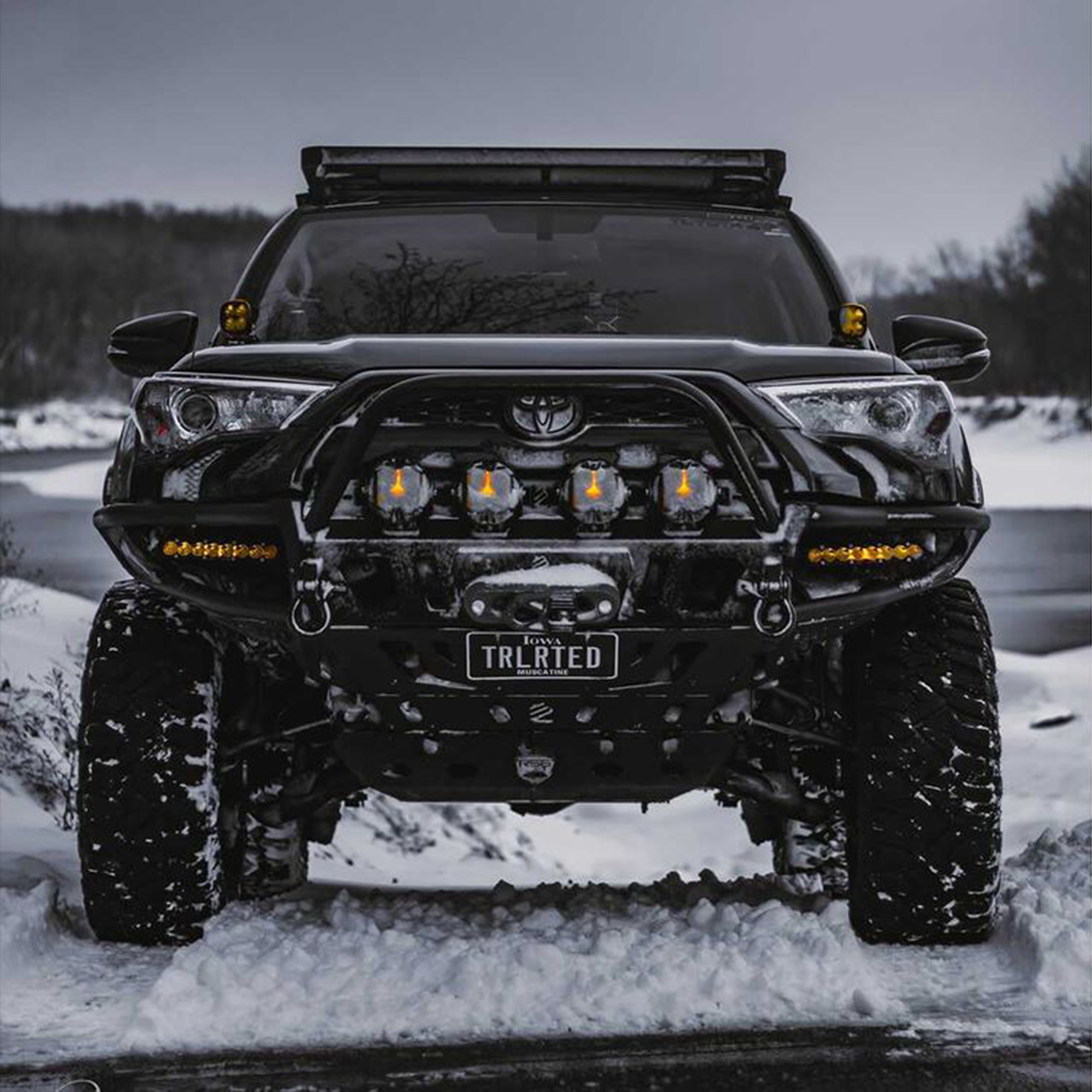
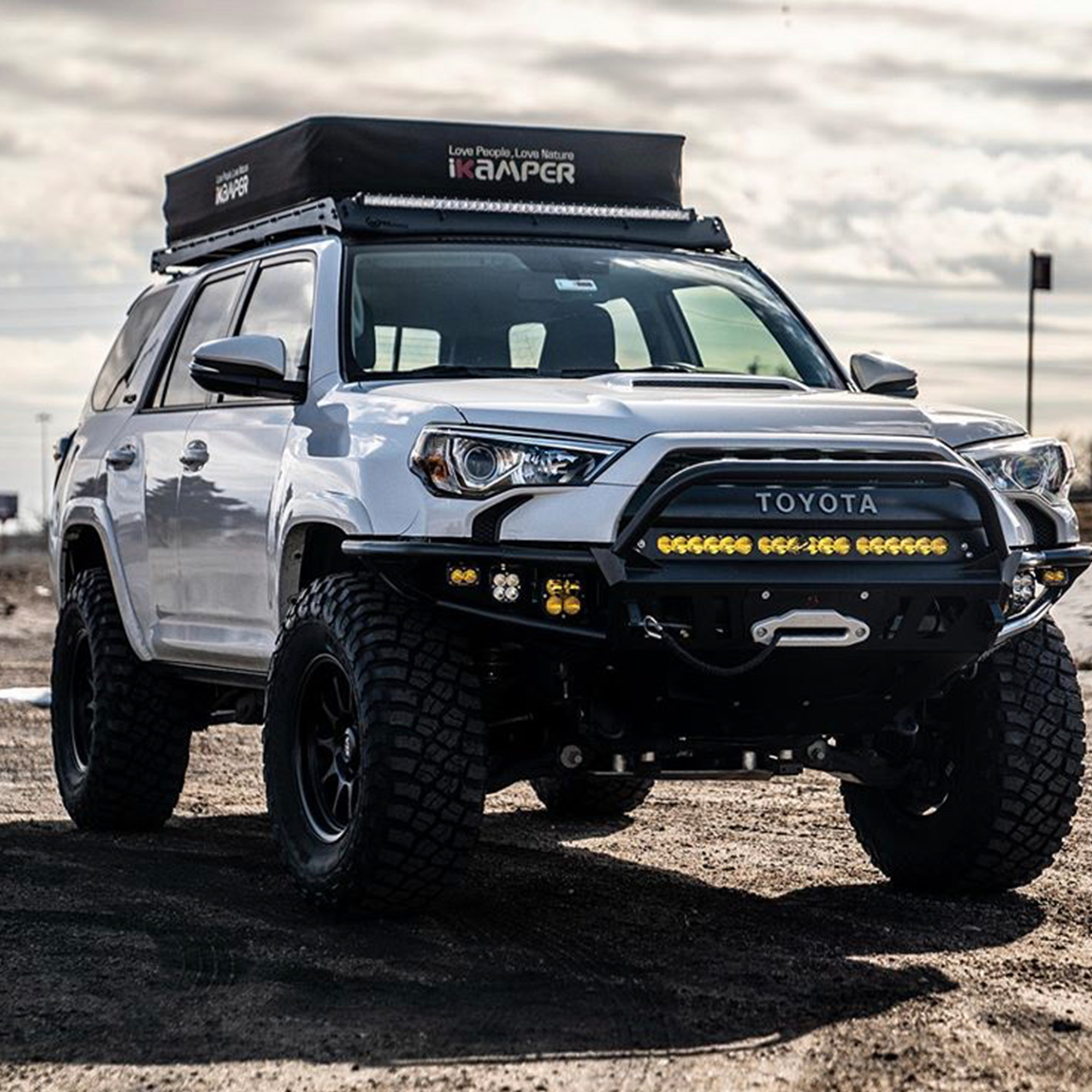
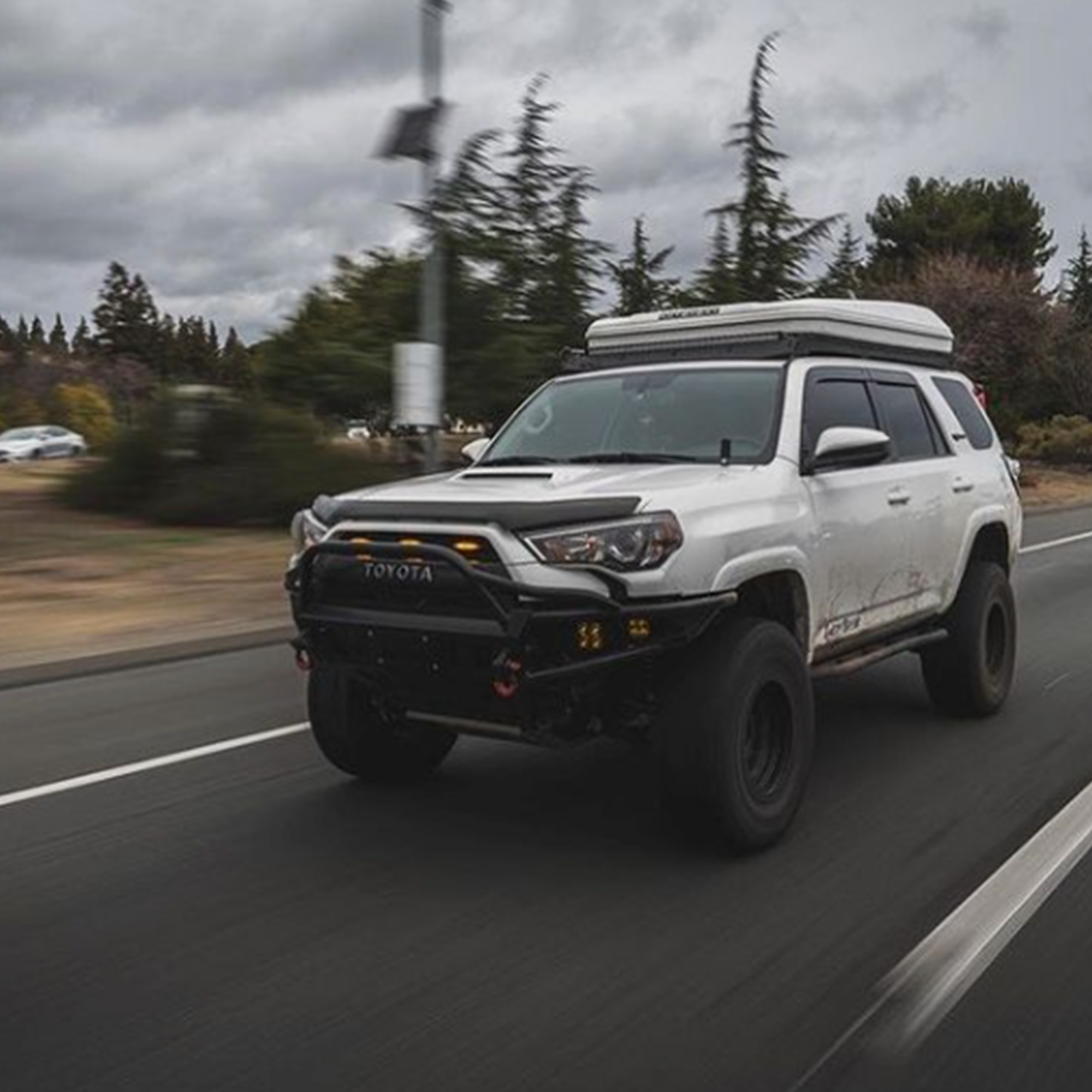
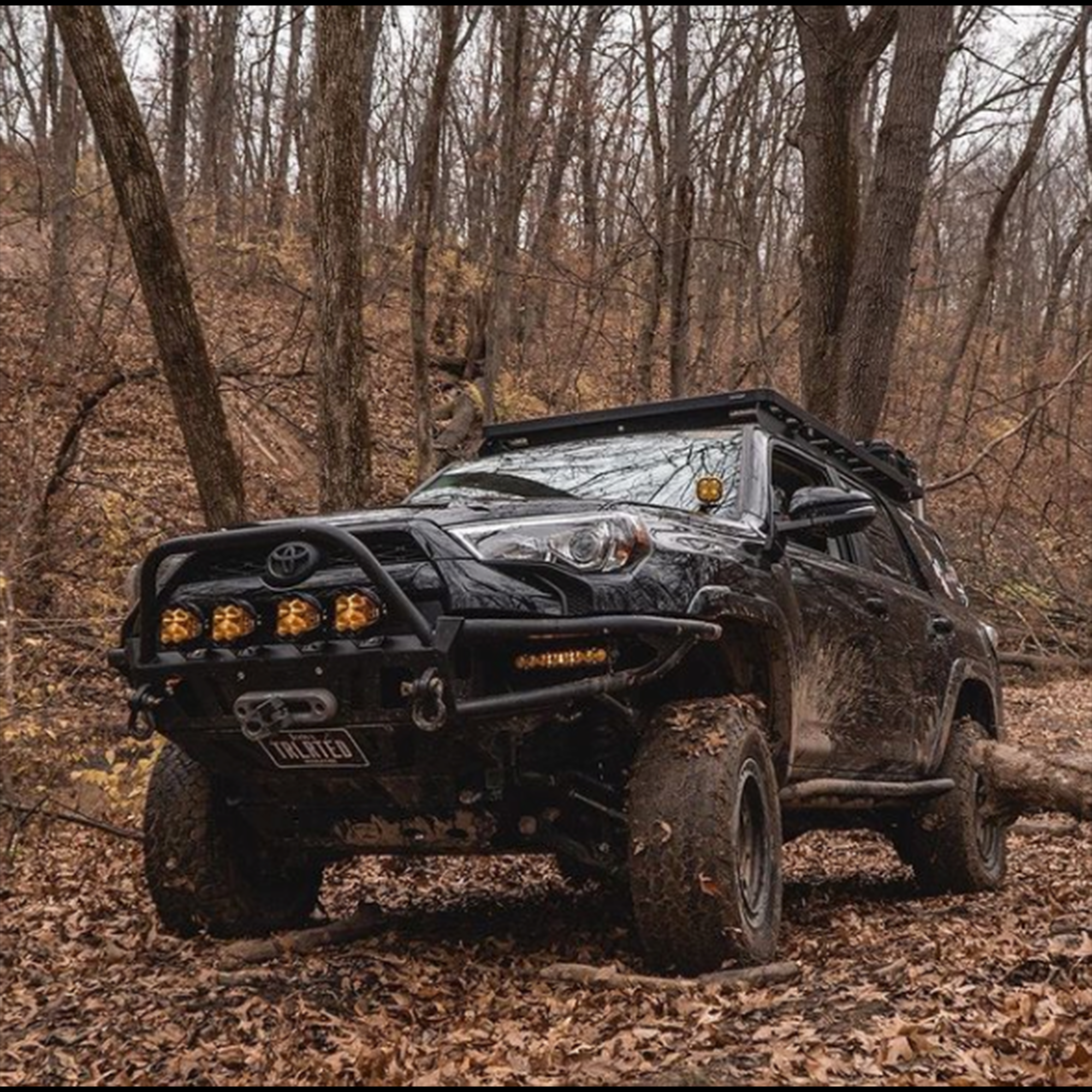
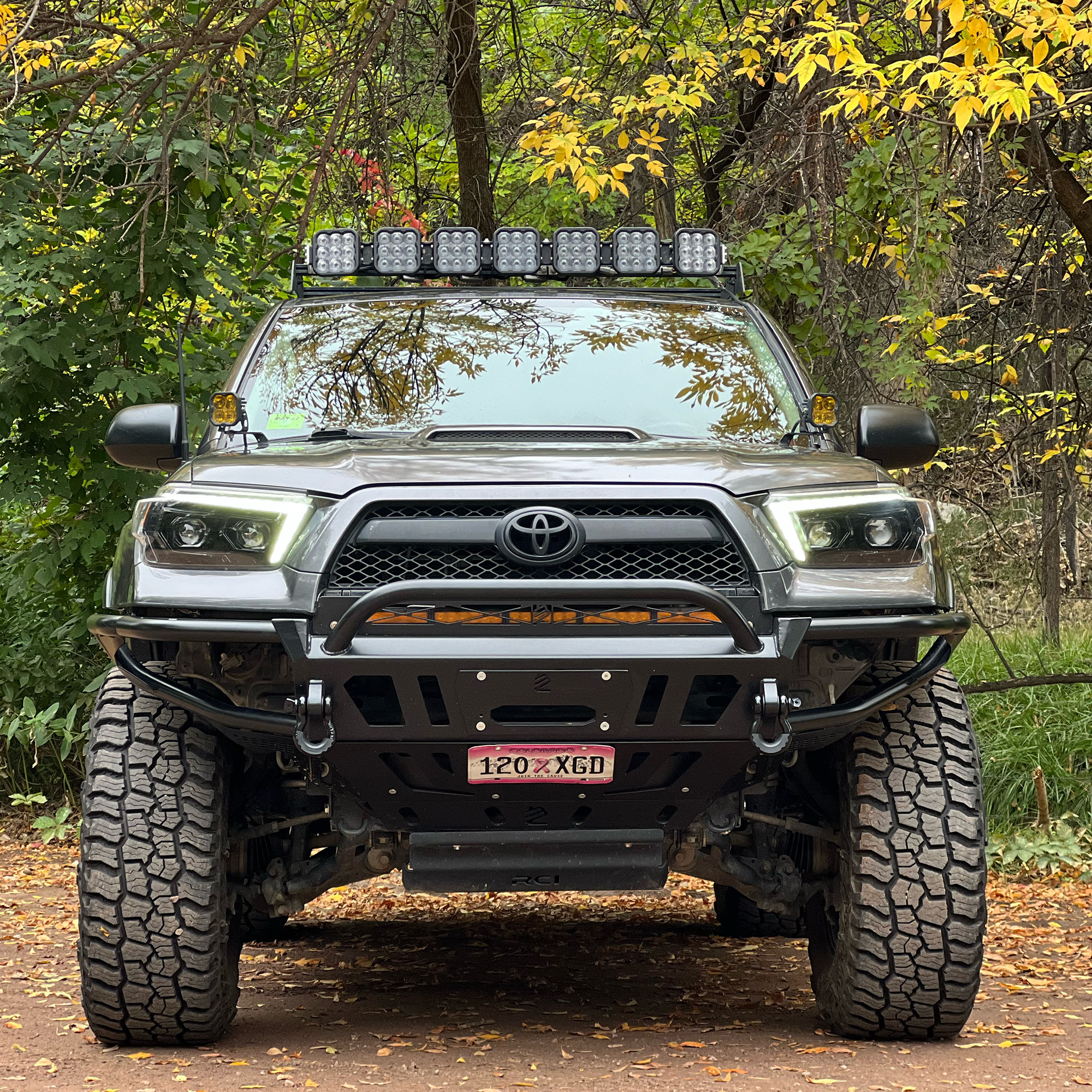
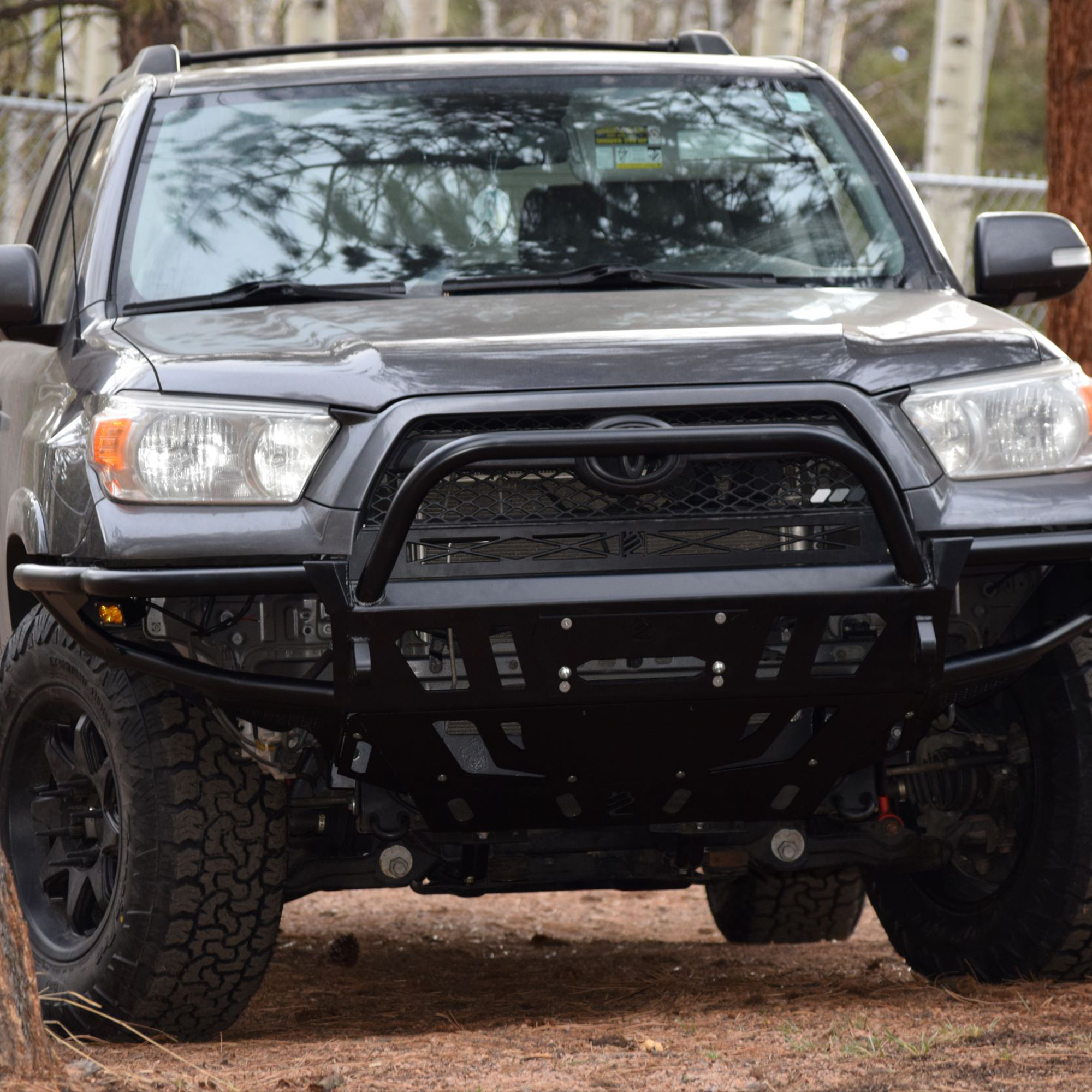
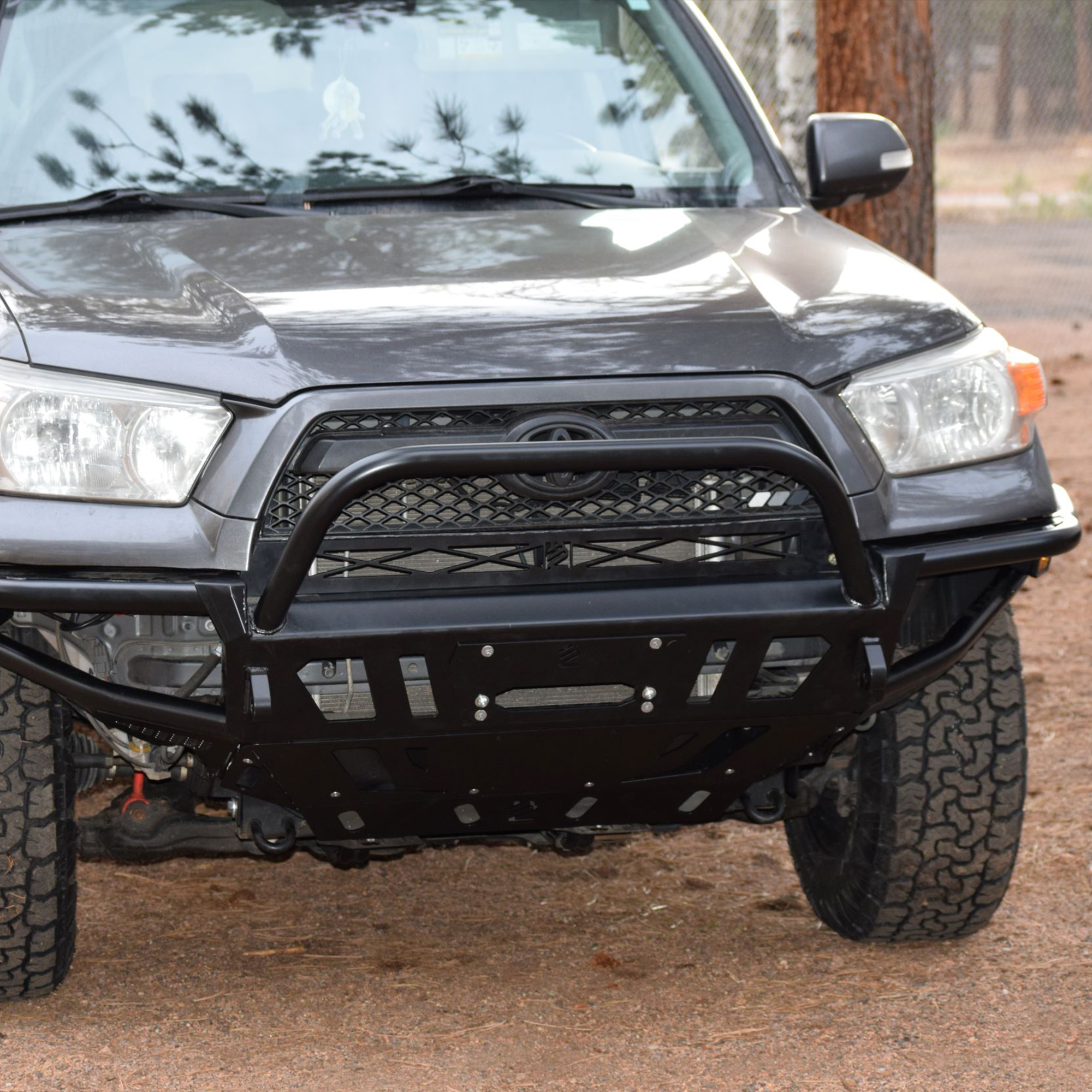
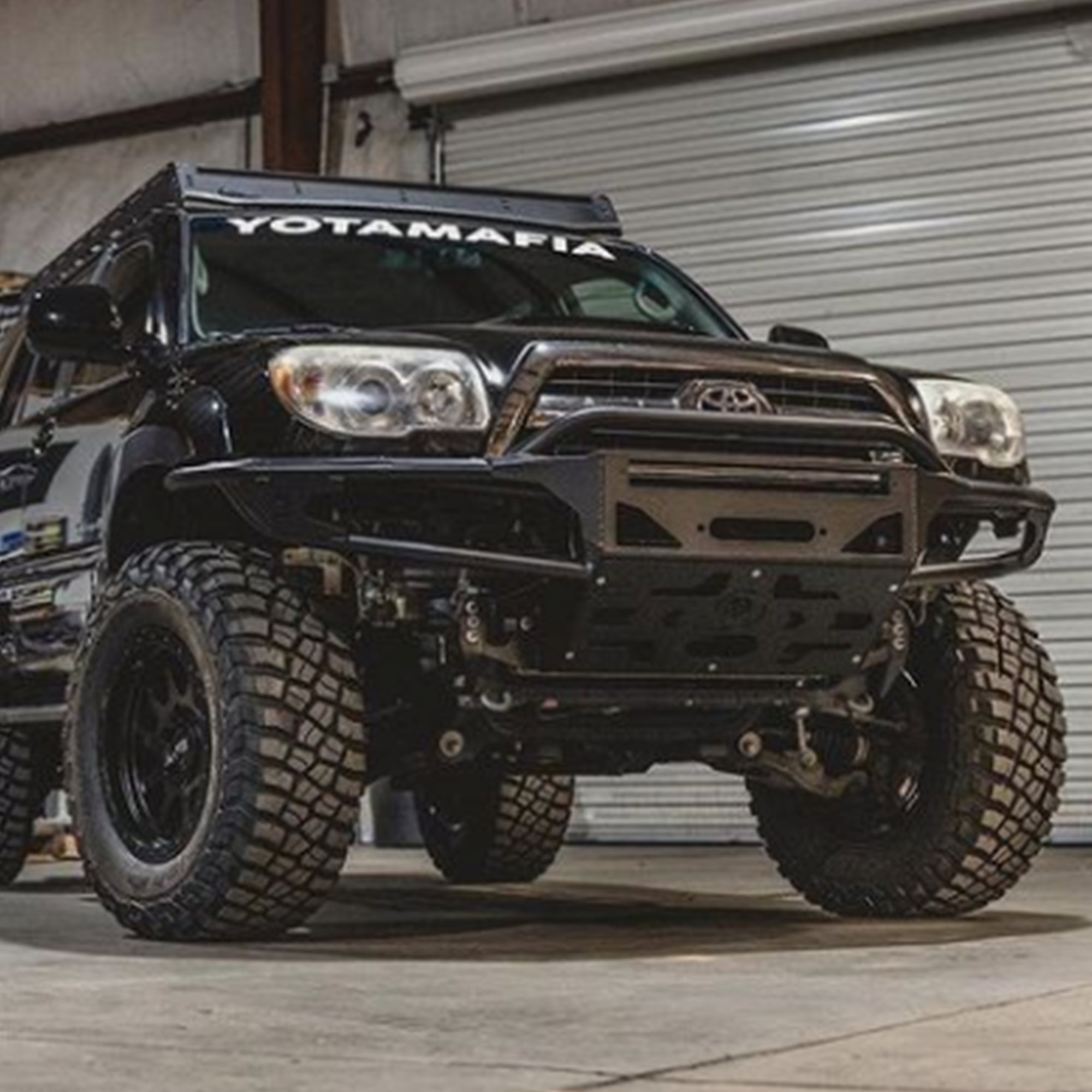
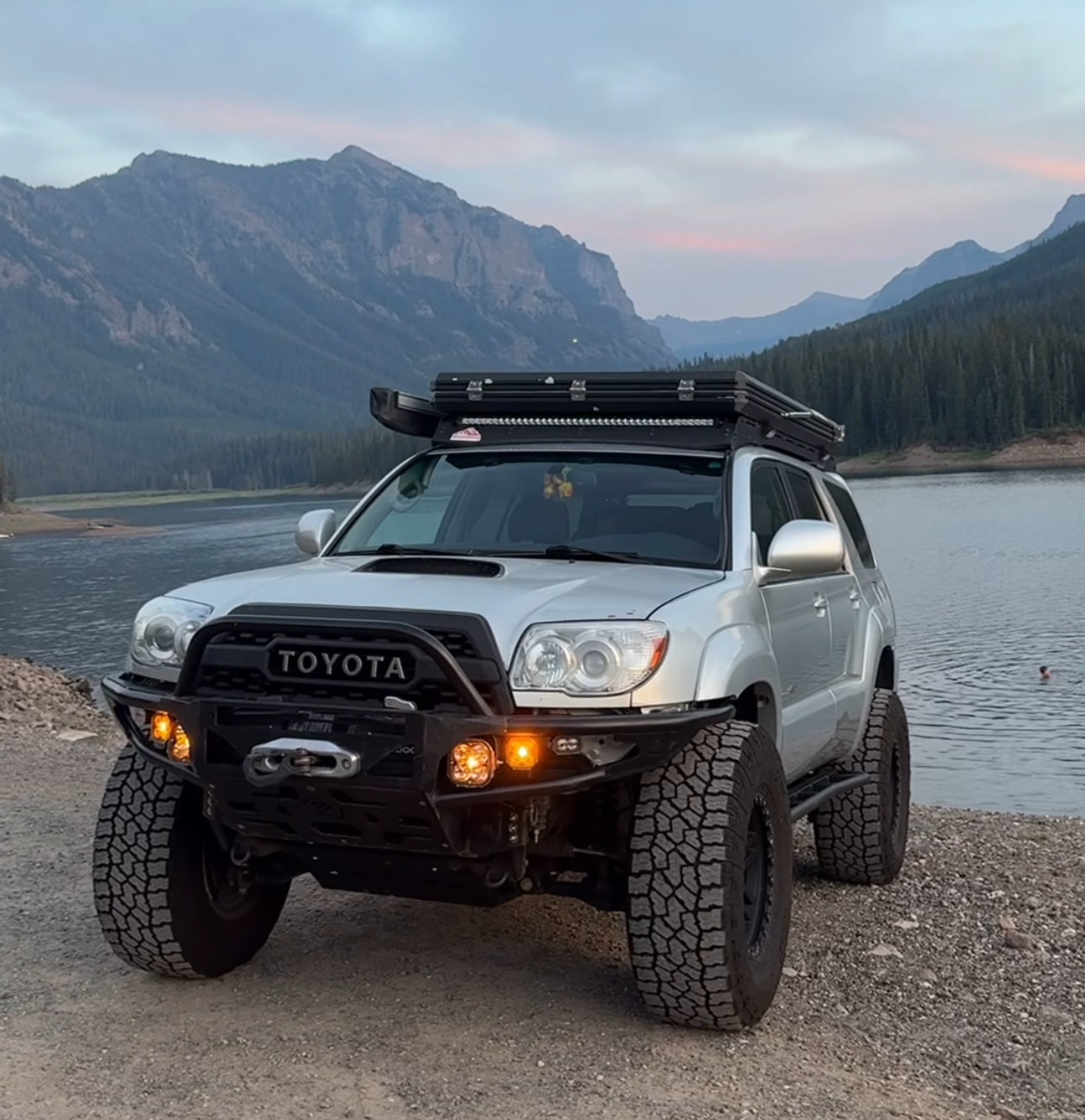
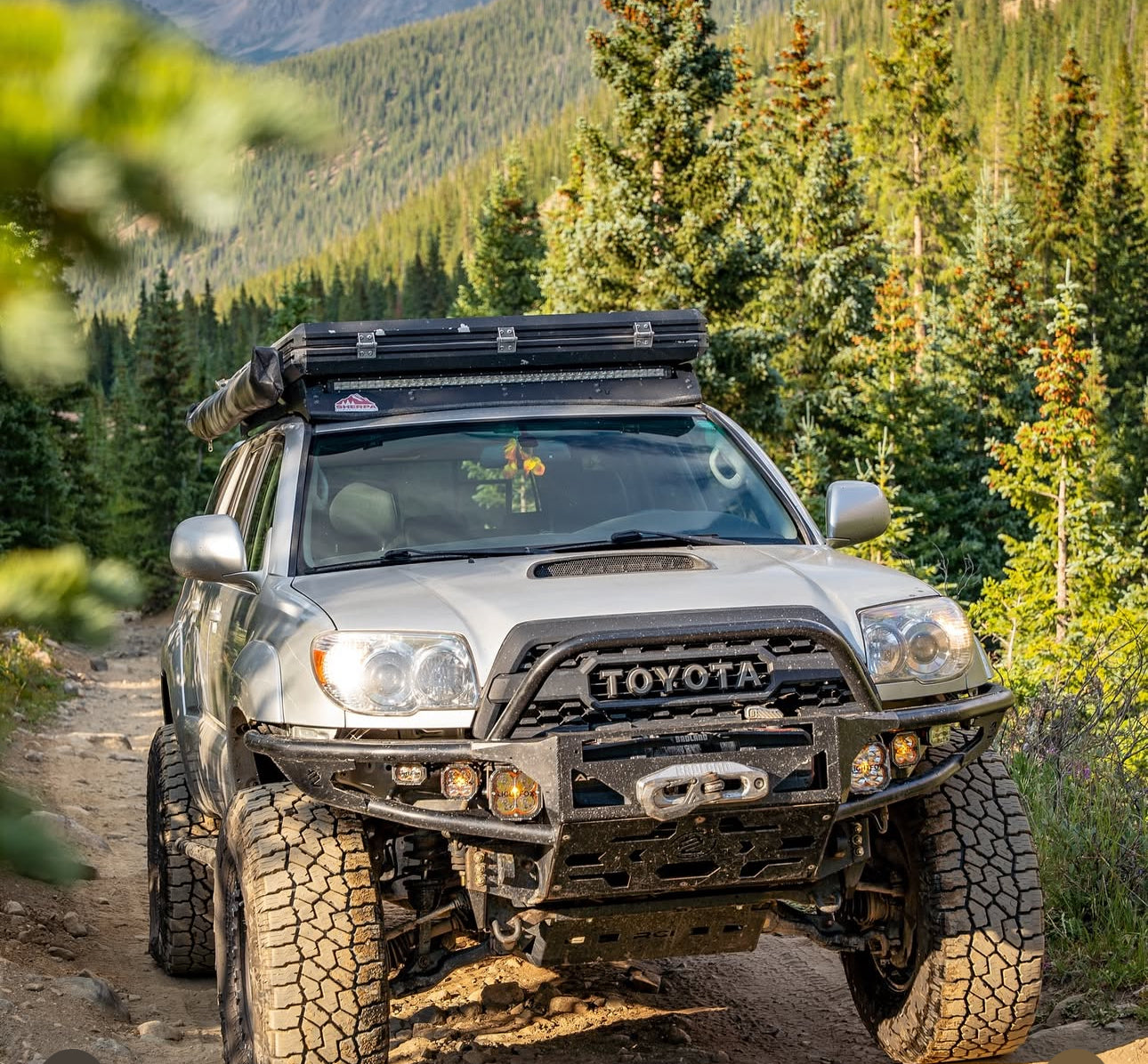
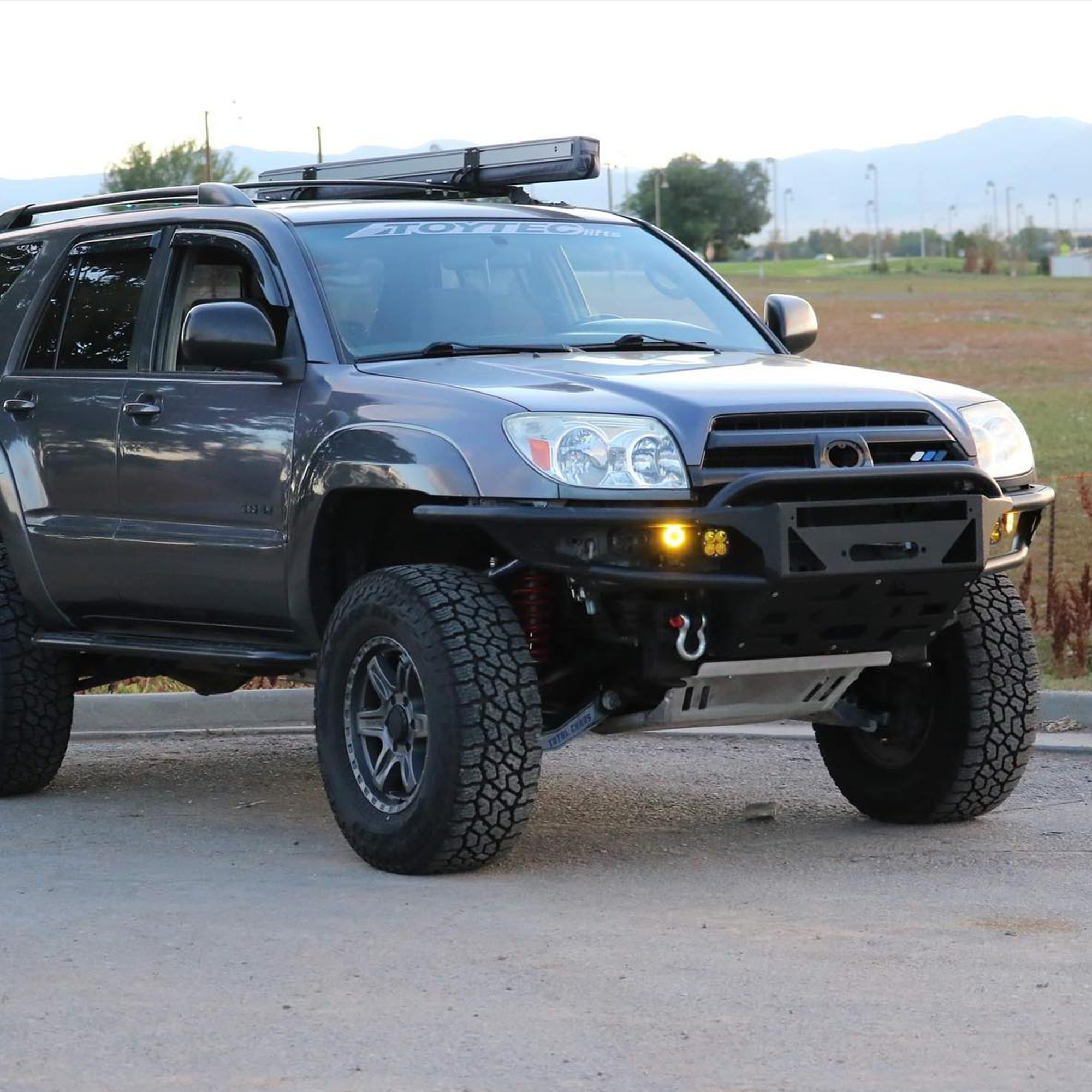
Front bumper protection for approach angles and recovery points
-
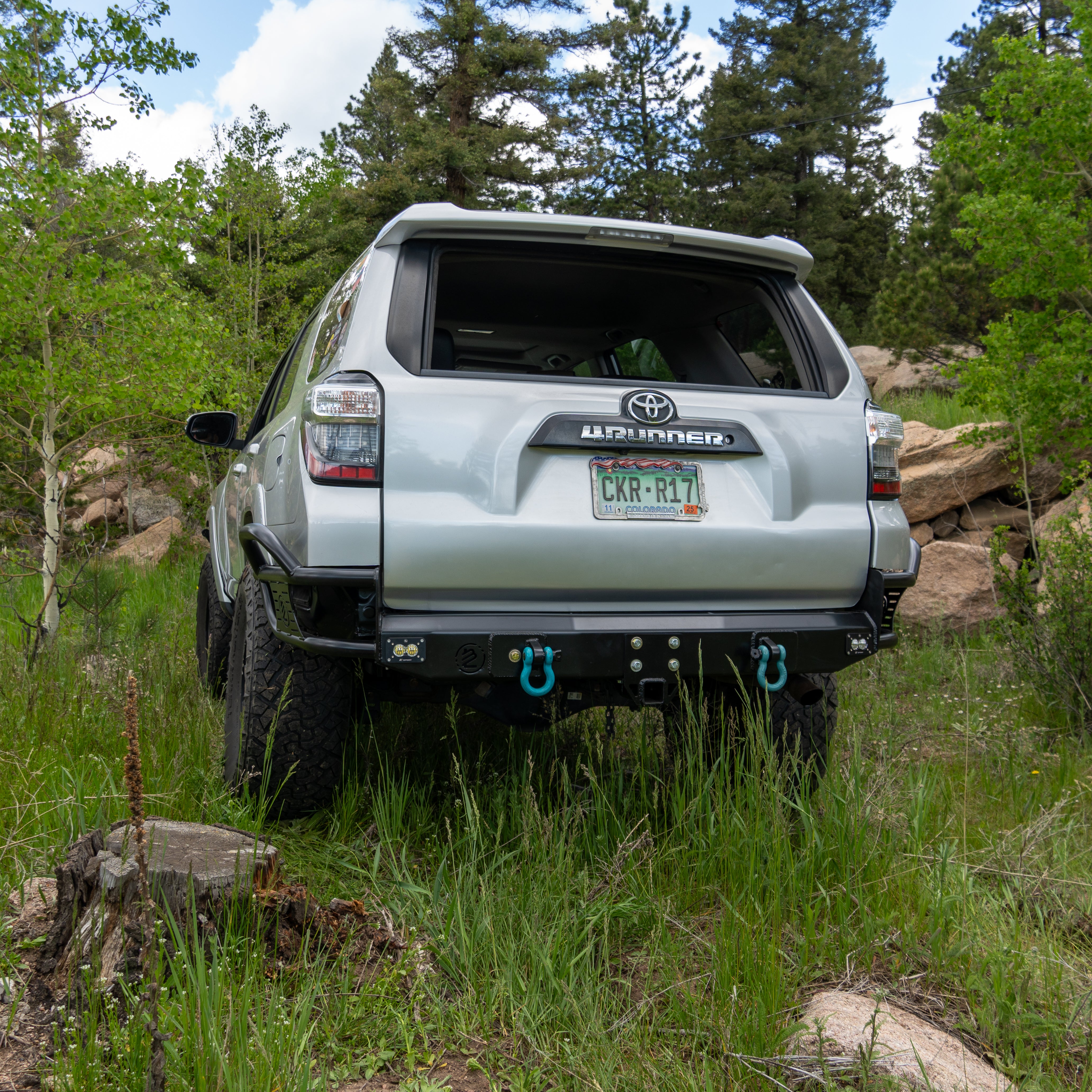
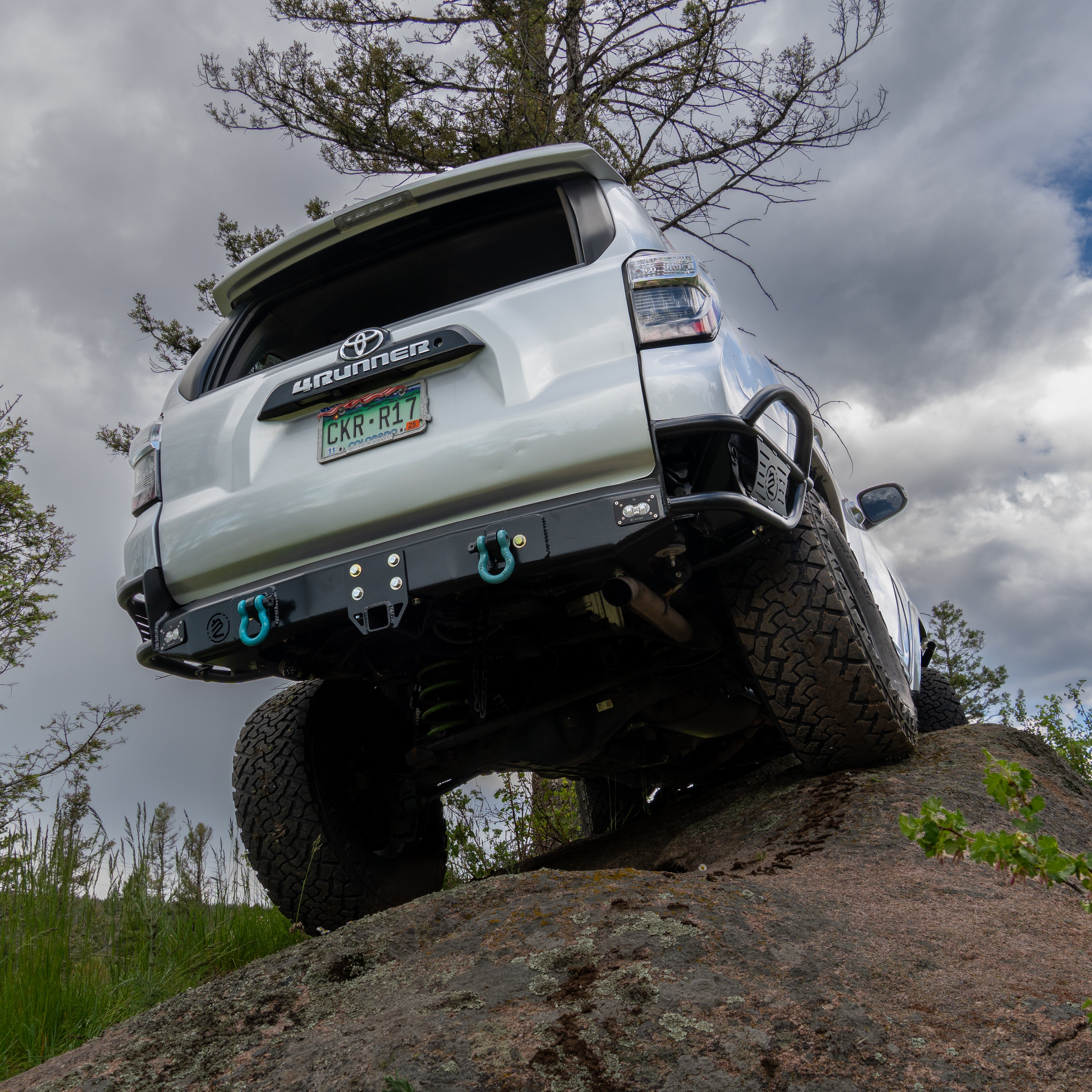
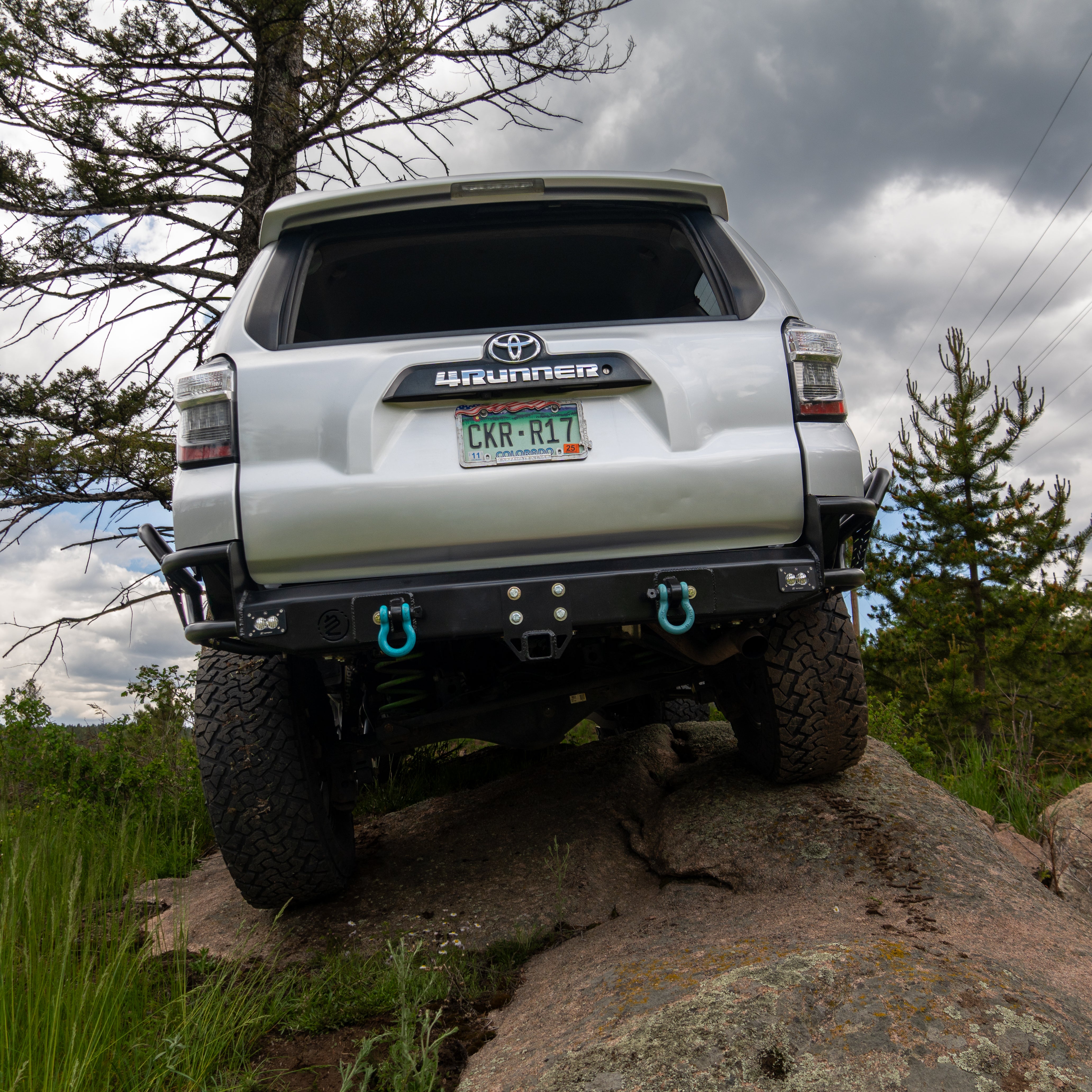
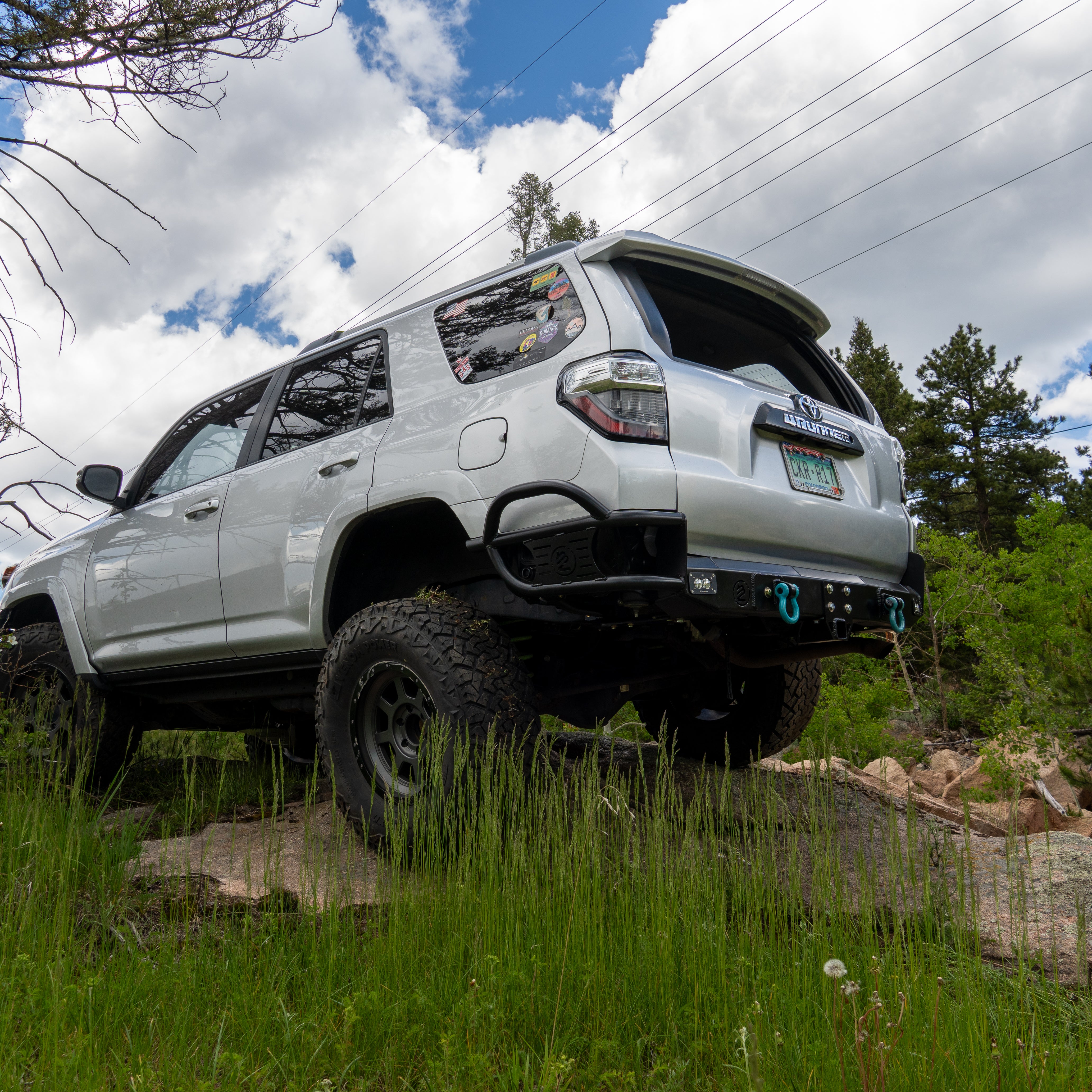
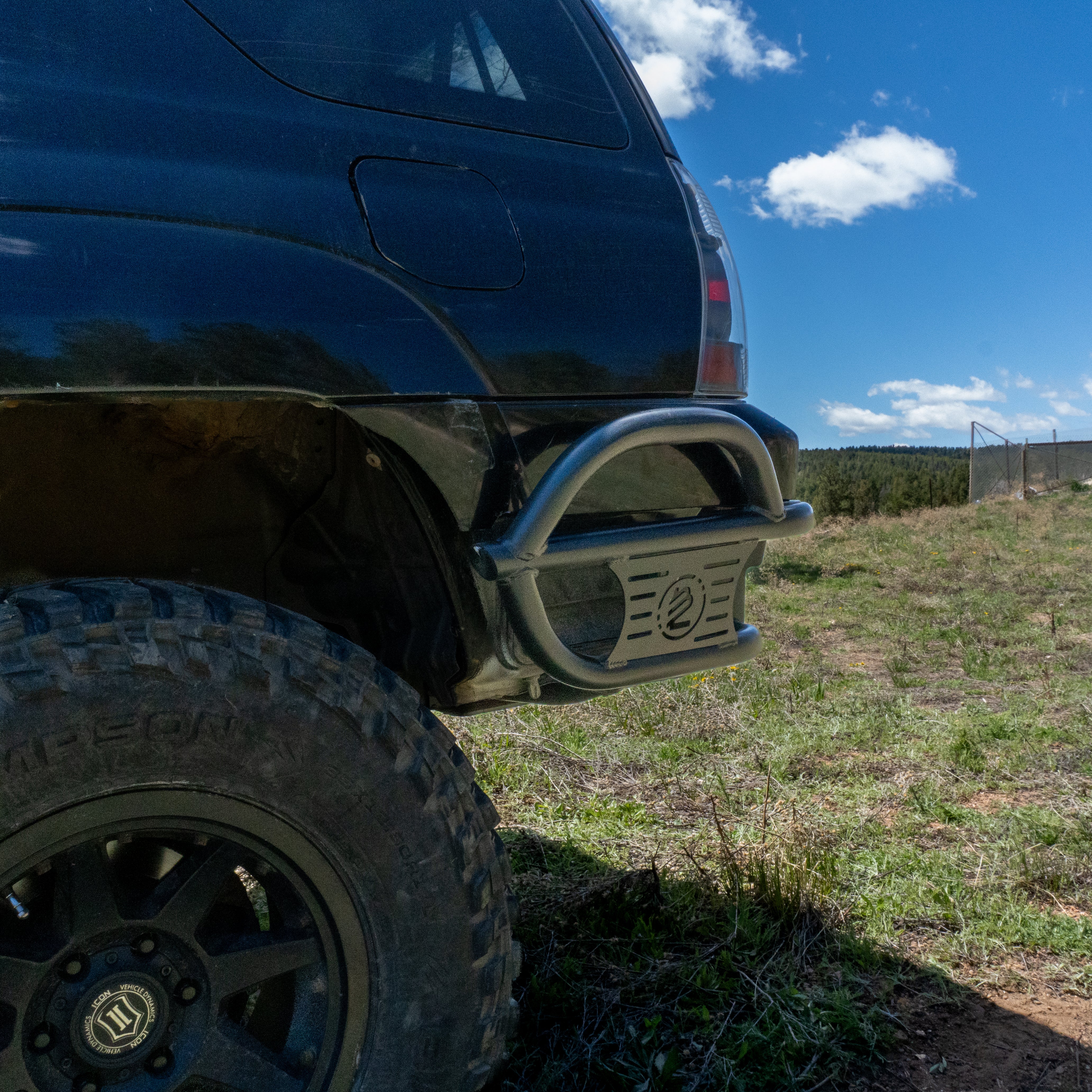
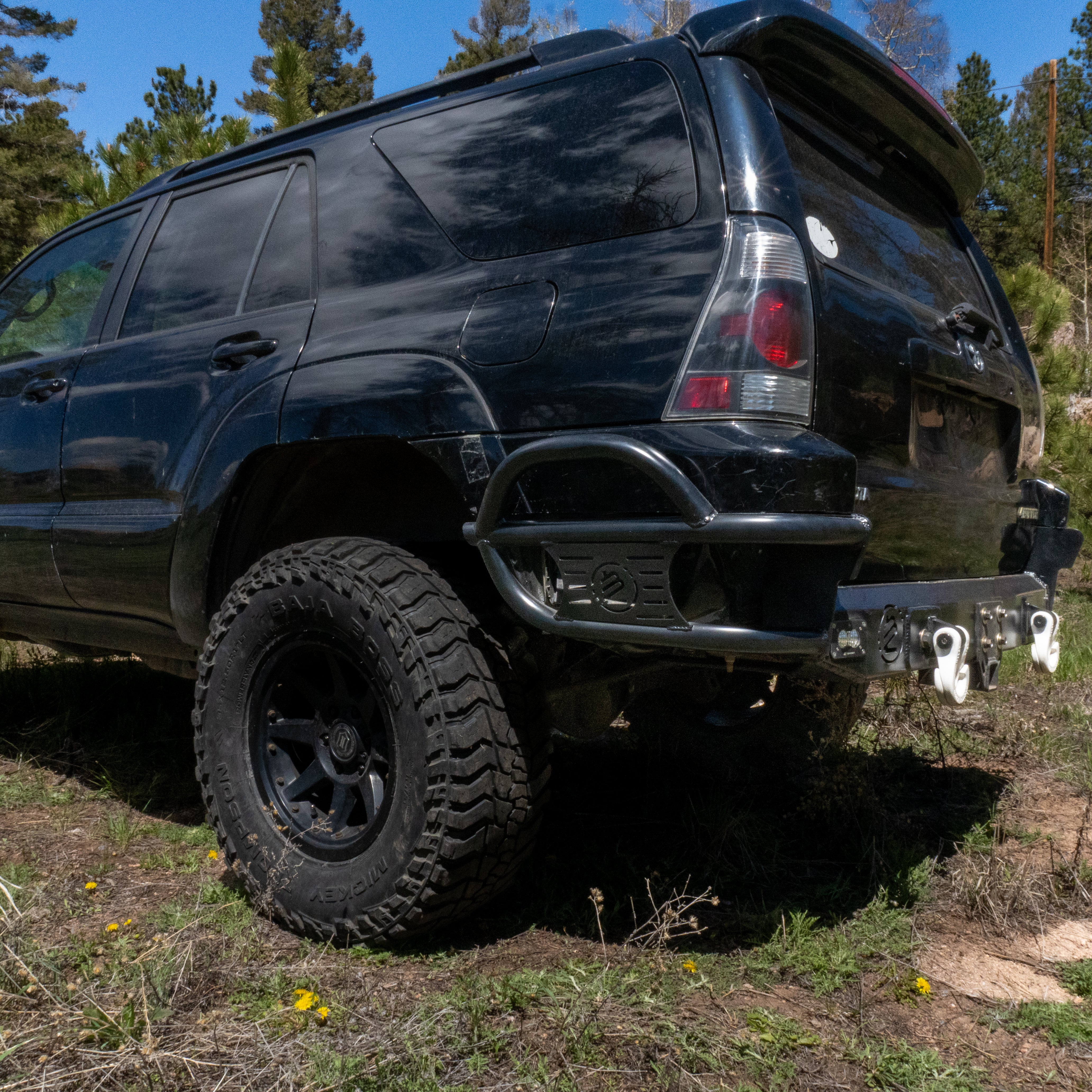
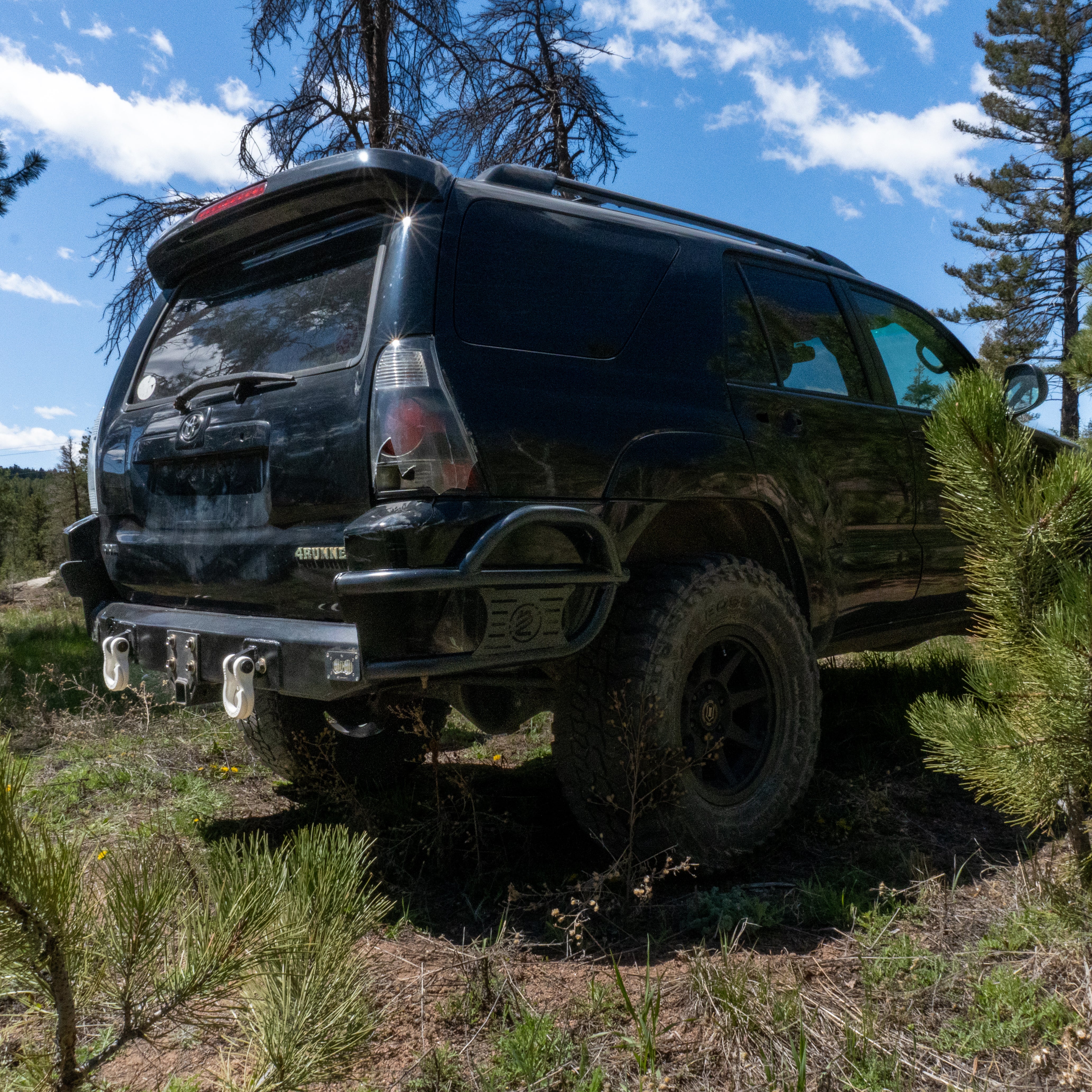
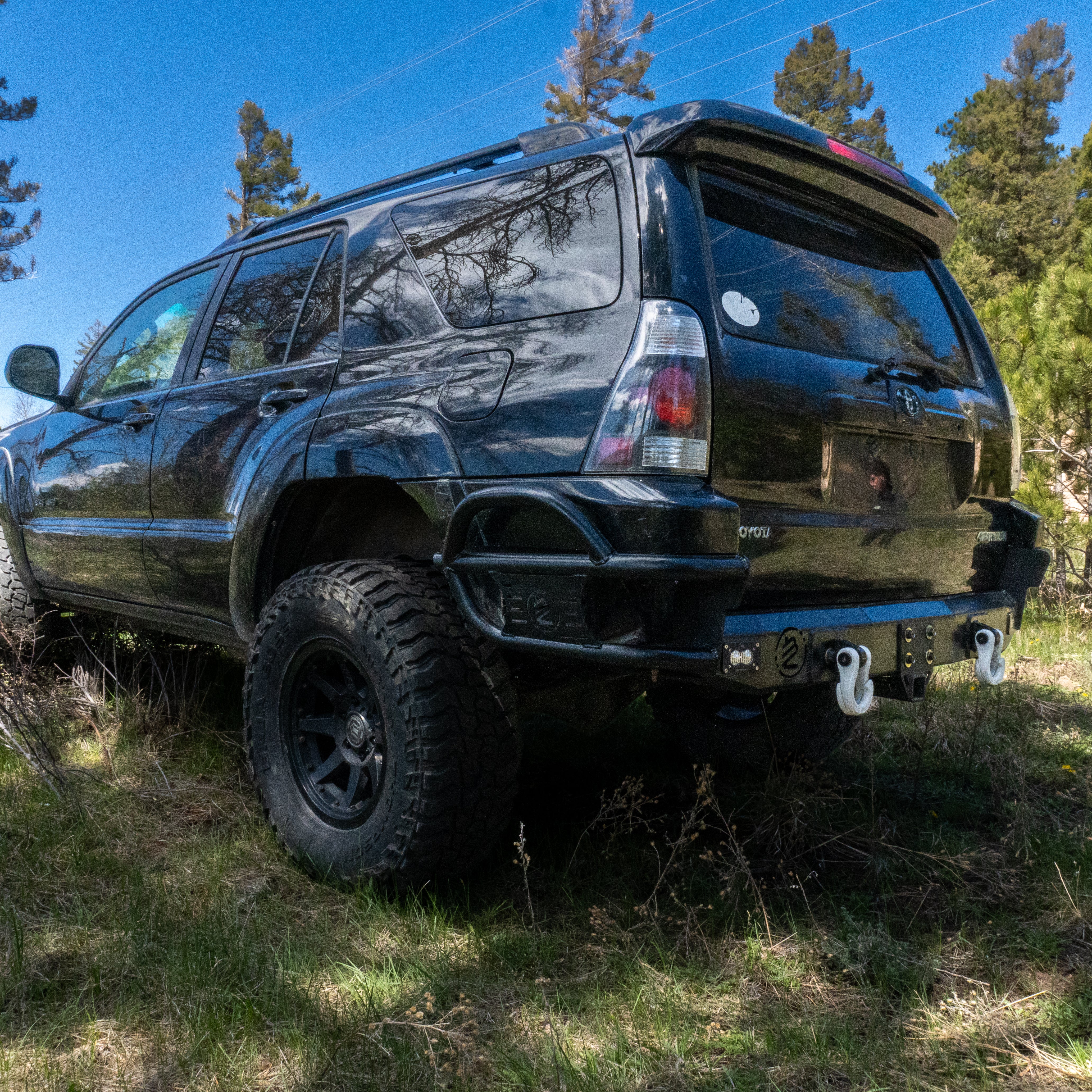
Rear protection for departure angles and trail exits
-
Rock sliders to protect doors and frame rails
-
Skid plates for drivetrain and steering components
Starting with these areas gives meaningful protection without overbuilding early in the process.
Weight Matters More Than Most People Expect
One of the biggest mistakes in armor selection is ignoring weight. Heavy steel adds strength, but it also affects suspension, braking, and handling.
When planning your setup, consider:
-
How much total weight is being added
-
Whether suspension upgrades are planned
-
How added weight affects ride quality
-
Whether lighter materials make sense for your use
Balanced builds last longer and feel better both on pavement and on trail.
Fitment and Design Are Not Small Details
Armor that fits poorly creates rattles, alignment issues, and long term wear. Vehicle specific fabrication solves this by working with factory mounting points and body lines.
Well designed armor should:
-
Mount cleanly without forcing alignment
-
Maintain factory sensor function where applicable
-
Preserve approach and departure angles
-
Allow future upgrades without rework
This is where quality fabrication makes a real difference.
Building With Confidence Instead of Guessing
A good off road armor setup removes uncertainty. You should know what your armor is protecting, why it is there, and how it supports your driving goals.
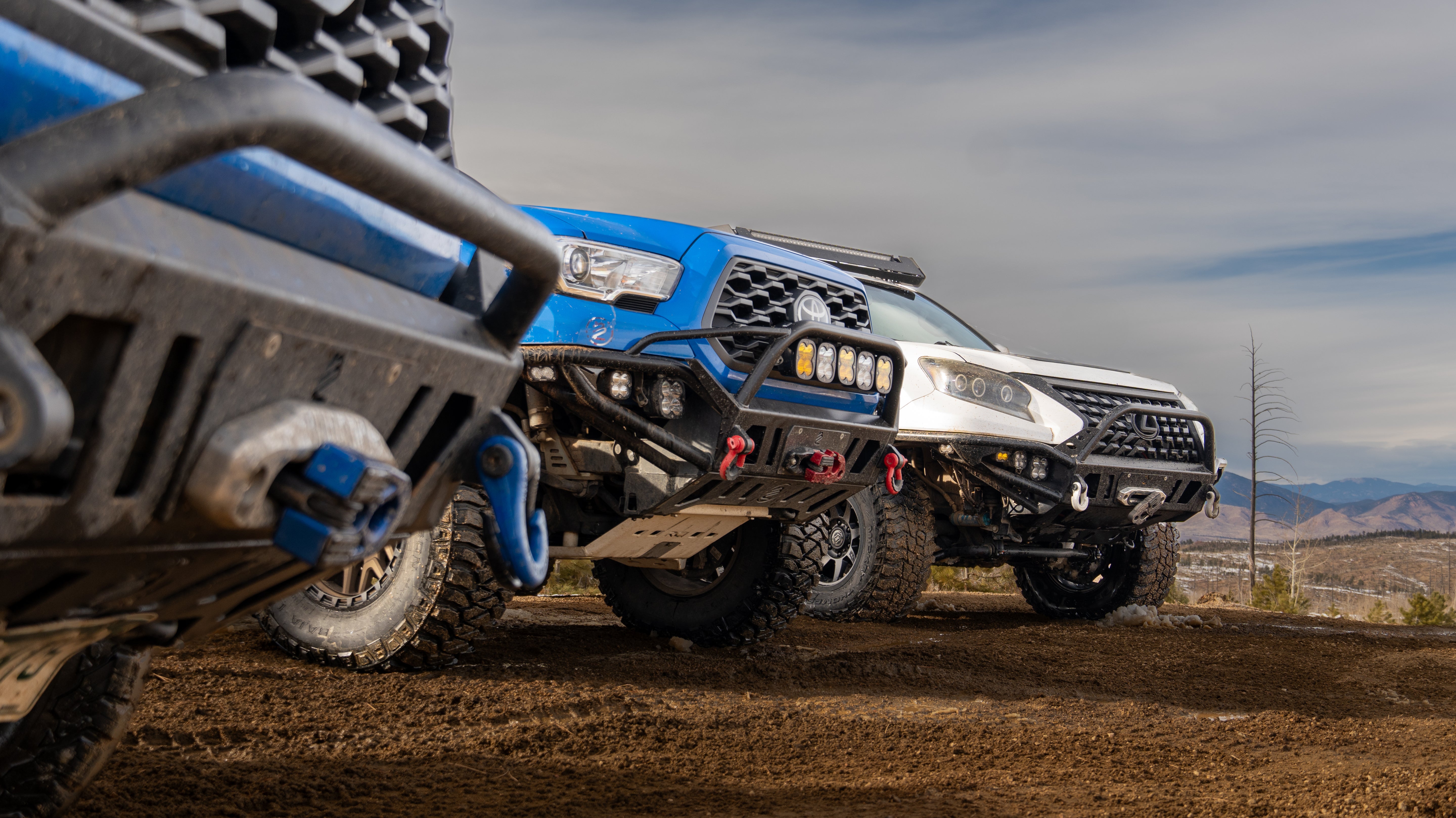
At Lil B’s Custom Fabrication, armor is designed specifically for Toyota and Lexus platforms because real world fit and trail performance matter. Each piece is built to handle actual use, not just look good in a parking lot.
If you are ready to build protection that works as hard as your rig does, explore Lil B’s armor options and build with confidence from the start.
Share:
Learn why skid plates are essential for off-road protection and how the right underbody armor keeps your Toyota trail ready and reliable.
Why Front-End Protection Is the Smartest First Upgrade for Your Toyota