

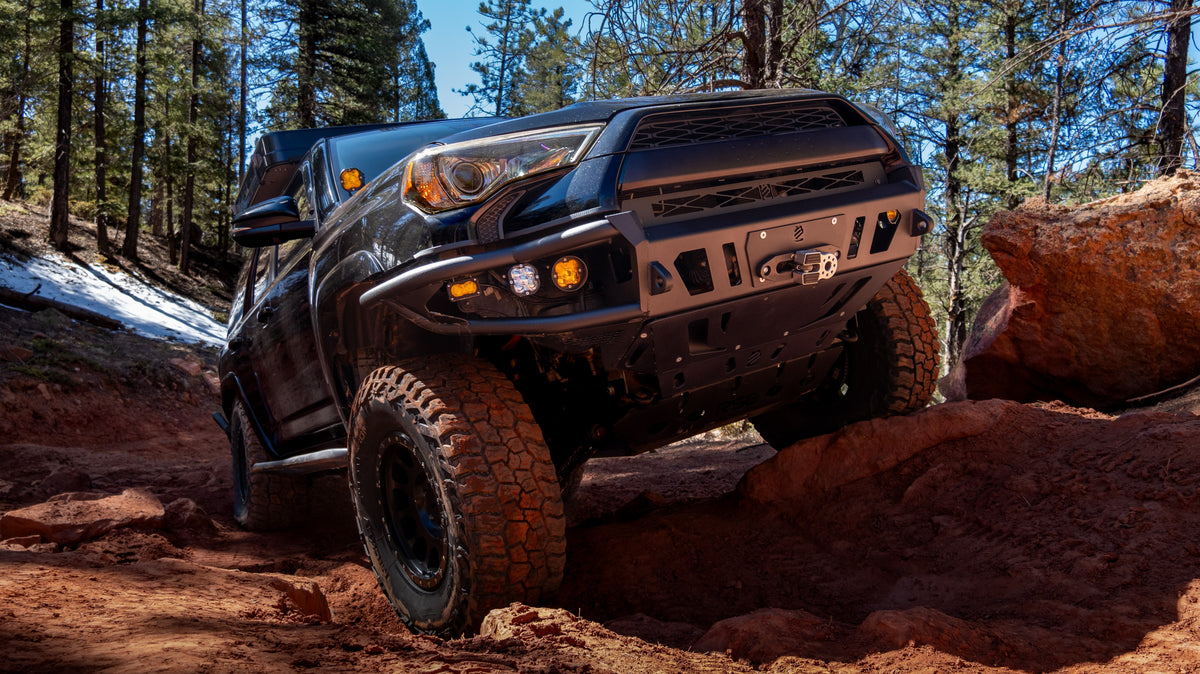
The Tax Season Trail Sale moves north, and the terrain changes completely. No more desert dust and exposed rock. We are talking rain-soaked trails, moss-covered boulders, and mountain roads where mud is a feature, not a bug. The Naches Trail in Washington is the kind of wheeling that tests your rig in ways the Southwest never will.
This is stop four in our series. Colorado gave us altitude and red dirt. Arizona and Nevada gave us rock and exposure. The Pacific Northwest gives us something different — dense forest, unpredictable traction, and trails that get harder the wetter they get.

Why the Naches Trail Belongs on Your List
The Naches Trail sits in the Cascade Range, running roughly 40 miles from Highway 410 near Naches to Highway 12 near White Pass. Originally a Native American trade route, it was later used by early settlers crossing the mountains. Today, it is one of the most scenic and challenging off-road routes in Washington.
What makes the Naches Trail worth the drive is the combination of history, elevation change, and terrain variety. You will climb through old-growth forest, cross rocky creek beds, navigate narrow shelf roads with steep drop-offs, and encounter mud holes that look shallow but are not. The scenery is incredible — waterfalls, alpine meadows, and views of the Cascades that make you stop and shut the engine off just to take it in.
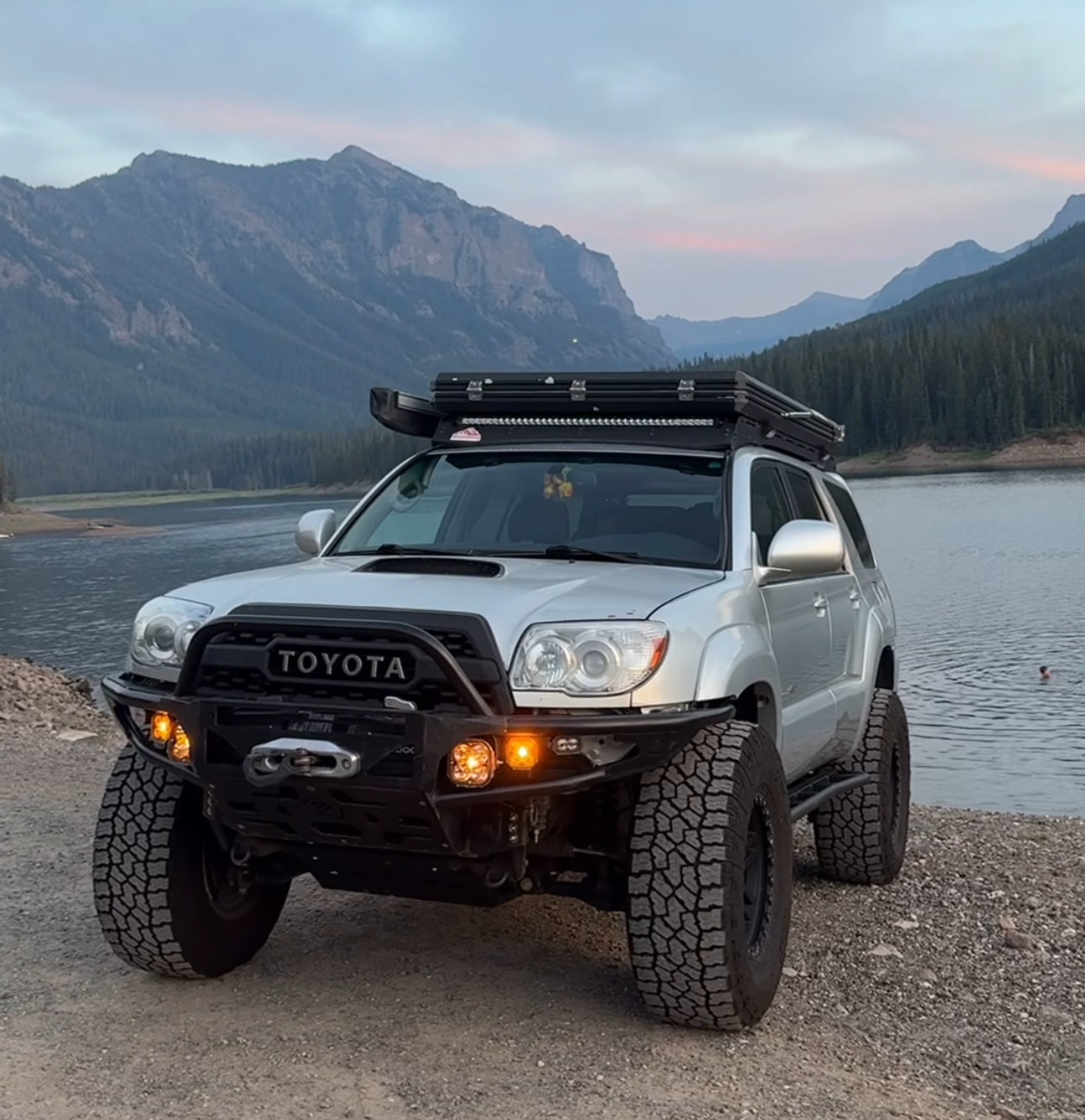
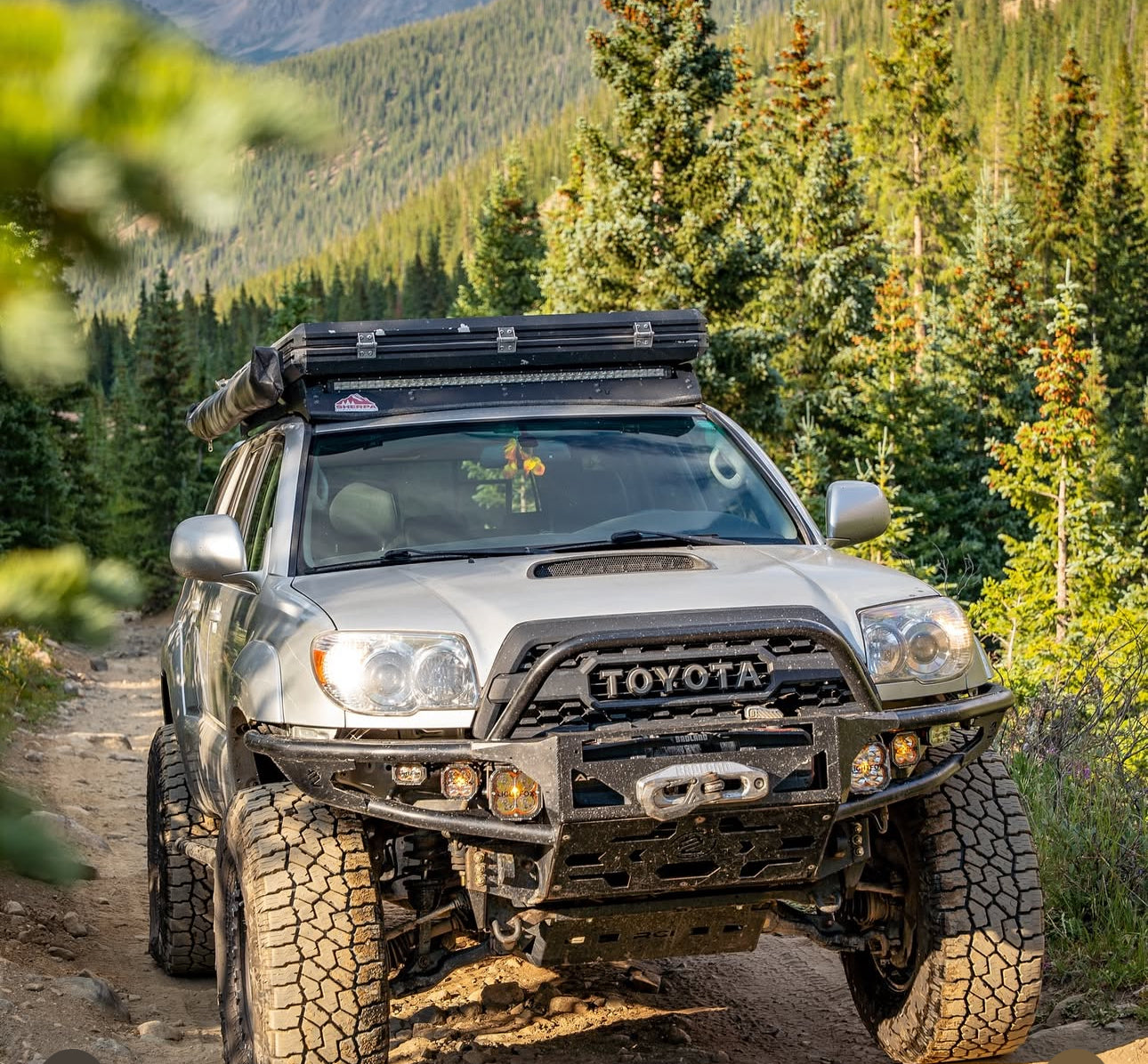
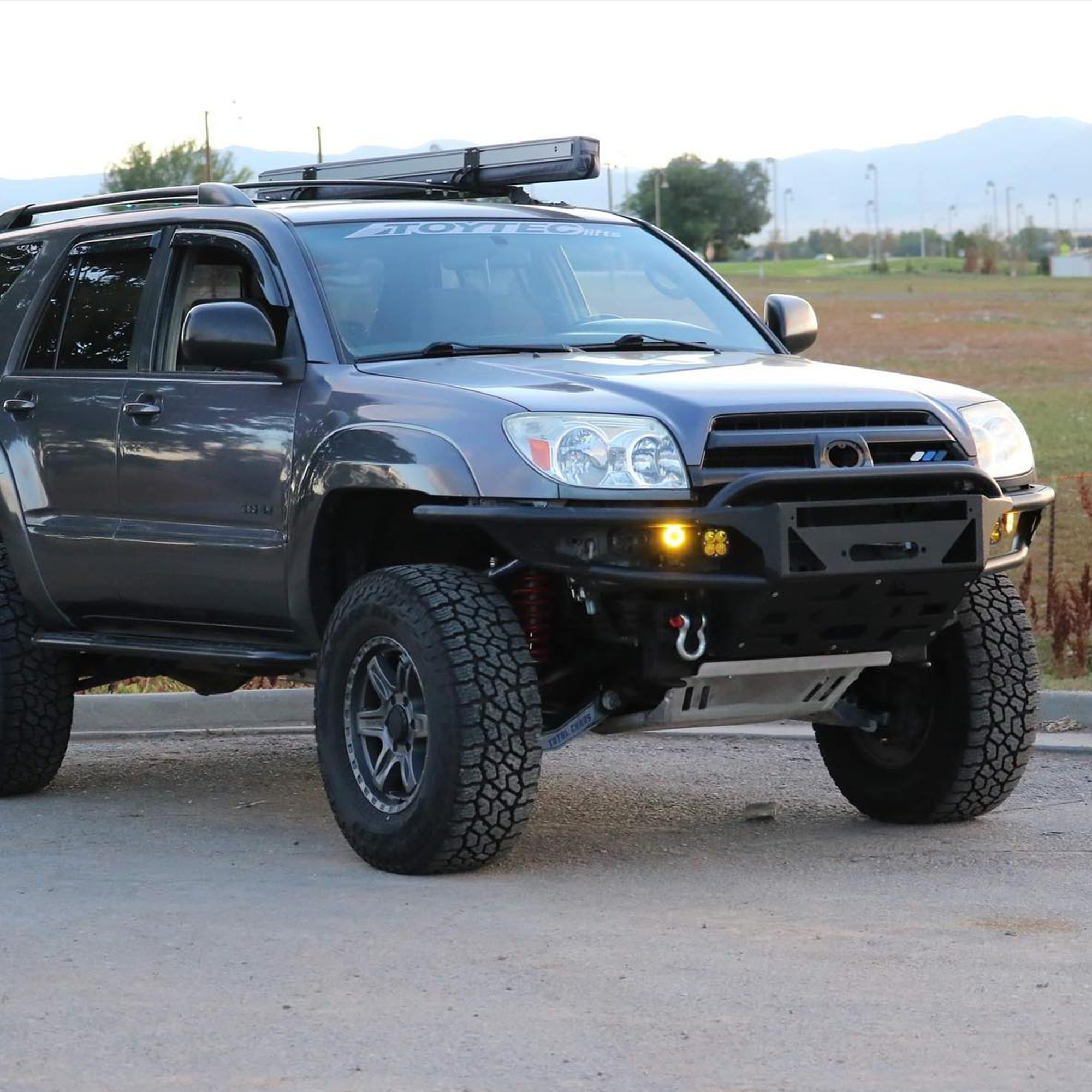
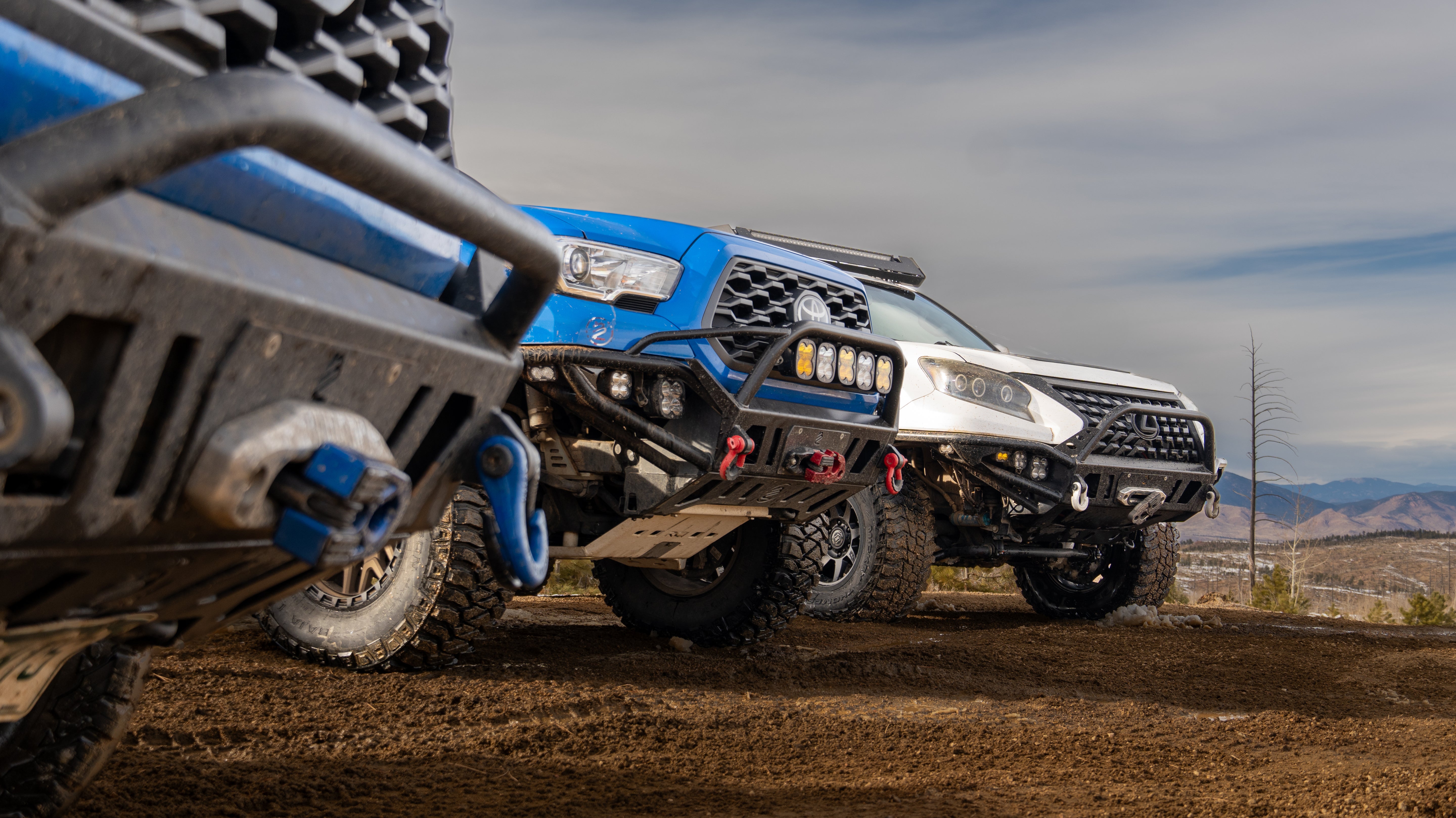
For a Toyota or Lexus running aftermarket armor, the Naches Trail is the kind of place that shows you why protection is not just about rocks. Mud, water crossings, and hidden obstacles under standing water will find every weak point on your rig.
What the Trail Actually Demands
The Naches Trail is a full-day commitment. Depending on conditions, weather, and your experience level, it can take anywhere from 4 to 8 hours to complete. Here is what you can expect:
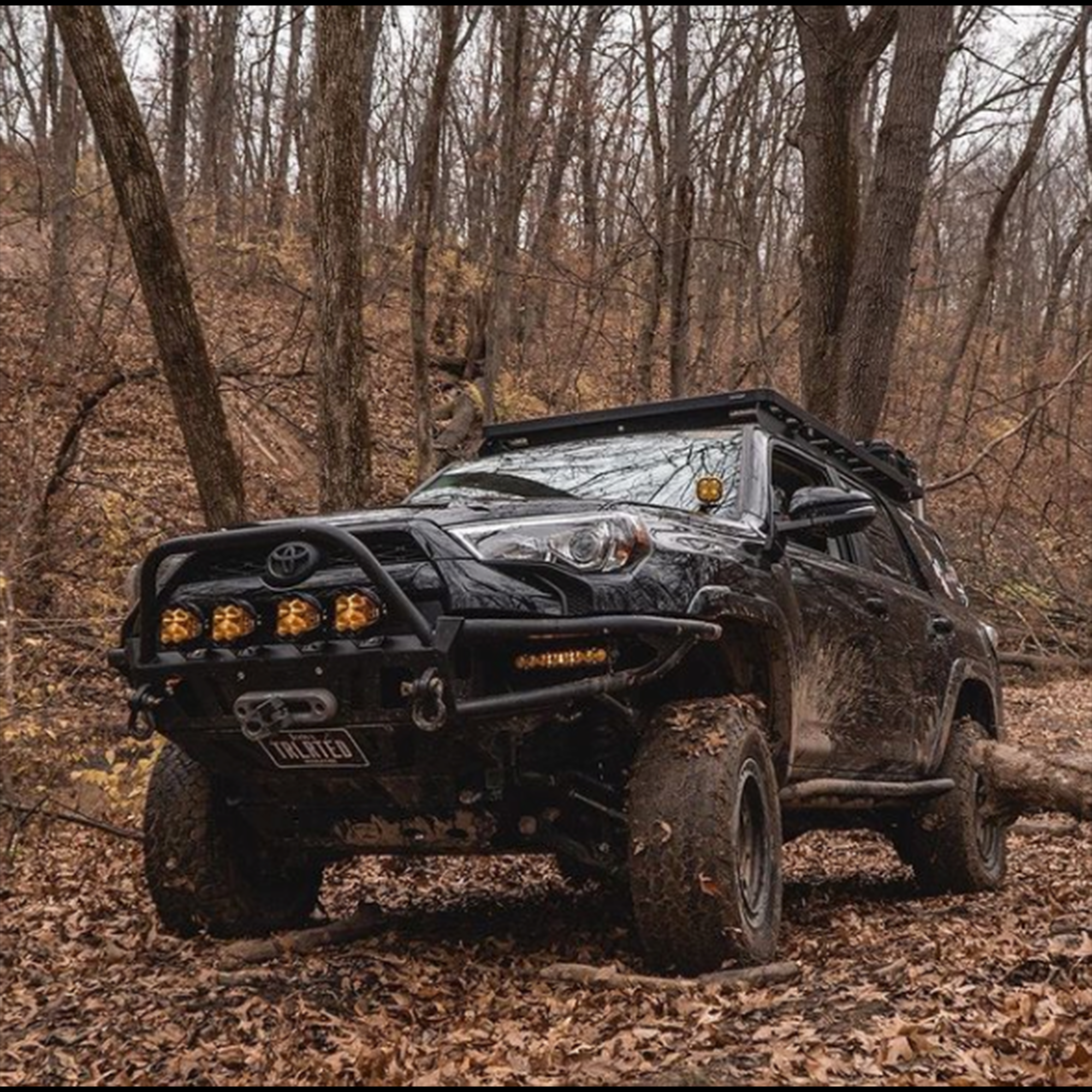
Mud. Lots of mud. The Pacific Northwest gets rain, and the Naches Trail gets all of it. Expect deep ruts, slick clay, and mud holes that grab your tires and do not let go. Momentum is your friend, but so is knowing when to stop before you bury your rig axle-deep.
Rocky creek crossings. The trail crosses several seasonal streams and creeks. Some are easy roll-throughs. Others require careful line choice to avoid submerging your differential or catching a boulder under your skid plate. Water levels change throughout the season — what was passable in August might be impassable in June.
Narrow shelf roads with exposure. Some sections run along steep mountainsides with limited room for error. The trail is wide enough for a full-size truck, but when you are on an off-camber shelf road with a steep drop to your right, it does not feel wide enough.
Loose rock over hardpan. The transition zones between forest floor and rocky climbs are where traction gets tricky. Wet rocks are slick, and loose stones over hard surfaces mean your tires are constantly hunting for grip.
Fallen timber and overgrowth. The Pacific Northwest is dense. Trees fall across trails, brush grows into the corridor, and visibility is limited in tight sections. Expect to scrape branches off your mirrors and possibly clear smaller deadfall by hand.
Seasonal snow at higher elevations. Even in summer, snow can linger in shaded sections above 5,000 feet. Early season runs may encounter significant snowpack, which changes the trail difficulty entirely.
Most of the Naches Trail is moderate in difficulty, but conditions can push it into the difficult category quickly. A stock 4WD vehicle with good tires can make it in dry conditions. Wet conditions demand more clearance, better tires, and armor.
The Trail That Finds Every Gap in Your Armor
The Pacific Northwest does not punish your rig with sharp rocks and ledges the way the Southwest does. Instead, it finds the soft spots — your electronics, your differentials, your breather tubes, and your underbody — and tests them with water, mud, and hidden obstacles you cannot see until you are already on top of them.
Stock bumpers and factory skid plates are designed for dry pavement and the occasional gravel road. They are not designed for creek crossings, submerged boulders, or mud holes deep enough to bury your oil pan. Here is what proper armor does on a trail like the Naches:
Heavy-duty skid plates protect your engine, transmission, and transfer case from impacts you cannot see coming. When you are crossing a creek and there is a basketball-sized boulder under six inches of water, a skid plate is the difference between "that was close" and "we are calling a tow truck."
Sealed and protected recovery points ensure you can winch or get pulled out even after multiple water crossings. Cheap bolt-on recovery points rust and weaken when exposed to constant moisture. Integrated recovery points on a properly built front bumper are designed for wet environments and high-load recovery scenarios.
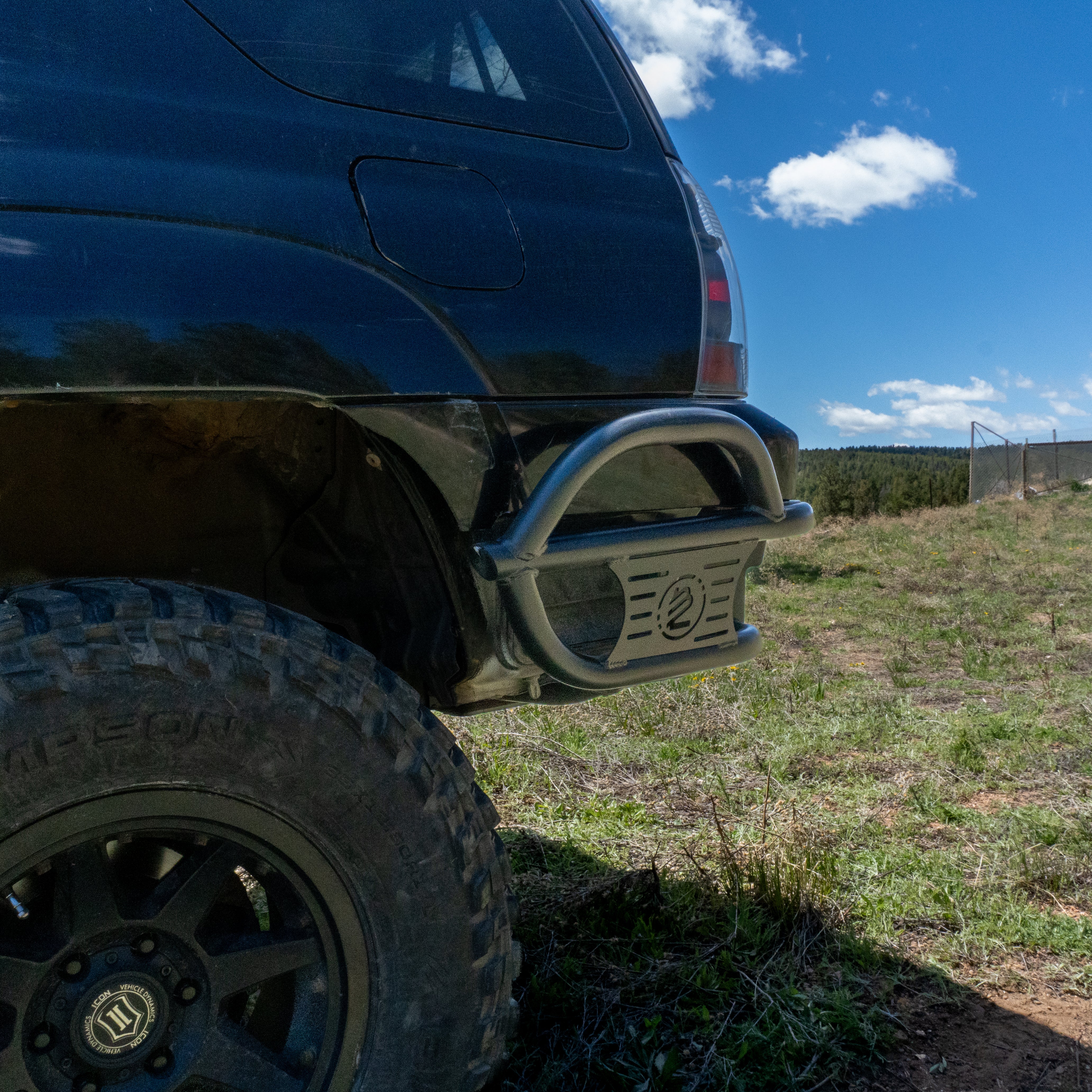
Improved approach and departure angles keep your rig from high-centering on hidden obstacles. Mud holes and water crossings often have uneven bottoms — a low-hanging front bumper will catch on the exit lip, and a low rear bumper will drag on the way out. Proper armor gives you the clearance to commit to the line.
Corrosion-resistant materials and finishes matter more in the Pacific Northwest than anywhere else. Constant moisture, mud, and organic debris mean your armor is always exposed to corrosion. Powder coating and proper prep work keep your protection intact season after season.
At the Naches Trail specifically, the creek crossings and mud holes are where underbody protection proves its worth. A rig with minimal skid plate coverage will survive the trail — until it does not. A fully protected rig lets you focus on driving, not on whether the next water crossing is going to crack your oil pan.
Planning Your Run on the Naches Trail
If you are thinking about running the Naches Trail, here is what you need to know.
Getting there: The eastern trailhead is accessed from Highway 410 near Naches, Washington. Head west on Forest Road 1920. The western trailhead is accessed from Highway 12 near White Pass. The trail can be run in either direction, but most people run it west to east due to elevation and difficulty progression.
Difficulty: Moderate to difficult depending on conditions. Dry summer conditions make it manageable for a capable stock 4WD vehicle. Wet conditions, early season snow, or heavy rain push it into difficult territory quickly.
Best season: Late July through September offers the best conditions. Snowmelt and spring rains make the trail significantly harder and sometimes impassable before mid-summer. Always check current conditions with the Wenatchee National Forest before you go.
Amenities: None. This is a remote backcountry. No services, no cell coverage, and limited places to turn around once you commit. Bring everything you need for self-recovery, including a winch, recovery straps, traction boards, and emergency supplies.
Permits: No special permits required for day use. Camping along the trail requires adherence to National Forest dispersed camping rules. Some sections may be closed seasonally due to snow or wildlife management — check before you go.
Trail etiquette: The Naches Trail is shared-use. Watch for dirt bikes, ATVs, and hikers. Some sections are narrow with limited passing zones — communicate with oncoming traffic and yield appropriately. Pack out everything you pack in, and respect trail closures.
Tax Season Trail Sale: Build the Rig the Pacific Northwest Demands
Tax season is when you finally have the budget to stop researching and start building. The Tax Season Trail Sale is your opportunity to put that refund toward something that matters — real protection for real trails.
The Pacific Northwest is not forgiving. Mud will bury you. Water crossings will find every unsealed opening. And when you are 20 miles into a remote trail with no cell service and a cracked skid plate, you will wish you had spent the money on proper protection instead of hoping stock components would hold up.
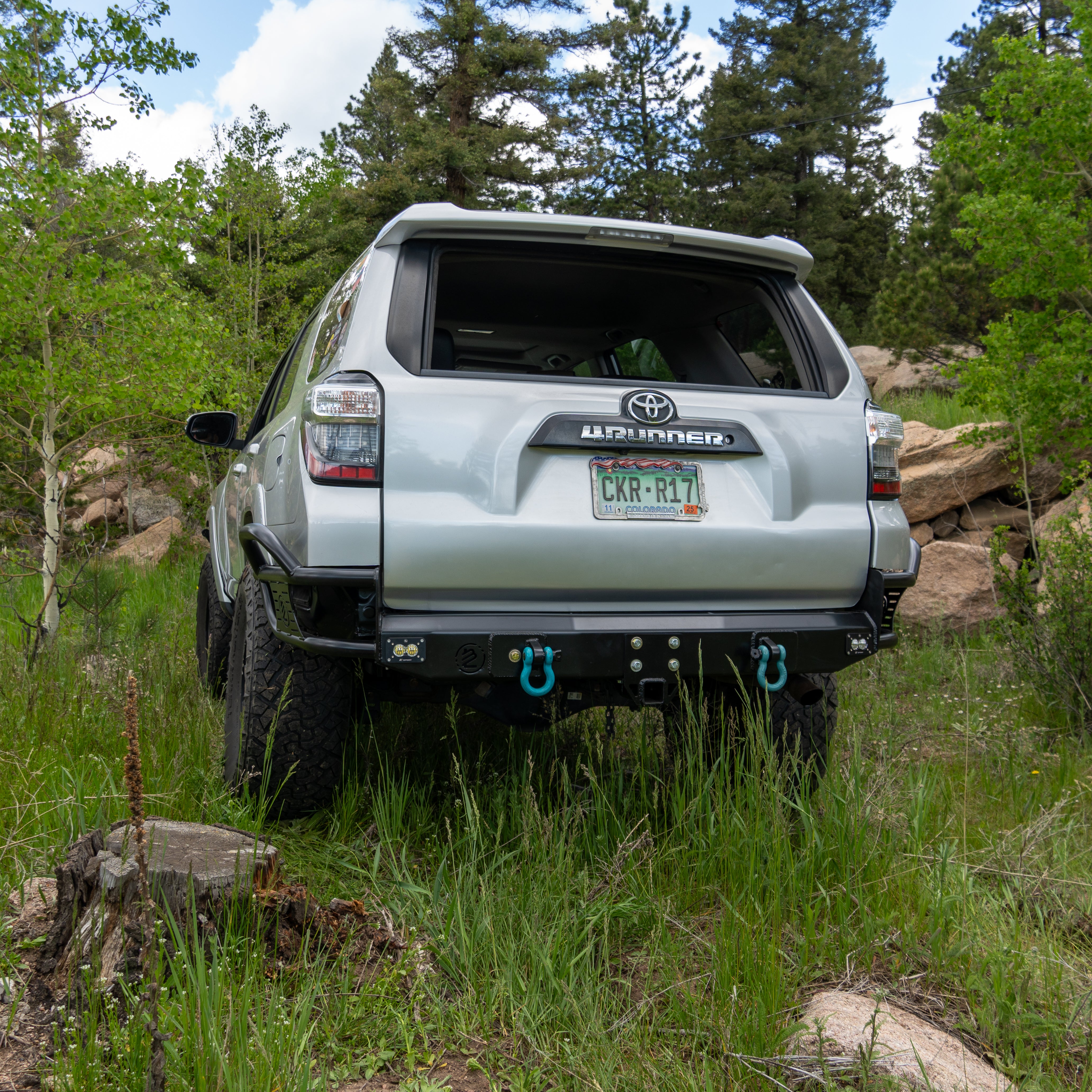
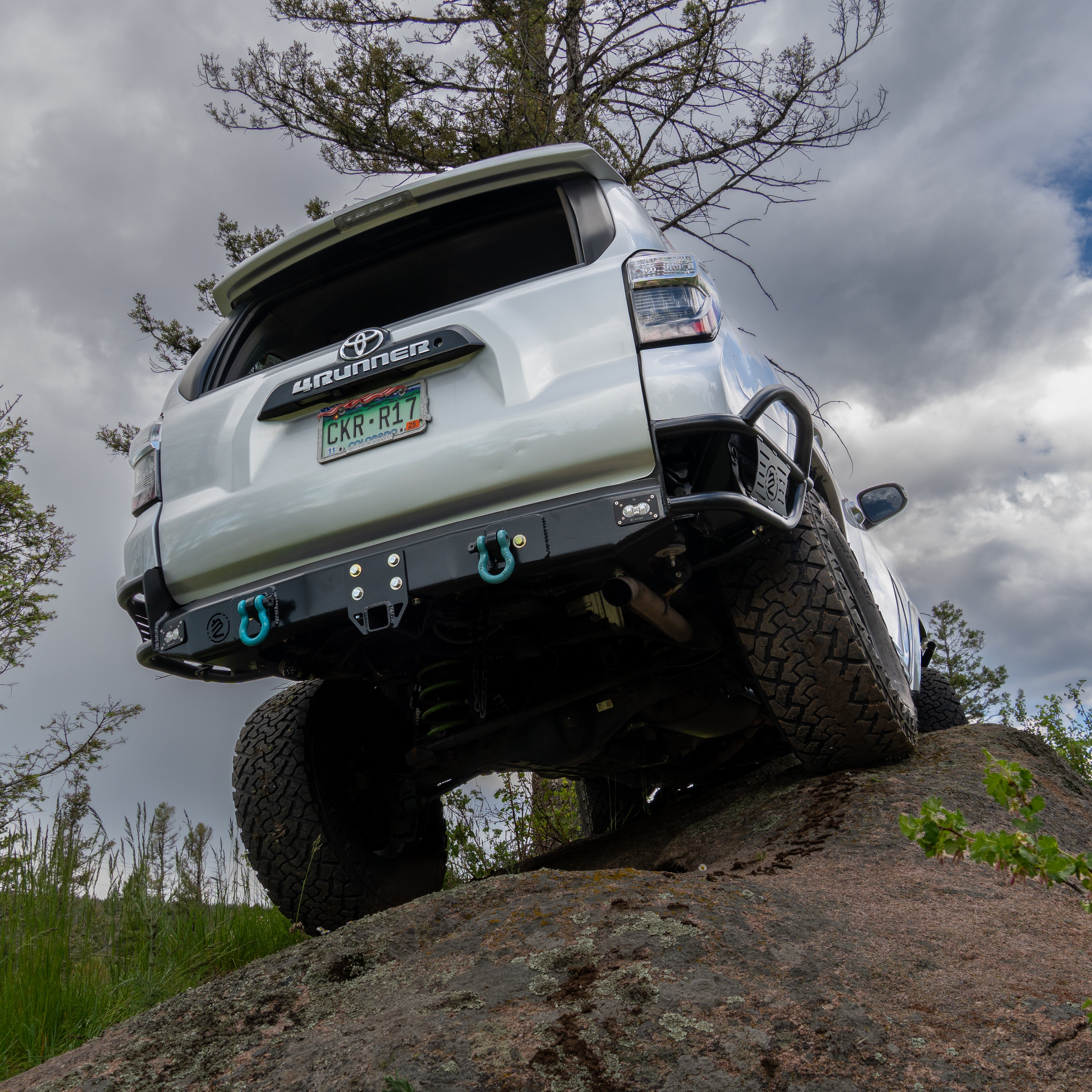
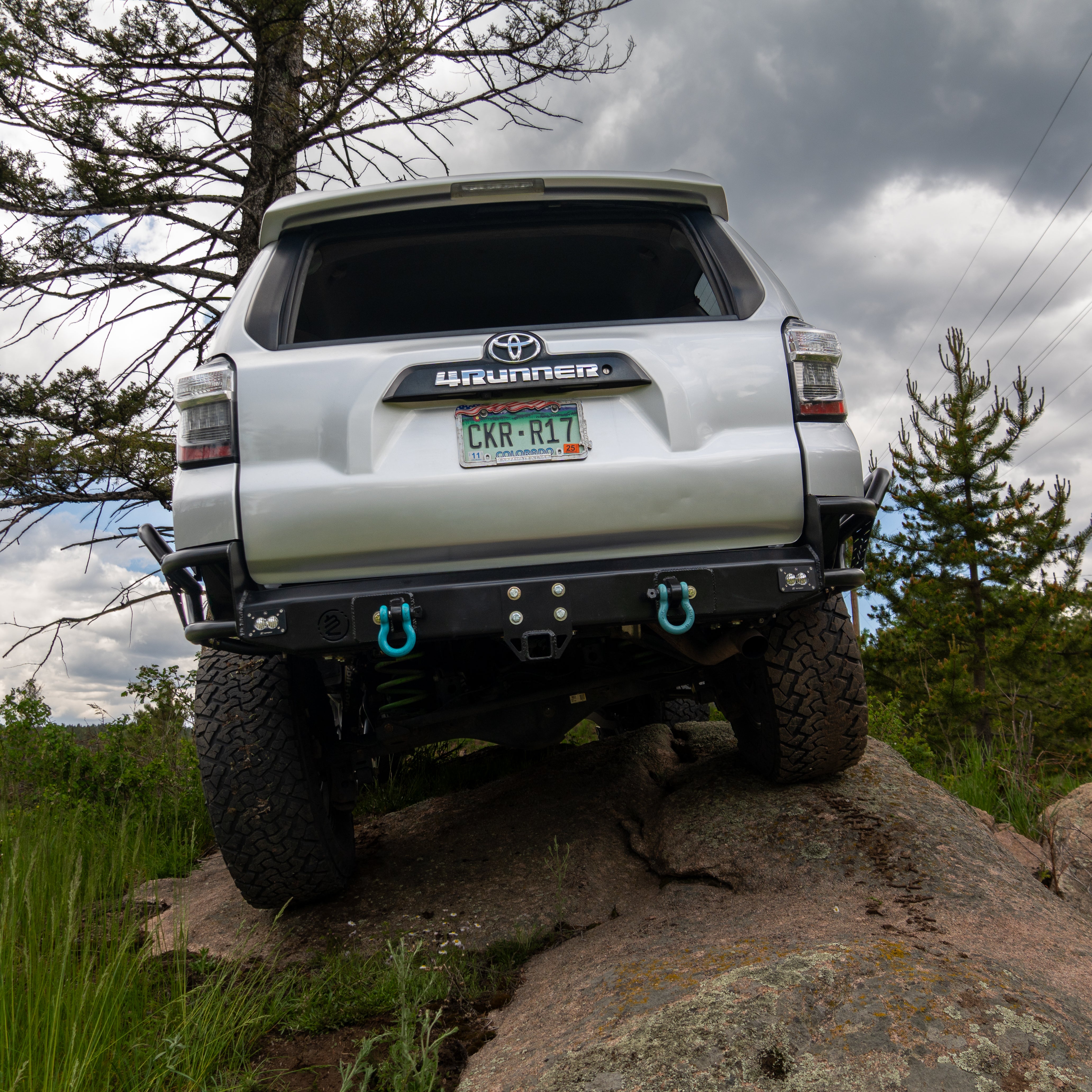
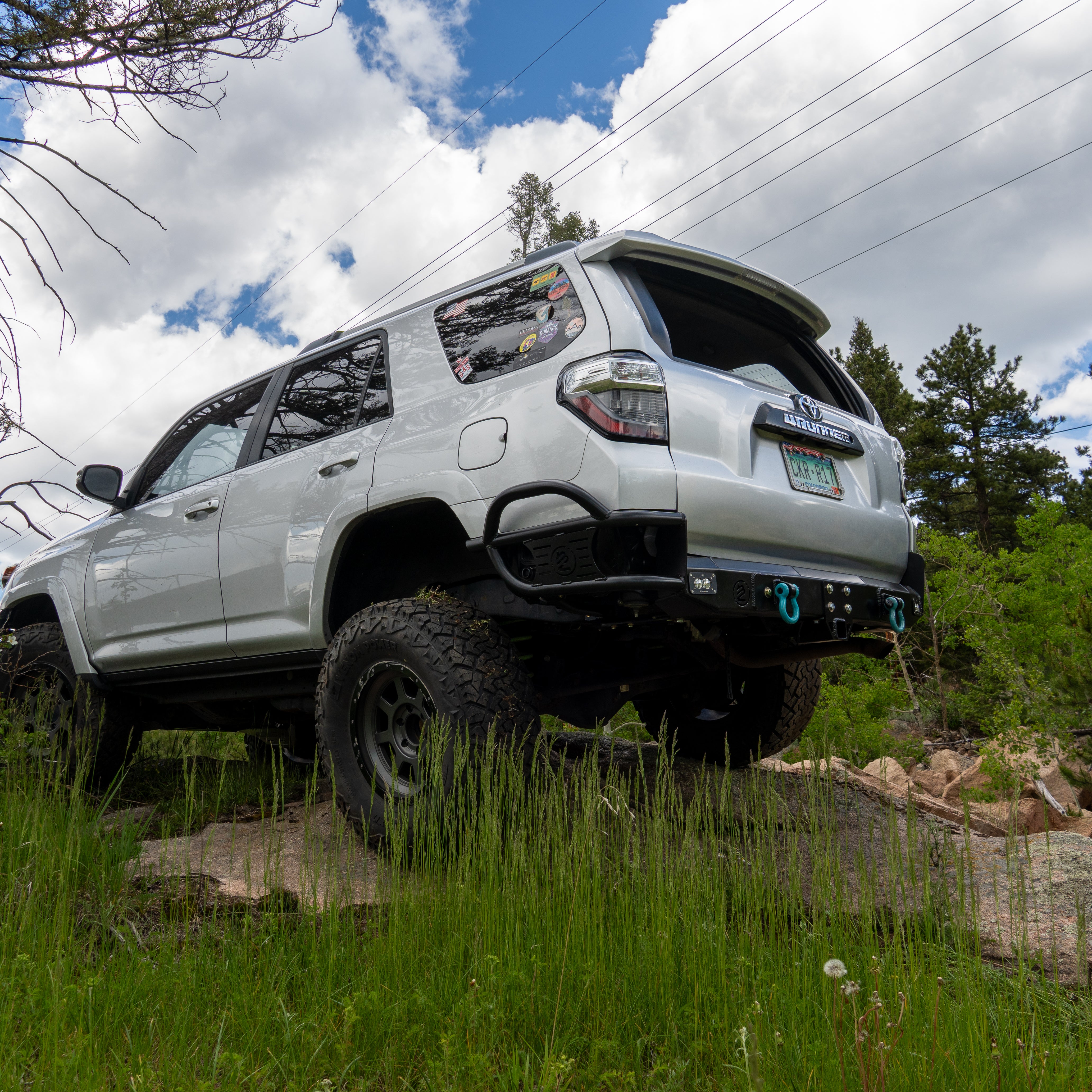
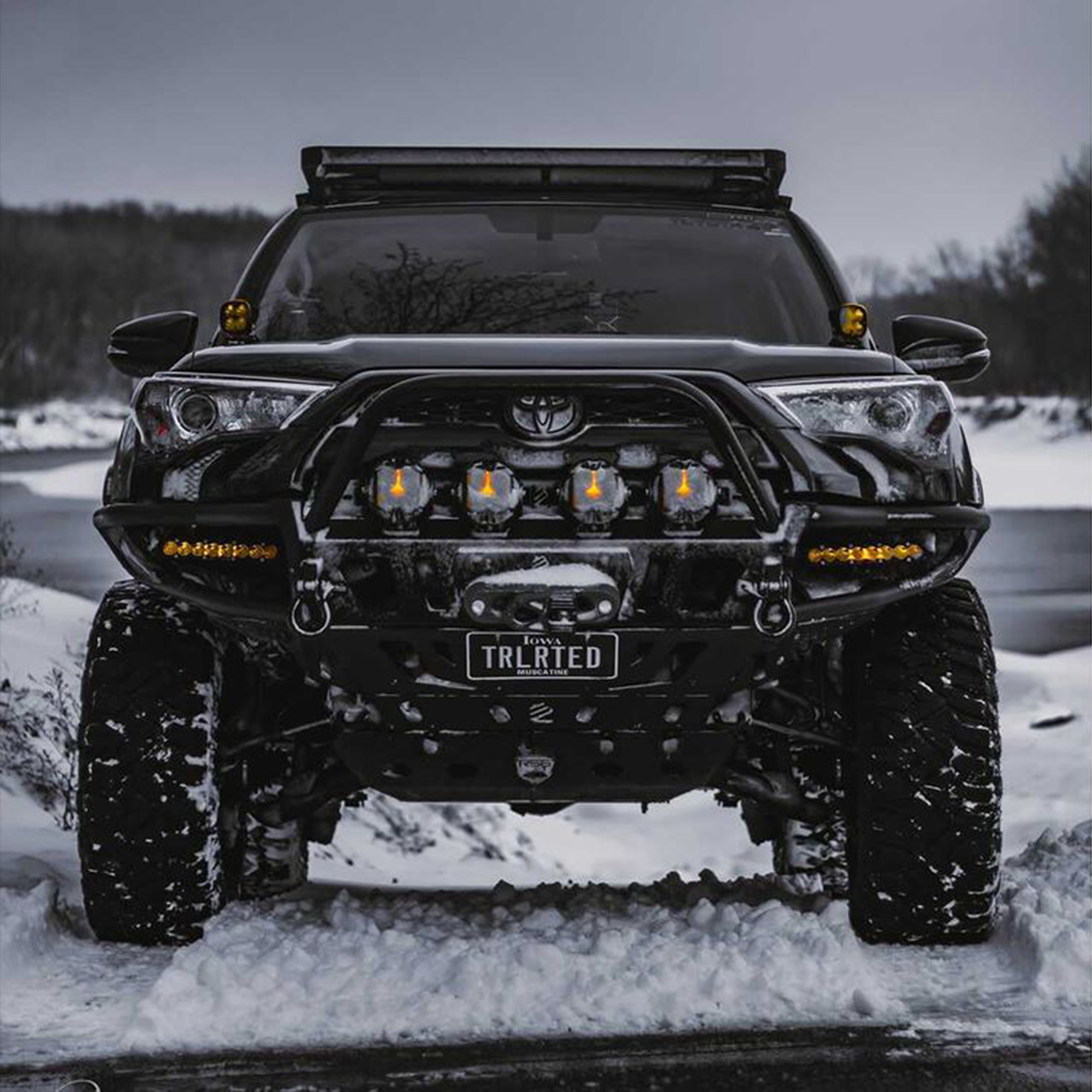
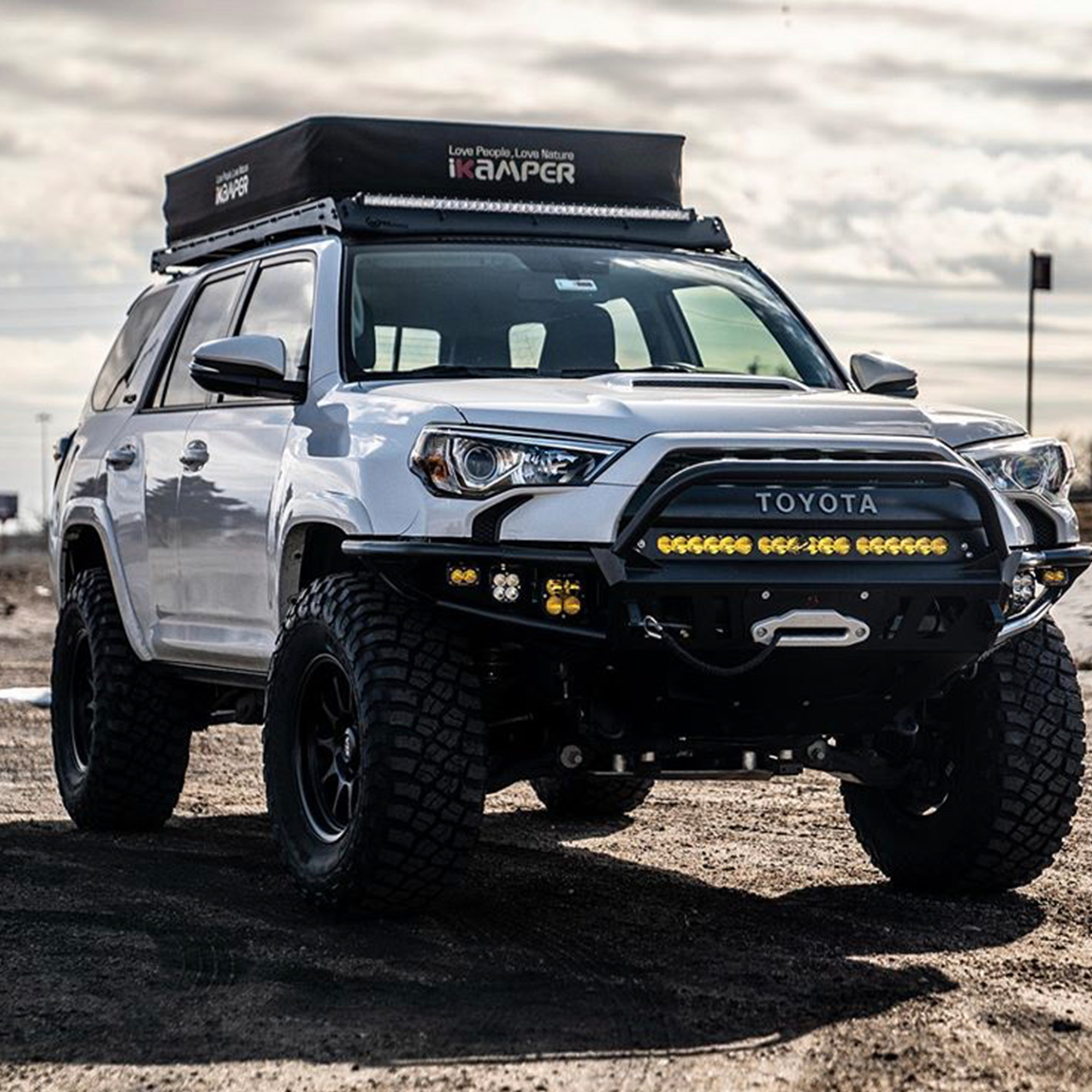
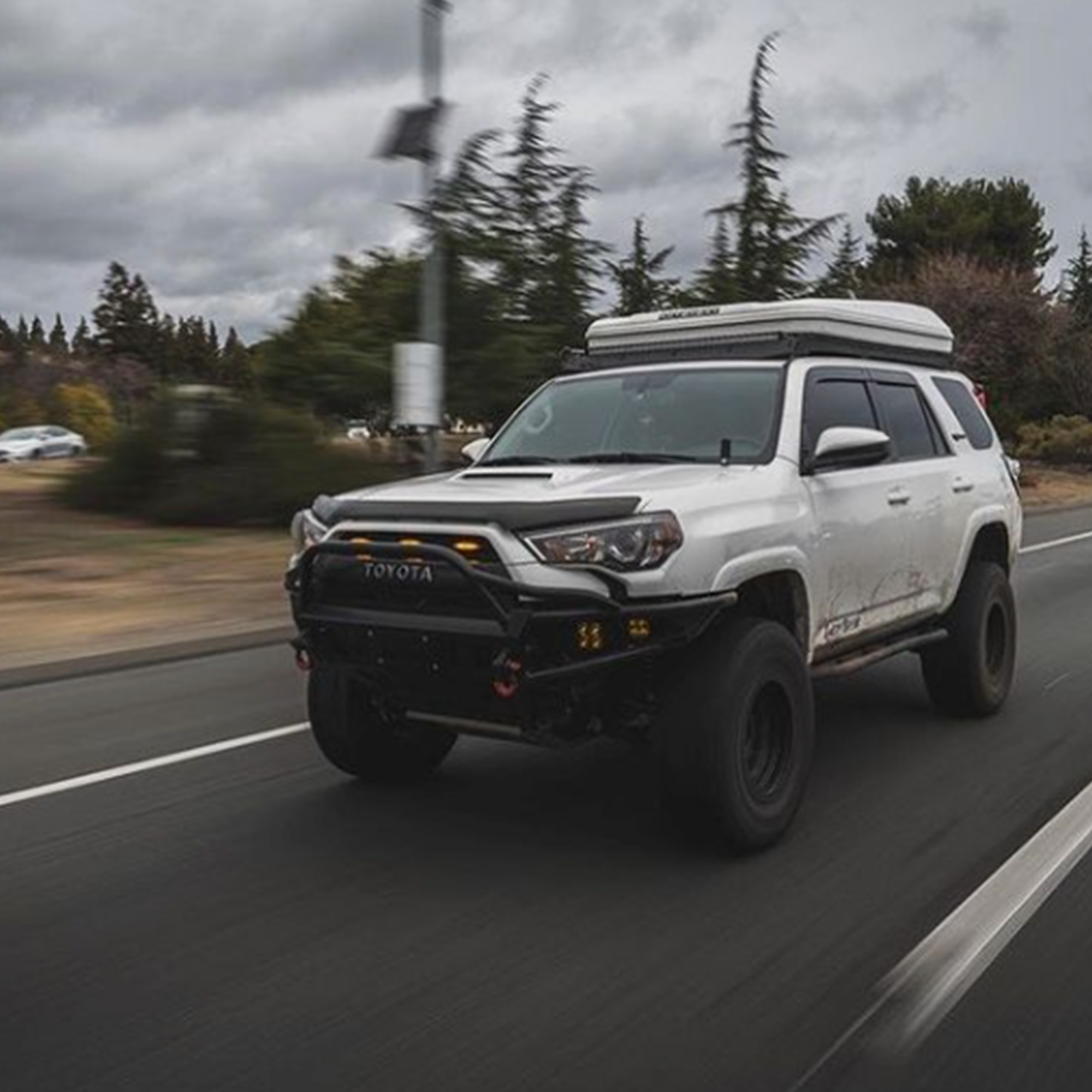
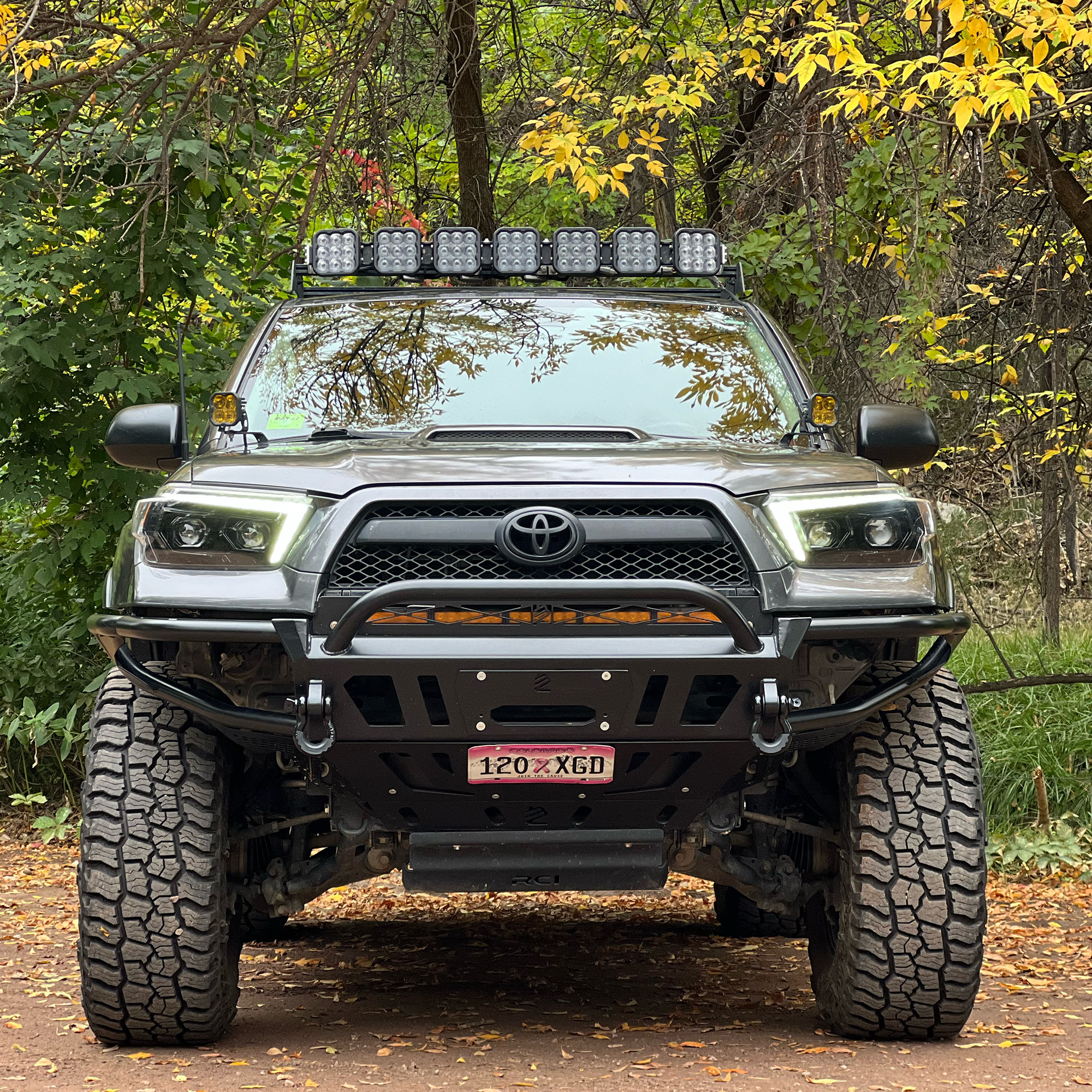
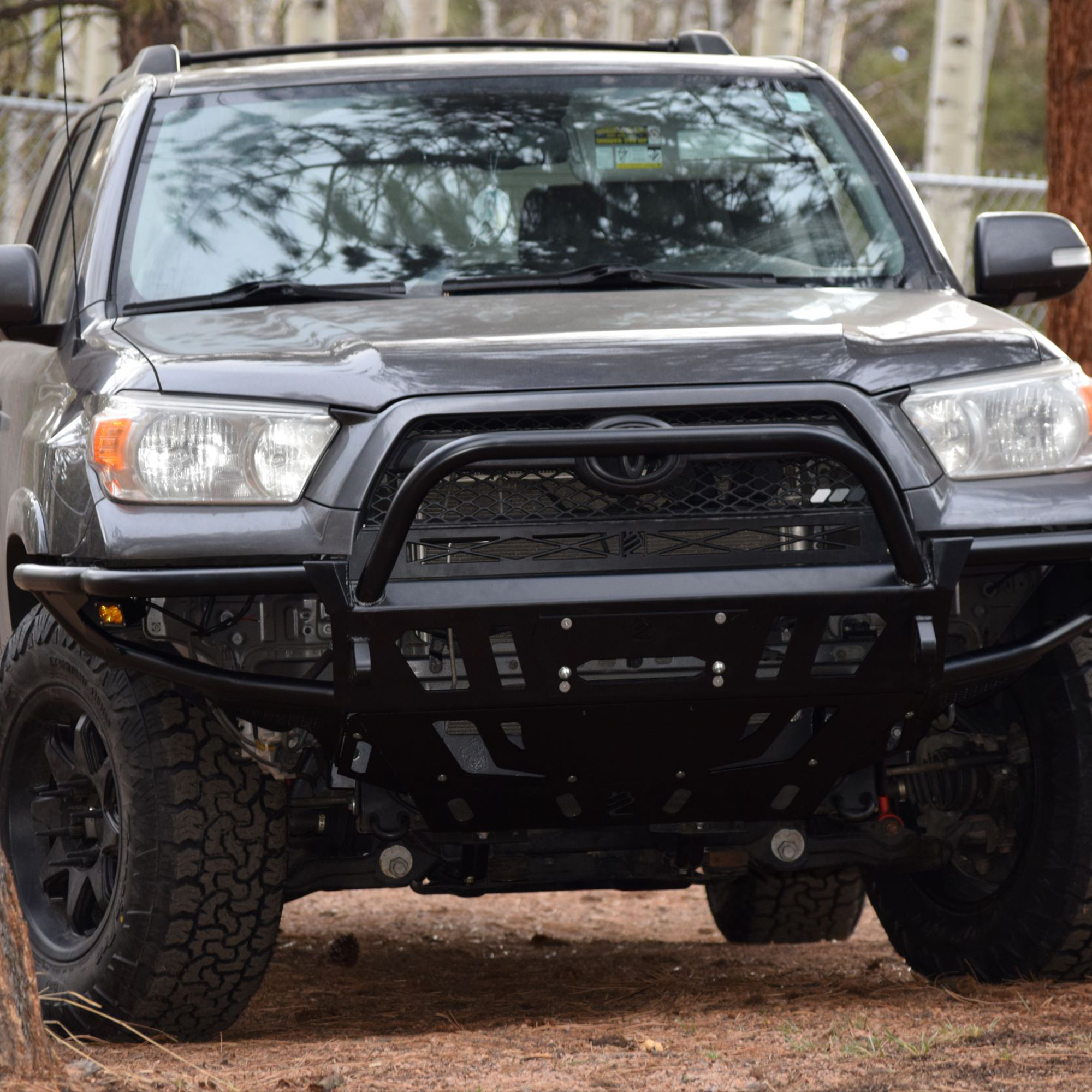
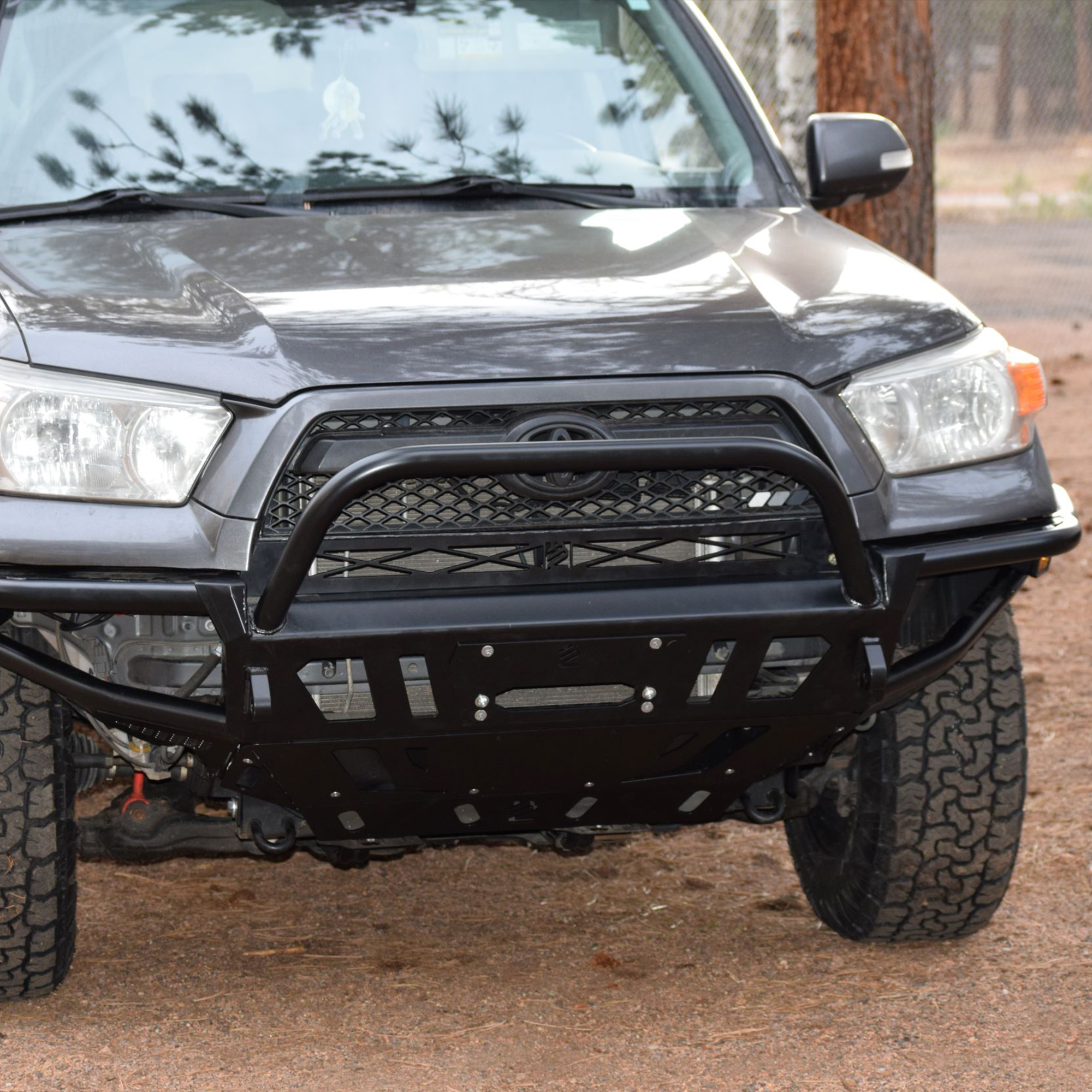
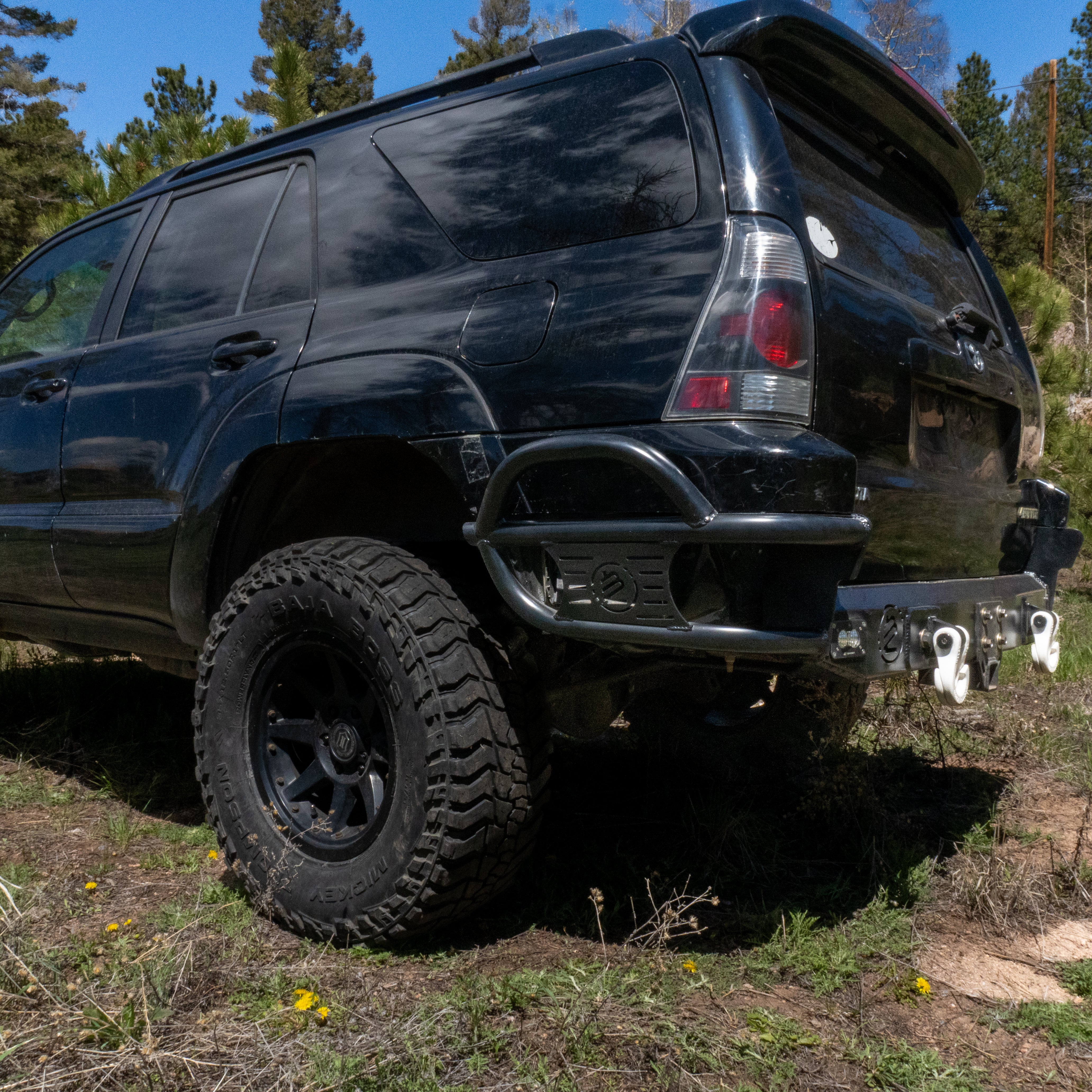
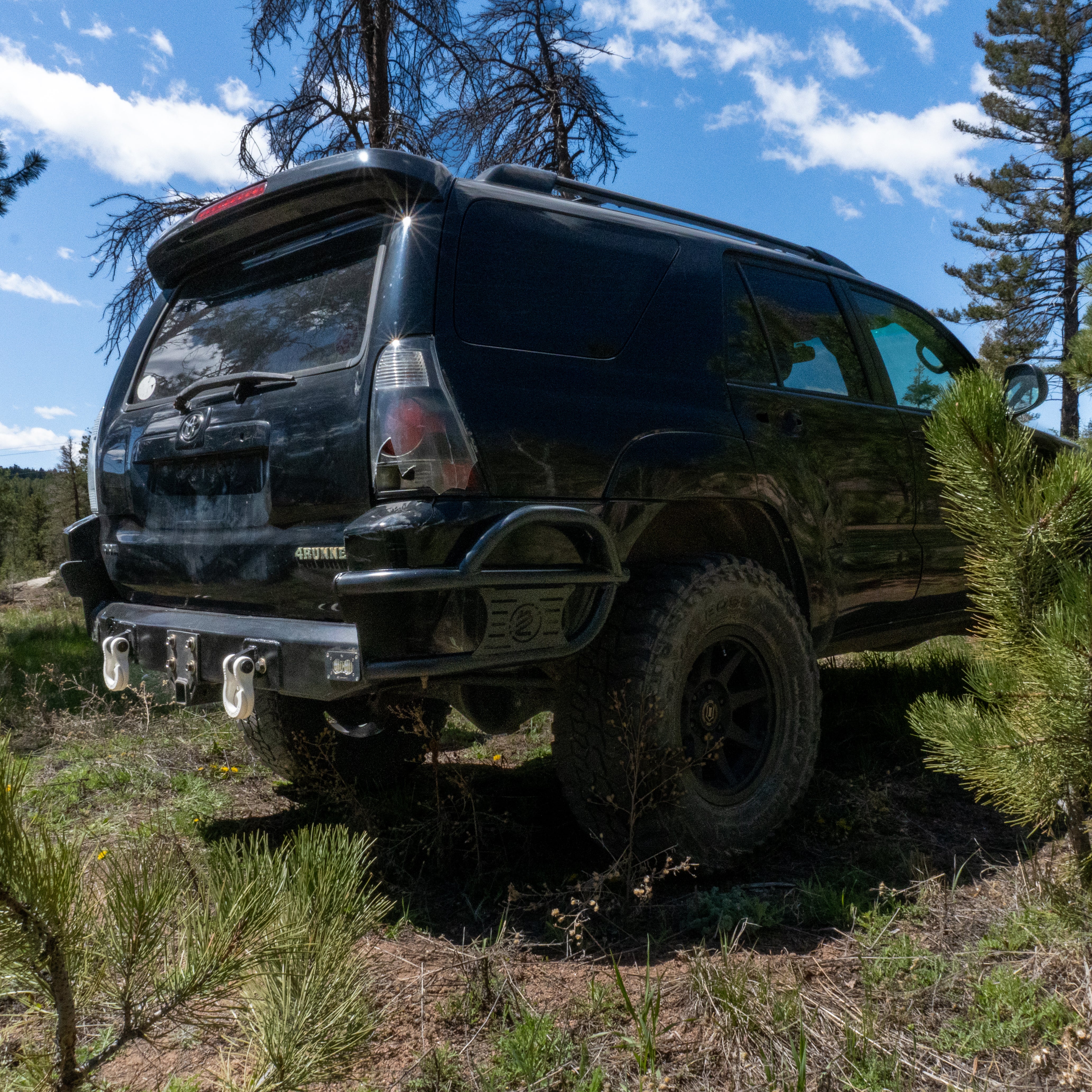
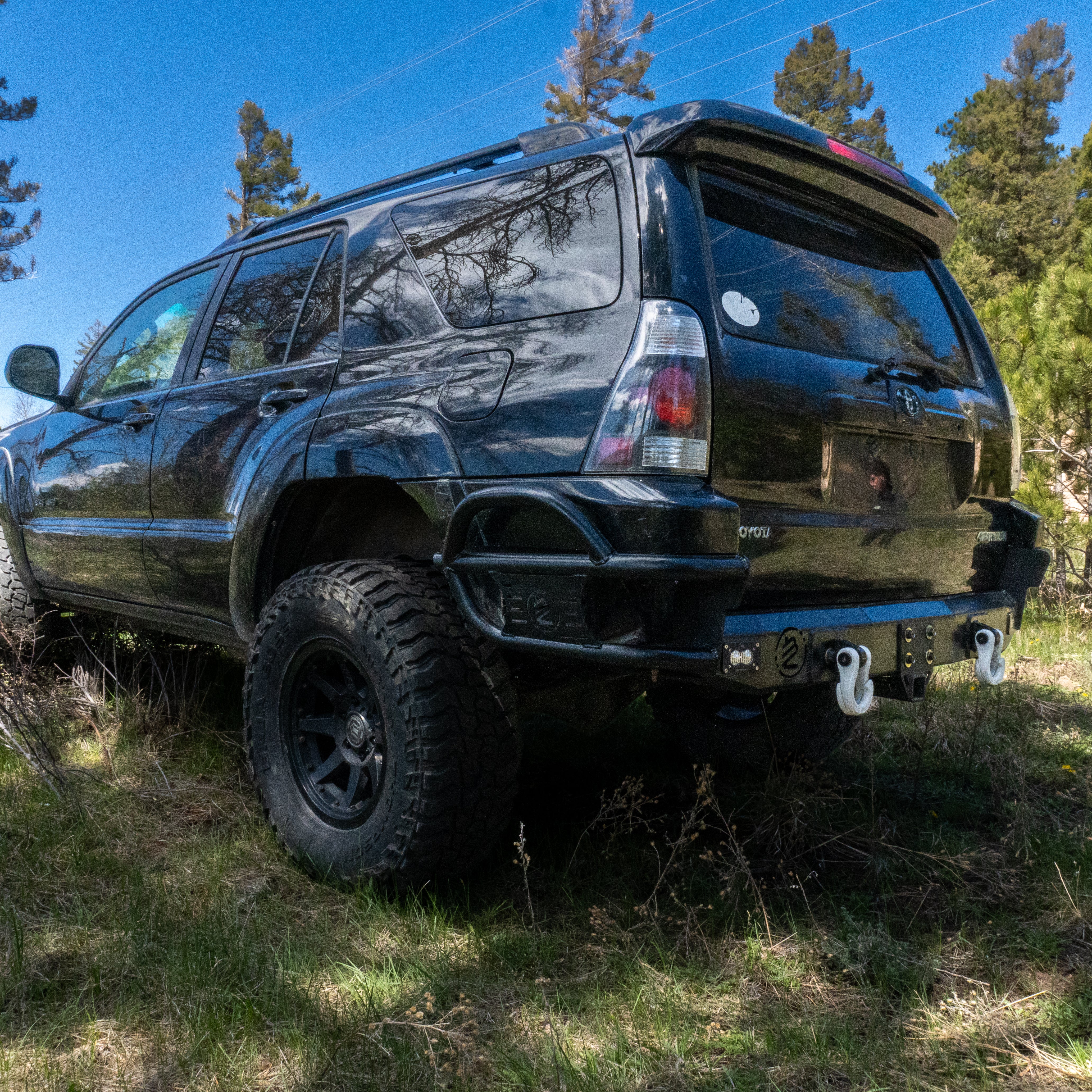
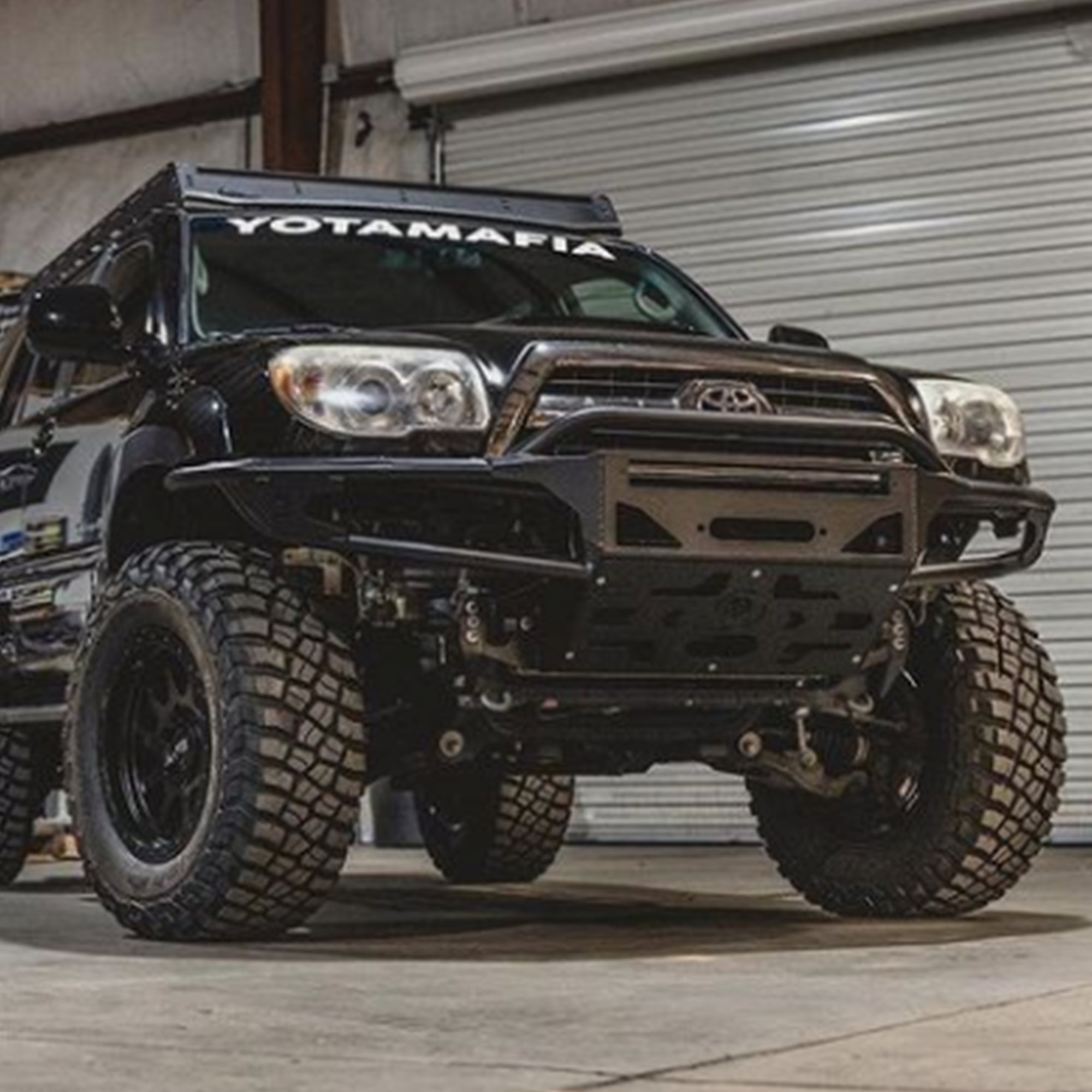
Whether you are building your first trail-capable rig or finishing a setup that is already proven, this is the time to do it right. A front bumper protects the most vulnerable part of your vehicle and gives you the recovery capability you need when things go wrong. Skid plates protect the vitals and let you commit to water crossings and mud holes with confidence. A rear bumper improves your departure angle and gives you rated recovery points for backward extractions.
Explore Lil B's bumper and armor options built specifically for Toyota and Lexus platforms. Everything is designed for trails like the Naches — not for show trucks that never leave pavement.
What's Next in the Series
The Naches Trail is the Pacific Northwest entry in our Tax Season Trail Sale series. We started in Colorado at Rainbow Falls, moved through Arizona's Schnebly Hill Road and Nevada's Sloan Canyon, and now we are here in the wet, green forests of Washington. Next up: the Southeast, where sand, mud, and humidity change the game again.
Every region has trails that test your rig in different ways. Every post in this series will show you what those trails demand and why the right armor matters. If you have a favorite trail you want us to feature, reach out. We are always looking for the next run.
Built for Trails Like This
At Lil B's Custom Fabrication, every product is designed around the trails we run and the vehicles we drive. The Naches Trail is the kind of trail that tests everything — your rig, your driving, and your preparation. It is also the kind of trail that shows you why proper armor is not optional in the Pacific Northwest.
If you are ready to build something trail-worthy this tax season, explore Lil B's options or reach out with your build questions. And when your rig is ready, point it toward the Cascades and see what the Naches Trail has to offer. You will understand why wheeling in the rain demands more than just good tires.

Share:
Peters Mill Run, Virginia — A Badge of Honor Trail That Earns Its Name