

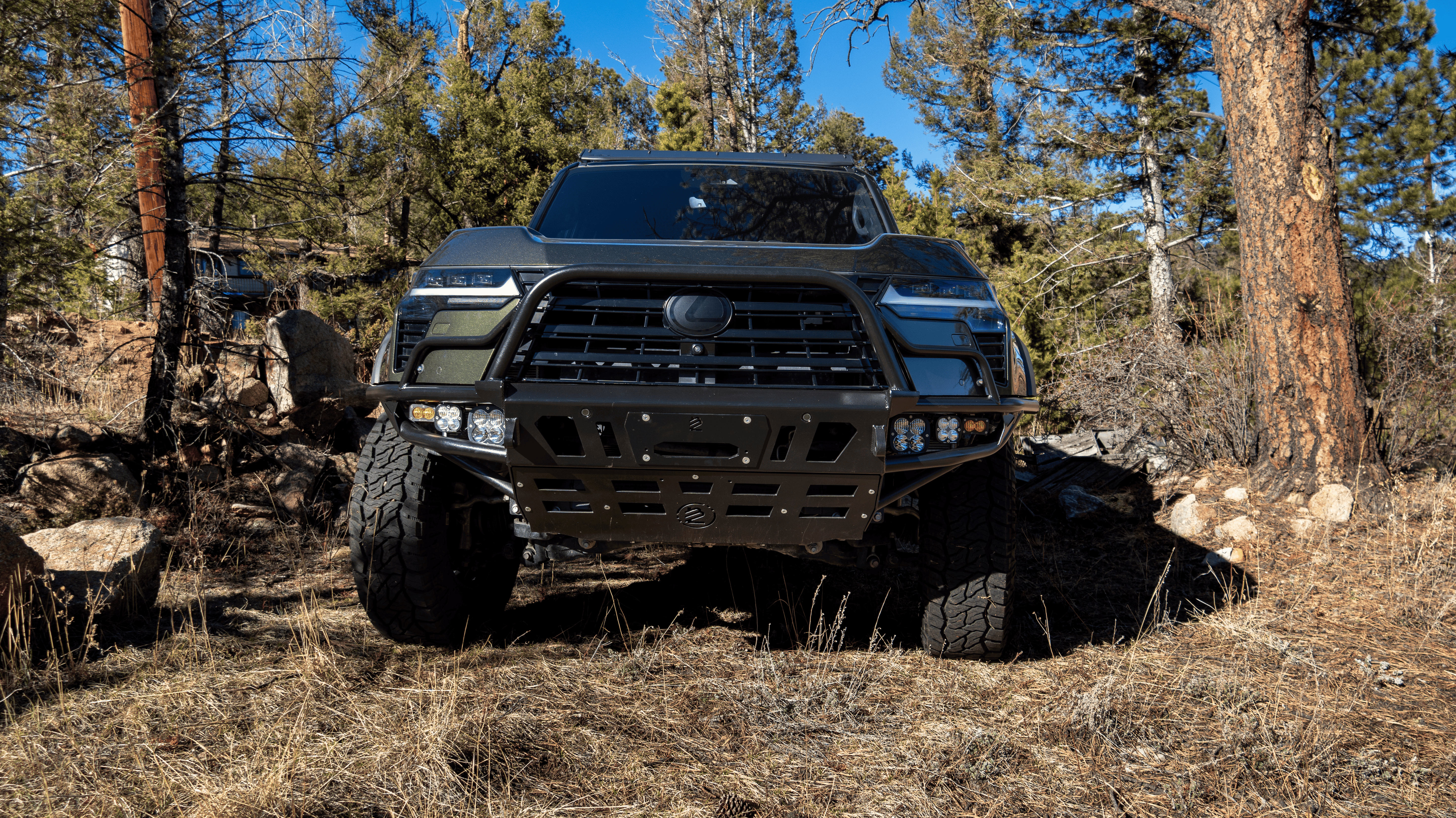
Capability Shouldn't Come at the Cost of Comfort
One of the biggest reasons people buy a Toyota is because of how versatile the platform is.
A Tacoma can commute to work all week and tackle rocky trails on the weekend. A 4Runner can haul the family one day and disappear into the mountains the next. The Tundra blends towing capability with off-road performance, while the GX Series and FJ Cruiser have earned loyal followings for their ability to handle demanding terrain without sacrificing everyday drivability.
That's the key word: balance.
Unfortunately, it's a balance that many aftermarket builds lose.
It's easy to get caught up in the pursuit of bigger tires, heavier armor, more accessories, and increasingly aggressive modifications. Individually, these upgrades often make sense. Collectively, they can transform a refined, reliable Toyota into a vehicle that's noisy, sluggish, difficult to maneuver, and less enjoyable to drive.
The goal of an off-road build shouldn't be to make your Toyota feel like a completely different vehicle. It should be to enhance what made you buy it in the first place.
The best builds don't just perform well on the trail—they still feel like a Toyota when you're driving home.

Toyota Engineers Spent Years Finding the Right Balance
Every Toyota leaves the factory after thousands of hours of engineering, testing, and refinement.
Suspension tuning, weight distribution, braking performance, steering feel, visibility, and even wind noise are carefully balanced to create a vehicle that's predictable in a wide range of conditions.
Off-road enthusiasts naturally modify those vehicles to better suit their needs, but every change affects that balance.
Adding a front bumper, installing larger tires, fitting a roof rack, or upgrading suspension all influence how the vehicle behaves.
That's not a reason to avoid modifications—it simply means every upgrade should be viewed as part of a larger system.
Builders who understand that tend to end up with vehicles that feel cohesive instead of pieced together.
Can you improve off-road capability without hurting daily drivability?
Absolutely. The key is choosing modifications that complement each other instead of solving one problem while creating another.
Avoid Building Around Appearance Alone
There's nothing wrong with wanting your Toyota to look good.
Most enthusiasts enjoy the visual transformation that comes with new wheels, tires, bumpers, and armor.
Problems start when appearance becomes the primary decision-maker.
For example, choosing the largest, heaviest bumper simply because it looks aggressive may create trade-offs that become noticeable every day:
-
Heavier steering
-
Increased front-end sag
-
Longer braking distances
-
Reduced fuel economy
-
More suspension wear
A well-designed build should look purposeful because every component has a job—not because every available accessory has been added.
Weight Is the Upgrade Most People Underestimate
Weight affects nearly every aspect of how a vehicle drives.
As modifications accumulate, it's easy to overlook how quickly the numbers add up.
Consider a typical build:
-
Steel front bumper
-
Winch
-
Larger tires
-
Skid plates
-
Roof rack
-
Recovery gear
-
Camping equipment
Individually, each addition may seem manageable. Together, they can significantly increase vehicle weight.
That added mass changes:
-
Steering response
-
Suspension behavior
-
Acceleration
-
Braking performance
-
Fuel consumption
The goal isn't to build the lightest possible rig. It's to add weight intentionally, making sure every component contributes meaningful capability.
The Best Suspension Isn't Always the Tallest
Lift height often gets the most attention, but suspension quality is about much more than how high the vehicle sits.
A properly tuned suspension should:
-
Support the vehicle's actual weight
-
Maintain ride quality
-
Keep the tires planted over uneven terrain
-
Remain comfortable during highway driving
Simply adding taller springs without accounting for bumper weight, tire size, or additional accessories often creates a vehicle that feels less refined than stock.
That's why suspension should be matched to the complete build rather than installed in isolation.
Does every lifted Toyota ride worse than stock?
No. A suspension that's properly matched to the vehicle's weight and intended use can improve both off-road performance and on-road comfort.
A Good Front Bumper Should Improve Confidence—Not Compromise It
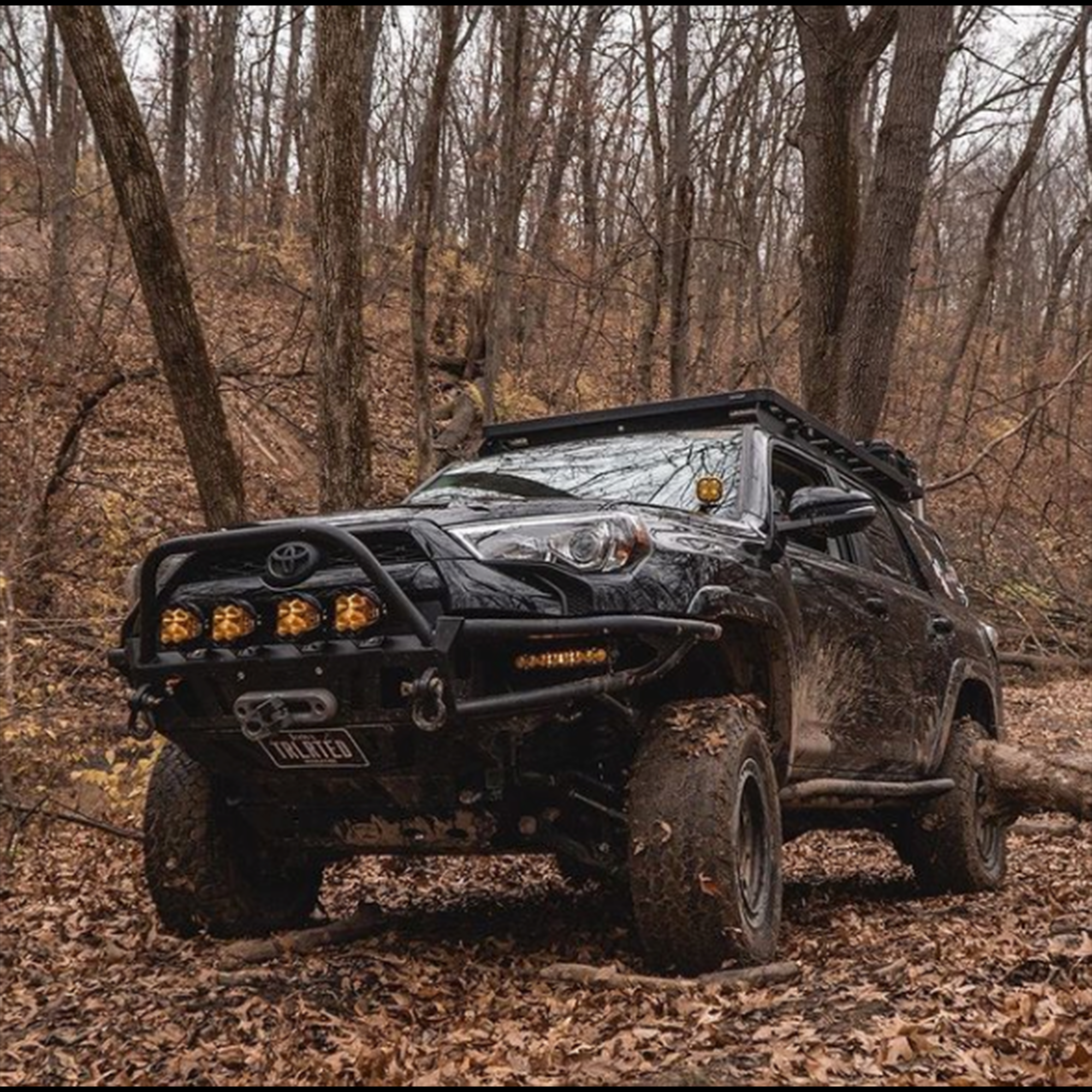
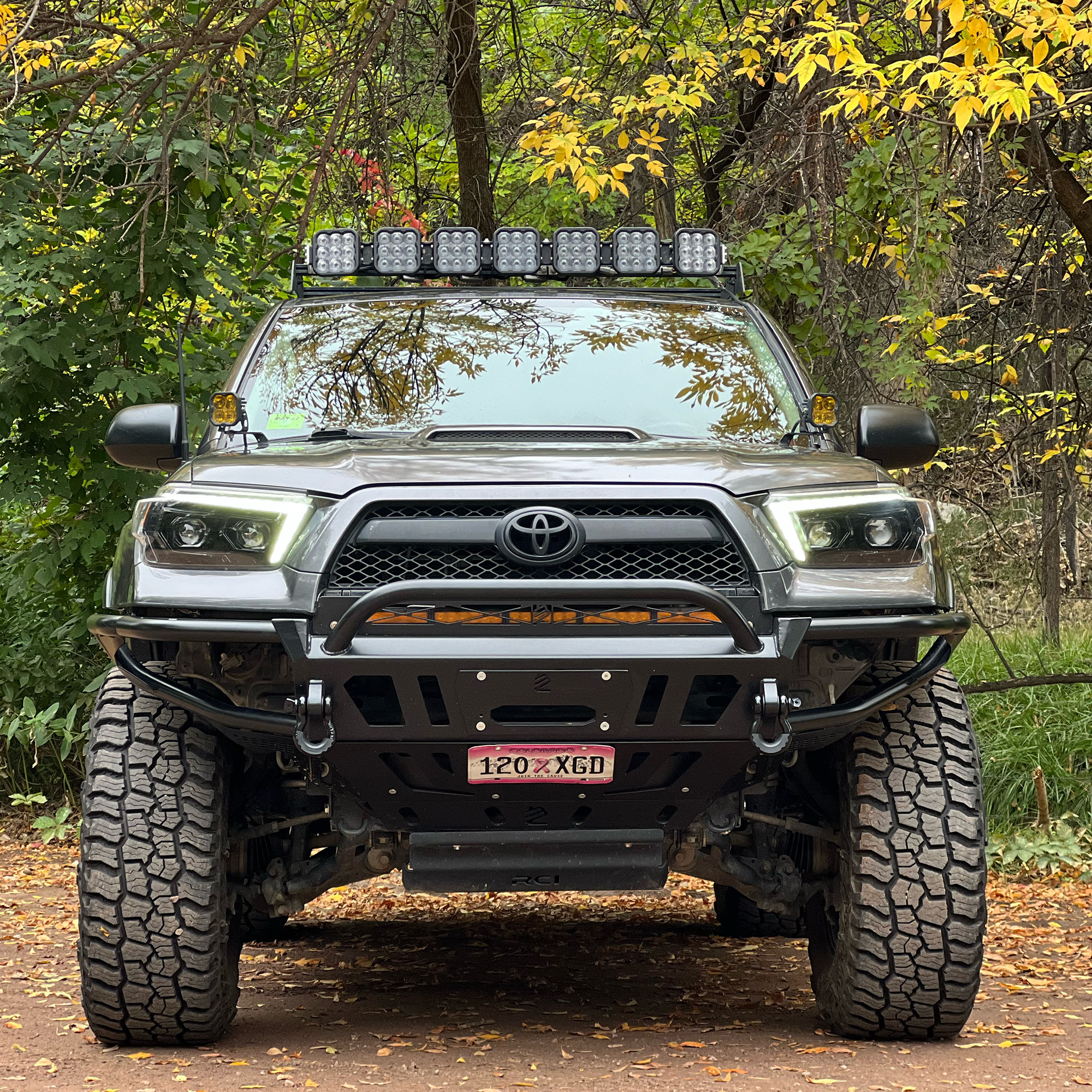
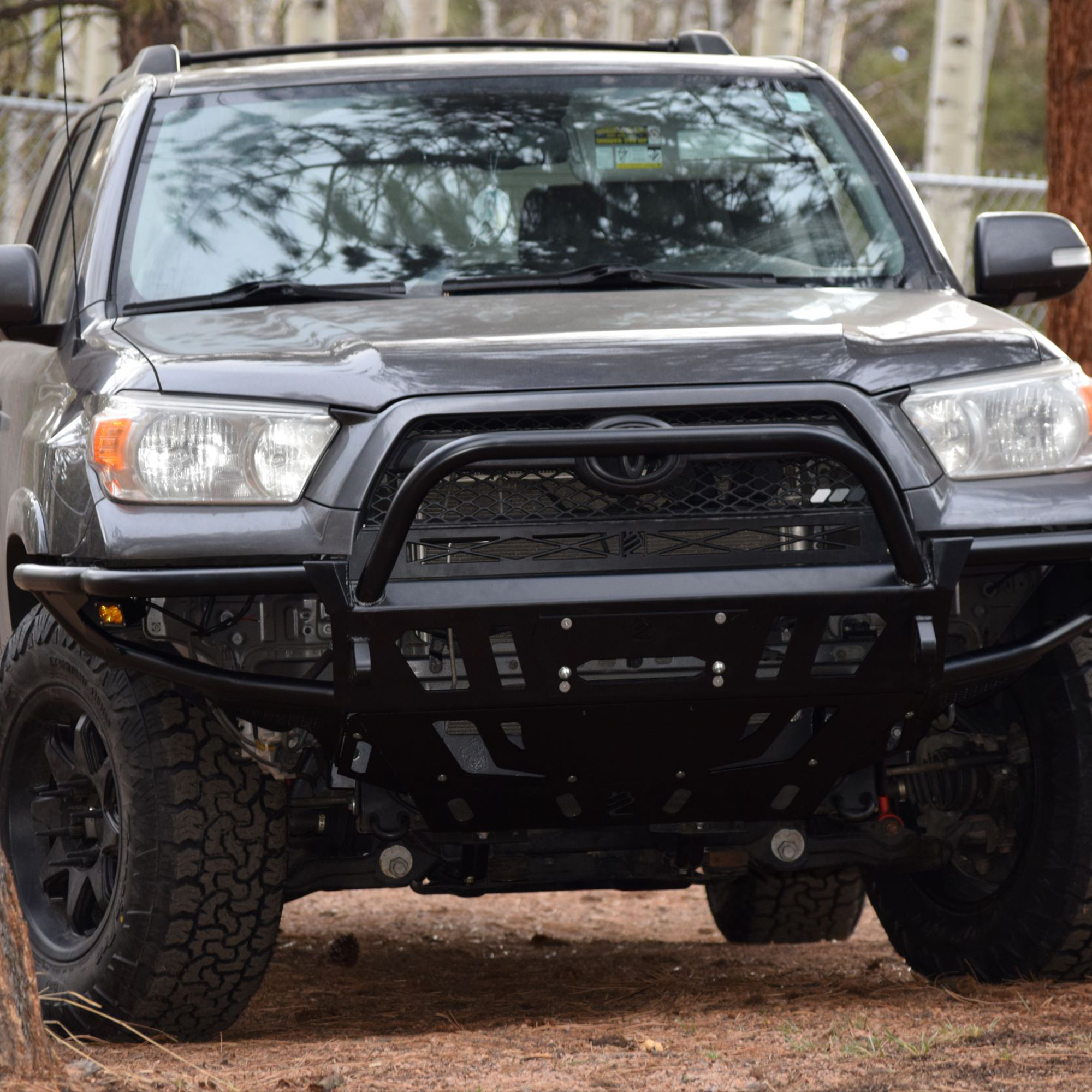
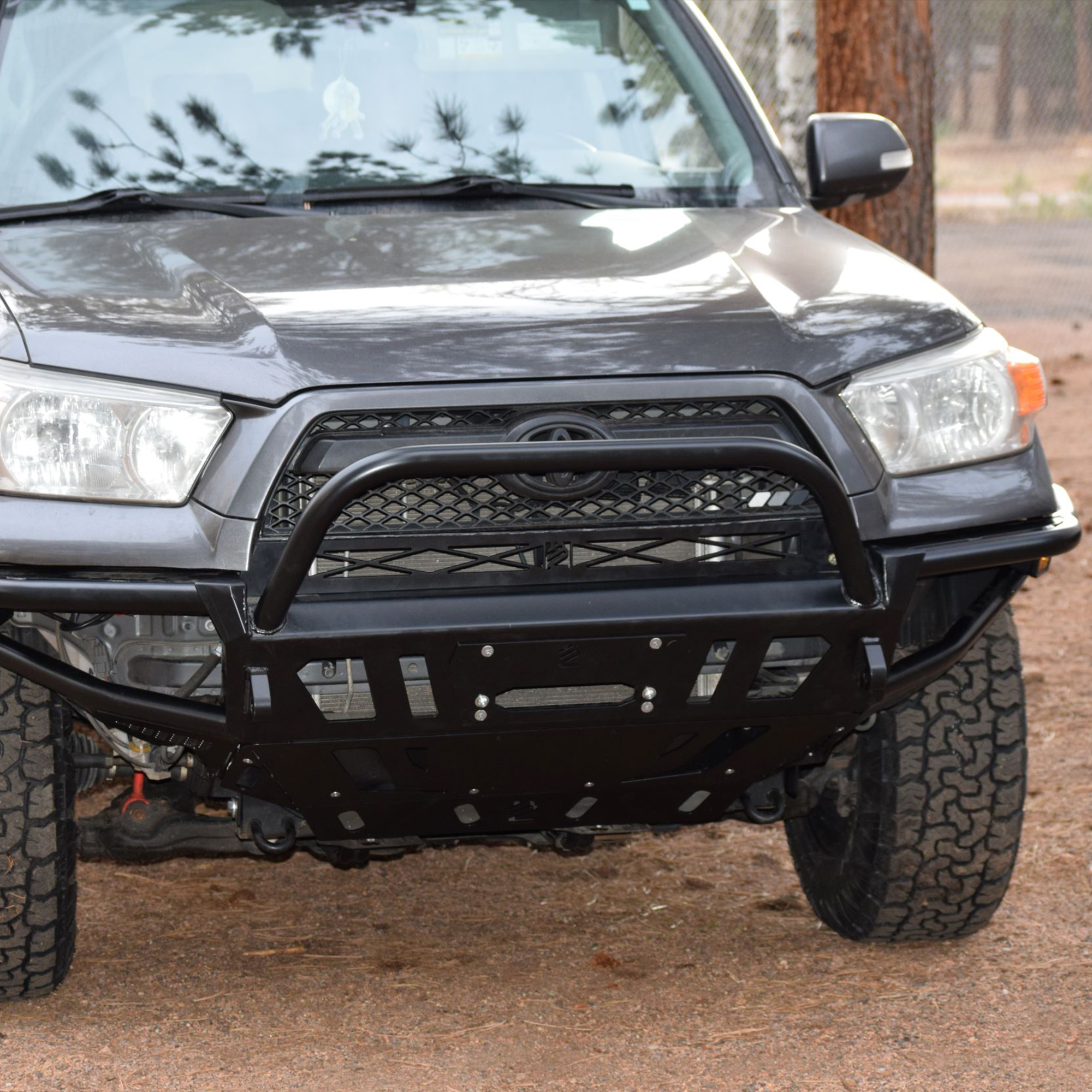
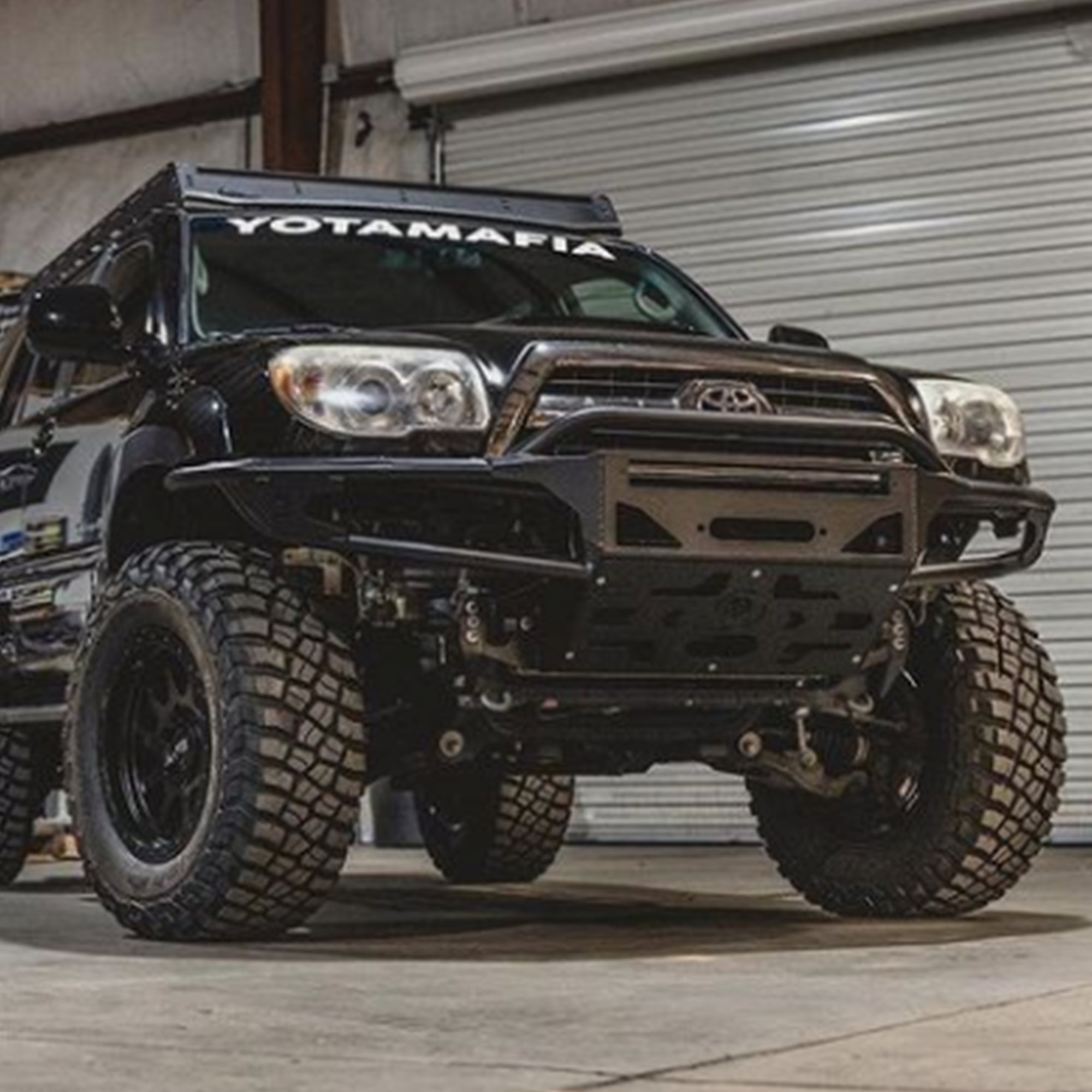
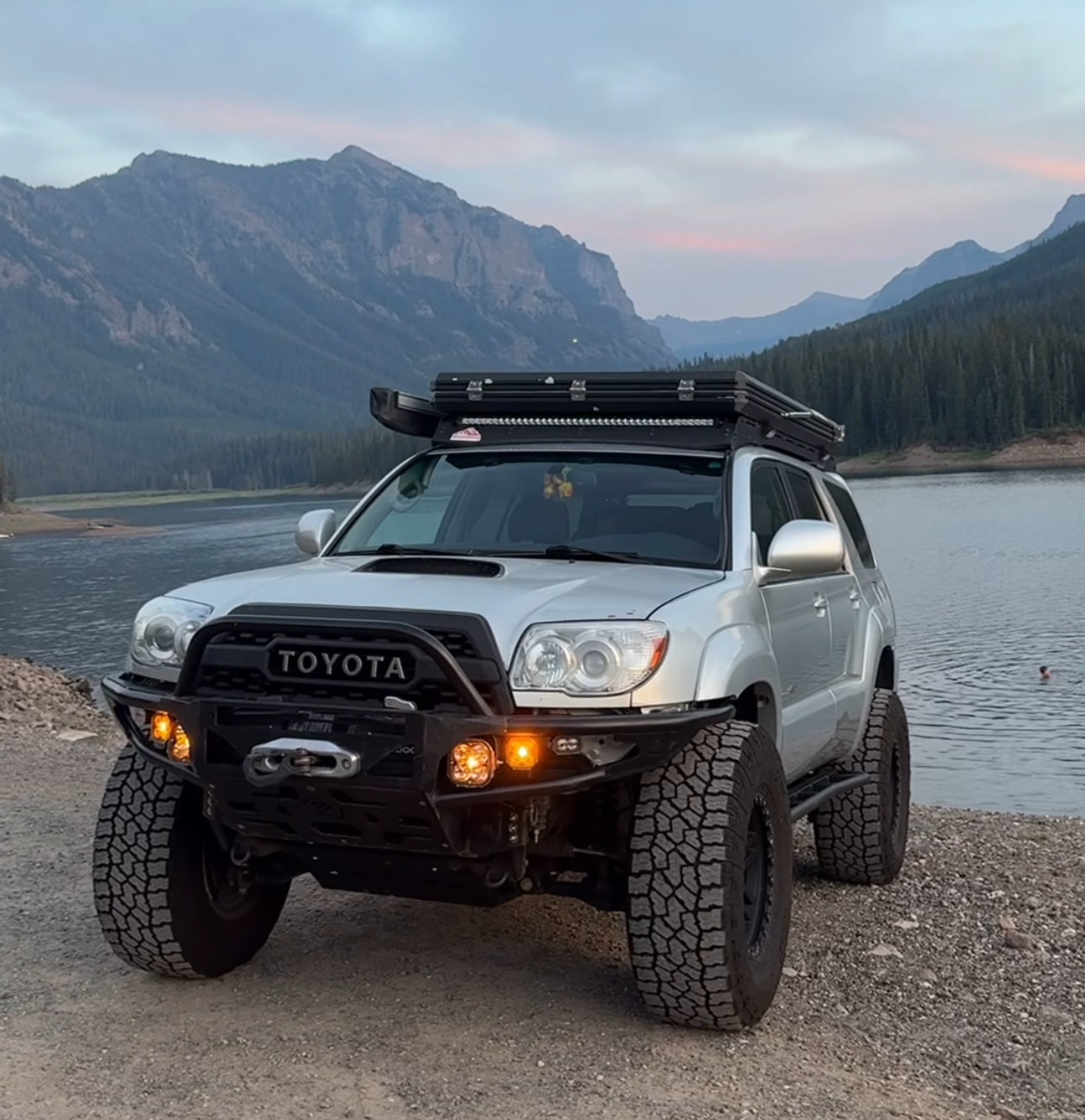
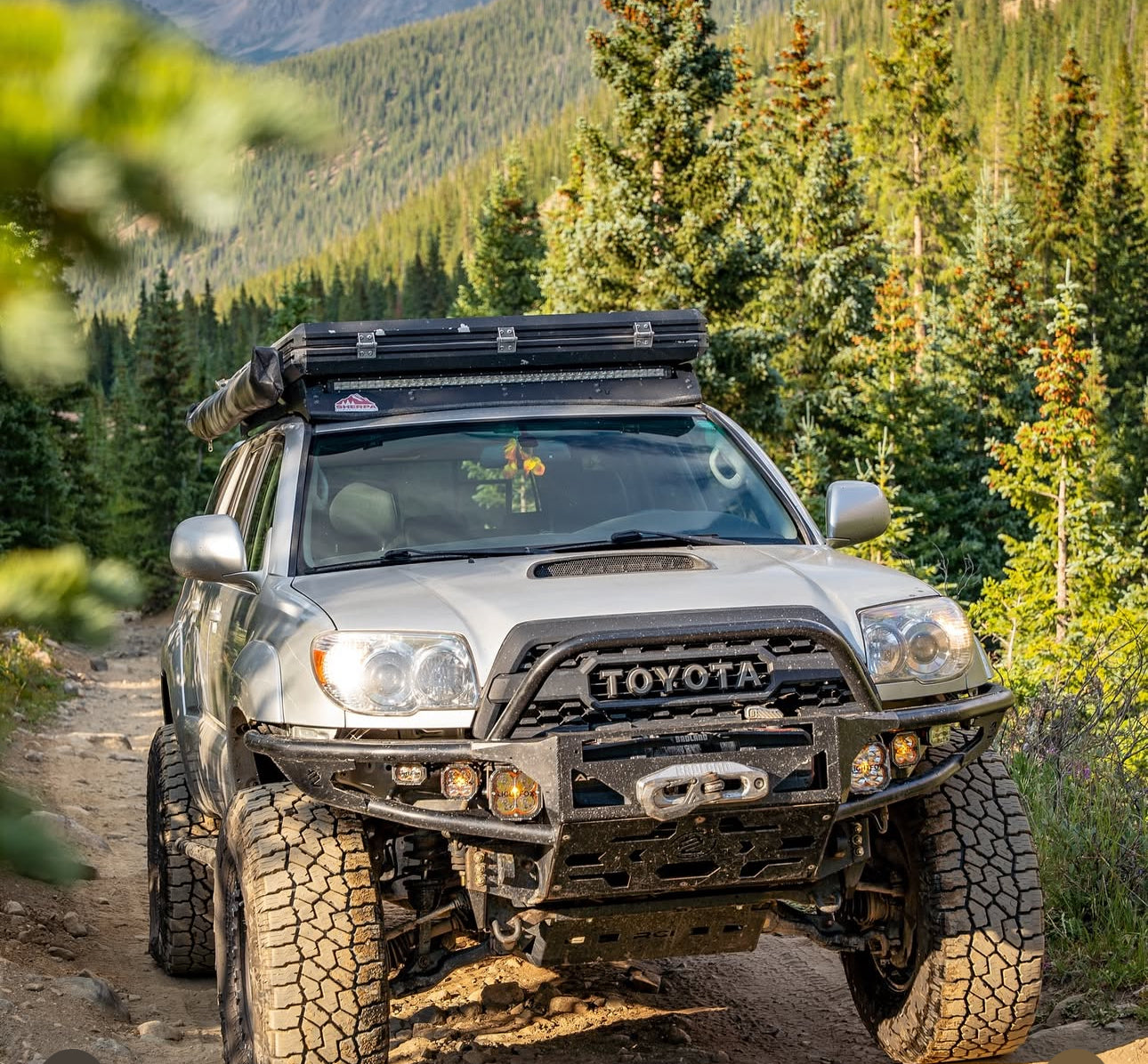
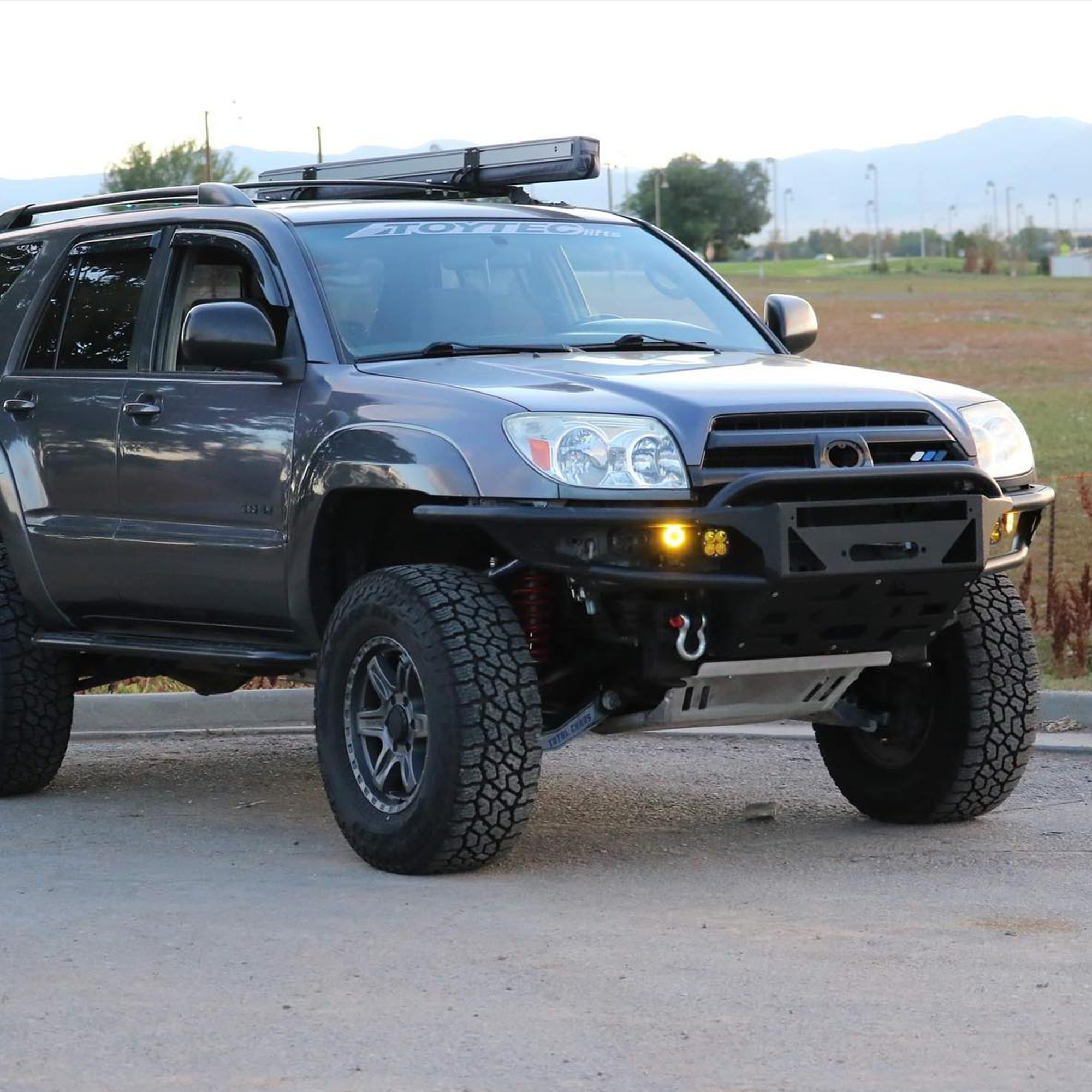
A front bumper is one of the most impactful upgrades you can make, but it's also one of the easiest places to upset the balance of the vehicle.
A well-designed bumper should accomplish several goals at once:
-
Improve approach angle
-
Protect vulnerable components
-
Support recovery equipment
-
Maintain proper weight distribution
-
Integrate cleanly with the vehicle
Notice what's missing from that list: simply being bigger.
An oversized bumper that adds unnecessary weight without improving functionality works against the qualities that make Toyotas enjoyable to drive.
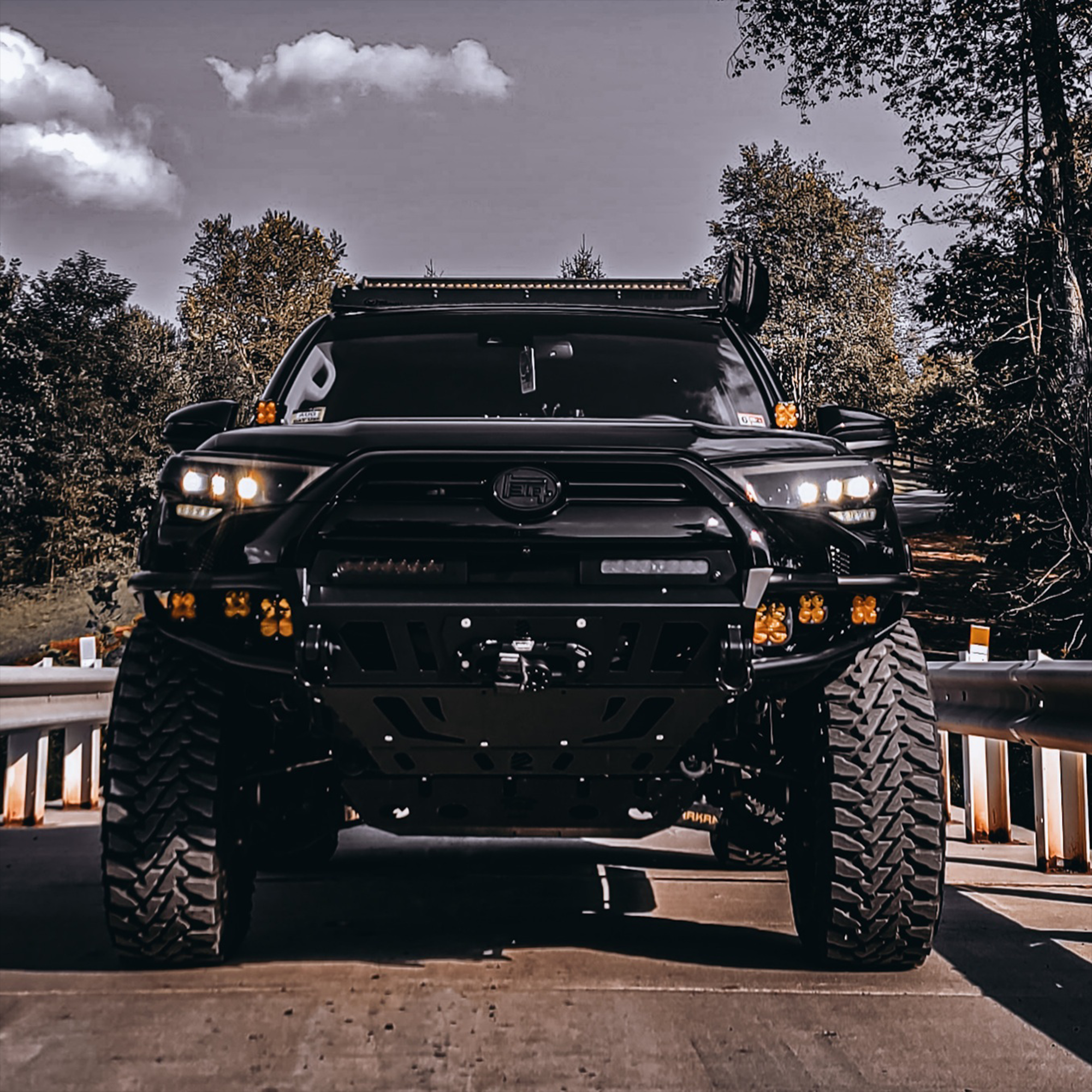
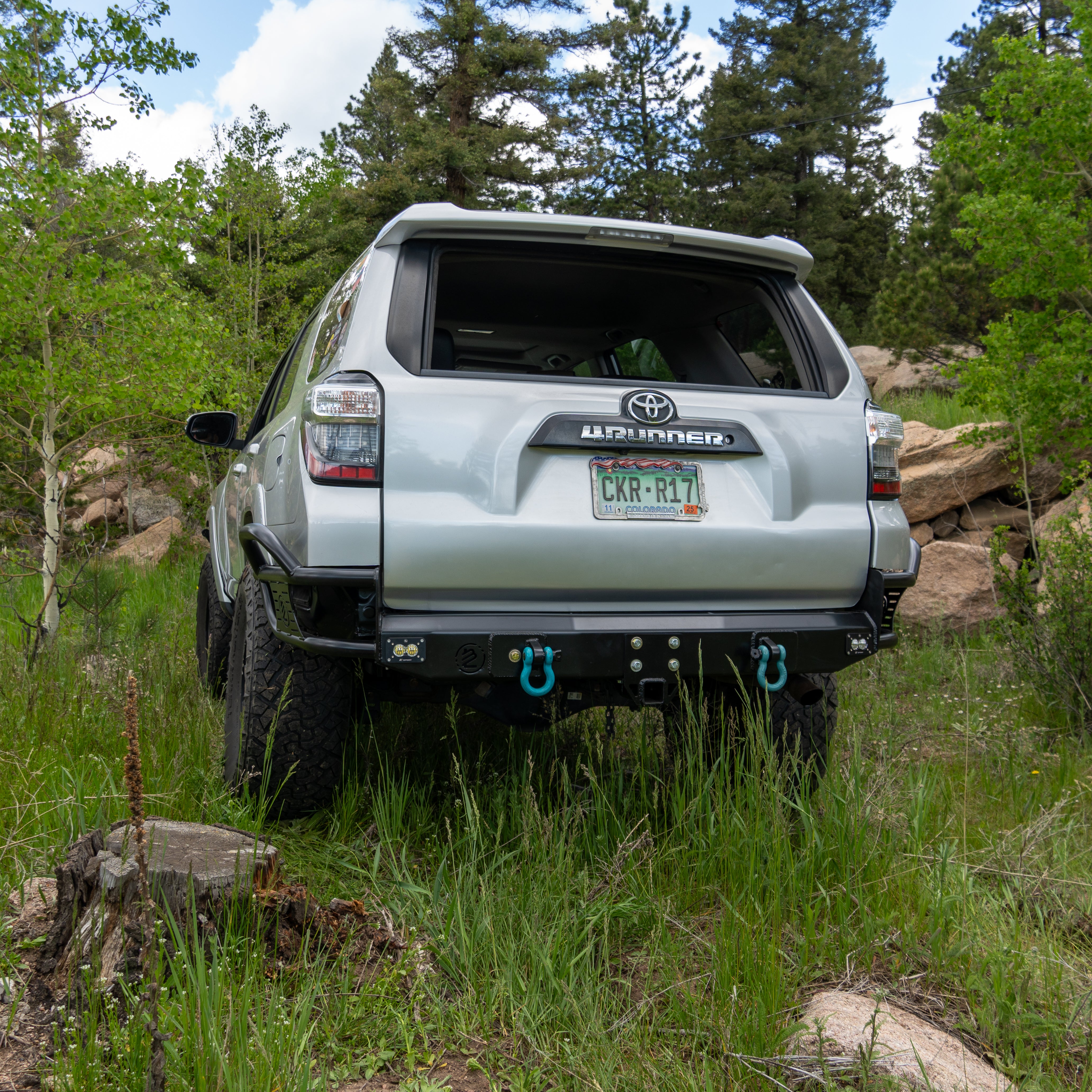
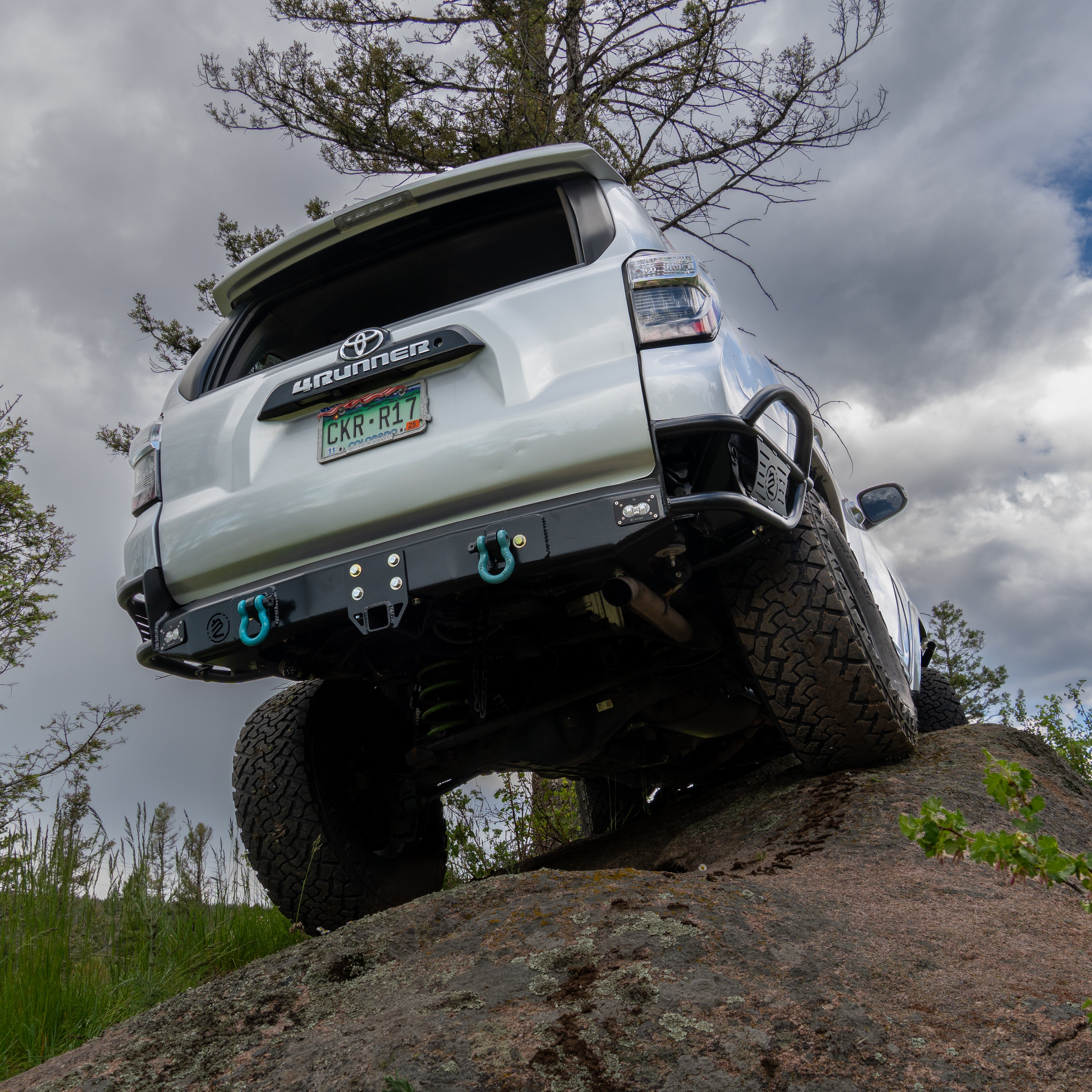
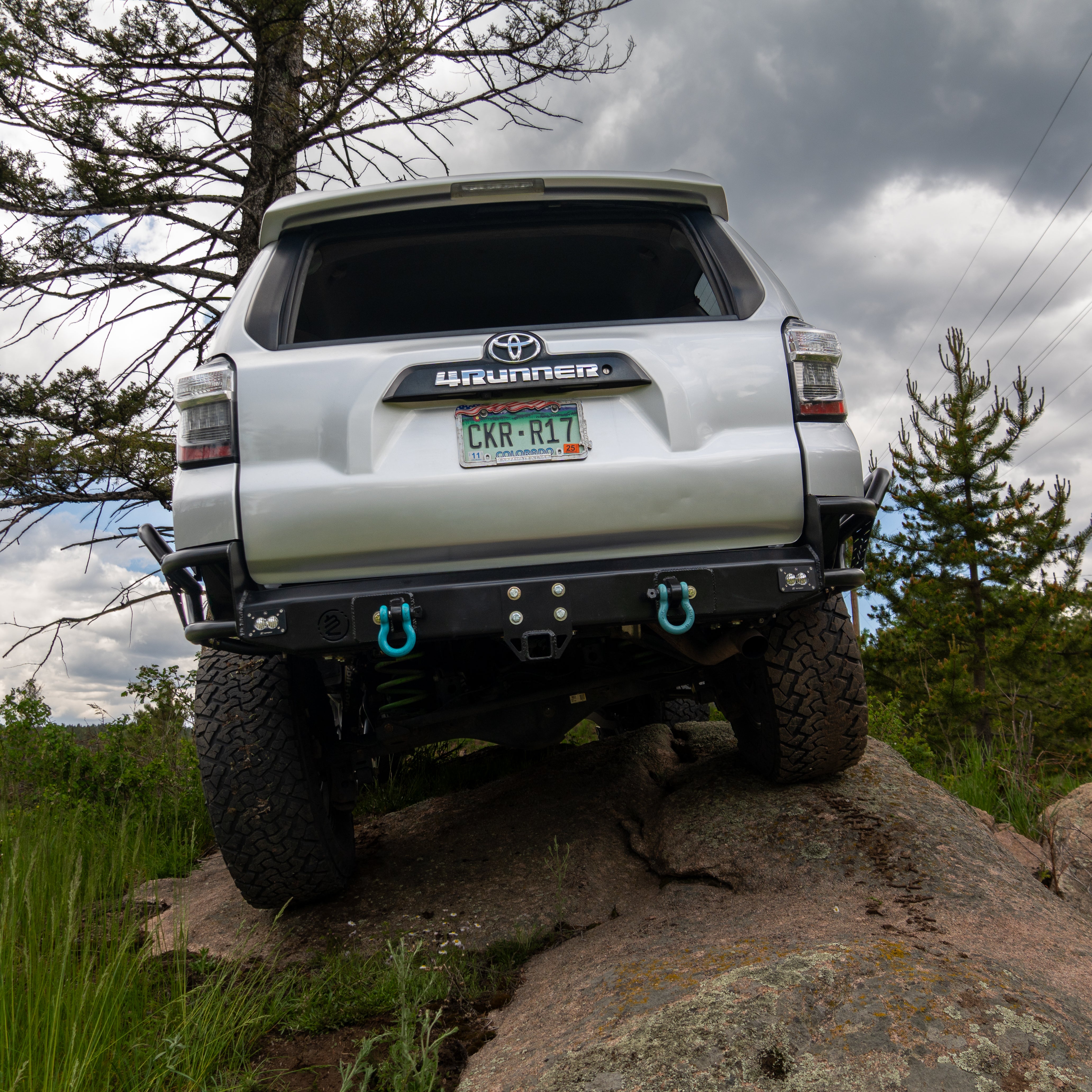
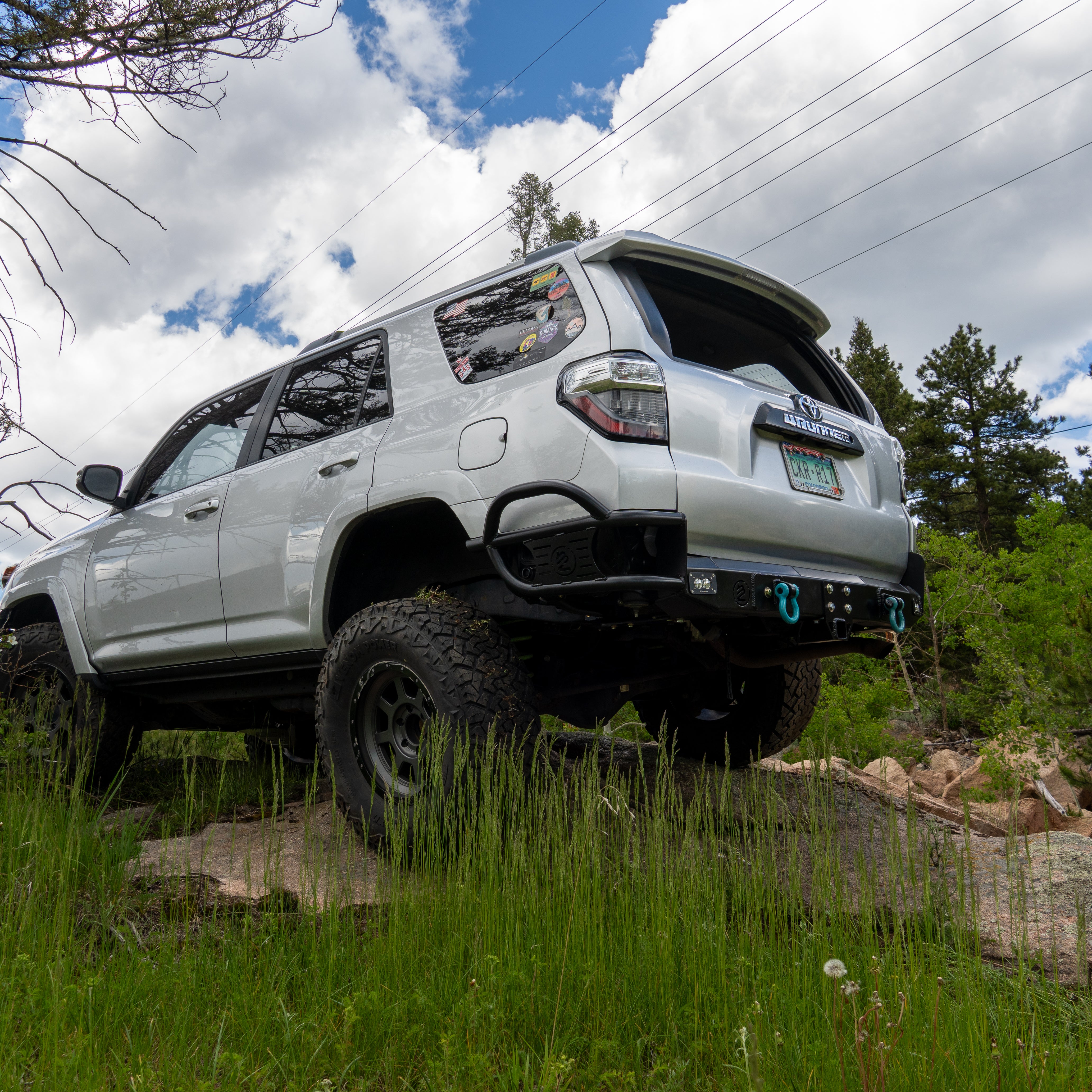
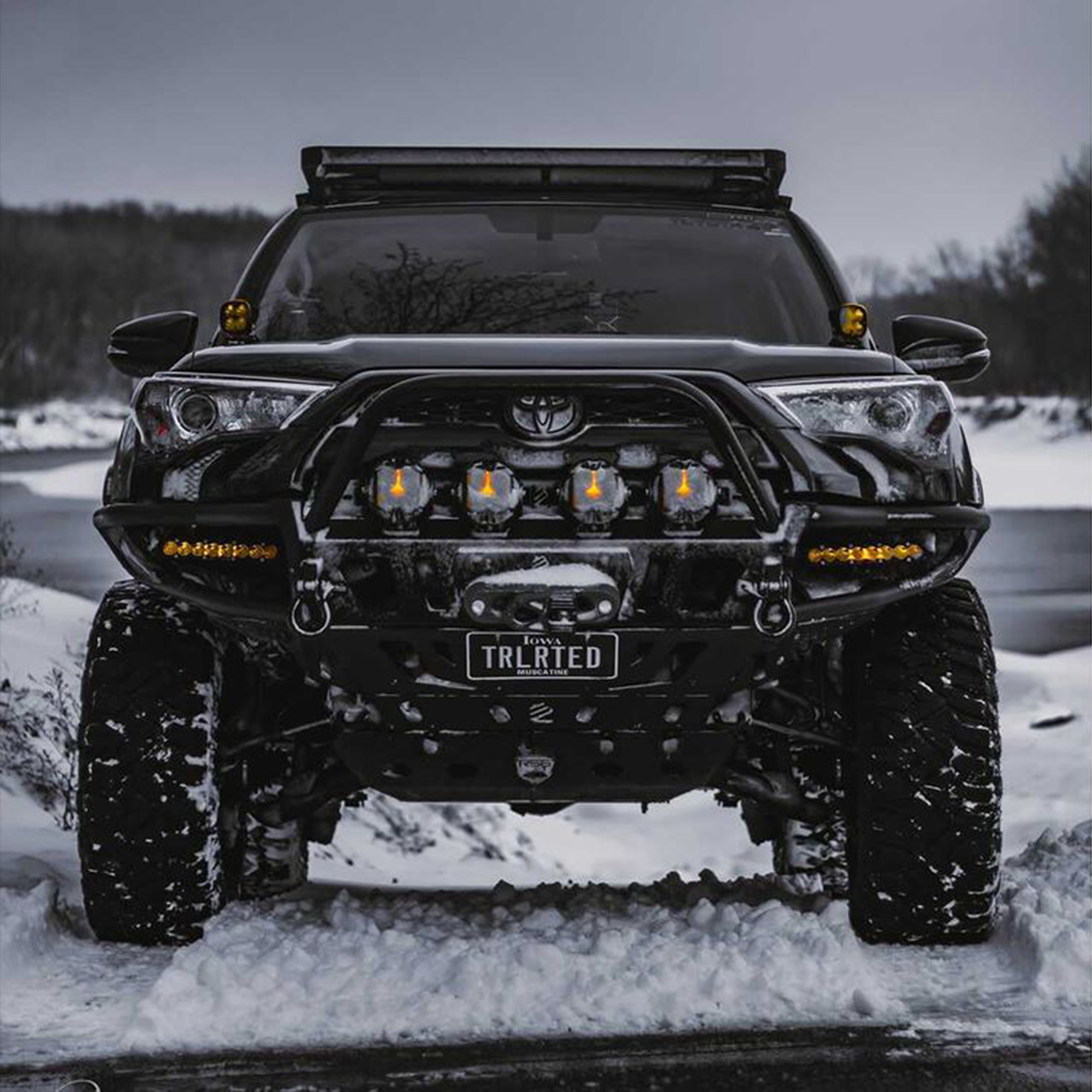
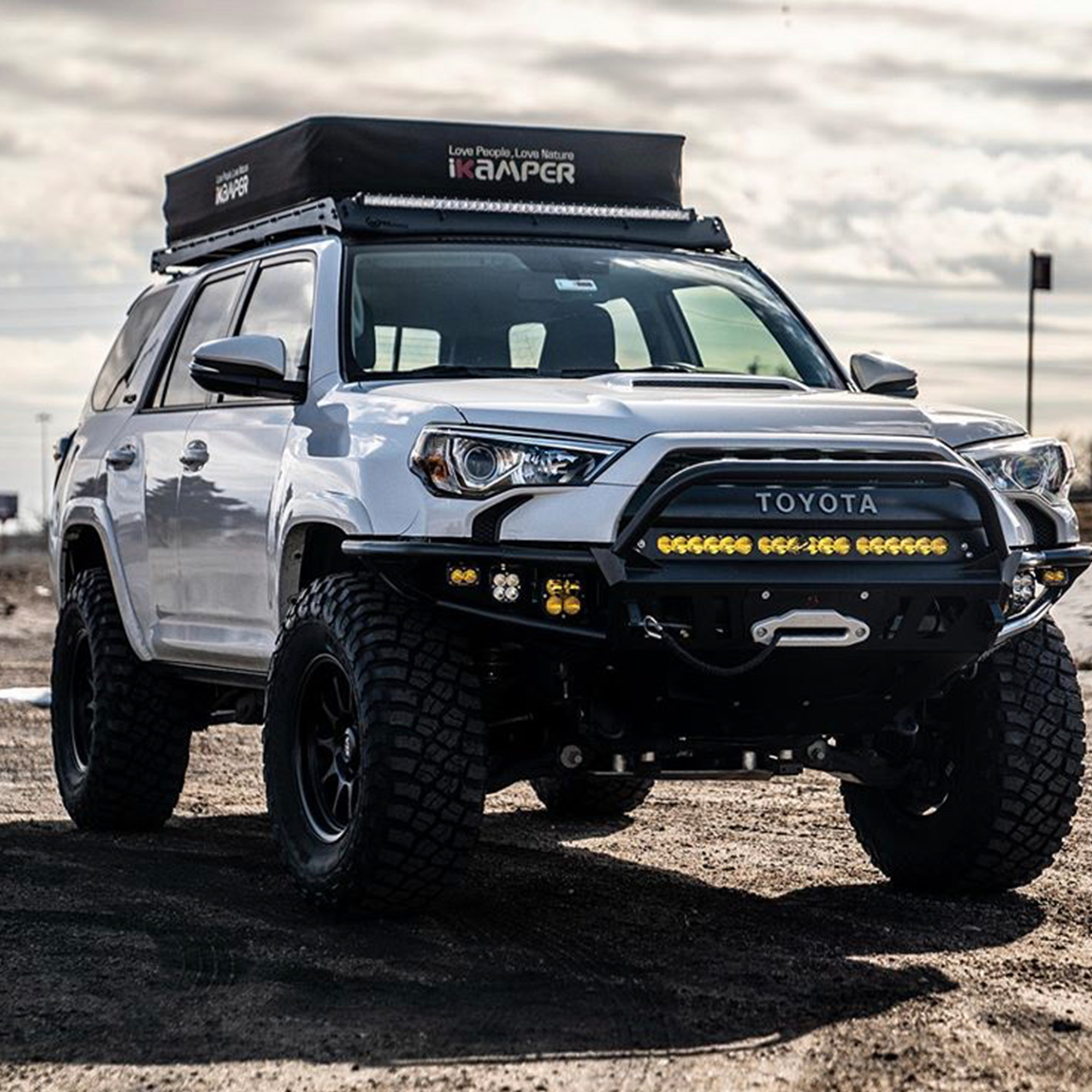
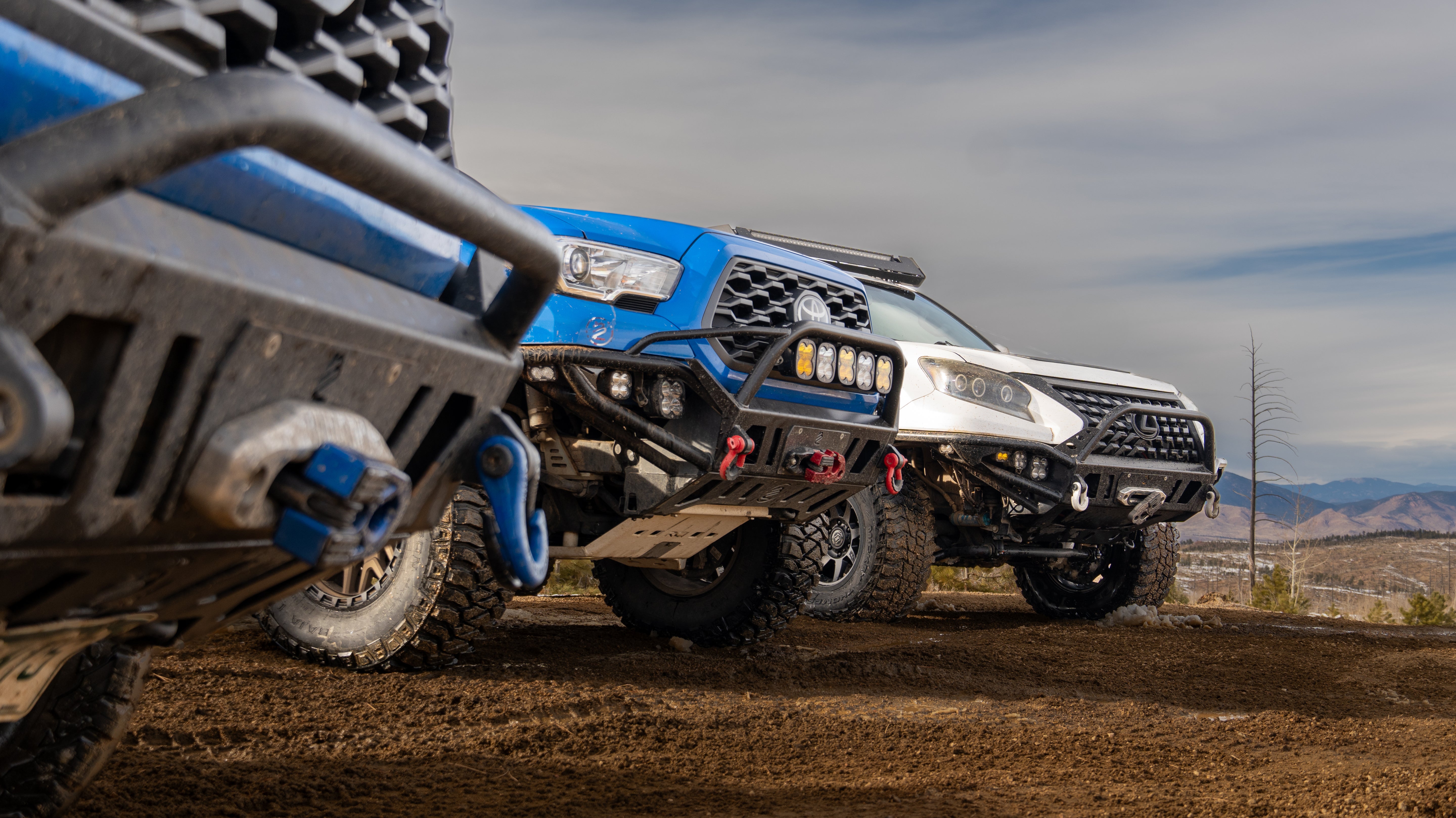
At Lil B's Custom Fabrication, bumper design begins with function. Strength and recovery capability are essential, but they're paired with careful attention to fitment, clearance, and overall vehicle dynamics.
Don't Forget About Visibility
One of the overlooked aspects of building a trail-ready Toyota is preserving driver visibility.
Accessories mounted to the front of the vehicle can affect sightlines if they're not thoughtfully integrated.
Common examples include:
-
Oversized light bars
-
Poorly positioned pod lights
-
Tall brush guards
-
Large antenna mounts
A clean, functional setup should improve capability without creating new blind spots or distractions.
Visibility is especially valuable on technical trails where precise tire placement matters.
Noise Adds Up Faster Than You Think
Most people expect some additional road noise after installing aggressive tires.
What they don't expect is how quickly other accessories contribute.
Sources of unwanted noise can include:
-
Roof-mounted accessories
-
Poorly fitted bumpers
-
Loose recovery equipment
-
Inexpensive mounting brackets
-
Wind-catching light mounts
Individually, each source may seem minor.
Combined, they can dramatically change how enjoyable the vehicle feels during a long highway drive.
Attention to fitment and component quality plays a significant role in keeping the vehicle quiet enough for everyday use.
Can aftermarket parts make a Toyota noisier?
Yes. Tire choice, roof-mounted accessories, and poorly integrated components can all increase road and wind noise.
Modern Technology Should Still Work
New Toyota platforms introduce capabilities that previous generations didn't have.
Features such as:
-
Toyota Safety Sense (TSS)
-
Adaptive cruise control
-
Parking sensors
-
Front-facing cameras
are now part of the ownership experience.
Quality aftermarket parts should work with these systems—not require owners to sacrifice them.
Modern bumper design increasingly focuses on maintaining:
-
Sensor functionality
-
Airflow
-
Factory electronics
-
Proper cooling
This is one reason precision engineering has become just as important as fabrication quality.
Build for the Miles Between the Trails
It's easy to focus on the trail itself.
But for most owners, the majority of miles happen on pavement.
That means your Toyota should still be enjoyable when you're:
-
Driving to work
-
Taking a road trip
-
Running errands
-
Towing a trailer
-
Heading to the trailhead
The trail may only last a few hours.
The drive there and back often lasts much longer.
Building with that in mind usually results in smarter decisions.
Think Long-Term Instead of Build-By-Build
Many successful Toyota builds weren't completed in a single year.
They evolved.
Owners added components as they identified genuine needs rather than chasing every new trend.
That gradual approach often produces:
-
Better weight management
-
More thoughtful modifications
-
Higher-quality parts
-
Fewer unnecessary replacements
Planning ahead also allows each upgrade to support future modifications rather than limiting them.
For example, choosing a winch-ready bumper today makes adding recovery equipment much easier later.
Should you plan future upgrades before buying a bumper?
Yes. Considering future additions like a winch, lighting, or skid plates helps ensure today's upgrades continue supporting tomorrow's build.
Where Lil B's Fits Into the Build Philosophy
At Lil B's Custom Fabrication, every bumper is designed with a simple idea in mind: enhance the vehicle without taking away what makes it enjoyable to own.
That means focusing on:
-
Functional high-clearance designs
-
Recovery-ready construction
-
Precise fitment
-
Compatibility with modern Toyota systems
-
Weight-conscious engineering
Rather than building products that simply look aggressive, the goal is to build components that contribute to a Toyota that feels just as comfortable driving across town as it does climbing a rocky trail.
Conclusion: The Best Builds Feel Complete
It's easy to measure an off-road build by tire size, lift height, or the number of accessories installed.
What's harder to measure—but immediately noticeable—is how the vehicle feels behind the wheel.
The best Toyota builds maintain the characteristics that made the platform popular in the first place:
-
Reliability
-
Predictability
-
Comfort
-
Confidence
Every modification should strengthen those qualities, not replace them.
Whether you're building a Tacoma, 4Runner, Tundra, FJ Cruiser, or GX Series, the goal isn't to create a different vehicle.
It's to create a better Toyota—one that's just as enjoyable on Monday morning as it is on the trail Saturday afternoon.
Share:
How Bigger Tires Change What You Need From a Front Bumper
Why Factory Recovery Points Aren't Enough for Serious Off-Roading