


Why Cheap Bumpers Aren’t Worth the Risk
Off-road enthusiasts know the temptation: a bumper that looks aggressive, claims winch compatibility, and costs half of what a quality, custom-fabricated unit does. On Instagram, they all look similar—but the truth becomes obvious the first time you hit real trails.
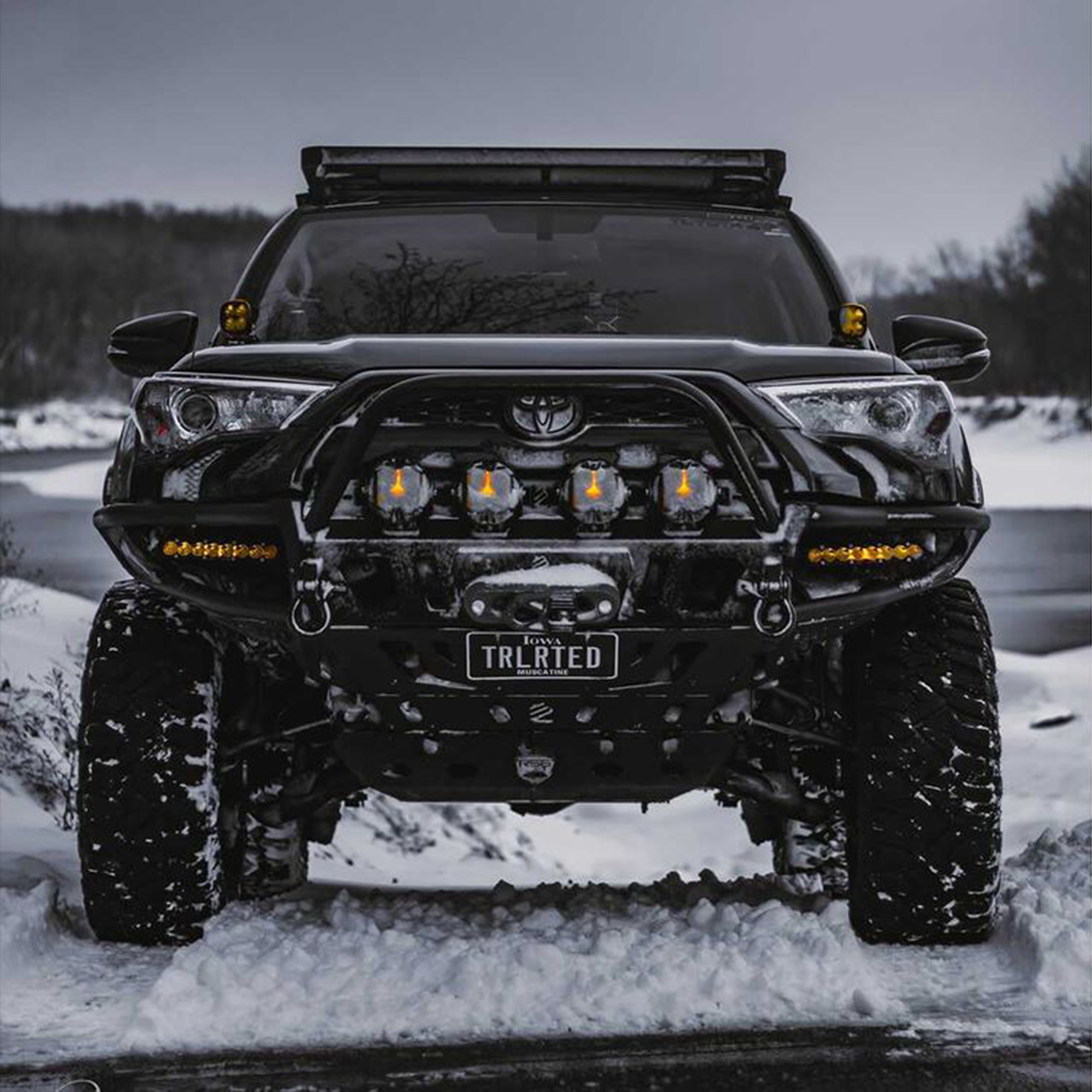
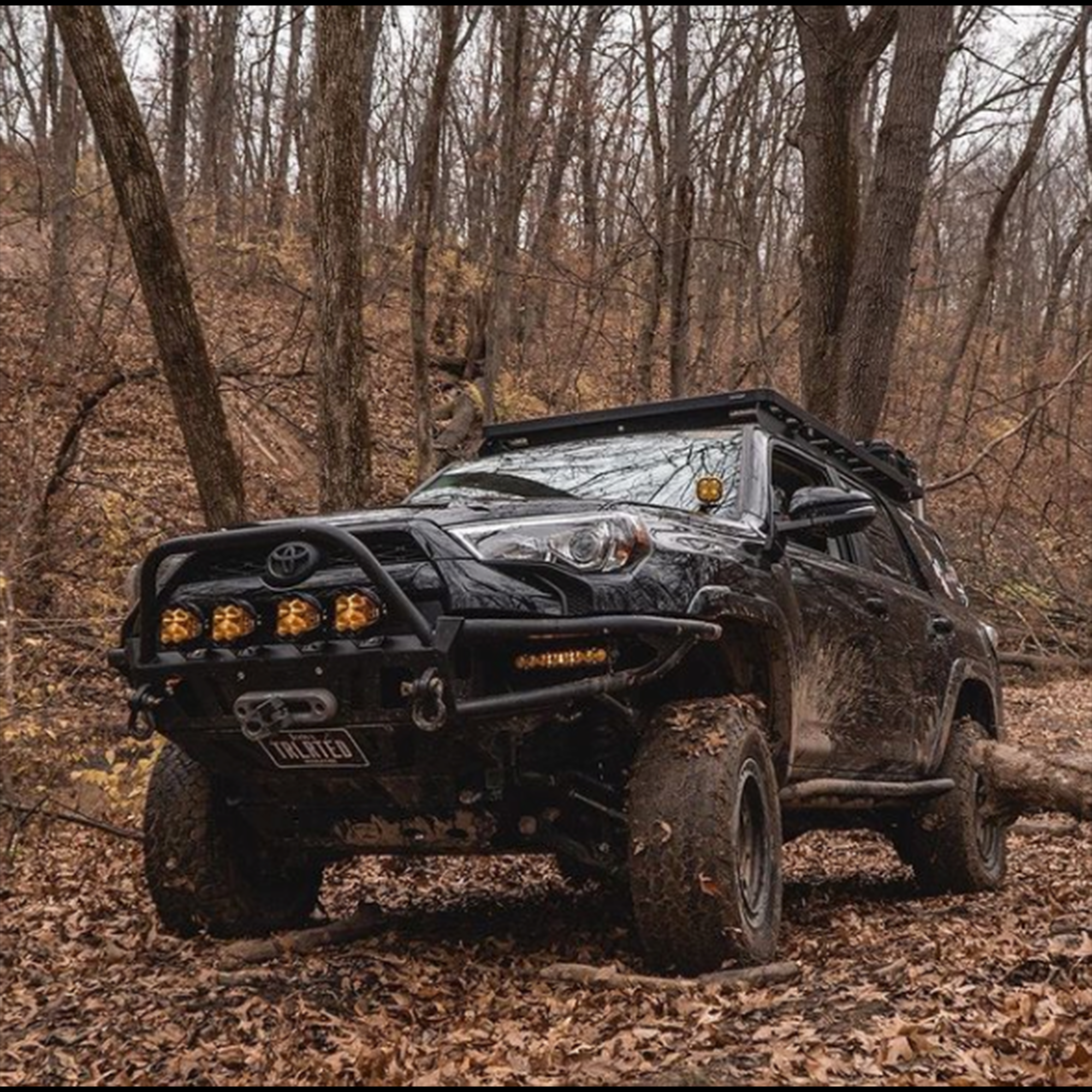
At Lil B’s Custom Fabrication, we’ve seen it time and again: a cheap bumper may survive a few easy runs, but under real-world trail loads—rock gardens, forest switchbacks, snow-covered climbs—it quickly shows its weaknesses. Bumpers aren’t cosmetic—they’re structural, functional, and critical to vehicle safety and recovery.

Material and Reinforcement Shortcuts
Many budget bumpers are made from thin steel and minimal internal reinforcement. They may look solid at a glance, but once you pull a stuck rig or navigate rocky terrain, weaknesses appear:
-
Flexing plates: Without gussets and proper load paths, thin steel deforms under stress.
-
Cracked welds: Under kinetic recovery loads, poor welding can fail.
-
Bent mounts: Low-grade brackets often twist or shear when a rig is pulled from an obstacle.
At Lil B’s, we test every bumper on trails that mirror real-world conditions: Moab rocks, Colorado red dirt, Pacific Northwest mud, and icy northern roads. That testing ensures loads are properly distributed, welds are reinforced, and the steel is thick enough to survive repeated impacts.
Mounting Systems: Where Cheap Bumpers Fail First
The strongest-looking bumper is useless without proper mounting. Many budget options rely on factory tow hooks or thin bolt patterns, which were never designed for high-load recoveries. The consequences are serious:
-
Frame horn bending or twisting
-
Sheared bolts or deformed brackets
-
Uneven load transfer damaging the vehicle frame
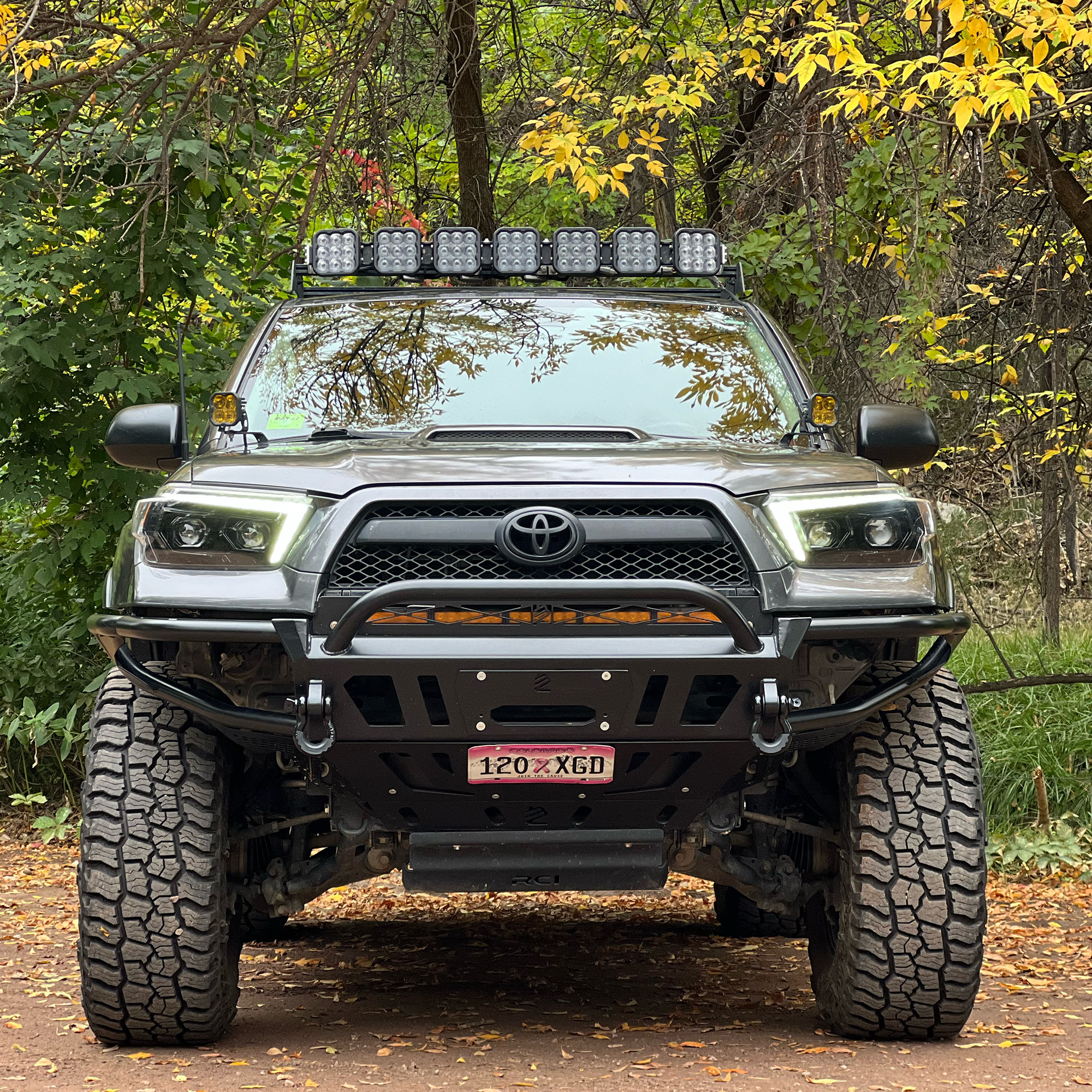
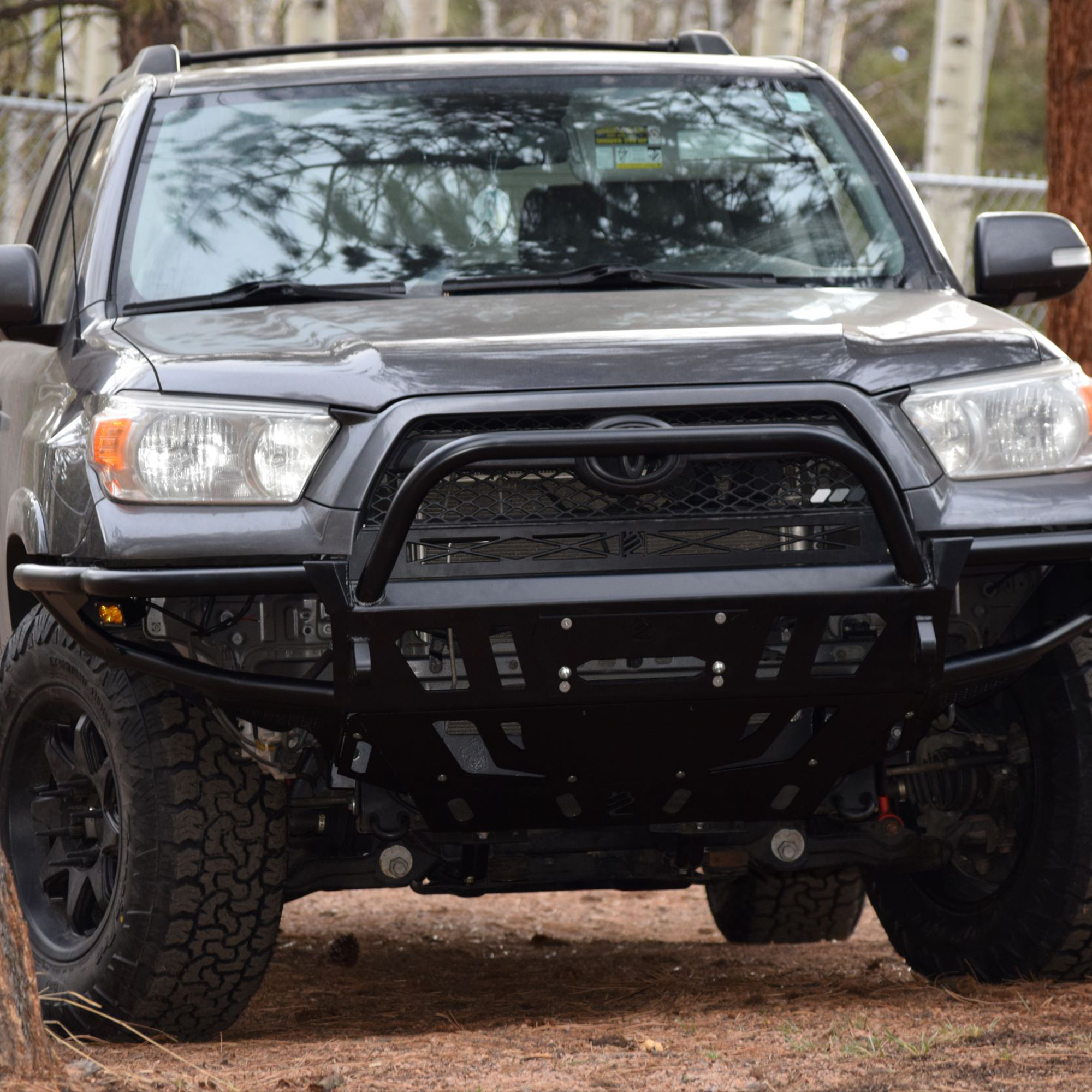
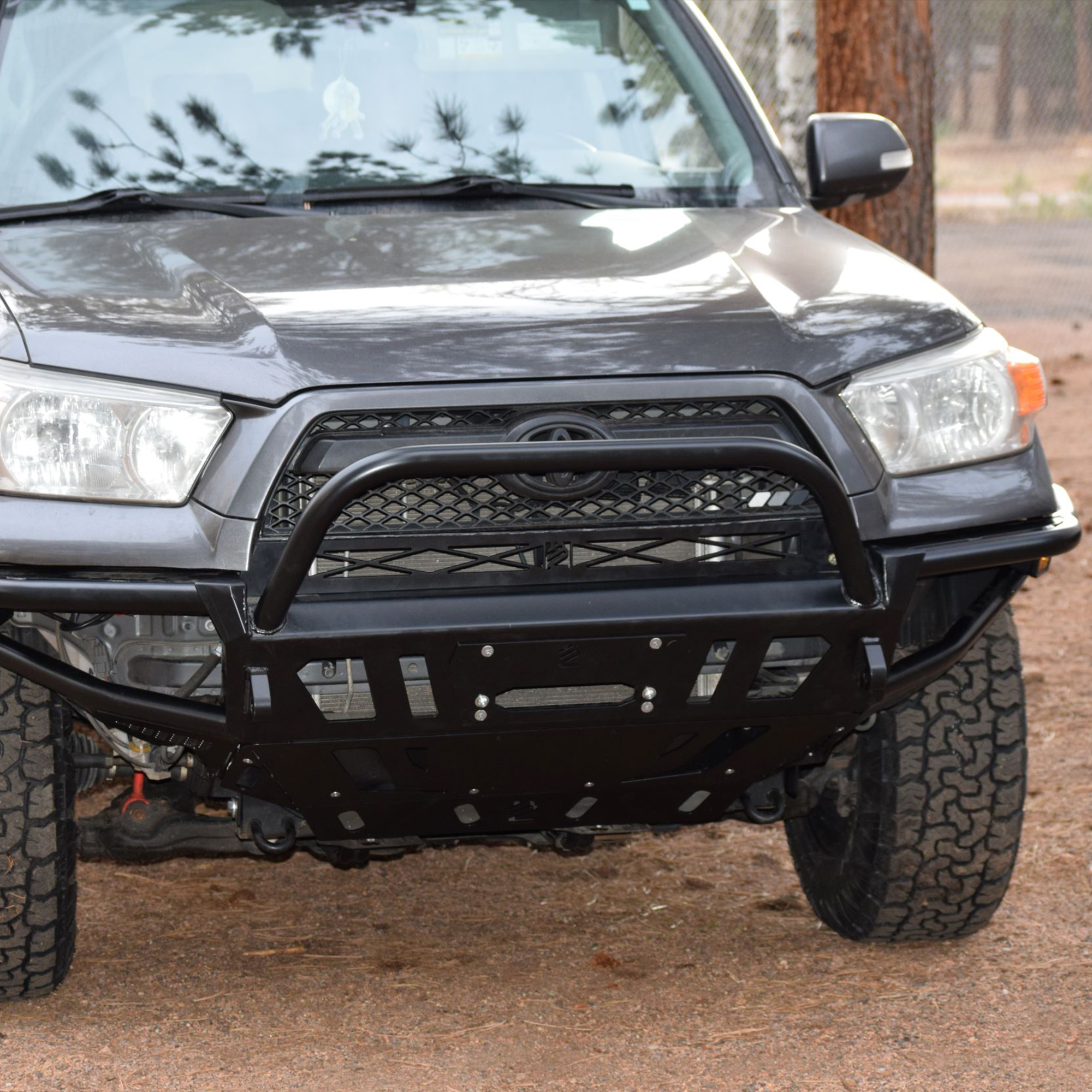
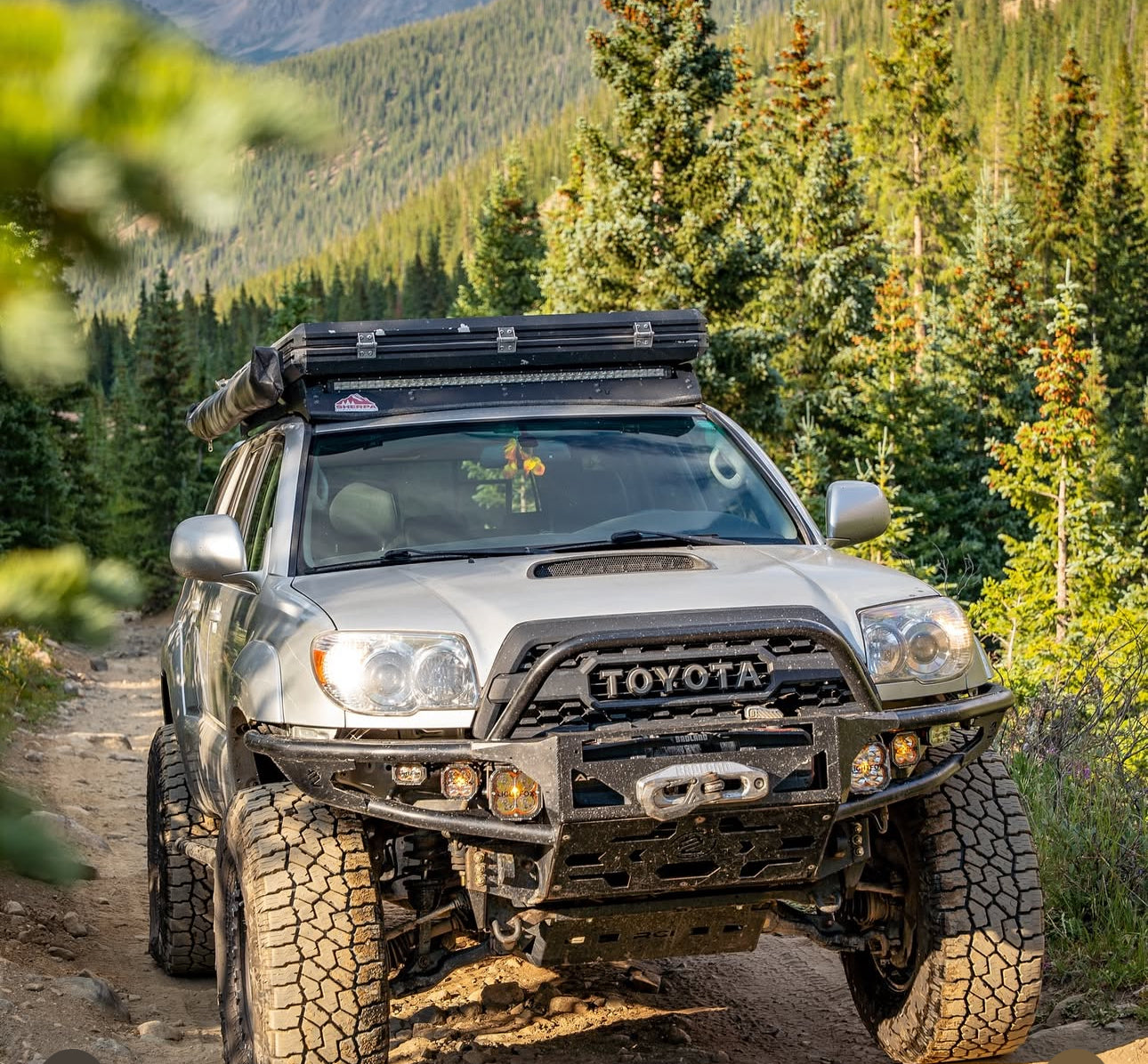
Lil B’s bumpers are designed with reinforced frame tie-ins, gusseted brackets, and strategic load paths. When a winch pulls a stuck rig, the force goes into the frame evenly, not through cosmetic panels or weak mounts.
Fitment and Recovery Points
Cheap bumpers often have inconsistent tolerances, leading to:
-
Uneven gaps and rattling
-
Stress on mounting hardware
-
Premature coating wear and corrosion
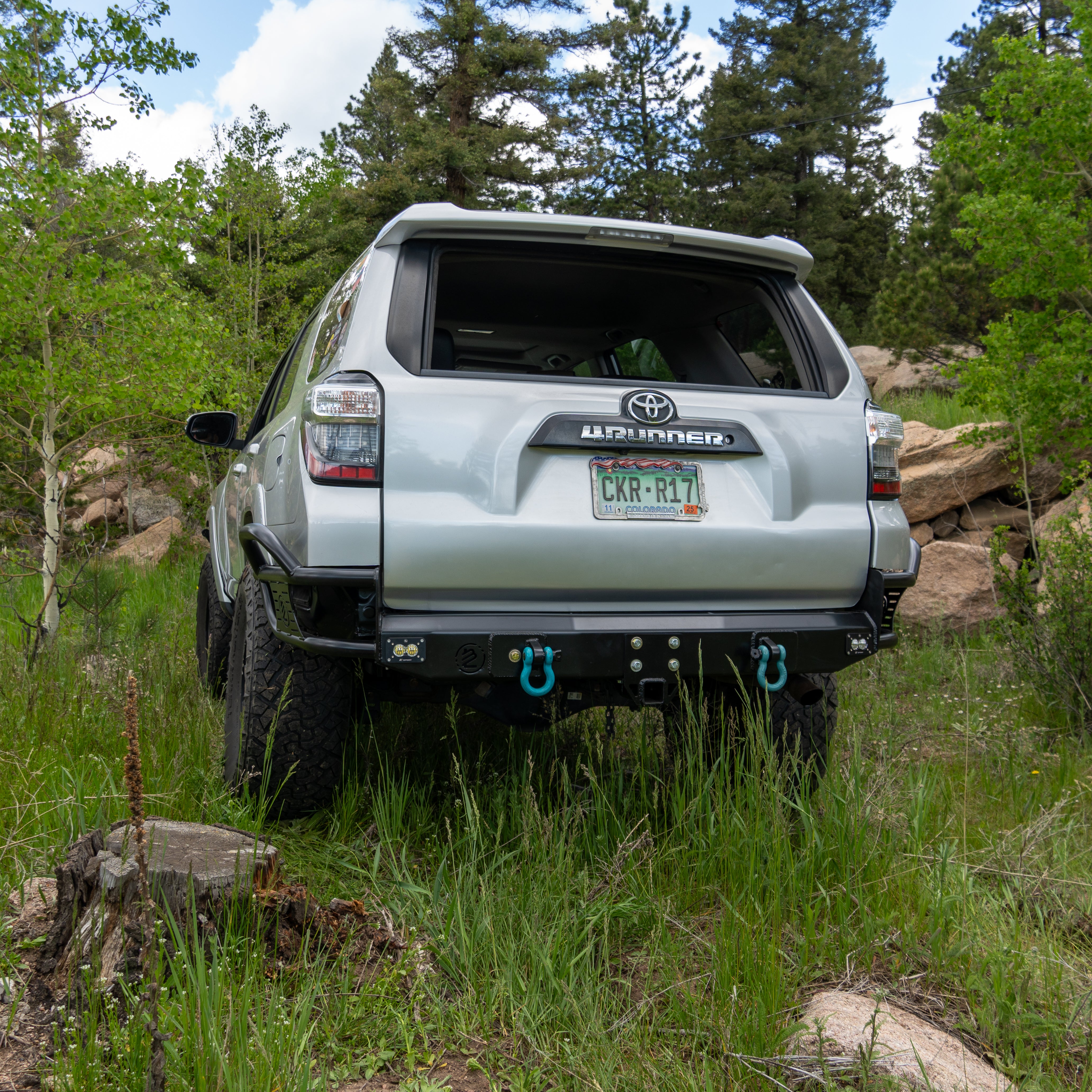
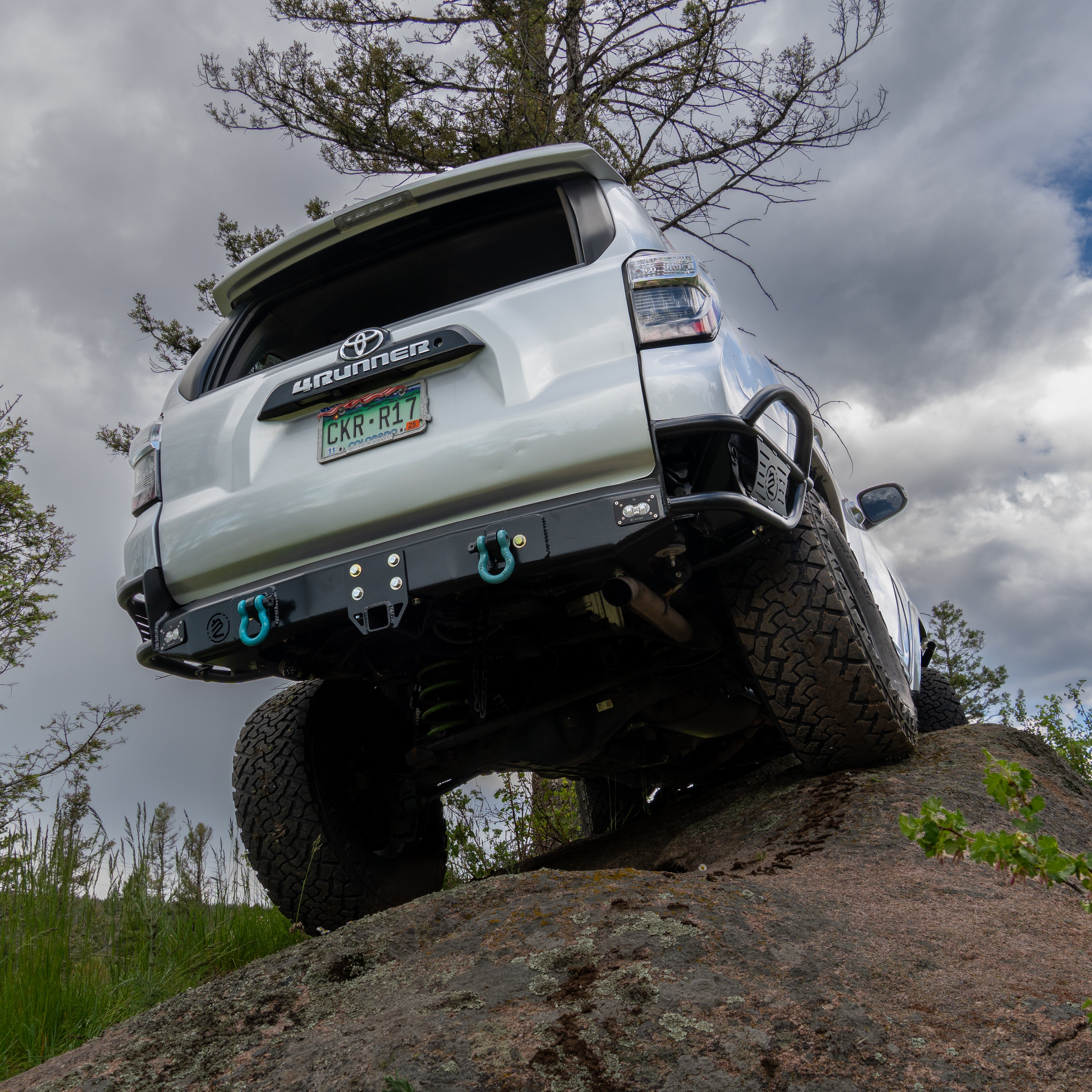
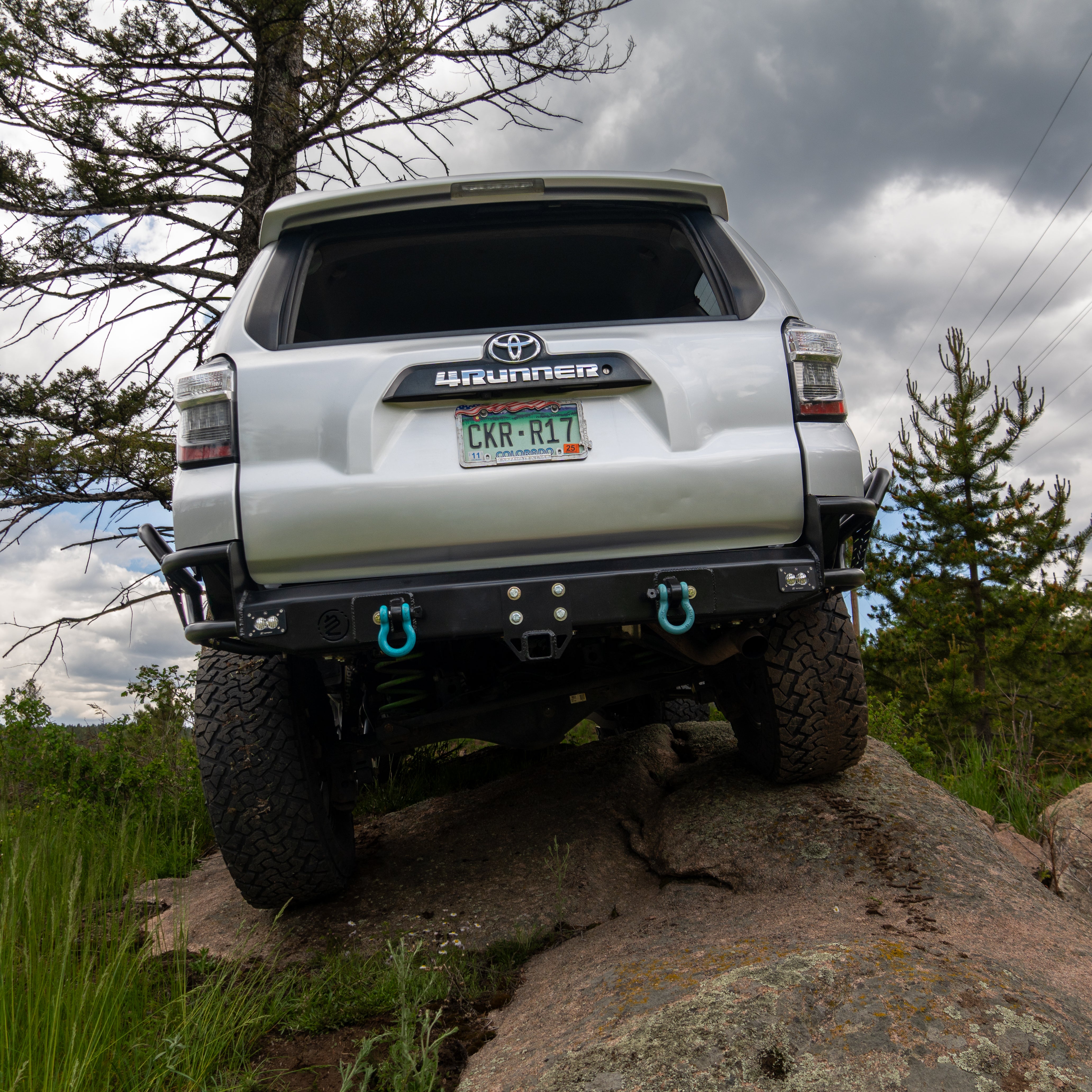
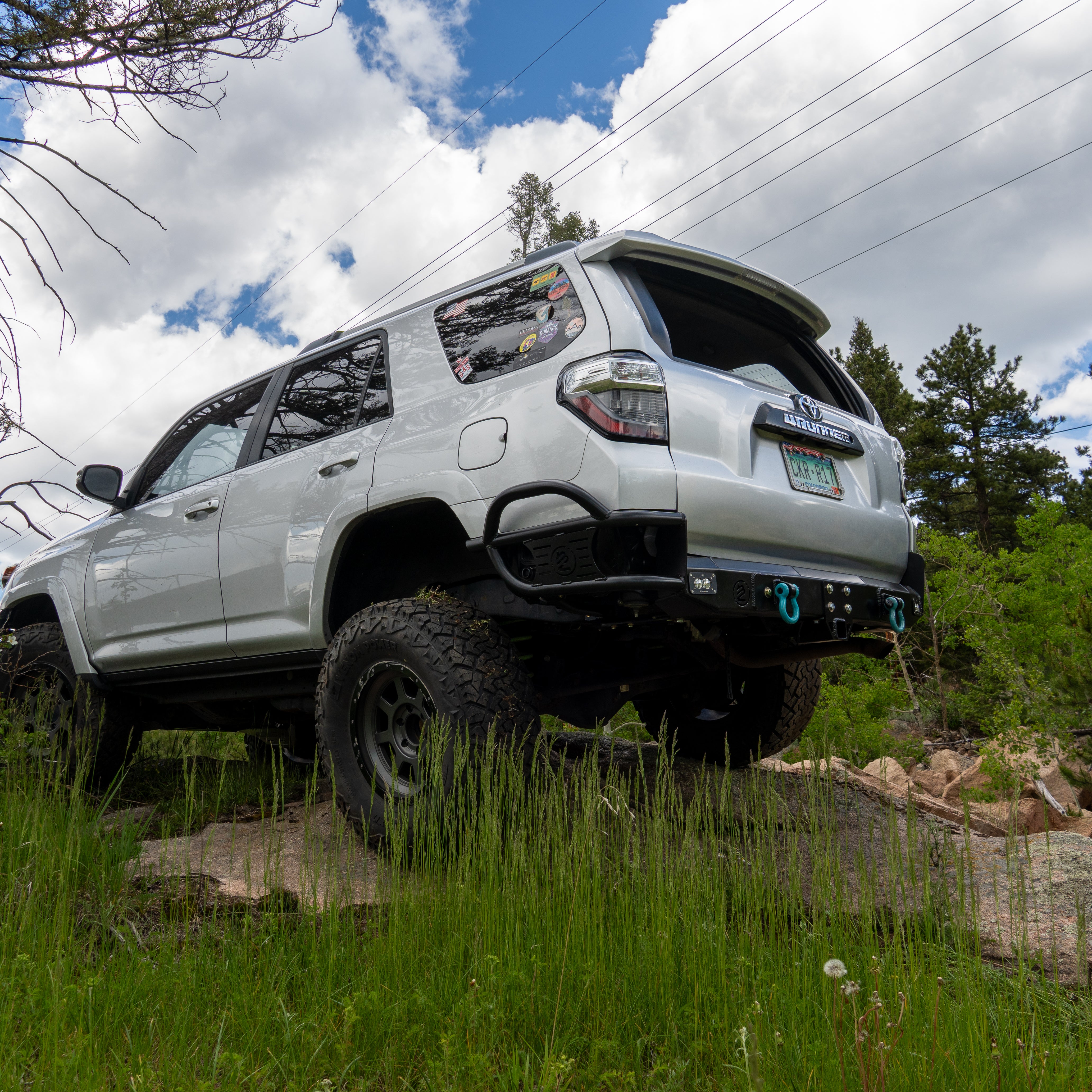
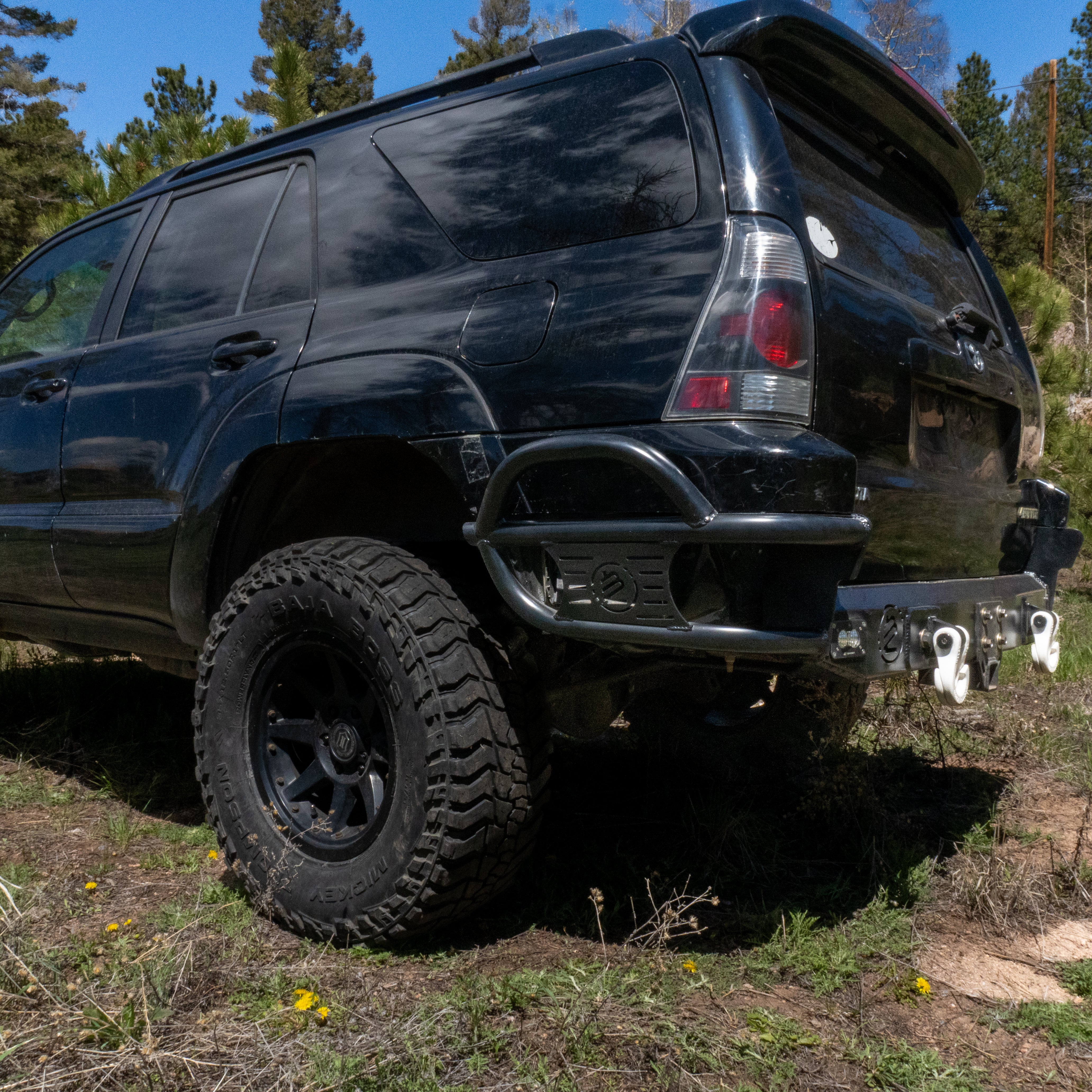
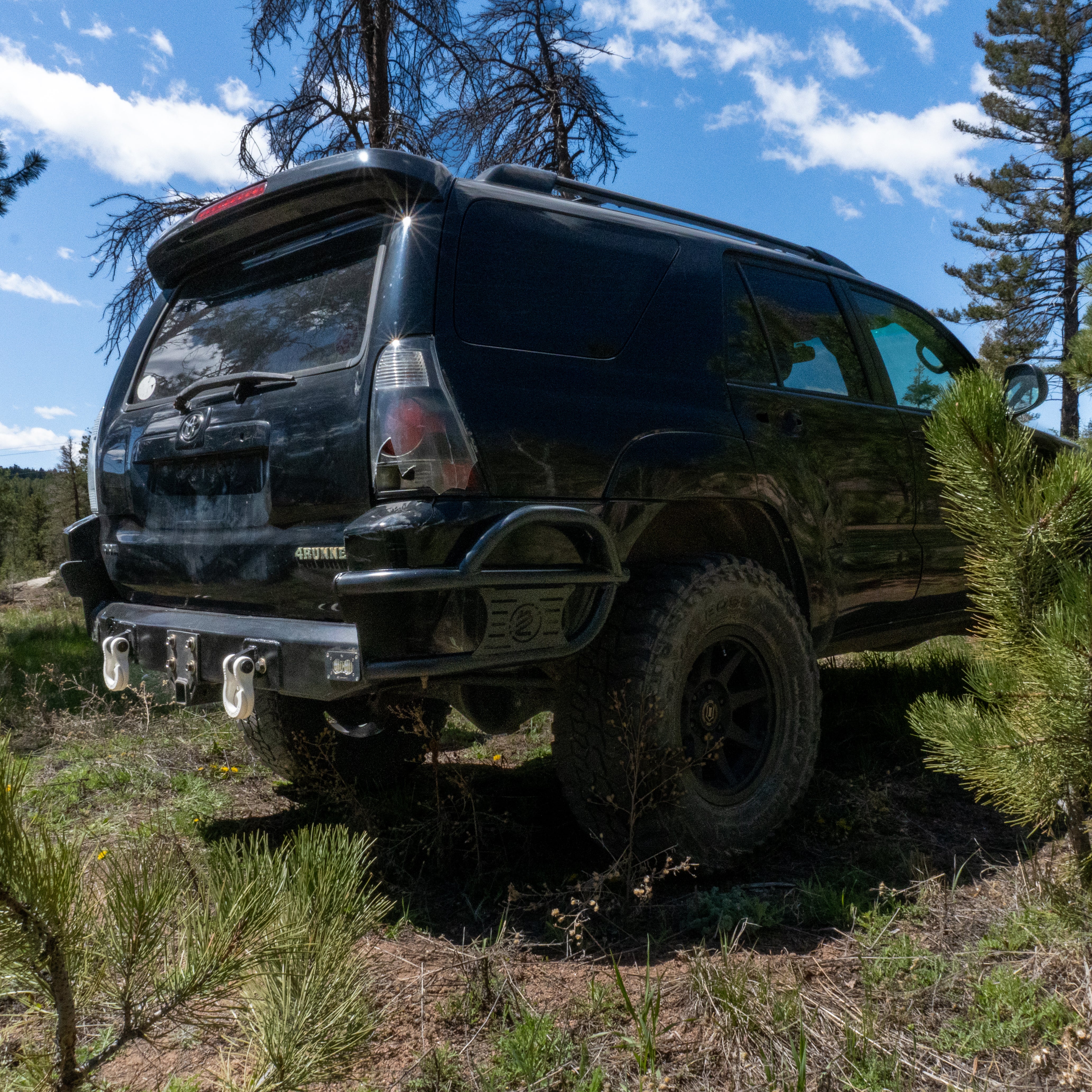
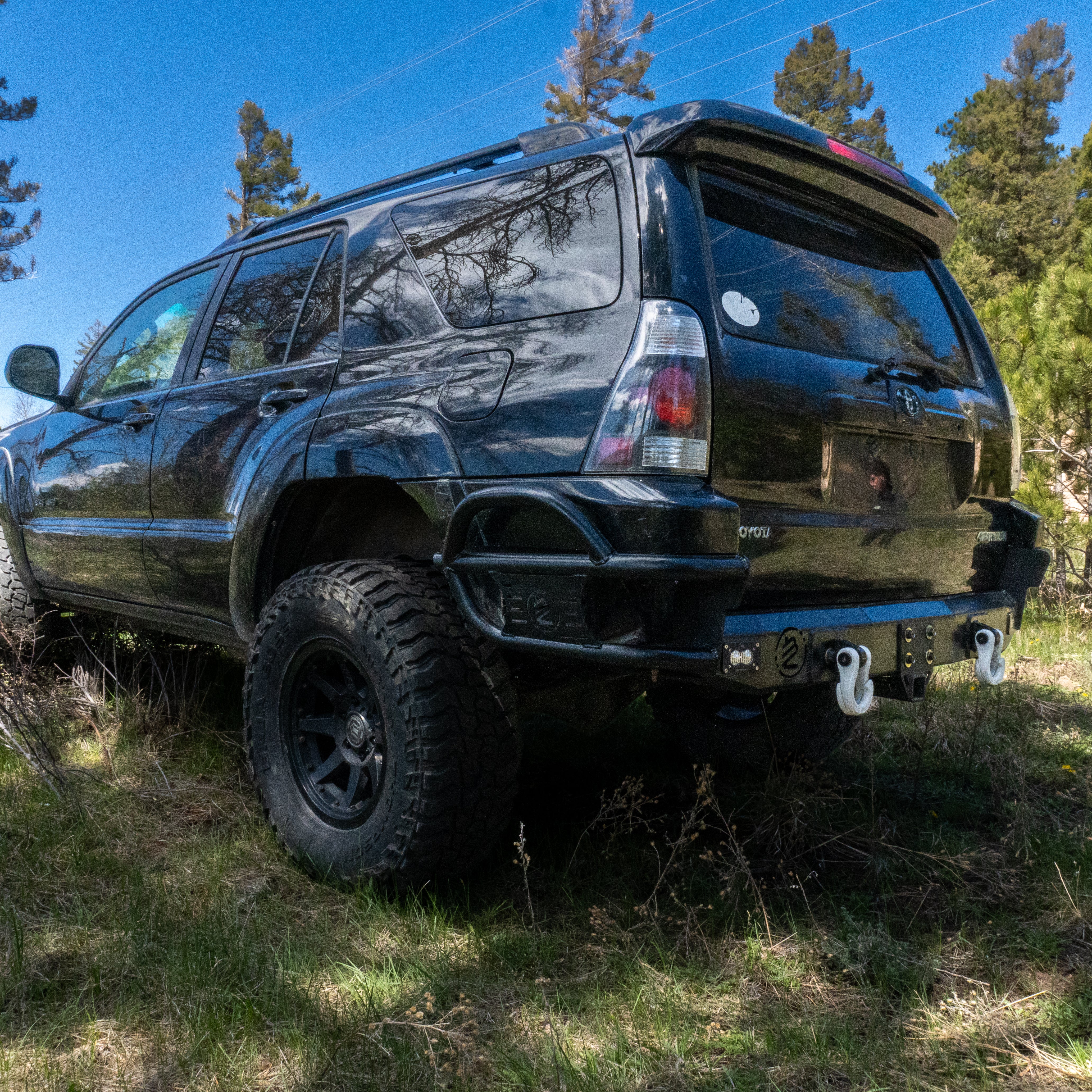
Recovery points are particularly risky. Many budget bumpers advertise D-ring mounts, but they are sometimes welded only to the outer shell, not the structural frame. Under real recovery loads, these can bend or tear away. Lil B’s bumpers feature frame-tied recovery points, rated for kinetic pulls, ensuring your rig stays anchored when you need it most.
Coating and Durability
Off-road bumpers face mud, water, salt, and debris, so coating isn’t just cosmetic—it’s critical for structural integrity. Cheap powder coatings chip easily, exposing raw steel to rust. Over time, this can weaken mounts, gussets, and the bumper shell itself.
At Lil B’s, we:
-
Use high-quality powder coating or textured finishes
-
Pre-treat all steel to prevent corrosion
-
Pay attention to weld seams and mounting surfaces
Proper coating maintenance ensures your bumper continues to protect the rig for years, not months.
Weight and Vehicle Performance
Cheap bumpers sometimes save money but compromise vehicle performance:
-
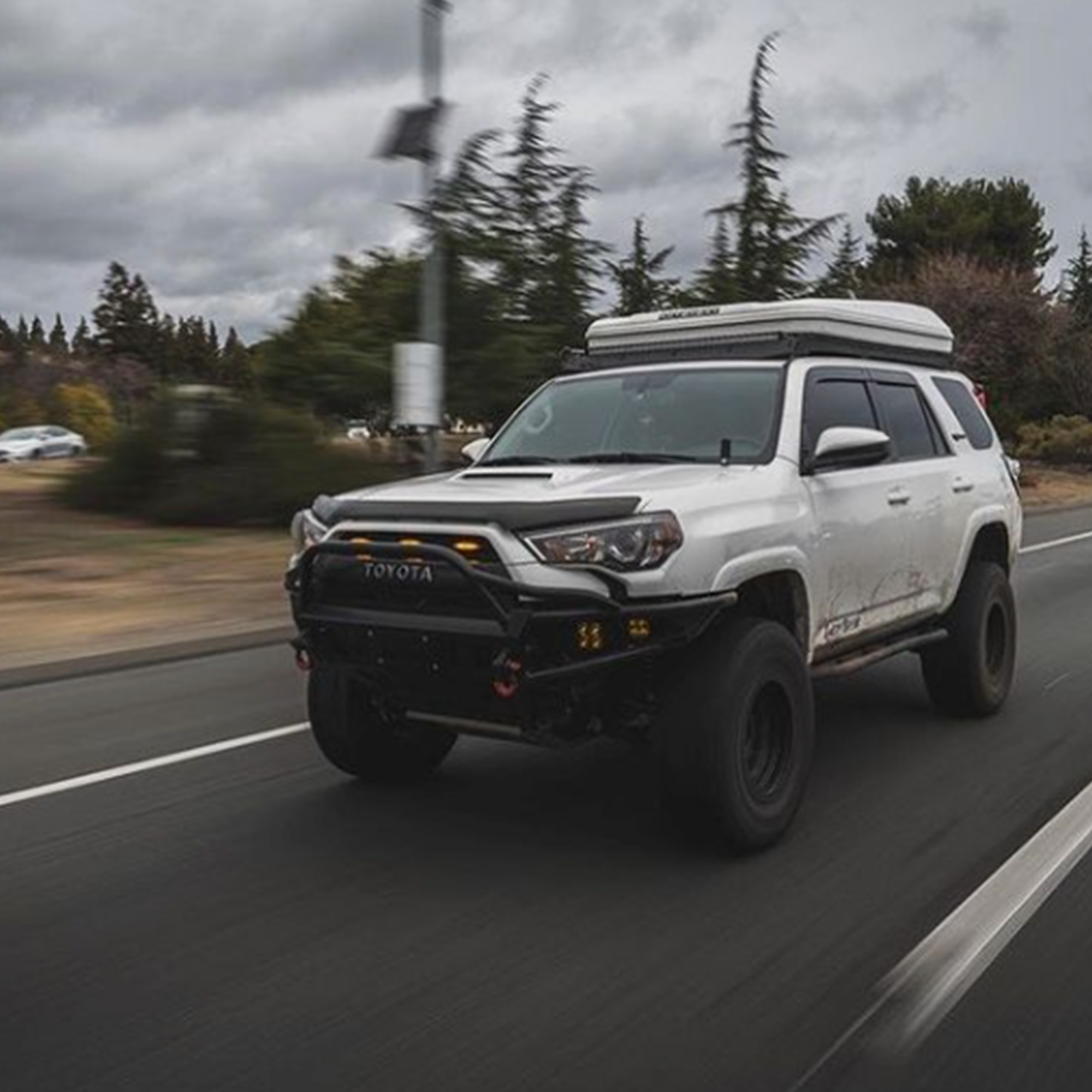
Unbalanced weight can affect suspension geometry, especially on IFS platforms like 4Runner and Tacoma
-
Misaligned mounts can create steering or braking issues
-
Poorly mounted accessories (winches, lights) can shift weight unexpectedly
A quality bumper from Lil B’s is engineered to balance protection, weight, and functionality, so your rig performs optimally on every trail.
Accessory Integration
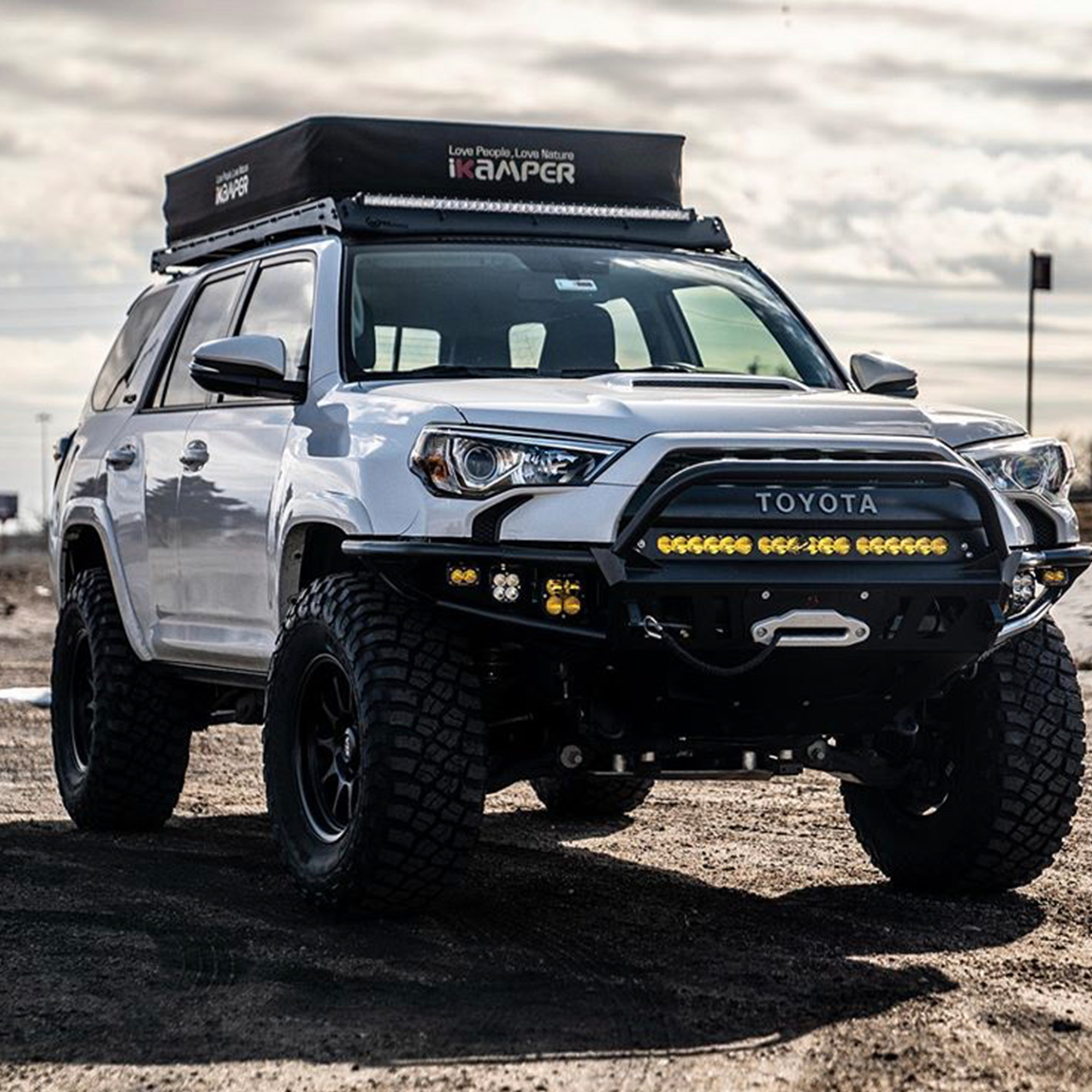
A bumper is more than a protective shell—it’s a mounting hub for:
-
Winches and fairleads
-
D-ring recovery points
-
LED lighting arrays
-
Skid plates and underbody protection
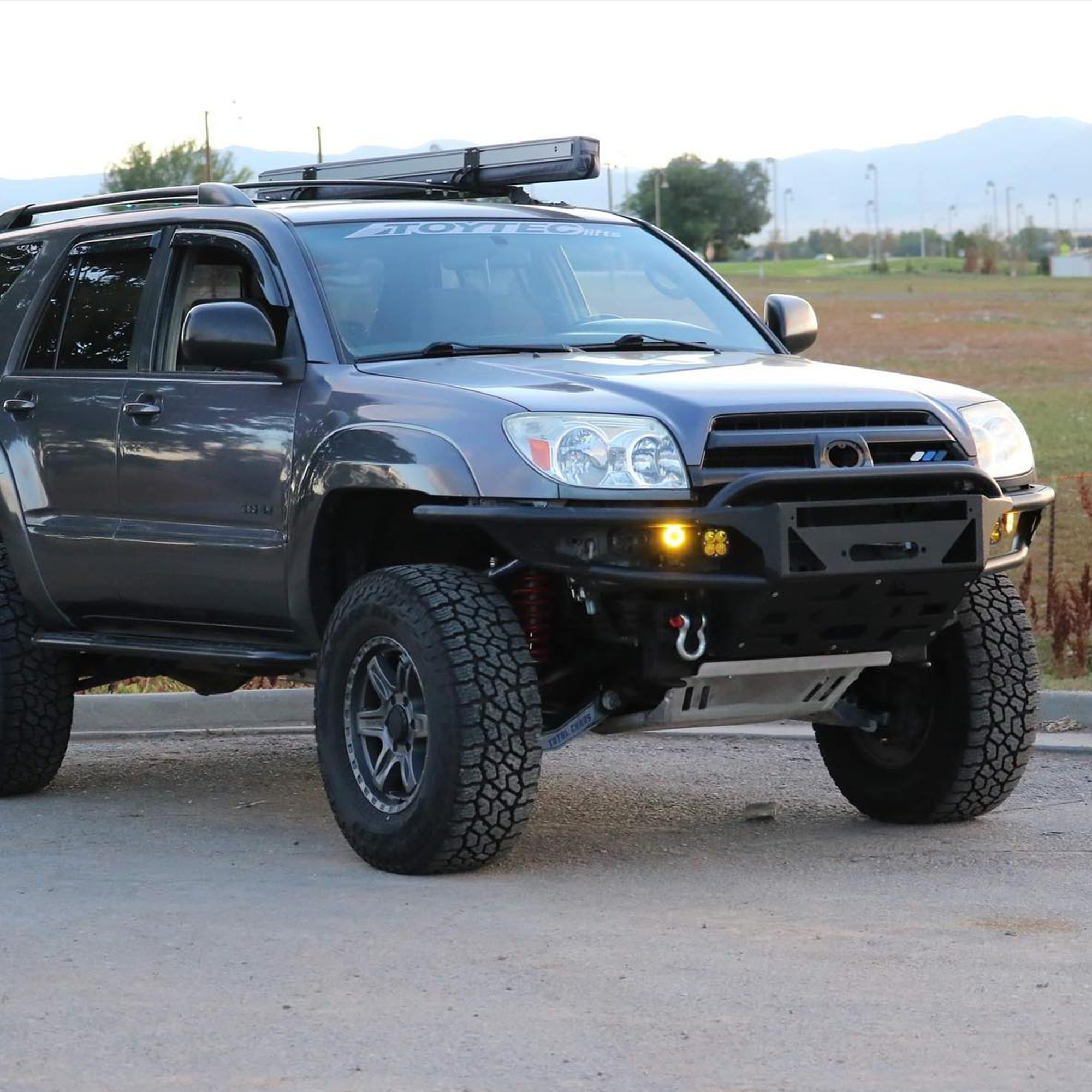
Budget bumpers may lack proper support for these accessories. At Lil B’s, all bumpers are designed with real-world accessory integration in mind, tested to handle weight, stress, and off-road abuse without compromising the frame or recovery points.
Real-World Examples of Cheap Bumper Failures
Over the years, Lil B’s team has seen countless examples of low-cost bumpers failing on the trail:
-
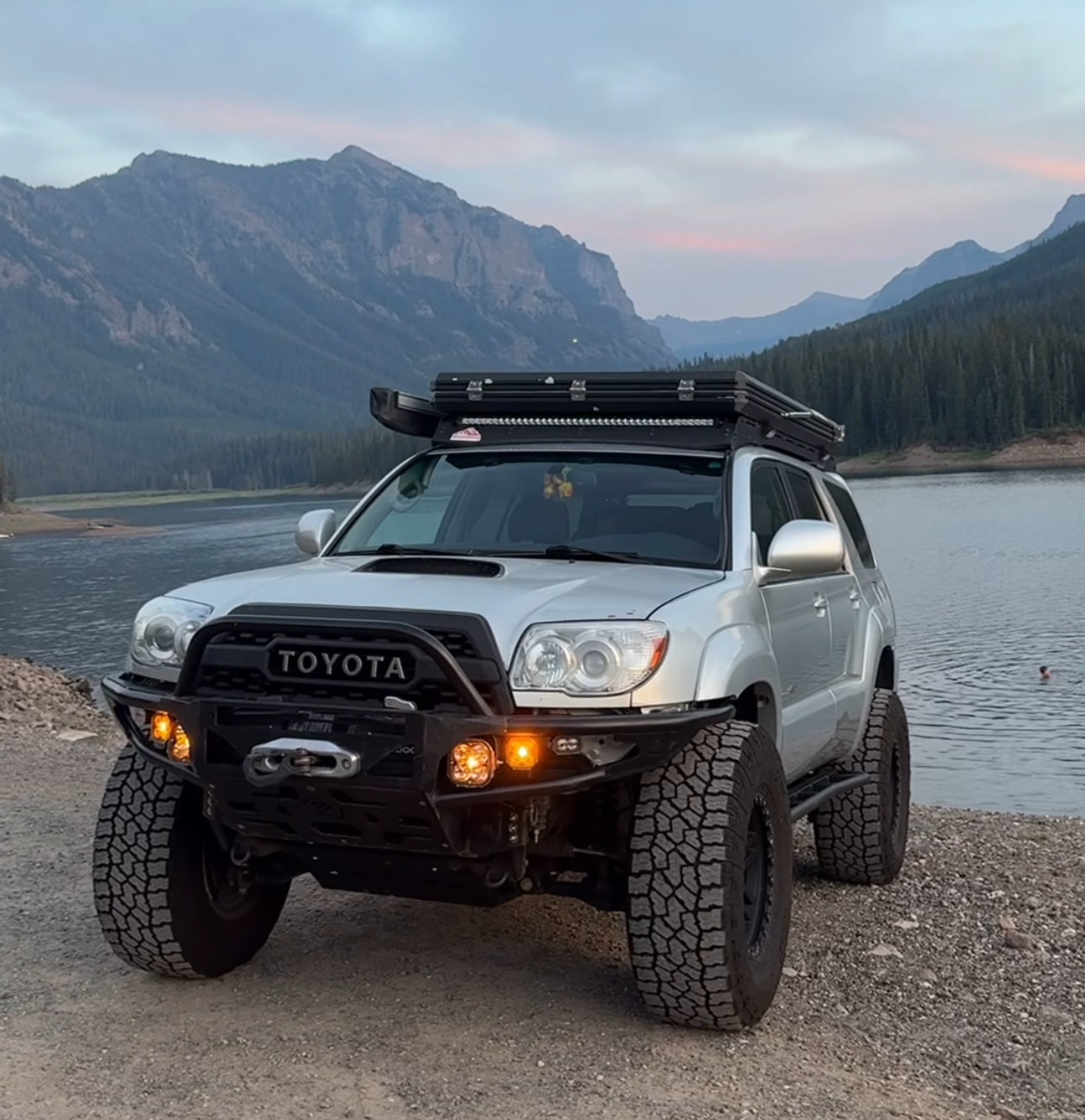
A 4Runner stuck on a snow-covered trail experienced frame twisting during a winch pull due to insufficient reinforcement.
-
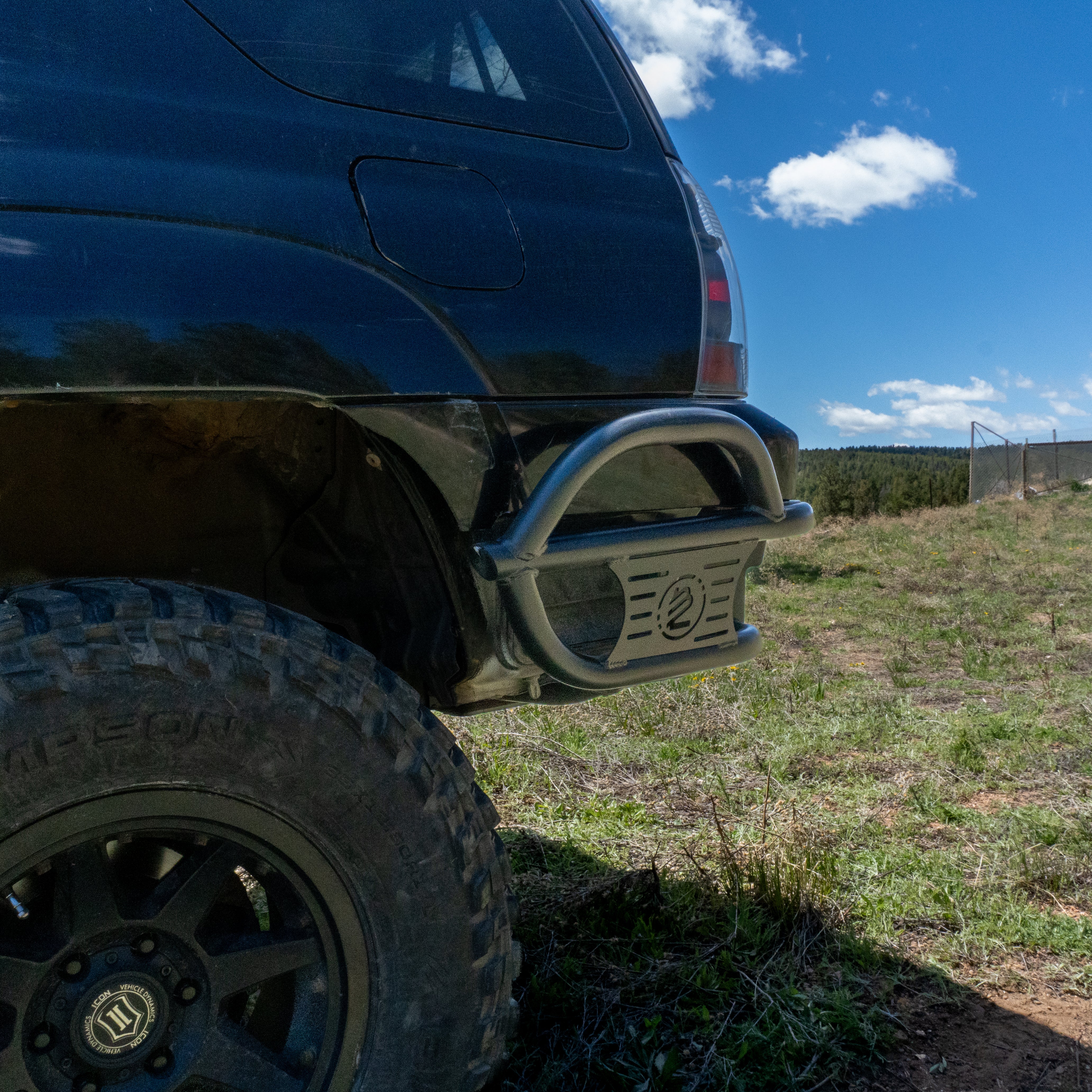
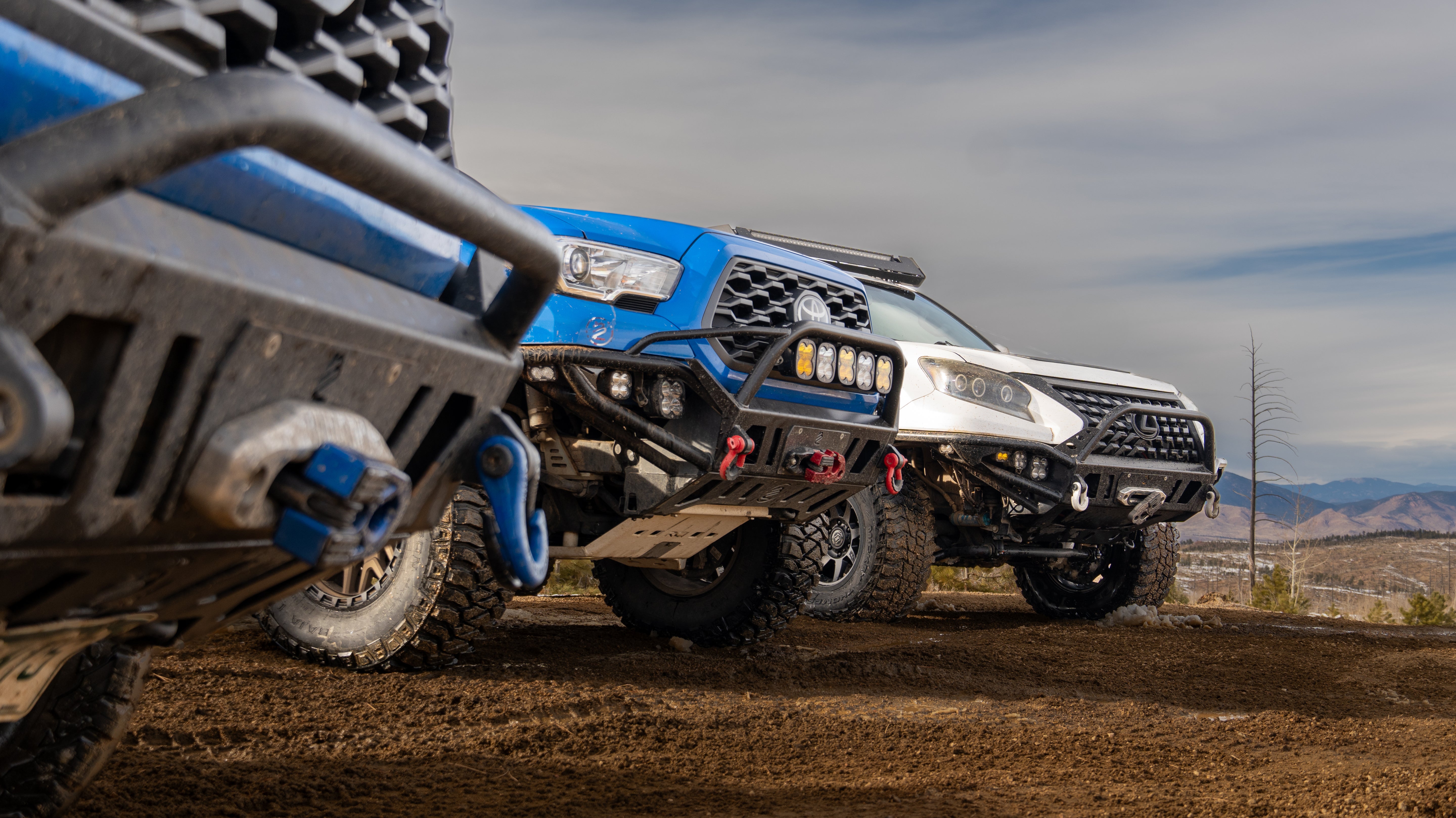
A Tacoma tube bumper without gussets suffered bent shackle mounts when extracting a side-by-side from a mud pit.
-
A Tundra’s cheaply mounted plate bumper ripped away from the frame during a steep descent, leaving the rig without front protection.
These are preventable failures with properly designed bumpers, engineered for the specific vehicle and trail type.
The Long-Term Cost of Cutting Corners
Buying a cheap bumper might save money upfront, but it often costs more in the long run:
-
Frame repairs from improper load transfer
-
Winch or recovery gear damage
-
Coating touch-ups and corrosion mitigation
-
Eventual replacement with a high-quality, engineered bumper
Investing in a bumper from Lil B’s Custom Fabrication is buy once, build once, trail-tested—saving both money and headaches over years of trail use.
Maintenance and Inspection Tips
Even quality bumpers require care:
-
Inspect welds and brackets after heavy recovery use
-
Check frame tie-ins and fasteners regularly
-
Touch up paint or powder coating after scratches or impacts
Lil B’s customers benefit from guides and recommendations for maintenance to keep bumpers functional and durable on every trail.
Conclusion: Build Smart, Not Cheap
A bumper is far more than a cosmetic upgrade. It is:
-
Your front-line protection against rocks, branches, and wildlife
-
A reliable recovery anchor
-
The foundation for accessories and trail-ready upgrades
Cutting corners on your bumper compromises vehicle safety, recovery capability, and long-term durability. Lil B’s Custom Fabrication focuses on bumpers that are engineered, tested, and proven in real-world off-road conditions, so your rig performs reliably, looks great, and protects you when it matters most.
Share:
Tube vs Plate Bumpers: What Actually Makes Sense for Your Build?
Front Bumper & Trail Performance Beyond Approach Angle