


Every serious build reaches a point where the bumper conversation is unavoidable. At Lil B’s Custom Fabrication, we’ve spent years testing bumpers in the Colorado mountains, Moab rock gardens, and Pacific Northwest forests, and one lesson is clear: tube, plate, or hybrid isn’t just about looks—it affects weight, recovery capability, clearance, and how your rig performs on the trail.
Our experience shows that enthusiasts often overlook frame integration, recovery point placement, and terrain-specific trade-offs until their first serious trail test. By the end of this guide, you’ll understand why Lil B’s engineers recommend different bumper styles for different rigs, terrains, and driving styles.

Tube Bumpers: Clearance, Agility, and Technical Terrain
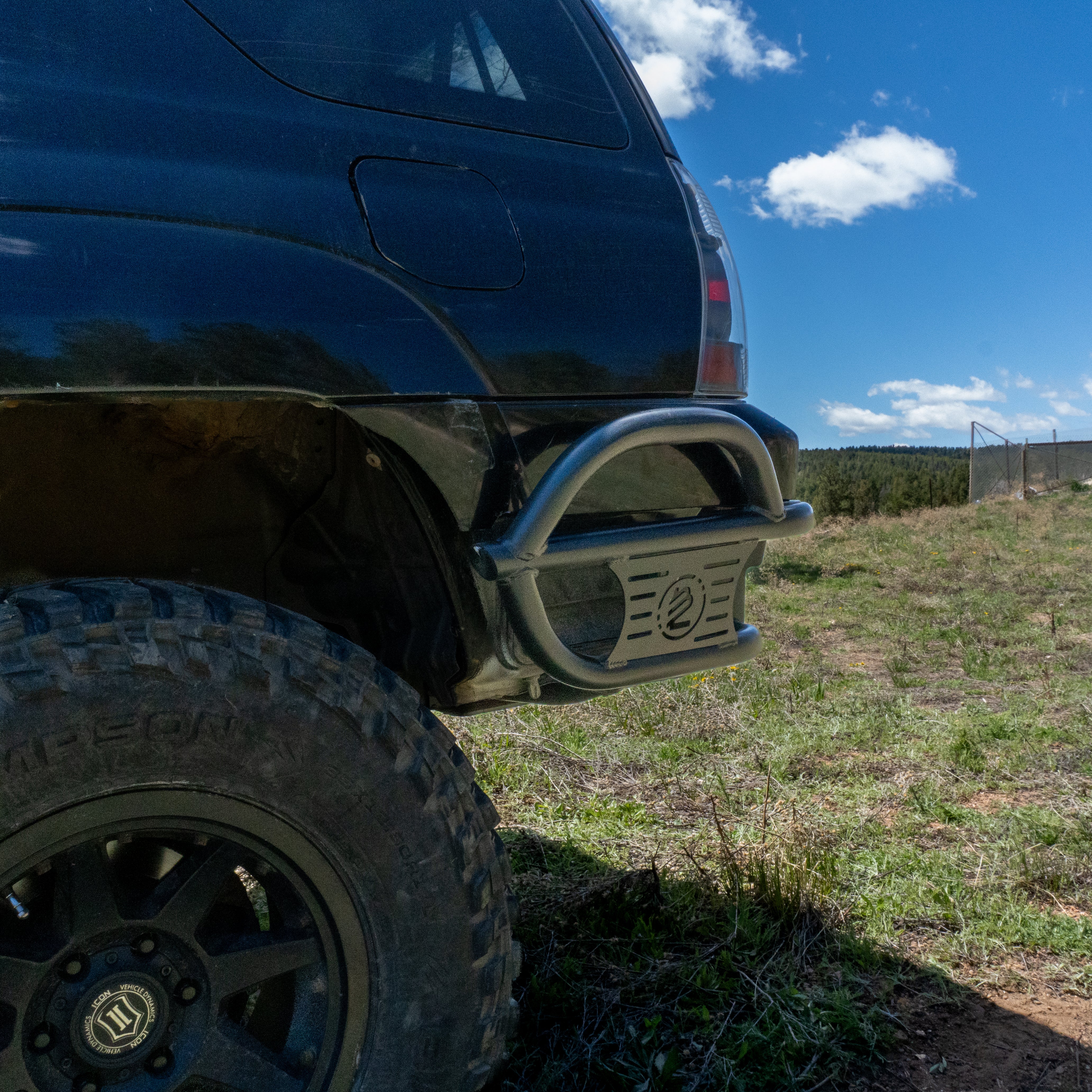
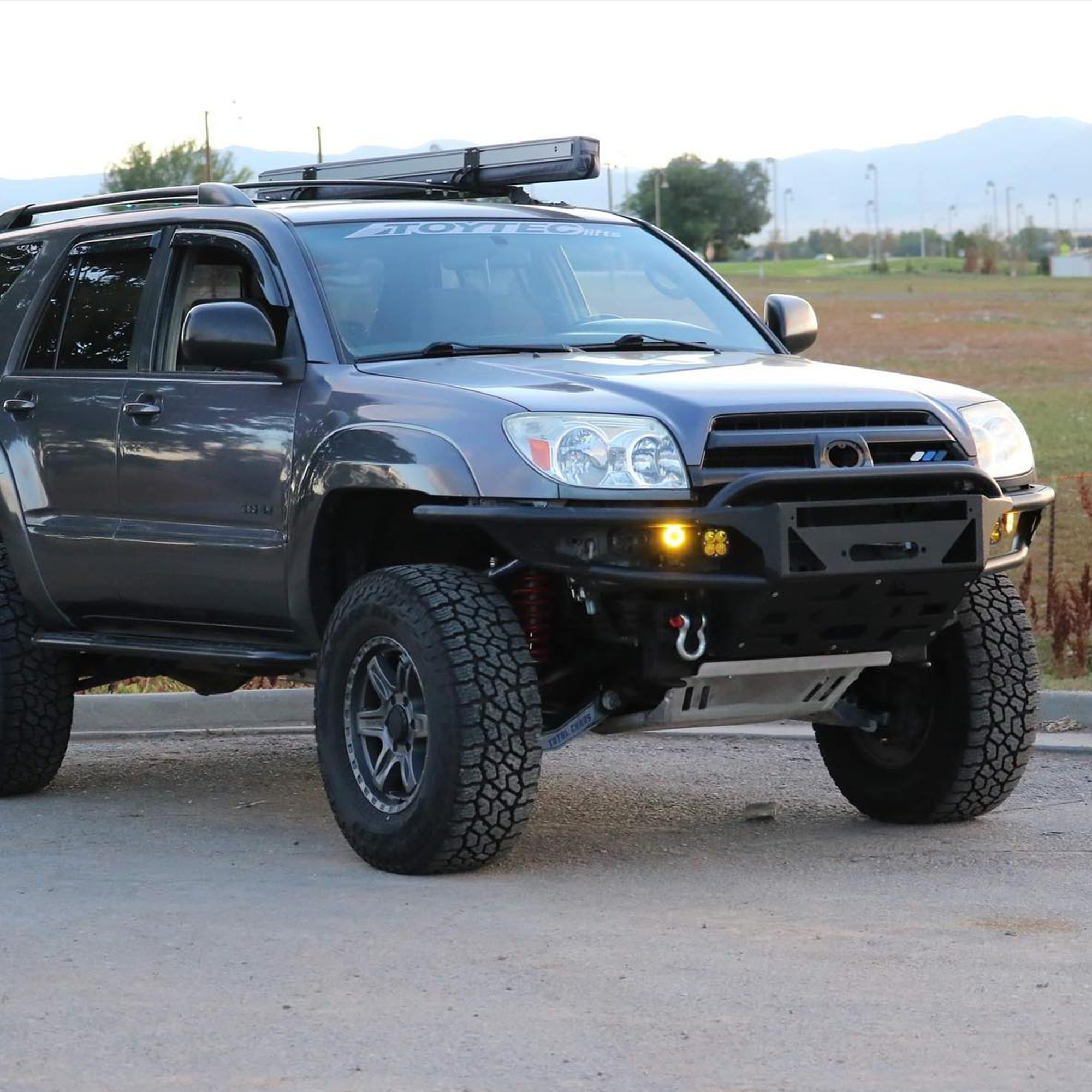
Tube bumpers are popular among rock crawlers and lightweight trail rigs because they offer maximum clearance with minimal weight. At Lil B’s, we’ve tested tube bumpers on short-bed Tacomas, 4Runner IFS rigs, and FJ Cruisers navigating tight switchbacks and stair-step rock formations.
Advantages of tube bumpers:
-
Lightweight for improved suspension performance
-
Open design enhances articulation and approach angles
-
Ideal for technical, tight trails
Trade-offs:
-
Limited frontal protection against brush or rocks
-
Recovery points may not tie directly into the frame
-
Winch integration may require additional reinforcement
On technical climbs, a properly designed tube bumper lets you pick lines that would be impossible with a bulky plate setup, but for high-speed desert or overland rigs, we often see plate or hybrid designs outperform purely tubular options.
Plate Bumpers: Armor and Recovery Strength
Plate bumpers, made from formed and welded steel, prioritize impact absorption and load distribution. At Lil B’s, every plate bumper is tested on real-world trails to ensure it withstands kinetic recoveries, heavy winching, and tree/rock contact.
Key benefits:
-
Protects grille, lights, and radiator from rock and brush strikes
-
Integrated recovery points tie directly into the frame
-
Supports winches with reinforced mounting
Considerations:
-
Heavier, potentially affecting braking, steering, and suspension travel
-
Requires proper spring/shock setup for optimal performance
-
Slightly reduced approach angles compared to tube
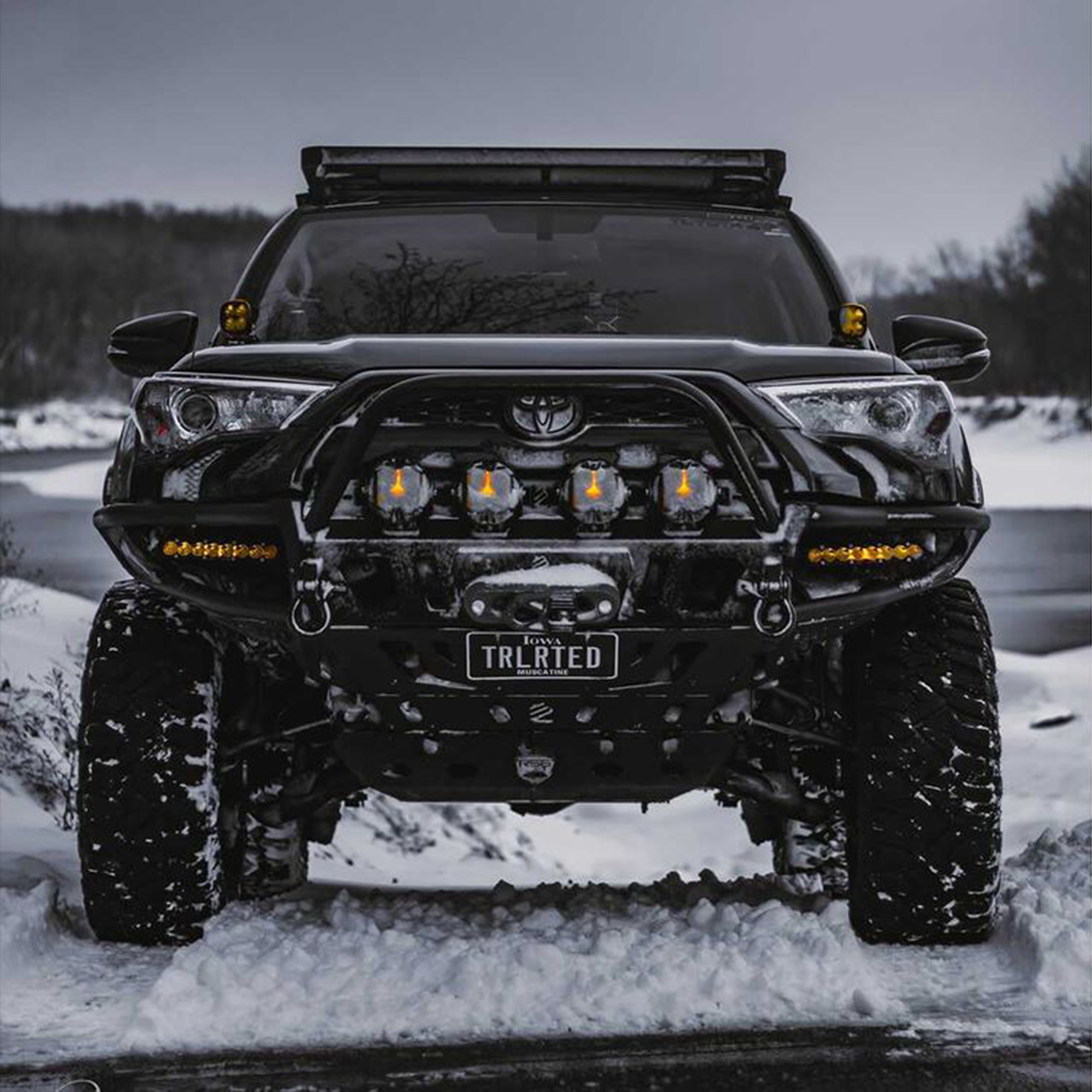
One of our favorite examples comes from a Tundra equipped with a Lil B’s plate bumper: during a snow-covered trail recovery, the reinforced mounts allowed a winch pull that would have bent a standard aftermarket bumper. That’s why plate bumpers are a favorite among overland and recovery-heavy builds.
Hybrid Bumpers: The Best of Both Worlds
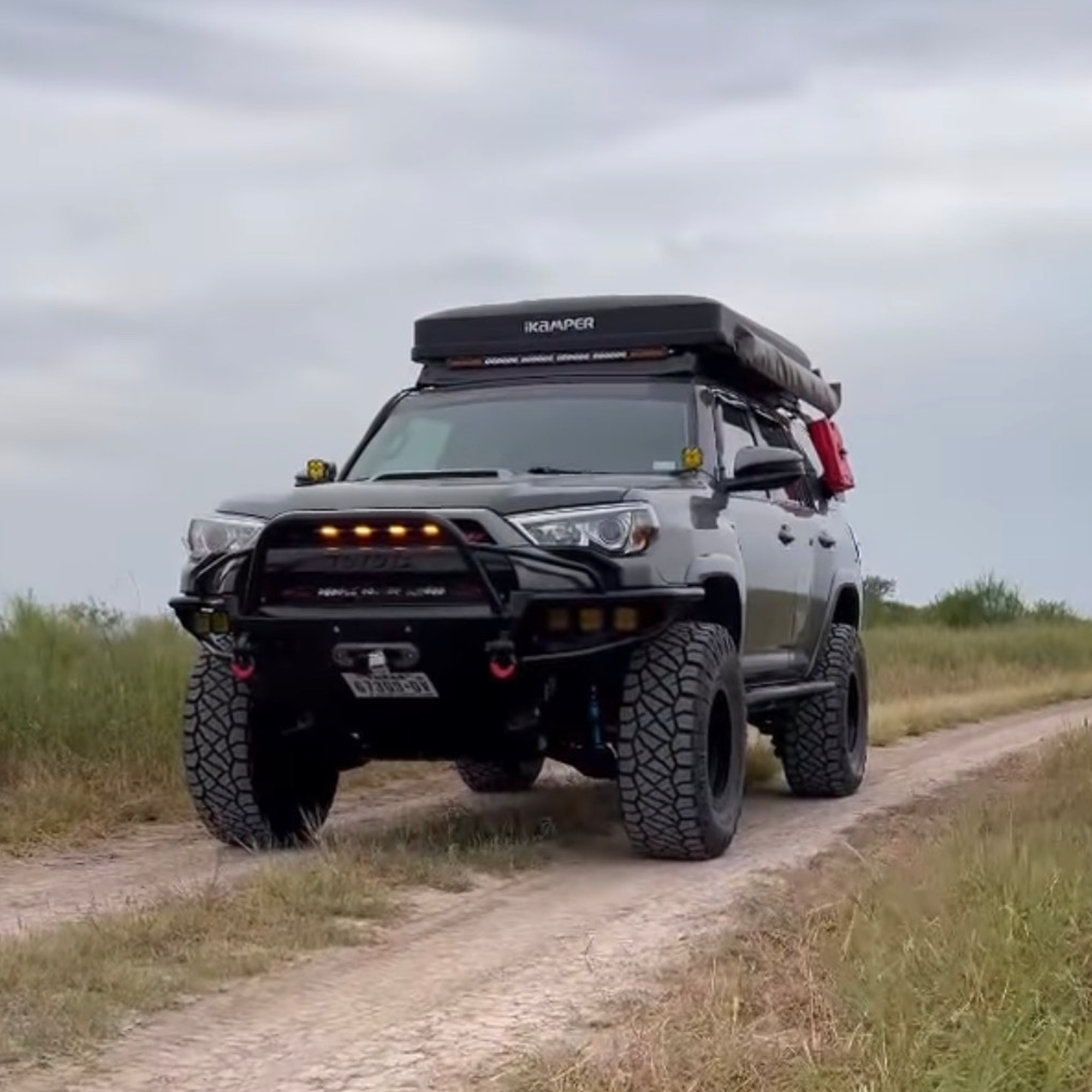
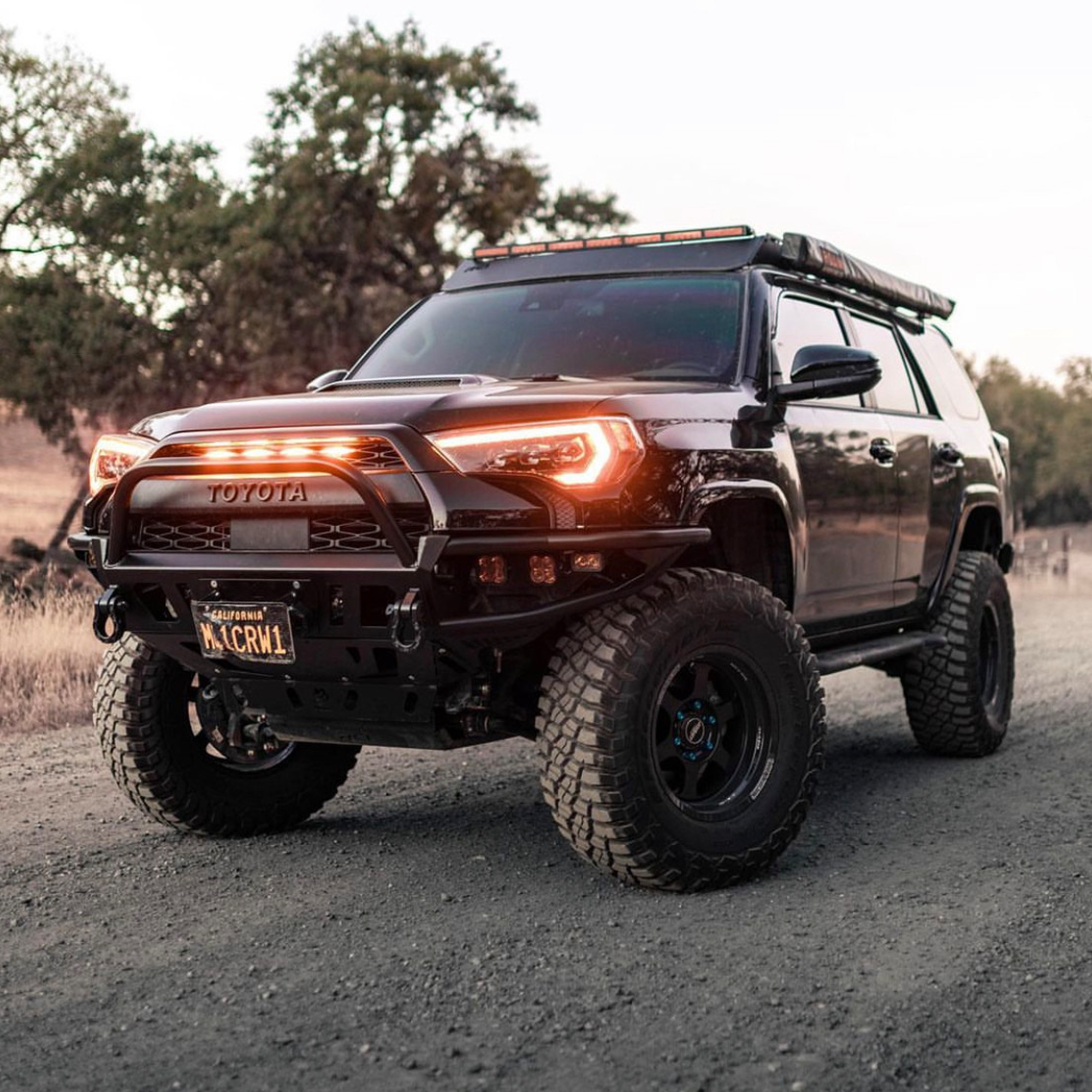
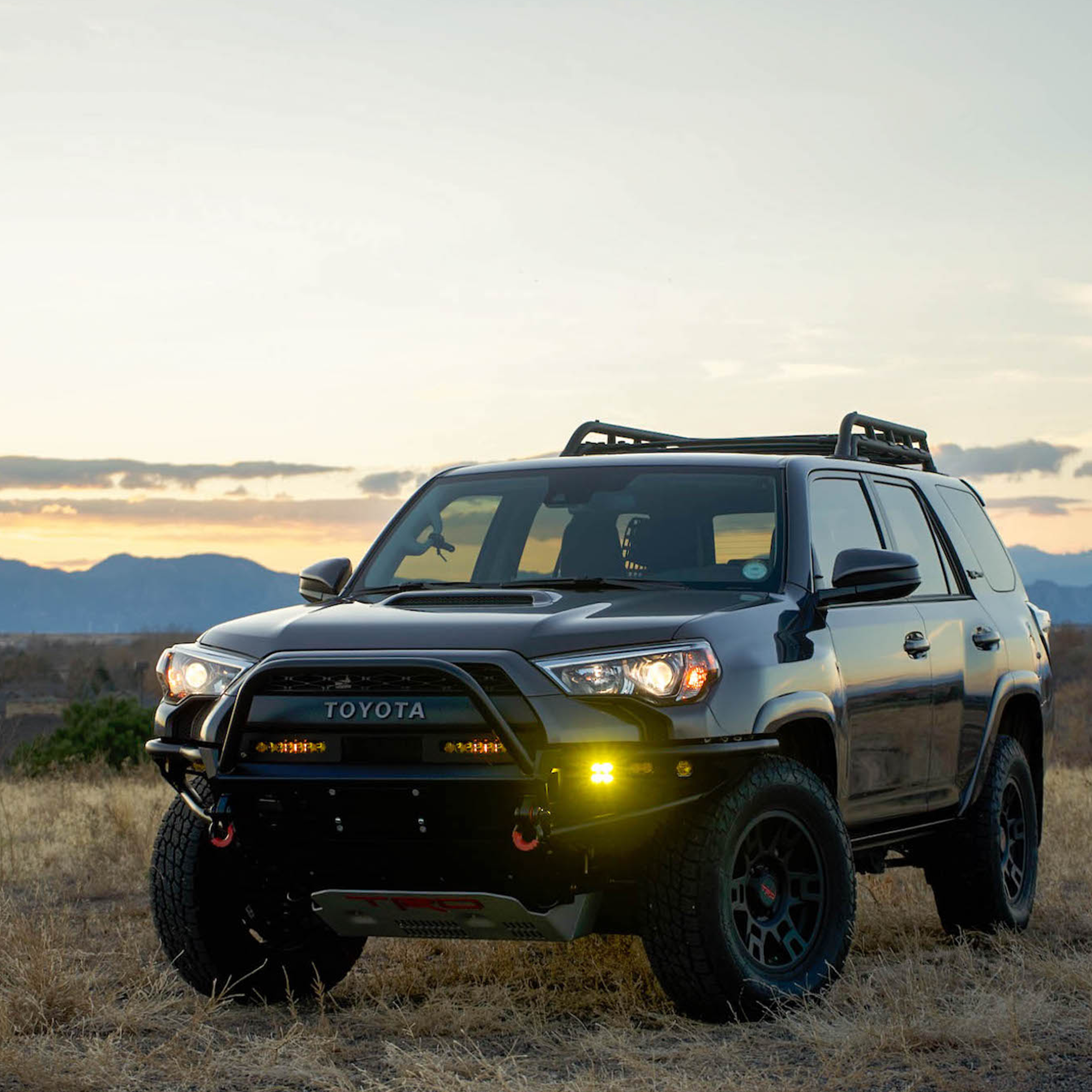
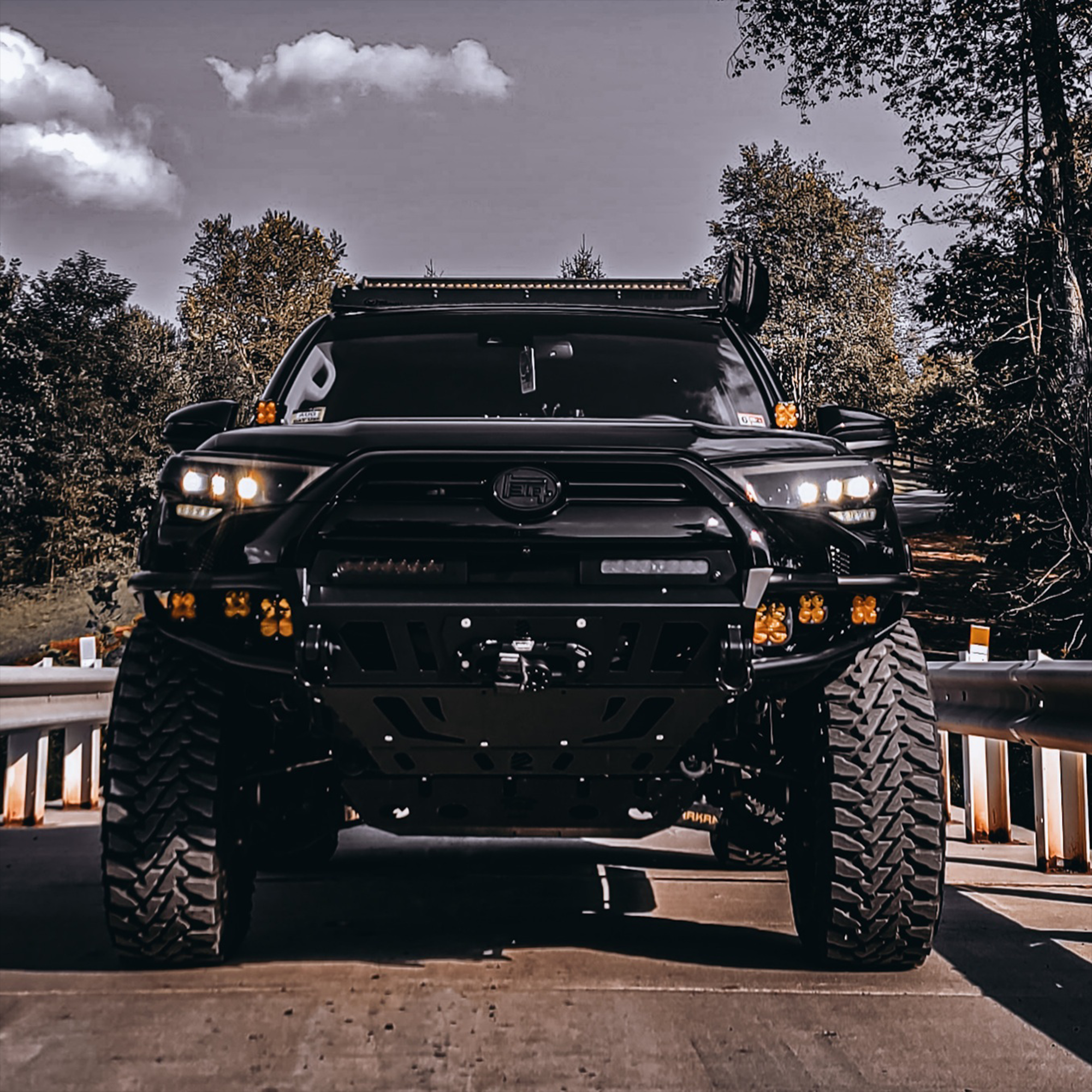
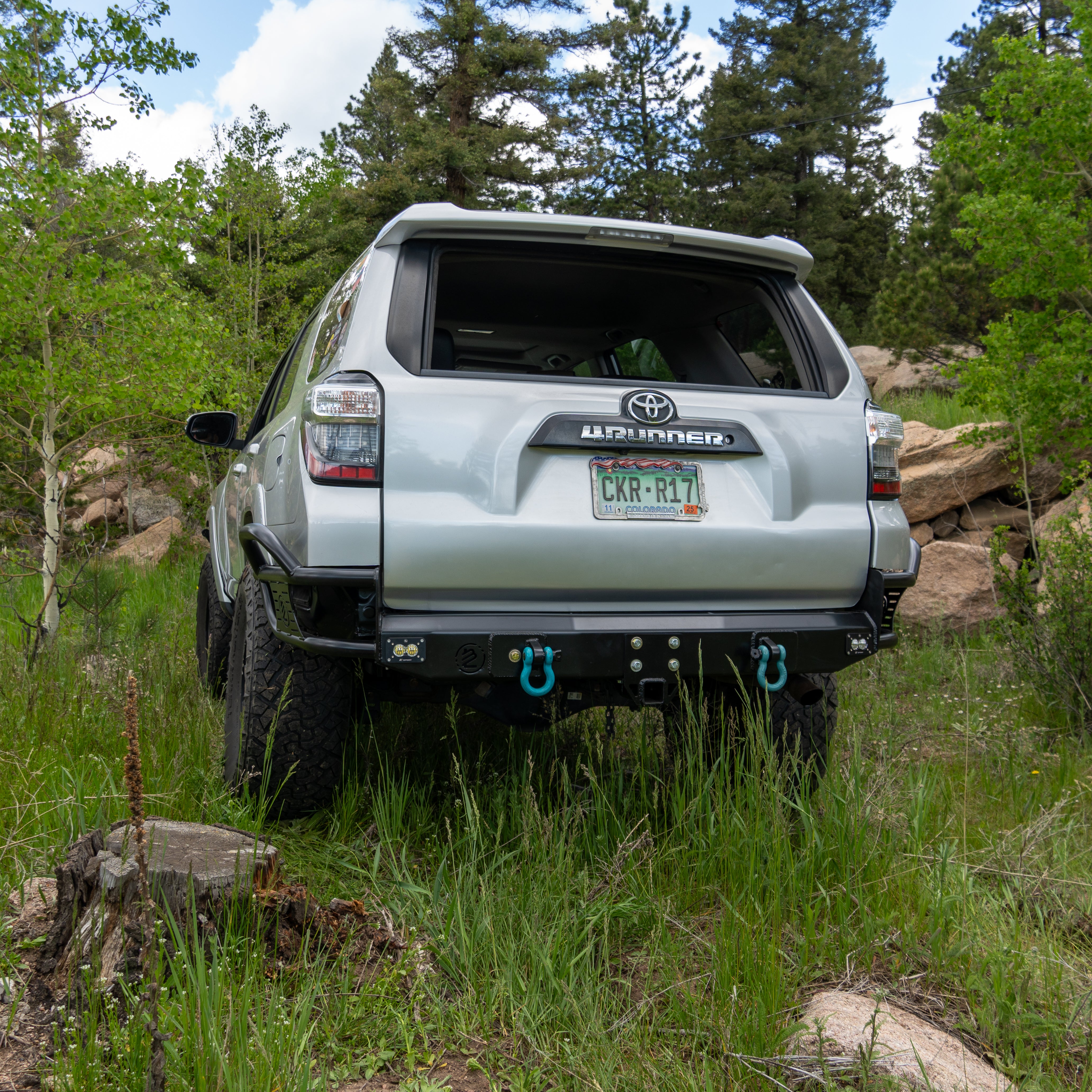
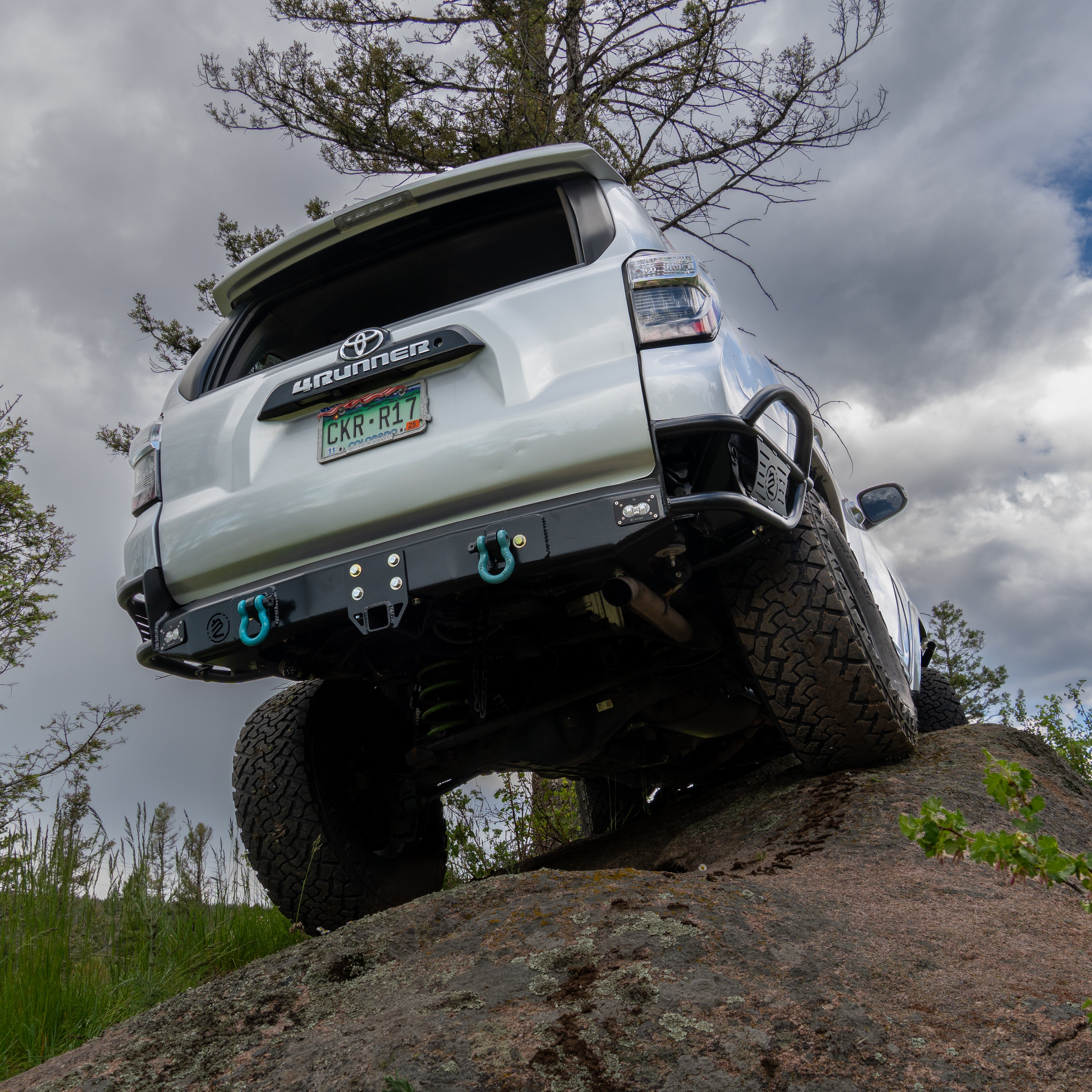
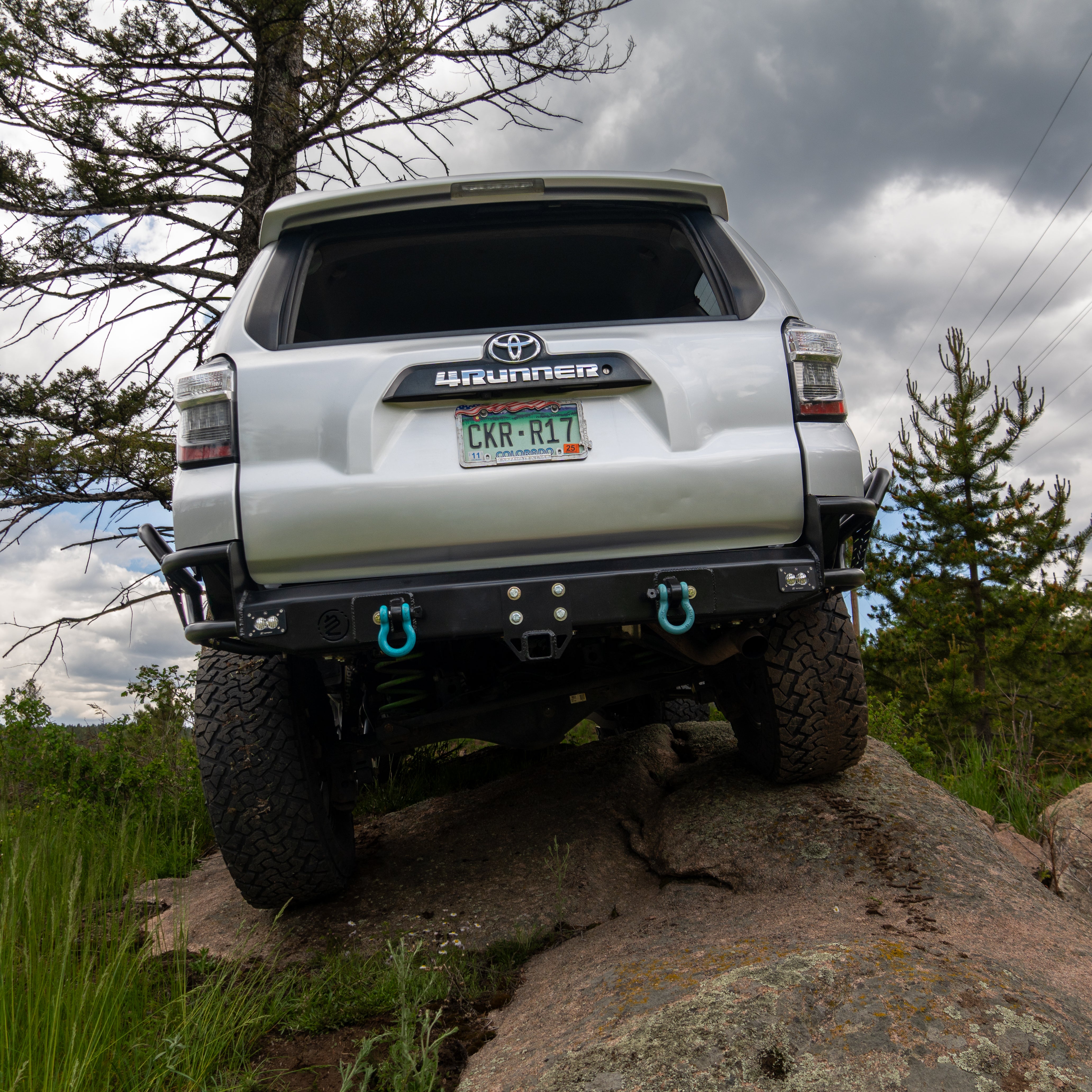
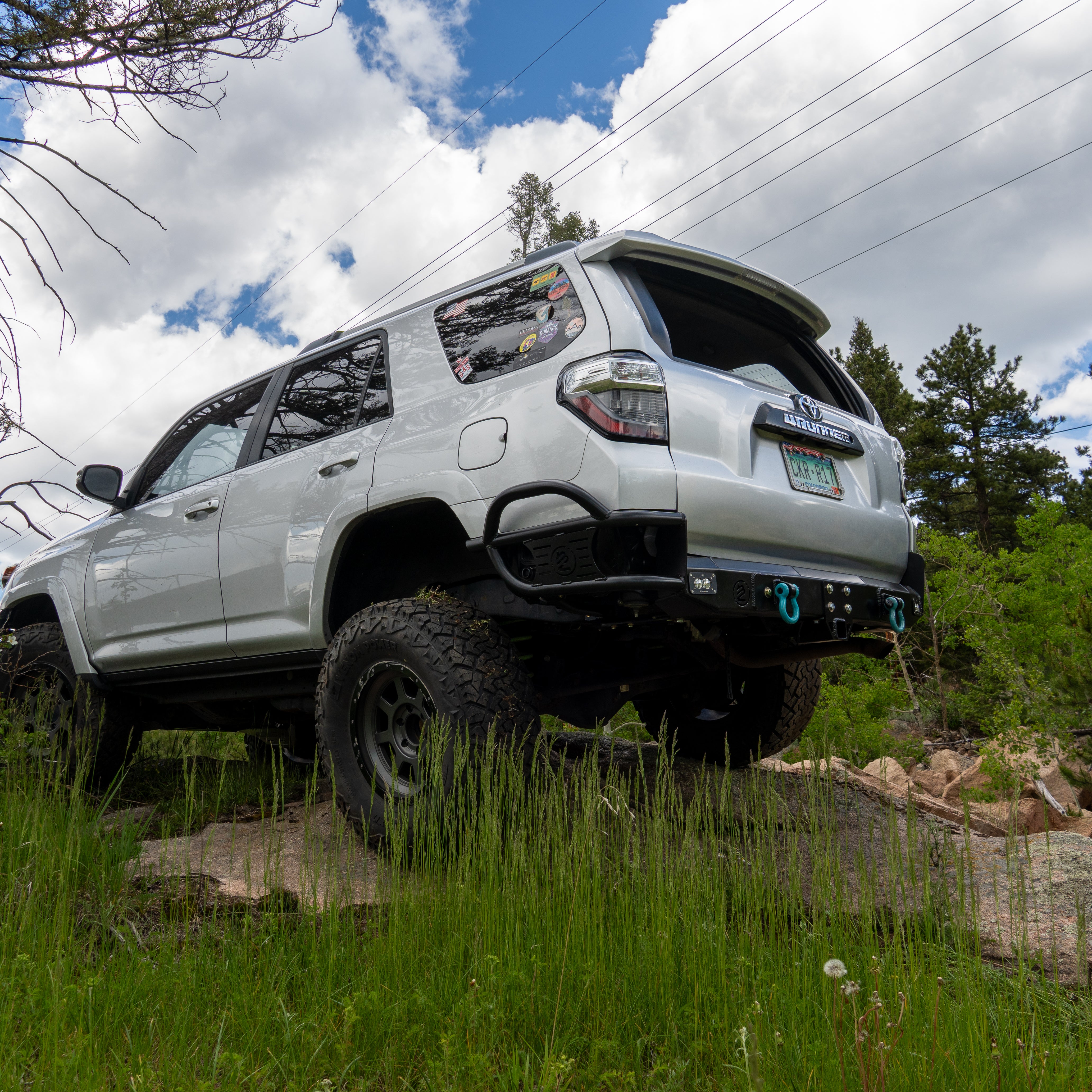
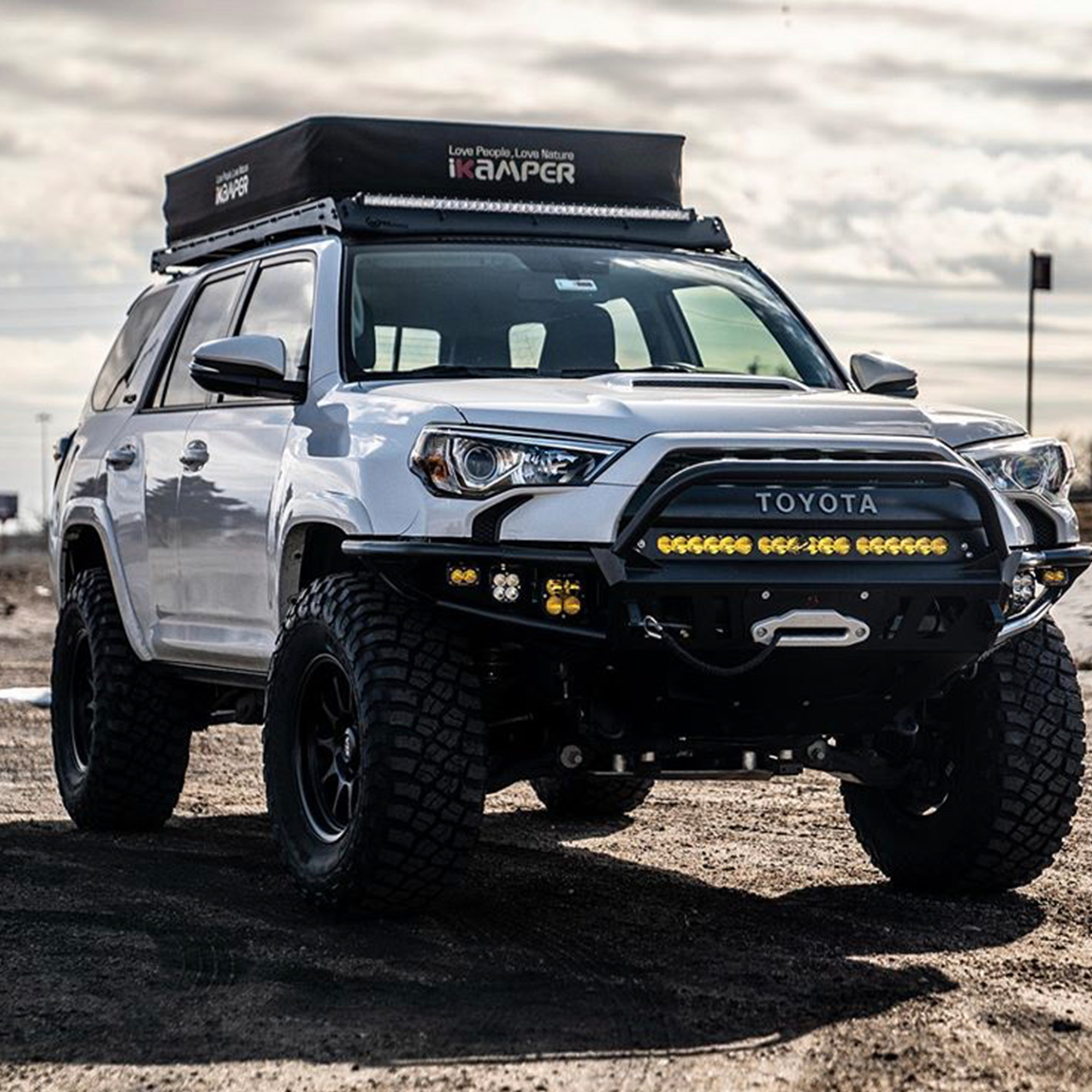
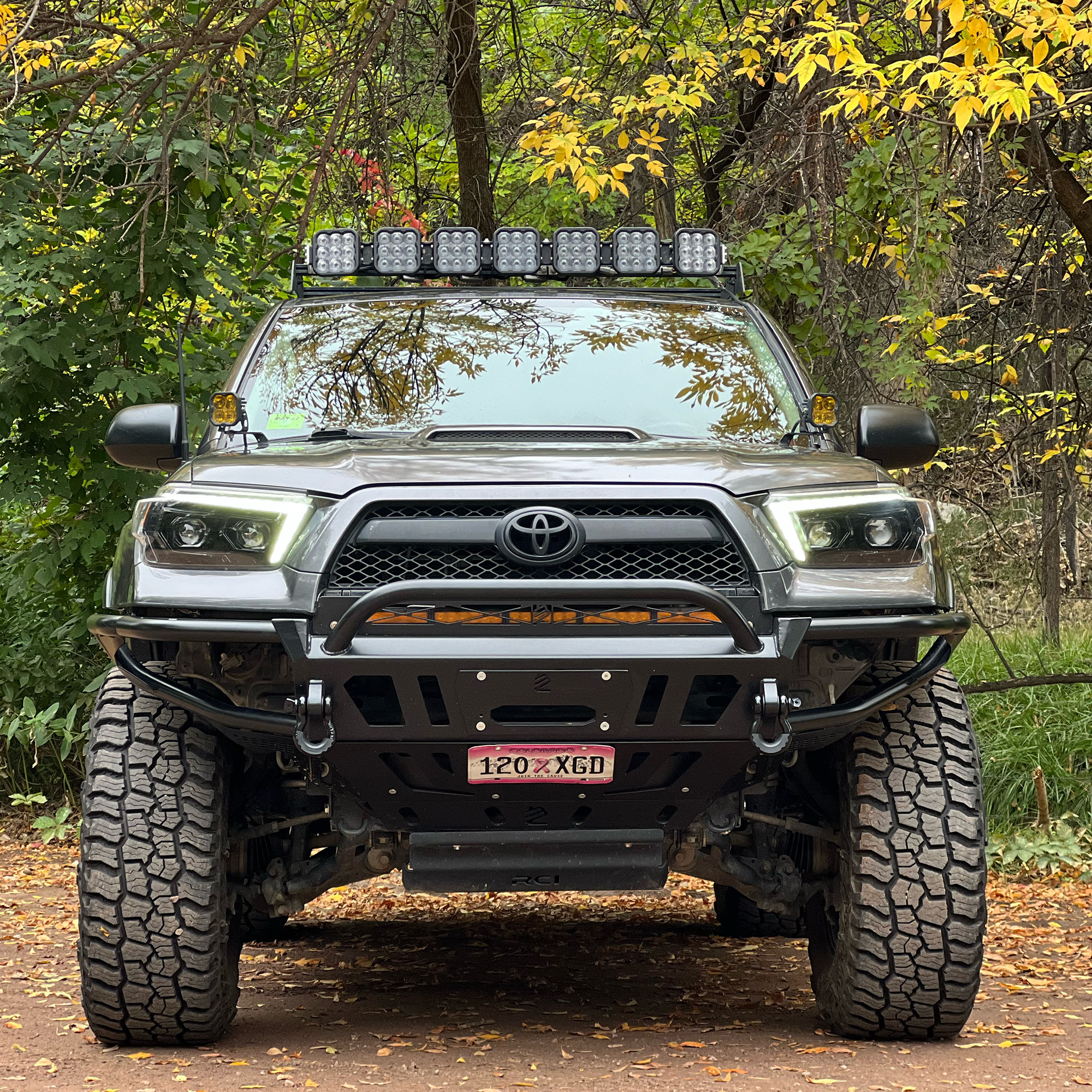
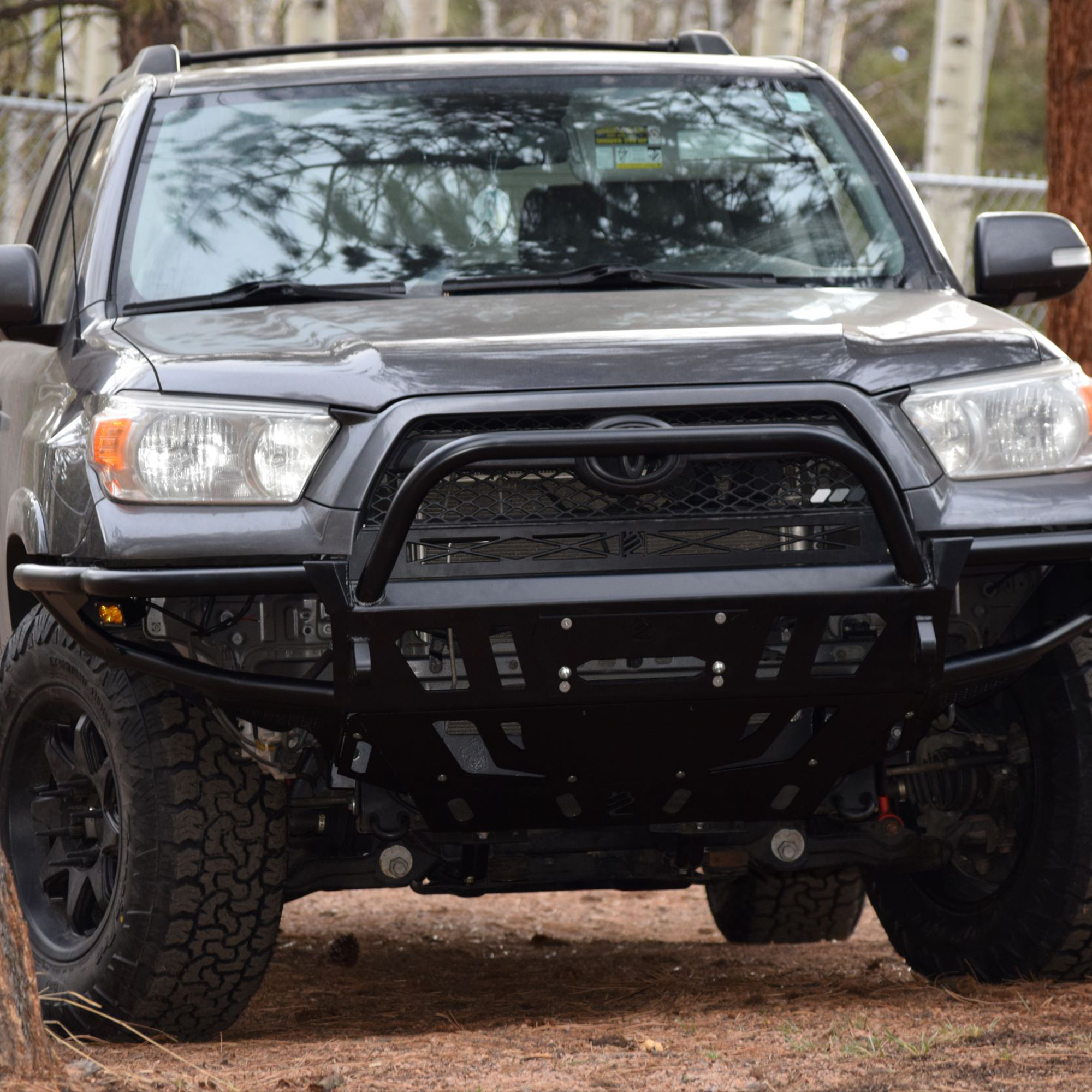
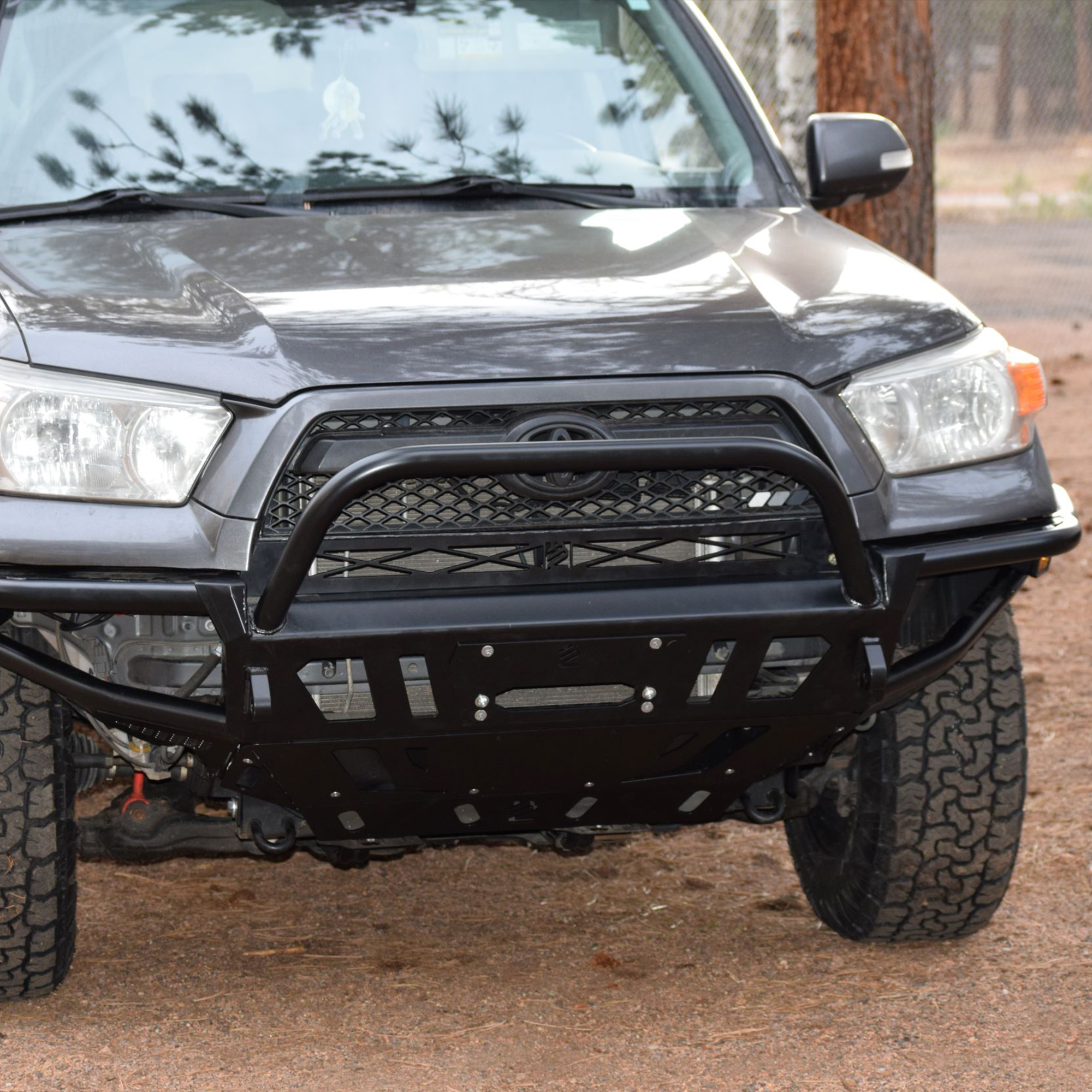
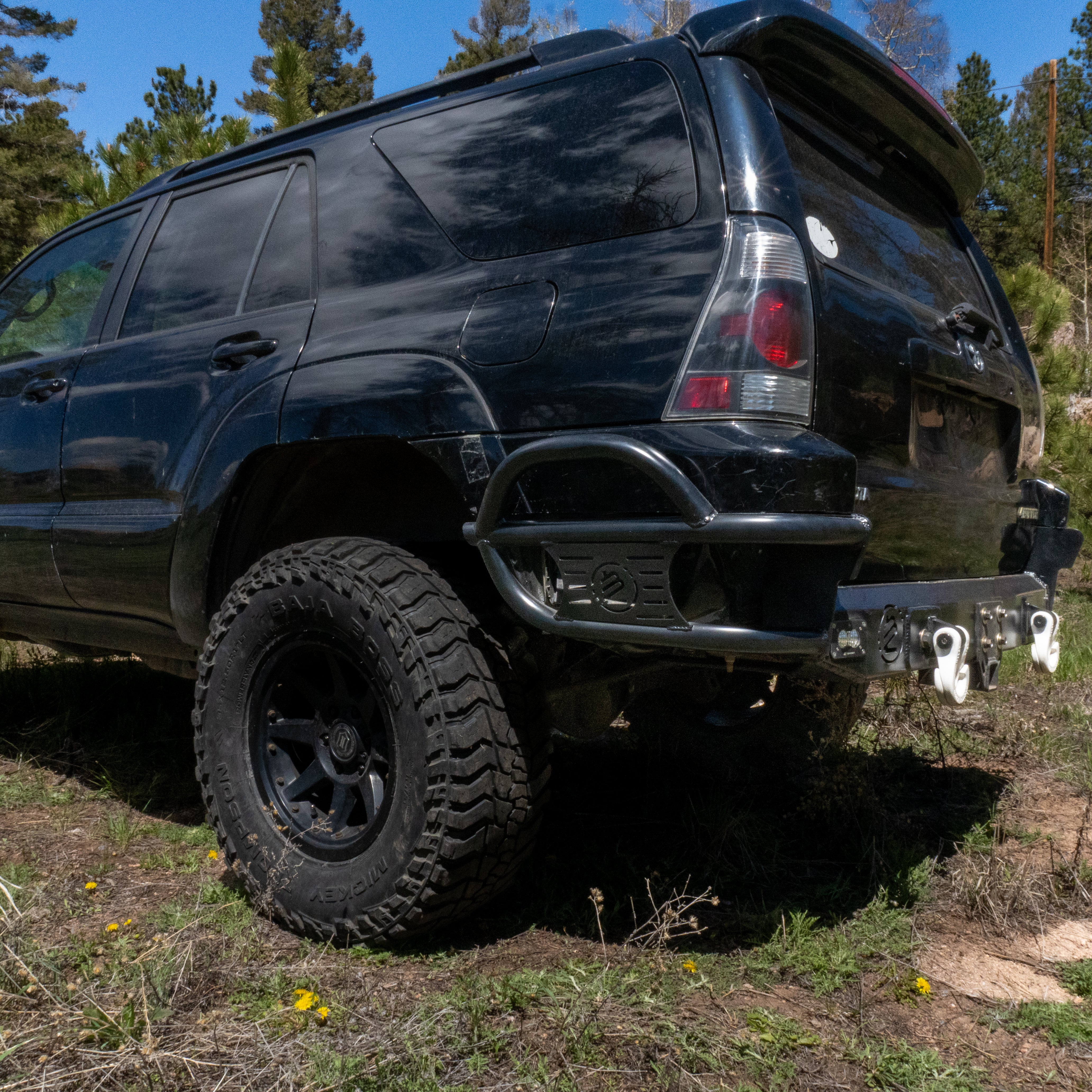
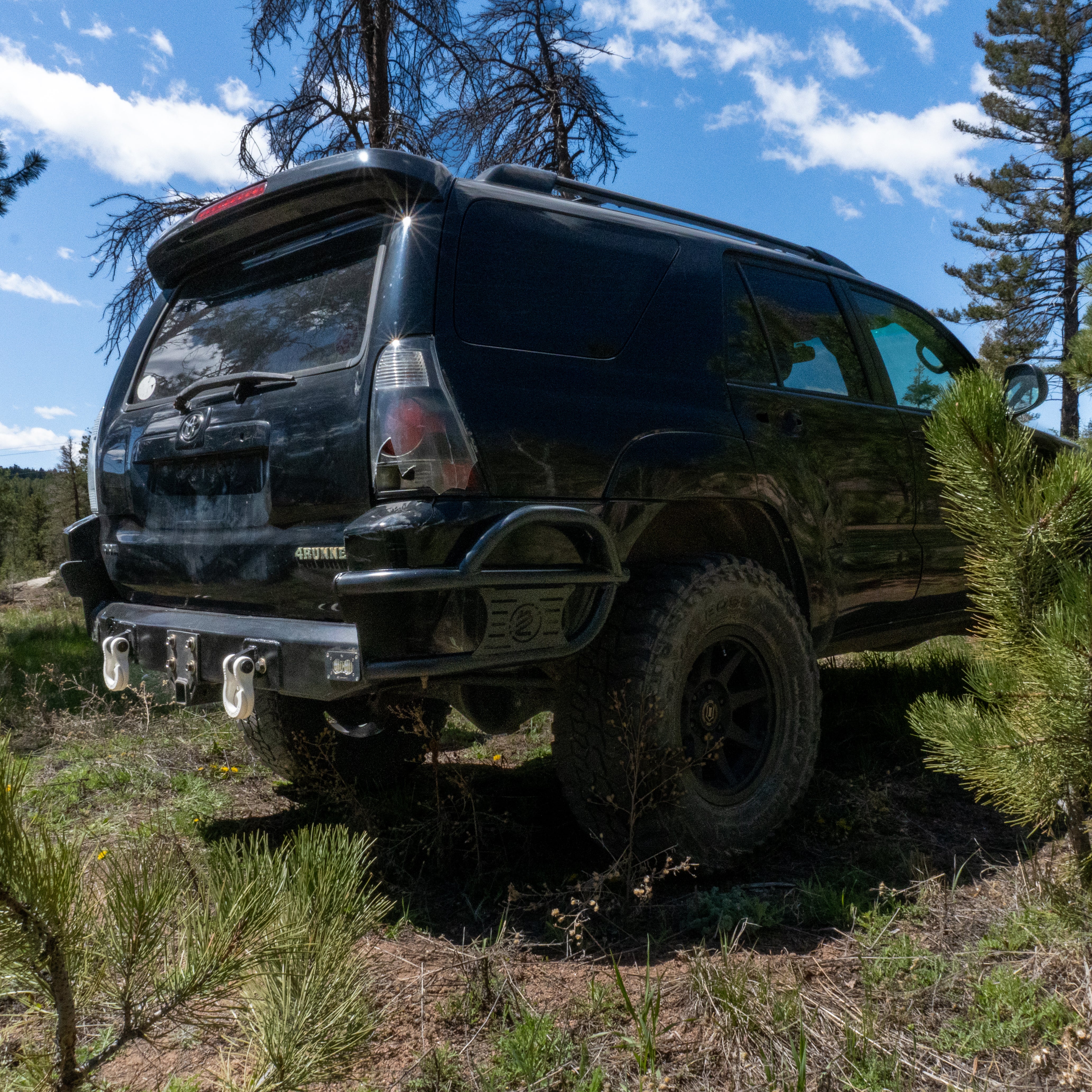
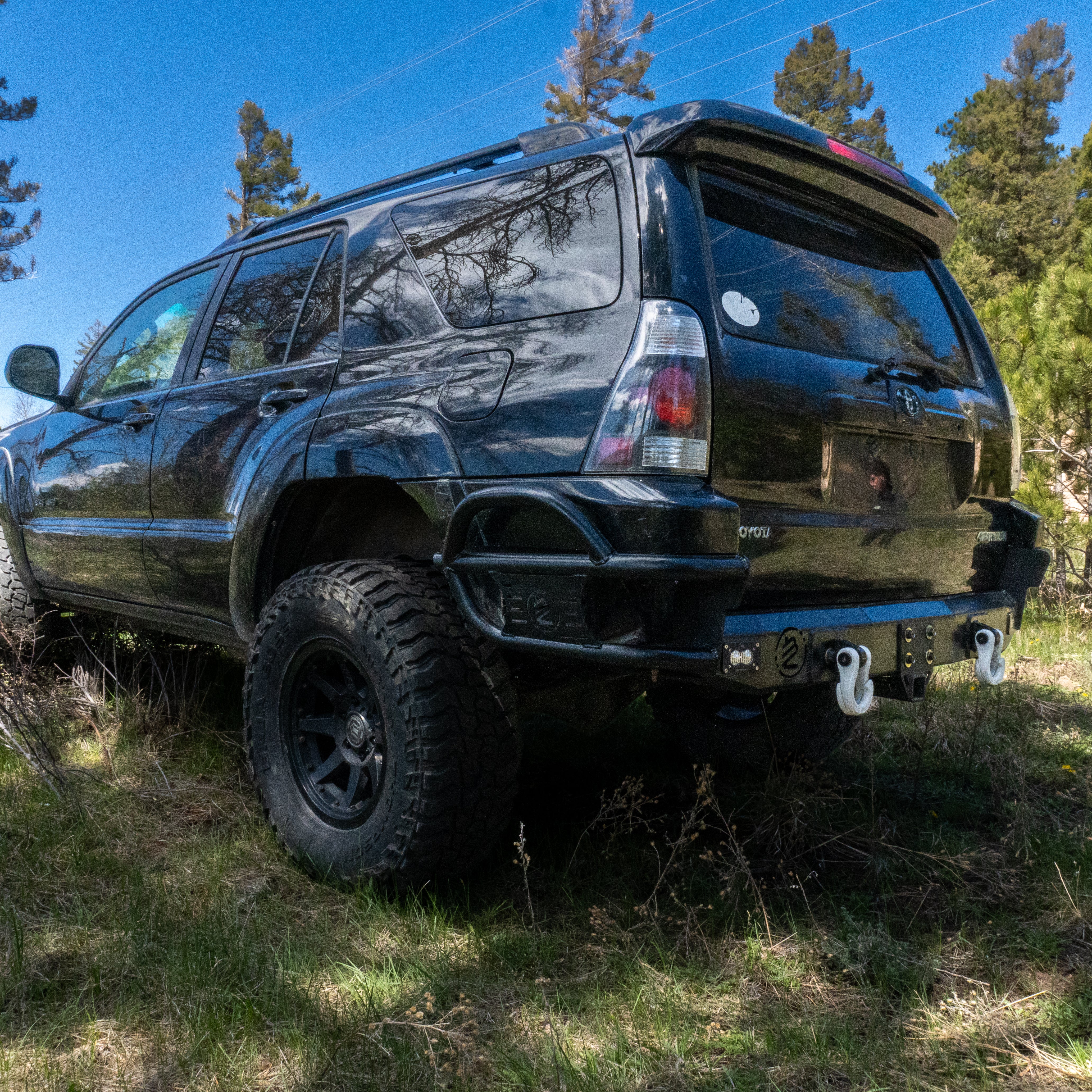
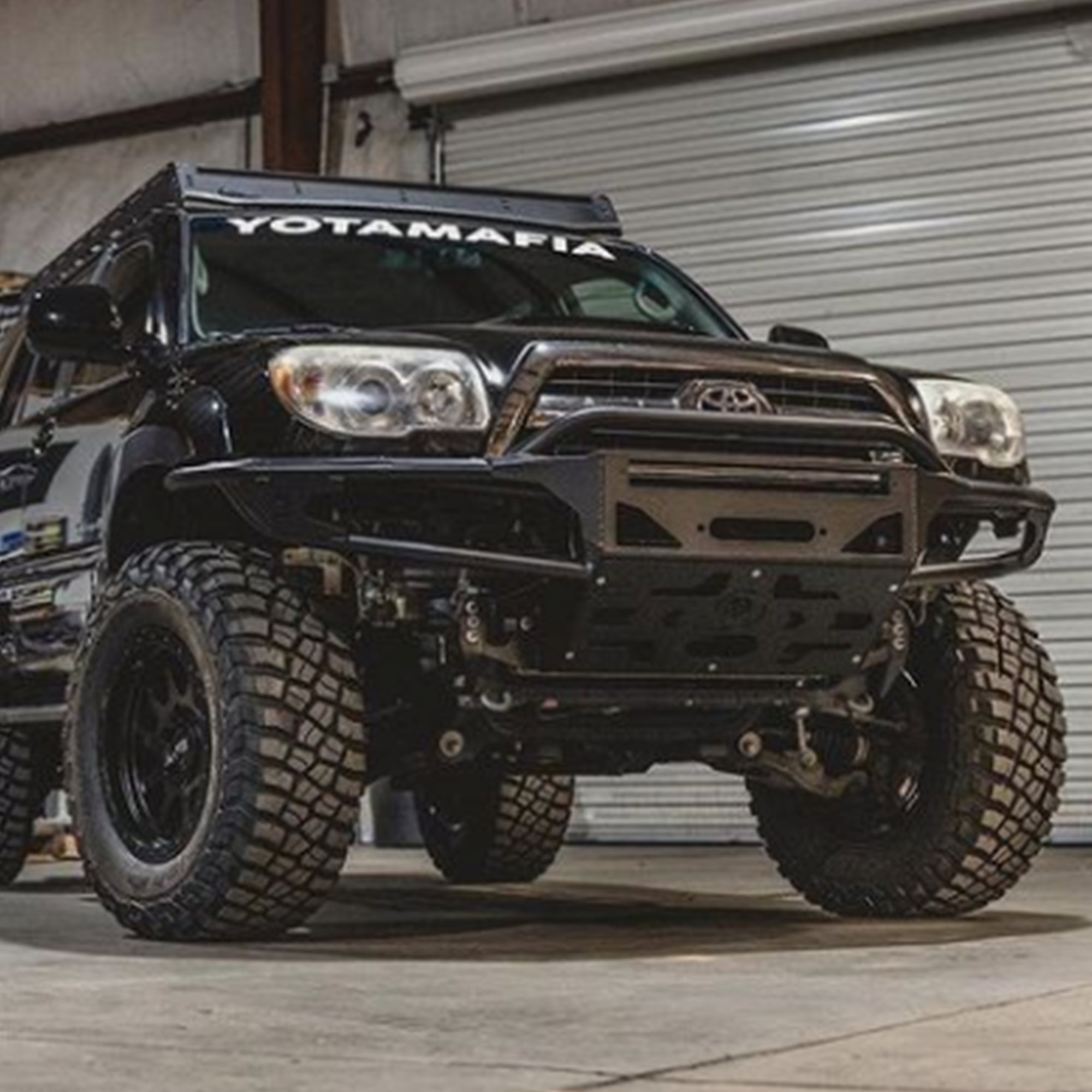
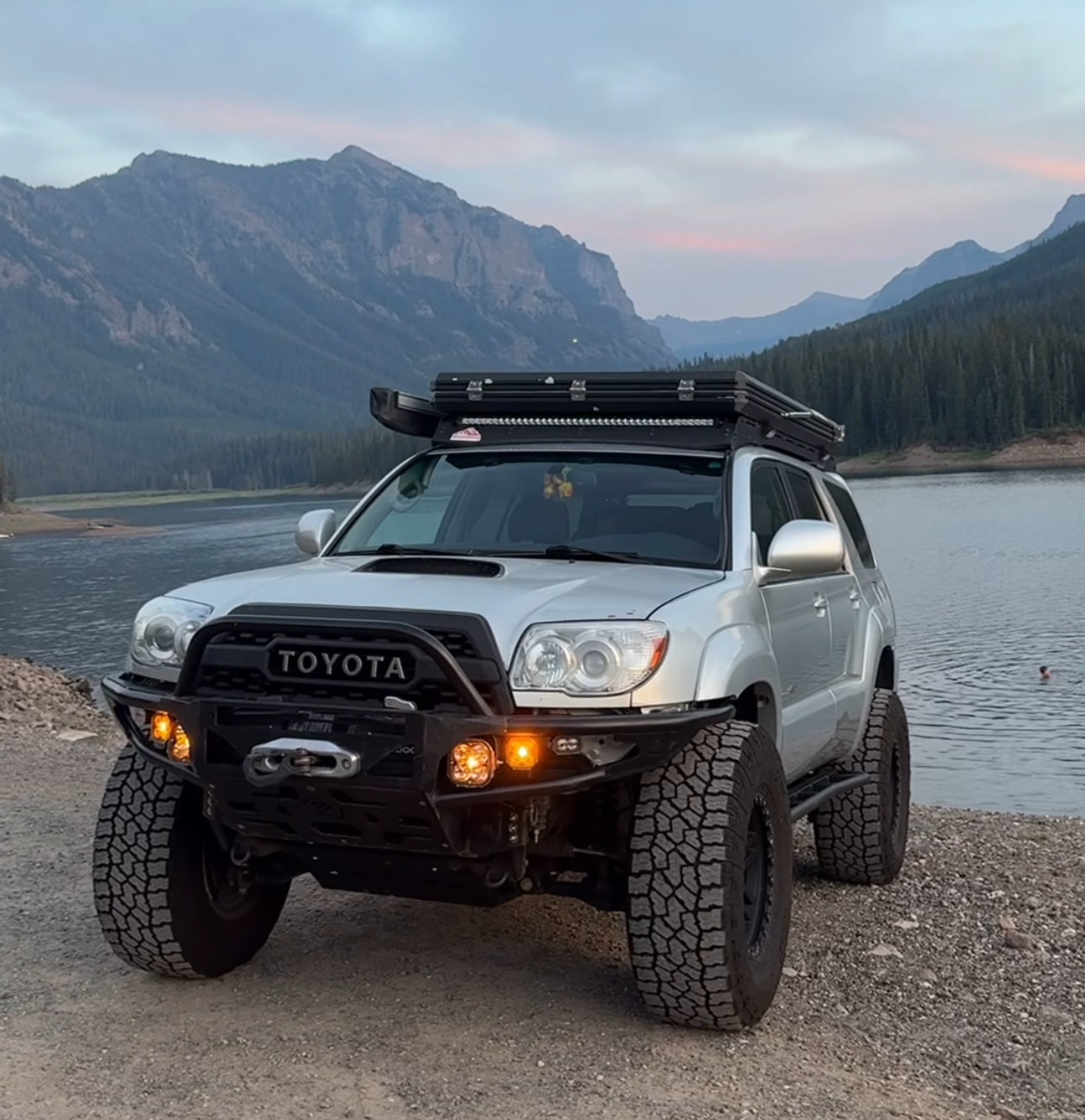
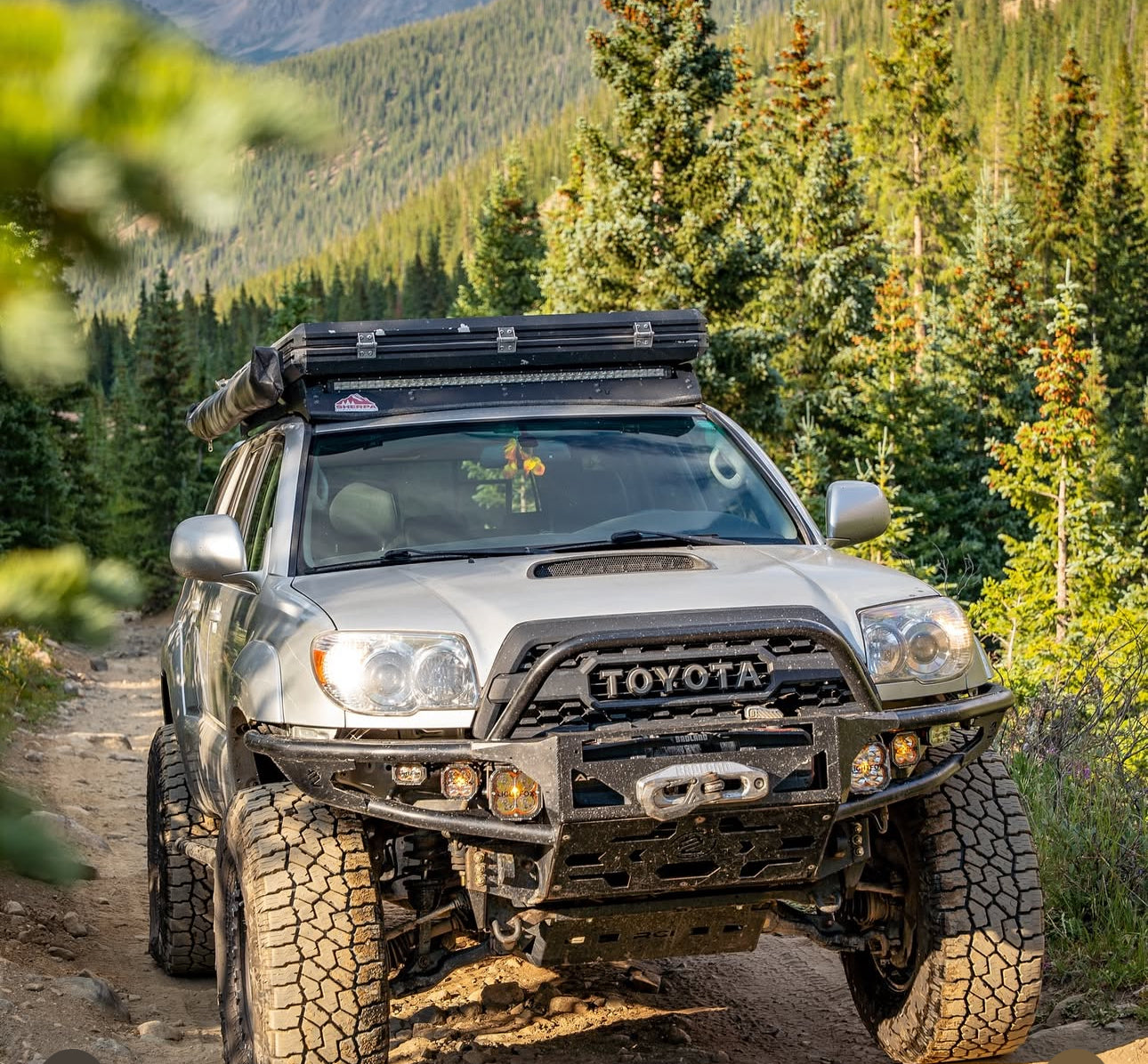
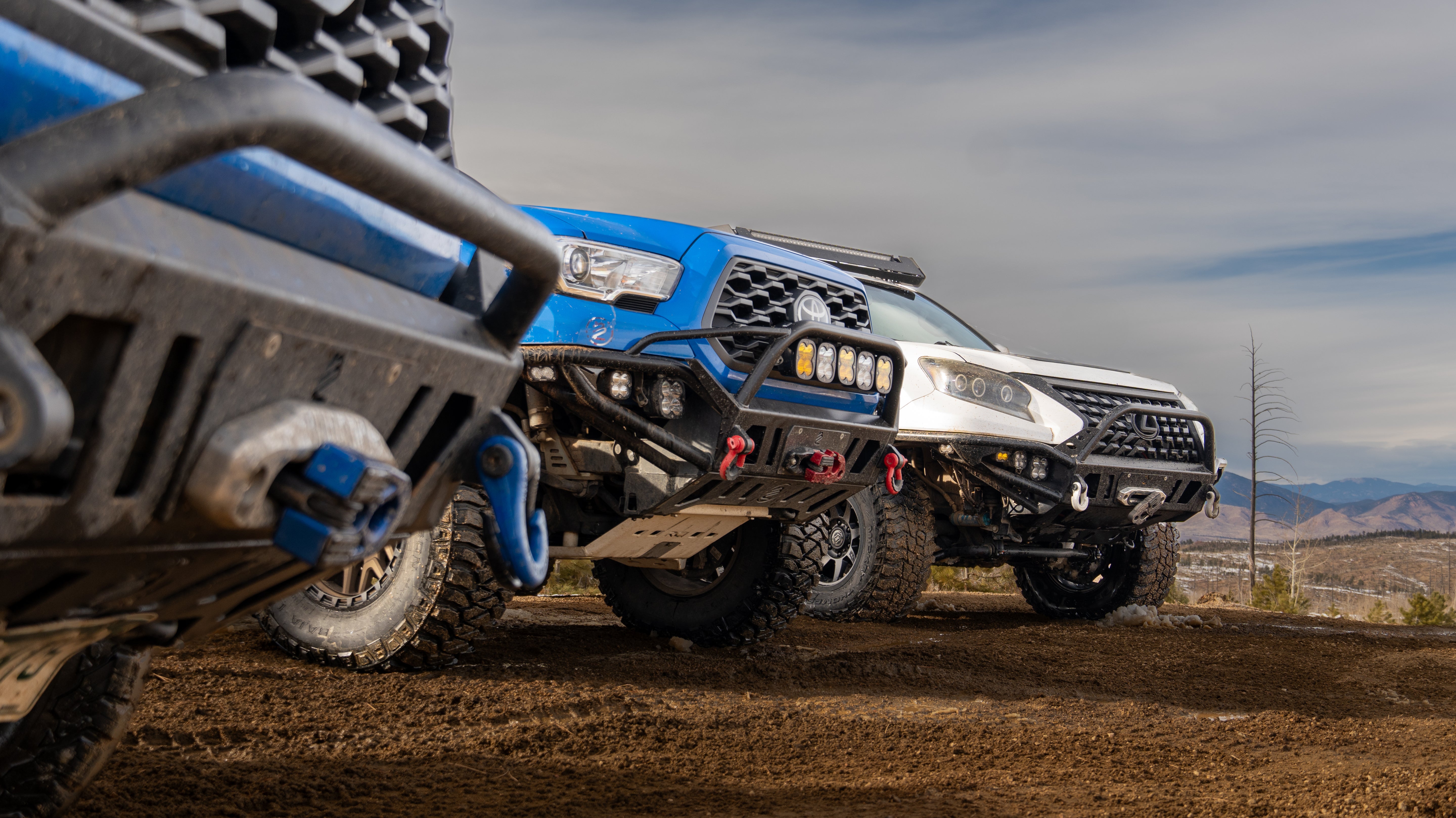
Hybrid bumpers combine tube clearance with plate strength, offering protection without excessive weight. At Lil B’s, hybrid designs are standard for 4Runner and GX builds that need both approach angles and structural integrity.
Benefits of hybrids:
-
Combines structural strength with clearance
-
Allows mounting of winches, lights, and recovery gear
-
Reduces overall weight compared to full plate
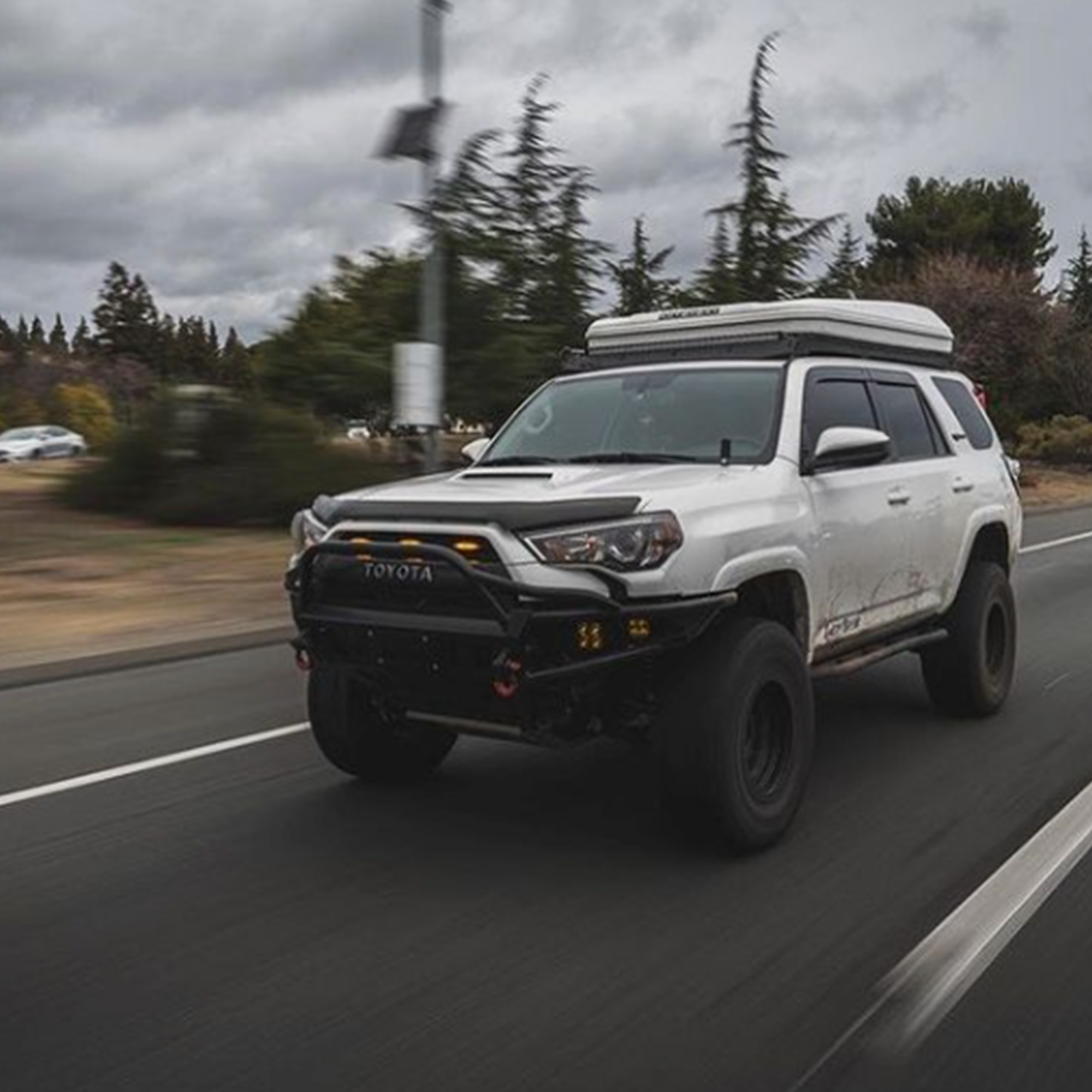
For rigs that are daily-driven but still see serious trail time, hybrid bumpers often offer the best balance of performance, protection, and versatility.
Mounting: The Unsung Hero of Bumper Design
Even the strongest bumper fails without proper mounting. At Lil B’s, we design every bracket and frame tie-in to withstand dynamic winch loads, kinetic recoveries, and trail impacts. Key considerations include:
-
Reinforced frame tie-ins reduce stress on mounts and brackets
-
Load distribution prevents bending of frame horns
-
Mounts accommodate recovery points, winches, and accessories
Different rigs require different approaches:
-
Tacoma & 4Runner – IFS setups need careful weight management
-
Tundra & FJ Cruiser – Full frame supports heavier bumpers and winches
-
GX 460/470 – Shorter overhang benefits from hybrid designs balancing clearance and strength
Terrain Dictates Design
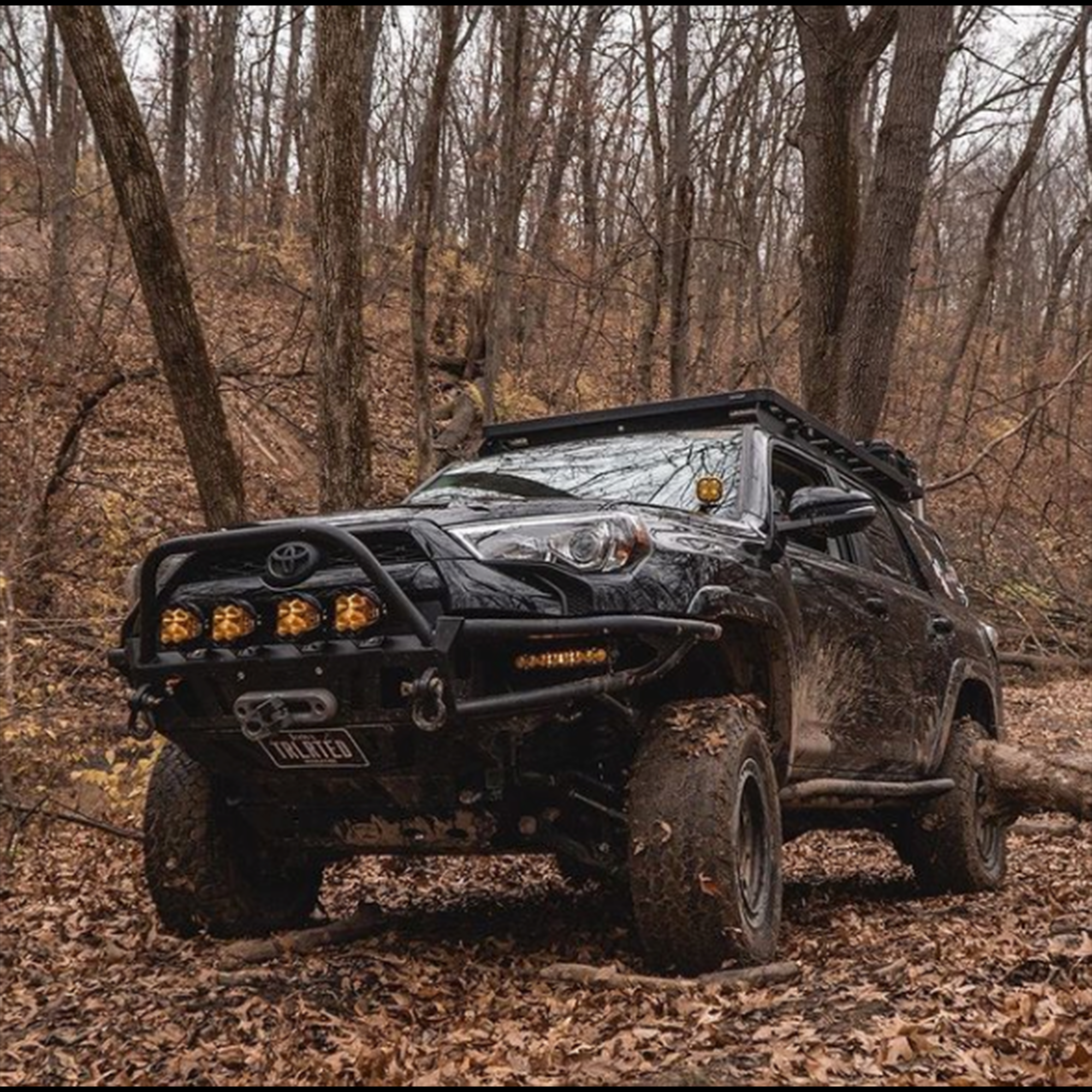
Lil B’s bumpers are tested in diverse environments, from muddy forest trails to rocky desert ridges. Terrain considerations influence design:
-
Tight forests: clearance-focused tube edges
-
Rock gardens: plate-backed protection
-
High-speed desert trails: lightweight hybrid construction
-
Snow and mud: reinforced recovery points for extraction
Selecting the right bumper for your primary terrain ensures your rig performs reliably and reduces the chance of damage.
Accessory Integration: Lights, Winches, and Recovery Gear
Modern bumpers are more than armor—they’re functional platforms. Lil B’s bumpers support:
-
LED lighting arrays
-
Winches and fairleads
-
D-ring recovery points
-
Skid plates and underbody armor
Hybrid and plate bumpers handle accessory weight and load distribution better than minimalist tube setups, making them ideal for trails where recovery or lighting are critical.
Maintenance and Longevity
No matter the bumper style, proper care extends lifespan:
-
Inspect welds, gussets, and brackets regularly
-
Check frame tie-ins after heavy use
-
Touch up paint or powder coating to prevent rust
Neglecting maintenance can turn even a high-quality Lil B’s bumper into a trail liability.
Conclusion: Build Around How You Wheel
There is no universal “best” bumper—only the right one for your rig, terrain, and driving style. Consider:
-
How often you recover your rig
-
Suspension and weight trade-offs
-
Terrain-specific demands
-
Accessory integration and future build plans
Tube, plate, or hybrid, a bumper from Lil B’s Custom Fabrication is designed, tested, and proven in real-world trail conditions, so your rig performs reliably and safely on every run.
Share:
Building a Balanced Off-Road Setup: Armor, Weight, and Performance
How Front Bumper Design Affects Cooling, Airflow, and Engine Performance