

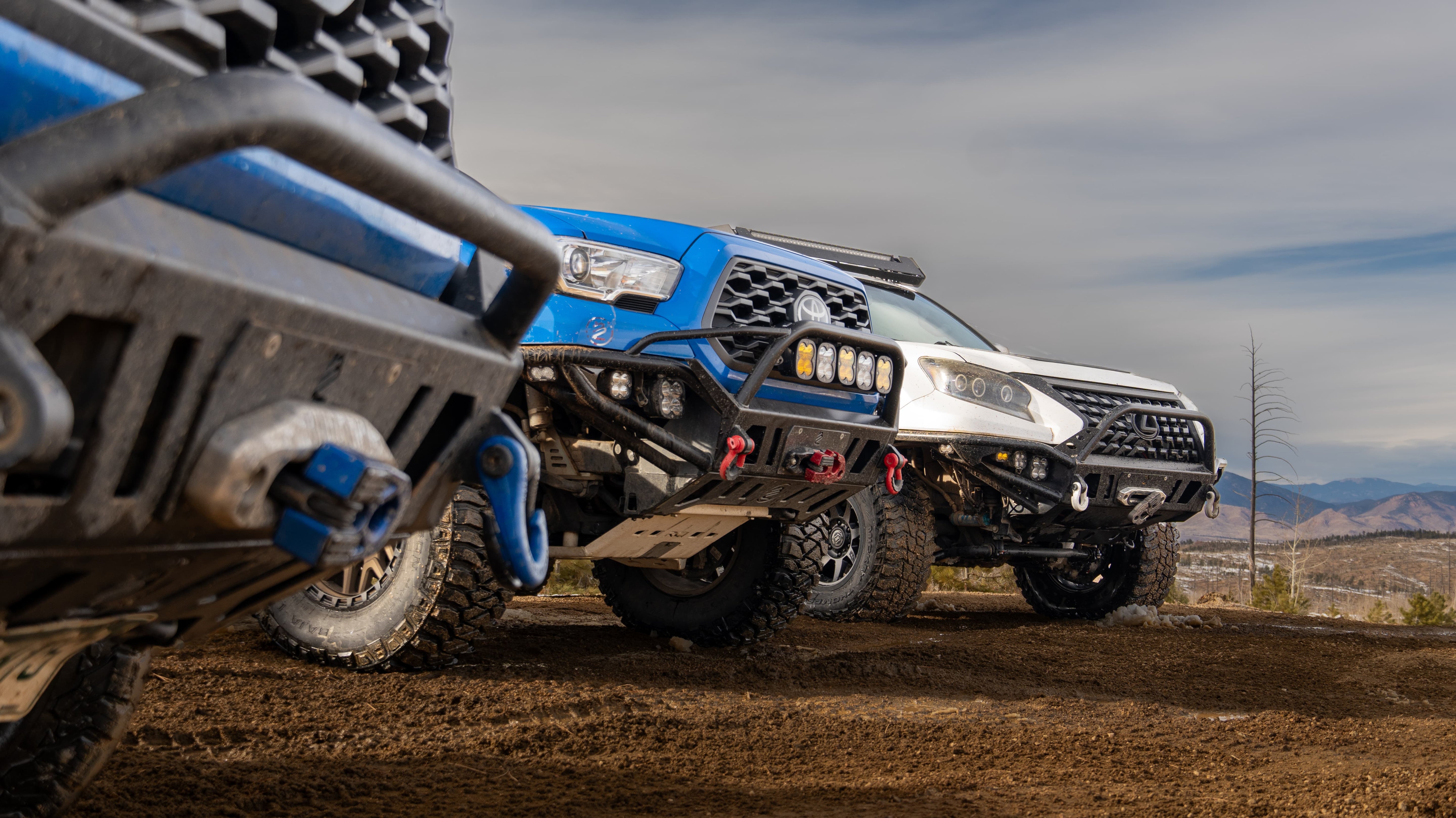
Different Platforms, Same Mistakes
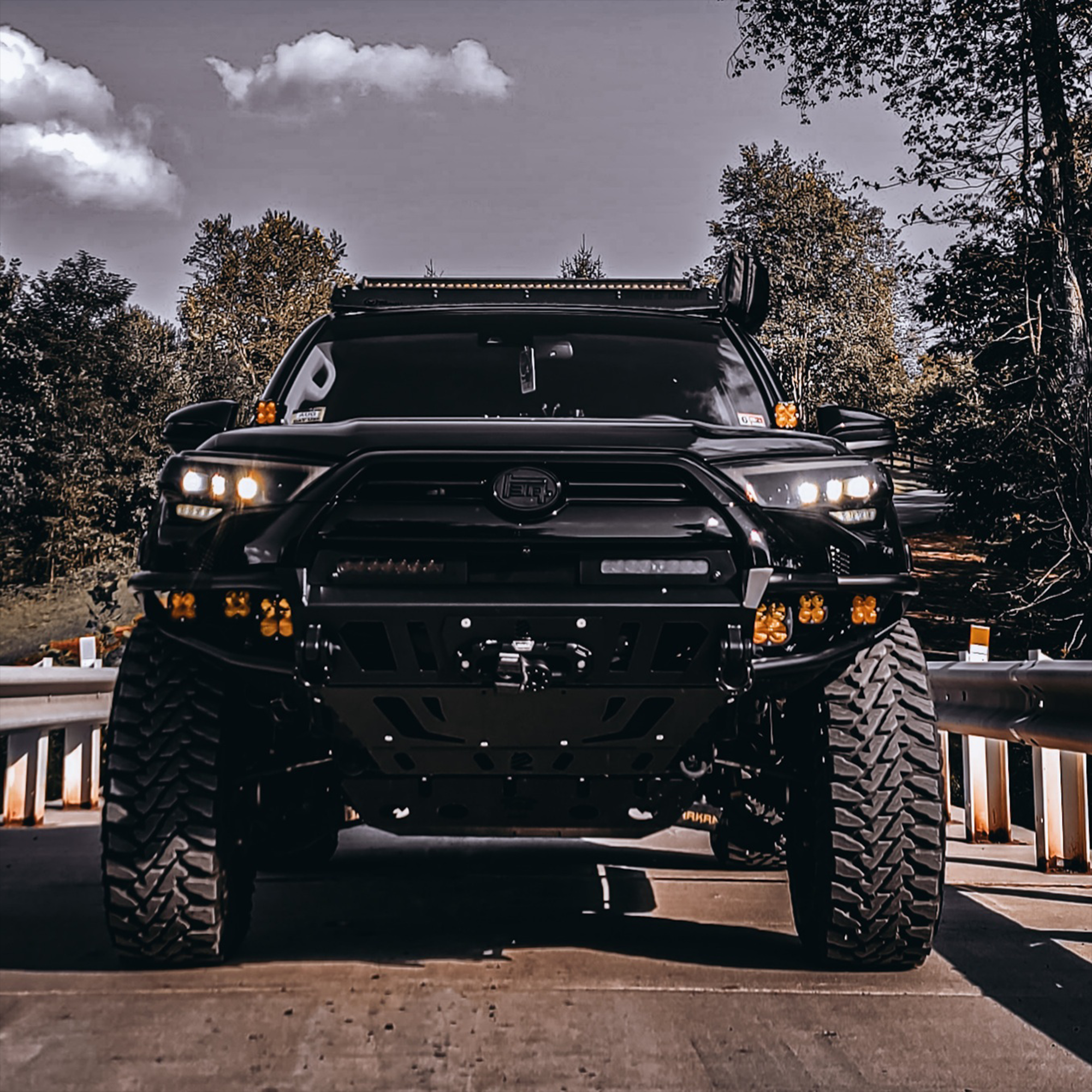
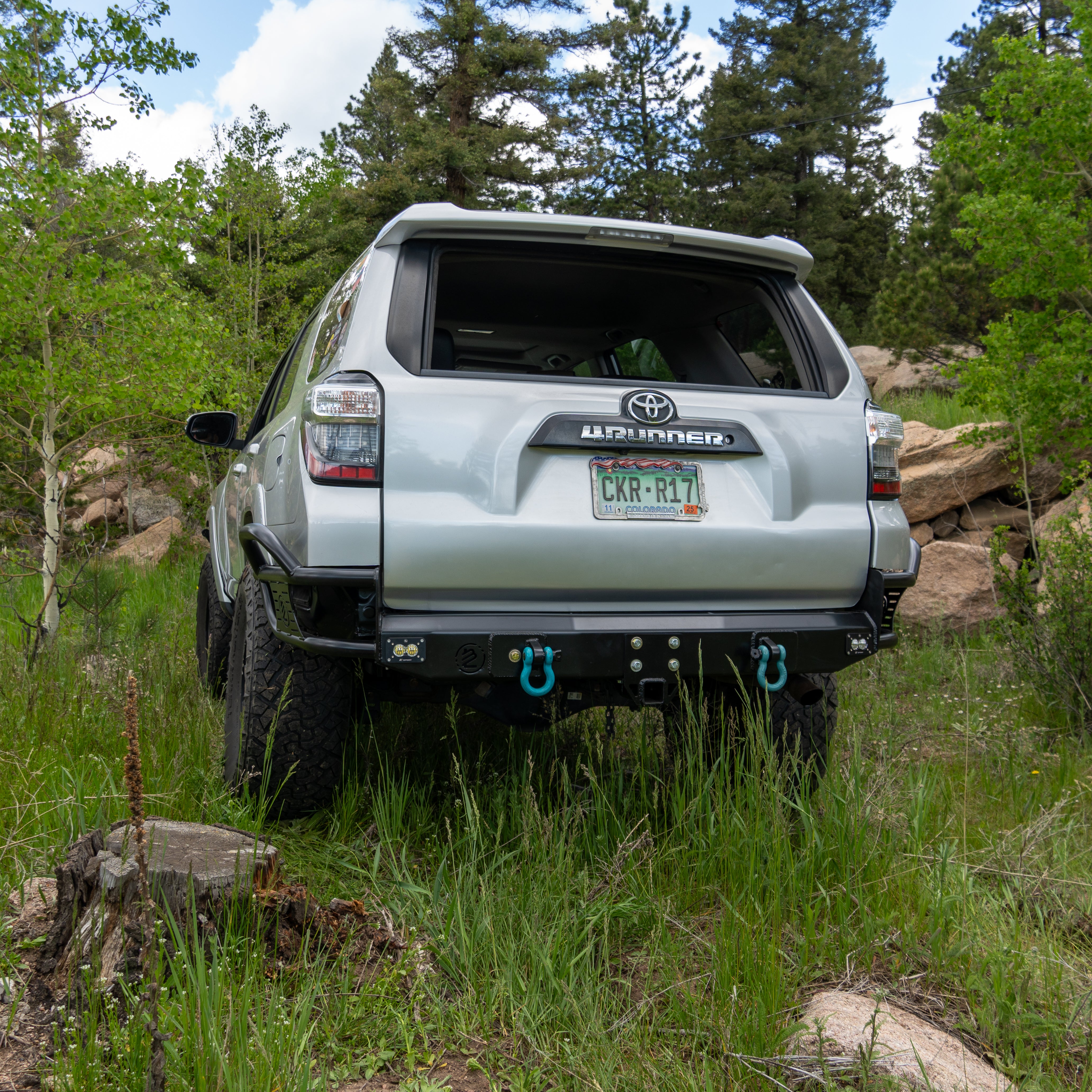
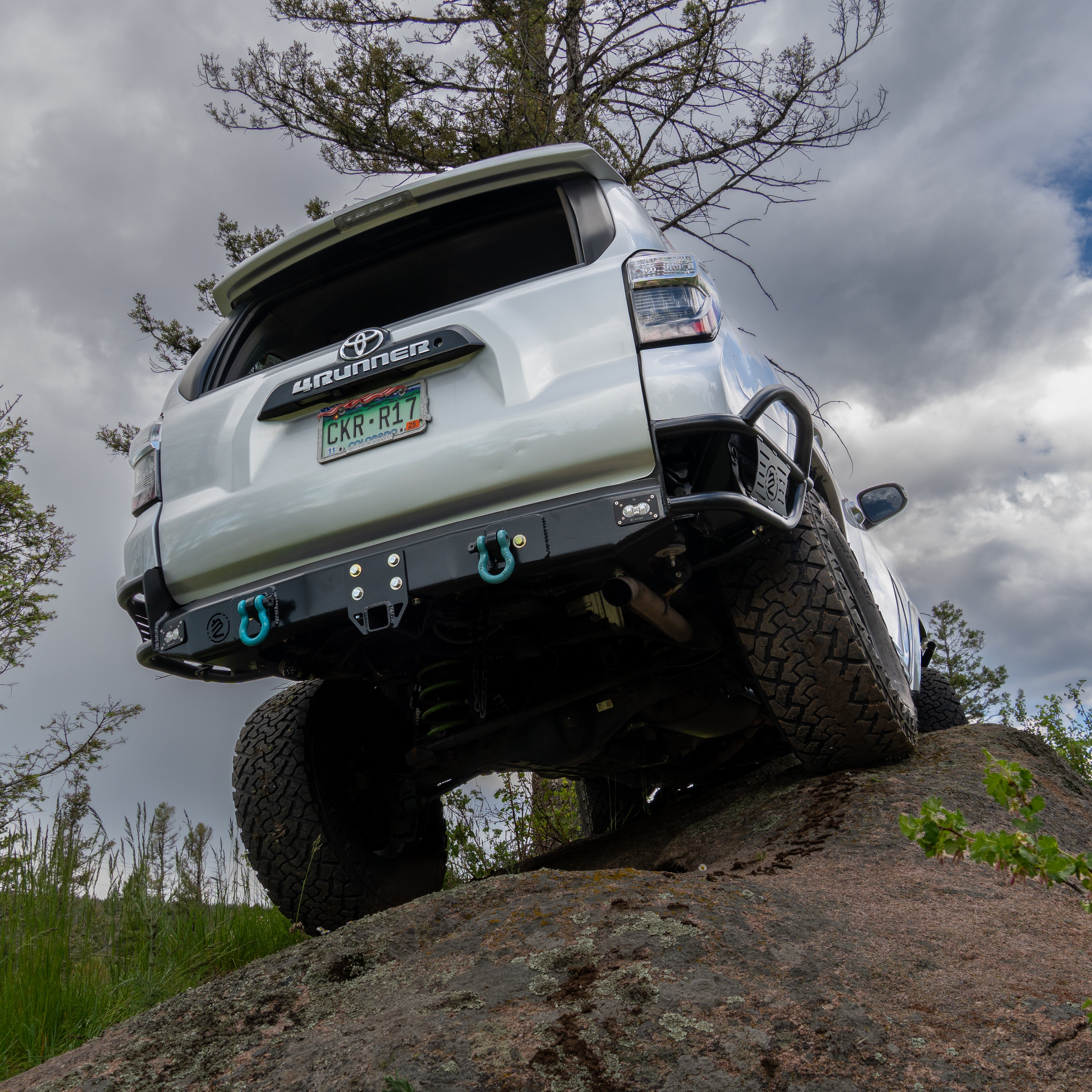
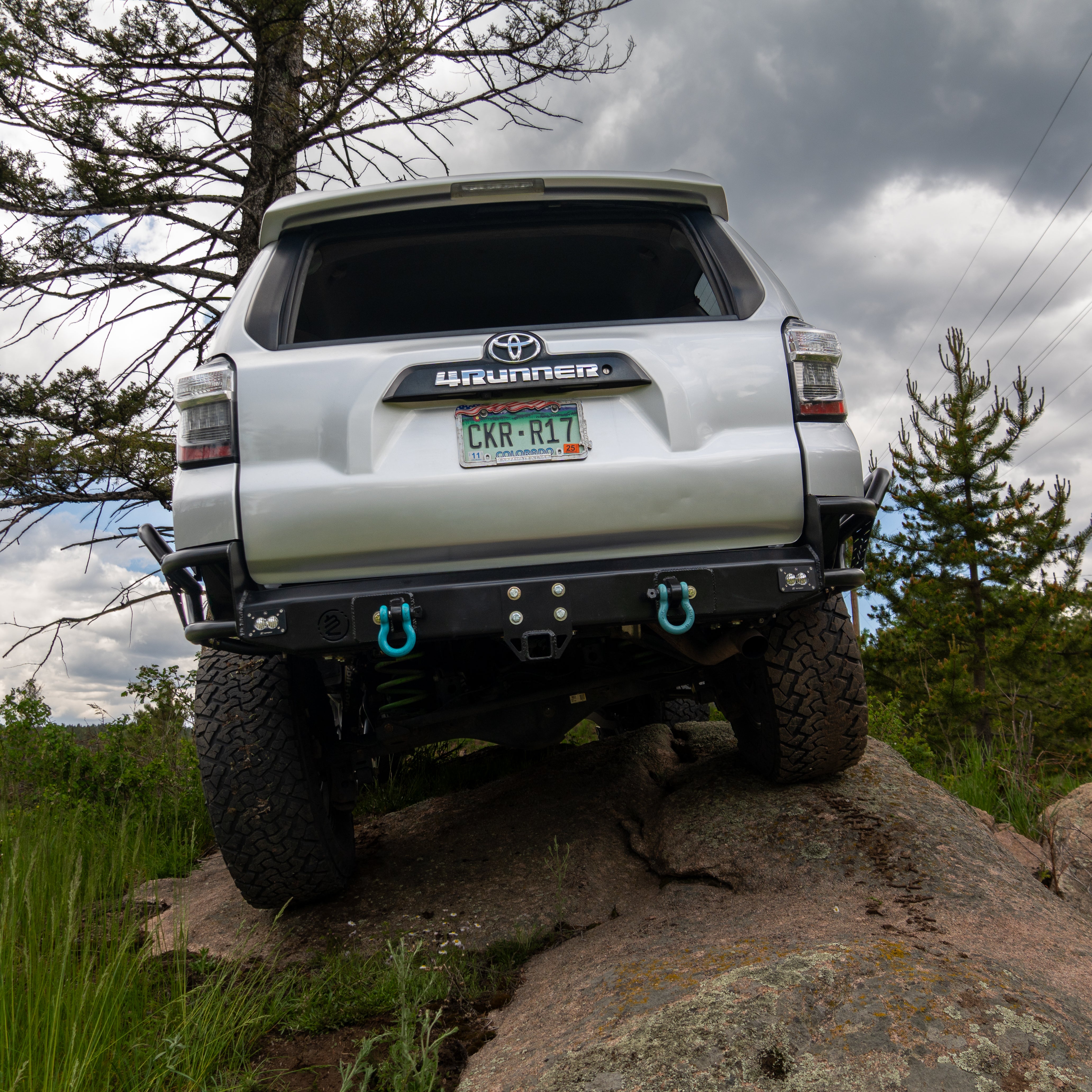
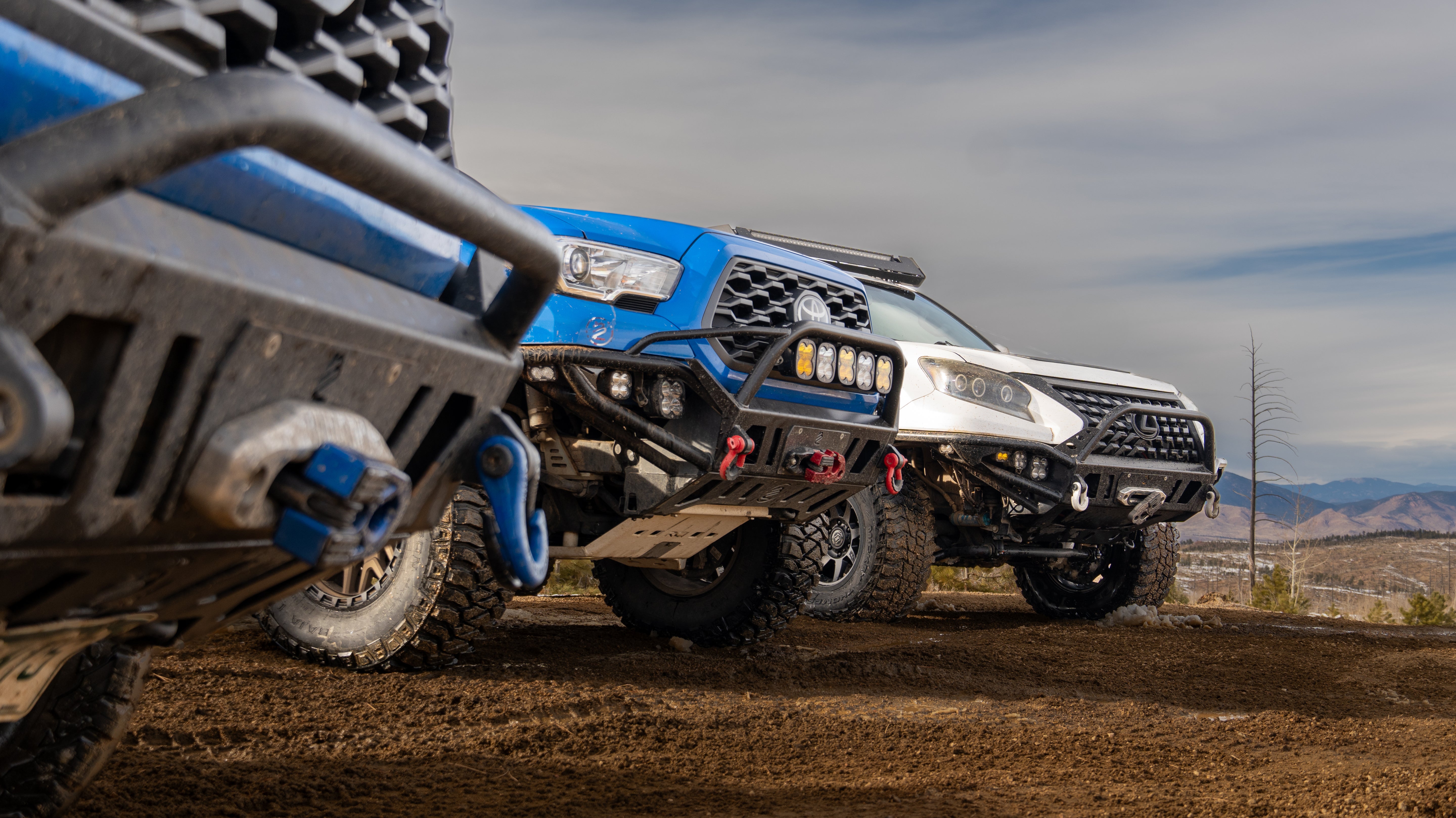
Whether you’re building a 4Runner, Tacoma, Tundra, FJ Cruiser, or a GX Series, the conversation around custom front bumpers tends to follow the same pattern—people focus on looks first, then try to figure out performance later.
The issue is that bumper design isn’t universal. What works on a Tacoma doesn’t always translate cleanly to a Tundra. What makes sense for a GX build might be overkill for a 4Runner daily driver.
But despite those differences, the fundamentals stay the same.
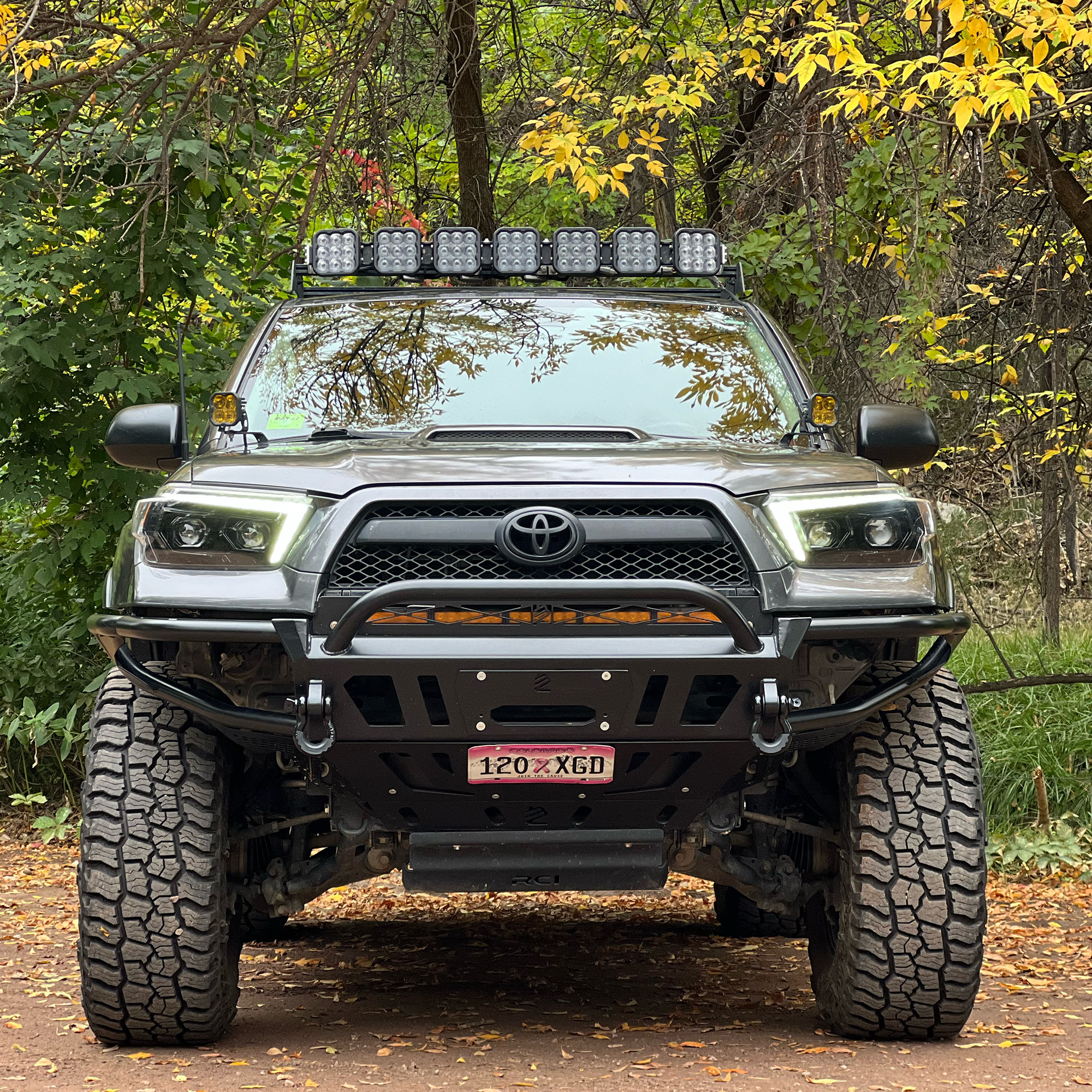
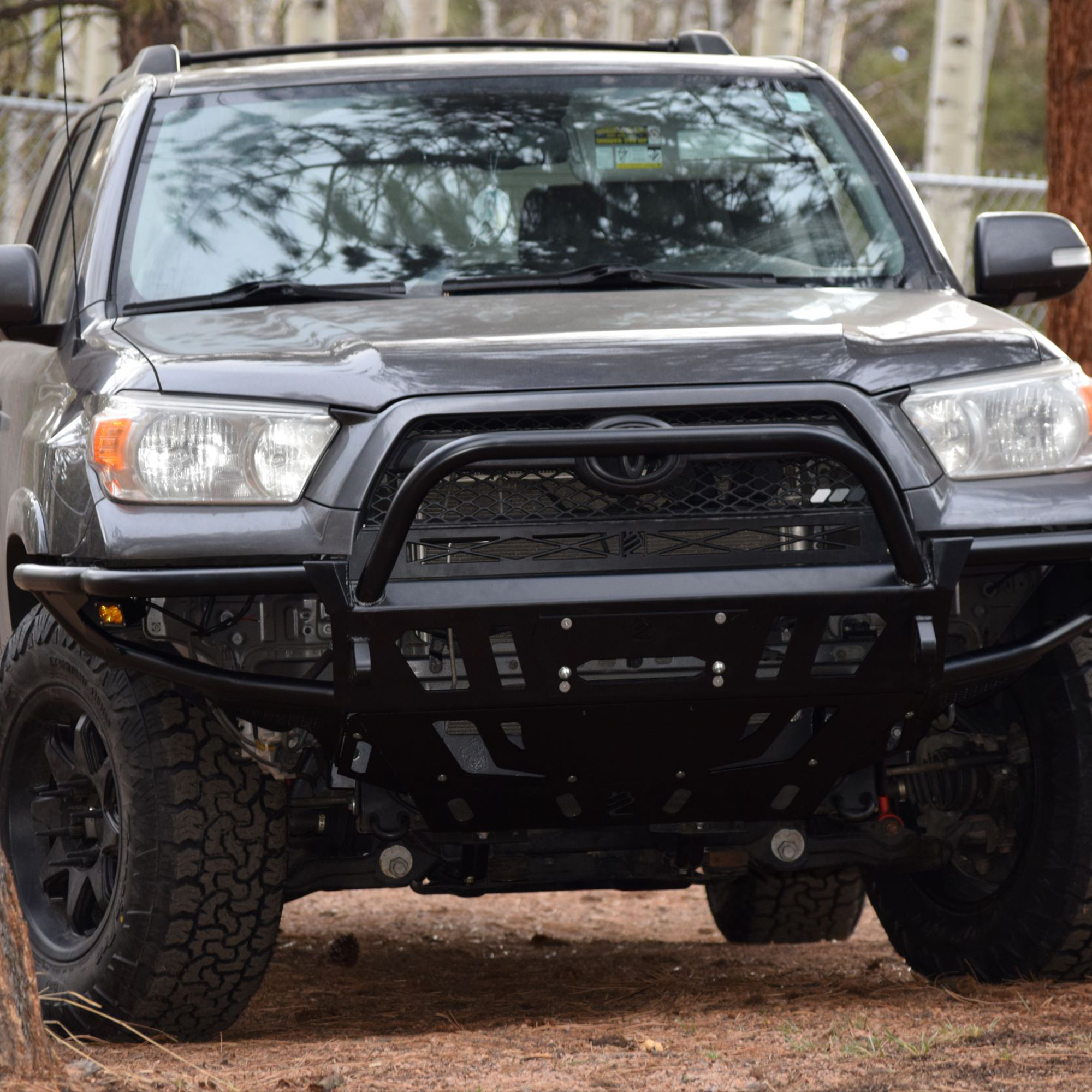
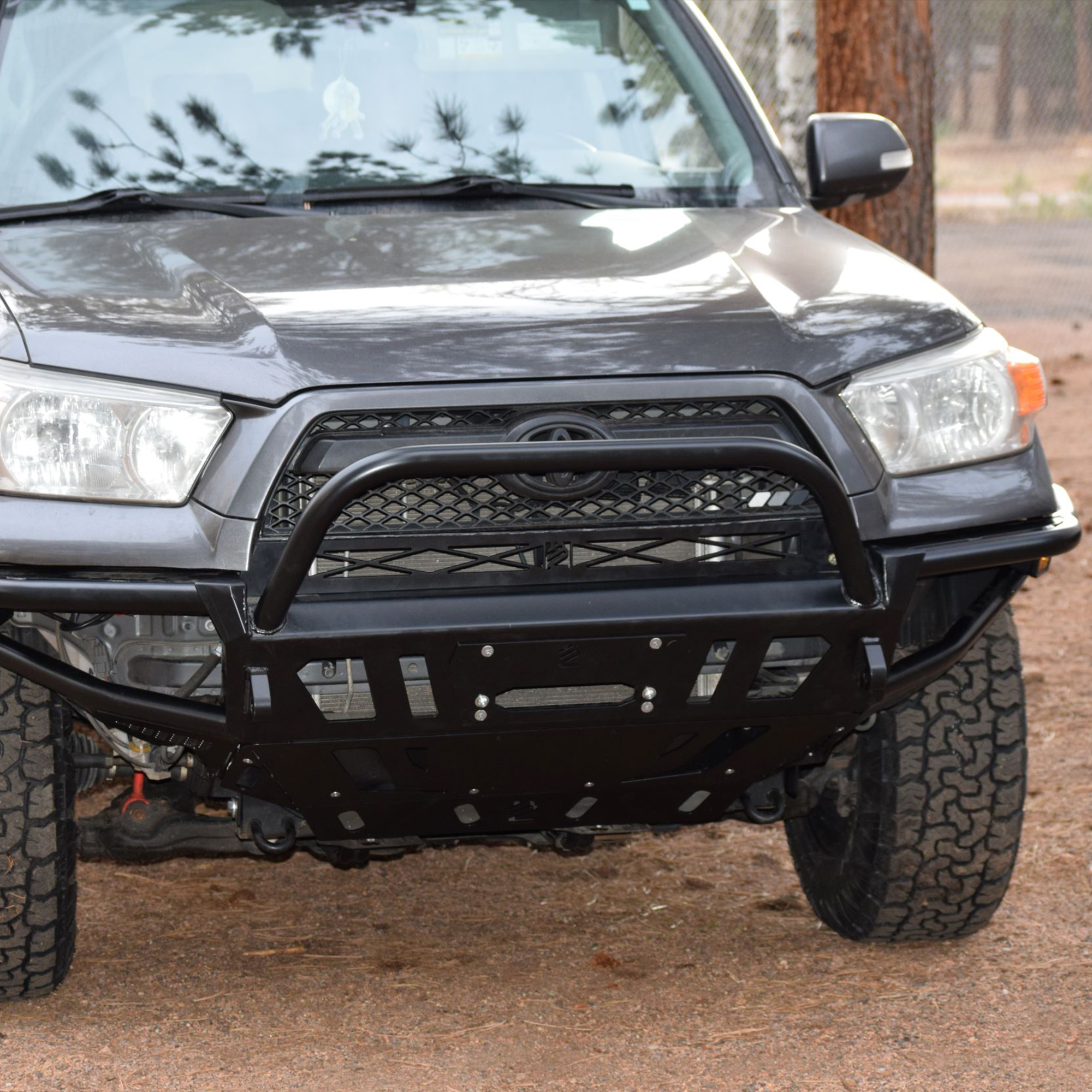
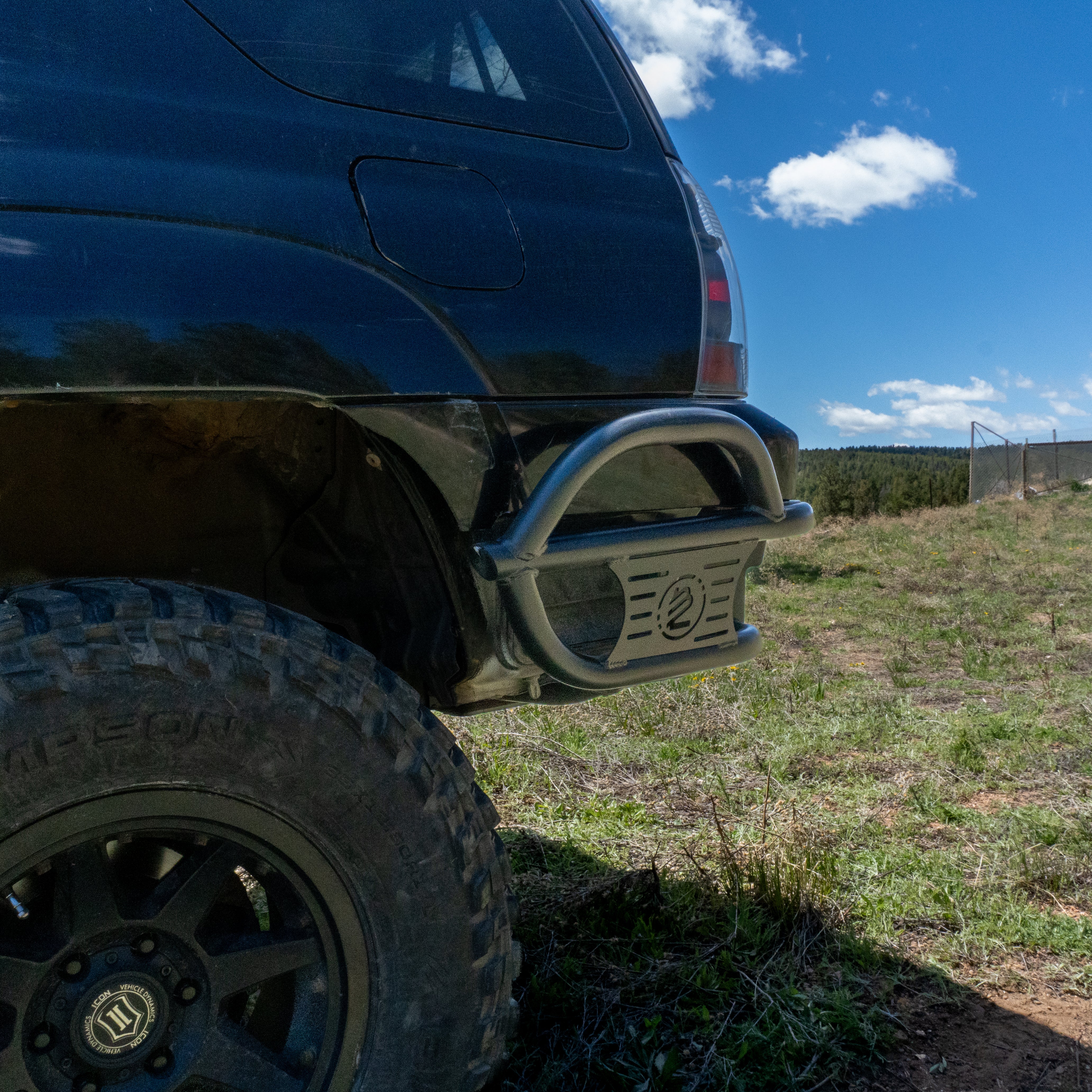
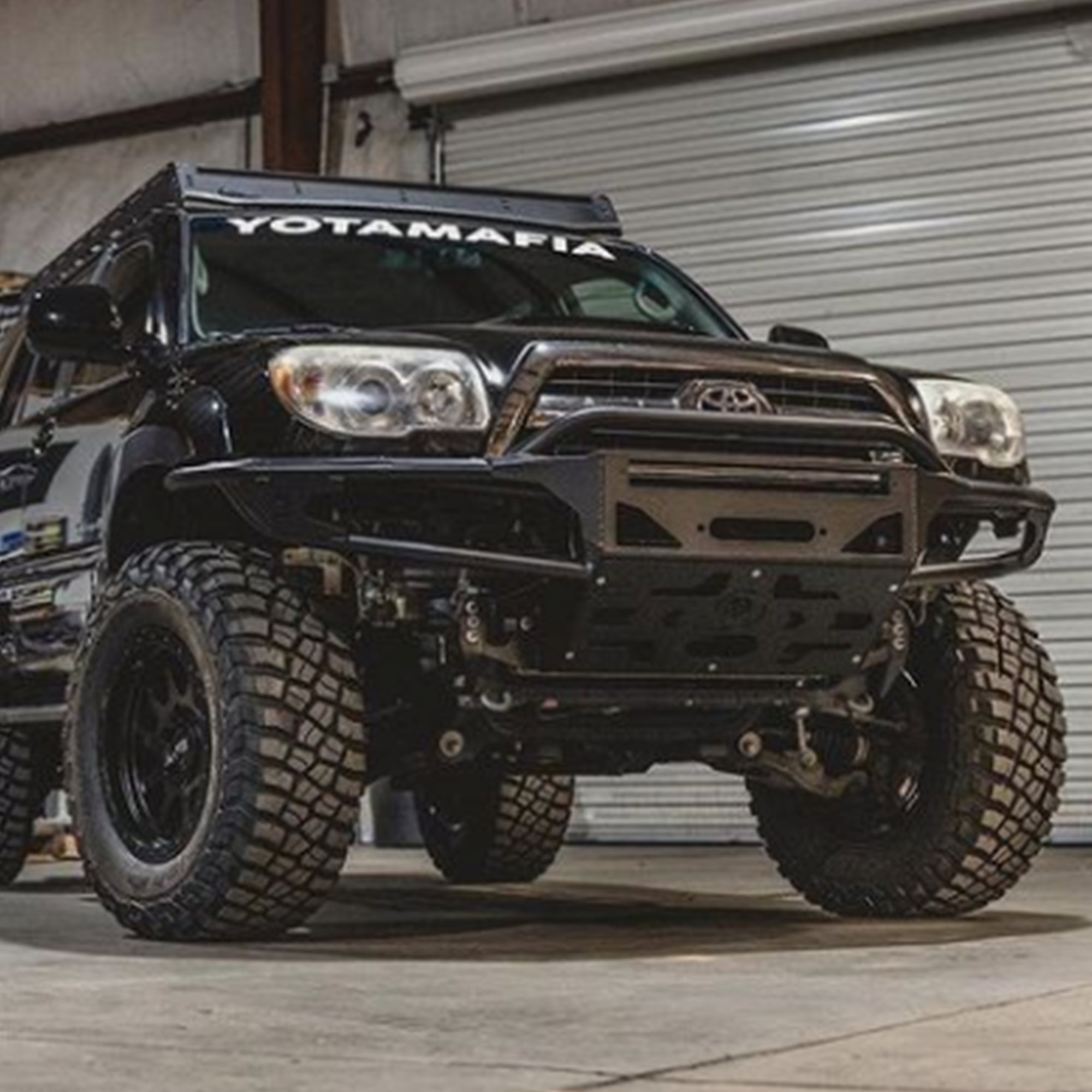
At Lil B’s Custom Fabrication, the approach isn’t platform-first, it’s function-first, then adapted to each vehicle’s geometry, weight, and intended use. That’s what separates a custom bumper that actually performs from one that just fills space.

Why “Custom” Means More Than Just Fitment
A lot of bumpers are labeled as “custom,” but in reality, they’re just variations of the same design adjusted to fit different vehicles.
True custom design goes further than that. It accounts for:
-
Vehicle-specific weight distribution
-
Frame structure and mounting points
-
Front-end geometry and approach angles
-
Intended use (daily, overland, technical off-road)
This is especially important across Toyota platforms, because while they share reliability and off-road DNA, they behave very differently once modified.
Is a Tacoma bumper the same as a 4Runner bumper?
No—while they share similarities, differences in weight, geometry, and use case require platform-specific design.
Platform Differences That Actually Matter
At a glance, Toyota trucks and SUVs may seem interchangeable from a bumper design perspective. In reality, each platform introduces unique constraints and opportunities.
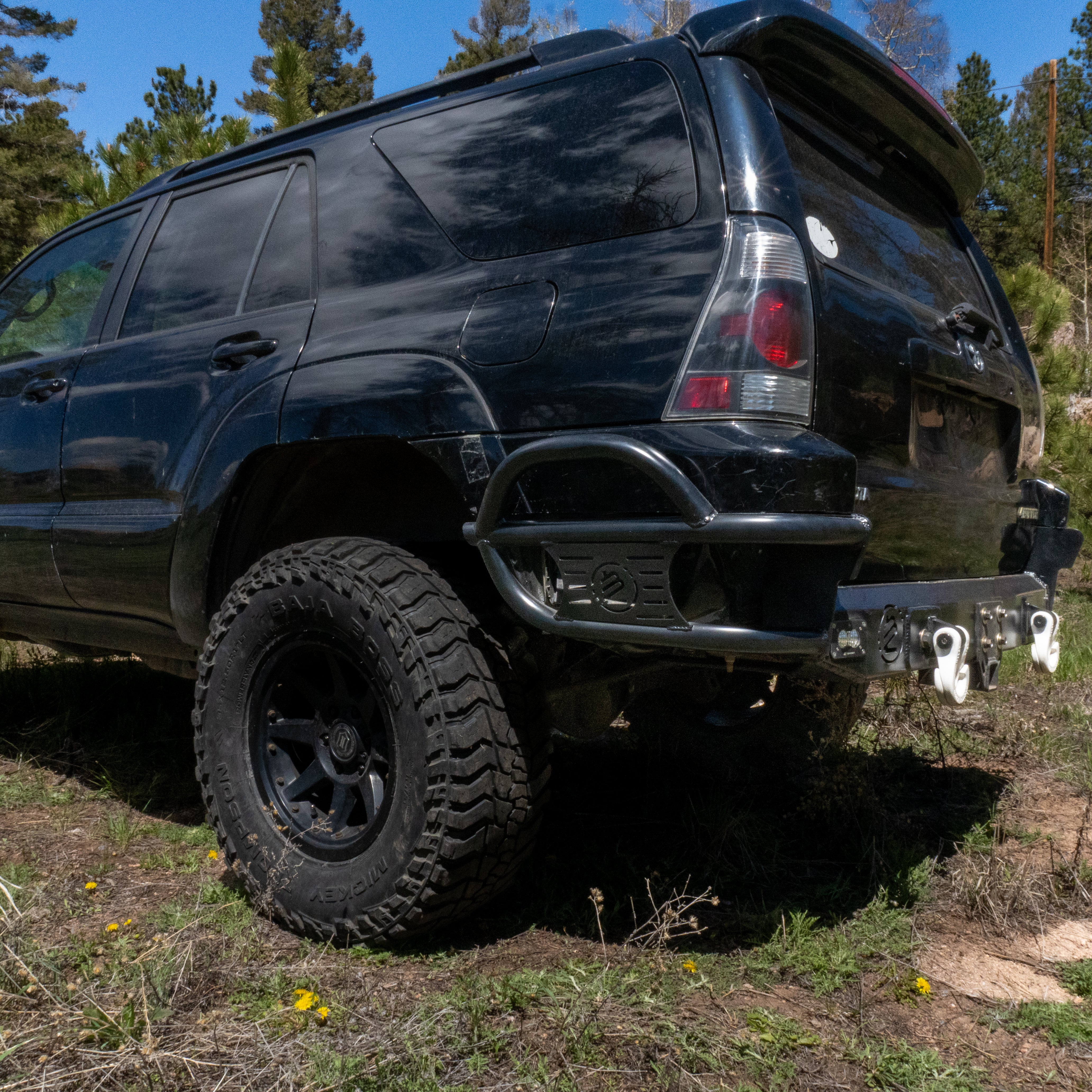
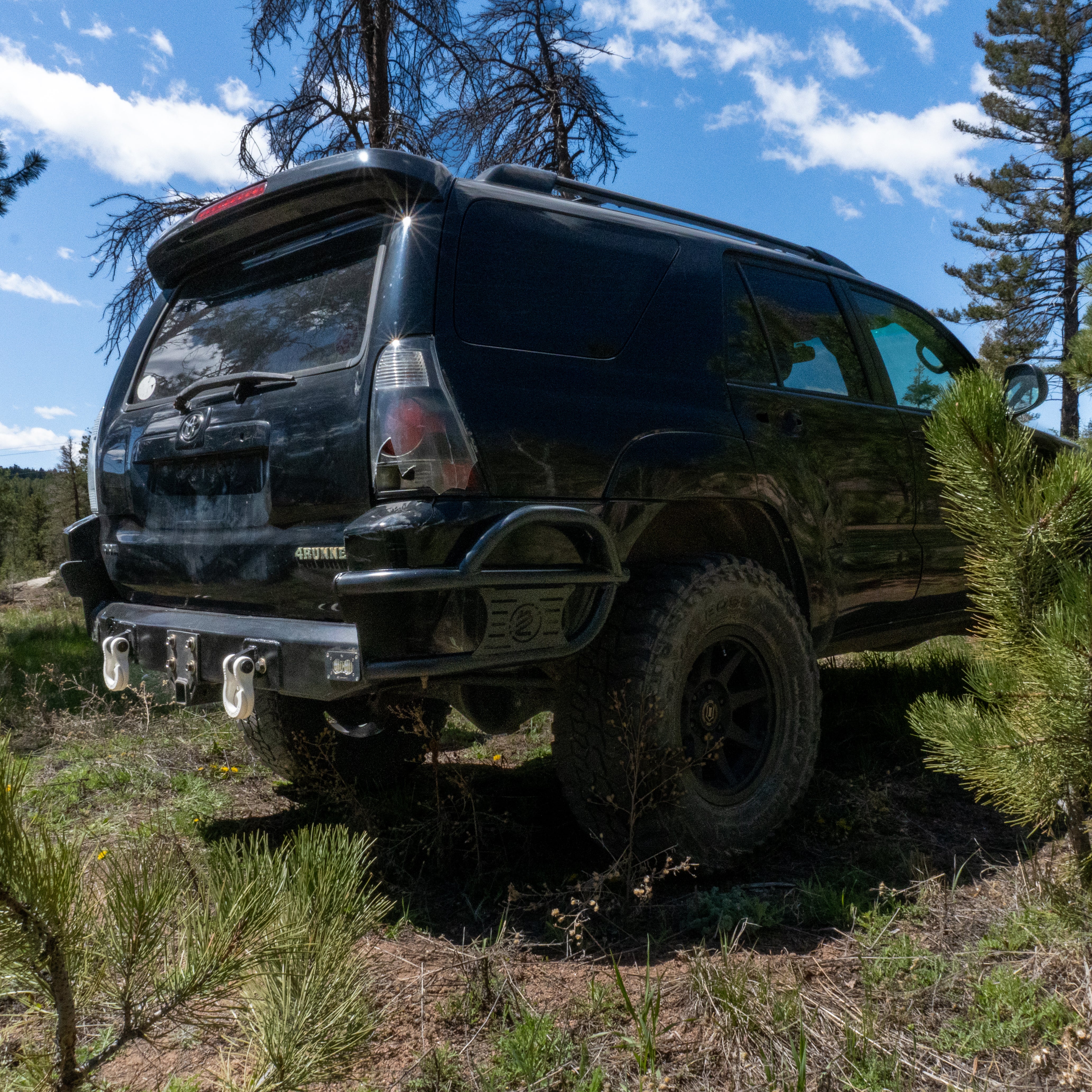
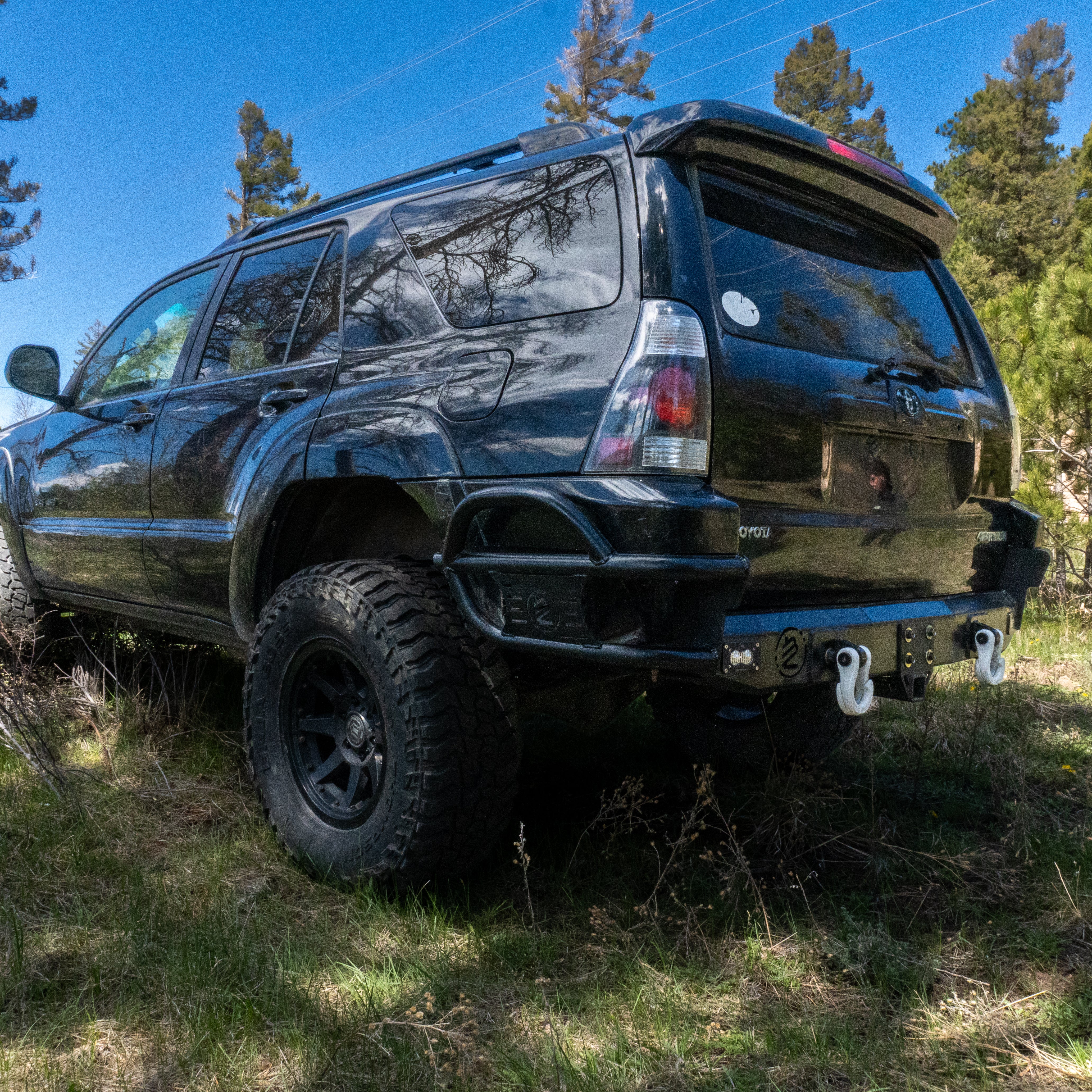
Mid-Size Platforms: Tacoma & 4Runner
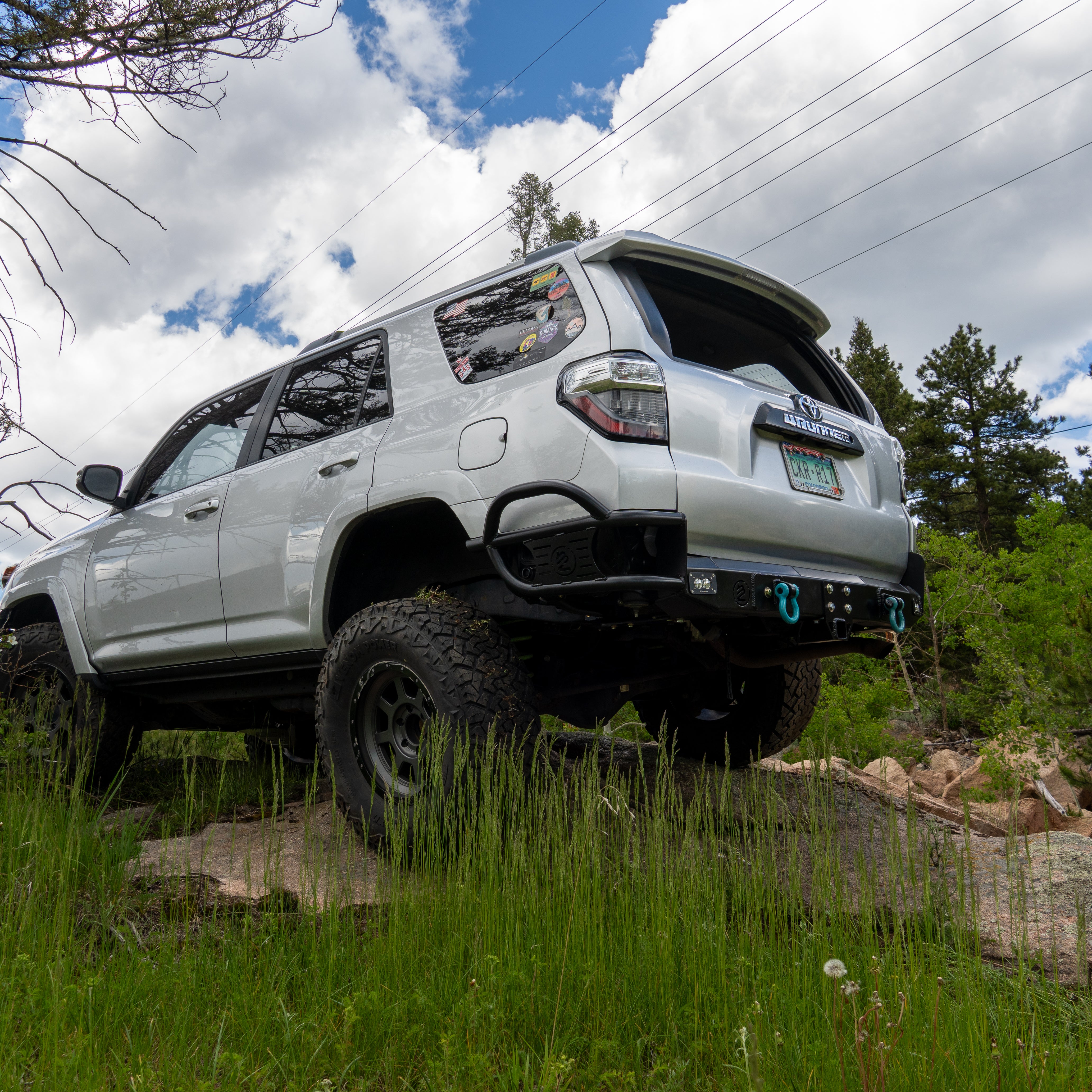
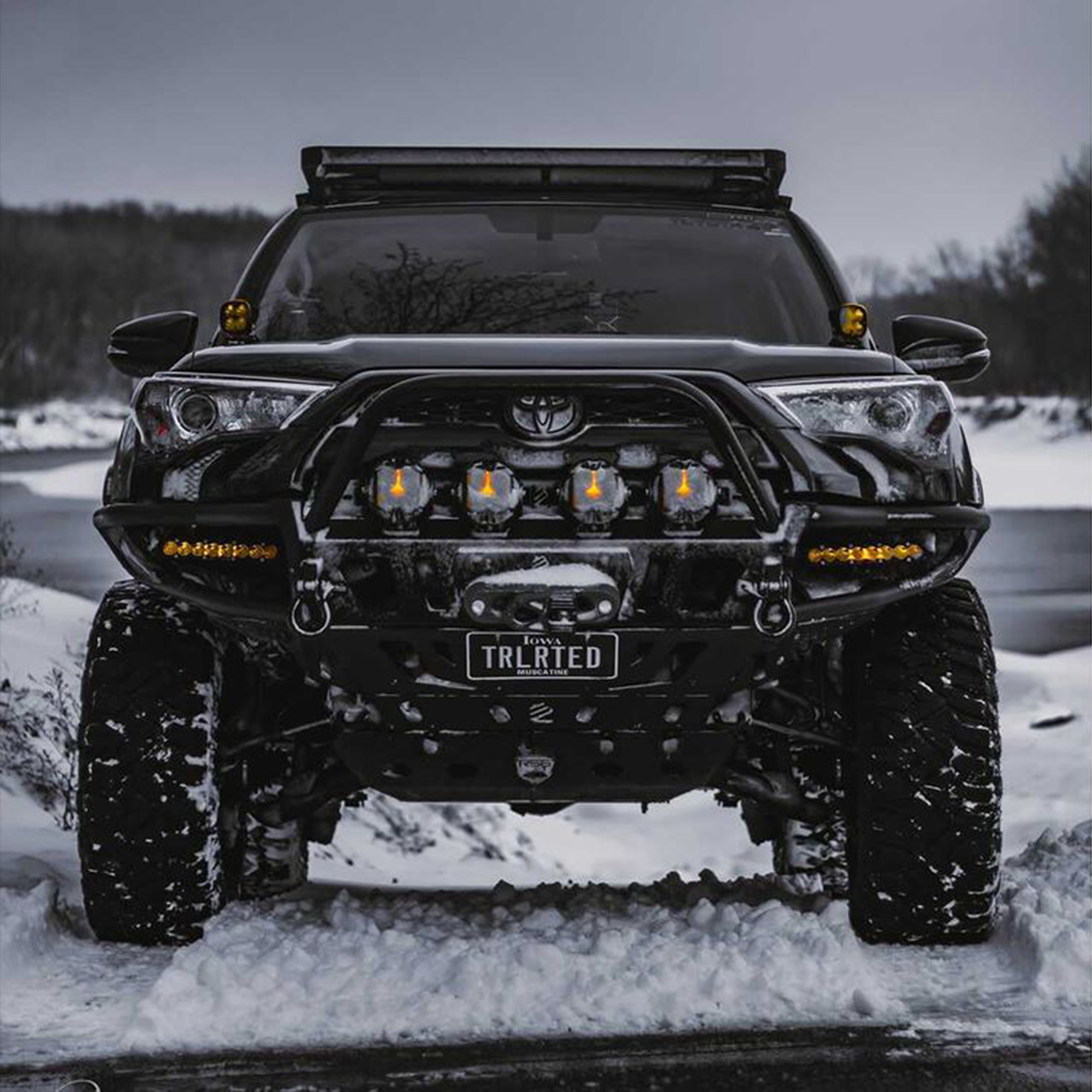
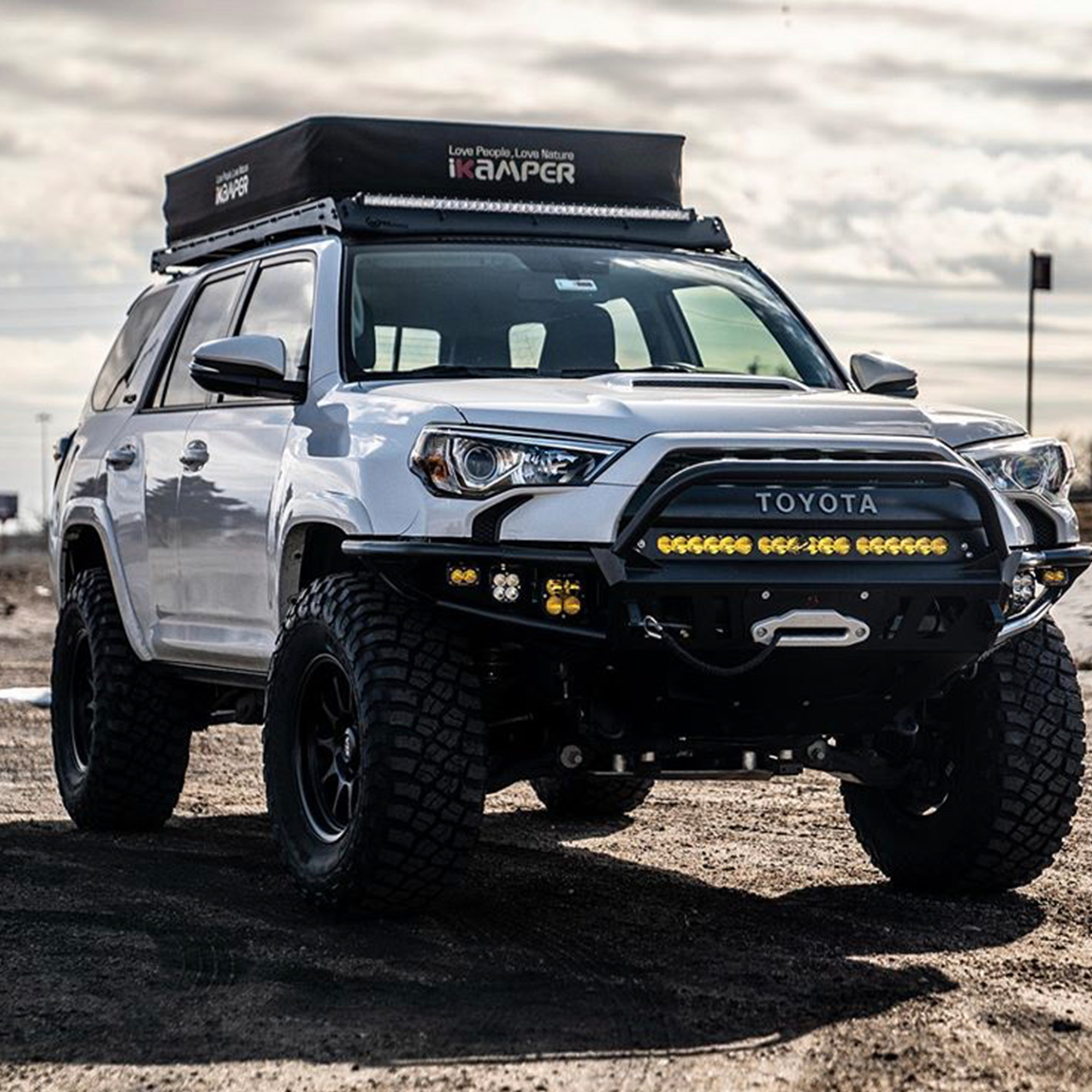
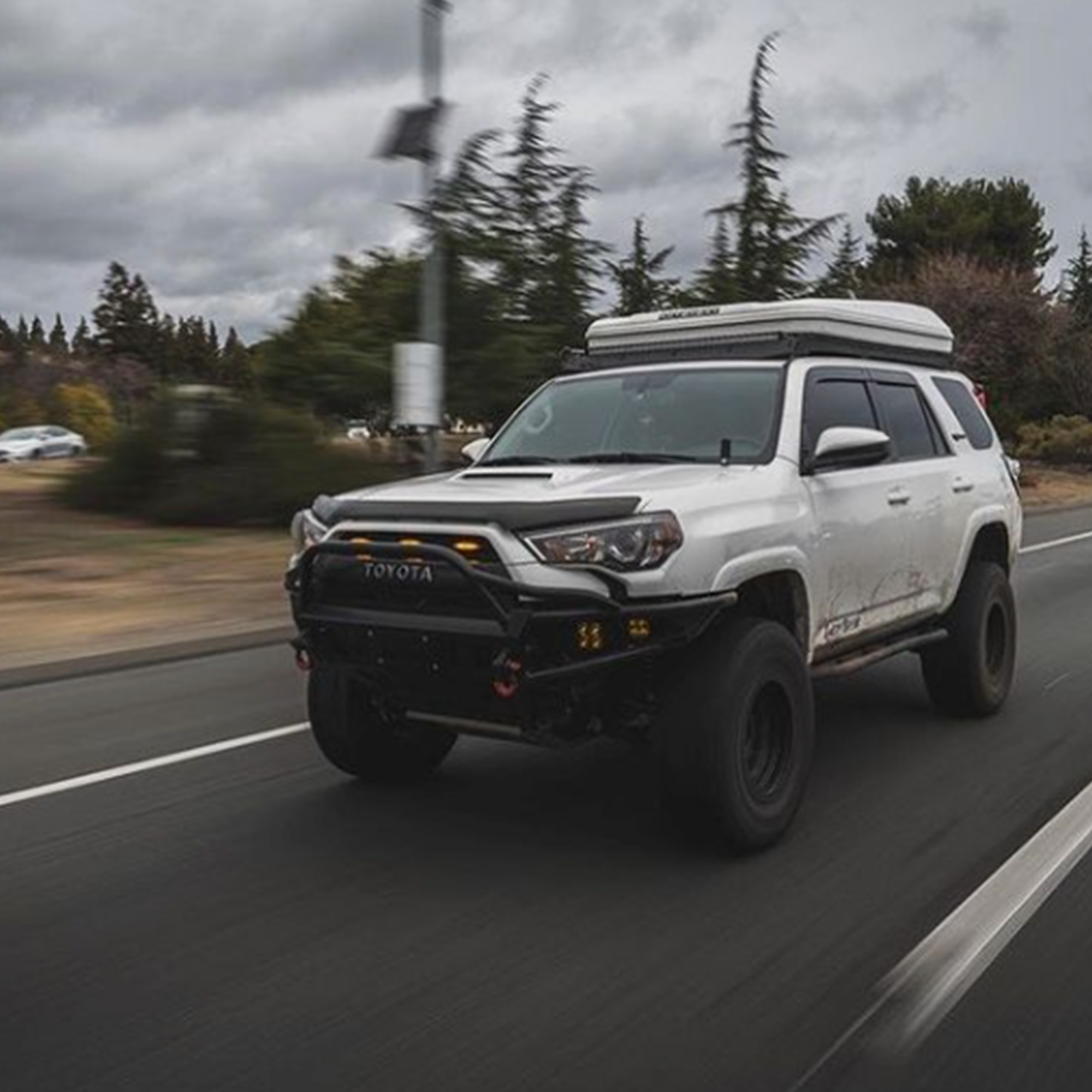
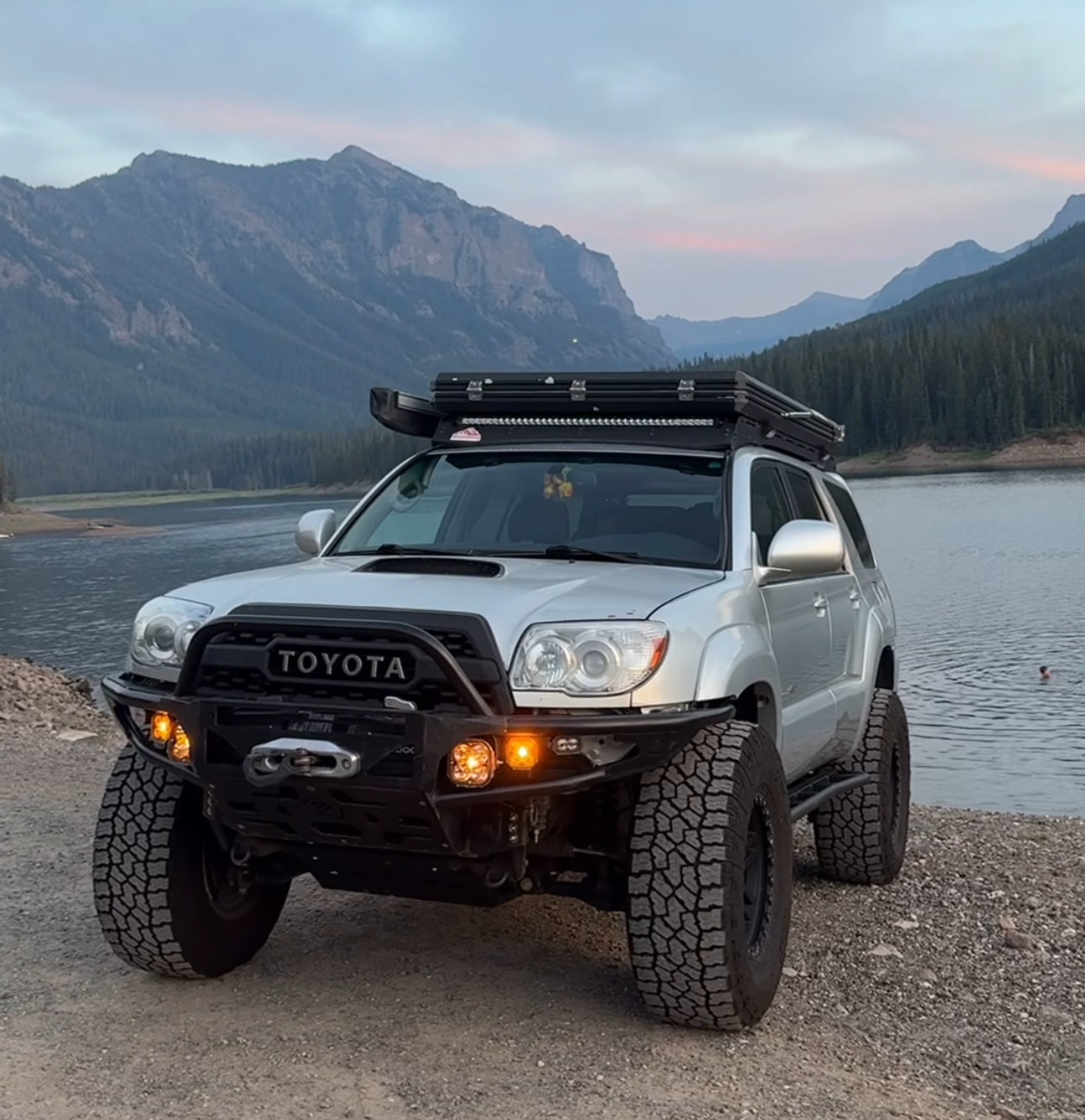
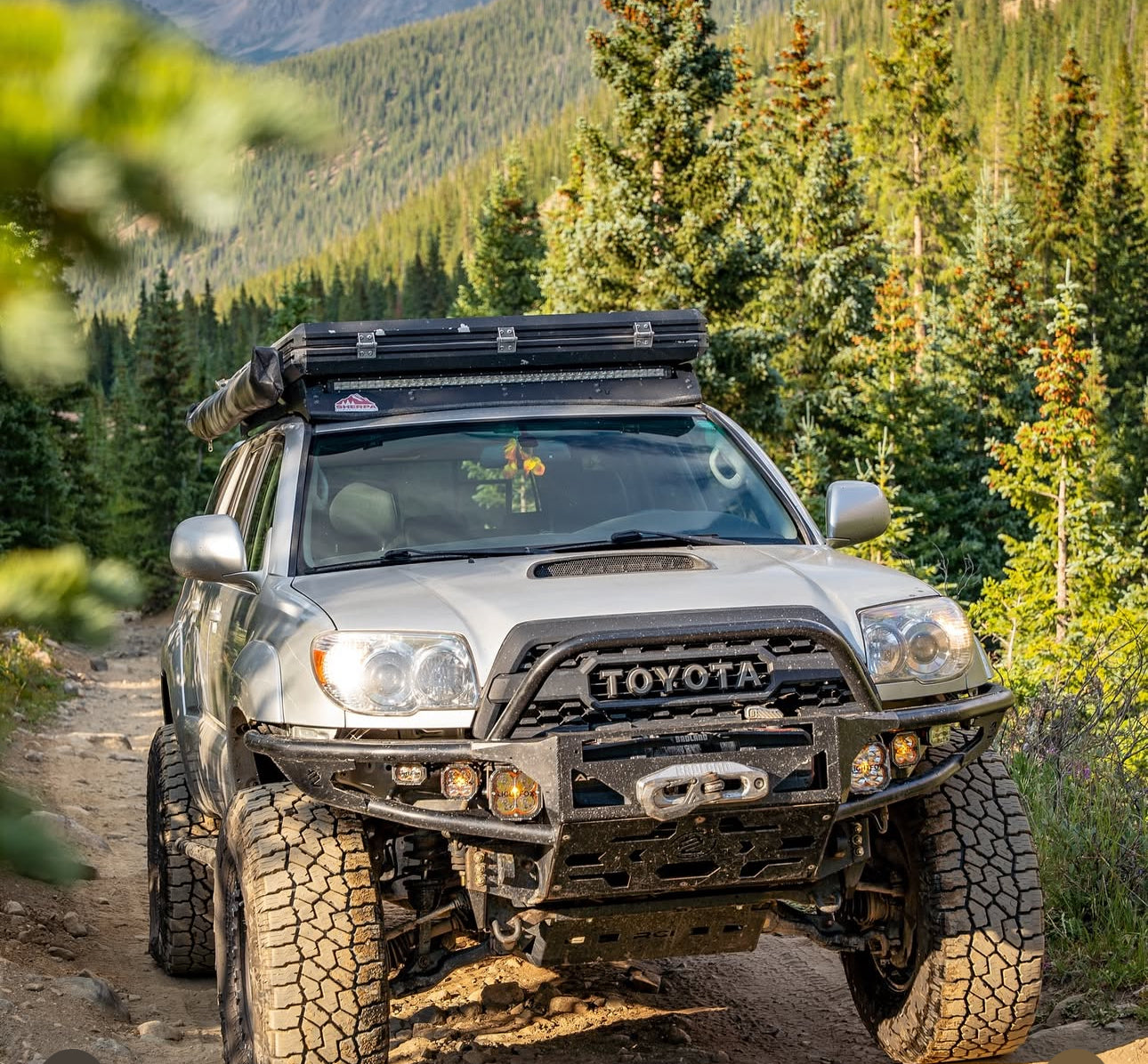
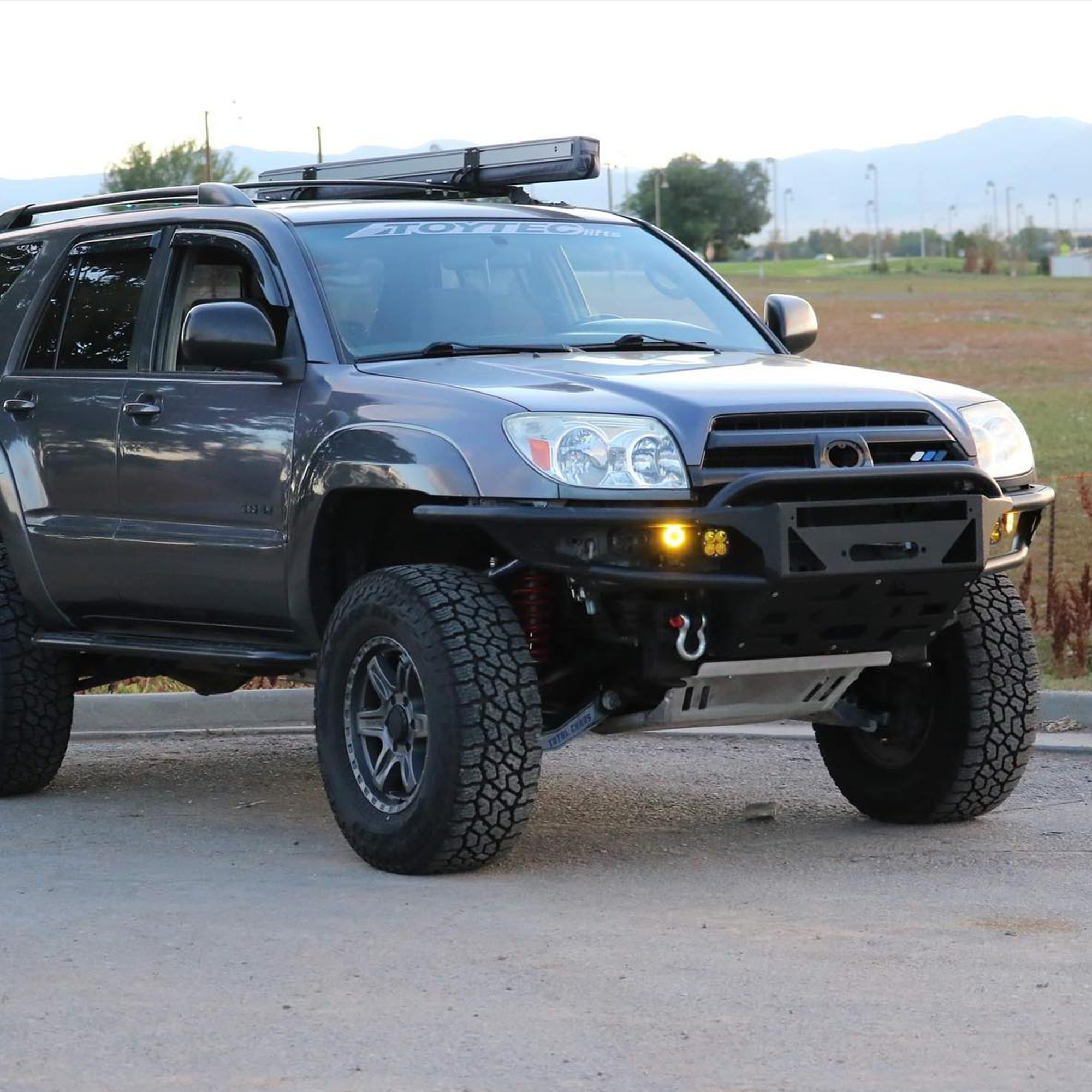
The Tacoma and 4Runner are often built for versatility. They’re lighter, more maneuverable, and commonly used for mixed driving—daily use, weekend trails, and occasional longer trips.
Because of that, bumper design typically prioritizes:
-
Balanced weight to preserve drivability
-
High clearance without excessive bulk
-
Clean integration for a refined look
Overbuilding these platforms is one of the most common mistakes. Adding too much weight or structure can negatively affect handling without adding meaningful capability.
Full-Size Platform: Tundra
The Tundra operates on a different scale. It’s heavier, wider, and often used for more demanding applications like towing or carrying additional gear.
This changes the priorities:
-
Stronger structure to handle higher loads
-
More robust recovery integration
-
Design that accounts for increased vehicle mass
On a Tundra, a lighter-duty bumper that works on a Tacoma may not hold up under the same conditions.
SUV Platforms: GX Series & FJ Cruiser
The GX Series and FJ Cruiser sit in a unique space. They combine SUV practicality with strong off-road capability, often leading to builds that push into more technical terrain.
For these platforms, bumper design tends to focus on:
-
Maximum functional clearance
-
Strong recovery capability
-
Tight integration with body lines and systems
The GX, in particular, adds complexity with modern systems and tighter packaging, requiring more precise engineering.
Do all Toyota platforms need different bumper designs?
Yes—each platform has different weight, geometry, and use cases that affect how a bumper should be built.
Front Bumper Design Fundamentals Across All Platforms
Despite the differences, the core principles of good bumper design stay consistent.
1. Clearance That Works in Motion
Static clearance doesn’t tell the full story. What matters is how the bumper performs when the vehicle is:
-
Climbing obstacles
-
Descending steep terrain
-
Articulating under load
A well-designed bumper maintains usable clearance in real conditions, not just when parked.
2. Recovery That Matches Real Loads
Recovery points and winch mounts need to be designed for actual use—not just occasional pulls.
Across all platforms, this means:
-
Reinforced mounting tied into the frame
-
Load distribution across the bumper structure
-
Strength that holds up under repeated stress
3. Weight That Doesn’t Compromise the Build
Weight affects every platform differently, but it always matters.
Too much front-end weight can:
-
Affect suspension performance
-
Change handling characteristics
-
Reduce overall efficiency
The goal is to use material strategically, not excessively.
4. Integration With the Vehicle
Modern Toyota platforms—especially newer GX and Tundra models—require bumpers to work with:
-
Sensors and safety systems
-
Cooling and airflow requirements
-
Factory body lines and proportions
Good integration ensures the bumper enhances the vehicle rather than introducing new issues.
What matters most in a custom front bumper?
Clearance, recovery capability, weight balance, and integration with the vehicle.
Common Mistakes Across Toyota Builds
Regardless of platform, the same mistakes show up repeatedly:
-
Choosing based on appearance instead of function
-
Overbuilding for light use cases
-
Ignoring how weight affects suspension and handling
-
Failing to plan for recovery early in the build
These issues don’t just limit performance—they often create more work and cost down the line.
Where Lil B’s Approach Fits In
At Lil B’s Custom Fabrication, the focus is on building bumpers that reflect how these vehicles are actually used.
That means:
-
Designing for real trail conditions, not just showroom appeal
-
Prioritizing structural integrity for recovery and impact
-
Maintaining clean fitment that works with each platform
Instead of forcing one design across multiple vehicles, each bumper is built with the platform in mind while staying grounded in the same core principles.
Conclusion: Build for the Platform, Not Just the Trend
Toyota platforms share a reputation for reliability and off-road capability, but they aren’t interchangeable when it comes to modifications.
A custom front bumper should reflect:
-
The vehicle it’s built for
-
The way it’s actually used
-
The balance between protection, weight, and performance
When those elements are aligned, the result is a build that doesn’t just look capable—it performs consistently, no matter the terrain.
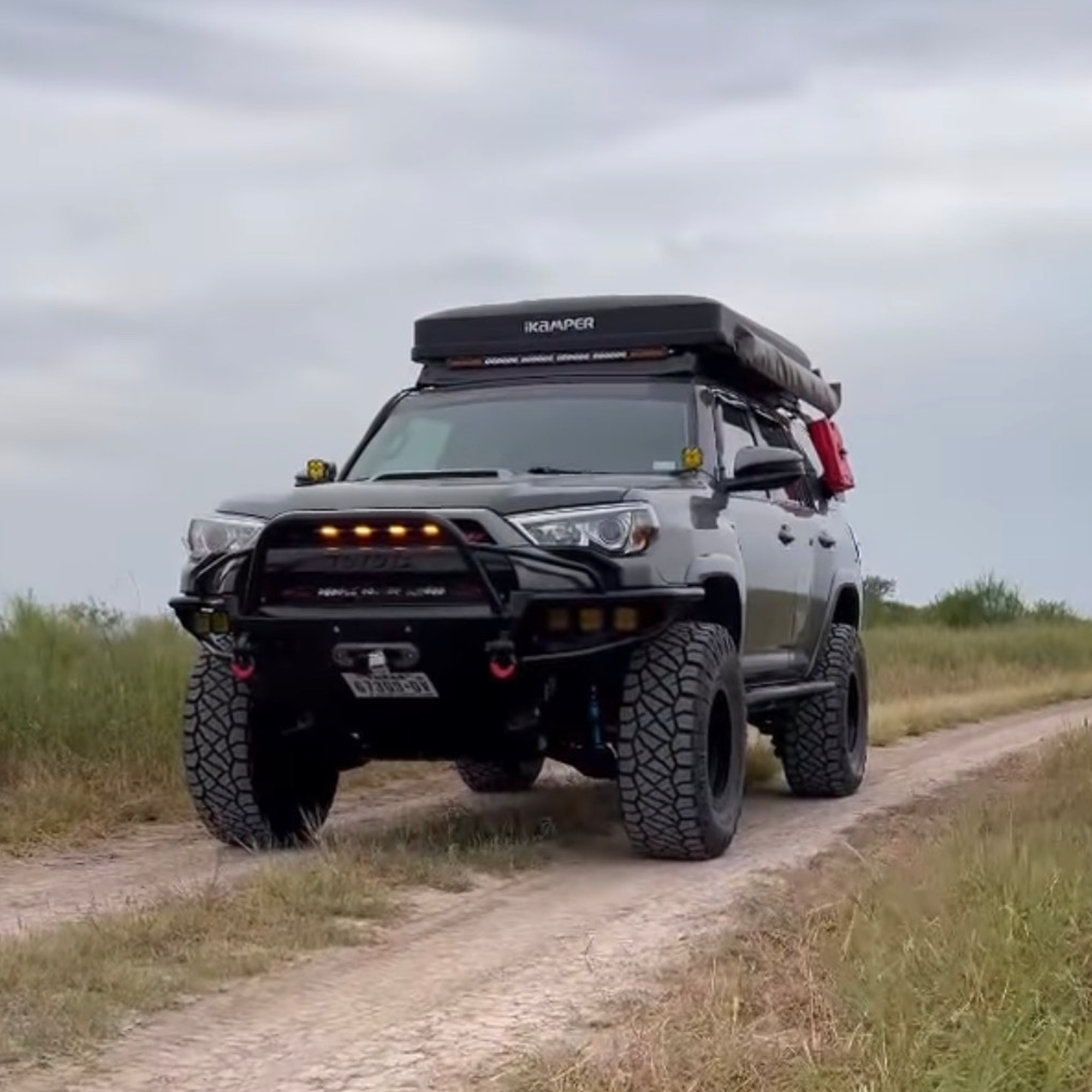
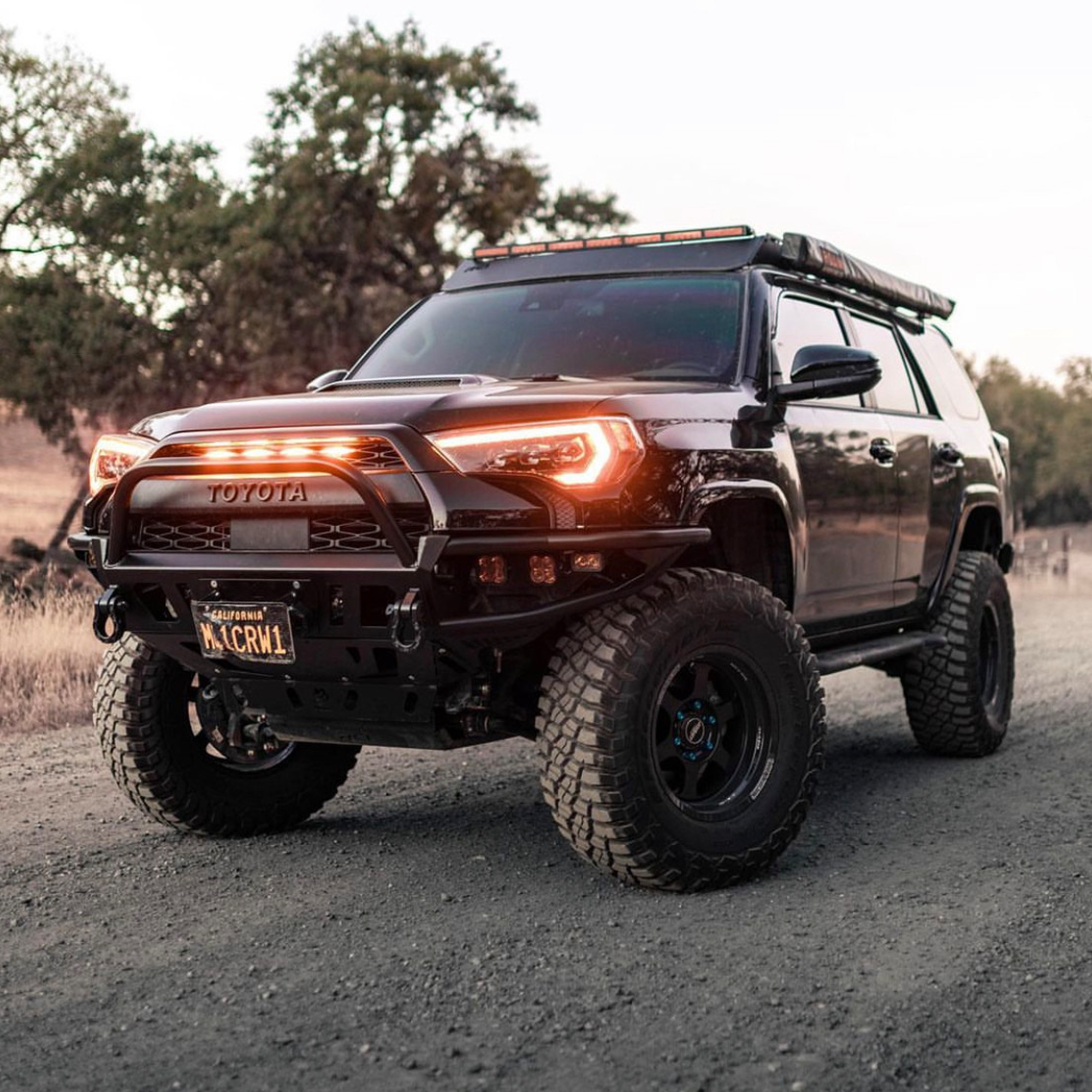
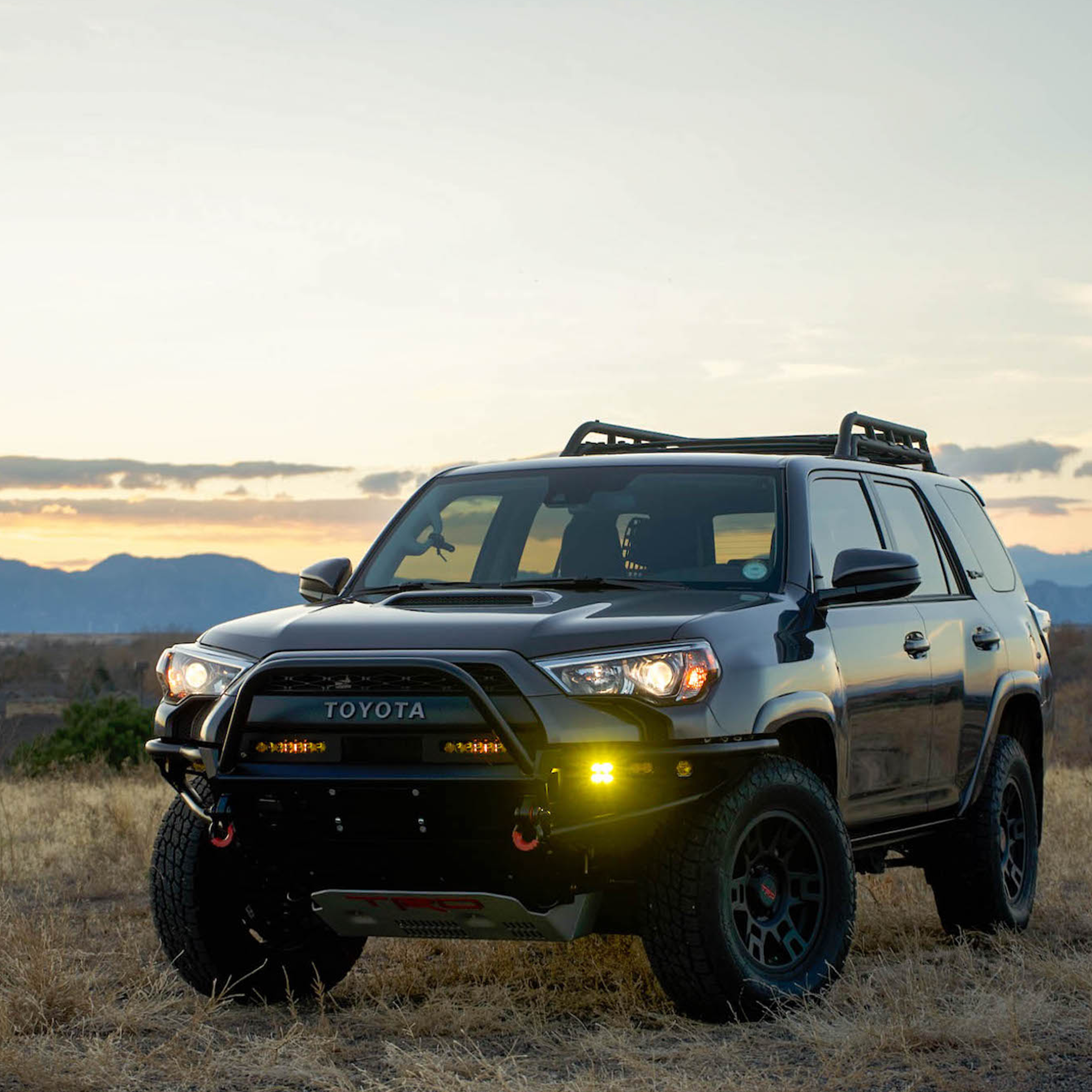

Share:
Best GX 550 Front Bumper Setup by Use Case
Front Bumper + Suspension: How to Set Them Up Together