

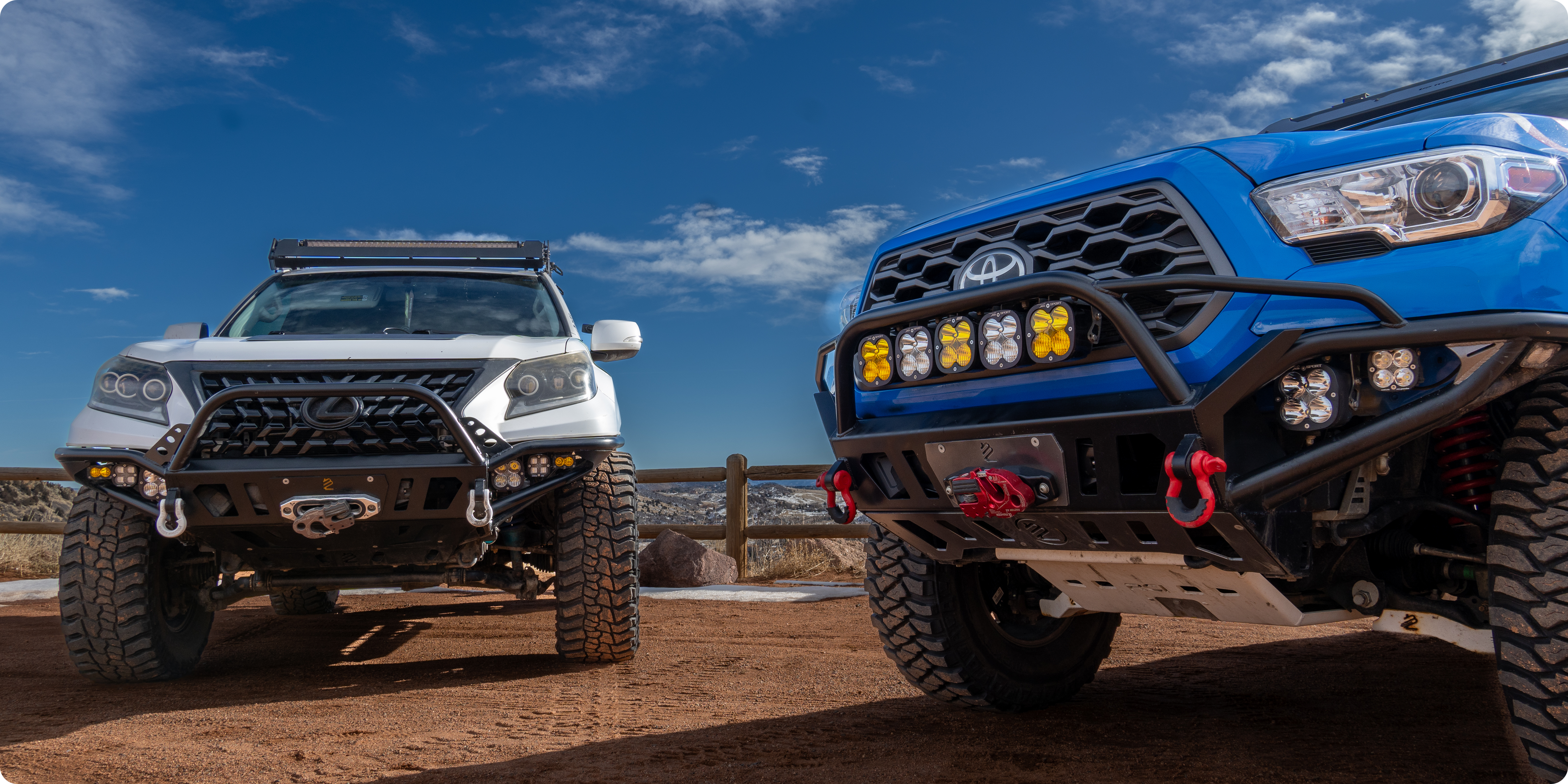
Why These Two Should Never Be Separate Decisions
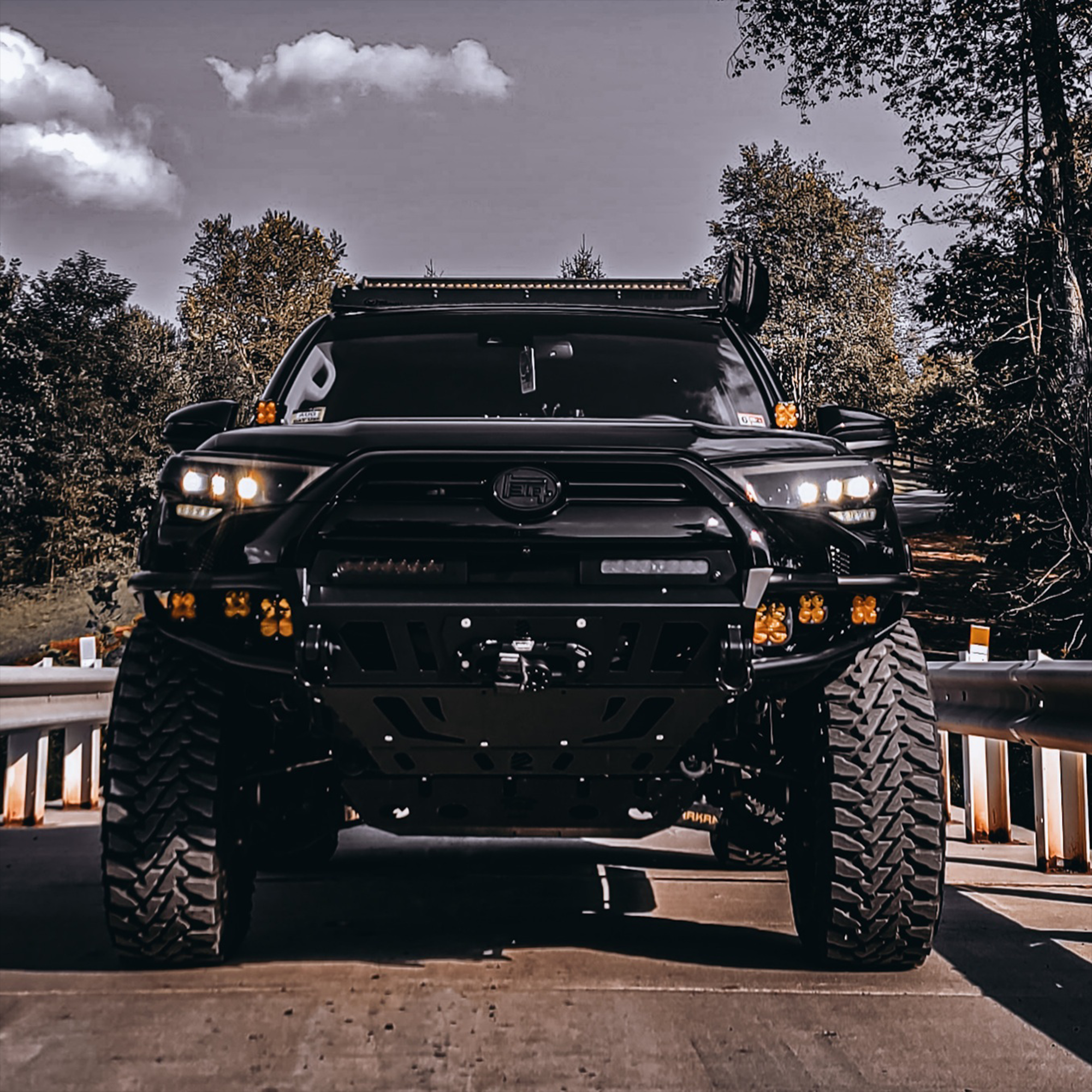
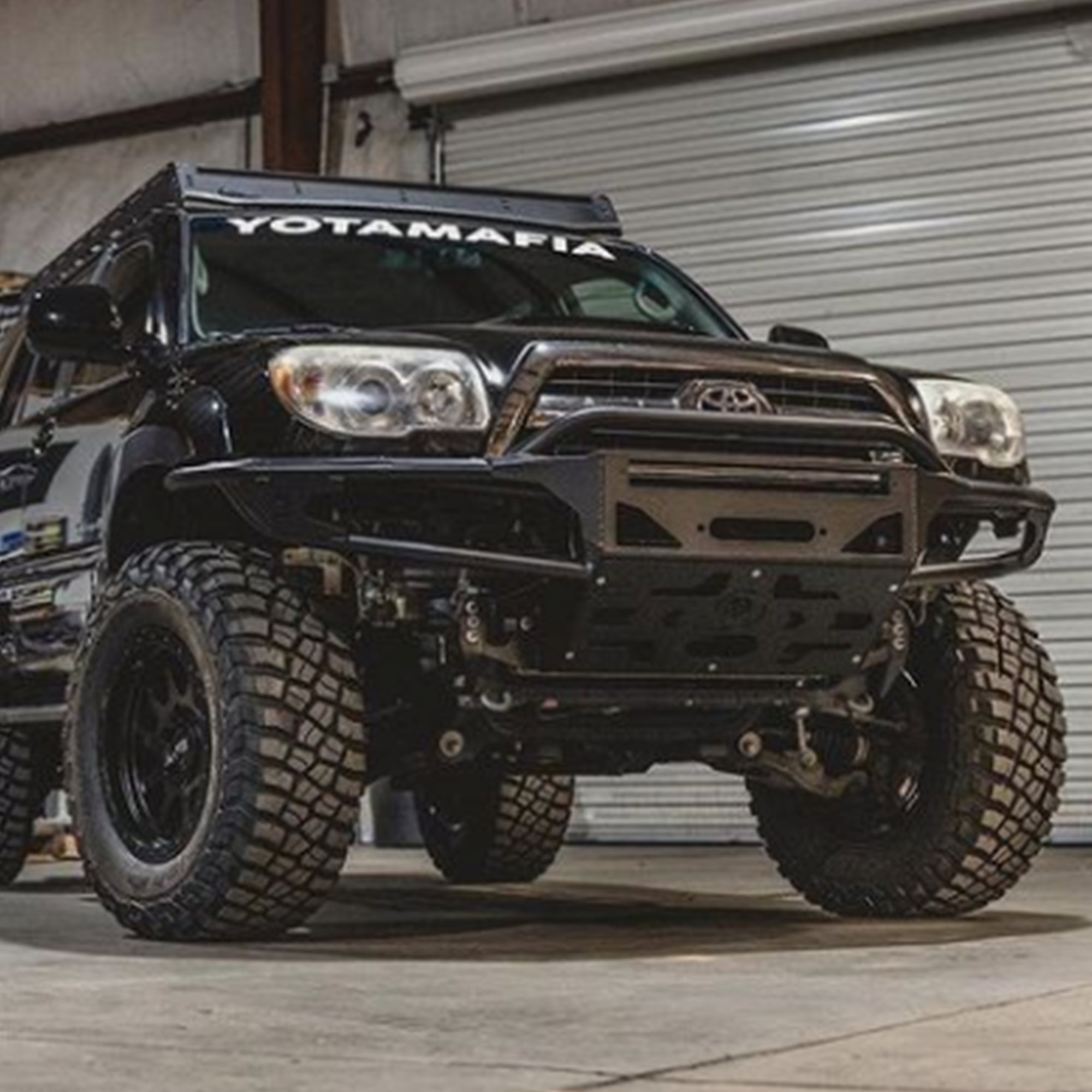
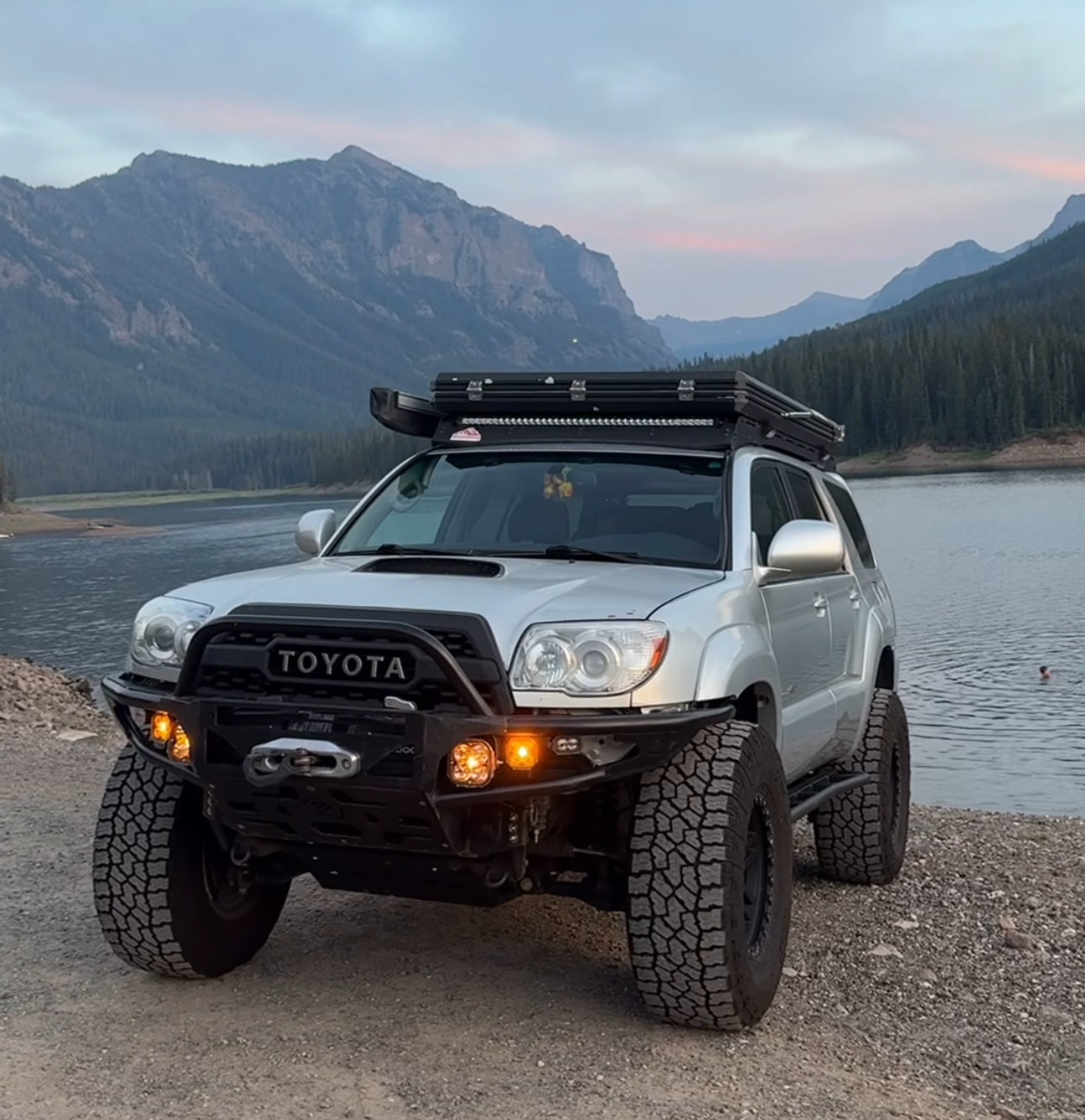
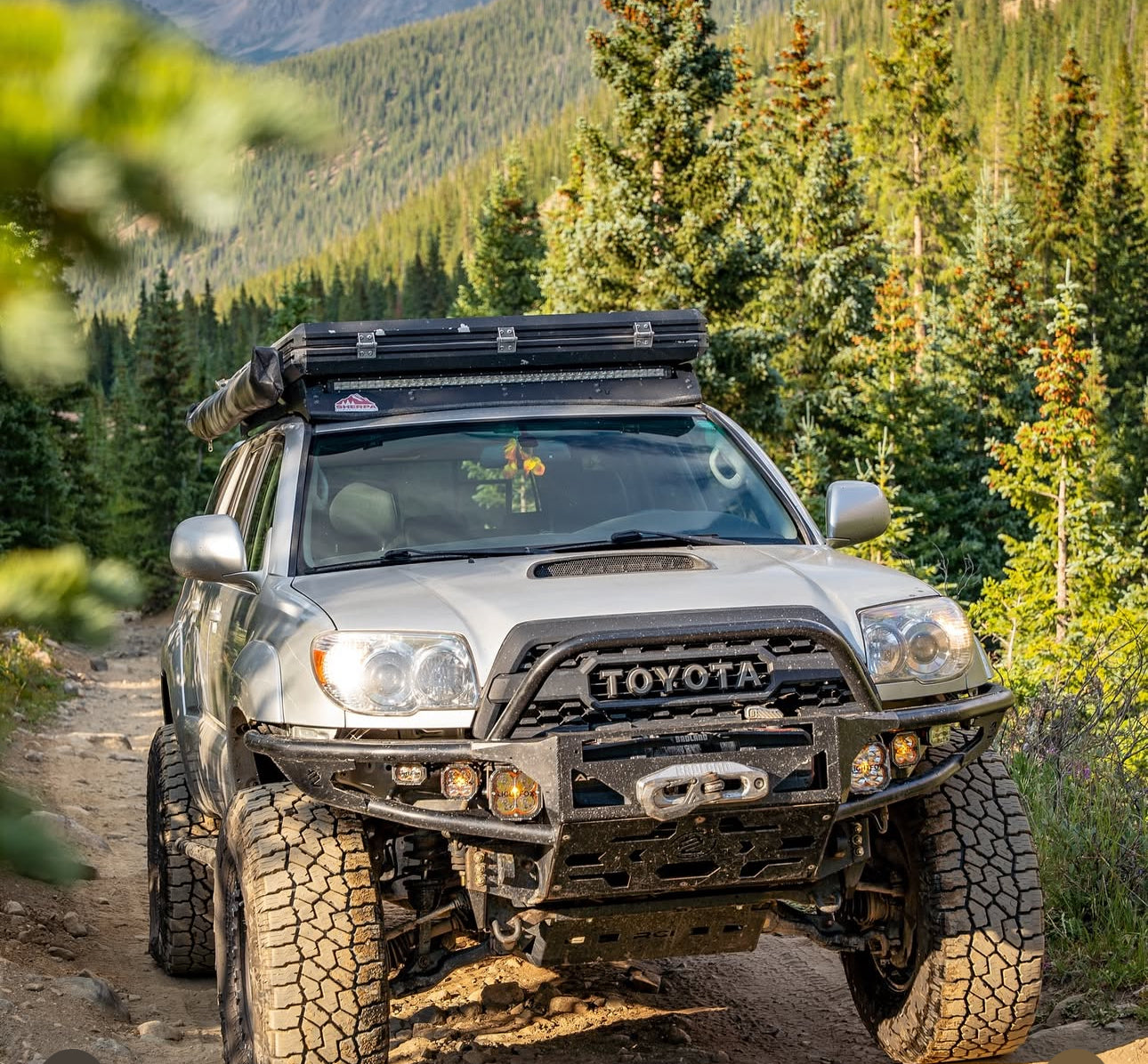
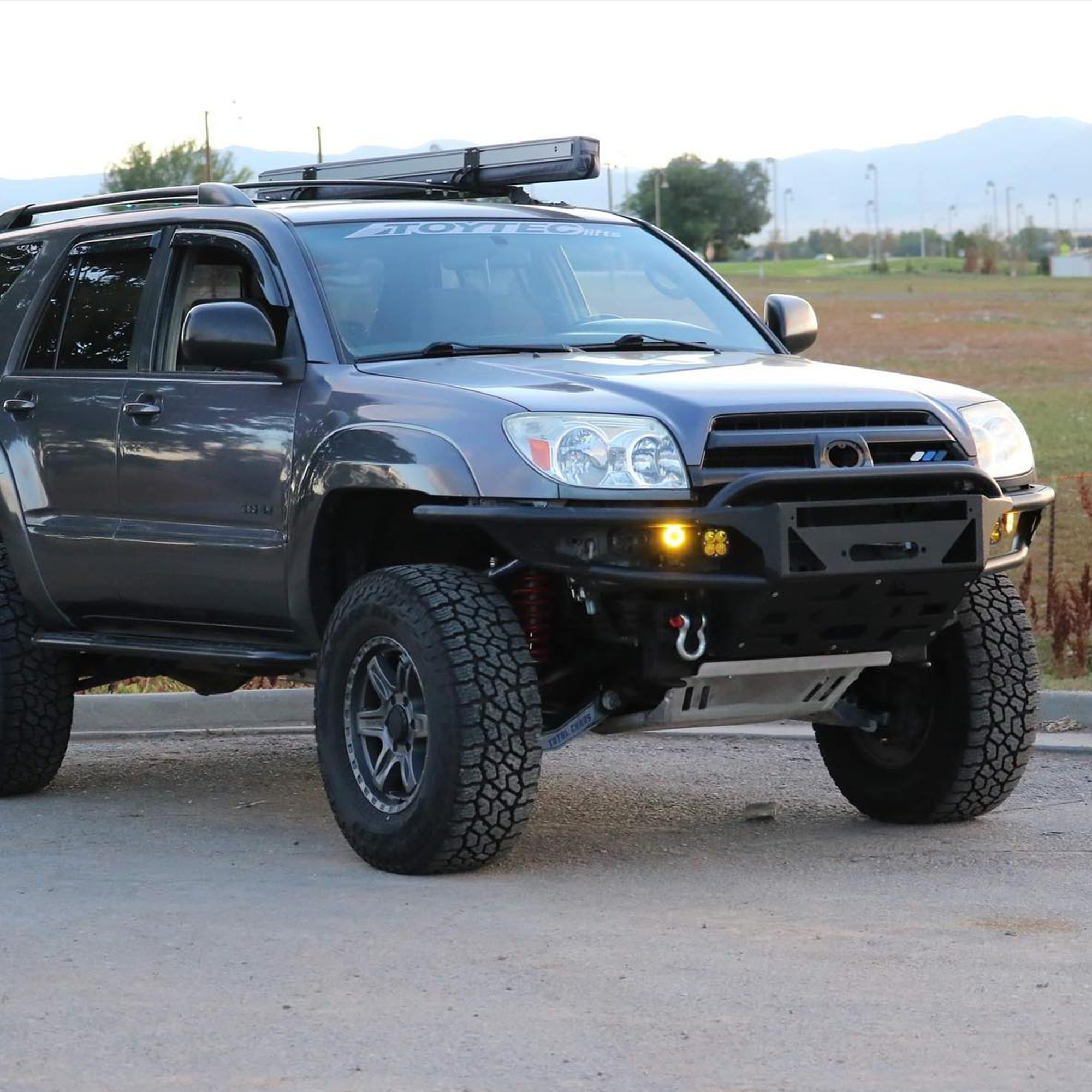
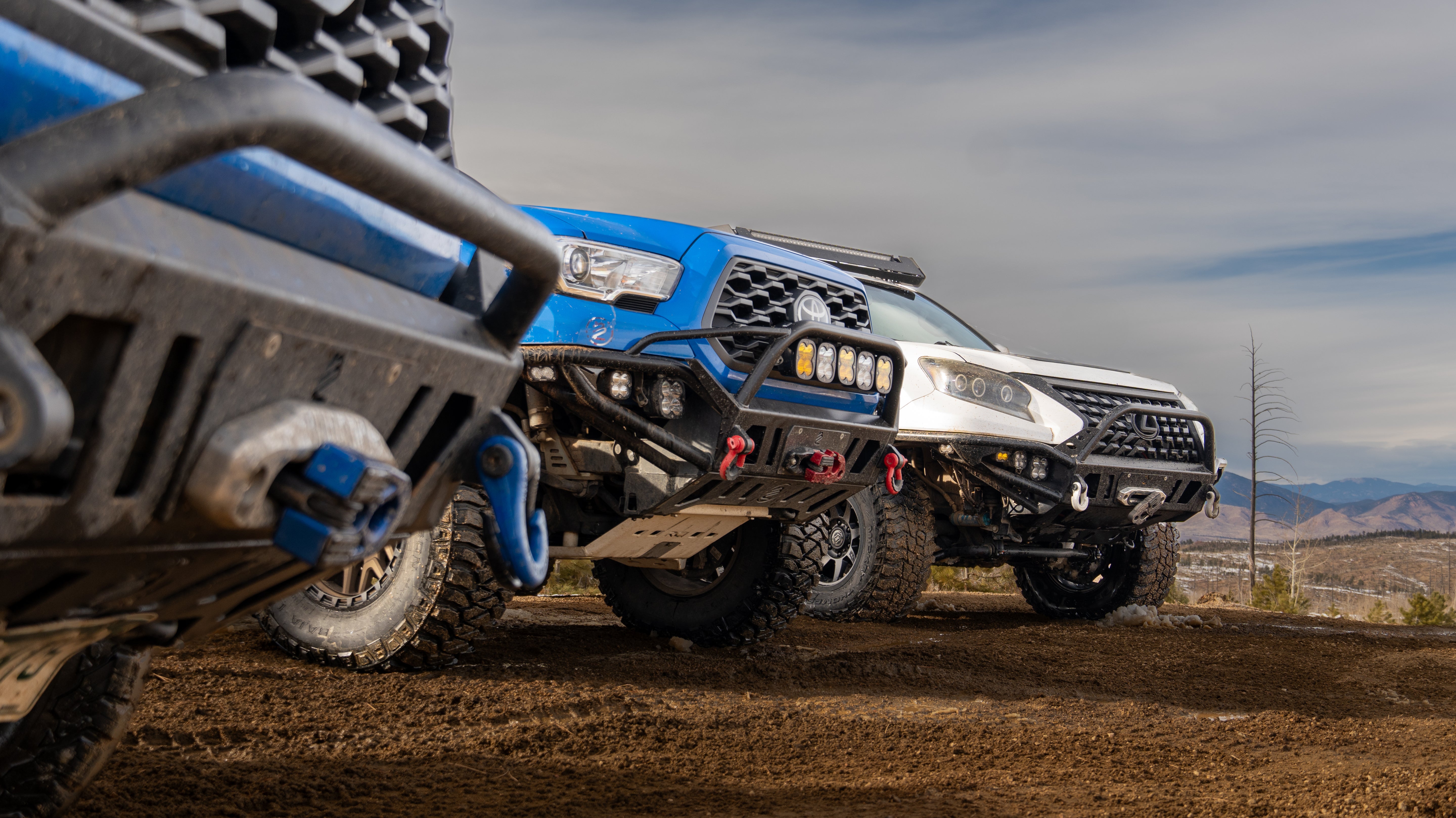
One of the most common mistakes in building a Toyota off-road rig—whether it’s a Tacoma, 4Runner, Tundra, FJ Cruiser, or GX Series—is treating the front bumper and suspension as separate upgrades.
They’re not.
The moment you add a front bumper, you’re changing how the vehicle sits, how it moves, and how the suspension behaves under load. Add a winch, recovery gear, or lighting, and those changes become even more pronounced.
The issue isn’t adding weight—it’s adding weight without planning for it.
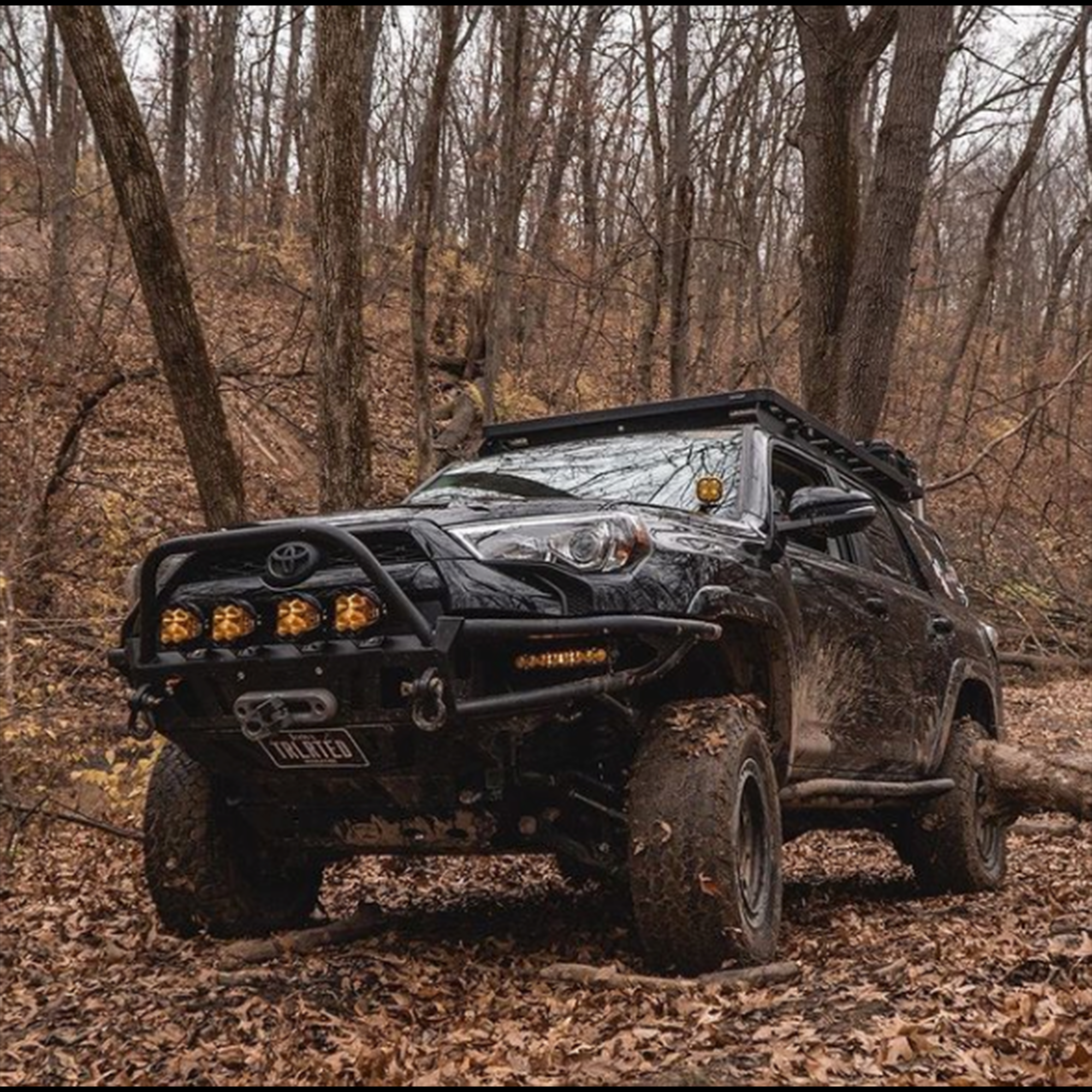
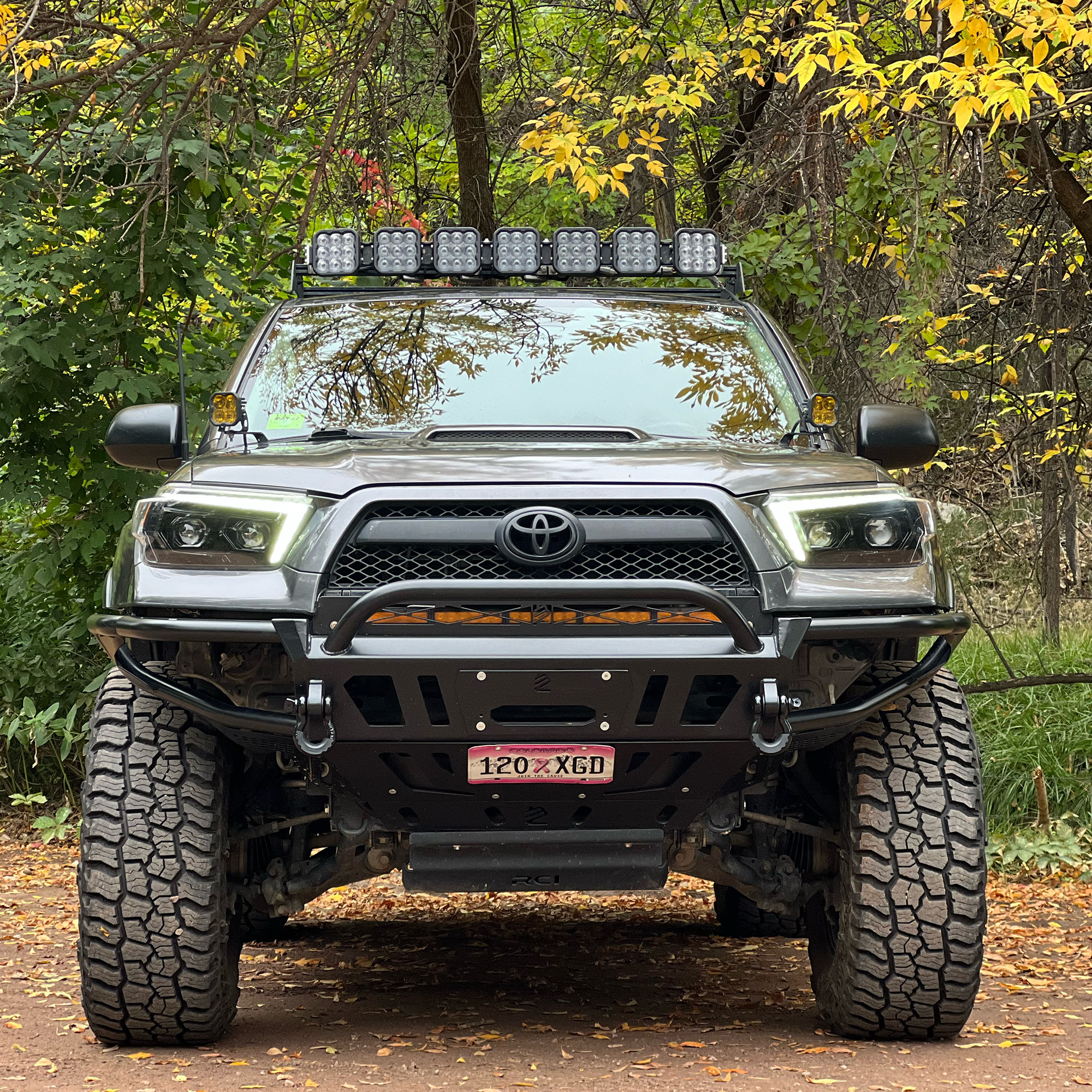
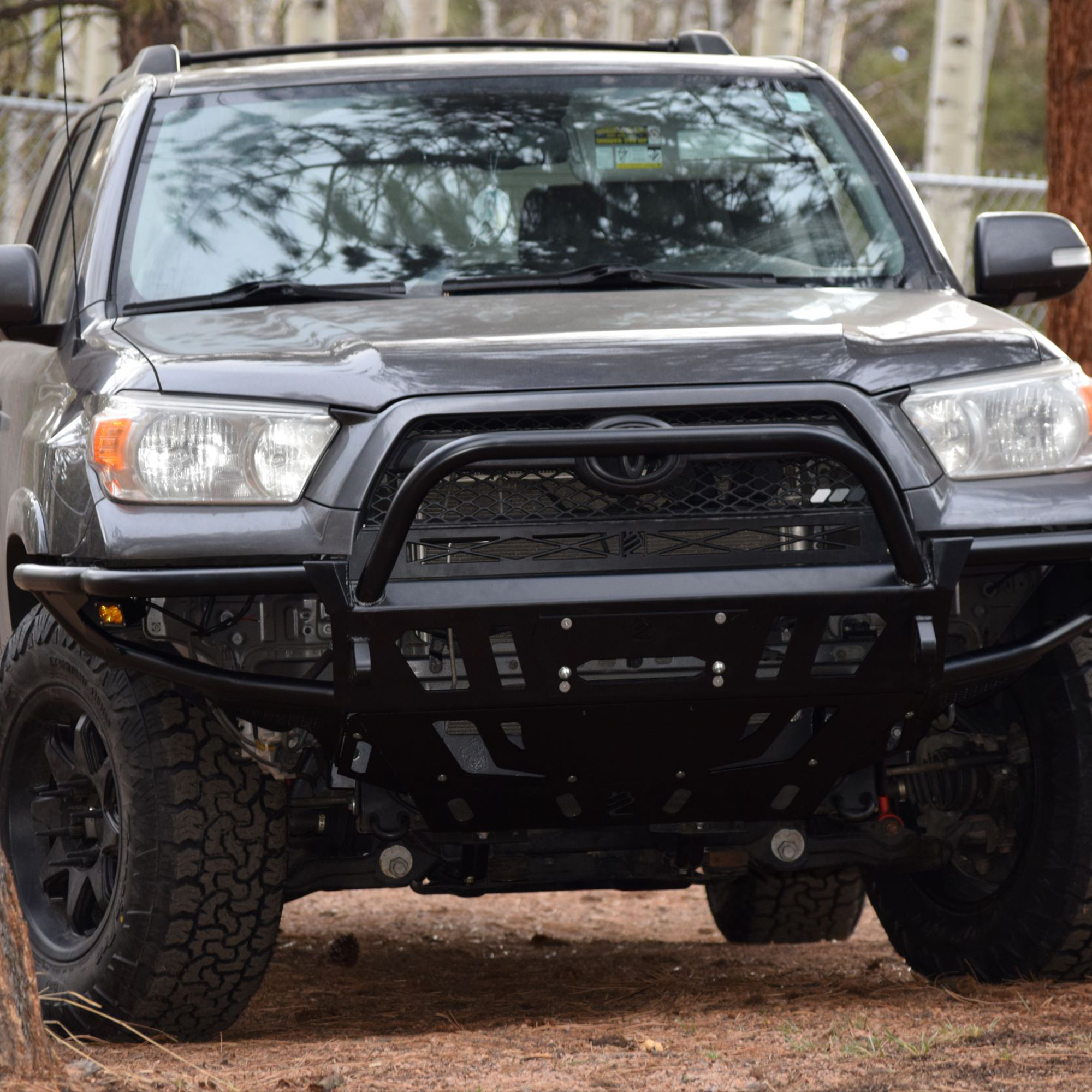
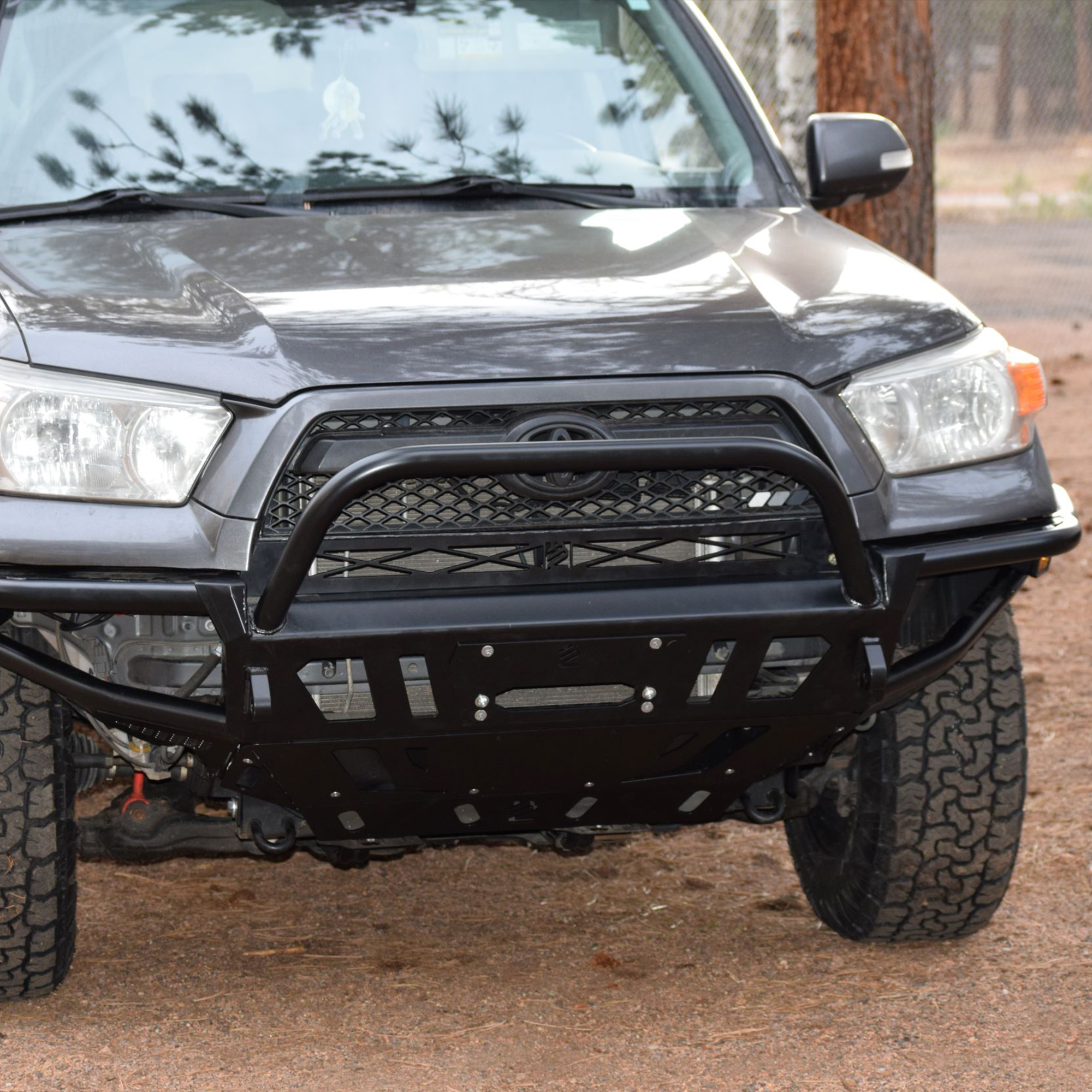
At Lil B’s Custom Fabrication, custom bumper design always considers how it interacts with suspension. Because when these two systems aren’t aligned, the result isn’t just reduced performance—it’s a build that feels off every time you drive it.

What Actually Changes When You Add a Front Bumper
Before getting into setup, it’s important to understand what a front bumper does beyond protection.
Even a well-designed bumper introduces:
-
Additional weight over the front axle
-
Forward shift in the vehicle’s center of gravity
-
Increased load on springs and dampers
On lighter platforms like the Tacoma or 4Runner, these changes are more noticeable. On heavier platforms like the Tundra or GX, they’re still there—but often masked until you hit more demanding terrain.
This is why suspension needs to be part of the conversation from the start.
Does a front bumper always affect suspension?
Yes—even lighter bumpers change load distribution and how the suspension responds.
Front-End Weight: It’s Not Just the Number
Most people focus on total weight—how many pounds a bumper adds. But what matters just as much is where that weight sits.
Weight positioned farther forward creates more leverage on the suspension, which can lead to:
-
Increased front-end sag
-
More noticeable brake dive
-
Slower suspension response over obstacles
Two setups with similar weight can feel completely different depending on how that weight is distributed.
This is why bumper design and suspension setup need to be evaluated together—not independently.
Spring Rate: The First Adjustment That Matters
When additional weight is added to the front, the springs are the first component affected. If they’re not matched to the new load, the vehicle will sit lower and operate outside its intended range.
This shows up as:
-
Reduced ride height at the front
-
Less available up-travel
-
Increased bottoming out on rough terrain
Adjusting spring rate helps restore balance. The goal isn’t just to bring the vehicle back to level—it’s to ensure the suspension operates properly under load.
Do I need heavier springs after adding a bumper?
In many cases, yes—especially if a winch or additional gear is included.
Damping: The Overlooked Half of the Equation
While springs support weight, dampers (shocks) control how that weight moves.
Adding a bumper changes how quickly the suspension compresses and rebounds. Without proper damping, the vehicle can feel:
-
Sluggish over small bumps
-
Unstable during repeated impacts
-
Less controlled during descents
This is particularly noticeable on platforms like the GX Series and newer Tundras, where factory suspension is tuned for comfort.
Matching damping to the added weight ensures the vehicle remains predictable and controlled.
Ride Height vs Usable Travel
A common reaction to front-end sag is to simply increase ride height. While this can restore visual balance, it doesn’t always fix the underlying issue.
What matters more is usable suspension travel.
If the suspension is already compressed due to added weight, lifting the vehicle without adjusting spring rate can:
-
Reduce available compression travel
-
Increase harshness over bumps
-
Limit articulation
The goal is to maintain proper travel in both directions—compression and rebound—so the suspension can work effectively in real conditions.
Is lifting enough to compensate for bumper weight?
No—proper spring rate and damping are needed to maintain suspension performance.
Winch Weight Changes Everything
Adding a winch significantly increases the load on the front end, often more than the bumper itself.
This introduces:
-
Additional static weight
-
Higher dynamic loads during recovery
-
Increased stress on suspension components
At this point, suspension adjustments become less optional and more necessary.
A winch-equipped setup should account for:
-
Heavier spring rates
-
Proper damping to control added mass
-
Balanced ride height to maintain geometry
Ignoring this step often leads to a front end that feels overloaded and inconsistent.
Platform-Specific Considerations
While the principles are the same, how they apply varies across platforms.
Tacoma & 4Runner
-
More sensitive to added front weight
-
Require careful balance to maintain drivability
-
Overbuilding quickly affects ride quality
Tundra
-
Handles weight better due to size
-
Still requires suspension tuning for optimal performance
-
More forgiving, but not immune
GX Series & FJ Cruiser
-
Often used in more technical terrain
-
Benefit from precise suspension tuning
-
GX platforms require added attention due to system integration
Do different Toyota models need different suspension adjustments?
Yes—each platform responds differently to added weight and requires its own setup approach.
How It Feels When It’s Done Right
When the front bumper and suspension are properly matched, the difference is immediately noticeable.
The vehicle feels:
-
Balanced, without excessive front-end sag
-
Controlled over uneven terrain
-
Predictable during climbs and descents
Instead of fighting the added weight, the suspension works with it. The result is a build that performs consistently, rather than one that feels compromised.
How It Feels When It’s Done Wrong
When these systems aren’t aligned, the issues show up quickly—both on and off the trail.
Common symptoms include:
-
Nose-heavy handling
-
Harsh or inconsistent ride quality
-
Reduced confidence in technical terrain
-
Increased wear on suspension components
These problems don’t just affect performance—they take away from the driving experience entirely.
What’s the biggest sign your setup is off?
A front end that feels heavy, inconsistent, or less controlled than expected.
Planning the Build the Right Way
The best results come from planning the bumper and suspension together from the beginning.
That means considering:
-
Total front-end weight (bumper, winch, accessories)
-
Intended use (daily driving vs technical off-road)
-
Desired balance between comfort and capability
This approach avoids rework and ensures that each component supports the others.
Where Lil B’s Fits Into the Process
At Lil B’s Custom Fabrication, front bumpers are designed with real-world use in mind—including how they interact with suspension systems.
That means focusing on:
-
Efficient weight distribution
-
Functional clearance without unnecessary bulk
-
Integration that supports overall vehicle balance
Because a bumper isn’t just a standalone component—it’s part of a larger system that determines how the vehicle performs.
Conclusion: Build the System, Not Just the Parts
A front bumper and suspension setup should never be treated as separate decisions.
They work together, and when they’re aligned, the result is a vehicle that feels balanced, capable, and predictable across different conditions.
When they’re not, even the best individual components can fall short.
For Toyota platforms like the Tacoma, 4Runner, Tundra, FJ Cruiser, and GX Series, getting this relationship right is one of the most important steps in building a rig that actually performs where it matters—on the trail.
Share:
Best GX 550 Front Bumper Setup by Use Case
Why Modern Toyota Trucks Need Different Front Bumper Design Than Older Builds