

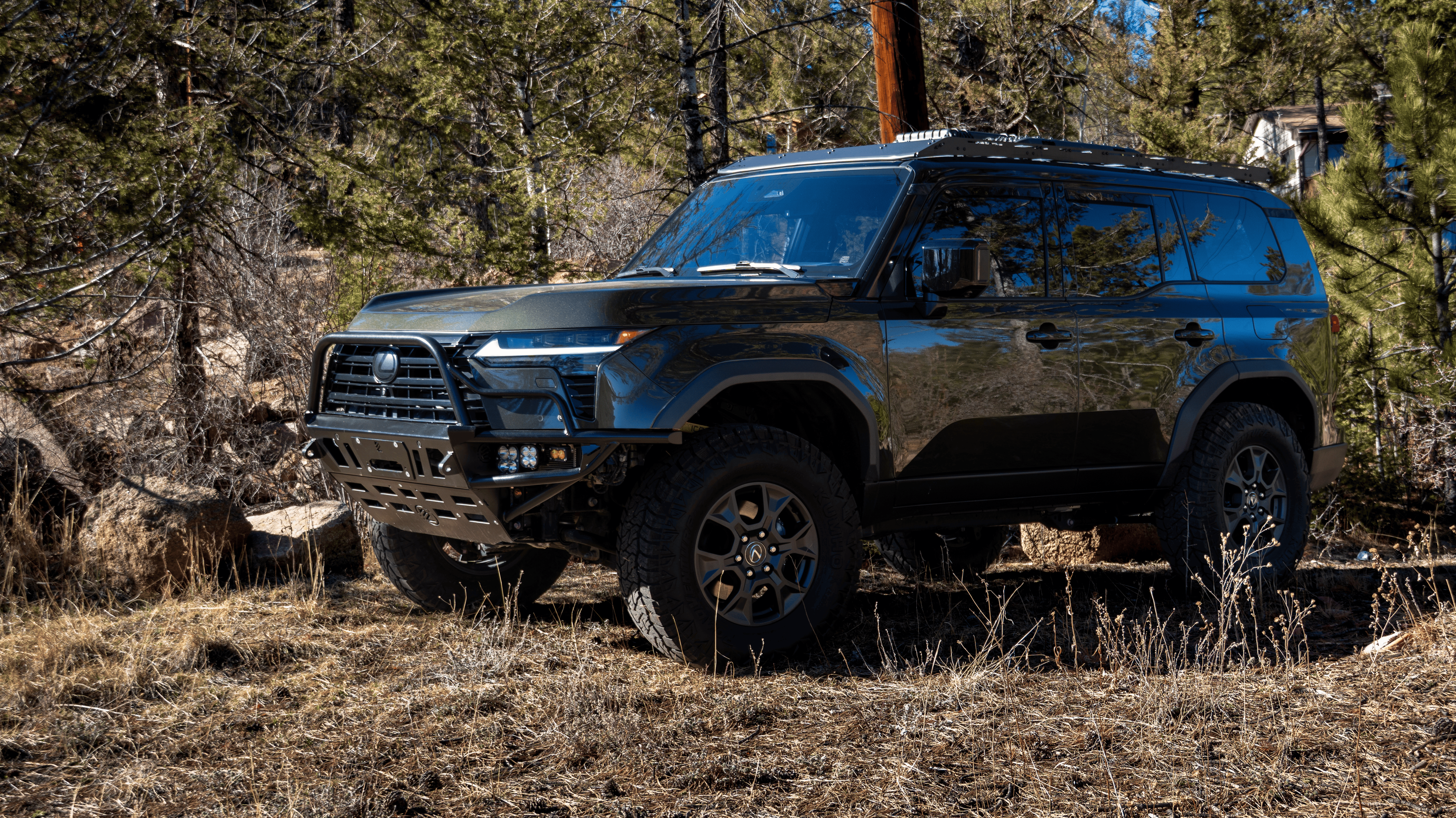
Every Great Toyota Build Starts With a Plan
Building an off-road Toyota is exciting. Whether you've just purchased a Tacoma, 4Runner, Tundra, FJ Cruiser, or GX Series, it's easy to start browsing bumpers, suspension kits, wheels, and accessories and imagine what your finished rig will look like.
The problem is that many builds begin with impulse purchases instead of a clear plan.
One upgrade leads to another, and before long, owners find themselves replacing parts they recently installed because they no longer fit the direction of the build. A suspension setup may not support the added weight of armor, a bumper may not accommodate a future winch, or a wheel and tire package may require more modifications than expected.
None of these mistakes are uncommon, but they can be expensive.
The best Toyota builds don't happen by accident. They evolve through thoughtful planning, with each modification supporting the next. That approach not only saves money over time but also results in a vehicle that feels balanced, reliable, and ready for the adventures it's built to tackle.

Start With How You Actually Use Your Toyota
Before buying a single part, ask yourself one simple question:
What do I want this vehicle to do?
The answer will shape every decision that follows.
Some owners primarily use their Toyota for:
-
Weekend trail rides
-
Overlanding and camping
-
Long-distance road trips
-
Hunting or fishing
-
Daily commuting with occasional off-road trips
-
Rock crawling and technical terrain
Each type of use places different demands on the vehicle.
A daily-driven Tacoma doesn't need the same setup as a dedicated trail rig, and an overland-focused GX will prioritize different equipment than a rock-crawling 4Runner.
Building around your intended use helps prevent unnecessary purchases and keeps the project focused.
Should you plan your entire build before buying parts?
You don't need every detail figured out, but having a long-term vision helps ensure each upgrade supports future modifications instead of limiting them.
Upgrade Tires Before Chasing More Power
For most Toyota owners, tires offer one of the biggest improvements in capability.
A quality all-terrain or mud-terrain tire can provide:
-
Better traction
-
Improved ground clearance
-
More confidence on loose surfaces
-
Greater durability on rough trails
Unlike many cosmetic upgrades, better tires improve how the vehicle performs every time you leave the pavement.
Choosing the right size early also helps guide future decisions about suspension, bumper clearance, and gearing.
Rather than asking, "What's the biggest tire I can fit?", consider asking:
"What's the right tire for the type of driving I do most?"
That mindset usually leads to a more balanced build.
Suspension Should Match the Build—Not Just the Lift Height
One of the biggest mistakes enthusiasts make is selecting suspension based only on advertised lift height.
A suspension system should be chosen based on the vehicle's current and future weight.
As your build grows, you'll likely add:
-
Front bumper
-
Winch
-
Recovery gear
-
Skid plates
-
Roof rack
-
Camping equipment
Each of these changes affects how the suspension performs.
Installing a suspension before considering future upgrades can lead to front-end sag, poor ride quality, or the need to replace springs sooner than expected.
Planning ahead helps ensure the suspension continues performing as the vehicle evolves.
Add a Front Bumper When You're Ready for More Capability
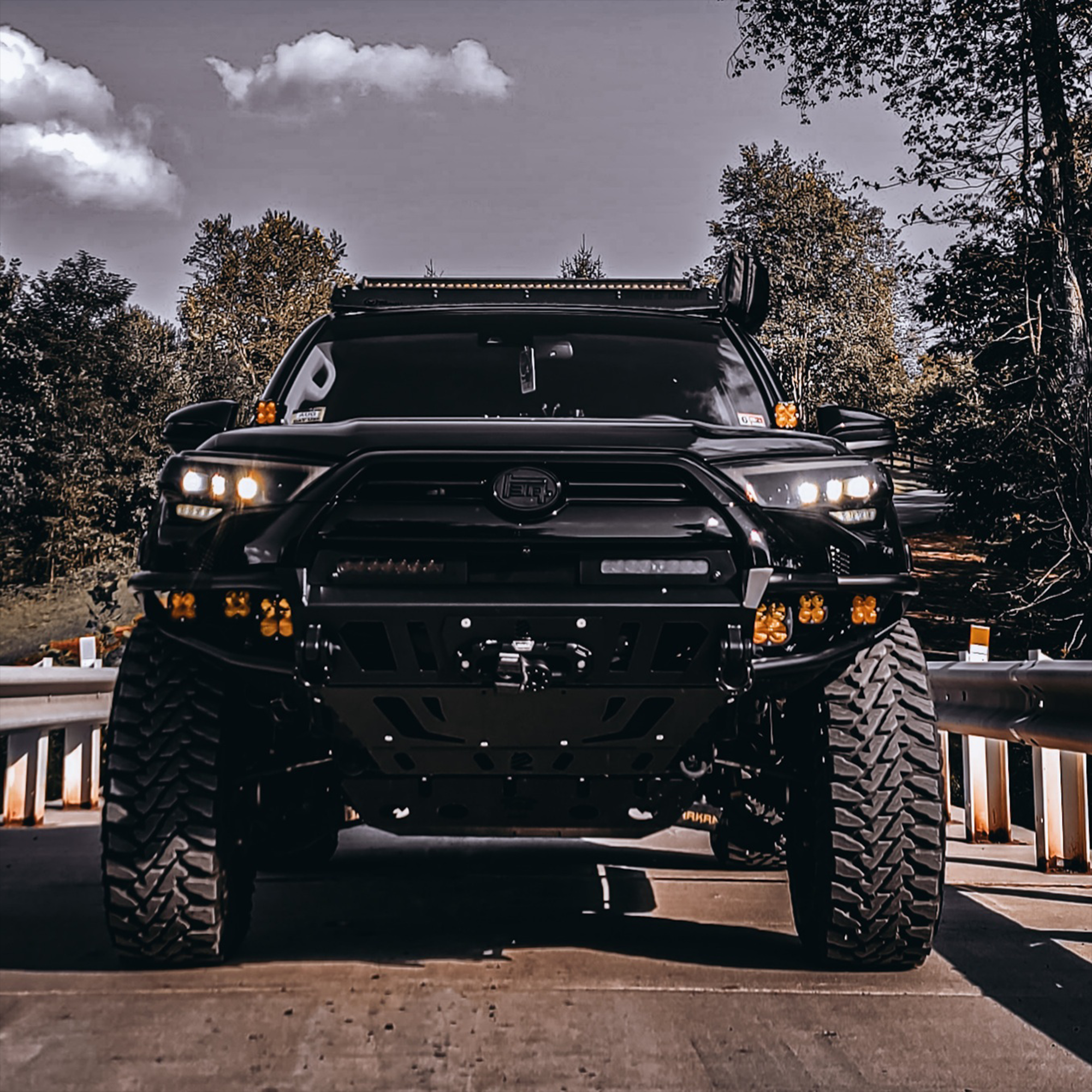
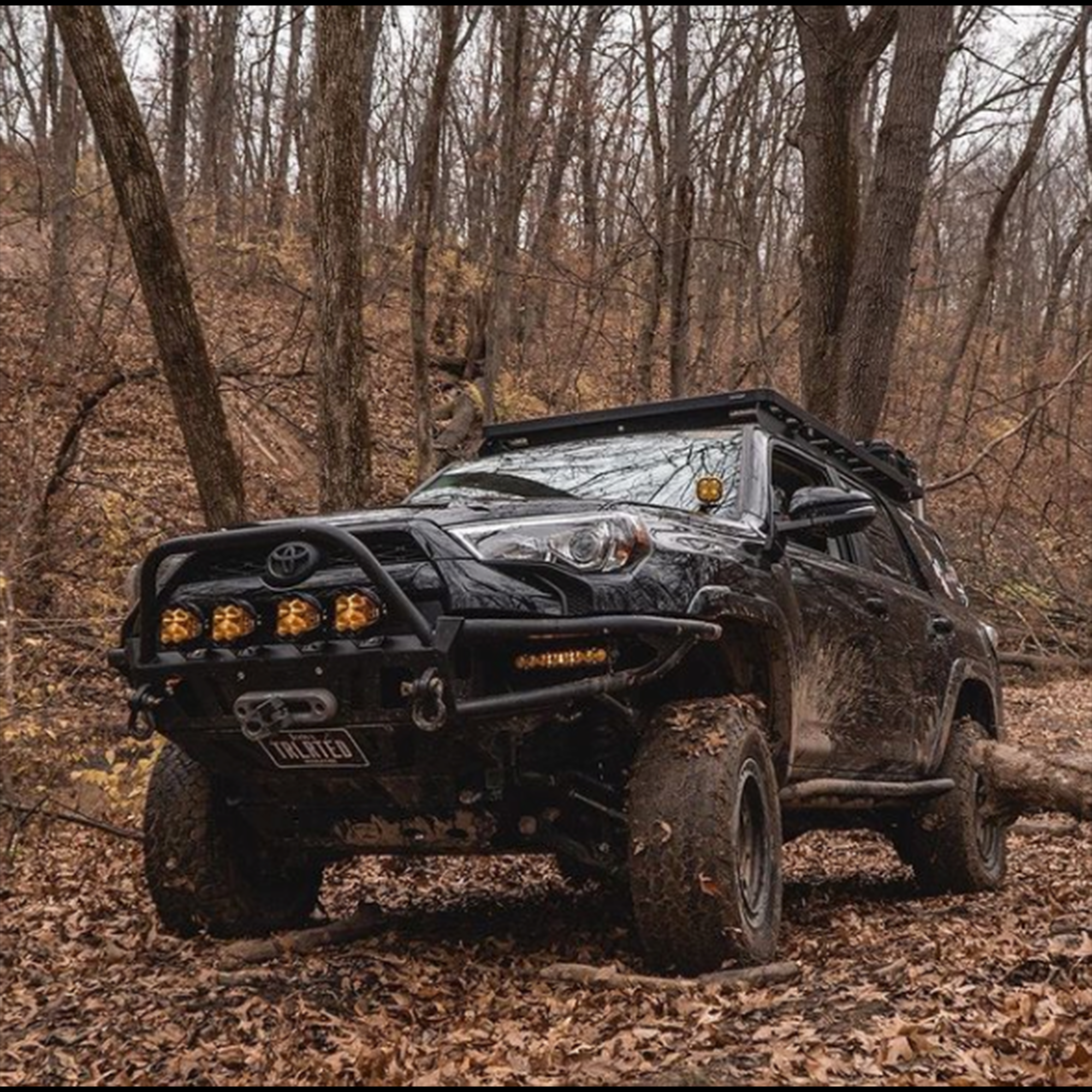
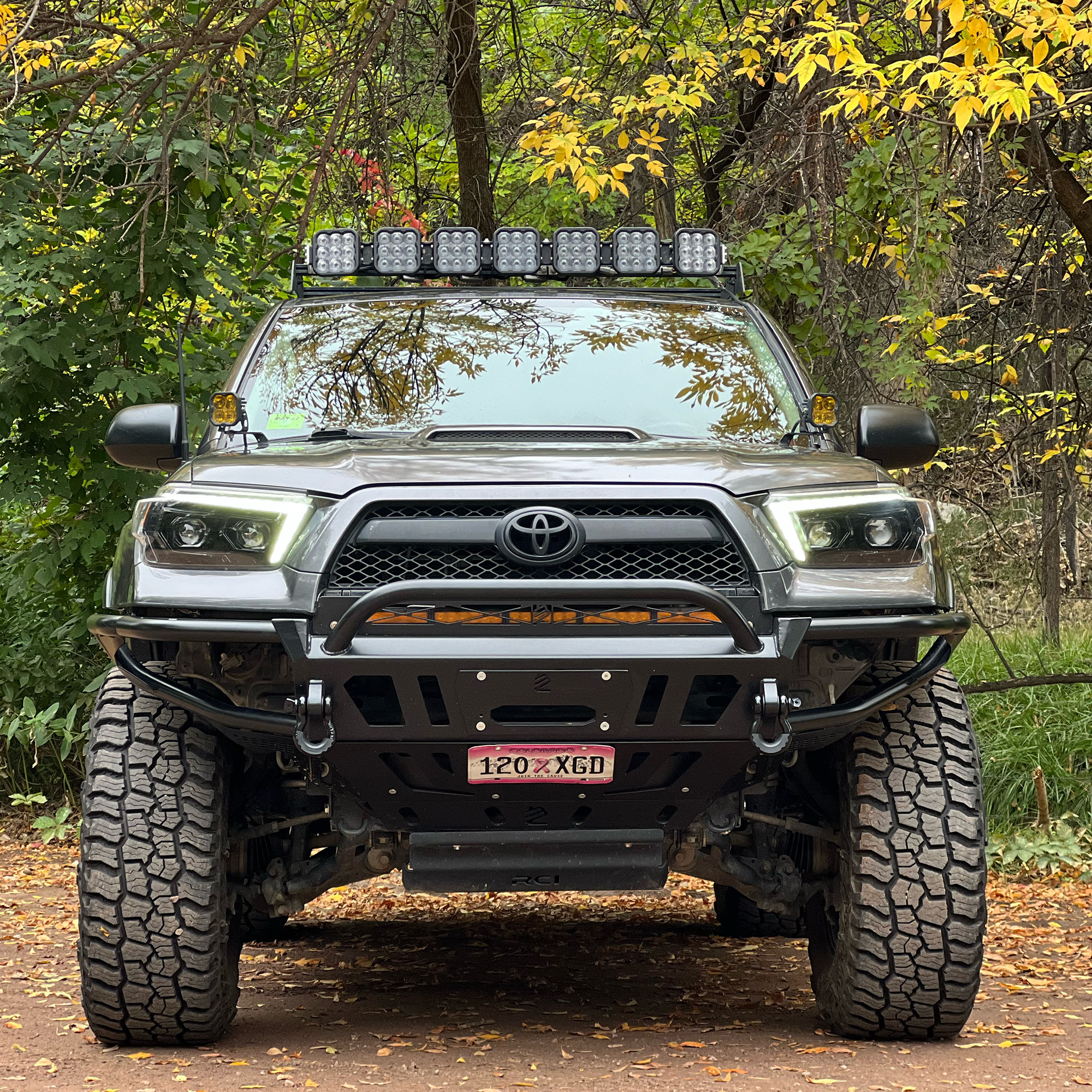
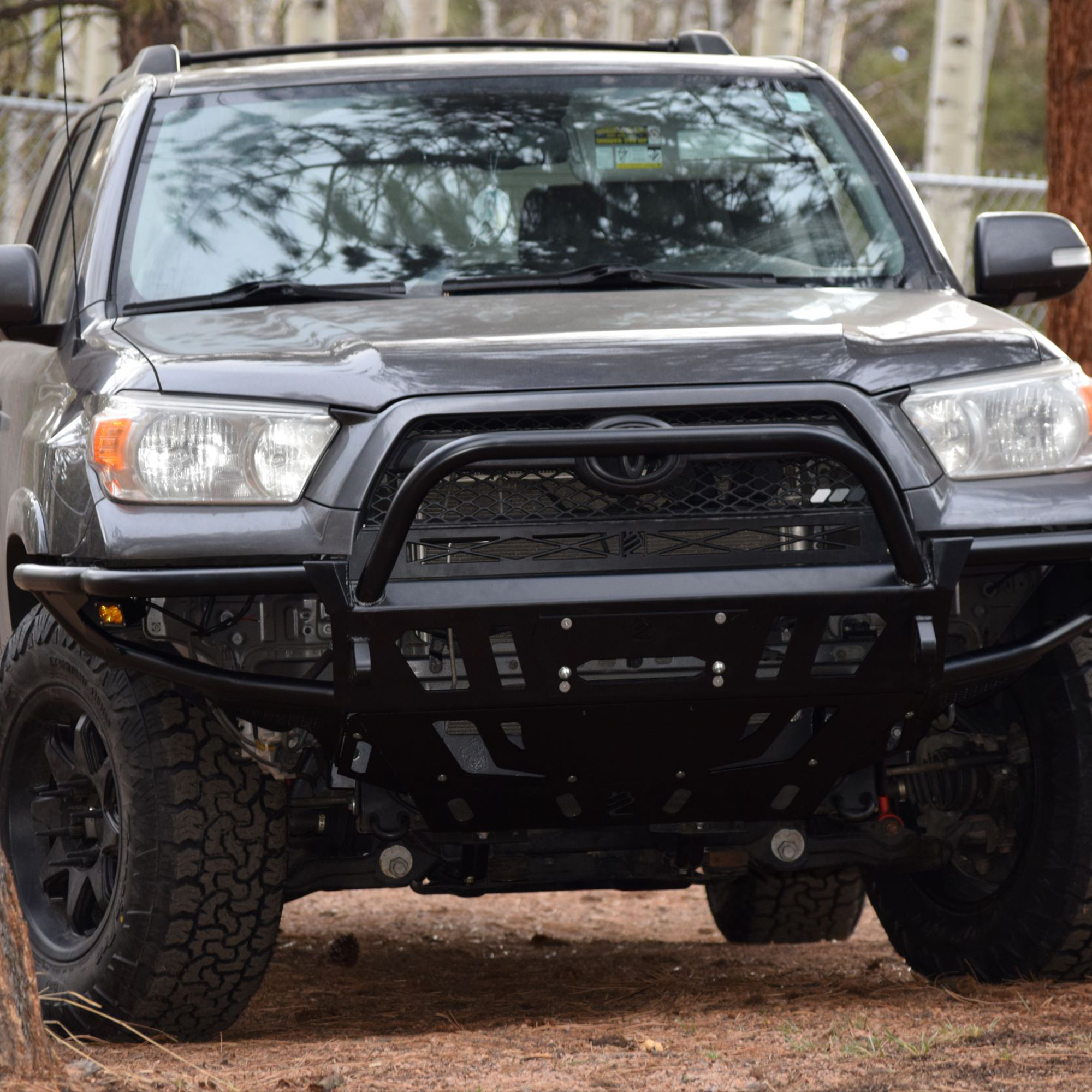
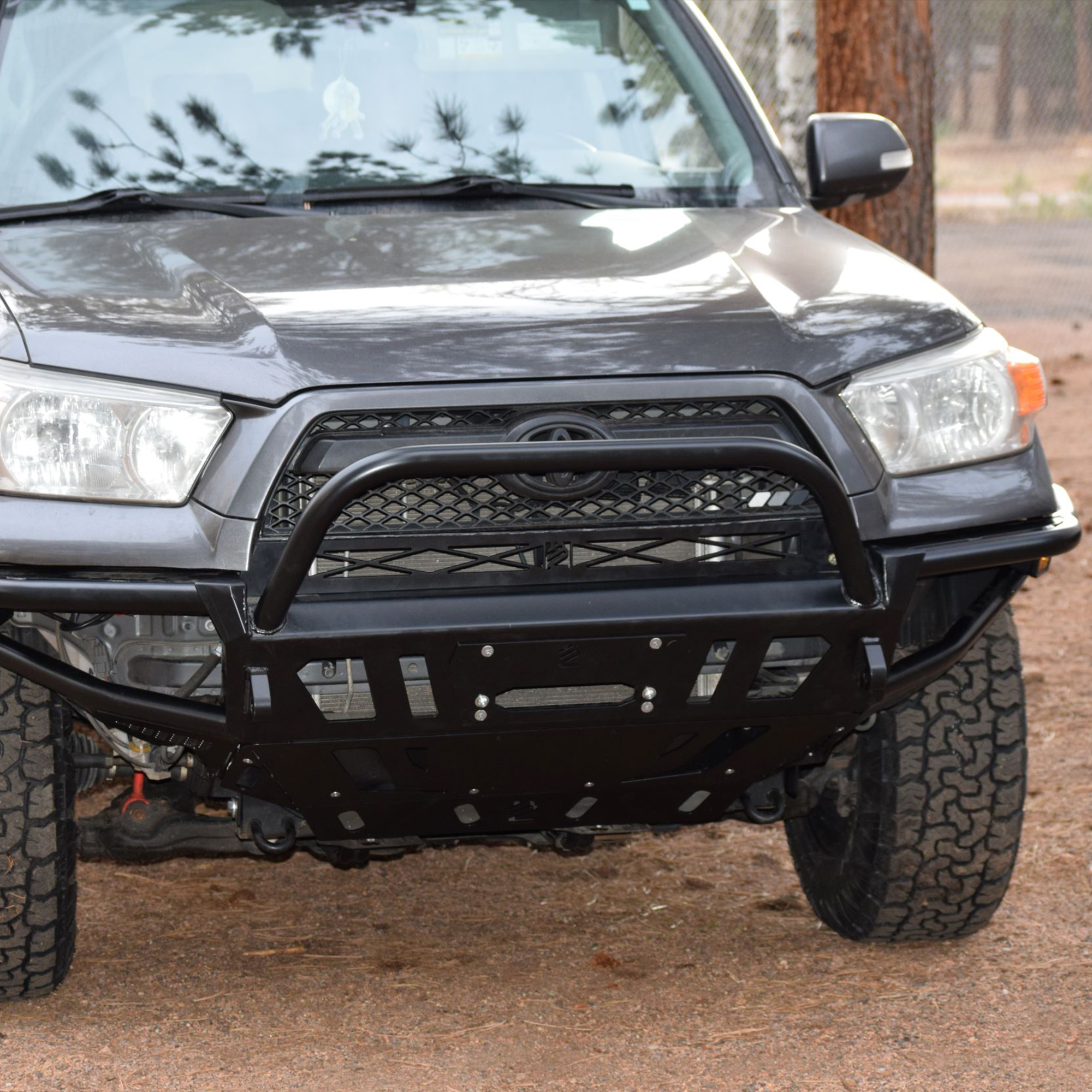
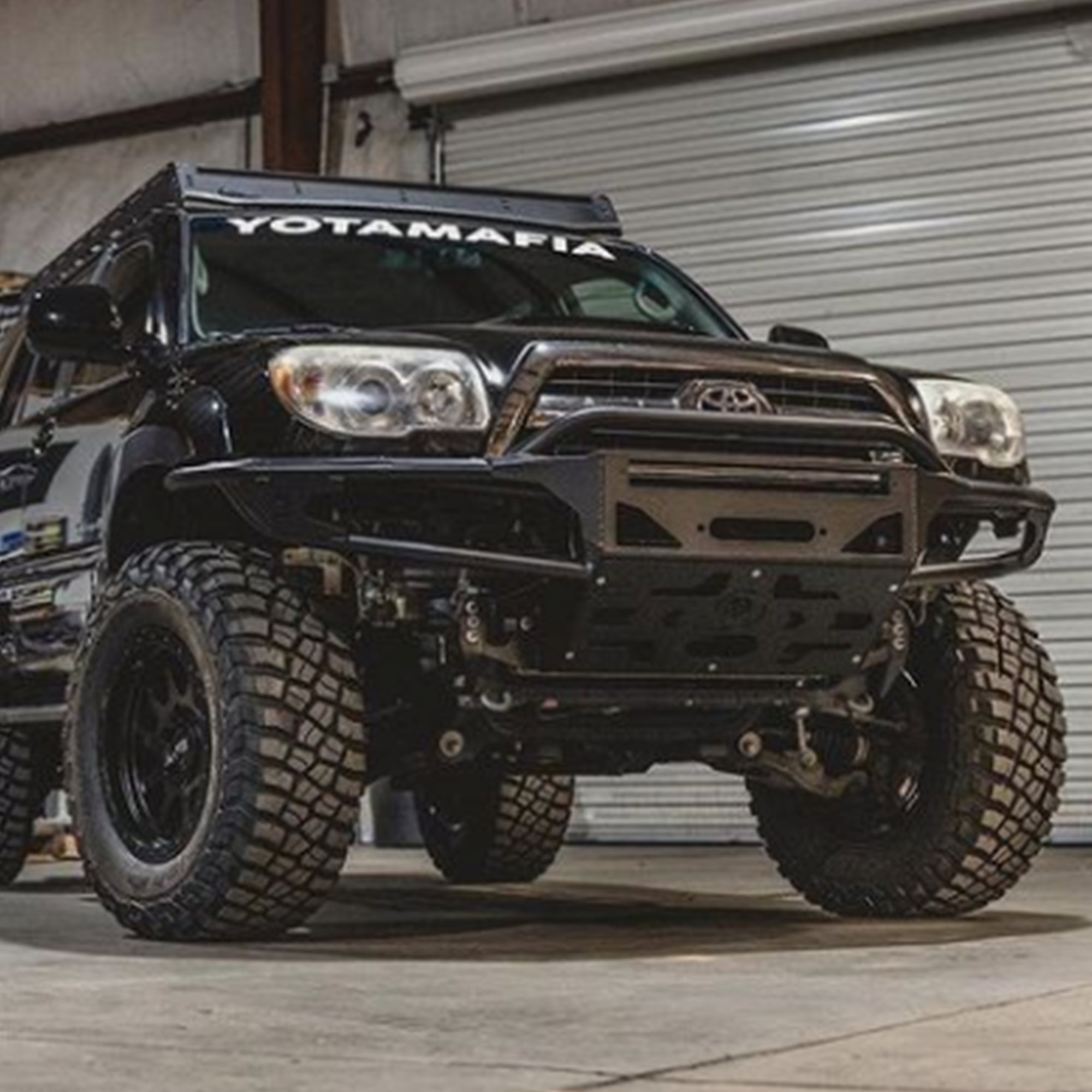
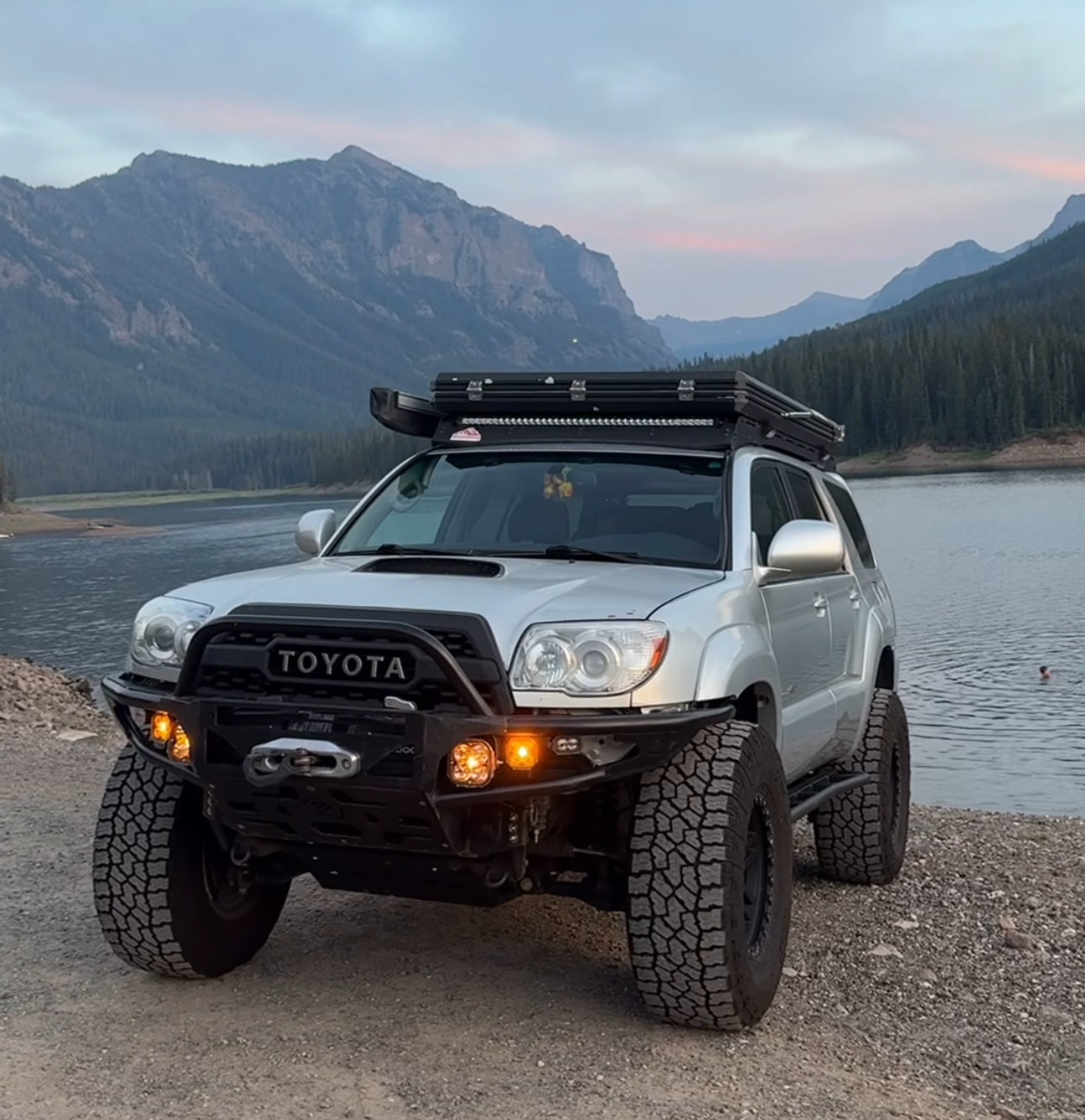
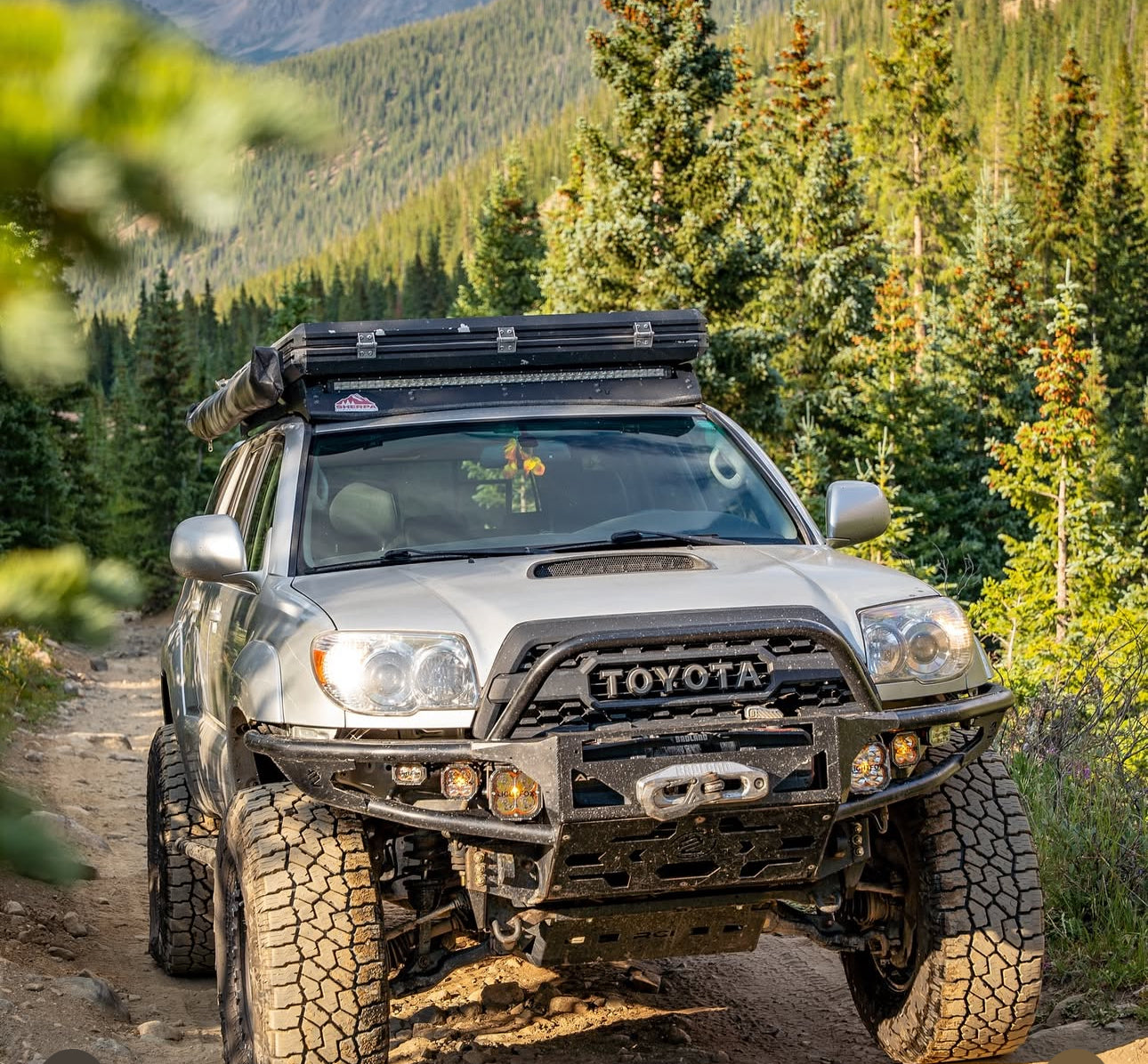
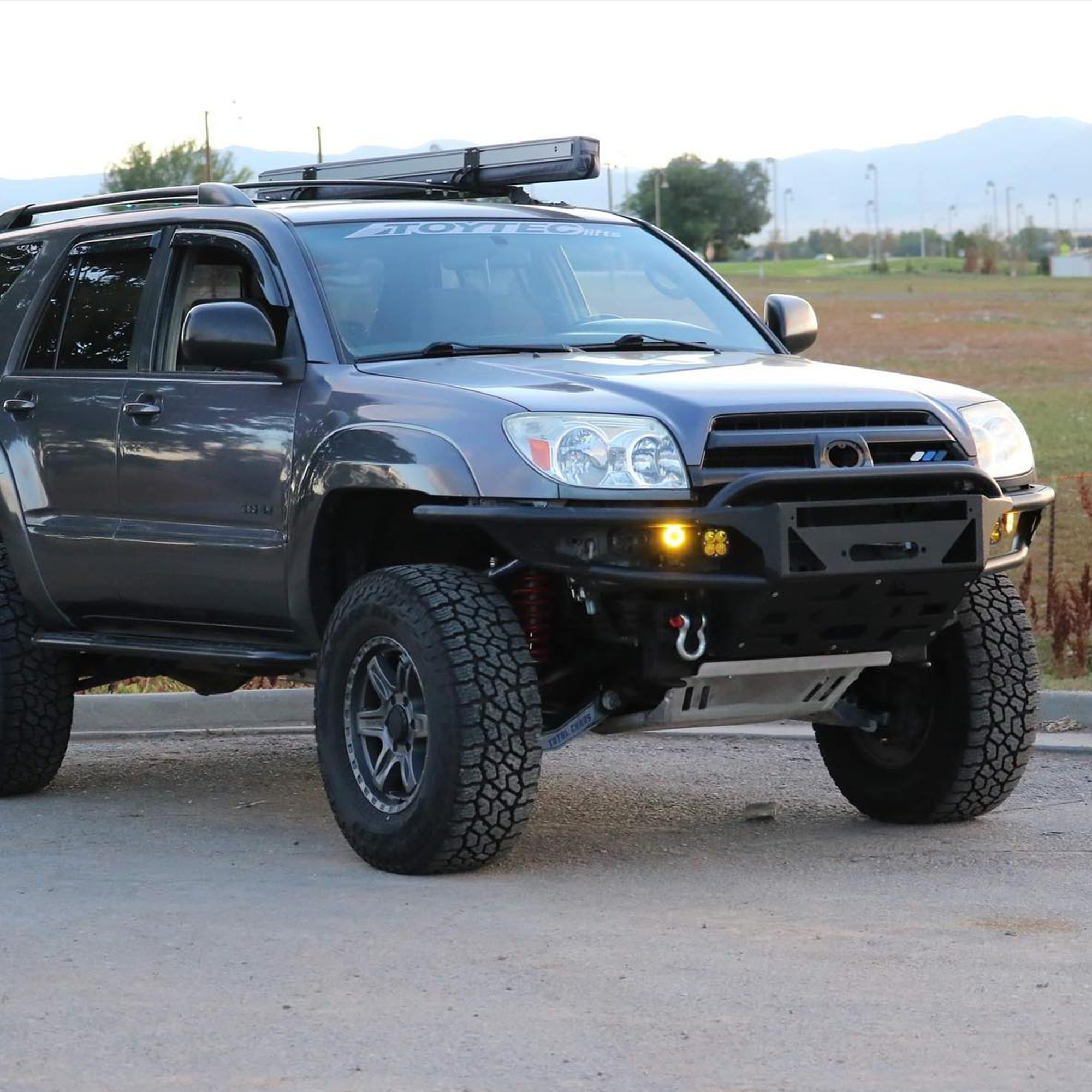
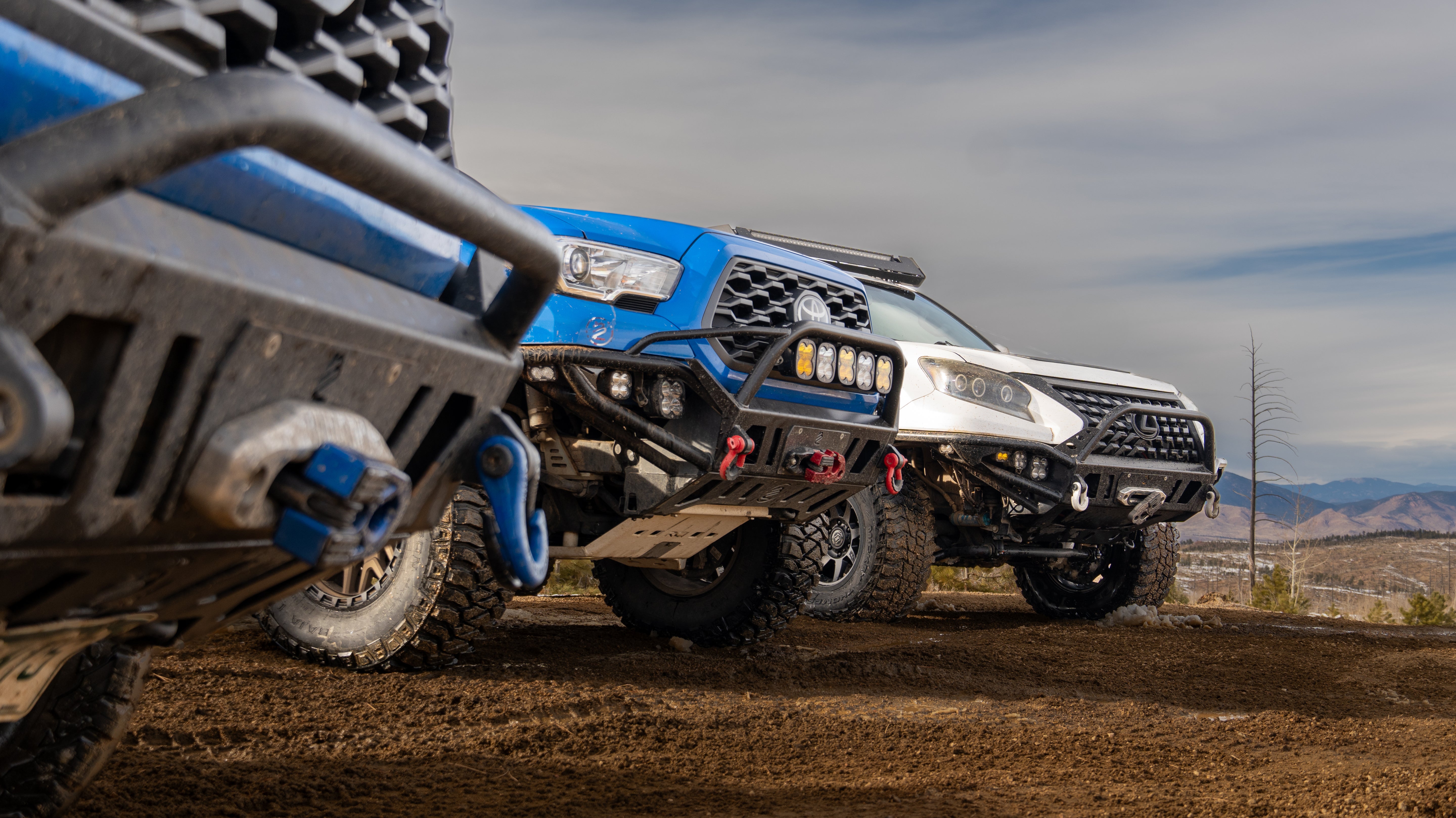
A front bumper is often one of the defining upgrades on an off-road Toyota, but its value extends far beyond appearance.
A well-designed bumper can improve:
-
Approach angle
-
Front-end protection
-
Recovery capability
-
Winch compatibility
-
Tire clearance
For many owners, the right time to install a bumper is when they begin tackling more technical trails or know they'll be adding recovery equipment in the future.
Choosing a bumper with future upgrades in mind—such as integrated winch compatibility or recovery points—can prevent costly replacements later.
Should a front bumper come before a winch?
In most cases, yes. Many winches require a compatible bumper or mounting system, making the bumper a logical first step.
Build Your Recovery Kit Alongside Your Vehicle
Recovery gear often gets overlooked until the first time it's needed.
Rather than treating it as an afterthought, consider building a recovery kit as your vehicle becomes more capable.
Essential recovery equipment may include:
-
Recovery straps
-
Soft or hard shackles
-
Gloves
-
Recovery boards
-
Air compressor
-
Tire repair kit
As you progress into more challenging terrain, a winch and recovery-ready bumper can further expand your options.
The goal isn't to prepare for every possible scenario—it's to be ready for the situations you're most likely to encounter.
Avoid Buying the Same Part Twice
One of the most expensive mistakes in vehicle building is purchasing components that don't support future plans.
Examples include:
-
Buying a bumper that can't accommodate a winch
-
Installing suspension that's too light for future armor
-
Choosing wheels that limit tire options
-
Purchasing accessories that interfere with other upgrades
Each decision should consider not only today's needs but also where you expect the build to be a year or two from now.
Spending a little more time planning often saves significantly more money than rushing into the next modification.
Think About Weight From the Beginning
Every off-road accessory adds weight.
Individually, the increase may seem small. Collectively, the impact becomes much more noticeable.
A typical build might include:
-
Steel front bumper
-
Winch
-
Larger tires
-
Skid plates
-
Roof rack
-
Camping equipment
-
Recovery gear
That additional weight affects:
-
Suspension performance
-
Steering feel
-
Braking
-
Fuel economy
-
Tire wear
Rather than adding accessories simply because they're available, prioritize upgrades that support your intended use.
Thoughtful weight management helps preserve the driving characteristics that make Toyota platforms so enjoyable.
Do you need every popular off-road accessory?
No. The best builds focus on equipment that supports how the vehicle is actually used rather than following trends.
Leave Room for Future Upgrades
Few Toyota builds are finished in a single year.
Most evolve over time as owners gain experience and identify new needs.
Planning ahead makes future upgrades much easier.
For example:
-
A winch-ready bumper allows recovery equipment to be added later.
-
Suspension designed for additional weight reduces the likelihood of future replacements.
-
Choosing compatible skid plates simplifies future armor upgrades.
Thinking several steps ahead doesn't mean buying everything at once.
It means making decisions today that won't limit tomorrow's options.
Focus on Capability, Not Just Appearance
There's nothing wrong with wanting your Toyota to look great.
After all, part of the enjoyment of building an off-road vehicle is creating something that reflects your personality.
But appearance alone shouldn't drive every purchasing decision.
Instead, ask questions like:
-
Will this improve capability?
-
Does it solve a problem?
-
Will it still make sense as my build grows?
-
Does it work well with my other upgrades?
Those questions often lead to smarter investments and a more satisfying ownership experience.
Where Lil B's Fits Into the Build
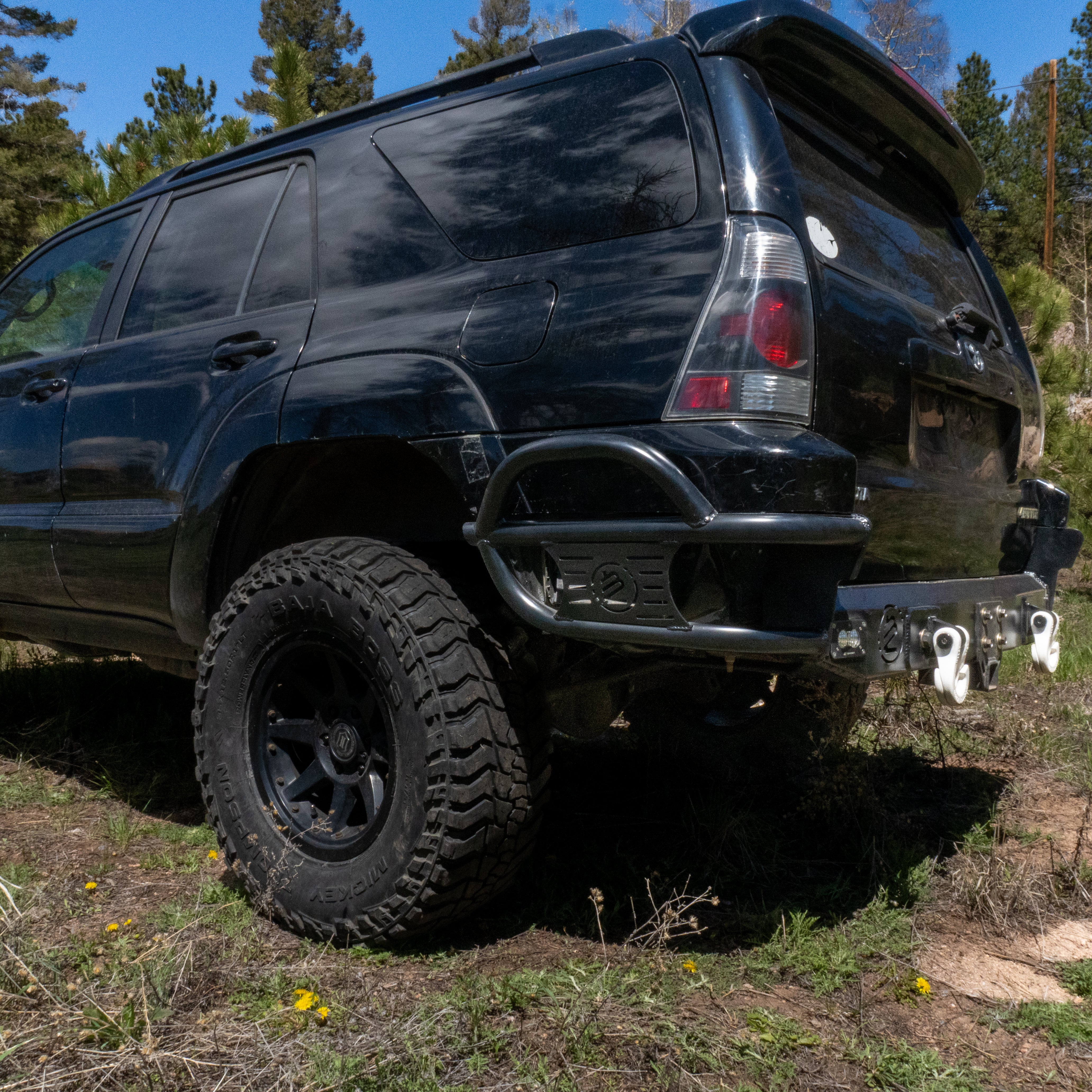
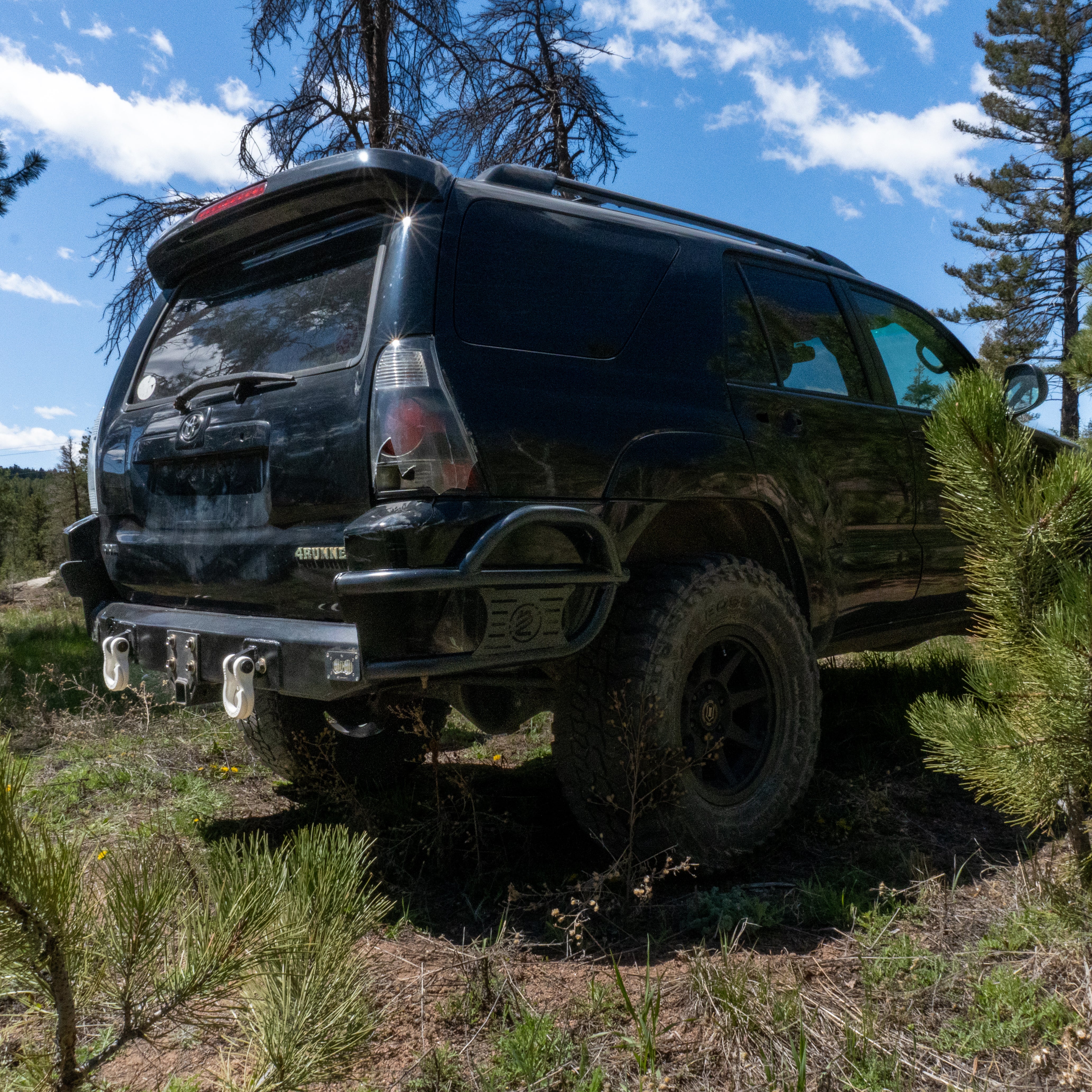
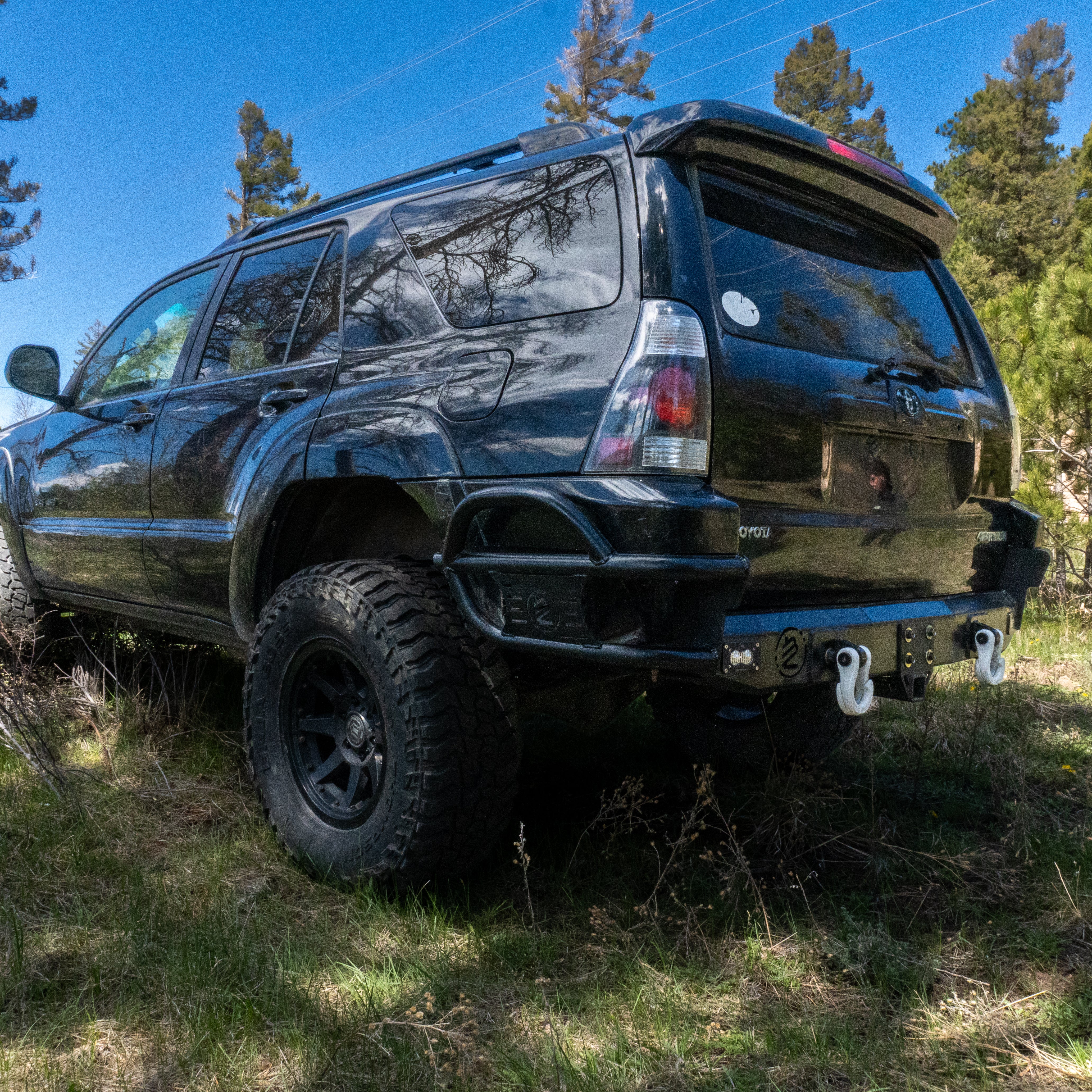
At Lil B's Custom Fabrication, products are designed with the understanding that they're part of a larger system.
A front bumper isn't simply an isolated accessory.
It's connected to:
-
Suspension performance
-
Recovery capability
-
Tire clearance
-
Approach angle
-
Future winch installation
-
Overall vehicle balance
That's why thoughtful engineering and platform-specific design remain central to every product.
The goal is to help Toyota owners build vehicles that continue performing well as their projects evolve.
Is there a perfect order for every Toyota build?
Not necessarily. The ideal sequence depends on how you use your vehicle, but planning ahead helps ensure each modification supports the next.
Conclusion: Build With the End Goal in Mind
Every Toyota build is different.
Some are designed for long-distance overlanding. Others spend weekends exploring forest roads or tackling technical rock trails. Many serve as reliable daily drivers while gradually becoming more capable over time.
No matter your destination, the most successful builds share one thing in common: they follow a plan.
By thinking about tires, suspension, front bumpers, recovery equipment, and future upgrades as parts of a complete system, you'll avoid unnecessary expenses and create a vehicle that's more capable, more reliable, and more enjoyable to own.
Whether you're building a Tacoma, 4Runner, Tundra, FJ Cruiser, or GX Series, the smartest modification isn't always the next one you buy.
It's the one that fits your long-term vision.
Share:
What Makes a High-Clearance Front Bumper Different?
Steel vs. Aluminum Front Bumpers: Which Is Right for Your Toyota?