

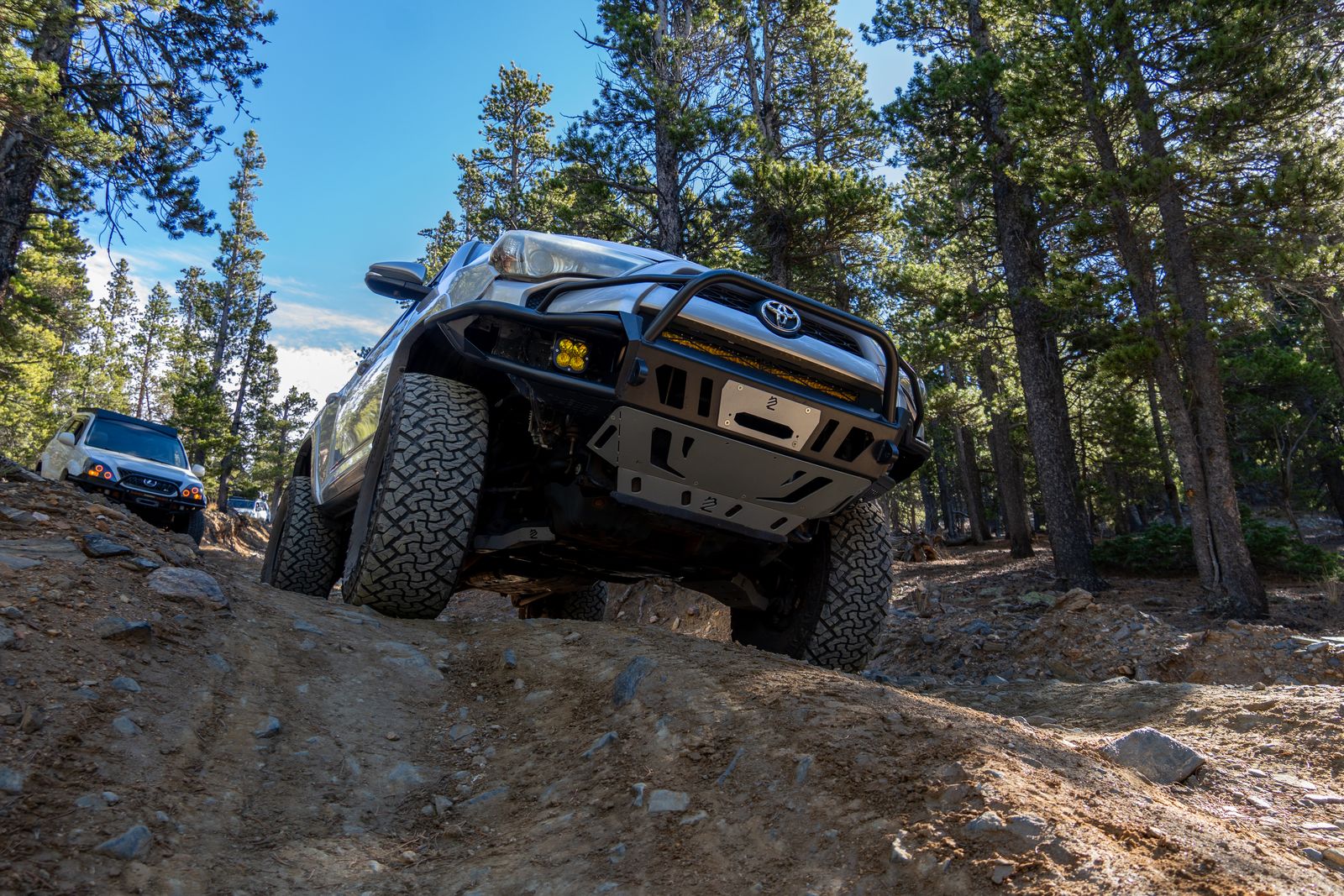
Great Builds Aren't Measured on Day One
It's easy to be impressed by a freshly built Toyota.
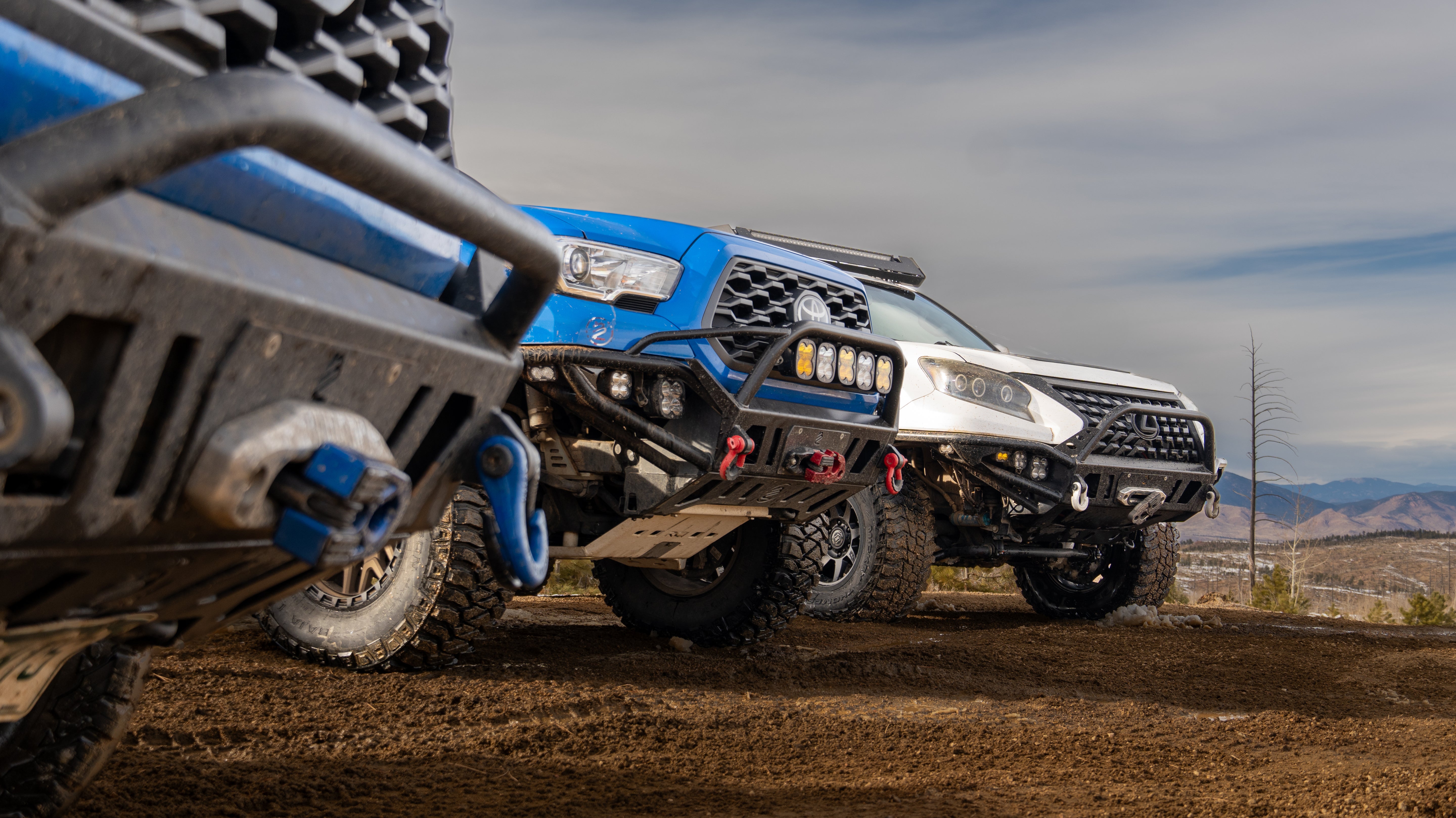
New tires, a front bumper, fresh suspension, and a clean set of wheels can transform the look of a Tacoma, 4Runner, Tundra, FJ Cruiser, or GX Series almost overnight.
But the true measure of a build isn't how it looks the week it's finished.
It's how it performs—and how it looks—five or even ten years later.
Spend enough time around the off-road community and you'll notice something interesting. Some Toyotas continue to look purposeful and perform reliably long after trends have changed. Others quickly feel outdated, require constant repairs, or end up being rebuilt because early decisions didn't support long-term goals.
The difference usually isn't how much money was spent.
It's how the build was planned.
The best Toyota builds don't chase trends. They prioritize quality, functionality, and thoughtful engineering from the very beginning.

Every Modification Should Have a Purpose
One of the easiest ways for a build to lose direction is by adding parts simply because they're popular.
The off-road industry is constantly introducing new accessories, lighting options, racks, and styling trends. While many of these products are useful, not every upgrade belongs on every vehicle.
Before adding a new component, ask yourself:
-
Does this solve a problem?
-
Will I actually use it?
-
Does it complement the rest of my build?
-
Will it still make sense several years from now?
When every modification has a clear purpose, the finished vehicle feels cohesive rather than cluttered.
Do you need every popular off-road accessory?
No. The most capable Toyota builds focus on upgrades that support how the vehicle is actually driven, not what's currently trending online.
Quality Parts Usually Cost Less Over Time
Budget-friendly parts can be tempting, especially when starting a build.
But replacing the same component multiple times often costs more than investing in quality from the beginning.
Higher-quality components typically offer:
-
Better fitment
-
Stronger materials
-
Improved finishes
-
Longer service life
-
Better compatibility with future upgrades
That doesn't mean every part has to be the most expensive option available.
It means evaluating products based on value, durability, and engineering—not price alone.
Build for Your Adventures, Not Someone Else's
Social media has made it easier than ever to compare builds.
The downside is that it's also easy to build a vehicle around someone else's needs.
A weekend camping rig doesn't require the same setup as a dedicated rock crawler.
Likewise, a daily-driven GX or Tundra may benefit from a completely different combination of modifications than a trail-only FJ Cruiser.
The best builds reflect how the owner actually uses the vehicle.
That often results in fewer unnecessary accessories, better ride quality, and a Toyota that's more enjoyable both on and off the trail.
Good Fitment Never Goes Out of Style
One characteristic shared by many long-lasting builds is attention to detail.
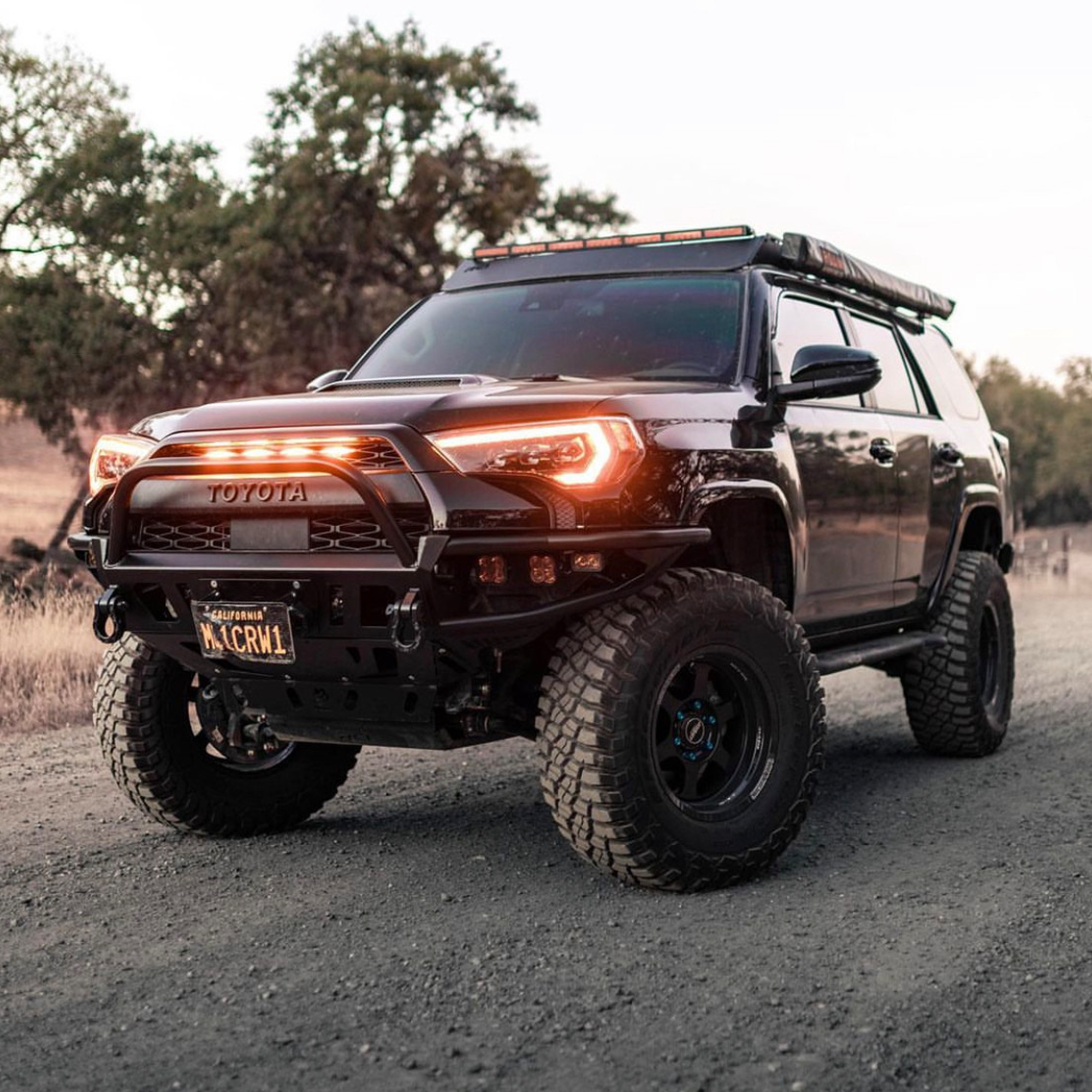
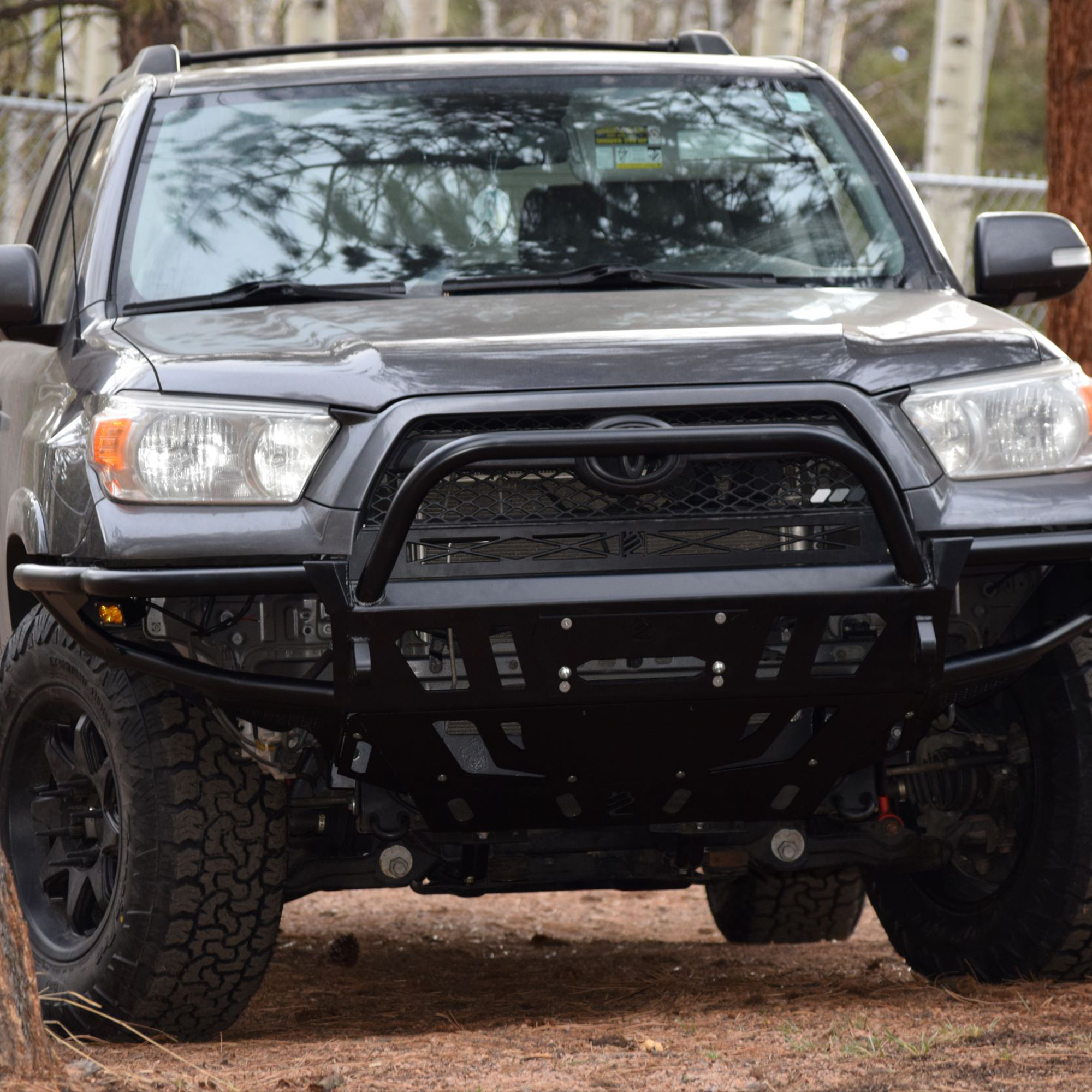
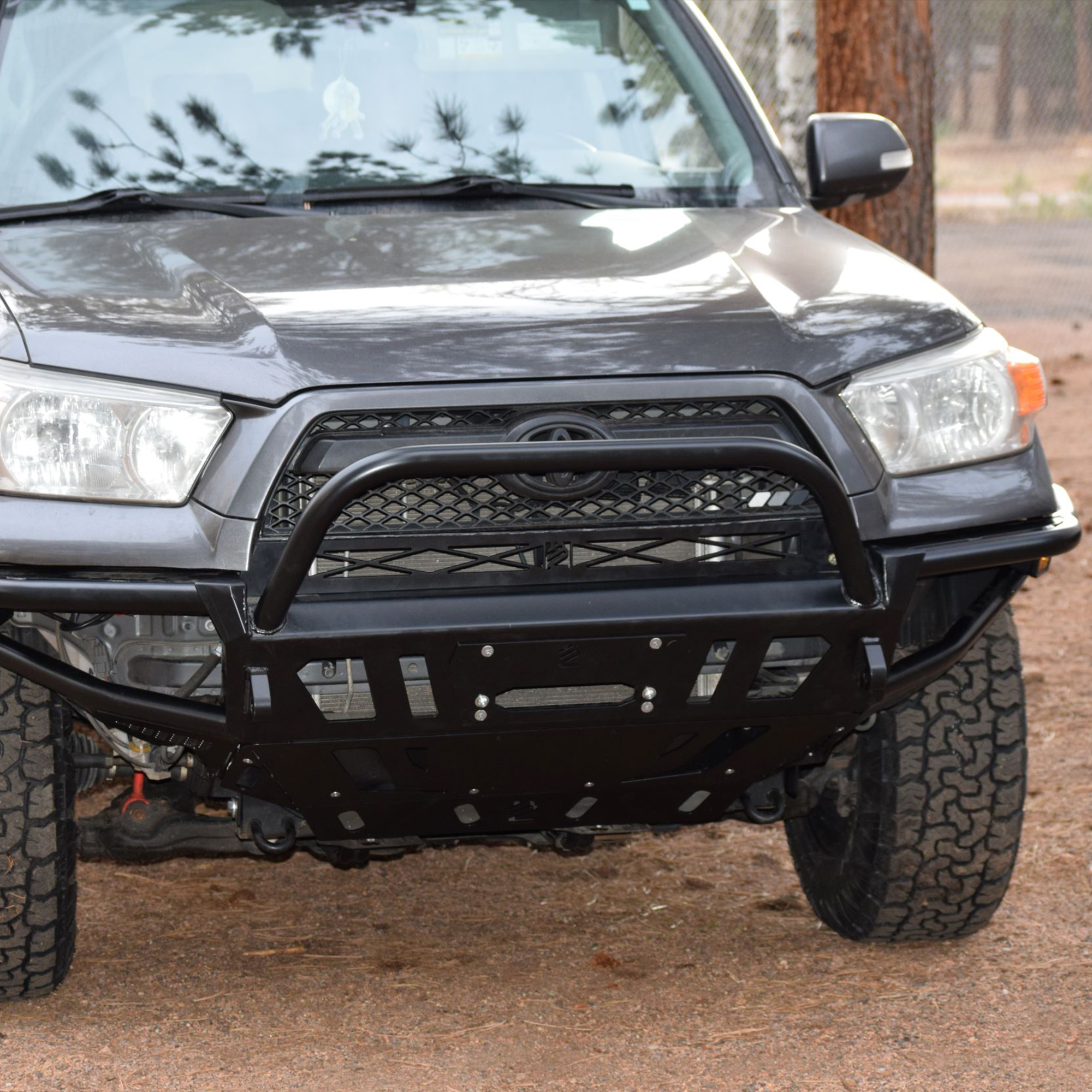
Even years after completion, these vehicles often stand out because everything fits the way it should.
Well-designed components typically provide:
-
Tight panel gaps
-
Clean body lines
-
Consistent hardware
-
Proper alignment
-
Factory-inspired appearance
Good fitment doesn't just improve aesthetics.
It often reflects thoughtful engineering and careful manufacturing.
Why does fitment matter so much?
Proper fitment improves appearance, reduces unwanted movement or vibration, and helps aftermarket components integrate naturally with the rest of the vehicle.
Think Beyond Today's Upgrade
Many owners build their Toyotas over several years rather than all at once.
Planning for future upgrades helps prevent expensive changes later.
For example:
-
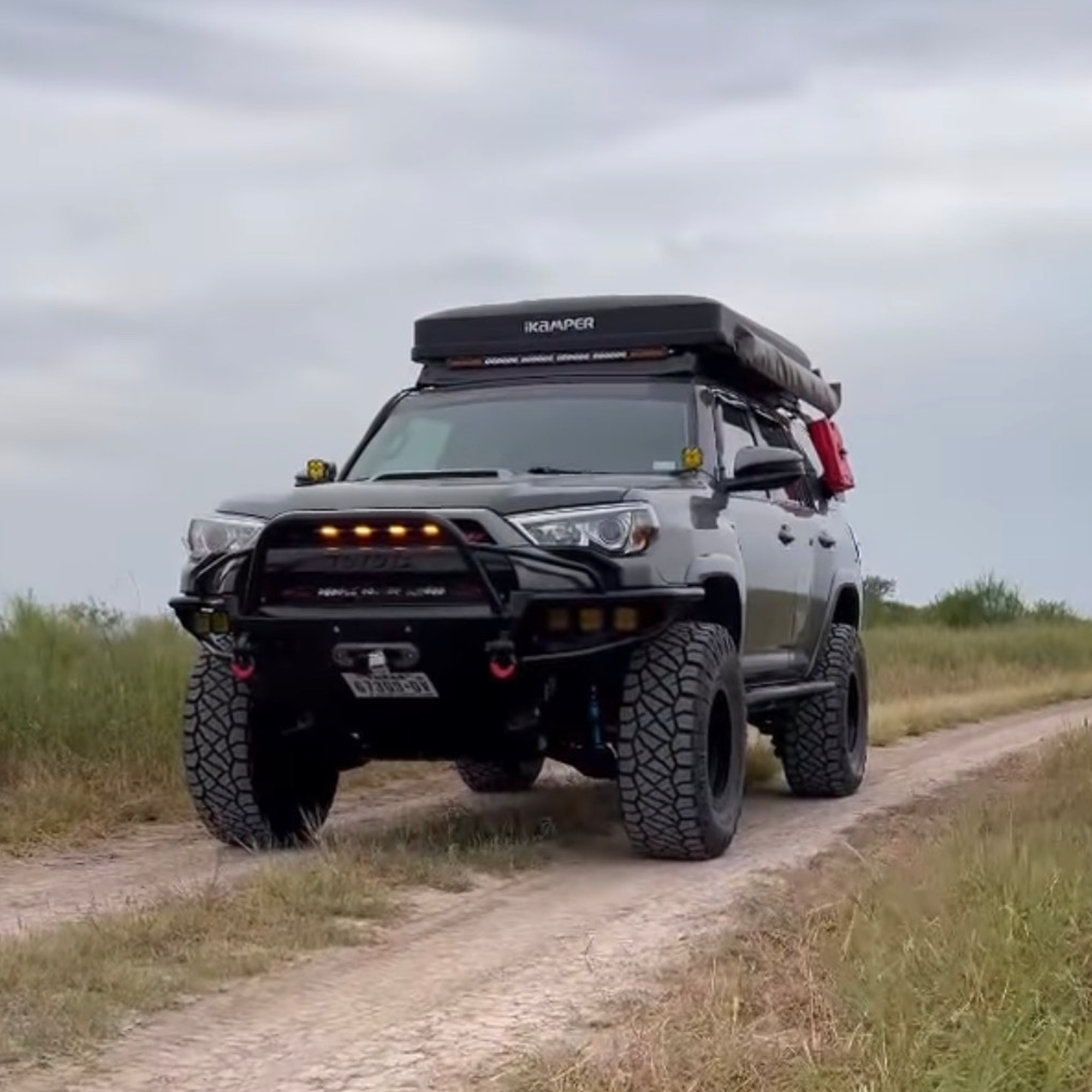
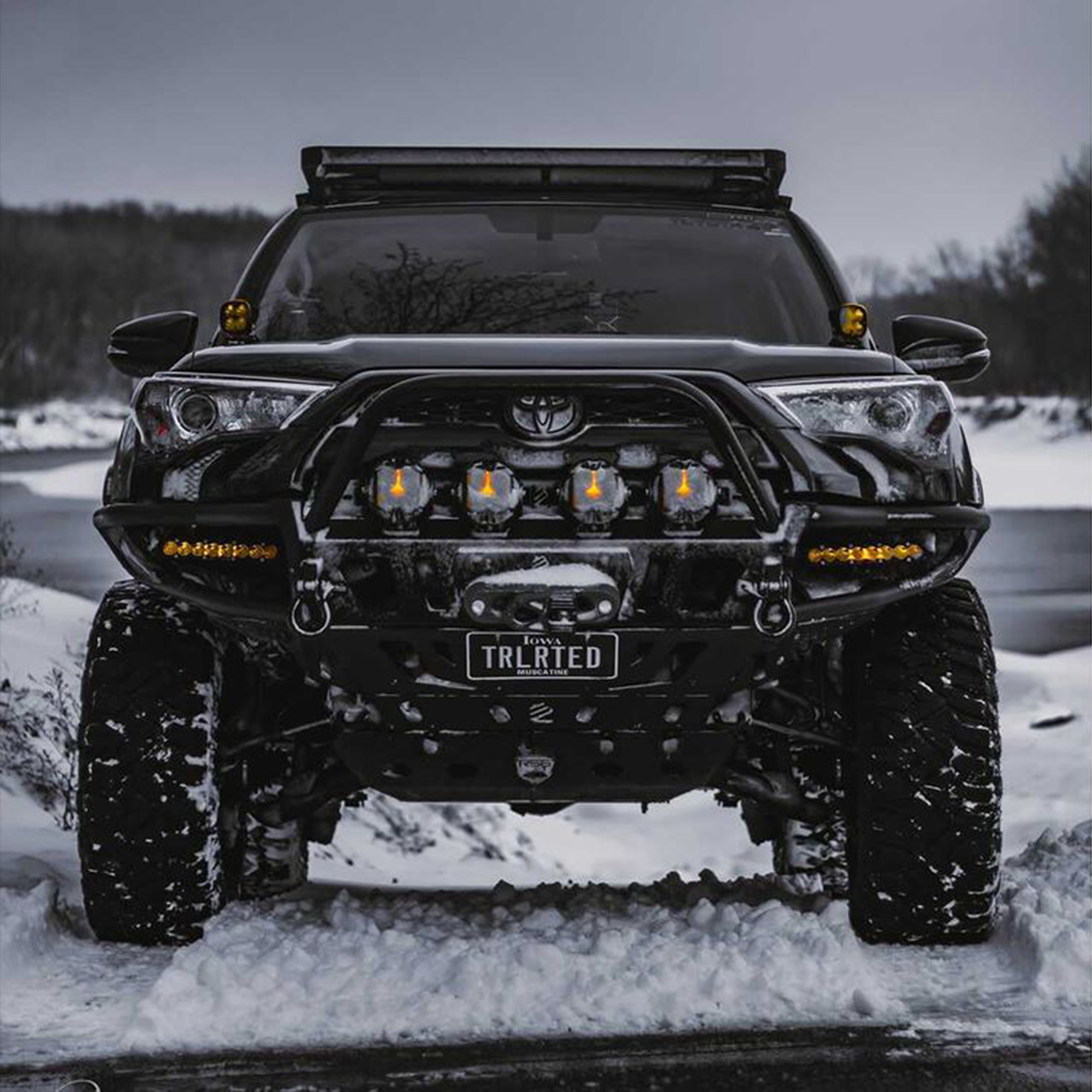
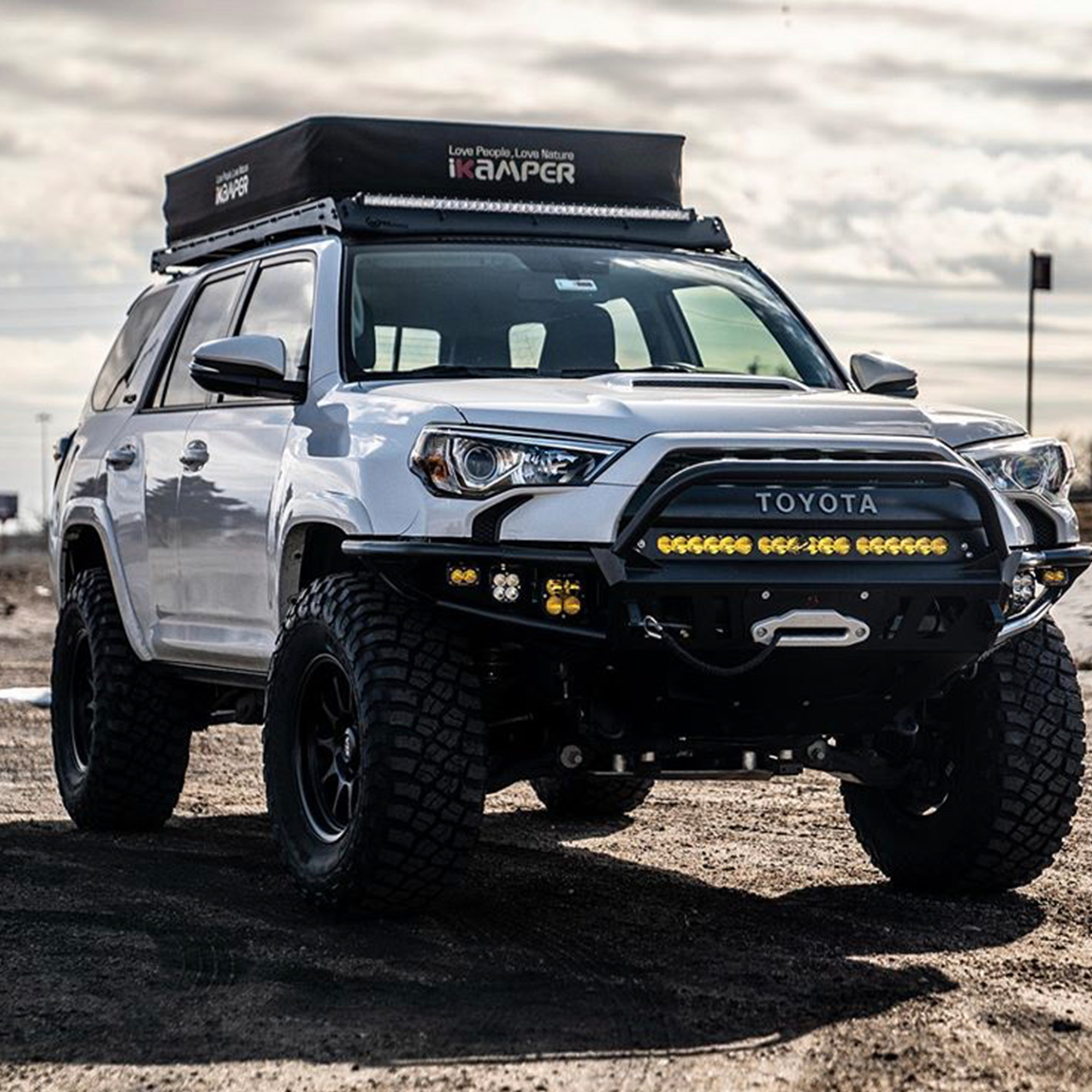
A winch-ready bumper simplifies adding recovery equipment later.
-
Suspension designed for additional weight accommodates future armor.
-
Recovery-ready components reduce the need for duplicate purchases.
Thinking ahead allows the vehicle to evolve naturally instead of requiring major revisions every time a new modification is added.
Maintenance Is Part of Every Successful Build
Even the best-built Toyota requires maintenance.
Mud, water, road salt, and trail debris gradually affect every vehicle.
Simple habits help preserve your investment:
-
Wash the undercarriage after muddy trips.
-
Inspect recovery points regularly.
-
Check bumper hardware periodically.
-
Touch up damaged finishes when needed.
-
Replace worn recovery equipment before it fails.
These small maintenance tasks often make the difference between a build that still looks great after years of use and one that deteriorates quickly.
Timeless Design Beats Chasing Trends
Off-road styling changes just like every other industry.
Wheel designs evolve.
Lighting trends change.
Accessory placement comes and goes.
Yet many of the most respected Toyota builds continue to look current because they prioritize clean, functional design instead of following every trend.
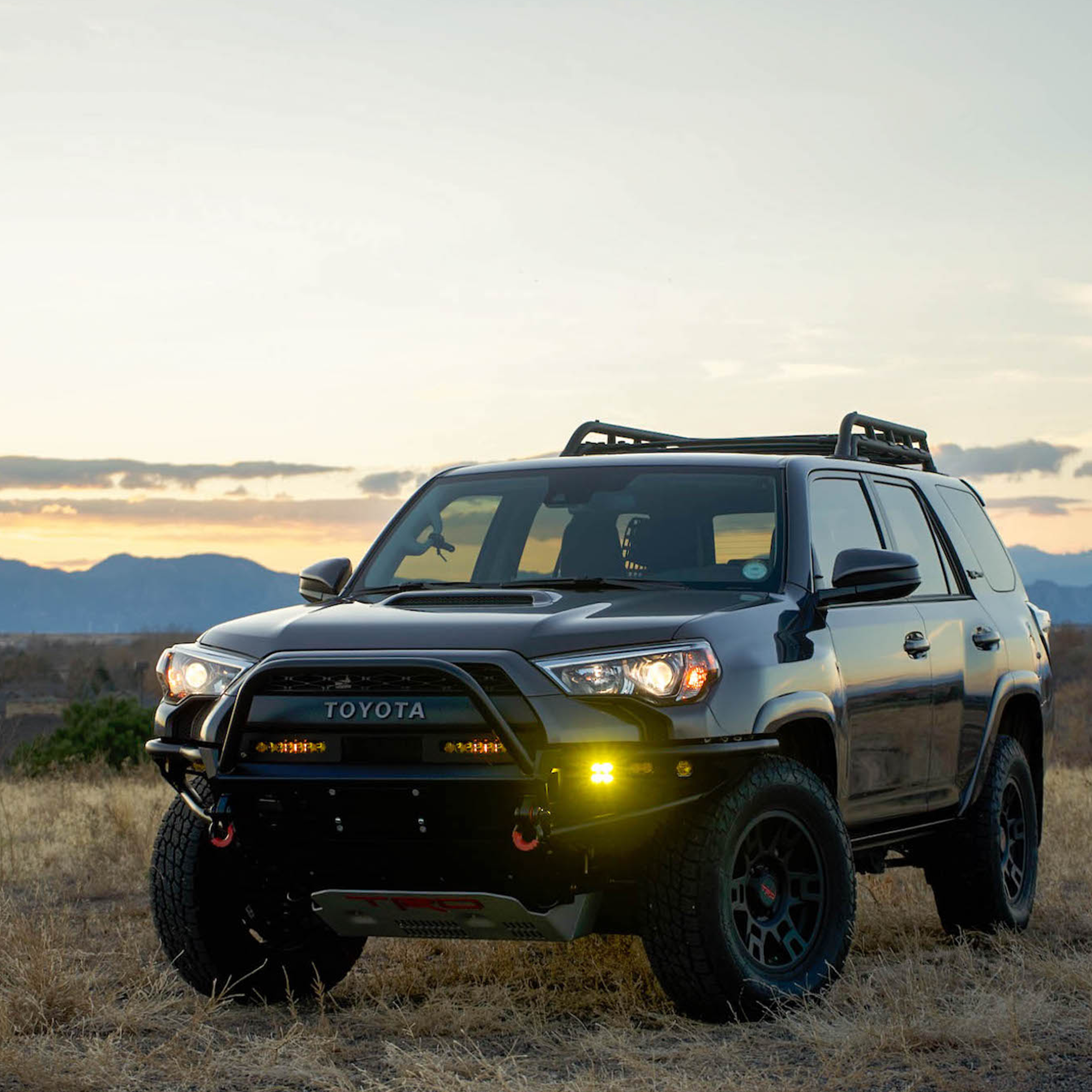
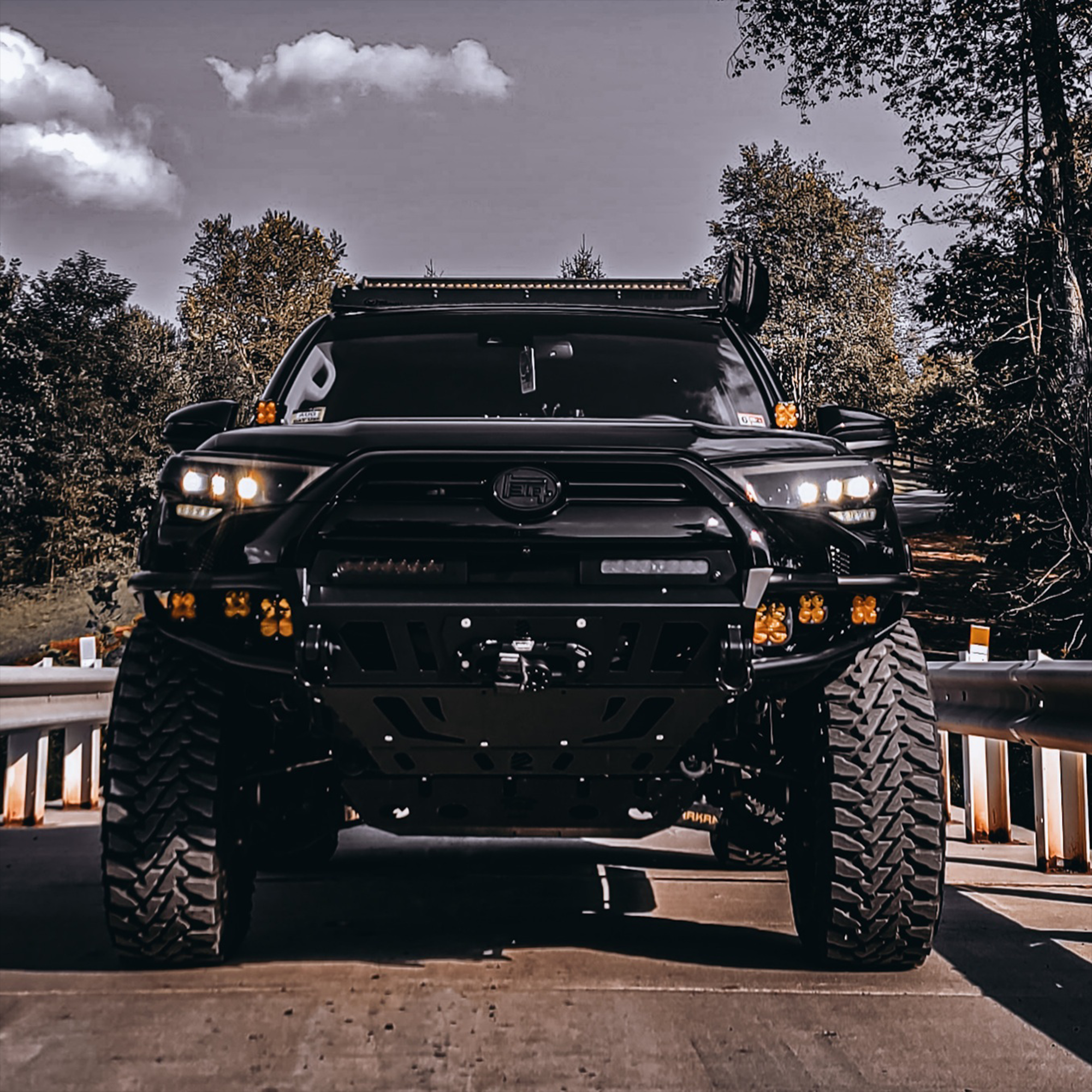
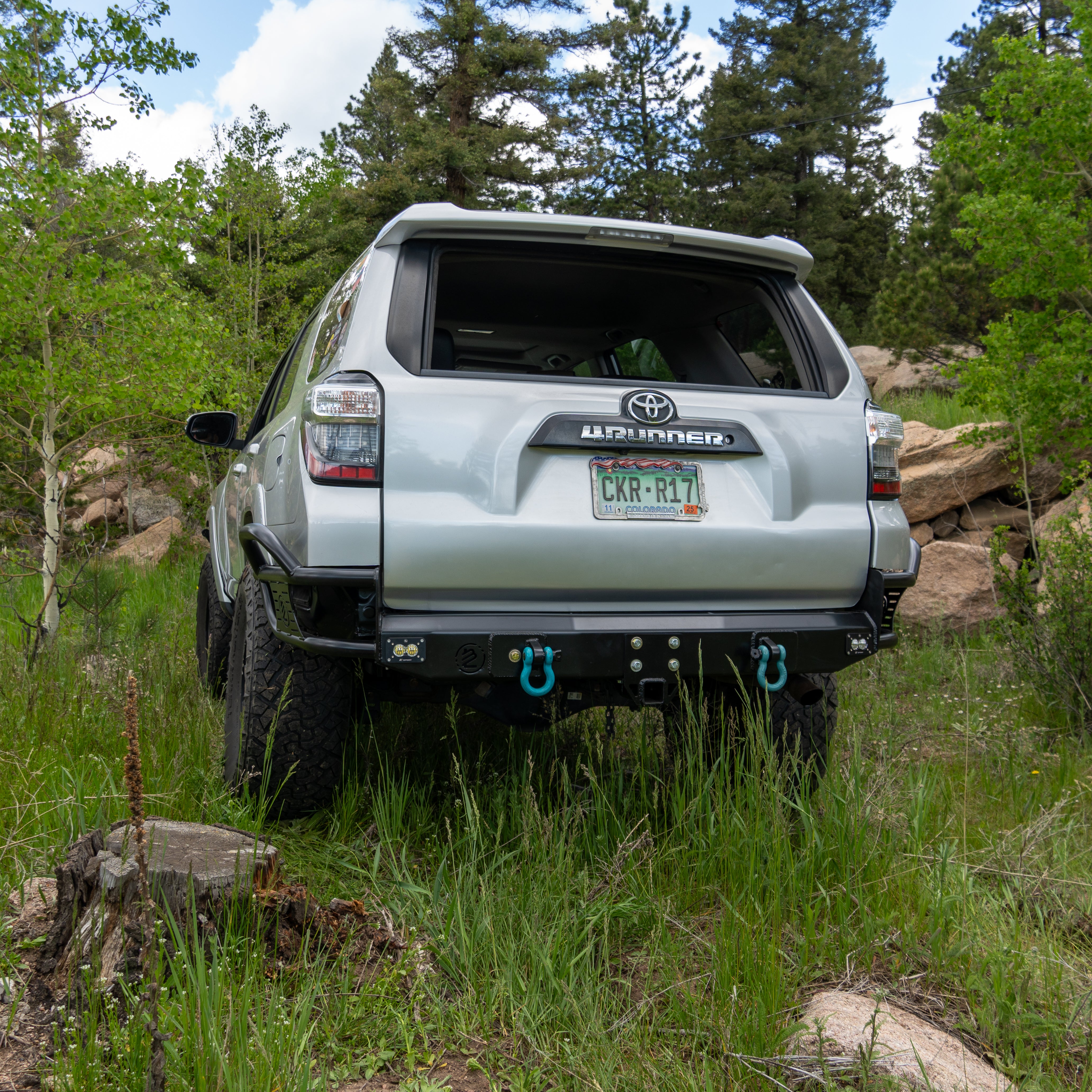
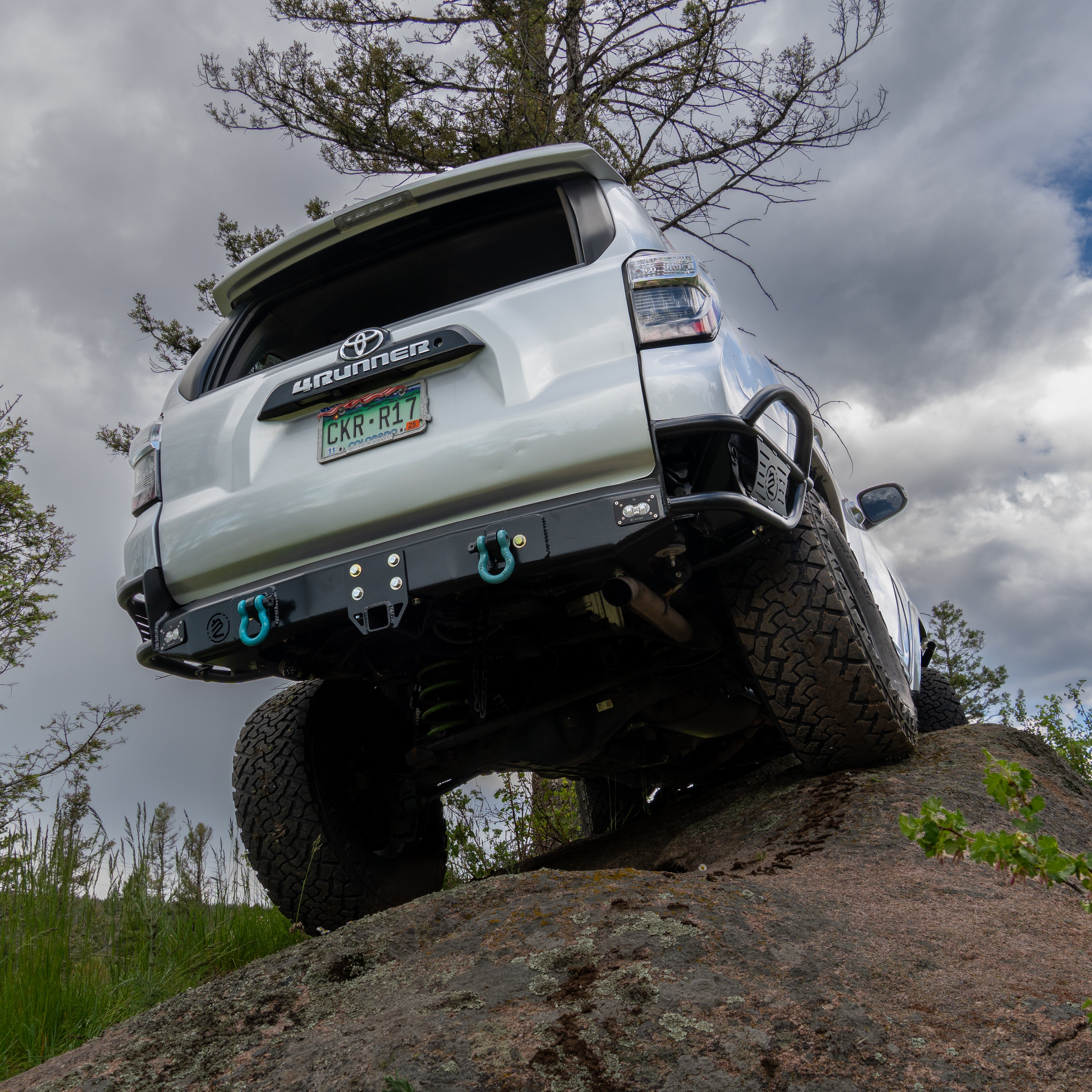
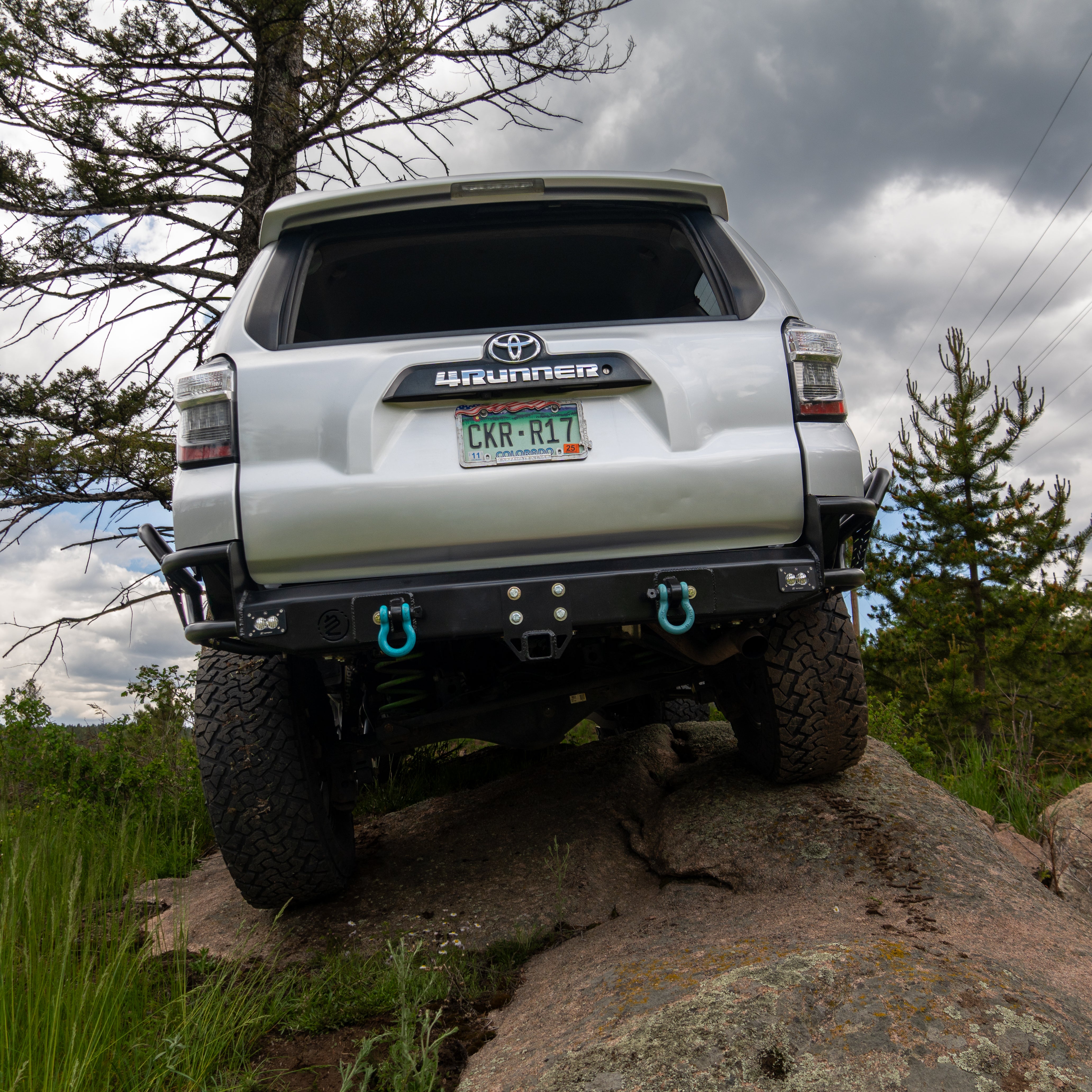
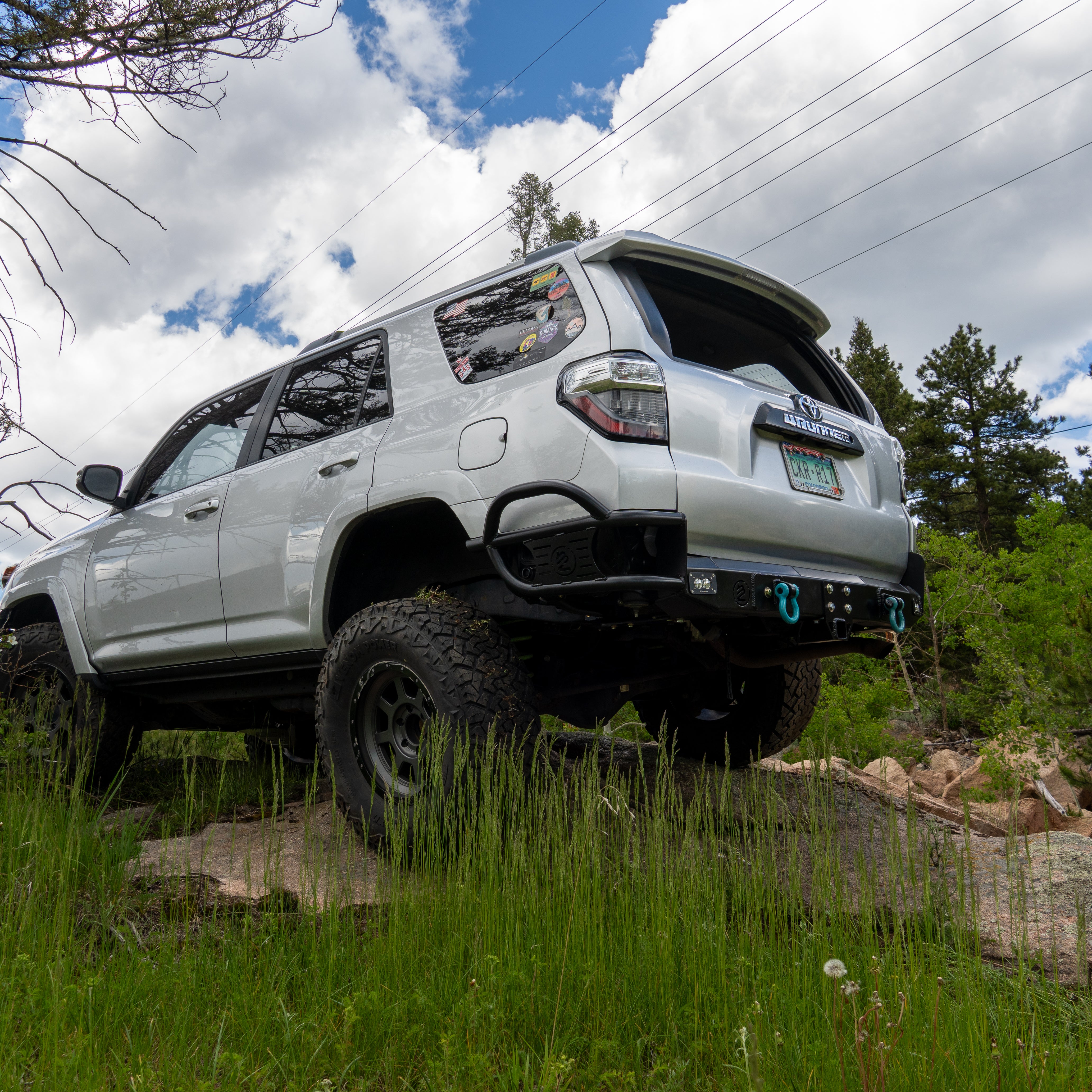
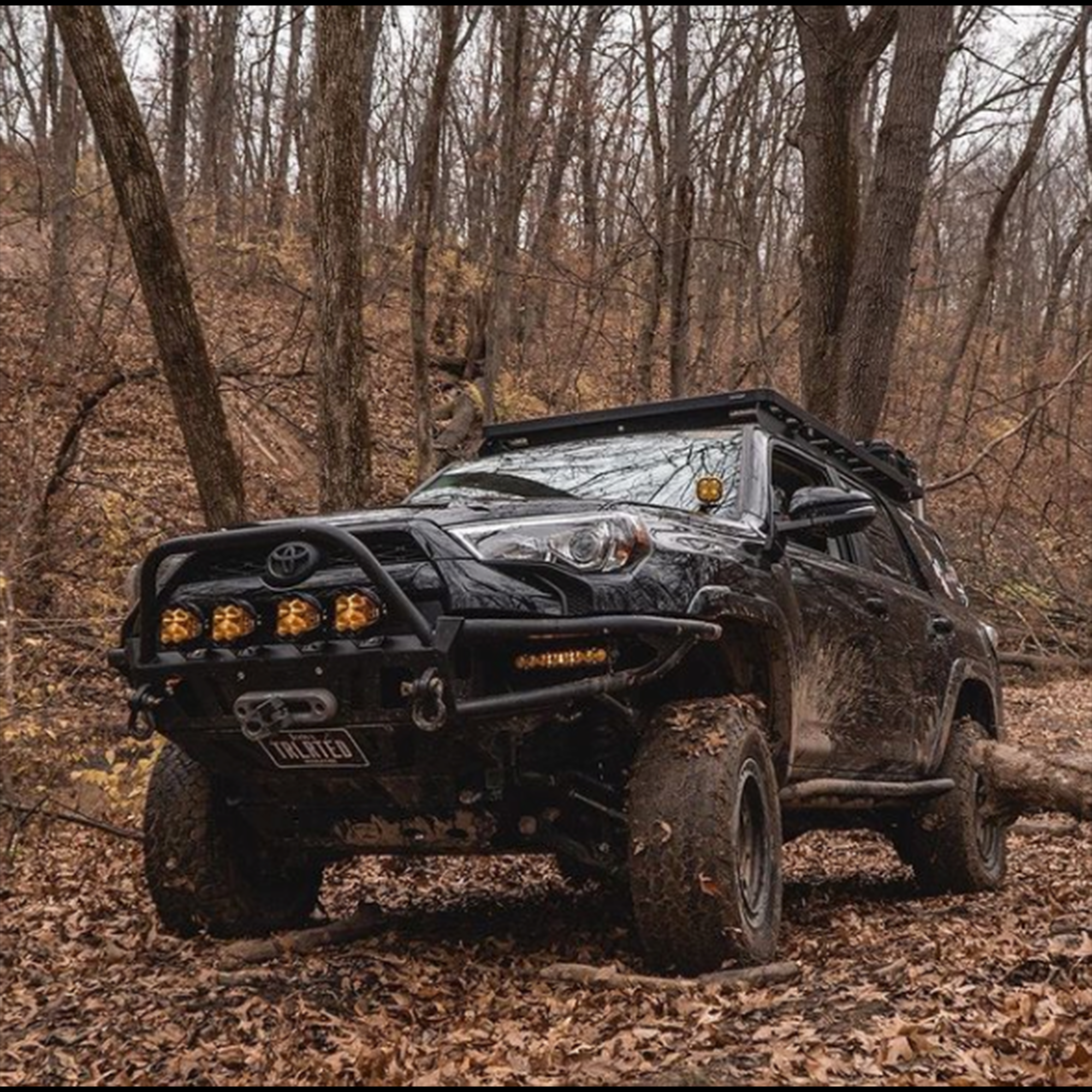
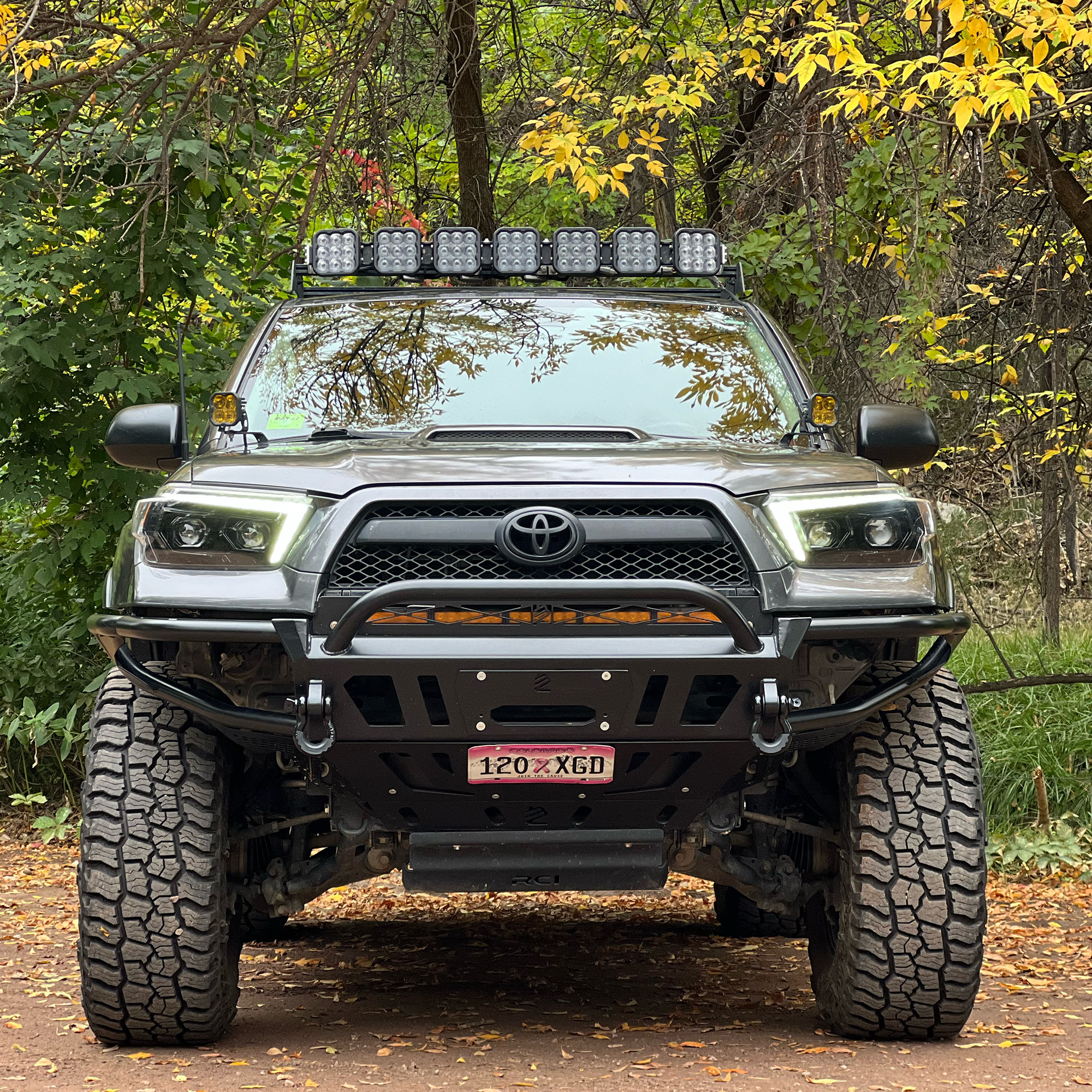
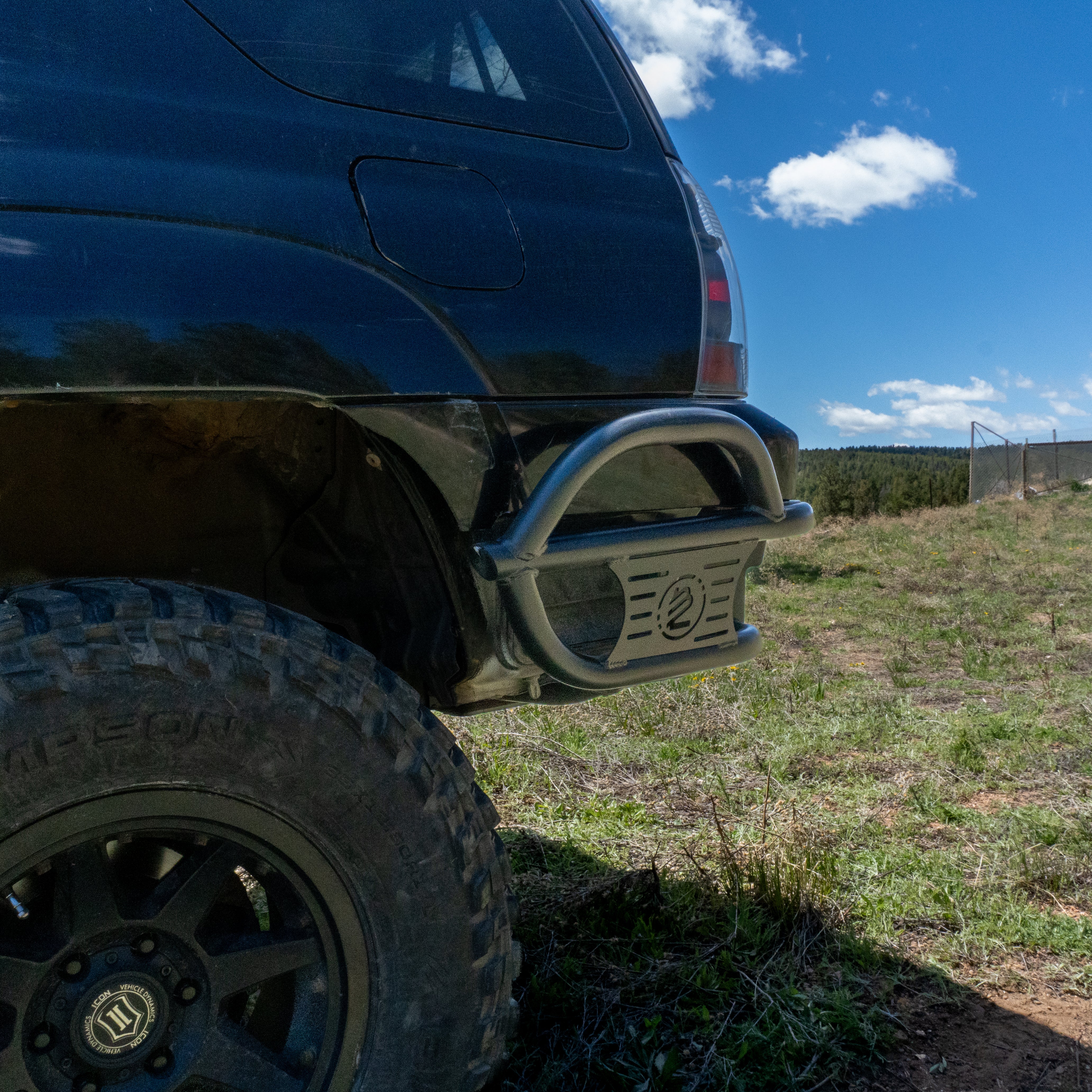
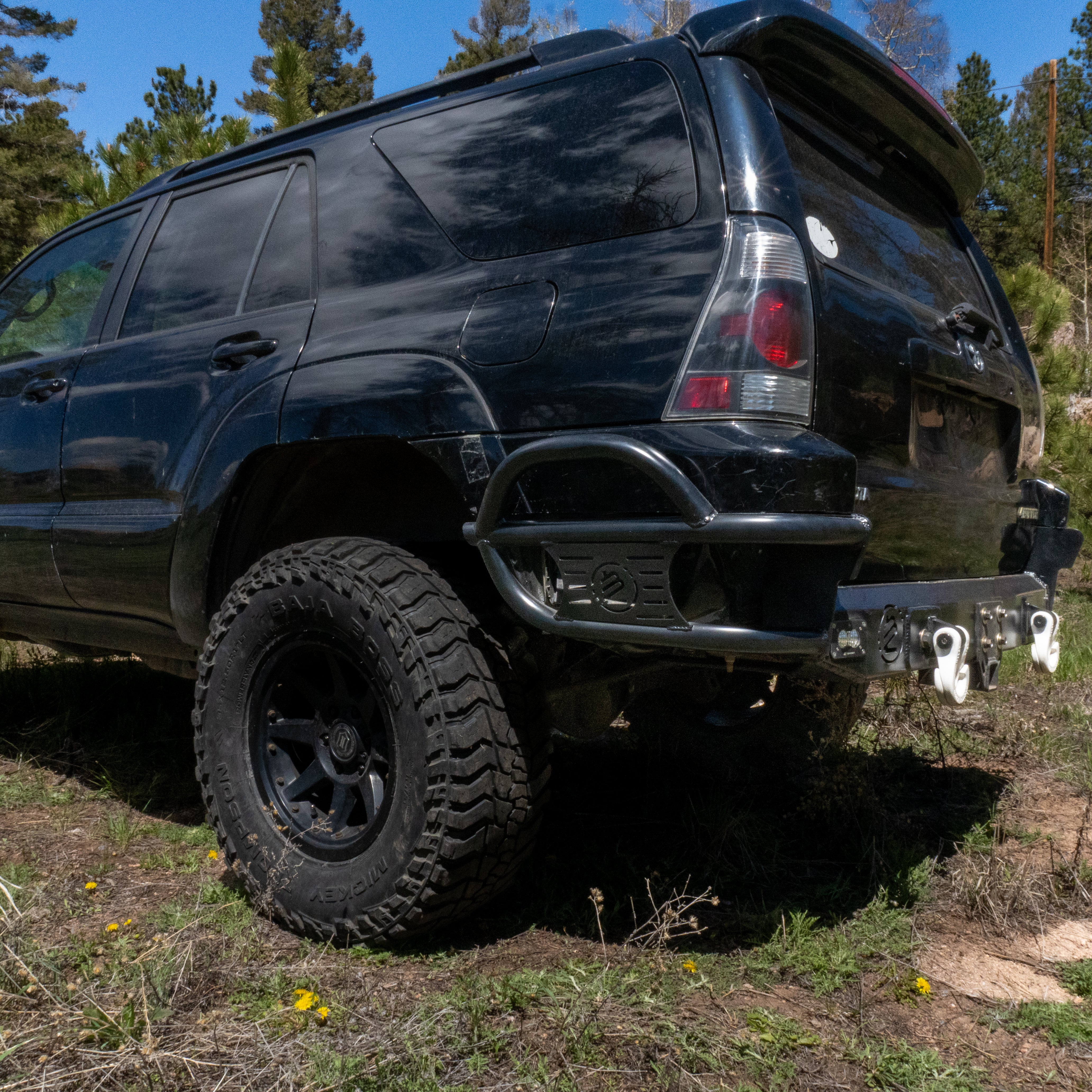
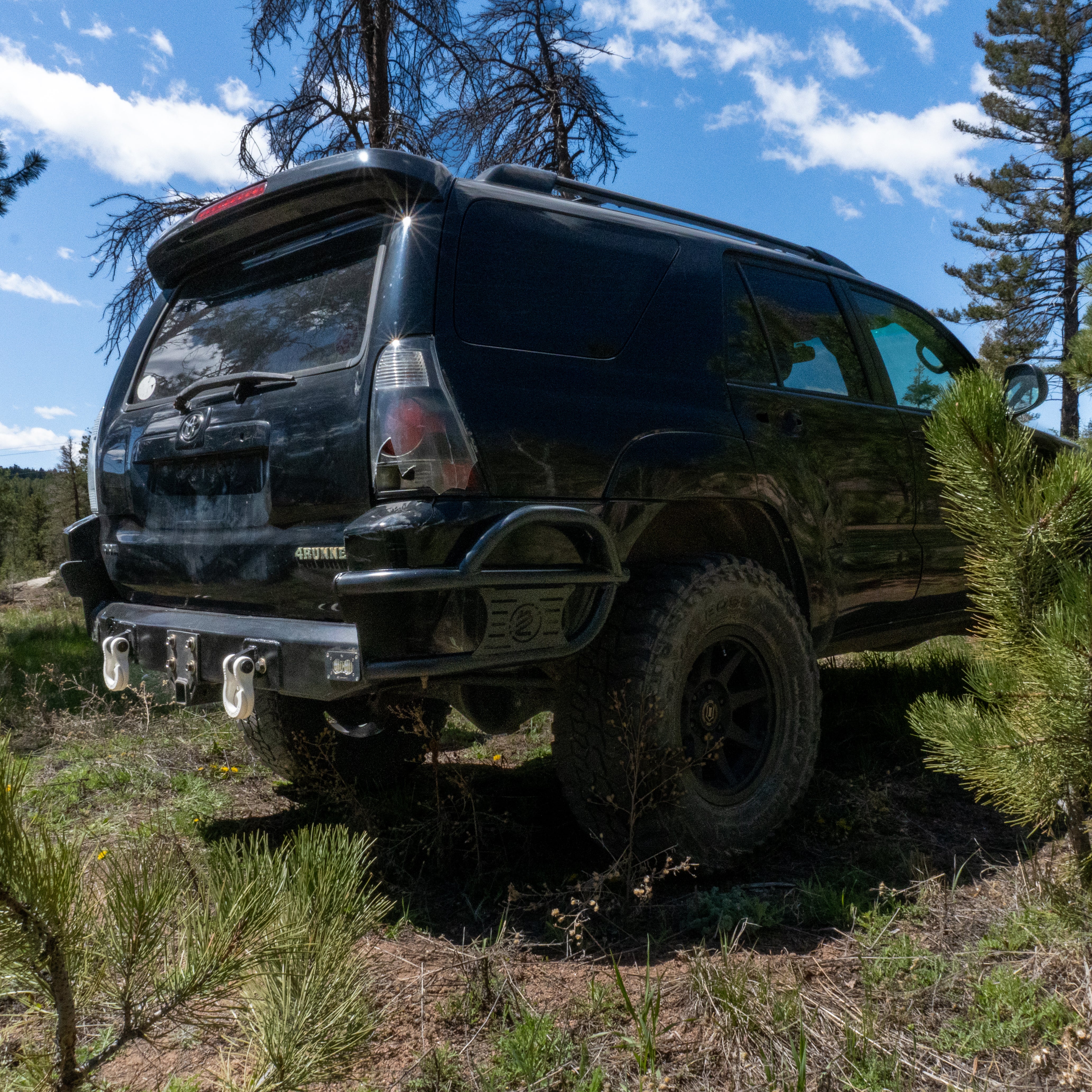
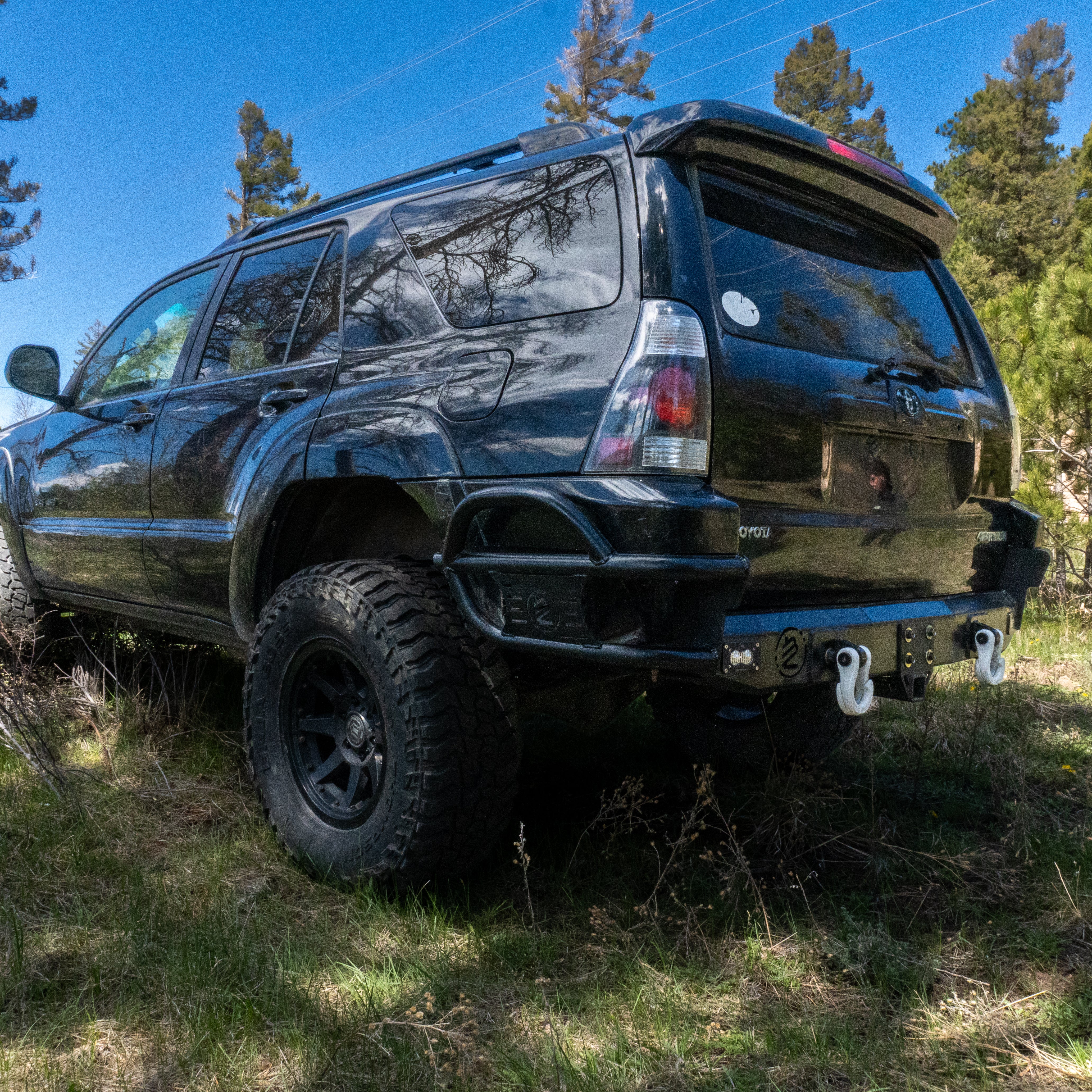
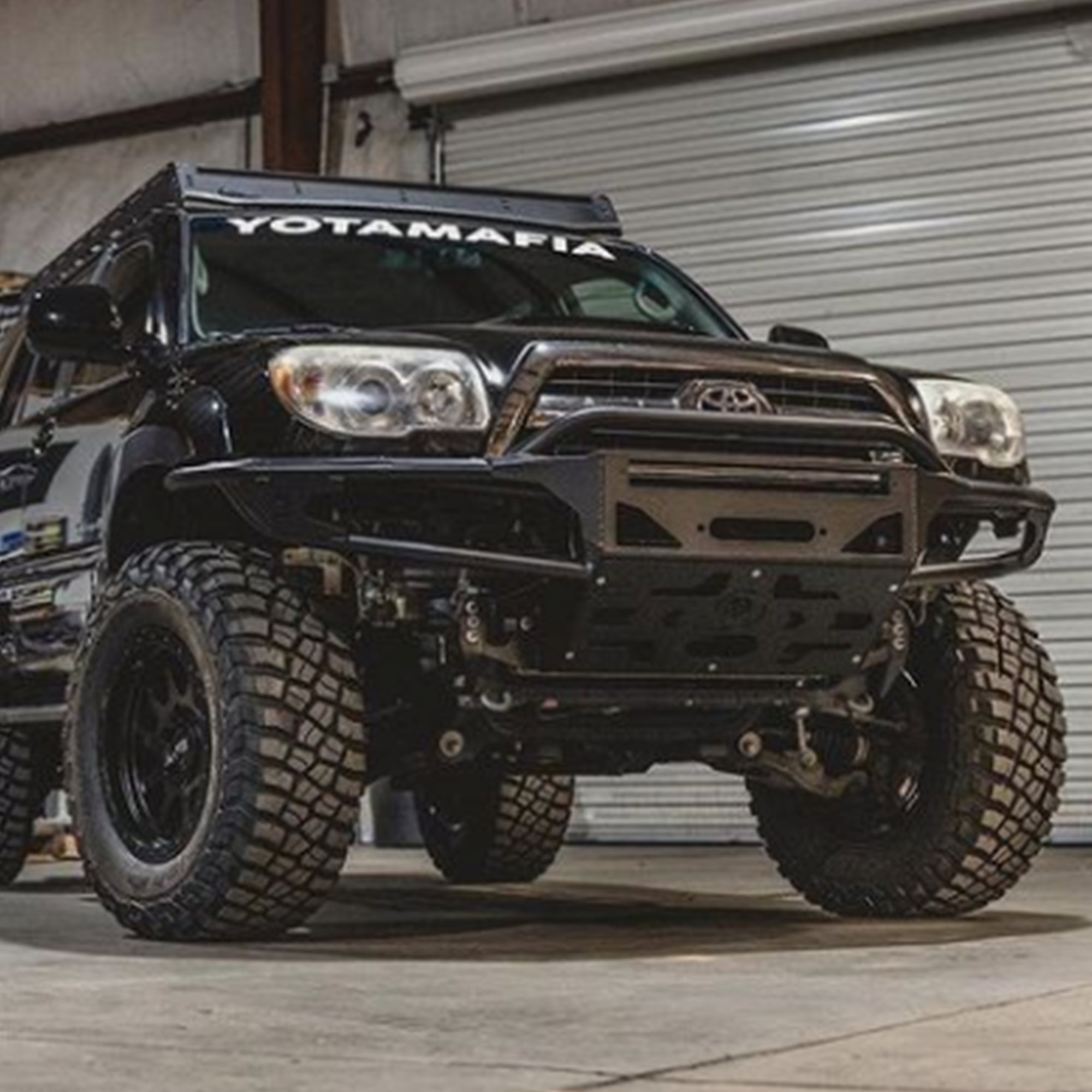
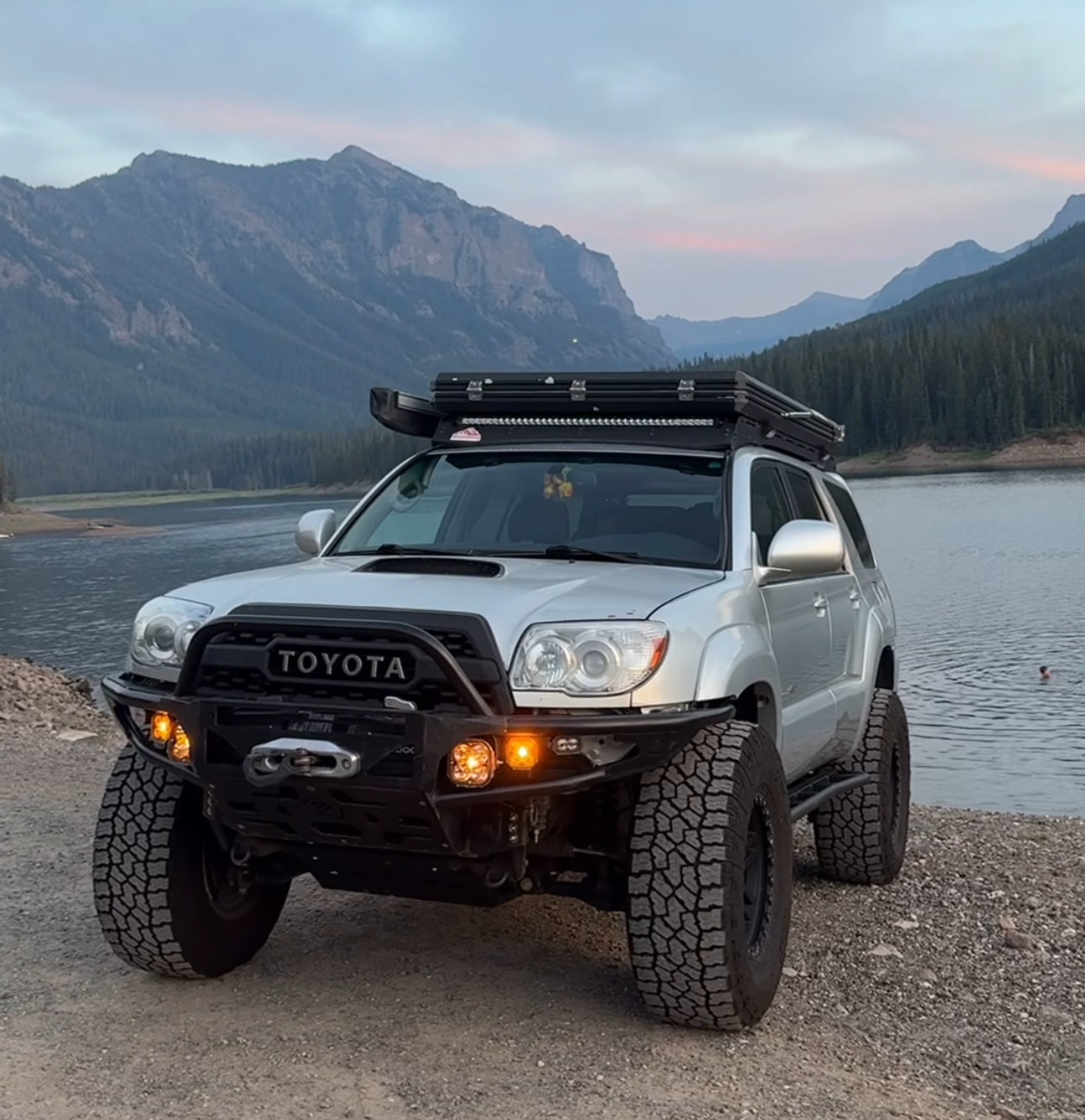
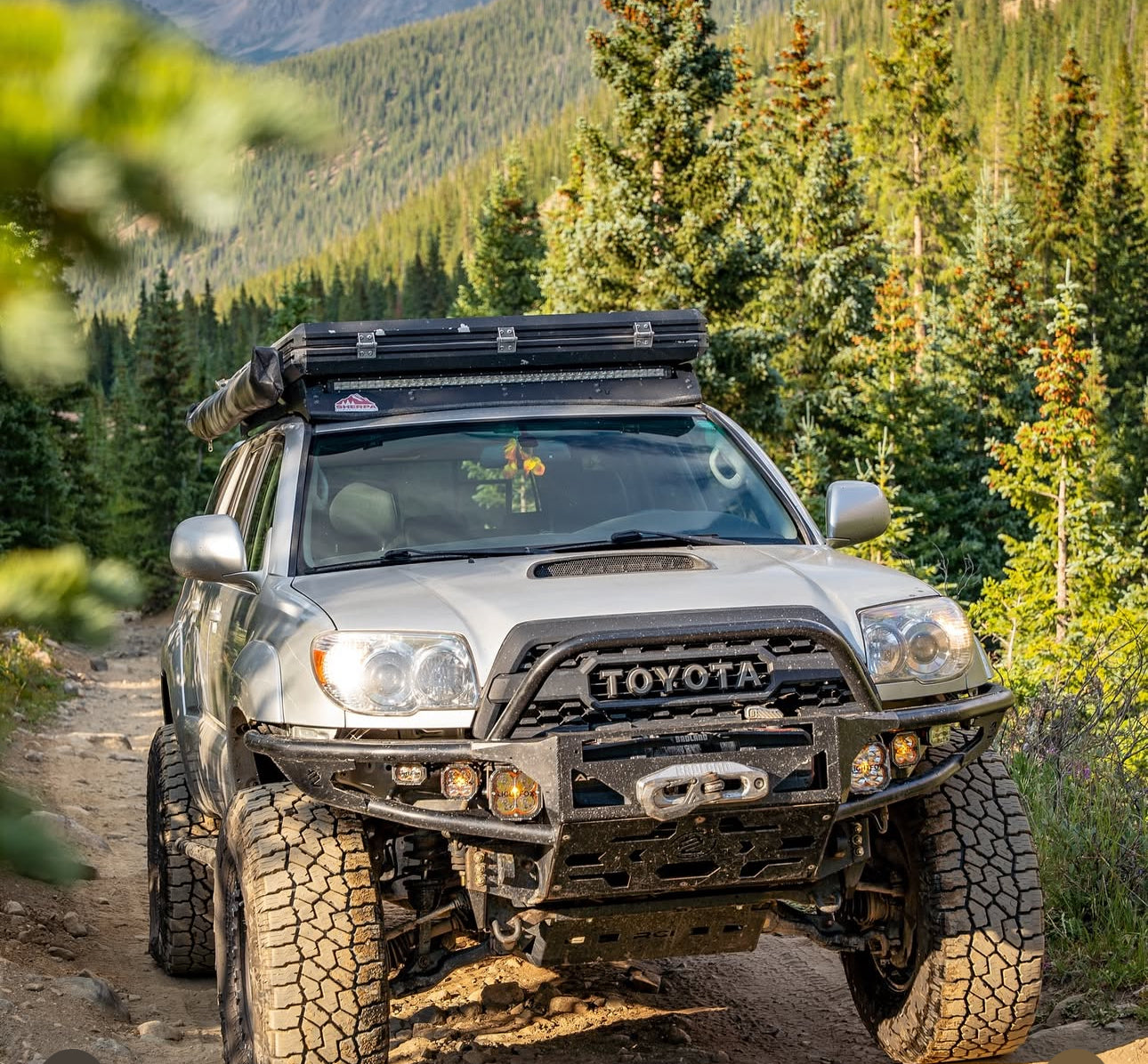
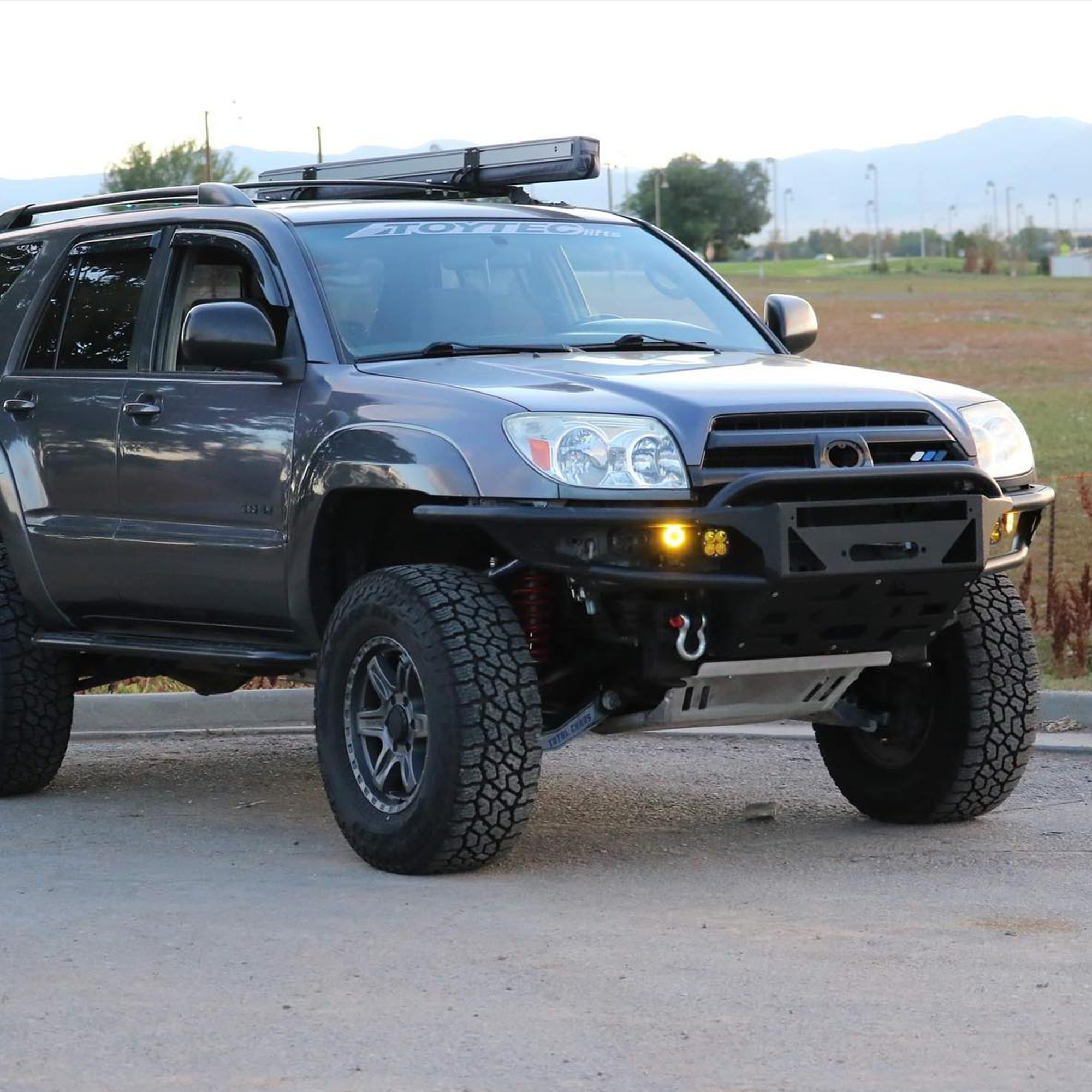
A bumper that improves approach angle, integrates recovery points, and complements the factory body lines is likely to remain relevant much longer than one designed primarily for appearance.
The same philosophy applies across the entire build.
Should you follow off-road trends?
Trends can provide inspiration, but your build should ultimately reflect your driving style, long-term goals, and the type of terrain you explore most often.
Where Lil B's Fits Into a Long-Term Build
At Lil B's Custom Fabrication, products are designed with the expectation that they'll become part of a Toyota owners keep for years.
That means emphasizing:
-
Durable construction
-
High-clearance functionality
-
Recovery-ready designs
-
Precise fitment
-
Compatibility with future upgrades
-
Clean integration with modern Toyota platforms
Rather than building products around short-term trends, the focus is on creating components that continue performing as the vehicle evolves.
Conclusion: The Best Builds Improve With Time
A truly successful Toyota build isn't defined by how many accessories it has or how quickly it comes together.
It's defined by how well every component works together years down the road.
When modifications are chosen thoughtfully, quality is prioritized over shortcuts, and future upgrades are considered from the beginning, the result is a vehicle that continues to perform, look great, and inspire confidence every time it leaves the pavement.
Whether you're building a Tacoma, 4Runner, Tundra, GX Series, or FJ Cruiser, the goal isn't to create the trendiest rig on the trail.
It's to build one that's still earning compliments—and tackling new adventures—long after the trends have faded.
Share:
Steel vs. Aluminum Front Bumpers: Which Is Right for Your Toyota?
Winch-Ready Front Bumpers: What Makes One Truly Winch Ready?